
2027 Fastest Online Bachelor's in Nursing Degree Programs Ranking in Missouri

Co-Founder and Chief Data Scientist
If you're considering advancing your nursing career in Missouri, finding the right online program can feel overwhelming. This article introduces the 2027 Fastest Online Bachelor's in Nursing Degree Programs Ranking in Missouri, developed by the Research.com team of data scientists to guide you in making a well-informed decision.
By exploring these top nursing degree programs, you'll discover quality options designed to fit your busy lifestyle. Earning a nursing degree offers rewarding opportunities to grow professionally and personally while making a meaningful impact on others' lives.
Key benefits of getting online nursing degree in Missouri
- Graduates with a nursing degree in Missouri can expect competitive salaries, such as $94,480 annually for Registered Nurses and Public Health Nurses, with Operating Room Nurses earning up to $128,490 per year.
- Career paths are diverse, including roles like Clinical Nurse Educator or Emergency Room Nurse, offering rewarding opportunities in hospitals, community health, and education sectors.
- Online nursing degrees from Missouri universities provide flexibility and allow students to balance work and study, making it easier to gain practical experience while advancing their education.
- 2027 Fastest Online Bachelor's in Nursing Degree Programs Ranking in Missouri
- What can I expect from online nursing degree in Missouri?
- Where can I work with online nursing degree in Missouri?
What can I expect from online nursing degree in Missouri?
The average cost of an online nursing degree in Missouri usually falls somewhere between $15,000 and $30,000, depending on the type of program and university. Graduates from schools like the University of Missouri or Missouri State University often share how the price felt manageable, especially when balancing work and family. Many mention that the flexibility of online classes helped them avoid moving or losing income, making the investment feel worthwhile.
For example, some RN-to-BSN students found that tuition combined with fees stayed under $20,000, which felt reasonable compared to traditional programs. Others in accelerated BSN tracks sometimes paid more due to the faster pace and extra resources, but they appreciated getting licensed and working sooner. Scholarships and employer tuition assistance programs also made a big difference for many Missouri nursing students, easing the financial load.
Plus, knowing that Missouri's nursing job market is growing and salaries hover around $65,000 means that many felt confident this cost would pay off quickly once they started their careers.
Where can I work with online nursing degree in Missouri?
If you earn your online nursing degree in Missouri, you've got plenty of options to jump into the healthcare scene. Many grads find themselves working as Registered Nurses (RNs) in big hospitals like Barnes-Jewish in St. Louis or Research Medical Center over in KC. Imagine starting your first day in a bustling ER or a specialized care unit-super intense but super rewarding. Others head to smaller rural hospitals or community health centers, which are crucial in areas where healthcare access is tough.
Online nursing grads from schools like the University of Missouri or Missouri State University often share how they landed gigs in outpatient clinics, rehab centers, or even home healthcare-places where you see patients up close and make a real difference daily. With Missouri's aging population, nursing homes and elder care facilities are also hiring lots of new nurses, giving you a chance to build meaningful patient relationships.
Plus, if public health is your thing, state programs offer roles for nurses to work on immunizations and health outreach. Just remember, you'll need to pass the NCLEX-RN and get your Missouri license to start-a smooth process if your program is accredited. Many grads say the demand and variety of nursing jobs in Missouri make pursuing their degree totally worth it.
If you're looking at an online nursing degree in Missouri, you can expect some pretty solid earning potential once you graduate. For example, grads from popular schools like the University of Missouri or Saint Louis University often land roles as Registered Nurses making around $94,480 a year. That's quite a step up from the state's average RN salary of $66,810, thanks to experience and specialization.
Many grads find themselves working as Clinical Nurse Educators or Public Health Nurses, where the pay stays around that $94K mark, giving you a nice stability. If you lean into more specialized fields, like becoming an Operating Room Nurse, you could see a jump to $128,490 annually-definitely a boost worth aiming for.
One graduate shared that after completing their online BSN from Missouri State University, their starting salary hit just under $60,000 in Kansas City, with quick growth thanks to certifications and on-the-job experience. So, even starting out, the numbers can be encouraging!
- Missouri requires all nursing programs, including online ones, to meet state and national accreditation standards to ensure quality education.
- Tuition for a traditional four-year BSN degree in Missouri ranges from $25,000 to $40,000, with online programs sometimes offering lower fees.
- Newly graduated RNs in Missouri earn an average starting salary of about $58,000 per year, rising to around $75,000 for experienced nurses.
- The job market for nurses is growing faster than the national average, driven by an aging population and expanding healthcare needs.
- Licensure through the NCLEX-RN exam is required to practice in Missouri, and online programs must prepare students for this and clinical training within the state.
If you're thinking about getting your nursing degree online in Missouri, the time it takes really depends on your background and how you study. For example, students at popular schools like the University of Missouri or Missouri State University often finish their full-time BSN programs in about four years-just like the on-campus route.
For those who already have some nursing experience, like RNs with an associate degree, online RN-to-BSN bridge programs are a great option. Graduates from these programs usually report finishing in about 1 to 2 years because the courses build on what they already know. Many Missouri colleges tailor these programs for working adults, so you can study part-time if needed.
Some grads who go on to pursue a Master's degree online say it takes around 18 to 24 months after their BSN, especially if they take advantage of accelerated courses offered by schools such as Saint Louis University.
Overall, Missouri's online nursing programs offer the flexibility to balance life, work, and studies while advancing your career at a comfortable pace.
Before you can begin practicing, all graduates must obtain RN licensure through the Missouri State Board of Nursing. First, you’ll need to submit an application, pay the requisite fee, and complete a background check and fingerprinting. Once your eligibility is confirmed, you register for the NCLEX-RN exam through Pearson VUE. Preparing for this high-stakes test is critical: many candidates utilize review courses, question banks, and study groups to boost their confidence and pass rates. According to the Missouri Board, passing scores typically align with national averages, but focused study on pharmacology, medical-surgical nursing, and clinical judgment can give you an edge. After passing the NCLEX-RN, you’ll receive your official Missouri RN license, valid for two years. Licensure renewal requires completion of continuing education (CE) credits-often four contact hours in approved topics-and payment of the renewal fee. Staying current on CE also prepares you for advanced practice roles. If you’re considering an upgrade to a Nurse Practitioner role, explore what are the best 12 month family nurse practitioner programs to find accelerated pathways that align with Missouri’s certification requirements and advance your career.
Choosing between an online or on-campus nursing degree in Missouri really comes down to your lifestyle and learning style. Suppose you're juggling a job or family-online programs from schools like the University of Missouri offer the flexibility to study whenever you can fit it in. Graduates often mention loving the freedom but say you've got to be super self-motivated since there's less face-to-face interaction.
On the flip side, campuses like Missouri State University provide that classic classroom vibe where you get hands-on practice in nursing labs and immediate help from professors. Many grads appreciate being able to ask questions in real-time and bond with classmates during clinical rotations around Springfield or St. Louis.
Both formats require clinical hours at local Missouri hospitals, so you're getting practical experience either way. Tuition-wise, public schools typically charge around $8,300 a year for in-state students, whether online or on-campus. Online can save you on commuting, but the cost per credit is often similar.
Preparing for the NCLEX-RN exam is a critical step for graduates of online nursing programs in Missouri, as licensure determines your ability to practice. Accredited programs often report NCLEX pass rates to demonstrate their effectiveness, with top universities in Missouri boasting first-time pass rates above 90%. When researching schools, look for detailed pass rate data and dedicated exam prep resources, such as practice question banks, virtual simulation labs, and live review workshops. Effective strategies include:
- Structured Study Plans: Allocate daily blocks for content review, question practice, and self-assessment. Graduates often recommend using flashcard apps and timed quizzes to build confidence under pressure.
- Peer Study Groups: Joining or forming virtual study cohorts helps you tackle challenging topics collaboratively. Discussion forums provided by your program can facilitate these connections.
- Faculty-Led Review Sessions: Many online programs schedule interactive webinars led by experienced nursing faculty, focusing on high-yield content areas like pharmacology, pediatric nursing, and safe medication administration.
- Simulated Testing Environments: Use NCLEX simulation software to replicate exam conditions, which helps reduce test anxiety and improves time management skills. Beyond exam prep, licensing outcomes also hinge on program accreditation and state approval. Ensure your chosen online nursing degree is recognized by the Missouri State Board of Nursing and accredited by bodies such as the CCNE or ACEN. High graduation rates coupled with strong NCLEX performance signal a program’s commitment to student success. While evaluating program costs and features, you may also want to compare tuition and outcomes with our Cheapest Online Nursing Degree Programs Ranking in Denton, TX to find the best value options that support your journey from online learner to licensed registered nurse.
If you're wondering about the average cost of an online nursing degree in Missouri, you can expect it to be around $31,080 on average. This figure is a great middle ground between the lower in-state costs, averaging about $42,720, and higher out-of-state tuition, which can go up to around $47,700. Many graduates from schools like Missouri State University share how budgeting carefully for tuition and fees helped them stay on track without feeling overwhelmed.
Missouri online bachelor's in nursing tuition fees can feel like a big hurdle, but plenty of students find that the investment matches the quality and flexibility of their programs. For example, students often appreciate that while the coursework is largely online, some clinical components add real-life experience, which can sometimes have extra costs. However, these hands-on parts are essential and help make the degree worth every penny.
Looking around, it's clear that Missouri offers a reasonable price point compared to other states. Luckily, there are options to keep costs manageable, including scholarships and financial aid tailored for nursing students. If you're trying to find the cheapest nursing schools in Missouri, you'll find some great programs that don't skimp on quality, making it easier to pursue your nursing dream without breaking the bank.
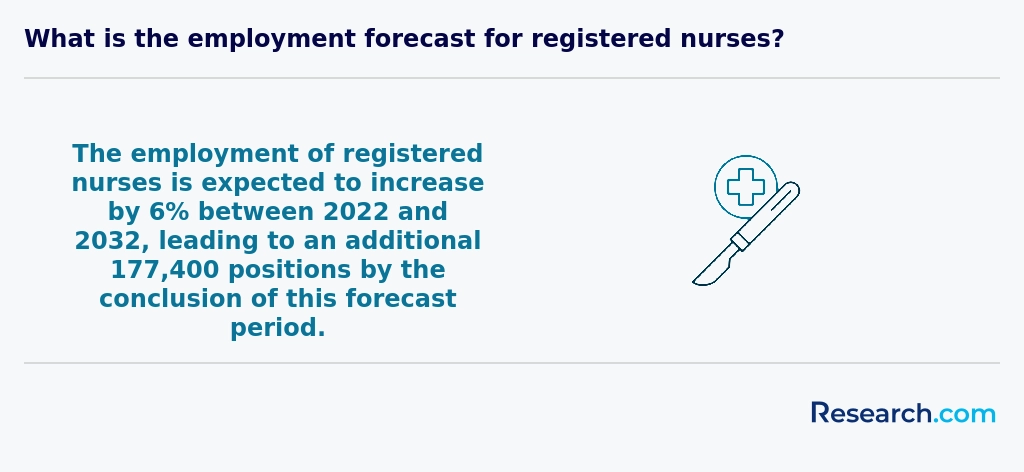
When considering an online nursing degree in Missouri, affordability and return on investment are crucial factors to evaluate. One of the key considerations is the cost of tuition, which can vary significantly between institutions. To find the most affordable options, prospective students can research and compare the costs of different programs. For instance, exploring the cheapest nursing schools in Missouri can provide valuable insights into budget-friendly options without compromising on the quality of education. Understanding the potential return on investment, including salary expectations and job security, is also essential for making an informed decision. By weighing these factors, students can make a well-rounded choice that aligns with their financial situation and career aspirations, ultimately leading to a fulfilling and rewarding nursing career.
If you're tackling an online nursing degree in Missouri, there's a good mix of financial aid out there that can really help lighten the load. Most students start with FAFSA to grab federal aid like Pell Grants, which can cover up to about $7,395 a year-no repayment stress there. One graduate from the University of Missouri shared how this made a huge difference starting out, letting them focus on studies instead of worrying about cash.
On top of that, Missouri offers state-specific help through programs like Access Missouri Financial Assistance. Lots of nursing students at Missouri State University have tapped into these grants and scholarships aimed just at healthcare fields, giving their wallets a break during those intense semesters.
Many also score scholarships from groups like the Missouri Nursing Association, which feel like a shoutout for both hard work and the drive to serve our local communities. Plus, if you're working while you study, some hospitals and clinics offer tuition reimbursements, easing the cost and keeping nurses nearby.
And hey, military veterans or their families have special benefits just for them, adding one more safety net as they push through nursing classes online. So yeah, with all these options, it's way easier to make nursing happen in Missouri without drowning in debt.
Licensure success is a key indicator of program quality for online nursing degrees in Missouri. The National Council Licensure Examination for Registered Nurses (NCLEX-RN) ensures graduates have the essential knowledge and skills to practice safely. Here’s what to look for and expect: • Program NCLEX-RN Pass Rates – University of Missouri–St. Louis: 92% first-time pass rate (2023) – Missouri State University: 89% first-time pass rate (2023) – Saint Louis University: 94% first-time pass rate (2023) • Supportive Exam Preparation – Review Courses: Many programs include dedicated NCLEX review modules with practice questions and simulated exams. – Tutoring and Workshops: Small-group sessions and one-on-one coaching help students target weak areas. – Peer Study Groups: Online forums connect you with classmates to share study strategies and resources. • Licensing Requirements in Missouri 1. Graduate from an ACEN- or CCNE-accredited nursing program. 2. Apply to the Missouri State Board of Nursing for NCLEX authorization. 3. Register and schedule your NCLEX-RN through Pearson VUE. 4. Complete the exam and submit fingerprints for background checks. • Tips to Boost Your NCLEX Success – Start early: Integrate NCLEX-style questions into weekly study routines. – Use quality resources: Leverage reputable prep books, apps, and video tutorials. – Simulate test conditions: Practice full-length exams under timed, distraction-free settings. After passing the NCLEX-RN, many graduates pursue advanced practice roles. If you’re considering the next step in your nursing career, explore our guide to the most affordable online nurse practitioner degree to find cost-effective paths toward specialization.
If you're thinking about starting an online nursing degree in Missouri, the basics are pretty straightforward. Most programs want to see that you've finished high school or have your GED. That's something a lot of graduates from popular schools like the University of Missouri or Saint Louis University often mention-having that foundation really helps ease into the coursework.
You'll also need some background in science classes like biology and chemistry. One grad shared that brushing up on these subjects before jumping into the program made a huge difference with the tougher lessons.
Some schools ask for test scores like the ACT or SAT, but lately, many have gone test-optional, which is great news if standardized tests aren't your thing.
If you're aiming for an accelerated or RN-to-BSN program, having an active Missouri RN license is a must. It's not just a box to check; it shows you've got real-world nursing experience, which definitely boosted confidence for those grads stepping back into school.
Oh, and don't forget things like personal statements or letters of recommendation-these give you a chance to show off your communication skills and critical thinking, which Missouri colleges value a lot.

Accreditation confirms a nursing program meets rigorous quality standards and ensures graduates are eligible for the NCLEX-RN exam.
- Commission on Collegiate Nursing Education (CCNE) accreditation
- Accreditation Commission for Education in Nursing (ACEN) accreditation
- Approval by the Missouri State Board of Nursing
Completing an accredited, state-approved program safeguards licensure eligibility, eases credit transfers, and boosts employer confidence. For state-approved options with straightforward admissions processes, explore easy nursing schools to get into.
If you're diving into an online nursing degree in Missouri, you'll quickly notice the coursework covers a lot of ground to get you ready for real-world nursing. Classes like anatomy, physiology, and microbiology form the base-think of them as learning the building blocks of the human body and how it fights off illness. Graduates from Missouri's popular nursing schools often mention how these early courses helped them feel confident understanding how diseases work and how medications affect patients.
Besides the sciences, you'll jump into nursing fundamentals and clinical practice, which might sound tough online but usually includes virtual simulations and supervised clinical hours at local healthcare sites in Missouri. This mix lets you get hands-on experience without leaving your hometown.
Many alumni from Missouri colleges say courses in nursing research, ethics, and leadership totally changed how they see healthcare, helping them become more thoughtful and proactive nurses ready to influence patient care and policy.
Other common subjects you'll find laid out include health assessment, community health, mental health nursing, and even maternal and child care, setting you up for a well-rounded nursing career.
If you're exploring online nursing specializations in Missouri, you'll find quite the variety tailored to fit different career paths. Many graduates from well-known schools like the University of Missouri or Missouri State share how specializations like Registered Nurse to Bachelor of Science in Nursing (RN to BSN) helped them boost their credentials without putting life on hold. Others dive into fields like Family Nurse Practitioner (FNP), which is super popular because Missouri really needs primary care providers-plus, you can discover what are the best 12 month family nurse practitioner programs if you're eager to jump in fast.
The options don't stop there. Psychiatric-Mental Health Nursing is perfect if you want to help with the mental health crunch in rural parts of Missouri. Then there's Geriatric Nursing, great for those who feel called to care for our aging neighbors. Many students also love Healthcare Leadership and Administration to move into management roles while still leaning on their clinical background. Whether you want to stay close to home or serve statewide, Missouri nursing degree programs specializations make it easy to find your niche.
When picking the best online nursing degree in Missouri, it's all about finding a program that fits your life and goals. Many graduates from well-known Missouri schools share how important it was for them to choose a program with solid accreditation, like CCNE or ACEN, so they felt confident their degree would be respected when applying for jobs or taking the NCLEX-RN exam. Missouri's universities often have great pass rates, which is a huge plus when you're aiming to start your nursing career smoothly.
Cost is a big deal too - nursing degrees in Missouri usually range between $8,000 and $20,000 a year, which helps if you're budget-conscious. Many students appreciate programs that offer online, flexible classes but make sure they can do their clinicals nearby. Plus, if you've got some nursing credits already, check the transfer policies.
For those wanting options, looking into the most affordable online nurse practitioner degree programs can be a smart move when exploring the best online nursing programs Missouri has to offer.

If you're looking into online nursing careers in Missouri, there's a lot of exciting options once you graduate. Many grads from popular schools like the University of Missouri or Missouri State University start as Registered Nurses, working hands-on in hospitals or clinics across the state. This role really puts you in the heart of patient care, and you get to make a real difference every day. Others take advantage of accelerated LPN to RN bridge programs online, which fast-track them into more advanced nursing roles.
Some graduates choose to level up even more by becoming Nurse Practitioners or Nurse Educators, which opens doors to diagnosing patients or teaching future nurses-something in high demand here. Plus, with the rural parts of Missouri needing nurses desperately, you might find yourself leading community health projects in small towns. For those interested in variety, roles in nursing informatics or case management offer a mix of healthcare and tech. Curious about costs? You should check out the Cheapest Online Nursing Degree Programs Ranking in Denton, TX to compare how Missouri stacks up.
The job market for online nursing degree graduates in Missouri is looking pretty bright right now. With the state dealing with an aging population and a steady nursing shortage, there's a real demand for skilled nurses. Graduates from popular schools like the University of Missouri and St. Louis Community College find themselves landing jobs in hospitals, nursing homes, and outpatient care centers without much trouble. Many say their online nursing degrees gave them both flexibility and the practical skills needed to meet Missouri's licensing requirements.
For those aiming at online nursing jobs in Missouri, the average RN salary hovers around $66,000, which is solid and competitive for the region. Plus, there's a growing need for specialized nurses like nurse practitioners, so going beyond the basic RN can really pay off. Some recent grads mention that programs emphasizing clinical skills and new tech use helped them feel confident stepping into telehealth roles.
If the cost of nursing programs is a concern, you might want to explore easy online programs that offer good value but still prepare you well for the Missouri nursing degree employment outlook. Many find these online options save money and fit better with busy lives.
2027 Fastest Online Bachelor's in Nursing Degree Programs Ranking in Missouri
Investing in your education is a significant decision that can shape your future, and the Research.com team understands the importance of making informed choices. To assist prospective students in Missouri, we have meticulously crafted the "2027 Fastest Online Bachelor's in Nursing Degree Programs Ranking in Missouri." Our commitment to quality, credibility, and accuracy is reflected in the extensive research and analysis conducted to compile this ranking.
We utilized the following reputable data sources to ensure a comprehensive evaluation of nursing programs:
By exploring this ranking, readers will gain valuable insights into the fastest online nursing degree programs available in Missouri, empowering them to make informed decisions about their educational journey. For more details on our methodology, please visit our Research.com methodology page.


# 5 position
Chamberlain University - St. Louis
Nursing, RN to BSN degree completion program
Frequently Asked Questions About nursing
Online nursing degree students in Missouri can enhance their learning by actively engaging with both digital course materials and clinical practice. Missouri requires a minimum of 500 clinical hours for nursing licensure, so students should seek programs that offer in-state clinical placements to gain hands-on experience close to home. Utilizing Missouri's nursing boards and resources, such as the Missouri State Board of Nursing, helps students stay informed about licensure requirements and updates.
Forming study groups with peers, even virtually, supports deeper understanding of complex nursing concepts. Leveraging library access and academic support services available through online universities can improve outcomes. Missouri's healthcare market is expected to grow by 11% over the next decade, highlighting the importance of staying current with evidence-based practices. Regular communication with instructors and participation in online forums further enrich the educational experience.
The nursing field is rapidly evolving, with several emerging niches offering new opportunities for professionals in Missouri. One notable area is telehealth nursing, which has expanded significantly due to the increased demand for remote patient care. According to the Missouri Center for Nursing, telehealth roles are expected to grow alongside advancements in digital health technology.
Another promising niche is geriatric nursing, driven by Missouri's aging population. The state's Department of Health reports a growing need for nurses trained in elder care and chronic disease management. Additionally, informatics nursing, which combines healthcare and information technology, is gaining traction as hospitals implement advanced electronic health records.
Overall, these specialized fields provide critical services and are supported by state initiatives aimed at addressing Missouri's unique healthcare needs.
After completing an online nursing degree in Missouri, preparing for the job market involves several key steps. First, graduates must pass the NCLEX-RN exam to obtain licensure from the Missouri Board of Nursing, which is mandatory to practice as a registered nurse in the state. Missouri's healthcare sector is growing, with a projected 15% increase in RN jobs by 2030 according to the Missouri Economic Research and Information Center.
Building clinical experience through internships or volunteer work can strengthen resumes. Networking with local healthcare providers and attending Missouri nursing job fairs or professional association meetings also helps in finding job leads.
Employers in Missouri highly value nursing graduates who demonstrate strong clinical skills and critical thinking. According to the Missouri State Board of Nursing, practical experience with patient care and familiarity with electronic health records are essential. Communication skills, both verbal and written, are also frequently emphasized, as nurses must collaborate with healthcare teams and educate patients effectively.
Missouri healthcare employers prefer graduates with adaptability and cultural competence due to the state's diverse patient population. Time management and stress management abilities are crucial for managing fast-paced environments. Data from the Missouri Hospital Association highlights that nurses proficient in evidence-based practice show better patient outcomes, making these skills highly desirable.
Finding nursing internships in Missouri begins with researching accredited healthcare facilities and university-affiliated programs. Many hospitals, such as Mercy and SSM Health, offer structured clinical placements specifically for nursing students. These internships provide hands-on experience critical to fulfilling Missouri State Board of Nursing requirements.
Students should also utilize online resources like the Missouri State Nurses Association, which lists internship and externship opportunities. Local community colleges and universities often collaborate with healthcare providers, promoting internships aligned with online nursing degree programs.
Networking through hospital career fairs and reaching out to facility education departments increases chances of placement. According to the Missouri Economic Research and Information Center, registered nursing is a high-growth occupation, making internships well-supported and essential for licensure.
An online nursing degree in Missouri significantly enhances career mobility and advancement opportunities. The Missouri State Board of Nursing recognizes accredited online programs, allowing graduates to sit for the NCLEX-RN exam and obtain licensure statewide. This licensure is essential for clinical practice and serves as a baseline for career progression.
Missouri's healthcare sector is growing, with a projected 12% increase in registered nurse employment through 2030, according to the U.S. Bureau of Labor Statistics. Nurses with bachelor's degrees often qualify for higher-paying roles, leadership positions, and specialized fields such as case management or nursing education.
Online programs also provide flexibility, enabling working nurses to upgrade qualifications without interrupting employment, thereby supporting continuous professional development and boosting competitiveness in the job market.
Studying for a nursing degree in Missouri equips students with skills essential for interdisciplinary healthcare teamwork. Missouri's accredited online nursing programs emphasize collaboration between nurses, physicians, social workers, and other health professionals. This approach prepares graduates to contribute effectively in diverse care settings.
Missouri's healthcare system encourages integrated care models, where communication and joint decision-making improve patient outcomes. According to the Missouri State Board of Nursing, programs include courses on healthcare policy, ethics, and leadership, fostering understanding beyond traditional nursing roles.
Through clinical simulations and virtual case studies, students practice working within teams, coordinating care plans, and advocating for patient needs across disciplines.
When choosing between a thesis and a non-thesis nursing degree program in Missouri, consider your career goals first. Thesis programs emphasize research skills, ideal for students aiming for advanced clinical roles or graduate school. Non-thesis options focus more on practical nursing skills and coursework, suitable for those seeking immediate workforce entry.
Missouri's nursing workforce grew by about 12% over the last decade, reflecting demand for both research and clinical expertise (Missouri State Board of Nursing, 2023). Thesis degrees often require a final research project, which can extend program length compared to non-thesis tracks.
Review program curricula carefully and consider your time availability. Online programs in Missouri vary, so assess faculty support for thesis research if you choose that path.
Students based in Missouri interested in studying nursing abroad have several pathways to consider, though most international nursing education programs require travel or extended stays outside the U.S. Currently, no Missouri institutions offer fully online nursing degrees awarded by foreign universities. However, Missouri students may enroll in partnered exchange or study-abroad programs through their U.S. colleges, allowing them to gain international clinical experience while completing credits toward their nursing degree.
The Missouri State Board of Nursing mandates that all nurses must graduate from a program accredited by recognized U.S. agencies to be licensed in Missouri. Consequently, students pursuing international nursing degrees must ensure their programs meet U.S. accreditation standards to practice locally.
According to the U.S. Bureau of Labor Statistics, Missouri employed over 75,000 registered nurses in 2022, indicating strong local demand. Many Missouri students prefer completing their nursing education domestically through online or hybrid programs and supplementing with abroad experiences to enhance global clinical skills.
Part-time job opportunities in Missouri that complement nursing degree education include roles such as certified nursing assistant (CNA), medical assistant, and home health aide. These positions provide practical experience in patient care, an essential component for nursing students. According to the Missouri Economic Research and Information Center, the demand for CNAs in Missouri is projected to grow by 15% through 2030, reflecting strong job availability. Working as a medical assistant in clinics or hospitals can also enhance clinical skills and familiarize students with healthcare environments. Home health aide roles offer experience in patient support, particularly valuable for nursing students interested in elder care or community health.
Online nursing students in Missouri have multiple networking opportunities to support their career growth. Many universities offering online nursing degrees in Missouri encourage involvement in student nursing organizations, such as the Missouri Nursing Students Association. These groups provide virtual events, workshops, and statewide conferences where students can connect with peers and nursing professionals.
Additionally, Missouri's healthcare community is active and geographically diverse, allowing students to engage in clinical placements and internships in local hospitals and clinics. The Missouri Nurses Association offers resources, networking events, and access to mentorship programs tailored for both students and early career nurses.
The state's nursing shortage also creates abundant job fairs and employer partnerships, fostering valuable connections for online students planning to enter the workforce. According to the Missouri Economic Research and Information Center, registered nursing is among the top-growing occupations, which makes these networking platforms vital for gaining practical experience and professional relationships.
Alumni networks offer valuable support for online nursing degree students in Missouri. These networks connect current students with graduates who have real-world experience in Missouri's healthcare settings. Such connections can lead to mentoring opportunities and personalized career advice tailored to local job markets.
Missouri is home to over 35,000 licensed registered nurses, and alumni networks help students navigate this competitive field by sharing insights on employer expectations and regional hiring trends from sources like the Missouri State Board of Nursing.
Additionally, alumni often share job openings and clinical placement opportunities unavailable through standard channels, enhancing students' chances of employment after graduation.
Customizing an online nursing degree program in Missouri allows students to align their education with specific career goals. Many accredited programs offer specialty tracks such as gerontology, pediatrics, or community health, enabling focused learning. Selecting electives related to leadership or informatics can also prepare students for advanced roles. Missouri's nursing board supports flexible clinical placements, so students can often complete practical hours in local healthcare settings that fit their interests.
Programs accredited by bodies like the CCNE or ACEN ensure quality and relevance to Missouri's healthcare demands. According to the Missouri State Board of Nursing, tailoring your coursework and clinical experiences can improve job prospects and licensure readiness within the state's fastest-growing nursing sectors.
Online nursing students in Missouri often face several challenges related to balancing coursework with clinical requirements. While theory courses can be completed virtually, Missouri mandates in-person clinical hours, which can require travel and scheduling adjustments. According to the Missouri State Board of Nursing, students must complete supervised clinical practice to qualify for licensure, presenting logistical hurdles for some.
Technical issues also pose difficulties; reliable internet access is crucial, especially in rural areas of Missouri where connectivity may be limited. Time management is another common challenge, as many online students juggle jobs and family obligations alongside their studies. Navigating state-specific regulations and accreditation ensures that the degree leads to licensure and employment within Missouri's healthcare system.
With an online nursing degree in Missouri, graduates can pursue several professional certifications to enhance their career prospects. Most nurses begin by obtaining the Registered Nurse (RN) license through the Missouri State Board of Nursing, which is a fundamental requirement for practice in the state.
After licensure, RNs can pursue specialty certifications such as the Certified Nurse Practitioner (CNP), Certified Clinical Nurse Specialist (CNS), or Certified Nurse Educator (CNE). These certifications are offered by organizations like the American Nurses Credentialing Center (ANCC) and Nurse Practitioner Association, which recognize specialized expertise.
According to the Missouri Economic Research and Information Center, demand for specialized nursing roles is growing, making these certifications valuable investments.
To write a winning application for an online nursing program in Missouri, start by thoroughly researching each school's specific requirements. Many programs, including those accredited by the Missouri State Board of Nursing, expect applicants to have a solid academic record, especially in science and health-related courses.
Emphasize relevant clinical experience and clearly explain your motivation to pursue nursing in your personal statement. Missouri's healthcare system values diverse skills due to rising nurse demand; highlight any unique qualifications or volunteering in local health facilities.
Submit all official transcripts and any required standardized test scores on time. Letters of recommendation from supervisors or instructors who know your work ethic strengthen your application. According to the Missouri Center for Nursing, applications that demonstrate commitment and preparedness tend to stand out in competitive admissions.
The nursing profession holds a respected status worldwide, and its demand continues to grow due to aging populations and global health challenges. In the United States, including Missouri, nursing is one of the fastest-growing careers with a projected growth rate of 9% from 2021 to 2031 according to the U.S. Bureau of Labor Statistics. Globally, nurses are vital in healthcare systems, often serving as primary care providers in rural and underserved areas.
Missouri reflects national trends, with increasing opportunities for nurses who hold bachelor's degrees, especially those completing online programs. The Missouri Center for Nursing reports a continuous need for well-prepared nurses to meet healthcare demands, highlighting the importance of advanced education.
International perspectives emphasize cultural competence, adaptability, and advanced clinical skills-all qualities supported by accredited online nursing programs available to Missouri students.
Students pursuing an online nursing degree in Missouri must complete clinical practice hours to gain hands-on experience. Most programs partner with local hospitals, clinics, and long-term care facilities where students can fulfill their clinical requirements near their homes. This arrangement ensures students comply with Missouri Board of Nursing regulations while benefiting from real-world training.
Missouri requires nursing students to complete a minimum number of clinical hours, typically between 500 and 700, depending on the program. These hours provide exposure to patient care, nursing procedures, and teamwork under licensed supervision. According to the Missouri Center for Nursing, about 70% of online nursing students secure local clinical placements within six months of starting their program.
Additionally, some schools offer simulation labs or virtual reality experiences to complement direct patient care, which can be especially valuable during pandemics or in rural areas where clinical sites are limited.
Choosing the right concentration within an online nursing degree program in Missouri requires careful consideration of your career goals and local healthcare needs. Missouri's nursing workforce is diverse, with high demand in areas like gerontology, family practice, and psychiatric nursing, according to the Missouri Center for Nursing.
Research the concentrations offered by accredited programs to ensure they align with Missouri Board of Nursing requirements. Consider specialties that offer strong job growth; for example, family nurse practitioners and psychiatric nurse practitioners are among the fastest-growing roles in the state, per the Bureau of Labor Statistics.
Also, evaluate how the concentration fits your interests and lifestyle, as some focus on hospital settings while others emphasize community or outpatient care. Online programs often provide flexibility, but clinical placements must be available locally in Missouri, so confirm this before deciding.
- 2027 Fastest Online Bachelor's in Nursing Degree Programs Ranking in Kansas
- 2027 Fastest Online Bachelor's in Nursing Degree Programs Ranking in Arkansas
- 2027 Fastest Online Bachelor's in Nursing Degree Programs Ranking in Illinois
- 2027 Fastest Online Bachelor's in Nursing Degree Programs Ranking in Kentucky
- 2027 Fastest Online Bachelor's in Nursing Degree Programs Ranking in Tennessee
- 2027 Fastest Online Bachelor's in Nursing Degree Programs Ranking in Indiana
- 2027 Fastest Online Bachelor's in Nursing Degree Programs Ranking in Wisconsin
- 2027 Fastest Online Bachelor's in Nursing Degree Programs Ranking in Colorado
- 2027 Fastest Online Bachelor's in Nursing Degree Programs Ranking in Ohio
- 2027 Fastest Online Bachelor's in Nursing Degree Programs Ranking in North Dakota
See What Experts Have To Say About Studying Nursing
Read our interview with Nursing experts


- Interdisciplinary Education and Practice https://www.aacnnursing.org/news-data/position-statements-white-papers/interdisciplinary-education-and-practice
- Nursing Internship and Externship Programs https://jobs.mayoclinic.org/nursinginternexternprograms
- School of Nursing Alumni Resources https://nursing.utmb.edu/About/Alumni
- Your Questions About Online Nursing School, Answered https://www.allnursingschools.com/how-to-get-into-nursing-school/online-programs/
- Can I Get a Nursing Degree Online? | University of Phoenix https://www.phoenix.edu/articles/nursing/can-i-get-a-nursing-degree-online.html
- Types of Aid - Cass Career Center https://www.casscareercenter.com/community-educations/pn-financial-aid/types-of-aid
- Nursing Study Abroad Programs | Go Overseas https://www.gooverseas.com/study-abroad/nursing
- Can Graduates Expect Job Offers Right After Nursing School? https://nursingeducation.org/insights/job-offers-after-nursing-school/
- Determine Your Career Goals for Nursing https://www.achievetestprep.com/blog/what-are-career-goals-for-nursing
- From our readers…Strengthening nursing networks https://www.myamericannurse.com/from-our-readersstrengthening-nursing-networks/


