2027 Fastest Online Bachelor's in Nursing Degree Programs Ranking in the USA

Co-Founder and Chief Data Scientist
Choosing the right nursing degree program can be overwhelming, but the 2027 Fastest Online Bachelor's in Nursing Degree Programs Ranking in the USA is here to help. Created by Research.com's team of data scientists, this ranking offers a clear, data-driven guide to the fastest online nursing programs available nationwide.
Whether you're starting your nursing journey or advancing your career, this article will help you make an informed decision. Earning your nursing degree online offers flexibility, quality education, and opens doors to rewarding opportunities in healthcare.
Explore the ranking and take the next confident step toward your nursing future.
Key benefits of getting online nursing degree in America
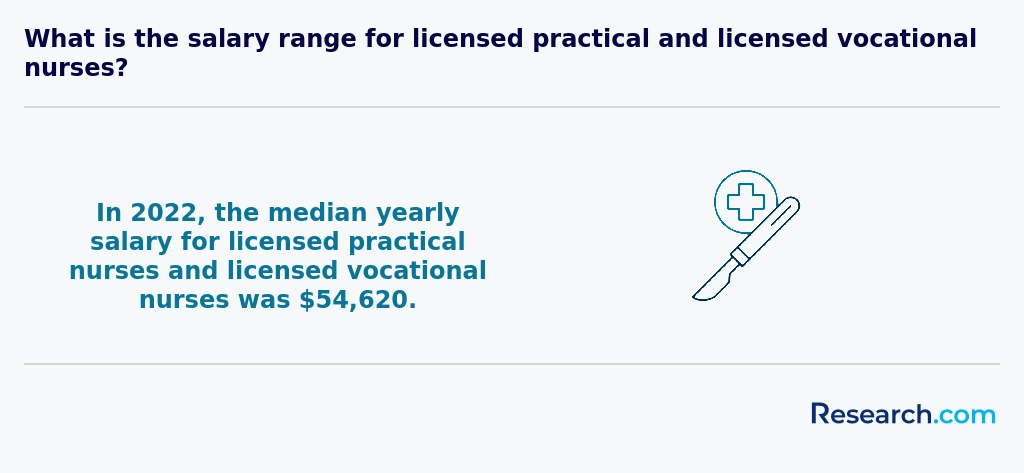
- Registered Nurses, Clinical Nurse Educators, Public Health Nurses, and Emergency Room Nurses earn a mean annual wage of around $94,480, while Operating Room Nurses can earn notably more at $128,490, showing strong salary potential for nursing graduates.
- A nursing degree opens doors to diverse career paths, from bedside care to teaching and public health roles, just like graduates from top universities who successfully find rewarding positions across healthcare settings.
- Online nursing degrees offer flexibility and convenience, allowing students from anywhere to balance work and study effectively, much like graduates from reputable online programs who appreciate learning at their own pace without sacrificing quality.
- 2027 Fastest Online Bachelor's in Nursing Degree Programs Ranking in the USA
- What can I expect from online nursing degree in America?
- Where can I work with online nursing degree in America?
What can I expect from online nursing degree in America?
The average cost of an online nursing degree in America typically ranges between $30,000 and $60,000, depending on the university and program type. For many students at well-known institutions like the University of Arizona or Ohio State University, this investment unlocks flexible learning that perfectly fits around busy lives, work schedules, and family commitments, creating a sense of achievement and excitement as they progress.
Graduates often share how affordable tuition combined with savings on commuting and housing makes pursuing their nursing dreams feel achievable. Imagine juggling evening lectures on your laptop while caring for your family, then gaining hands-on clinical experience at local hospitals arranged by your program. This blend of convenience and rigor builds confidence and a deep connection to the nursing profession.
While prices vary, it's essential to choose accredited programs recognized by bodies like the CCNE to ensure quality education and smooth licensure. Many students happily recall how their programs balanced cost with high-value education, fueling their passion and readiness for a meaningful nursing career.
Where can I work with online nursing degree in America?
Earning an online nursing degree from respected programs at institutions like the University of Pennsylvania or Ohio State University opens doors to vibrant careers across America's healthcare landscape. Graduates often find themselves immersed in bustling hospital settings, from cutting-edge urban trauma centers to cozy rural hospitals, thriving in diverse units like maternity wards or emergency rooms.
Imagine stepping into a community clinic after classes, helping families with everyday health concerns, just as many graduates of top-notch online programs describe. Outpatient care centers and physician's offices are popular destinations, where nurses enjoy close patient interaction and routine medical support roles.
Others pursue passions in community health or public agencies, engaging in health education campaigns and wellness initiatives that create real impact. Home healthcare is another adventurous path-visiting patients in their homes, managing chronic conditions, and fostering independence, all while experiencing America's neighborhoods firsthand.
Many find joy working in long-term care, offering compassionate support to elderly residents in nursing homes. These career paths showcase how an online nursing degree paired with licensure becomes a ticket to rewarding, meaningful work across the nation.
Graduates with an online nursing degree from popular American institutions often find themselves stepping into roles that pay impressively well. For example, a Registered Nurse working in bustling hospitals or clinics can expect to earn an average annual salary around $94,480, offering both financial stability and rewarding career growth.
Many graduates who choose specialized paths like operating room nursing discover their salaries can soar even higher, with average earnings of about $128,490 per year. Imagine the excitement of a graduate from a well-known online nursing program in Arizona or Florida proudly sharing how their education opened doors to such lucrative roles.
Even those who pursue careers as Clinical Nurse Educators or Public Health Nurses find comparable salaries to RNs, typically around $94,480 annually, allowing them to make a meaningful impact in diverse healthcare settings.
These figures show that online nursing degrees are not just flexible-they lead to tangible and competitive salaries nationwide. Graduates feel confident stepping into their careers, supported by accredited programs that prepare them for success no matter where they live in America.
- Online nursing degrees include ADN, BSN, and MSN programs with accreditation from CCNE or ACEN required for quality and licensure eligibility.
- BSN programs typically cost between $40,000 and $70,000, while ADN programs can be under $20,000; financial aid may be available.
- Registered nurse employment is projected to grow 6% from 2021 to 2031, adding about 175,900 new jobs nationwide.
- Starting salaries for new nurses range from $60,000 to $65,000 annually, with mid-career nurses earning between $75,000 and $90,000.
- Graduates must pass the NCLEX-RN exam to become licensed registered nurses eligible to practice across the United States.
Embarking on an online nursing degree in America invites a thrilling journey of growth, where time frames vary based on your starting point and goals. Many students enrolling in traditional BSN programs at well-known institutions like the University of Pennsylvania or Ohio State University discover it takes about four years if they're beginning fresh, embracing full-time study while balancing life's demands.
For those adventurous graduates already holding a bachelor's degree who seek a quicker path, accelerated BSN programs-offered by universities such as Northeastern or Johns Hopkins-can wrap up in just 12 to 18 months. Imagine diving intensely into courses, feeling the rush as you pivot toward a new passion within a year or so!
Then there are experienced registered nurses who choose RN-to-BSN tracks at places like the University of Florida, enriching their expertise in as little as 12 months or stretching to 24 if balancing jobs and families. Their stories often highlight the rewarding flexibility that online studies provide, enabling them to meet clinical requirements locally while advancing their careers at their own pace.
For individuals holding a bachelor’s degree in a non-nursing field, Direct-Entry MSN programs provide an expedited route into nursing, combining foundational BSN coursework with advanced practice training. These accelerated paths often range from 24 to 36 months and include intensive clinical rotations, preparing graduates for both NCLEX-RN licensure and master’s-level roles. Admission typically requires a minimum GPA of 3.0 in prior undergraduate coursework, prerequisite science courses (anatomy, physiology, microbiology), and a personal statement demonstrating commitment to patient care. Curriculum highlights: • Integrated Clinical Immersion – Early hands-on experiences in hospital and community settings ensure students develop critical thinking and patient assessment skills from day one. • Evidence-Based Practice & Research – Courses on nursing research methods equip students to apply the latest clinical guidelines and improve patient outcomes. • Leadership & Policy – Training in healthcare administration and policy advocacy readies graduates for roles in management and system-wide change. Many top programs also offer seamless progression into specialty tracks (e.g., family nurse practitioner, psychiatric mental health) upon completion. For a detailed comparison of program lengths, accreditation status, and outcome metrics, explore our curated list of best accelerated online direct entry msn programs for non nurses.
Online and on-campus nursing degrees in America open different doors to the same rewarding career. Imagine a graduate from a well-known university like the University of Florida juggling work and family while attending fully online lectures and submitting assignments on a digital platform. The flexibility lets them study anytime, but they still complete clinicals nearby, hands-on, in hospitals or clinics coordinated locally.
Contrast this with a nursing student at a college like Ohio State who thrives in vibrant campus life, joining lively face-to-face classes and gathering instantly with professors and peers. The structured schedule helps maintain rhythm and deepens learning through immediate feedback and active collaboration.
Both graduates appreciate how their programs prepare them for the NCLEX-RN exam, yet their journeys feel uniquely tailored. Online students often cheer for the freedom from commuting and living costs, while on-campus peers treasure real-time connections and immersive support. Each path in America molds skilled nurses ready to care, but with distinct rhythms that suit diverse lifestyles.
For BSN graduates aiming to elevate their clinical expertise and autonomy, pursuing a graduate nursing degree is the next logical step. Master of Science in Nursing (MSN) and Doctor of Nursing Practice (DNP) programs open doors to specialized roles-such as Pediatric Nurse Practitioner, Psychiatric-Mental Health NP, or Certified Nurse Midwife-that extend beyond the scope of registered nursing. These advanced practice programs typically blend online didactic coursework with in-person clinical residencies, allowing professionals to maintain full-time positions while completing rigorous training. Among the various NP tracks, the Family Nurse Practitioner (FNP) specialization is particularly popular due to its versatility in primary care settings. Accelerated pathways can fast-track RNs with a BSN into advanced practice in as little as 12 months; for those seeking top‐ranked options, check out the best 12 month fnp program which combines evidence-based curricula, flexible scheduling, and immersive clinical experiences. By enrolling in these advanced practice pathways, nurses not only enhance their leadership capabilities but also significantly boost salary potential and expand patient care responsibilities across diverse healthcare environments.
The average cost of an online nursing degree in America offers a fascinating mix of numbers that vary widely depending on where you study and your residency status. For many students attending popular nursing colleges, the median total tuition hovers around $41,422, with in-state learners often enjoying a more affordable journey at approximately $32,450. Out-of-state students, understandably, face a steeper price tag, averaging about $52,075 in total costs. Imagine a motivated nursing graduate at a respected public university who cherished the flexibility of online courses and the reduced expenses from eliminating commuting and housing fees-this financial balance often makes the investment feel worthwhile despite the initial sticker shock.
Several graduates from well-known institutions have shared how understanding the average cost of online nursing degree programs USA helped them plan wisely, allowing them to secure scholarships and employer tuition assistance that brightened their path. The financial adventure also involves navigating technology fees, books, and clinical placement expenses, adding layers to the total cost but enriching the learning experience.
For those curious to explore options, seeking out cheapest nursing colleges in America can reveal surprising affordability without sacrificing quality. These choices highlight the diverse landscape awaiting prospective students and emphasize that with a bit of effort, the dream of becoming a nurse via online education can be both accessible and exciting.

Navigating the application process for an online nursing degree can feel overwhelming, but breaking it down into clear steps ensures you stay on track and submit a competitive application. 1. Research and Shortlist Programs Begin by identifying accredited institutions that align with your career goals and learning style. Review program accreditation, clinical placement support, and NCLEX preparation resources. If you plan to advance beyond your BSN, many graduates later consult the Low Cost Online Doctorate in Nursing Degree Programs Ranking in Michigan for cost-effective doctoral options. 2. Gather Prerequisite Documentation Compile official transcripts from high school and any prior college coursework. Ensure prerequisite science courses (biology, chemistry, anatomy) meet program standards, and request letters of recommendation from instructors or healthcare supervisors who can attest to your academic readiness and commitment to nursing. 3. Prepare for and Schedule Standardized Tests If required, register for the TEAS or other admissions exams well in advance. Allocate time for test preparation using official study guides and practice exams to maximize your scores. 4. Craft a Compelling Personal Statement Articulate your motivations, relevant experiences, and long-term nursing aspirations. Highlight how online learning suits your lifestyle and career objectives, demonstrating clarity and passion in your written narrative. 5. Complete the Online Application Fill out each section carefully, upload supporting documents, and verify submission deadlines. Applicants often benefit from submitting materials at least two weeks before the deadline to avoid last-minute technical issues. 6. Attend Interviews or Information Sessions Some programs require virtual interviews or informational webinars. Prepare thoughtful questions about clinical placements, faculty mentorship, and NCLEX pass rates to assess program fit and demonstrate genuine interest. By following these steps-researching programs, organizing documents, excelling on admissions tests, and presenting a polished application-you position yourself for acceptance into a respected online nursing program and set the stage for a successful healthcare career.
Exploring financial aid options for an online nursing degree in America opens up a world of possibilities. Many graduates from universities like Ohio State or the University of Florida share how federal aid transformed their journey. Through FAFSA, they accessed Pell Grants-helping cover thousands without the worry of repayment-which made balancing work and study feel more achievable.
Others recall tapping into federal loans like Direct Subsidized Loans that offered lower interest rates, easing financial stress while focusing on their demanding coursework. State scholarships tailored for nursing students, such as those supporting underserved communities, often became lifelines for learners at schools like the University of North Carolina.
Private scholarships and employer tuition reimbursements also add vibrant colors to the map of support. Imagine a working nurse at a busy hospital receiving tuition help in return for continuing their role-a practical win-win that brings renewed excitement about career growth.
These diverse funding paths reveal how American nursing students bravely navigate costs to fulfill their dreams. It's a journey fueled not just by ambition, but by the tangible aid making it all possible.
Pursuing an online nursing degree can be a significant investment, but it's essential to consider the potential return on investment and the various financial aid options available. For students looking for affordable options, exploring the cheapest nursing colleges can be a good starting point. Many online nursing programs offer flexible payment plans, scholarships, and grants to help students manage their tuition fees. Additionally, students can also explore federal student loans and tuition reimbursement programs offered by employers. By carefully evaluating the costs and available financial aid, students can make an informed decision about their online nursing degree program and set themselves up for long-term financial stability and success in their nursing career.
Many students find that completing prerequisite courses like Anatomy and Physiology or Microbiology feels like unlocking hidden knowledge essential for nursing adventures ahead. A graduate from a top nursing college in Texas shared how conquering these courses with at least a C grade gave them new confidence in their journey.
For those already nursing, an active Registered Nurse license is the golden ticket to RN-to-BSN online pathways, like popular programs in Florida, where working nurses level up their careers while balancing real-world experience. Preparing for standardized tests like TEAS or HESI A2 feels like a challenge, but graduates often talk about the thrill of seeing their hard work pay off.
And remember, even online students in bustling New York or quiet Midwest towns will need to tackle in-person clinical hours, turning theory into hands-on healing. Reliable transportation to nearby hospitals becomes part of the exciting commitment to becoming a confident nurse.
Maximize your progress and graduate faster by leveraging transfer credits, RN licensure, and accelerated terms. Consider these strategies:
- Leverage your active RN license to waive up to 30–40 clinical credits and skip introductory nursing courses.
- Transfer general education credits (often up to 60 credits) from regionally accredited institutions.
- Earn additional credits through CLEP or DSST exams, reducing time spent in core coursework.
- Apply for a Prior Learning Assessment (PLA) to convert healthcare experience and certifications into academic credit.
- Enroll in 8-week terms or year-round sessions to complete courses consecutively without breaks.
For guidance on choosing programs with flexible admission policies and credit acceptance, check out our list of easy nursing schools to get into.
Imagine diving into a world where every course reveals a new layer of nursing expertise tailored for America's diverse healthcare landscape. Online nursing degrees from reputable schools like University of Pennsylvania and University of Washington guide students through essential courses such as Anatomy and Physiology, Microbiology, and Pharmacology-foundations that bring the science of the human body vividly to life. Graduates often share how learning Health Assessment and Physical Examination transformed their confidence, equipping them to identify patient needs swiftly and accurately.
Courses like Maternal and Newborn Nursing or Psychiatric and Mental Health Nursing invite students to explore specialized areas that resonate deeply with their career goals. One graduate described how Community and Public Health Nursing opened eyes to real-world challenges and inspired a passion for advocacy in underserved populations.
The excitement peaks during Leadership and Management in Nursing, where learners from places like Ohio State University embrace their future roles as empowered healthcare leaders. Each course feels like a stepping stone, shaping not just knowledge but a vivid, practical readiness to thrive in American clinical settings.
Diving into online nursing degree specializations USA reveals exciting paths tailored to individual passions and career goals. Many graduates from renowned colleges in America embrace the Registered Nurse (RN) to Bachelor of Science in Nursing (BSN) track, which lets working nurses elevate their credentials without pausing their careers. Imagine balancing night shifts while advancing your education through flexible online classes! Others chase the thrill of becoming a Family Nurse Practitioner (FNP), delivering vital care across all ages-a role growing rapidly nationwide.
Some adventurous students choose the Psychiatric-Mental Health Nurse Practitioner (PMHNP) path, ready to meet the rising demand for mental health expertise with empathy and skill. Meanwhile, graduates fascinated by women's health find their calling in the Certified Nurse Midwife (CNM) specialization, supporting childbirth and reproductive wellness. For those drawn to leadership, the healthcare management focus offers opportunities to influence policies and improve patient safety. If you want to explore one of the fastest routes, check out the best 12 month fnp program available at several top universities.
Overall, the landscape of the best nursing specializations in America caters to diverse interests and needs, fueling a rewarding journey for every nursing student.
Choosing the best online nursing degree in America begins with uncovering programs that balance quality and flexibility, much like graduates from renowned universities who treasure the freedom to study while working. Accreditation is non-negotiable; a graduate from a top nursing school once shared how their program's CCNE approval eased licensure worries. Imagine exploring affordable online nursing degrees in America where scholarship opportunities and state residency discounts make your dream more attainable.
Consider program length and how it fits your lifestyle-graduates from public universities often praise accelerated paths that compress rigorous coursework into months, letting you enter the workforce sooner without sacrificing depth. Many found that clinical placement support was a game-changer, especially when a school partnered with local hospitals enhancing hands-on training, essential for confidence and skill.
Lastly, if you're eager to fast-track your career, explore the best accelerated online direct entry msn programs for non nurses, a route praised by many for combining speed and quality in nursing education.
Graduates of an online nursing degree in America embark on diverse and rewarding career journeys, fueled by practical skills and flexible learning. Many find themselves stepping confidently into roles as Registered Nurses (RN), delivering hands-on care in bustling hospitals or community clinics. Others advance further, inspired by stories from graduates of top schools like the University of Pennsylvania or Johns Hopkins, who leverage their BSN to become Advanced Practice Registered Nurses (APRNs), gaining autonomy and deeper clinical expertise.
The landscape of nursing job opportunities in America also includes vibrant roles such as nursing educators shaping future professionals at renowned colleges, healthcare administrators managing dynamic teams, and public health nurses improving lives at the community level. Imagine working as an informatics nurse, where tech innovation meets patient care interpretation-graduates from big universities attest to how this path blends challenge with excitement.
For those curious about cost-effective options, many explore the Low Cost Online Doctorate in Nursing Degree Programs Ranking in Michigan, offering a gateway to advanced degrees without overwhelming expenses. Discovering these career paths opens doors to a fulfilling future, where each day presents new opportunities to grow and make a difference.
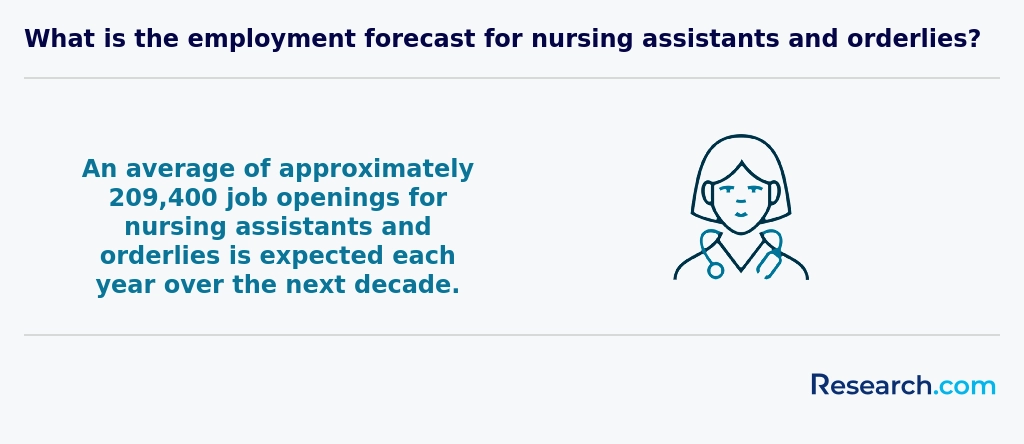
The job market for online nursing degree graduates in America pulses with opportunity and promise. Graduates from well-known universities offering flexible online BSN programs often share stories of landing rewarding roles in bustling hospitals or community clinics shortly after certification. These programs, popular across states, are designed to equip students with the clinical skills and knowledge needed to thrive in real-world healthcare settings. For those chasing the adventurous spirit of nursing, the demand is fueled by an aging population and healthcare facilities increasingly prioritizing BSN-trained nurses to enhance patient outcomes. This dynamic has expanded job market outlook for nursing graduates America-wide, especially for those from regionally accredited institutions.
Real-life graduates frequently highlight the excitement of balancing work and study, knowing their degree opens doors to leadership and higher salary roles compared to associate degree holders. It's no surprise, then, that the pursuit of an online nursing degree job opportunities USA aligns with both career growth and personal fulfillment.
For students who weigh cost and potential reward, public university online BSN degrees offer accessible paths to success. Exploring what major make the most money can help guide nursing students to smart career decisions along the way.
2027 Fastest Online Bachelor's in Nursing Degree Programs Ranking in the USA
Investing in your education is a significant decision that can profoundly impact your career, and the Research.com team is fully aware of the importance of making well-informed choices. To support prospective nursing students, we have carefully developed the "2027 Fastest Online Bachelor's in Nursing Degree Programs Ranking in the USA." Our dedication to quality, credibility, and accuracy is demonstrated through rigorous research and thorough analysis behind this ranking.
We utilized the following reputable data sources to ensure a comprehensive evaluation of these nursing programs:
By exploring this ranking, readers will gain valuable insights into the fastest online nursing degree programs, enabling informed decisions about advancing their education efficiently. For more information on how this ranking was formulated, please visit our Research.com methodology page.




Frequently Asked Questions About nursing
Online nursing degree students in America can maximize their learning experience by actively engaging with digital coursework and participating in virtual discussions. According to the American Association of Colleges of Nursing (AACN), students should take advantage of simulation labs and clinical partnerships offered by their programs to gain essential hands-on skills.
Time management is critical; setting regular study schedules helps balance coursework with personal and professional responsibilities. Using resources like academic advisors and tutoring services, often available remotely, supports student success.
Additionally, staying informed about licensing requirements through state nursing boards ensures alignment between education and career goals. Embracing these strategies prepares students for credentialing exams and real-world nursing roles effectively.
The nursing field in America is evolving with several emerging niches driven by changes in healthcare demand and technology. One fast-growing area is geriatric nursing, which focuses on the increasing senior population. The U.S. Census Bureau projects that by 2034, older adults will outnumber children for the first time, highlighting the need for specialized elder care.
Another important niche is telehealth nursing. This role involves providing healthcare services remotely, which expanded rapidly during the COVID-19 pandemic and continues to grow. According to the Bureau of Labor Statistics, telehealth is expected to create new nursing opportunities in virtual care.
Moreover, informatics nursing combines healthcare and information technology to improve patient outcomes. The American Nurses Association identifies informatics as an essential specialty for managing electronic health records and data analysis.
After completing an online nursing degree in America, preparing for the job market requires focused steps. Start by earning your Registered Nurse (RN) licensure through the NCLEX-RN exam, as all states require it to practice. Joining professional associations like the American Nurses Association (ANA) can provide valuable networking opportunities.
Strengthening your resume with clinical experience, even through internships or externships, is important. According to the U.S. Bureau of Labor Statistics, employment for registered nurses is projected to grow 6% from 2021 to 2031, highlighting strong demand. Additionally, consider developing skills in specialized areas such as gerontology or telehealth to increase employability. Continuing education and certification can further enhance career prospects.
Employers in America's nursing field prioritize several key skills when hiring graduates with online nursing degrees. Clinical competence remains essential, with graduates expected to demonstrate strong patient care abilities grounded in evidence-based practices. According to the American Association of Colleges of Nursing (AACN), communication skills are vital, as nurses must interact clearly with patients and healthcare teams.
Critical thinking and problem-solving are equally important, given the complex, fast-paced environments nurses often face. Leadership and teamwork skills stand out, especially for those moving into advanced roles. A 2023 survey by the National Council of State Boards of Nursing (NCSBN) found that 87% of employers rated adaptability as a critical skill due to ongoing changes in healthcare technology and protocols.
Finding internships relevant to a nursing degree in America often begins with leveraging your school's resources. Most accredited nursing programs, including online ones, have partnerships with hospitals, clinics, and healthcare facilities where students can complete clinical hours or internships.
The American Association of Colleges of Nursing (AACN) reports that clinical experience is a core part of nursing education, typically requiring hundreds of hours before graduation. Students should consult their program advisors early to identify suitable opportunities aligned with state licensing requirements.
Additionally, exploring healthcare job boards such as Health eCareers or the National Student Nurses' Association (NSNA) internship listings can help uncover openings. Networking with local hospitals and using state nursing boards' resources may also provide valuable leads for internship placements.
An online nursing degree in America significantly enhances career mobility by offering flexible pathways to higher qualifications. According to the American Association of Colleges of Nursing (AACN), nurses with a Bachelor of Science in Nursing (BSN) earn 11% more on average than those with an associate degree. This degree is often a minimum requirement for leadership roles and specialized nursing fields.
Employers increasingly prefer BSN-prepared nurses due to improved patient outcomes linked to advanced education. The U.S. Bureau of Labor Statistics (BLS) projects a 9% growth in registered nurse jobs through 2032, highlighting the demand for qualified professionals.
Online programs allow working nurses to upskill without interrupting their careers, facilitating promotions into management, education, or clinical specialties. This flexibility broadens opportunities across various healthcare settings nationwide.
Studying for a nursing degree in America equips students with skills essential for interdisciplinary roles in healthcare. Programs accredited by the Commission on Collegiate Nursing Education (CCNE) emphasize collaboration with professionals like physicians, pharmacists, and social workers. According to the American Association of Colleges of Nursing (AACN), more than 85% of online Bachelor of Science in Nursing (BSN) programs include courses on teamwork and communication.
These programs prepare nurses to contribute to patient care plans, ensuring holistic treatment approaches. Clinical simulations and case studies foster problem-solving alongside other healthcare specialists. This training reflects growing trends in U.S. hospitals, where interdisciplinary teams improve patient outcomes and reduce errors, as reported by the Agency for Healthcare Research and Quality.
When choosing between a thesis and a non-thesis nursing degree program in America, students should consider their career goals. A thesis option requires original research and is ideal for those aiming for advanced clinical roles or academic positions. According to the American Association of Colleges of Nursing (AACN), programs with thesis tracks develop critical thinking and research skills, essential for evidence-based nursing.
The non-thesis route focuses more on coursework and practical experience, suitable for nurses seeking leadership or management roles without pursuing a PhD. It typically takes less time to complete, which suits working professionals wanting to advance quickly.
Cost, time commitment, and personal interests should guide the choice. Checking accreditation and program outcomes from sources like the National League for Nursing helps ensure quality education.
American students interested in studying nursing abroad have several options, although most online nursing degrees are pursued domestically due to accreditation and licensing concerns. Some universities offer international partnerships or dual-degree programs that allow students to complete coursework online while gaining clinical experience overseas. The U.S. recognizes degrees from programs accredited by agencies like CCNE or ACEN, so choosing a foreign program with similar credentials is crucial for licensure.
According to the National Council of State Boards of Nursing, approximately 10% of U.S. nurses hold a degree from an international institution, highlighting limited but viable pathways.
Students should also consider the NCLEX exam requirements, as passing this is mandatory to practice in the U.S. regardless of where the degree is earned.
Part-time jobs that complement nursing degree education in America often involve roles in healthcare settings that build clinical skills and patient interaction experience. Popular positions include certified nursing assistant (CNA) or medical assistant roles, which allow students to gain hands-on practice with patient care.
According to the U.S. Bureau of Labor Statistics, CNAs earn a median hourly wage of around $15, providing both practical exposure and income while studying. Additionally, roles such as home health aides or phlebotomy technicians help develop relevant clinical skills.
These jobs also offer flexible hours, accommodating the demanding schedules of online nursing students. Employers often value this experience during nursing licensure and job applications.
Online nursing students in America have several networking opportunities despite the virtual format. Many accredited programs offer access to professional nursing organizations such as the American Nurses Association (ANA), which provides forums, webinars, and local chapter events. According to the ANA, member engagement helps students connect with over 4 million nurses nationwide.
Schools often host virtual career fairs and alumni networking events, allowing students to meet peers and experienced professionals. Platforms like LinkedIn are commonly used to build professional connections, with nursing groups tailored for various specialties.
Clinical placements also encourage networking by connecting students with healthcare providers and mentors. These opportunities are important because studies show that strong professional networks improve job placement rates for new nursing graduates in the US.
Alumni networks provide valuable support for online nursing degree students in America by connecting them with experienced professionals and recent graduates. These networks often offer mentorship opportunities that can guide students through clinical challenges and career decisions. According to the American Association of Colleges of Nursing (AACN), strong professional connections improve job placement rates, with 70% of nursing graduates securing employment through referrals. Alumni groups also facilitate access to continuing education resources and job openings in diverse healthcare settings across the US, which is essential given the growing demand for registered nurses projected to increase by 9% through 2030.
Customizing an online nursing degree program in America allows students to align education with specific career goals. Many universities offer specialty tracks such as pediatric, geriatric, or psychiatric nursing, enabling students to focus on areas with growing demand. Elective courses and clinical placements can often be selected to deepen expertise in preferred fields. For example, the American Association of Colleges of Nursing (AACN) reports that choosing relevant electives increases job placement rates by up to 20%.
Flexible scheduling options help working nurses balance studies and career advancement. Additionally, some programs incorporate leadership or healthcare informatics, preparing students for advanced roles. Accreditation by bodies like CCNE ensures program quality and recognition in the job market.
Online nursing students in America face several notable challenges. One common difficulty is balancing coursework with clinical requirements, since hands-on practice is essential but can be hard to coordinate remotely.
Technical issues also arise, as reliable internet and familiarity with digital platforms are crucial for success. According to the National League for Nursing, over 20% of students reported connectivity problems affecting their studies.
Time management poses another hurdle; many students juggle work, family, and school simultaneously. This complexity is compounded by limited access to immediate faculty support compared to traditional settings.
Finally, some students encounter accreditation concerns, as not all online nursing programs are recognized by the Commission on Collegiate Nursing Education, affecting licensure eligibility.
With an online nursing degree in the United States, graduates can pursue several professional certifications to advance their careers. One popular certification is the Registered Nurse (RN) license, required in all states and obtained by passing the NCLEX-RN exam. After becoming an RN, nurses may specialize through certifications like Certified Nurse Practitioner (CNP) or Critical Care Registered Nurse (CCRN).
The American Nurses Credentialing Center (ANCC) offers many certification options based on specialty and education level. According to the Bureau of Labor Statistics, over 3 million registered nurses work in the US, many holding these certifications to increase job opportunities and salary potential.
Writing a successful application for an online nursing program in America requires clear focus and careful preparation. Begin by carefully reviewing program prerequisites, which often include a valid CNA license or prior nursing coursework. Highlight your clinical experience and any healthcare certifications, as competitive nursing programs value practical skills alongside academic achievements.
Personal statements should clearly express your motivation for nursing and commitment to patient care. According to the American Association of Colleges of Nursing, nearly 60% of BSN applicants emphasize their healthcare experiences in essays, improving acceptance chances.
Strong letters of recommendation from healthcare professionals can provide valuable insight into your work ethic and character. Lastly, keep your resume concise and tailored, focusing on relevant nursing and volunteer experience. Meeting application deadlines and submitting complete, error-free materials are critical for success.
The nursing profession is recognized worldwide for its critical role in healthcare. In the United States, nursing is among the fastest-growing careers, with the Bureau of Labor Statistics projecting a 9% job growth from 2022 to 2032. Globally, the demand for qualified nurses continues to rise due to aging populations and increased chronic illness rates.
Many countries value U.S. nursing degrees for their rigorous education standards. American online nursing programs offer flexible paths for students who seek to enter a profession respected in global health systems. According to the National League for Nursing, over 90% of nursing careers require a Bachelor of Science in Nursing (BSN).
Internationally, nursing is seen as a stable and essential career, often supported by governmental policies to expand healthcare access. This global perspective encourages American students to consider nursing not only as a domestic opportunity but one with potential for worldwide impact and mobility.
Gaining practical experience while studying for an online nursing degree in America is essential for licensure and career readiness. Most accredited online nursing programs require clinical hours, which students complete at healthcare facilities near their homes. According to the American Association of Colleges of Nursing (AACN), these clinical placements help students develop hands-on skills under supervision.
Additionally, some programs offer virtual simulation labs to complement real-world practice. Students can also seek internships or volunteer opportunities in hospitals, clinics, or community health settings to broaden their experience. Coordinating with program advisors can ensure clinical hours meet state board requirements.
Choosing the right concentration within an online nursing degree program in America requires careful consideration of your career goals and interests. Popular concentrations include family nurse practitioner, pediatric nursing, and psychiatric nursing. According to the U.S. Bureau of Labor Statistics, nurse practitioners are projected to grow 40% from 2021 to 2031, highlighting high demand in this field.
Assess your desired work environment and patient population when selecting a concentration. Some programs offer specialties to meet state certification requirements, so verify accreditation and licensing compatibility. Reviewing curriculum details and clinical practicum options can also guide your decision. Consider job placement rates reported by schools to evaluate outcomes for graduates.
See What Experts Have To Say About Studying Nursing
Read our interview with Nursing experts

Lisa Grubb
Nursing Expert
Assistant Professor
Johns Hopkins School of Nursing

- How Long Is Nursing School in The USA? | Shiftmed Blog https://www.shiftmed.com/professionals/blog/how-long-is-nursing-school-in-the-usa/
- Online Bachelor of Science in Nursing https://an.edu/programs/bachelors-degrees/online-bachelor-of-science-in-nursing/
- Apply to the Nurse Corps Scholarship Program https://bhw.hrsa.gov/programs/nurse-corps/scholarship/apply
- The Impact of Education on Nursing Practice https://www.aacnnursing.org/news-data/fact-sheets/impact-of-education-on-nursing-practice
- Online Nursing Degree Programs | University of Phoenix https://www.phoenix.edu/online-nursing-degrees.html
- How to Be Successful in Nursing School: 10 Tips | Credenza https://credenzahealth.com/career-advice/10-ways-to-excel-as-a-nursing-student
- Your Questions About Online Nursing School, Answered https://www.allnursingschools.com/how-to-get-into-nursing-school/online-programs/
- Clinical Experience for Nursing Students: A Critical Career ... https://beal.edu/clinical-experience-for-nursing-students/
- Online Bachelor of Science in Nursing https://www.chamberlain.edu/academics/nursing-school/bsn-online
- Online Nursing Prerequisites: Complete Guide & Cost Savings | StraighterLine https://www.straighterline.com/blog/which-online-nursing-prerequisites-should-you-take-online