2027 Best Community Colleges for Artificial Intelligence Degrees in America

Co-Founder and Chief Data Scientist
Many professionals with unrelated undergraduate degrees face significant challenges when seeking to enter the rapidly growing artificial intelligence field. Limited access to affordable, accredited programs that offer flexibility often hinders timely career transitions. Without guidance, prospective students may choose paths that lack academic rigor or industry relevance, reducing employability. This article identifies the best community colleges in America for artificial intelligence degrees in 2026, focusing on accessibility, quality, and alignment with industry demands. It aims to help readers find practical, flexible educational options that support a successful pivot into the AI sector.
Key Things You Should Know
- Community colleges offer affordable pathways to artificial intelligence careers, with average tuition significantly lower than four-year institutions, making AI education accessible to diverse student populations.
- Many top community colleges now provide specialized AI certificates and associate degrees aligned with industry demands, emphasizing practical skills in machine learning, data analysis, and programming.
- Strong partnerships between community colleges and local tech companies enhance internships and job placement opportunities, supporting a projected 23% growth in AI-related roles nationally through 2031.
Which community colleges offer accredited artificial intelligence degree programs in the United States?
Several accredited community colleges in the United States now offer tailored artificial intelligence degree programs to address growing industry demands. These typically include associate degrees or certificates in artificial intelligence, machine learning, data science, or related computer technology fields. For example, Northern Virginia Community College (NOVA) provides an accredited AI certificate focusing on machine learning, neural networks, and data analytics. Miami Dade College offers an Associate of Science in Artificial Intelligence and Computer Science, blending foundational programming skills with AI-specific coursework. These options represent some of the top accredited community colleges offering artificial intelligence programs in America.
Other institutions, like Portland Community College in Oregon and De Anza College in California, provide practical data science and machine learning certificate programs, emphasizing hands-on training with Python, TensorFlow, and cloud platforms. Many of these colleges maintain regional accreditation, ensuring recognition from employers and four-year universities. Students considering community colleges with accredited artificial intelligence degrees in the United States should verify accreditation and curriculum relevance, focusing on programs with strong ties to local tech industries for better internship and job opportunities.
With a projected 15% employment growth in computer and information technology roles from 2023 to 2033, students may also explore accelerated computer science programs to boost credentials efficiently. More information can be found at accelerated computer science programs.
What are the admission requirements and prerequisites for community college artificial intelligence degrees?
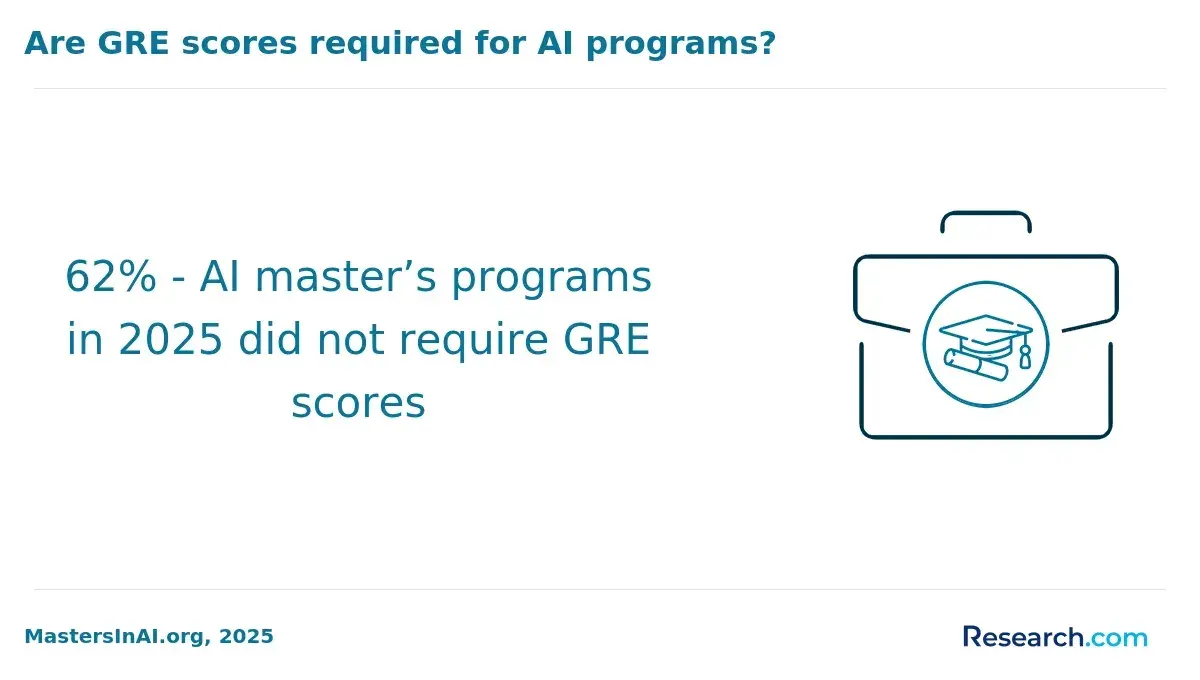
Community college admission requirements for artificial intelligence degrees in America commonly include a high school diploma or equivalent and placement assessments in math and English. A strong emphasis is placed on proficiency in algebra or higher-level math, with 73% of community college AI programs requiring these skills to support essential algorithmic thinking, data analysis, and programming logic. Applicants often need to demonstrate basic computer literacy, including familiarity with languages like Python or Java, which can enhance admission chances in competitive programs.
Prerequisites for artificial intelligence degrees at American community colleges sometimes involve placement tests or documentation of prior computer science coursework. Students who lack required math skills may need to take developmental or bridge courses before starting AI classes. Part-time and online options accommodate those with work or family obligations but uphold the same academic standards.
Additional requirements can include transcripts, letters of recommendation, or personal statements, although these are less commonly mandatory than quantitative and technical prerequisites. Preparing well for these requirements reduces delays and improves admission outcomes.
Prospective students may also wish to consult data science rankings to explore affordable educational opportunities closely related to artificial intelligence fields.
How do online and campus-based artificial intelligence programs differ in curriculum, flexibility, and outcomes?
Campus-based artificial intelligence programs focus heavily on hands-on lab work, collaborative projects, and face-to-face mentorship. These programs usually offer structured schedules with required attendance, which suits students looking for a disciplined academic environment. On-site robotics labs and specialized AI software with supervised instruction are common features. In contrast, online programs emphasize asynchronous coursework, giving students the freedom to attend lectures and complete assignments at their convenience. This flexibility is especially beneficial for working professionals and those managing family responsibilities.
Curriculum differences are notable between these modes. Campus courses often include in-person seminars and team coding projects, while online courses tend to use virtual simulations and discussion forums. Both cover essential topics like machine learning, data analysis, and neural networks, but internships and networking chances are usually more plentiful through campus programs due to local industry ties. These distinctions impact the flexibility and outcomes of artificial intelligence programs at American community colleges and universities.
Data from the National Center for Education Statistics shows online associate degree students complete their studies 18% faster on average than full-time campus students, with median times of 2.8 years compared to 3.4 years. This accelerated pace reflects the adaptable nature of online study but may limit immediate access to hands-on resources. Prospective students exploring AI degrees should balance their learning preferences and life commitments carefully. For those seeking options, AI degrees offer varied pathways to enter this dynamic field.
What coursework and technical skills are included in a community college artificial intelligence degree?
Community college artificial intelligence degree curriculum in America commonly covers programming languages like Python, essential for AI development. Students gain technical skills learned from American community college AI programs including machine learning algorithms, data structures, and database management to handle large datasets. Foundational mathematics such as statistics, linear algebra, and calculus are also emphasized to support AI model design and understanding.
Hands-on experience with tools like TensorFlow and PyTorch helps students develop, train, and deploy machine learning models, including capabilities in natural language processing and computer vision. Coursework may extend to data analysis, SQL, and visualization software, strengthening practical skills for interpreting AI output. Cybersecurity and ethics classes focus on the responsible implementation of AI technologies, an increasingly critical area across industries.
Many programs incorporate cloud computing basics, preparing students to use cloud platforms for AI workloads. LinkedIn's 2024 Jobs Report highlights Python, machine learning, and data analysis as the top AI-related skills showing substantial growth in job postings, underscoring the value of mastering these areas.
Students should seek community college artificial intelligence degree curriculum in America that include capstone projects or internships for real-world application and team communication skill development. Prospective learners looking for advanced opportunities can explore fields related to the best online cyber security degrees to complement AI expertise.
How long does it take to complete an artificial intelligence degree at a community college, and what are typical costs?
Completing an artificial intelligence degree at a community college generally requires two years to earn an associate degree, the most common credential available. These programs cover AI fundamentals, machine learning basics, and data science skills within two full-time academic years. Students looking to finish faster might take summer classes or enroll in hybrid or online courses, which offer greater flexibility. Part-time students typically take three to four years, depending on course selection and availability.
Tuition at public community colleges remains much more affordable than at four-year universities. The average annual tuition and fees for public community colleges reached $3,860, reflecting a 2.1% increase from the previous year. Thus, the total cost for an associate degree in artificial intelligence usually falls between $7,500 and $8,000, excluding books and materials. In contrast, a bachelor's degree in artificial intelligence or a related STEM field at a public university can cost about $28,950 per year, making community colleges a cost-effective route for many.
Many community colleges have transfer agreements with four-year institutions, enabling students to apply credits toward a bachelor's degree efficiently. This pathway can reduce both time and expenses. Financial aid, scholarships, and employer tuition assistance programs are commonly available to eligible students to help offset costs further.
What career paths and job titles are available to graduates with artificial intelligence degrees from community colleges?
Graduates with artificial intelligence degrees from community colleges often start careers supporting and developing AI-driven systems. Common entry-level roles include machine learning technician, data analytics associate, and AI support specialist. These jobs involve managing datasets, preprocessing data, assisting with model deployment, and supporting AI applications in business settings.
Technical roles also encompass AI quality assurance tester and junior AI programmer, where graduates verify software functionality and help code AI algorithms under supervision. Employers value graduates for their practical experience with programming languages like Python and tools such as TensorFlow and SQL.
The demand for these roles is rapidly increasing. A labor market analysis by Burning Glass Technologies shows AI-related job postings requiring associate degrees rose by 47% year-over-year, reflecting growing opportunities for community college graduates.
Graduates can also explore positions in AI project coordination, facilitating communication between technical teams and stakeholders. Some may move into specialized fields like robotics operation or AI-powered customer service depending on industry trends.
Many community college programs provide accessible paths into the tech industry, balancing immediate employment with potential advancement into higher-skilled AI development or data science roles through further education.
What is the job outlook and salary potential for artificial intelligence graduates in the current job market?
The job outlook for artificial intelligence graduates holding associate degrees is promising, driven by growing use across technology, healthcare, finance, and manufacturing sectors. Entry-level roles such as computer support specialists, data technicians, and junior AI programmers are commonly available. The U.S. Bureau of Labor Statistics reports a median annual wage of $59,180 for these positions, with the top 10% earning over $97,000 (BLS Occupational Employment Statistics, 2024).
Salary potential is strong even in early career stages, especially for those proficient in machine learning tools, programming languages like Python, and AI system troubleshooting. Employers highly value candidates skilled in managing AI infrastructures and supporting AI-powered applications, which can accelerate job advancement.
Adaptability remains essential as AI technologies evolve rapidly. Professionals who combine technical expertise with problem-solving skills in practical settings stand out. Pursuing certifications alongside an associate degree can further boost employability and salary negotiation power.
Geographic location also influences earnings, with metropolitan tech hubs generally offering higher salaries than rural areas. Networking through internships and local AI groups can open doors to better job prospects. Graduates with artificial intelligence associate degrees find diverse roles with competitive pay, positioning them well for salary growth and specialization.
Are there professional certifications or industry credentials that complement a community college artificial intelligence degree?
Professional certifications and industry credentials significantly enhance a community college artificial intelligence degree by validating technical skills and increasing employability. A CompTIA report revealed that professionals holding both an associate degree and certifications earn 23% more on average than those with just an associate degree, with AI and cloud-focused certifications offering the highest salary boosts. This underscores the financial benefits of supplementing a community college education with relevant credentials.
Certifications like the Microsoft Certified: Azure AI Engineer Associate and Google Cloud Professional Machine Learning Engineer specialize in cloud-based AI applications, equipping students with practical skills for AI deployment. For foundational machine learning and data science expertise, certificates such as the IBM AI Engineering Professional Certificate and TensorFlow Developer Certificate offer valuable hands-on experience.
Other noteworthy credentials, including CompTIA AI+ and the Certified Artificial Intelligence Practitioner (CAIP), emphasize applied AI knowledge and ethical considerations, crucial for roles in AI governance. Many also pursue data analysis certificates to strengthen coding and statistical abilities essential for AI development.
Community college students should prioritize certifications aligned with their career goals and recognized by employers in AI and cloud sectors. Combining an associate degree with targeted credentials helps fill skill gaps and enhances job prospects and salary potential in the competitive AI field.
How should prospective students evaluate and compare artificial intelligence programs across different community colleges?
When evaluating artificial intelligence programs at community colleges, prioritize hands-on technical experience and project-based learning. According to the College Board's 2024 Community College Survey, 68% of employers value portfolio projects more than program reputation when hiring entry-level AI professionals. This underscores the importance of programs that integrate real-world labs, internships, or capstone projects directly into the curriculum.
Curriculum depth also plays a vital role. Compare programs that cover a broad spectrum of AI topics, including machine learning, natural language processing, and data science. Verify that courses stay current with industry standards and provide access to key tools such as Python, TensorFlow, or PyTorch. Programs with certifications or partnerships with technology firms add significant advantage.
Faculty expertise is critical. Investigate instructors' backgrounds for industry experience and advanced AI research credentials. Smaller classes facilitate personalized mentoring and constructive feedback. Post-graduation support-like job placement aid and networking with local tech companies-is also worth considering.
Flexibility matters for many students, so look for part-time, online, or evening options. Tuition and financial aid should be compared but remain secondary to instructional quality and skill development. Focus on programs that help develop strong portfolios and practical skills, as these factors are highly valued by employers hiring in AI roles.
What transfer pathways exist for artificial intelligence associate degree holders to earn bachelor's degrees at four-year universities?
Associate degree holders in artificial intelligence benefit from multiple transfer pathways to four-year universities, often facilitated by formal articulation agreements between community colleges and universities. These agreements guarantee credit transfer and allow students to enter related bachelor's programs as juniors, reducing redundant coursework and speeding up degree completion.
Transfer options depend on the state and institution. For instance, California's Associate Degree for Transfer (ADT) program streamlines progression to the California State University system. Similar statewide agreements in Texas and Florida help students transition into bachelor's degrees in computer science or data science fields with AI concentrations.
Students should confirm course equivalencies and prerequisites early. Typically transferable courses include programming, data structures, machine learning fundamentals, and mathematics. Universities may also require specific general education credits, so consulting academic advisors and transfer centers is essential to avoid losing credits and to ensure alignment with degree requirements.
According to the National Student Clearinghouse Research Center, 62% of community college transfers completed bachelor's degrees within six years, with a 71% completion rate among STEM transfers. This underscores how well-planned transfer pathways support success in AI-related fields.
Potential challenges include navigating different curriculum focuses and maintaining a strong GPA. Online or hybrid bachelor's programs are increasingly popular for their flexible transfer arrangements, especially for working professionals seeking to advance their education.
Other Things You Should Know About Artificial Intelligence
Most associate degrees in artificial intelligence require about 60 semester credits, usually completed in two years of full-time study. Programs often include general education, programming, mathematics, data science, and machine learning courses, plus a capstone or lab-based project before graduation.
The rankings for 2027 community colleges offering AI degrees consider factors like graduation rates, faculty expertise in AI, industry partnerships, research opportunities, and student satisfaction. These criteria help prospective students evaluate the quality of AI programs across different community colleges.
Core course requirements for AI degrees at top community colleges in 2027 often include introductory programming, machine learning basics, data science, mathematics, and ethics in AI. Completing these fundamental courses is essential for preparing students for advanced AI-related studies or careers.
References
- Questions? Contact Us. https://www.alamancecc.edu/curriculum_programs/business-arts-and-science/ai.php
- Artificial Intelligence (A24710) https://brunswickcc.edu/program/artifical-intelligence-a24710/
- Applied associate of science degrees: Pathways for workforce and transfer - Community College Daily https://www.ccdaily.com/2025/07/applied-associate-of-science-degrees-pathways-for-workforce-and-transfer/
- Artificial Intelligence Degree Admission Requirements: What You Need https://hakia.com/degrees/artificial-intelligence/admission-requirements/
- Online AI https://www.generations.edu/academics/online-degree-programs/artificial-intelligence-major/
- How Long Do AI Courses Take? https://www.nobledesktop.com/learn/ai/how-long-do-ai-courses-take
- Best Colleges to Study Artificial Intelligence https://www.collegeadvisor.com/resources/study-artificial-intelligence/
- Artificial Intelligence Course Eligibility: Requirements & Prerequisites https://www.mygreatlearning.com/artificial-intelligence/courses/eligibility
- 40 Best Colleges in the U.S. for Artificial Intelligence (Undergraduate) https://www.greatvaluecolleges.net/artificial-intelligence-colleges/
- AI’s Impact on Job Growth | J.P. Morgan Global Research https://www.jpmorgan.com/insights/global-research/artificial-intelligence/ai-impact-job-growth