2027 Artificial Intelligence Degree Programs for Students With Limited Math Background

Co-Founder and Chief Data Scientist
Many students with limited math backgrounds hesitate to pursue artificial intelligence degrees due to perceived barriers in prerequisite skills. This challenge often blocks talented individuals from entering a rapidly growing field that shapes modern technology. Traditional programs may emphasize advanced mathematics, creating a steep learning curve that deters non-STEM graduates.
However, flexible programs now cater to learners seeking practical AI knowledge without heavy math focus. This article explores degree options designed for such students, highlighting paths that balance foundational skills with applied learning to facilitate successful entry into the artificial intelligence industry.
Key Things You Should Know
- Many 2026 artificial intelligence degree programs cater to students with limited math backgrounds by emphasizing practical applications and providing foundational math support.
- Institutions increasingly integrate coursework in ethics, AI literacy, and programming languages like Python to broaden accessibility beyond heavy mathematical requirements.
- According to recent data, over 40% of new AI programs in the U.S. include preparatory math modules, improving success rates for non-STEM students pursuing AI careers.
What are artificial intelligence degrees for students with limited math skills?
Artificial intelligence degree programs for beginners with limited math focus on practical skills rather than complex theoretical math. These ai degrees designed for students without strong math background emphasize programming, data management, and applied AI tools over subjects like advanced calculus or linear algebra. Coursework commonly covers machine learning implementation, natural language processing, and AI ethics, making these topics accessible without heavy mathematical prerequisites.
Many programs include hands-on projects using industry-standard platforms, helping students gain experience in AI deployment for applications such as chatbots, recommendation systems, and robotic process automation. This practical approach suits those aiming for roles in AI product development, user experience design, or data-driven decision-making.
Students should review program details carefully to ensure math requirements align with their skills. Some universities offer certificates or specialized tracks that reduce math barriers. Supplementing an applied artificial intelligence degree with coding bootcamps or workshops in Python, data visualization, or cloud AI services can improve job readiness and career prospects.
Demand for applied AI skills is growing rapidly. Lightcast data shows U.S. job postings mentioning "generative AI" rose significantly from 57,000 to 158,000, reflecting strong opportunities for graduates who emphasize implementation over research.
For those exploring practical AI education with limited math prerequisites, understanding the available options and gaining relevant hands-on experience is crucial. Learn more about an applied artificial intelligence degree.
Which AI degree programs require the least math prerequisites?
AI degree programs with minimal math requirements tend to be found in applied or interdisciplinary fields that prioritize conceptual skills and practical knowledge over advanced mathematics. Degrees such as "AI and Ethics," "AI for Social Sciences," or "Computational Thinking and AI" usually require only basic algebra or high school-level math.
These programs emphasize human-centered applications, interpreting AI results, and foundational programming without extensive calculus or linear algebra. This approach suits students seeking the best artificial intelligence degrees for students with limited math skills.
The College Board AP Program reported that over 88,000 U.S. students took the AP Computer Science Principles exam, which focuses on minimal advanced math. This trend reflects growing acceptance of accessible on-ramps into computing and AI careers. Many of these programs replace traditional math with logic, statistics, or data literacy courses, making them more approachable for learners with diverse academic strengths.
Students with limited math backgrounds should consider programs featuring:
- Introductory programming courses centered on problem-solving rather than mathematical proofs
- AI ethics and policy tracks emphasizing qualitative over quantitative analysis
- Data science minors focusing on applied statistics rather than abstract theories
These options help students engage meaningfully with AI concepts while avoiding multivariable calculus or discrete math. Choosing suitable programs can facilitate easier entry into AI professions, especially for those strong in communication, social sciences, or design. Prospective students are encouraged to carefully confirm math prerequisites and fit with their goals. For those exploring broader STEM fields, resources on the mechanical engineering degree may offer additional guidance.
What are the best low-math pathways into AI careers without calculus?
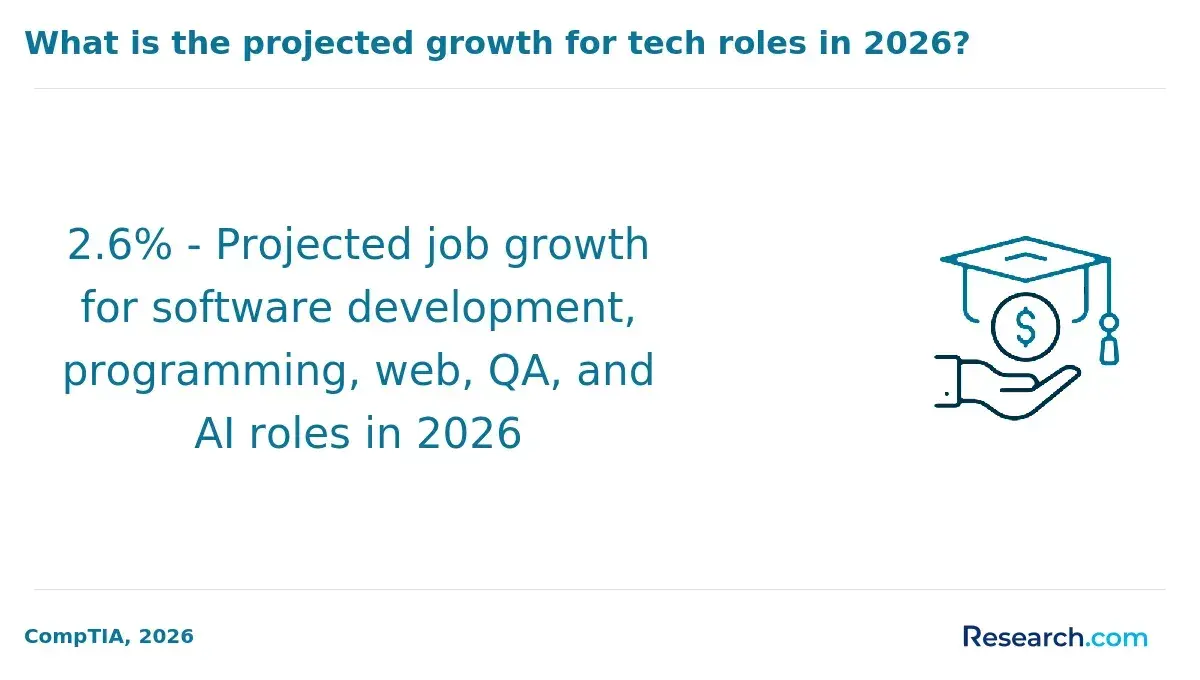
Low-math pathways into artificial intelligence careers that avoid calculus focus on applied skills, programming, and data-driven techniques. Research shows that 66% of business leaders would not hire someone without AI skills, emphasizing the need for practical, skill-based learning over advanced math. Students without calculus backgrounds should explore certificate programs and bootcamps that highlight machine learning applications, data analysis, and AI tools.
Top low-math artificial intelligence career paths include:
- Courses in Python programming and libraries like TensorFlow or PyTorch, which support AI project development without intensive math.
- Applied machine learning and data science certifications centered on coding algorithms and experimentation rather than theoretical proofs.
- AI specialization tracks in business analytics or product management, focusing on AI implementation in organizations.
- No-code/low-code AI platform training that enables model building through graphical interfaces, accessible for non-technical learners.
Many universities provide degrees or minors blending AI literacy with communication or ethics, involving minimal calculus. Professional certificates from platforms like Coursera, edX, or Udacity offer curated pathways prioritizing hands-on projects. Building practical experience through internships or personal portfolios is vital, as employers value applied skills in Python, data handling, and AI frameworks over theoretical math knowledge.
Students seeking the best artificial intelligence degree programs without advanced math may find options tailored to their needs by exploring degrees in AI. Supplementing education with basic statistics and linear algebra can enhance algorithm understanding without requiring calculus. Bypassing calculus does not limit success; prioritizing programming, data fluency, and relevant certifications aligns with real-world job demands and employer expectations.
What admission requirements do low-math AI programs typically have?
Low-math artificial intelligence degree programs typically focus admissions on foundational skills like logical reasoning, basic statistics, and programming concepts rather than advanced mathematics such as calculus or linear algebra. Many schools follow test-optional policies, so SAT or ACT math scores are often not required. This approach aligns with current trends aimed at broadening access for students with varied academic backgrounds.
Common admission criteria for AI degree admission for students with limited math skills include:
- Completion of high school or an equivalent diploma with passing grades in general math and science
- Proof of programming proficiency in languages like Python or Java through coursework or certifications
- Essays expressing interest in artificial intelligence and motivation without strong math skills
- Letters of recommendation emphasizing analytical and problem-solving abilities
- Placement tests focusing on logic or computational thinking rather than advanced math in some cases
Some low-math requirement programs for artificial intelligence enrollment offer bridge courses in statistics or discrete math to support students early in their studies. For example, online AI degrees designed for professionals sometimes recommend algebra familiarity but explicitly exclude calculus requirements. Prospective students should review program-specific admissions details carefully.
These alternatives expand opportunities by lowering traditional math barriers and valuing diverse skills relevant to AI applications. Students interested in further education can explore more options like online MS data science programs, which also often feature accessible math requirements.
How do online AI degrees compare to campus programs for low-math learners?
Online ai degree programs offer flexibility that benefits students with limited math backgrounds by allowing self-paced learning and modular courses. These formats enable learners to concentrate on core concepts before advancing to more complex topics, reducing pressure from fixed schedules. The U.S. Department of Education, NCES (2024), reports about 25% of undergraduates study exclusively online, highlighting its growing acceptance.
Many online programs feature adaptive learning technologies and tutoring focused on key math areas like linear algebra and calculus fundamentals relevant to ai. This is crucial because campus programs often assume stronger prior math skills, which can challenge students with weaker math foundations. Online courses frequently include recorded lectures for repeated review, aiding comprehension of difficult quantitative material.
Examples include self-paced ai programming courses in Python that emphasize hands-on learning with debugging tools to lower abstract math dependence. Online providers also partner with specialized math bridging courses tailored for ai students, in contrast to traditional campus programs that rely on in-person lectures and graded exams less tolerant of slower math skill development.
Prospective students should look for online curricula that specifically address math skill gaps through tutoring and ai-focused math tools, as these supports tend to improve outcomes and reduce dropout rates for learners needing extra math help.
What courses will you take in an AI program with minimal math?
AI programs targeting students with limited math backgrounds focus on practical, applied skills instead of deep theoretical math. Core courses often include an introduction to Python programming, which remains dominant in AI development. GitHub data from October 2024 highlights a surge in generative AI projects primarily using Python, reflecting its industry importance.
Typical coursework includes applied machine learning, emphasizing the use of pre-built libraries and frameworks without requiring rigorous, proof-based math. Students learn about supervised and unsupervised learning algorithms, model evaluation, and data preprocessing. This hands-on approach utilizes accessible tools like scikit-learn and TensorFlow.
Additional classes cover data visualization, programming for AI, and introductory natural language processing (NLP). These emphasize real-world projects such as chatbots or image classifiers, avoiding in-depth calculus or linear algebra. Some curricula also introduce statistics basics, focusing on probability distributions and hypothesis testing rather than complex proofs.
Ethics and AI policy courses are increasingly common, preparing students to understand AI's societal impacts and regulatory concerns. Many programs use project-based learning to strengthen practical coding and problem-solving skills.
Students uneasy about math can often find remedial or optional modules covering essentials like basic algebra or matrix operations. Checking specific course descriptions helps ensure comfortable math requirements. This coding-first curriculum enables learners to enter AI roles focused on implementation and tooling, meeting growing industry demand for accessible AI talent.
How do you verify accreditation for AI degrees and related tech programs?
Verify accreditation for artificial intelligence degrees by consulting the Council for Higher Education Accreditation (CHEA) and the U.S. Department of Education (USDE) databases. These official sources list recognized institutional and programmatic accreditors to ensure a school's accreditation is valid. The U.S. hosts numerous legitimate accreditors, making CHEA's and USDE's platforms essential tools for prospective students.
Key steps to confirm accreditation include:
- Searching the institution's name on the CHEA database at chea.org to verify institutional accreditation.
- Checking if the AI or technology program holds programmatic accreditation from recognized bodies like ABET or AACSB, depending on the focus area.
- Confirming that the accreditor appears in the USDE database to ensure federal recognition.
Be cautious of programs claiming accreditation from unrecognized agencies or international organizations not approved by CHEA or USDE. Accreditation influences eligibility for federal financial aid, credit transfers, and employer acceptance. For AI programs, which intersect computer science and engineering, recognized accreditation assures curriculum quality aligned with industry standards.
Prospective students should request accreditation documentation from admissions and cross-check with official databases. Graduates must verify accreditation before pursuing advanced degrees or certifications to avoid complications with credit or licensing.
Using CHEA and USDE as definitive sources protects students from attending non-accredited institutions that could hinder career advancement in Artificial Intelligence education and careers.
How long do low-math AI degrees take, and what do they cost?
Low-math artificial intelligence degree programs generally take two to four years to finish. Associate degrees focusing on AI basics or data analytics usually require about two years of full-time study. Bachelor's degrees designed with fewer math prerequisites typically span three to four years. These programs emphasize applied AI concepts, programming, and ethics instead of advanced mathematical theory, making them accessible for students without strong calculus or linear algebra skills.
Tuition costs vary based on institution type and residency. Average published tuition and fees for four-year public universities are around $11,600 for in-state students, $29,000 for out-of-state students, and $43,400 at private nonprofit schools. Community colleges offering two-year associate degrees related to AI generally charge about $3,800 annually for in-district students.
Additional expenses such as course materials, software subscriptions, and certification fees should be considered. Prospective students can reduce costs by choosing in-state public programs or exploring financial aid, scholarships, and employer tuition assistance options. Accelerated AI degree tracks may be available for those with relevant experience, reducing completion time.
What jobs can you get with a low-math AI degree in the U.S.?
Graduates holding a low-math artificial intelligence degree in the U.S. have access to various applied technology roles that prioritize practical skills over advanced mathematics. The CompTIA Tech Jobs Report (2024) reveals employers posting more than 300,000 new tech job listings monthly, highlighting a strong demand for positions requiring less intensive math knowledge.
Key roles suitable for candidates with limited math backgrounds include:
- AI/Automation Analyst: Specializes in workflow optimization and AI tool integration, focusing more on AI applications than complex algorithms.
- Data Analyst (BI): Involves data cleaning, visualization, and interpreting business trends using accessible tools like Tableau or Power BI.
- AI Project Coordinator: Oversees AI project workflows and facilitates communication between technical teams and business units without engaging in math-heavy tasks.
- Machine Learning Operations (MLOps) Support Specialist: Concentrates on deploying AI models and managing infrastructure, emphasizing system and software skills rather than analytics.
- AI Content Developer: Prepares training data, documents AI use cases, and supports testing, focusing on language, logic, and domain expertise.
Such roles typically require understanding AI concepts and software but minimize the need for calculus, linear algebra, or advanced statistics. Focusing education on applied AI courses, programming fundamentals, and domain-specific knowledge can ease entry into these in-demand careers.
What salaries and job outlook can AI graduates expect in low-math roles?
Graduates from artificial intelligence degree programs seeking roles with minimal math requirements can expect strong job prospects and competitive salaries. According to the U.S. Bureau of Labor Statistics, the median annual wage for data scientists was $103,500 in May 2023, reflecting wages for many AI-related jobs that focus on applied skills rather than advanced mathematics. Employment growth in this sector is projected at 35% from 2022 to 2032, ranking it among the fastest-growing occupations.
Many opportunities exist in roles such as AI product management, AI ethics compliance, user experience design for AI tools, and AI implementation specialist positions. These jobs typically emphasize domain knowledge, communication, and coordination across disciplines instead of complex mathematical modeling.
Key steps for those targeting low-math AI careers include building expertise in popular AI software platforms, understanding ethical implications, and strengthening problem-solving and project management abilities. For example, AI implementation specialists integrate existing AI models rather than creating new algorithms, reducing the need for deep mathematical knowledge.
Salaries in applied AI roles without heavy math often start between $70,000 and $85,000, increasing substantially with experience. Employers increasingly value candidates who can connect technical teams with business goals, highlighting the need for interdisciplinary skills.
Other Things You Should Know About Artificial Intelligence
While having programming experience is beneficial, it is not always mandatory for students entering artificial intelligence degree programs designed for those with limited math backgrounds. Many programs provide foundational coding courses early on to build necessary skills. Students can typically learn languages such as Python alongside AI concepts without prior programming expertise.
Graduates with limited math backgrounds who earn an artificial intelligence degree in 2027 can pursue roles in AI ethics, data visualization, customer experience management, and AI-based project coordination. These roles leverage AI technologies and strategic insights over complex mathematical modeling.
Yes, certifications in machine learning, data science, and AI tools like TensorFlow or Microsoft Azure can enhance the profile of graduates with limited math backgrounds. These certifications often emphasize applied skills and software proficiency, making them valuable for job market entry. Many are designed to accommodate varying levels of technical expertise.
Internships and hands-on projects are crucial for students in AI programs with minimal math prerequisites. They provide real-world exposure to AI applications and help develop problem-solving skills beyond theoretical learning. Practical experience often improves employability and helps students build professional networks in the AI field.
References
- Blog https://admissiongoals.com/post/ai-machine-learning-programs-europe-admission-guide-international-students
- Despite AI Cutting Entry-Level Roles, These Graduate Careers Remain in High Demand https://www.investopedia.com/despite-ai-cutting-entry-level-roles-these-graduate-careers-remain-in-high-demand-11913594
- Top No GRE AI Master's Programs for 2026 https://aidegreeprograms.org/rankings/top-ai-masters-programs-with-no-gre/
- Registered AI Practitioners https://istonline.org.uk/professional-registration/registered-artificial-intelligence-practitioners/
- Math skills needed to work in AI and machine learning | edX https://www.edx.org/resources/why-math-is-essential-for-ai-ml
- Can the current trends of AI handle a full course of mathematics? https://arxiv.org/html/2507.21664v1
- AI Certifications: Accredited Programs, Vendor Credentials, and Emerging Standards - Total Seminars https://totalsem.com/ai-certifications-accredited-programs-vendor-credentials-and-emerging-standards/
- All the Math You Need to Know in Artificial Intelligence https://www.freecodecamp.org/news/all-the-math-you-need-in-artificial-intelligence/
- Online vs On-Campus Artificial Intelligence Degrees: Which Is Better? https://hakia.com/degrees/artificial-intelligence/online-vs-campus/
- What to Study for a Career in AI https://www.savemyexams.com/learning-hub/careers/what-to-study-career-in-ai/