2027 Best Online Nursing Degree Programs Ranking in Wisconsin

Co-Founder and Chief Data Scientist
Choosing the right nursing degree program can feel overwhelming, especially when searching for online options in Wisconsin. This article introduces the 2027 Best Online Nursing Degree Programs Ranking in Wisconsin, created by the Research.com team of data scientists to guide you toward well-regarded programs.
Whether you're just starting your nursing journey or looking to advance your career, this ranking helps you make an informed choice with confidence. Discover programs that fit your needs and open doors to a rewarding future in healthcare.
Key benefits of getting online nursing degree in Wisconsin
- Registered Nurses in Wisconsin earn a mean annual wage of $94,480, while Operating Room Nurses can earn up to $128,490, reflecting strong salary prospects for nursing graduates.
- Graduates from the University of Wisconsin often find diverse career paths such as Clinical Nurse Educator, Public Health Nurse, or Emergency Room Nurse, offering rewarding roles in various healthcare settings.
- Online nursing degrees from institutions like the University of Wisconsin allow flexible schedules and save commuting time, making it easier to balance studies with personal and work life.
- 2027 Best Online Nursing Degree Programs Ranking in Wisconsin
- What can I expect from online nursing degree in Wisconsin?
- Where can I work with online nursing degree in Wisconsin?
What can I expect from online nursing degree in Wisconsin?
The average cost of an online nursing degree in Wisconsin varies widely, but many graduates from well-regarded programs at universities like the University of Wisconsin and Carthage College report tuition falling between $15,000 and $30,000 for full degree completion. These figures challenge the typical assumption that online education is either prohibitively expensive or significantly cheaper than on-campus alternatives. One graduate recalls balancing part-time work while appreciating the transparent tuition structure that avoided surprises common in other states.
Beyond tuition, students face fees for clinical placements arranged locally, essential for fulfilling state licensure requirements and truly mastering hands-on skills. These real-world experiences, embedded within online curricula, ensure your education is not abstract but deeply connected to Wisconsin's healthcare environment. Graduates often express pride in navigating this hybrid model-combining interactive virtual lessons with supervised practice-emphasizing the value that justifies the financial commitment.
Financial aid and employer tuition assistance frequently soften these costs, reminding prospective students that investing in a nursing degree here is as much an investment in Wisconsin's future healthcare workforce as it is in personal growth and career stability.
Where can I work with online nursing degree in Wisconsin?
Graduates with an online nursing degree in Wisconsin find themselves stepping into vibrant, diverse healthcare environments that embrace their skills fully. Many connect with prominent employers like UW Health System or Aurora Health Care, where they contribute to fast-paced emergency rooms or compassionate long-term care units. Imagine a graduate from Marquette's online program confidently managing critical patients in intensive care, knowing their education holds equal weight to traditional paths.
Others discover rewarding roles in outpatient centers or urgent care clinics, drawn by schedules that balance work and personal life. The rising elder population in Wisconsin opens doors to assisted living facilities, where nurses cultivate meaningful relationships over time. Public health agencies and school systems also value these nurses, entrusting them with vital community health initiatives and student wellness, often requiring additional certifications but offering profound fulfillment.
Each graduate's journey illustrates that an online nursing degree from Wisconsin institutions does more than grant licensure; it leads to real, impactful careers across settings that shape the state's health landscape. This career landscape challenges the old notion that quality nursing education demands traditional campuses and proves adaptability and strong credentials truly matter.
Graduates from online nursing programs at notable Wisconsin institutions often find their education directly reflected in competitive wages. For many who begin as registered nurses, the mean annual salary hovers around $94,480, a figure confirmed by the latest Bureau of Labor Statistics data. This aligns with feedback from graduates of programs at places like the University of Wisconsin or Marquette University, who report feeling valued and well-compensated in regional hospitals and clinics.
More specialized roles offer even greater financial reward. For example, operating room nurses in Wisconsin earn a significant premium, with mean wages near $128,490 annually. This dramatic increase underscores the value of advanced clinical training often pursued online while working, allowing graduates to ascend into these higher-paying, high-impact positions.
Similarly, clinical nurse educators and public health nurses maintain strong average salaries matching registered nurses at roughly $94,480 per year, reflecting steady demand and respect for these vital roles. Graduates choose these careers not just for income but for meaningful interaction and influence within their communities.
In Wisconsin's healthcare landscape, earning potential is intertwined with experience, certification, and the type of facility, encouraging continual growth and exploration beyond initial nursing degrees.
- Online nursing degrees in Wisconsin range from associate (ADN) to bachelor's (BSN) and advanced practice degrees.
- Tuition costs vary from about $8,000 to $25,000, with ADN programs typically costing $8,000 to $12,000 and BSN programs $15,000 to $25,000 for in-state students.
- Entry-level registered nurses with online degrees can expect salaries between $58,000 and $64,000 annually, rising to around $75,000 or more with experience.
- Nursing jobs in Wisconsin are projected to grow by approximately 10% over the next decade, with demand high in hospitals, clinics, and long-term care.
- All nurses must be licensed by the Wisconsin Board of Nursing, requiring completion of an approved program and passing the NCLEX-RN exam.
- Online programs often require onsite clinical hours arranged near the student's location for essential hands-on training.
Completing an online nursing degree in Wisconsin is not a one-size-fits-all timeline-it's a journey shaped by your ambitions and background. Graduates from popular institutions like the University of Wisconsin or Marquette University often share how their paths ranged widely: some completed an Associate Degree in Nursing (ADN) in about two years, balancing online classes with local clinical hours, while others embraced the challenge of a four-year Bachelor of Science in Nursing (BSN) program starting from scratch.
Many working nurses found reassurance in RN-to-BSN online programs offered statewide, appreciating the part-time flexibility that allowed them to advance in just one to three years without sacrificing their livelihoods. One graduate reflected on the accelerated BSN program in Wisconsin, completing it in just 18 months by leveraging previous degrees-a testament to how varied and personalized these timelines can be.
These real experiences highlight that studying nursing online in Wisconsin is an adaptable endeavor, tuned to your pace and life commitments, rather than a rigid clock ticking down fixed years.
Graduates of online nursing programs in Wisconsin consistently achieve competitive NCLEX pass rates, reflecting the quality of both theoretical instruction and hands-on clinical preparation. According to the Wisconsin Board of Nursing, top-tier institutions like the University of Wisconsin-Madison and Marquette University report first-time NCLEX pass rates exceeding 90%, surpassing the national average. These figures underscore the effectiveness of structured review sessions, virtual simulation labs, and personalized feedback loops that help students master core competencies in pharmacology, patient assessment, and evidence-based practice. Understanding state licensure requirements is crucial for timely entry into the workforce. Wisconsin applicants must submit proof of graduation from a CCNE- or ACEN-accredited program, complete a criminal background check, and pass the NCLEX-RN within one year of registration. Many online programs bolster licensure success by offering dedicated NCLEX prep courses, interactive question banks, and peer-led study groups. Prospective students should verify each school’s published licensure statistics and support services, ensuring they receive the guidance needed to navigate application deadlines, exam registration, and endorsement for multi-state licensure through the Nurse Licensure Compact. For career changers exploring accelerated pathways, it’s helpful to know what is a direct MSN degree for a non-nursing student and how this option integrates NCLEX preparation with advanced practice coursework, streamlining the journey from licensure to a master’s-level role.
Choosing between an online and on-campus nursing degree in Wisconsin often comes down to how you want to experience your education. Graduates from institutions like the University of Wisconsin and Marquette University recall balancing life's demands while thriving in online programs through flexible schedules and self-paced learning. This option especially suits working adults or parents who need that adaptability without sacrificing quality.
On the other hand, graduates from these same schools praise the immersive feel of on-campus classes-engaging face-to-face with peers and instructors during labs that simulate real-world nursing challenges. The vibrant campus life often fosters lasting connections, which some say deepens confidence and sharpens clinical skills.
Despite these differences, Wisconsin nursing students-whether online or in person-must complete clinical hours in approved local healthcare settings, ensuring hands-on experience remains a cornerstone. This blend debunks the myth that online learning lacks practical exposure and confirms both routes prepare nurses to excel in the state's demanding healthcare environment.
Determining the average cost of an online nursing degree in Wisconsin challenges many assumptions about affordability. While the median total cost nationally for nursing degrees hovers around $29,260, students pursuing their path within Wisconsin encounter a range of tuition that varies significantly by program level and school type. Graduates from public universities in Wisconsin often reflect on balancing costs and quality, noting that associate degrees may cost between $6,000 and $10,000, especially through options offered by the Wisconsin Technical College System. These budget-friendly paths enable many working adults to pursue their passion without overwhelming debt.
Yet, the cost grows as students advance. Nurses returning for RN-to-BSN completion or Master of Science in Nursing programs face higher tuition-between $12,000 and $35,000 on average at public universities. One graduate shared that this investment unlocked new career opportunities, underscoring that the price tag is not just an expense, but a gateway to fulfilling professional growth. When reviewing Wisconsin online nursing program tuition fees, the broader picture includes additional expenses such as clinical fees and learning materials, which can add $1,000 to $3,000 to the total.
For those wondering about more affordable options, researching affordable nursing programs in Wisconsin reveals a spectrum of possibilities that combine cost-effectiveness with accredited education. This encourages students to view tuition numbers not as barriers but as stepping stones toward their career aspirations in a state known for supportive educational resources and accessible nursing pathways.
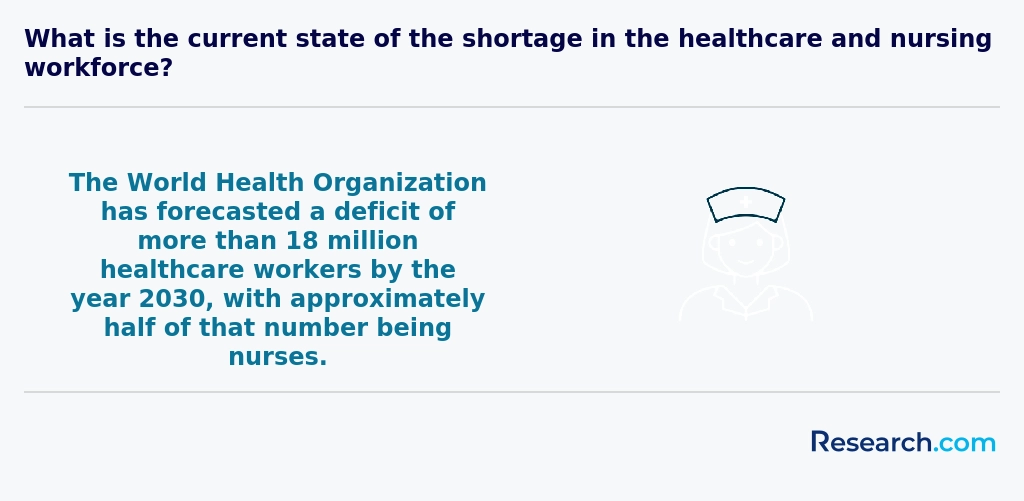
Graduates of Wisconsin’s online nursing programs consistently achieve competitive NCLEX-RN pass rates, reflecting the rigorous preparation and accreditation standards upheld by institutions across the state. On average, Bachelor of Science in Nursing (BSN) graduates from the University of Wisconsin system report first-time NCLEX pass rates above 90%, while diploma and associate degree holders maintain rates around 85%. These metrics are essential indicators of program quality, as they demonstrate a school’s ability to equip students with the critical thinking and clinical skills required for safe, effective patient care. To maximize pass rates, programs integrate targeted NCLEX review courses, adaptive practice exams, and faculty-led study groups. Many students benefit from personalized feedback on practice question performance, allowing them to identify knowledge gaps in pharmacology, medical-surgical nursing, and health assessment. Clinical simulation labs-both virtual and on-site-reinforce core competencies, ensuring learners enter their licensing exam with confidence and hands-on experience. Prospective students seeking cost-effective options without compromising licensure success may also compare out-of-state affordability benchmarks. For example, those curious about tuition savings can explore the Cheapest Online Nursing Degree Programs Ranking in South Carolina to gauge how Wisconsin’s investment stacks up against top budget-friendly alternatives. Understanding NCLEX outcomes alongside program costs empowers aspiring nurses to choose a pathway that balances quality, licensure readiness, and financial feasibility.
Many online nursing students in Wisconsin find relief through federal aid, starting with FAFSA to unlock Pell Grants and Direct Subsidized Loans. These grants are a lifeline-imagine a student at the University of Wisconsin who, burdened by tuition costs, found the Pell Grant pivotal in continuing her studies without drowning in debt.
State-specific programs further ease financial pressure. The Wisconsin Grants, administered by HEAB, directly reduce tuition for residents attending schools like Marquette University's online nursing program. Graduates often share how this support turned daunting expenses into manageable commitments.
Beyond grants, the Wisconsin Healthcare Workforce Recruitment Program offers loan repayment assistance for those serving underserved communities-a tangible way for future nurses to give back while receiving education.
Scholarships targeted to nursing students, from institutions and groups like the Wisconsin Nurses Association, ignite hope for many balancing work and study. Employers, particularly healthcare providers, also boost motivation by covering tuition, helping working professionals advance without sacrificing income.
- Federal Pell Grants and Direct Subsidized Loans through FAFSA
- Wisconsin Grants program via the Higher Educational Aids Board
- Wisconsin Healthcare Workforce Recruitment Program's loan repayment assistance
- University and organizational scholarships for nursing students
- Employer tuition reimbursement plans within the healthcare sector
The pursuit of an online nursing degree in Wisconsin is not only a significant personal investment but also a crucial step towards a fulfilling career in healthcare. As aspiring nurses consider their options, the affordability of these programs becomes a pivotal factor in their decision-making process. For those seeking to balance their educational aspirations with financial realities, exploring affordable nursing programs in Wisconsin can be a vital first step. This exploration involves not just examining tuition fees but also understanding the array of financial aid options and scholarships available to nursing students. By delving into these aspects, prospective students can make informed decisions that align their career goals with their financial capabilities, ultimately paving the way for a successful and rewarding journey in the nursing profession.
Meeting prerequisites for an online nursing degree in Wisconsin is more than ticking boxes; it is a rite of passage toward a meaningful career. Graduates from the University of Wisconsin and Marquette University often reflect on how earning their GED or high school diploma was just the beginning. Those academic records, showcasing a GPA near 2.5 or higher, represent a foundation, not a limitation. Many found that submitting transcripts prompted self-reflection on their readiness to embrace rigorous nursing studies.
Holding an active RN license, especially for RN-to-BSN or MSN programs, anchors students in real-world nursing practice-many alumni recall the confidence gained from validating their licensure and clinical experience, sometimes as brief as six months. Foundational courses like anatomy and chemistry become stepping stones, preparing students intellectually and emotionally to care for patients.
Standardized tests such as the TEAS challenge incoming students to prove academic skills beyond motivation alone. Students at popular Wisconsin colleges emphasize how these hurdles build resilience and a sense of achievement early in their journey, making financial and personal investments feel worthwhile.
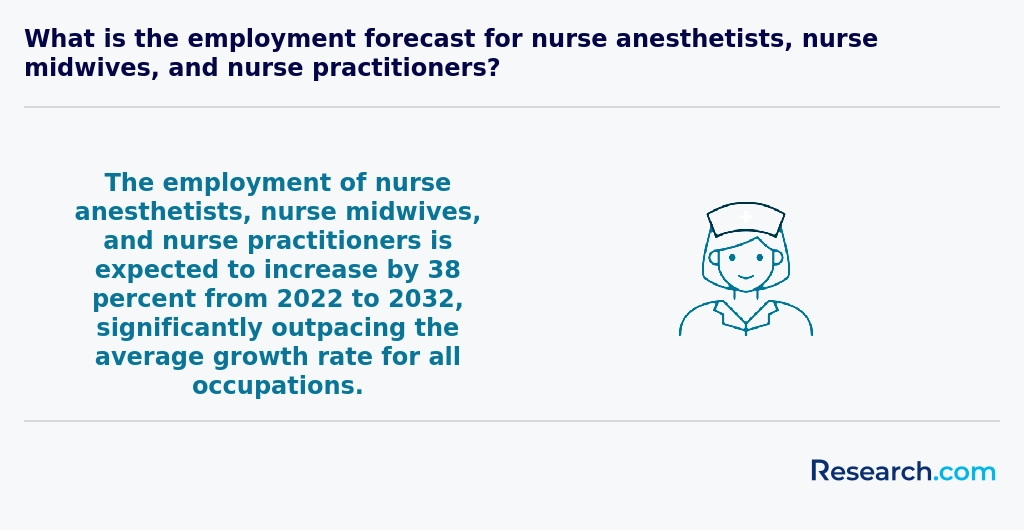
An online nursing degree in Wisconsin offers several advantages that align with diverse student needs and career goals:
- Flexible scheduling to balance coursework with work and family
- In-state tuition rates and digital resources lower overall costs
- Partnerships with local hospitals ensure hands-on clinical practice
- Strong NCLEX-RN pass rates support smooth licensure preparation
- Opportunity to pursue advanced practice specializations through cheap online fnp programs
Online nursing degree programs in Wisconsin challenge you to master both science and compassion. Graduates from the University of Wisconsin system often recall how foundational courses like anatomy, physiology, and microbiology felt like unlocking the secrets of the human body. These classes are not just theory; they become vital when you later assess patients' health in clinical settings.
Students describe the deep impact of courses such as pathophysiology and pharmacology, where understanding disease mechanisms and medication safety transforms vague concepts into lifesaving knowledge. Core nursing courses-ranging from adult and pediatric nursing to mental health-offer hands-on skills often linked with clinical practicums at local hospitals, blending textbook learning with the humbling immediacy of real patient care.
Programs at colleges like Concordia University Wisconsin emphasize how advanced classes in nursing leadership and community health expand your role beyond bedside care, encouraging you to think critically about healthcare systems. These courses prepare you for dynamic challenges, making the learning journey as rewarding emotionally as it is intellectually in Wisconsin's evolving healthcare landscape.
Online nursing degrees in Wisconsin offer a range of specializations that reflect the state's nuanced healthcare demands and evolving nursing landscape. Graduates from renowned institutions often find themselves deeply engaged in Family Nurse Practitioner roles, delivering comprehensive care to patients from infancy through old age. This specialization resonates strongly with those eager to meet Wisconsin's growing need for primary care providers, especially in underserved regions.
Students frequently share how programs focusing on Psychiatric-Mental Health Nurse Practitioner training uniquely prepare them to tackle rising mental health challenges, highlighting a rewarding connection between their coursework and community impact. Meanwhile, the Adult-Gerontology Acute Care track appeals to nurses passionate about critical care, often recounting stories of hands-on learning during clinical experiences affiliated with popular Wisconsin universities.
The diversity of Wisconsin nursing degree focus areas extends to Pediatric Nurse Practitioner and Nursing Education pathways, with many graduates praising the balance of rigorous online study and relevant clinical hours. Those looking for flexibility sometimes explore options such as online rn to bsn without clinicals, allowing for adaptable career development within a demanding healthcare environment.
Choosing the best online nursing degree in Wisconsin requires looking beyond rankings and flashy marketing. Graduates from respected Wisconsin institutions often share how accreditation by CCNE or ACEN made all the difference-not just for licensure but for genuine confidence walking into clinicals. It's not just about completing coursework online; those who successfully balanced online classes with local clinical placements felt the real pulse of nursing close to home, which is crucial since clinicals can't be done virtually.
Many students at reputable public universities find that tuition remains affordable without sacrificing quality, embracing some of the best online nursing programs Wisconsin offers. This affordability eases stress and lets students focus on mastering skills and passing the NCLEX. When considering your path, take a moment to explore scholarships and support services, as graduates often credit personalized guidance for their success.
Remember, if you're curious about advancing quickly, look into what is a direct MSN degree for a non-nursing student-a route some Wisconsin-based learners appreciate for its efficiency and practicality.

Graduates from popular nursing programs in Wisconsin often find that an online Bachelor of Science in Nursing degree unlocks a range of career possibilities beyond bedside care. It's not just about becoming a registered nurse in local hospitals or clinics, but also stepping into specialized roles like nurse practitioner or nurse educator. Many graduates describe how their clinical experiences at well-known universities helped them confidently transition into leadership roles such as nurse administrator, blending patient care with organizational strategy.
The state's demographic shifts have created unique openings in public health and geriatric nursing, fields where many alumni report feeling a deep sense of purpose. Those exploring online nursing careers in Wisconsin also highlight the accessibility and affordability of programs, noting scholarship opportunities and financial aid offered by organizations like the Wisconsin Nurses Association. Insights from alumni encourage prospective students to weigh not just the education cost but the expansive job opportunities available in these evolving healthcare roles.
For those examining nursing degree job opportunities Wisconsin offers, the journey often begins with exploring affordable options such as those featured in the Cheapest Online Nursing Degree Programs Ranking in South Carolina, which showcases economically sensible paths to a nursing career, emphasizing value without sacrificing quality.
The online nursing jobs Wisconsin market stands as a beacon for graduates seeking both opportunity and purpose. Nursing students at well-known institutions such as the University of Wisconsin-Madison and Marquette University frequently share how the blend of rigorous academics and clinical placements within the state prepares them to meet real-world demands. Their success stories often highlight how online programs paired with in-person clinical experience open doors in hospitals and outpatient clinics eager to hire nurses trained with flexibility and up-to-date skills.
Employment outlook for Wisconsin nursing degree holders is fueled by the state's growing healthcare needs, particularly in aging populations across urban and rural communities. Graduates express confidence entering a job market where competitive salaries of around $74,000 per year reward their dedication. For those balancing education with work or family, online learning often becomes a lifeline, supported by programs that offer flexible schedules and sometimes more affordable tuition compared to traditional settings.
Many find themselves reflecting on how such programs challenge the conventional path to nursing, merging convenience with quality. Those considering advancing their careers may explore options like an online masters 1 year in nursing, enabling even faster entry into specialized roles within Wisconsin's healthcare landscape.
2027 Best Online Nursing Degree Programs Ranking in Wisconsin
Investing in your education is a significant decision that can shape your future, and the Research.com team understands the importance of making informed choices. To assist prospective students in Wisconsin, we have meticulously crafted the "2027 Best Online Nursing Degree Programs Ranking in Wisconsin." Our commitment to quality, credibility, and accuracy is reflected in the extensive research and analysis conducted to compile this ranking.
We utilized the following reputable data sources to ensure a comprehensive evaluation of nursing programs:
By exploring this ranking, readers will gain valuable insights into the best online nursing degree programs available in Wisconsin, empowering them to make informed decisions about their educational paths. For more details on our methodology, please visit our Research.com methodology page.


Frequently Asked Questions About nursing
Students pursuing online nursing degrees in Wisconsin can enhance their learning by actively engaging with virtual resources and clinical opportunities. Wisconsin supports a strong healthcare system, with over 10,000 nursing jobs expected to grow by 15% through 2030, according to the Wisconsin Department of Workforce Development.
To maximize success, students should establish a consistent study routine and participate in online discussions and simulations to strengthen clinical reasoning. Utilizing state-approved clinical sites for hands-on experience is critical, as practical skills remain essential despite remote coursework.
Additionally, leveraging Wisconsin nursing associations can provide networking and mentorship, which are proven to improve retention and job readiness in nursing education.
The nursing field in Wisconsin is evolving, with several emerging niches gaining attention. One notable area is geriatric nursing, driven by the state's aging population; Wisconsin's Department of Health Services reports a 20% increase in residents over 65 since 2010. Nurses specializing in elder care are in high demand to support chronic illness management and long-term care.
Another growing niche is informatics nursing, which combines healthcare with technology. As healthcare systems digitize, Wisconsin hospitals seek nurses skilled in electronic health records and data analysis to improve patient outcomes.
Telehealth nursing is also expanding rapidly. The COVID-19 pandemic accelerated its adoption, allowing Wisconsin nurses to provide remote patient monitoring and care coordination across the state's rural areas.
After completing an online nursing degree in Wisconsin, graduates should focus on key steps to enter the job market effectively. First, obtaining licensure by passing the NCLEX-RN exam is essential to practice as a registered nurse in the state. Wisconsin's Board of Nursing provides up-to-date requirements and resources for licensure.
Nursing demand in Wisconsin is strong, with a projected 12% employment growth from 2020 to 2030, according to the Bureau of Labor Statistics. Graduates should build a professional network by joining organizations such as the Wisconsin Nurses Association.
Finally, gaining experience through internships or volunteering at local hospitals can improve job prospects and provide valuable hands-on skills.
Employers in Wisconsin value nursing graduates who demonstrate strong clinical skills and critical thinking. According to the Wisconsin Nurses Association, proficiency in patient assessment and care planning is essential. Online nursing programs emphasize these practical abilities alongside theoretical knowledge.
Communication skills are equally important. Nurses must clearly convey information to patients and healthcare teams, fostering trust and safety. In Wisconsin's diverse communities, cultural competence is a growing priority, enhancing patient engagement and health outcomes.
Adaptability and collaboration also rank high. The Wisconsin Department of Health Services highlights teamwork and flexibility as vital in evolving healthcare settings. Graduates prepared with these skills are more likely to succeed in Wisconsin's competitive nursing job market.
Finding nursing internships in Wisconsin requires strategic planning and awareness of local healthcare networks. Many online nursing degree programs in Wisconsin partner with regional hospitals and clinics to offer internships. The Wisconsin Nurses Association and the Wisconsin Board of Nursing are valuable resources for locating accredited clinical placements.
Students should also explore opportunities at major healthcare providers like Froedtert Health and UW Health, which frequently offer paid internships for nursing students. According to the Wisconsin Department of Workforce Development, demand for registered nurses is expected to grow by 15% through 2028, increasing internship availability.
Networking through local nursing chapters and attending state health job fairs can further connect students to internships suited to their career goals.
Obtaining an online nursing degree in Wisconsin can significantly enhance career mobility and advancement opportunities. According to the Wisconsin Department of Workforce Development, demand for registered nurses is projected to grow by 12% through 2030, exceeding the national average. An online degree allows flexibility for working professionals to continue employment while upgrading their qualifications.
Graduates with a Bachelor of Science in Nursing (BSN) online are often preferred for leadership roles and specialized positions. Hospitals in Wisconsin increasingly require or prefer BSN-prepared nurses for promotions, reflecting national trends noted by the American Nurses Association.
Additionally, online nursing programs accredited by the Commission on Collegiate Nursing Education ensure quality education aligned with state licensure requirements, facilitating seamless career progression within Wisconsin's healthcare system.
Studying for a nursing degree in Wisconsin prepares students for interdisciplinary roles by emphasizing collaborative healthcare practices. Wisconsin nursing programs integrate courses in communication, ethics, and healthcare management, supporting cooperation among various medical professionals. This approach aligns with the state's focus on team-based care, improving patient outcomes.
The Wisconsin Department of Health Services highlights that nurses often work alongside physicians, social workers, and therapists to address complex patient needs. Online programs reflect this trend by including training on interprofessional teamwork and patient-centered care.
Additionally, clinical practicum experiences in Wisconsin hospitals expose students to diverse healthcare teams, building skills essential for interdisciplinary collaboration.
When choosing between a thesis and a non-thesis nursing degree program in Wisconsin, consider your career goals first. Thesis programs typically require conducting original research, appealing to those interested in advanced clinical roles or academic careers. Non-thesis options focus more on practical skills and coursework, better suited for nurses aiming to enter or advance in clinical practice quickly.
Wisconsin's Nursing Education Database shows about 35% of MSN graduates pursue thesis tracks, often aligning with research-intensive roles. Additionally, the Wisconsin Board of Nursing reports that online non-thesis programs often offer more flexible schedules, beneficial for working professionals.
Assess your time availability and professional objectives, then decide which format matches your aspirations best.
Students based in Wisconsin who want to study nursing abroad while pursuing an online degree have limited direct options. Most U.S. nursing programs, including those in Wisconsin, require in-person clinical practice in approved healthcare settings, often restricting fully remote international study.
However, some accredited Wisconsin online nursing programs offer international clinical partnerships or allow students to complete clinical hours abroad, subject to state board approval. According to the Wisconsin Board of Nursing, clinical hours must meet strict supervision and curriculum standards regardless of location.
For those interested in global nursing perspectives, students can supplement their online study with short-term international clinical experiences or exchange programs facilitated by their home institutions.
Part-time jobs in Wisconsin that complement nursing degree education often focus on gaining clinical experience and patient interaction. Positions such as certified nursing assistants (CNAs), medical assistants, or home health aides provide valuable hands-on skills. According to the Wisconsin Department of Workforce Development, CNAs in the state earn an average of $14 to $18 per hour, making it a viable option for students balancing work and study.
Some students also find roles in outpatient clinics or hospitals as patient care technicians. These roles help develop practical skills relevant to nursing while offering schedule flexibility.
Volunteering in healthcare settings remains another useful way to build experience and professional networks.
Online nursing students in Wisconsin benefit from several networking opportunities designed to connect them with professionals and peers statewide. Many universities encourage participation in virtual student organizations and nursing associations, such as the Wisconsin Nurses Association (WNA), which offers webinars, conferences, and local chapter meetings accessible to online learners. According to the WNA, these events provide valuable platforms to interact with experienced nurses, faculty, and healthcare employers across Wisconsin.
Additionally, clinical placements in Wisconsin healthcare facilities allow students to build on-site relationships despite studying remotely. Schools also offer career services with virtual job fairs tailored to the Wisconsin nursing market, which employed over 75,000 registered nurses as of 2023 (Bureau of Labor Statistics). These connections are essential for career advancement in the state's growing healthcare sector.
Alumni networks provide valuable support for online nursing degree students in Wisconsin by connecting current students with experienced graduates. These connections offer mentorship opportunities, career advice, and job leads within the state's healthcare system. Wisconsin has a strong demand for registered nurses, with the state projecting a 16% growth in nursing employment through 2030 according to the Wisconsin Department of Workforce Development.
Access to an active alumni community can help students navigate licensure requirements and clinical placements, both critical for nursing careers. Many universities facilitate alumni events and online forums, making networking easier despite the remote nature of online programs. This engagement enhances professional development and increases employment prospects after graduation.
Customizing an online nursing degree in Wisconsin allows students to align their education with specific career objectives. Many programs offer flexible course options, including specialties like gerontology, pediatrics, or mental health nursing. Wisconsin's nursing schools often provide elective courses, clinical placements, and accelerated tracks to accommodate working professionals.
Students can also select degree levels-from associate to bachelor's and advanced practice degrees-depending on their goals. The Wisconsin Board of Nursing outlines requirements for licensure and specialization, ensuring programs prepare learners for regional practice demands. Tailoring coursework and clinical experiences helps students meet personal interests and the state's growing healthcare needs, especially as Wisconsin's nursing workforce expands.
Online nursing students in Wisconsin face several common challenges that can impact their educational success. One key issue is balancing clinical requirements with virtual coursework. Since Wisconsin requires hands-on clinical hours for nursing licensure, students must arrange local placements, which can be limited depending on the region. This can delay program progression or require extra travel.
Another challenge is adapting to self-directed learning. Students often need strong time-management skills to keep pace with online lectures, assignments, and exams without traditional in-person support.
Technical barriers also affect some students, especially in rural areas where high-speed internet access remains uneven. According to the Wisconsin Department of Public Instruction, about 7% of households in rural parts lack reliable internet.
Finally, navigating state-specific nursing regulations and licensure requirements can be complex. Students must ensure their online programs align with Wisconsin Board of Nursing standards to qualify for the NCLEX-RN exam and licensure.
With an online nursing degree in Wisconsin, graduates can pursue various professional certifications to advance their careers. Common options include becoming a Certified Nurse Assistant (CNA), Licensed Practical Nurse (LPN), or Registered Nurse (RN), depending on the degree level. Many graduates also seek national credentials such as the Certified Nursing Assistant (CNA) offered by the Wisconsin Department of Health Services or the National Council Licensure Examination for Registered Nurses (NCLEX-RN).
Advanced certifications like the Certified Nurse Midwife (CNM) or Nurse Practitioner (NP) are available for those with a Bachelor of Science in Nursing (BSN) or higher.
The Wisconsin Center for Nursing reported nearly 25,000 active RNs in the state as of 2023, many benefiting from certification to improve job prospects and salary.
To write a winning application for an online nursing program in Wisconsin, start by highlighting your commitment to healthcare and community service. Clearly demonstrate any relevant experience, such as CNA certification or volunteer work, which aligns with Wisconsin's growing nursing demand. According to the Wisconsin Department of Workforce Development, registered nurse openings are expected to grow by 12% through 2030, emphasizing the need for qualified applicants.
Include strong academic records, especially in science and math courses. Many programs require prerequisite coursework and a minimum GPA, often around 3.0. Tailor your personal statement to reflect your goals and how the program's curriculum fits your career plans.
Request letters of recommendation from professionals familiar with your work ethic and aptitude in healthcare settings. Finally, double-check all application materials to ensure completeness and accuracy before submission.
The nursing profession offers unique global opportunities, reflecting growing demand worldwide. In the United States, including Wisconsin, nursing is recognized as a stable and rewarding career with strong job growth projected at 6% from 2021 to 2031 by the U.S. Bureau of Labor Statistics. Globally, nurses play essential roles in public health, emergency care, and chronic disease management, highlighting their critical impact across cultures.
Wisconsin's healthcare organizations increasingly seek nurses with diverse skills, often valuing international experience. An online nursing degree from Wisconsin institutions allows students to gain credentials recognized across many countries, facilitating potential work abroad or in multinational health settings.
According to the Wisconsin Center for Nursing, the state faces a nursing shortage, emphasizing the importance of preparing well-qualified professionals to meet both local and global healthcare needs.
While pursuing an online nursing degree in Wisconsin, gaining practical experience is essential for licensure and career readiness. Most programs require clinical hours, which students complete at local healthcare facilities. Wisconsin's nursing programs typically partner with hospitals, clinics, and long-term care centers statewide to facilitate these placements.
The Wisconsin Board of Nursing mandates supervised clinical practice to ensure hands-on skill development. Students should communicate with their program coordinators early to secure clinical sites near their residence. According to the Wisconsin Center for Nursing, nearly 80% of nurses in the state gain clinical experience through such partnerships, helping bridge theory and practice effectively.
Simulation labs on campus may also be available for hybrid students, providing additional skill-building opportunities. These real-world experiences are critical for passing the NCLEX-RN and fulfilling state licensure requirements.
Choosing the right concentration within an online nursing degree program in Wisconsin begins with understanding your career goals and interests. Wisconsin offers diverse nursing roles, from gerontology to pediatrics, reflecting its aging population and rural healthcare needs, as noted by the Wisconsin Department of Health Services. Researching local healthcare trends helps identify growing specialties.
Accreditation is essential; ensure the program meets standards set by organizations like the Commission on Collegiate Nursing Education (CCNE) or the Accreditation Commission for Education in Nursing (ACEN). Also, consider the program's clinical placement support, especially important for gaining Wisconsin-specific experience.
Finally, review salary data from the Bureau of Labor Statistics, showing Wisconsin nurse practitioners earn around $110,000 annually, influencing specialization choice.
- 2027 Best Online Nursing Degree Programs Ranking in Iowa
- 2027 Best Online Nursing Degree Programs Ranking in Illinois
- 2027 Best Online Nursing Degree Programs Ranking in Michigan
- 2027 Best Online Nursing Degree Programs Ranking in Indiana
- 2027 Best Online Nursing Degree Programs Ranking in Missouri
- 2027 Best Online Nursing Degree Programs Ranking in Ohio
- 2027 Best Online Nursing Degree Programs Ranking in Kentucky
- 2027 Best Online Nursing Degree Programs Ranking in North Dakota
- 2027 Best Online Nursing Degree Programs Ranking in Kansas
- 2027 Best Online Nursing Degree Programs Ranking in Tennessee
See What Experts Have To Say About Studying Nursing
Read our interview with Nursing experts

Lisa Grubb
Nursing Expert
Assistant Professor
Johns Hopkins School of Nursing

- Exploring Diverse Nursing Career Horizons - N2S Healthcare Blog https://n2shealthcare.com/blog/exploring-diverse-nursing-career-horizons-n2s-healthcare-blog
- Your Questions About Online Nursing School, Answered https://www.allnursingschools.com/how-to-get-into-nursing-school/online-programs/
- How to Write https://esign.com/letter-of-intent/school/nursing/
- Online Nursing Degree Programs | University of Phoenix https://www.phoenix.edu/online-nursing-degrees.html
- Do I Have to Write a Thesis to Complete a Master’s Degree in Nursing? https://www.bestmasterofscienceinnursing.com/faq/write-thesis-complete-masters-degree-nursing/
- Top Skills Employers Want in Practical Nursing Graduates https://vervecollege.edu/what-employers-look-for-in-practical-nursing-graduates/
- Wisconsin Nursing School Scholarships - Wisconsin Center for Nursing https://wicenterfornursing.org/wisconsin-nursing-school-scholarships/
- Scholarships & Financial Aid https://www.aacnnursing.org/students/scholarships-financial-aid
- How Do Nurses Navigate Career Advancement? | NursingEducation https://nursingeducation.org/insights/career-advancement/
- Nursing Internship and Externship Programs https://jobs.mayoclinic.org/nursinginternexternprograms