
2027 Most Valuable Online Bachelor's in Nursing Degree Programs Ranking in Missouri

Co-Founder and Chief Data Scientist
Choosing the right nursing degree program is a big step toward a fulfilling and impactful career. For students in Missouri, finding quality online options can feel overwhelming. This article introduces the 2027 Most Valuable Online Bachelor's in Nursing Degree Programs Ranking in Missouri, created by the Research.com team of data scientists.
By exploring this ranking, you'll gain clear insights that help you make informed decisions about your education. Getting a nursing degree opens doors to rewarding opportunities and personal growth, and this guide is here to support you every step of the way.
Key benefits of getting online nursing degree in Missouri
- Nursing degree graduates in Missouri can earn competitive salaries, with Registered Nurses, Clinical Nurse Educators, Public Health Nurses, and Emergency Room Nurses earning a mean annual wage of around $94,480, while Operating Room Nurses have higher average earnings of $128,490 per year.
- Graduates have diverse career paths, including hospital settings, community health, education, and specialized nursing roles, offering flexibility and growth based on interests and skills.
- Completing a nursing degree online in Missouri allows for flexible scheduling and the ability to balance work and study, making it easier to gain experience while earning a respected qualification.
- 2027 Most Valuable Online Bachelor's in Nursing Degree Programs Ranking in Missouri
- What can I expect from online nursing degree in Missouri?
- Where can I work with online nursing degree in Missouri?
What can I expect from online nursing degree in Missouri?
The average cost of an online nursing degree in Missouri typically ranges from $20,000 to $45,000, depending on the institution and program length. Graduates from well-known universities like the University of Missouri or Saint Louis University often recall balancing this investment with scholarships and financial aid, which made the journey feel not just feasible but empowering. One graduate described the cost as an "investment in a future where flexibility met rigor," highlighting how local clinical placements allowed them to apply classroom lessons directly in their community without excessive travel expenses.
Navigating tuition fees alongside necessary clinical hours can initially feel overwhelming, yet many students find reassurance knowing these programs meet Missouri's strict licensing requirements. The blend of online coursework with in-person practice at local hospitals helped students maintain steady progress while managing part-time jobs or family commitments. This approach transforms the typical financial burden into a more manageable, rewarding experience, enabling many to graduate with a sense of accomplishment and financial prudence.
Where can I work with online nursing degree in Missouri?
Graduates with an online nursing degree from institutions like the University of Missouri or Missouri State University often find themselves welcomed into Missouri's vibrant healthcare system. These nurses move beyond traditional hospital roles, landing positions in BJC HealthCare or Mercy Health, where they gain hands-on experience in critical care units. One graduate reflected on the thrill of contributing to oncology departments, a path many have taken, showcasing how online programs prepare nurses to confidently handle complex patient needs.
Others venture into long-term care facilities, responding to the state's aging population and rediscovering the profound satisfaction in fostering meaningful relationships with elderly patients. Community health centers and rural clinics also embrace BSN holders, where graduates describe the rewarding challenge of bridging gaps in preventive care across Missouri's often underserved counties.
Ambitious nurses even explore roles in public health and policy, applying their skills in government agencies to shape health initiatives. With Missouri's RN licensure requirements met, online nursing graduates aren't confined by geography or facility type-they become adaptable professionals shaping care statewide.
Nursing graduates from popular Missouri institutions pursuing online degrees often see varied salary outcomes based on their chosen path. Registered Nurses and specialized roles such as Clinical Nurse Educators, Public Health Nurses, and Emergency Room Nurses share a mean annual wage of $94,480, according to the latest BLS data. This challenges the common assumption that only entry-level RN salaries matter after graduation.
For those imagining a straightforward salary climb, consider Operating Room Nurses-graduates aiming for this role reach a significantly higher mean of $128,490 annually. The difference feels palpable: one graduate shared how transitioning from a hospital floor RN to OR nurse transformed their financial outlook and job satisfaction.
Many Missouri students enrolled in online programs at institutions like the University of Missouri or Missouri State University find this wage growth attainable, especially when combining clinical experience with continuing education. These numbers show that investing in nurses' specialized skills pays dividends, whether you're navigating the fast pace of an emergency room or the precise demands of an operating suite.
- Many online nursing programs in Missouri use a hybrid model with remote coursework and in-state clinical placements.
- Annual tuition for a BSN ranges from $7,000 to $12,000 for in-state students, with additional fees for clinical placements and textbooks.
- Entry-level RNs with a BSN in Missouri earn around $60,000 per year, with experienced nurses making about $74,000 annually.
- The job market for nurses in Missouri is expected to grow by about 9% through 2031, driven by an aging population.
- Programs should be accredited by CCNE or ACEN to ensure eligibility for licensure and better job prospects.
Completing an online nursing degree in Missouri invites you to reconsider what "lengthy education" truly means. Graduates from well-known institutions like the University of Missouri or St. Louis Community College often find themselves amazed at how an Associate Degree in Nursing (ADN) can wrap up in just two to three years full-time, faster than they imagined. This timeline isn't a mere number; it reflects a hands-on journey of mastering clinical skills and passing the NCLEX-RN, balancing real-life challenges with academic rigor.
For those aiming higher with a Bachelor of Science in Nursing (BSN), Missouri's online options provide flexibility and local clinical placements that turn distant dreams into tangible progress over three to four years. Graduates recall how these programs fit around family and work, making the experience both demanding and deeply rewarding.
Registered nurses upgrading through RN-to-BSN bridge pathways often marvel at finishing in as little as 12 months, a testament to Missouri's support for experiential learning and accelerated progress. Most feel invigorated, knowing that every clinical hour completed in a local healthcare facility brings them closer to professional fulfillment.
The key difference between online and on-campus nursing degrees in Missouri lies in how and where students engage with their studies. Graduates from online programs at universities like the University of Missouri often describe the flexible schedule as a lifeline-balancing family, work, and coursework without the stress of a daily commute. By accessing lectures remotely and completing assignments asynchronously, they feel empowered to learn on their own terms. Yet, they still embrace the challenge of fulfilling mandatory in-person clinical hours at local hospitals, blending convenience with essential hands-on experience.
Conversely, those who attend on-campus programs at institutions like Saint Louis University often recall the energizing buzz of campus life-immediate faculty support, face-to-face discussions, and the tactile use of simulation labs creating a deeply immersive environment. For many, this direct social interaction fosters confidence and deeper comprehension, though juggling the costs of commuting or living near urban centers can weigh heavily.
Missouri's insistence on clinical practice completion in approved healthcare settings ensures both paths cultivate skilled nurses, yet the route chosen shapes more than just logistics-it colors the entire student experience with distinct emotions and rhythms.
Accreditation is the cornerstone of any reputable online nursing program in Missouri, ensuring you meet both educational standards and state licensure prerequisites. Most top programs hold accreditation from the Commission on Collegiate Nursing Education (CCNE) or the Accreditation Commission for Education in Nursing (ACEN), which signals to employers and the Missouri State Board of Nursing that your degree qualifies you to sit for the NCLEX-RN exam. Before you enroll, verify that your chosen school is approved by the Missouri Board of Nursing; this approval guarantees your coursework and clinical hours align with state regulations. Graduates must pass the NCLEX-RN to obtain licensure and practice safely. To maximize your chances, look for programs offering integrated exam prep, simulated NCLEX questions, and partnerships with local healthcare facilities for hands-on requirements. Staying informed about continuing education mandates and renewal cycles will help you maintain an active license once you enter the workforce. For a closer look at cost-effective, accredited options that satisfy these rigorous standards, explore our Affordable Online Nursing Degree Programs Ranking in St. Louis, MO. This resource highlights programs that combine quality instruction, state approvals, and NCLEX success support - all critical factors in launching a credible nursing career.
The average cost of an online nursing degree in Missouri reflects a balance between quality education and financial investment, with median total costs around $31,080. For those coming from out of state, the expense increases to a median of $47,700, while Missouri residents enjoy a more accessible median total cost of $42,720. Graduates from programs at popular Missouri institutions often share that while the financial commitment is significant, the flexibility of online coursework combined with local clinical placements creates an empowering path toward achieving their nursing goals.
Consider a nursing student enrolled at a well-known public university in Missouri who values the convenience of online classes but still engages deeply with in-person clinical experiences close to home. Their story highlights not only the tuition and fees but also the less obvious costs-textbooks, supplies, and transportation to clinical sites-contributing to total tuition and fees for Missouri online nursing programs. This real-world integration often turns the learning process into a relatable journey rather than a distant academic pursuit.
Residency status plays a crucial role in shaping financial outcomes, as Missouri residents typically benefit from reduced costs compared to non-residents. Accelerated or RN-to-BSN completion options can shorten program length and reduce expenses, enabling students to enter the nursing workforce sooner with a strong sense of achievement and optimism. When researching options, be sure to review the affordable nursing schools in Missouri, which frequently update their tuition data.
Online nursing bachelor’s programs in Missouri blend virtual learning with hands-on clinical experiences. To meet Missouri Board of Nursing standards, students must arrange, complete, and document clinical hours in approved healthcare settings.
- Verify the total clinical hour requirement (often 400–600 hours) and confirm state licensing criteria.
- Secure a local clinical placement by coordinating with program advisers and affiliated sites (hospitals, clinics, long-term care).
- Submit required health documentation: immunizations, background checks, CPR certification, and liability insurance.
- Utilize virtual simulation tools when offered to supplement real-world practice under faculty supervision.
Registered nurses looking to avoid new clinicals can explore RN-to-BSN tracks with minimal or no onsite hours, such as rn to bsn online with no clinicals programs designed for licensed RNs.
Many nursing students in Missouri quickly discover that financial aid extends far beyond just loans, reshaping what they initially believed about funding their education. For example, graduates from the University of Missouri's online nursing program often rely heavily on Pell Grants, which can cover up to $7,395, dramatically easing the annual tuition burden that otherwise ranges from $8,000 at public schools to over $20,000 at private ones. This grant's no-repayment requirement allows students to focus more on their studies and less on financial stress.
Others pursuing degrees at Maryville University share how subsidized federal loans provided relief by pausing interest accumulation during enrollment, an often overlooked benefit that lightens the financial load in real time. Missouri's state-specific programs add another layer; the State Loan for Nursing Students and Health Professions Student Loan target those committed to healthcare locally, making a rewarding career in underserved areas more attainable.
The combination of institutional scholarships, especially merit-based ones offered at popular Missouri schools, plus employer tuition assistance from local hospitals creates a financial network fueling perseverance and hope for countless online nursing students.
. When exploring options for online nursing programs in Missouri, affordability is a crucial factor to consider. Prospective students should research programs thoroughly, comparing tuition rates, fees, and financial aid options. For those seeking budget-friendly alternatives, checking out affordable nursing schools in Missouri can provide valuable insights. Many institutions offer competitive pricing without compromising on the quality of education, ensuring that students receive a comprehensive nursing education that prepares them for successful careers in healthcare. By weighing the costs and benefits of each program, students can make informed decisions that align with their financial situation and academic goals.
Pursuing an online nursing degree in Missouri calls for more than just interest; it demands readiness proven by clear prerequisites. Graduates from popular institutions like the University of Missouri or St. Louis Community College recall that holding a high school diploma or GED was their first real checkpoint-a foundation that ensures you're equipped for courses heavy in anatomy and physiology.
Many found themselves navigating standardized tests such as the ACT or SAT, especially for bachelor's degrees, while others leveraged prior college credits or associate degrees for RN-to-BSN paths. Imagine juggling work and study, yet submitting transcripts that showcase completed courses like biology, chemistry, and psychology-these aren't just bureaucratic hurdles but key building blocks.
Several online students share how having an active LPN or RN license, as monitored by the Missouri Board of Nursing, boosted their confidence and eligibility, allowing seamless progression into advanced programs. Letters of recommendation and personal statements, while often underestimated, offered a chance to express genuine motivation, making the admissions process feel more human and hopeful rather than merely procedural.

Enrolling in an accredited online nursing program is the first step toward securing your nursing license in Missouri and beyond. Accreditation ensures that your education meets national standards set by recognized bodies like the Commission on Collegiate Nursing Education (CCNE) and the Accreditation Commission for Education in Nursing (ACEN). Many Missouri institutions also hold regional accreditation through the Higher Learning Commission (HLC), which adds further credibility to your degree. Before applying, verify each program’s status on the CCNE or ACEN directory to avoid surprises when it’s time to sit for the NCLEX-RN exam. Once you’ve chosen an accredited program, you’ll need to fulfill Missouri Board of Nursing requirements to obtain licensure. This typically includes: • Passing the NCLEX-RN with a minimum score to demonstrate competency in entry-level nursing practice. • Completing a background check and submitting fingerprints per Missouri regulations. • Submitting official transcripts directly from your institution to the Board for final review. For nurses looking to advance quickly, bridge pathways-such as ADN-to-MSN tracks-often incorporate streamlined accreditation pathways and state-approved clinical hours. If you’re exploring specialized roles, consider reviewing our detailed guide on adn to fnp programs to see how accredited bridge programs can fast-track your eligibility for FNP certification. By prioritizing accredited programs and staying informed about licensure protocols, you’ll position yourself for a seamless transition from student to licensed professional in Missouri’s dynamic healthcare landscape.
Online nursing degree programs in Missouri immerse students in a rigorous curriculum that blends theory with real-world application. Graduates from popular institutions in the state often recall how courses like Human Anatomy and Physiology brought the human body vividly to life, making complex concepts feel tangible as they imagined providing care to patients in local hospitals.
Microbiology and Pathophysiology challenge students to grasp intricate disease mechanisms-an essential foundation for effective patient care. Pharmacology offers profound insights into medication effects, which graduates describe as empowering, knowing these lessons prepare them to make critical decisions in fast-paced healthcare settings across Missouri.
Courses such as Nursing Fundamentals and Health Assessment are transformative, equipping students with hands-on clinical skills, often practiced during in-person practicums despite the online format. Graduates frequently emphasize how community health nursing opened their eyes to broader public health challenges facing Missouri's diverse populations, linking classroom learning with tangible community impact.
Leadership and Management in Nursing instill confidence, priming students to step into roles where they coordinate teams and improve patient outcomes, truly capturing the demanding yet deeply rewarding nature of nursing in the Show-Me State.
When exploring online nursing degree options in Missouri, it's eye-opening to see how diverse the specializations truly are-each crafted to meet urgent healthcare demands and personal passions. Graduates from popular Missouri colleges often share how choosing tracks like Family Nurse Practitioner (FNP) unlocked their ability to provide holistic care from pediatrics to geriatrics, directly impacting communities with growing primary care shortages.
Other students find themselves drawn to the Psychiatric-Mental Health Nurse Practitioner specialization, driven by Missouri's rising need for accessible mental health services. The clinical focus here-ranging from psychiatric assessments to medication management-equips nurses to confront challenges in both urban centers and rural areas.
Missouri's online nursing specializations in Missouri also include Adult-Gerontology Nurse Practitioner programs designed to support the steadily aging population, or Nursing Education tracks for those passionate about shaping the next generation of nurses. For many, this thoughtful range of options fosters not only professional growth but personal fulfillment.
Many graduates from institutions known for robust nursing curricula recommend exploring bridge paths like adn to fnp programs, which can seamlessly elevate careers while accommodating demanding schedules.
Choosing the best online nursing programs Missouri offers demands more than picking a school with a glossy website. Graduates from well-known institutions like the University of Missouri highlight how accreditation-especially by CCNE or ACEN-shaped their confidence in job readiness. They often recall navigating online schedules that mixed asynchronous coursework with clinical hours arranged at local hospitals, making education fit their busy lives.
Affordability frequently surfaces in conversations-state schools typically ease financial burdens, a crucial factor for many balancing work and family. One graduate found that accessing the cheap nurse practitioner online degree options helped maintain momentum without accumulating debt. Missouri natives exploring these avenues appreciate programs offering clear NCLEX-RN success statistics, since those numbers really bring the program's reputation into focus.
Ultimately, personal stories reveal that the best choice reflects flexibility, practical clinical opportunities, and a connection to Missouri's healthcare community-something that top programs consistently deliver with pride. This deeper reflection transforms a simple degree into a meaningful career investment.
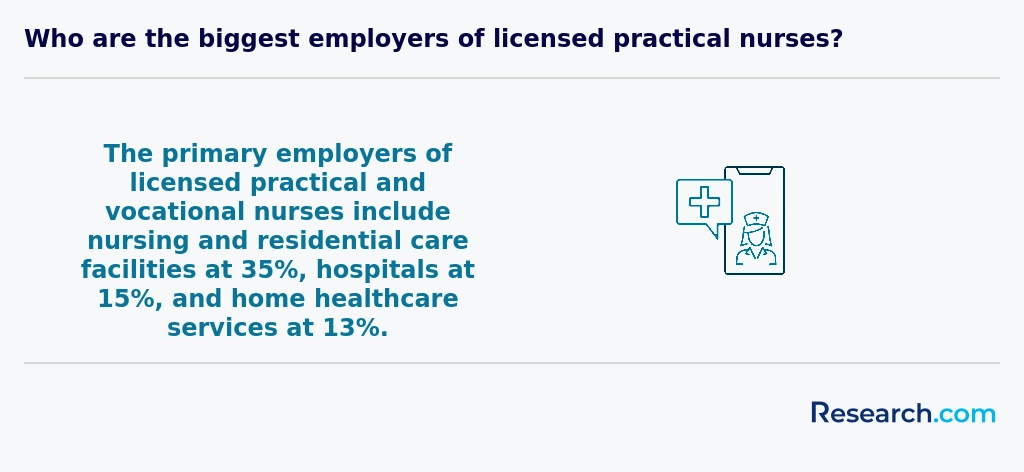
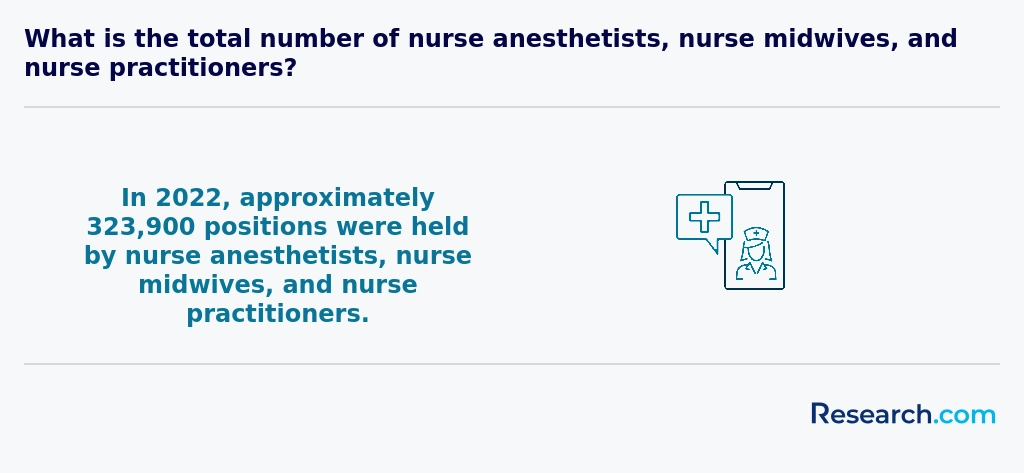
Graduates holding an online nursing degree in Missouri unlock access to a rich spectrum of career paths that defy the notion of nursing as a single-track job. Many who studied at popular institutions like the University of Missouri or Saint Louis University find themselves seamlessly advancing from bedside nursing in hospitals or intensive care units to community-oriented roles in public health, school nursing, or home healthcare. These graduates often share stories of personal fulfillment caring for diverse populations and addressing real health challenges beyond traditional settings, highlighting the dynamic nature of online nursing careers in Missouri.
Moreover, an online nursing degree from Missouri colleges becomes a launching pad for specialized roles-nurse practitioners, clinical educators, or leadership positions within healthcare systems. For instance, some graduates from top programs leverage their BSN to step into nurse management roles, driven by both professional ambition and a desire to influence patient outcomes on a broader scale. Exploring Affordable Online Nursing Degree Programs Ranking in St. Louis, MO reveals financial pathways that make pursuing these roles accessible without overwhelming debt.
The job market for online nursing degree graduates in Missouri is marked by more than steady growth; it reflects a profound shift in healthcare priorities statewide. Graduates from prominent Missouri institutions often share how their Bachelor of Science in Nursing (BSN) degrees opened doors in vibrant professional settings like St. Louis and Kansas City, where hospitals actively seek nurses with bachelor-level credentials. This demand directly challenges the outdated notion that associate degrees suffice for a thriving nursing career, highlighting instead a landscape valuing advanced education and leadership potential.
Those entering the field find themselves part of Missouri's expanding healthcare workforce, buoyed by 13% projected growth and competitive salaries averaging around $68,000 annually. This dynamic fosters optimism among recent graduates who balance work and study through online platforms, appreciating the flexibility without sacrificing quality. Missouri's healthcare employers clearly prioritize registered nurses with BSN backgrounds, reinforcing the strong connection between education and opportunity in online nursing jobs in Missouri.
Thinking beyond conventional paths, many students evaluate their options carefully, comparing program costs and benefits. For those considering whether to return to school or enter directly into the workforce, exploring programs for older adults online can be a decisive factor, providing tailored support to those juggling families and jobs while pursuing their nursing degree.
2027 Most Valuable Online Bachelor's in Nursing Degree Programs Ranking in Missouri
Investing in your education is a significant decision that can shape your future, and the Research.com team understands the importance of making informed choices. To assist prospective students in Missouri, we have meticulously crafted the "2027 Most Valuable Online Bachelor's in Nursing Degree Programs Ranking in Missouri." Our commitment to quality, credibility, and accuracy is reflected in the extensive research and analysis conducted to compile this ranking.
We utilized the following reputable data sources to ensure a comprehensive evaluation of nursing programs:
By exploring this ranking, readers will gain valuable insights into the most valuable online bachelor's nursing programs available in Missouri, empowering them to make well-informed decisions about their educational paths. For more details on our methodology, please visit our Research.com methodology page.

# 2 position
Chamberlain University - St. Louis
Nursing, RN to BSN degree completion program



Frequently Asked Questions About nursing
Online nursing students in Missouri can enhance their learning by actively engaging with virtual clinical simulations, which many accredited programs offer. These simulations help develop critical thinking and practical skills important for Missouri's healthcare environment.
Participating in online study groups with peers also improves understanding and motivation. The Missouri State Board of Nursing emphasizes that combining theory with hands-on clinical practice is crucial, so students should seek programs with strong local clinical partnerships.
Additionally, Missouri reported a 19% growth in registered nurse employment from 2019 to 2029, making up-to-date knowledge vital for career readiness. Utilizing resources like the Missouri Nursing Workforce Center can provide valuable insights and support.
The nursing field in Missouri is evolving, with emerging niches offering new opportunities for online degree students. One expanding area is geriatric nursing, driven by Missouri's aging population; the state's Division of Aging reports a significant rise in adults over 65, requiring specialized care professionals. Another niche gaining traction is telehealth nursing, which uses technology to provide remote patient monitoring and support, aligning well with online education formats.
Additionally, psychiatric-mental health nursing is increasingly recognized as vital, responding to growing mental health service demands across Missouri. Informatics nursing, focusing on healthcare data management, is also on the rise, boosted by advancements in medical technologies and electronic health records.
After completing an online nursing degree in Missouri, preparing for the job market involves several key steps. First, graduates must pass the NCLEX-RN exam, which is essential for licensure as a registered nurse in Missouri. The Missouri State Board of Nursing oversees this licensure process. According to the U.S. Bureau of Labor Statistics, Missouri expects a 9% growth in registered nursing jobs through 2030, indicating strong demand.
Building a professional network is crucial. Joining organizations like the Missouri Nurses Association can provide valuable connections and resources. Additionally, gaining clinical experience through internships or volunteer work enhances employability. Finally, crafting a targeted resume and practicing interview skills tailored to the Missouri healthcare market will improve job prospects.
Employers in Missouri highly value nursing graduates who demonstrate strong clinical skills combined with effective communication. According to the Missouri State Board of Nursing, proficiency in patient assessment, critical thinking, and the ability to work collaboratively in healthcare teams are essential.
Missouri hospitals report that graduates who can manage technology used in modern healthcare systems stand out. Familiarity with electronic health records (EHR) and telehealth platforms is increasingly important due to digital healthcare trends.
Additionally, cultural competence and adaptability are crucial in Missouri's diverse communities. The Missouri Center for Nursing highlights that nurses who show empathy and flexibility contribute significantly to better patient outcomes.
Time management and stress resilience are also frequently mentioned by Missouri employers, as these skills help nurses maintain quality care during busy shifts.
Finding internships for nursing students in Missouri involves a strategic approach that combines academic resources and local healthcare networks. Many online nursing programs in Missouri partner with healthcare facilities to offer clinical placements that meet state requirements. The Missouri State Board of Nursing mandates specific clinical hours, so locating internships that satisfy these is crucial.
Start by contacting your nursing program's advisor or career services, as they often have established connections with hospitals, long-term care facilities, and community clinics. Missouri hospitals such as Barnes-Jewish Hospital and St. Luke's Health System frequently provide nursing internships.
The Missouri Hospital Association also lists internship opportunities and collaborates with educational institutions. Additionally, explore local public health departments, which offer practical experiences in community nursing.
Using resources like the Missouri Center for Nursing can help identify internship programs aligning with industry standards and licensure requirements, ensuring valuable hands-on experience.
Online nursing degrees in Missouri provide significant benefits for career mobility and advancement within the state's healthcare sector. Many hospitals and healthcare systems in Missouri prioritize hiring nurses with a Bachelor of Science in Nursing (BSN), which can be earned through accredited online programs. According to the Missouri State Board of Nursing, employers increasingly seek nurses with BSN credentials due to higher clinical competence and leadership potential.
Additionally, the Missouri Economic Research and Information Center highlights that registered nurses with BSN degrees earn about 15% more on average than those with an associate degree. Online BSN programs also prepare nurses for advanced roles such as nurse managers or clinical specialists, opening pathways for promotion.
Because Missouri participates in the Nurse Licensure Compact, obtaining a BSN online can help nurses practice across state lines, further enhancing mobility. Overall, an online nursing degree in Missouri strengthens qualifications, increases earning potential, and facilitates career growth in diverse clinical settings.
Studying for a nursing degree in Missouri equips students to work effectively in interdisciplinary healthcare teams. Missouri's accredited online nursing programs emphasize collaboration between nurses, physicians, social workers, and other healthcare professionals. This is crucial as the Missouri Department of Health highlights the growing need for teamwork in patient care to improve outcomes.
Curricula often include courses on communication, leadership, and healthcare policy, enabling graduates to navigate complex clinical settings smoothly. The Missouri Center for Nursing reports that nurses who engage in interdisciplinary roles tend to advance faster and contribute to safer, more comprehensive patient care.
Online study formats also encourage self-discipline and adaptability, skills valuable in diverse team environments.
When choosing between a thesis and a non-thesis nursing degree program in Missouri, consider your career goals. Thesis programs emphasize research and prepare students for leadership or academic roles. According to the Missouri Department of Higher Education, many online nursing programs offer thesis options for students interested in evidence-based practice and advanced studies.
Non-thesis programs usually focus on practical skills and clinical application, suited for those aiming to enter or advance in direct patient care roles. These programs often require fewer credits, allowing faster completion.
Also, research the specific program's curriculum, faculty expertise, and alignment with Missouri nursing licensure requirements documented by the Missouri State Board of Nursing.
Students based in Missouri who wish to study nursing abroad face limited options due to licensing and accreditation requirements within the United States. Many international nursing programs do not meet the Missouri Board of Nursing's standards, which means graduates must verify eligibility to take the NCLEX-RN exam for licensure in Missouri. According to the Missouri Department of Higher Education & Workforce Development, most Missouri students pursuing online nursing degrees opt for nationally accredited U.S. programs instead.
Some universities offer study abroad components as part of their online nursing curricula, but full foreign enrollment is rare. Students considering this path should carefully evaluate whether the foreign program's curriculum aligns with U.S. nursing competencies and establish how clinical hours completed abroad will be recognized back home.
The stringent regulatory environment and Missouri's steady demand for registered nurses-projected to grow by 9% through 2030 per the U.S. Bureau of Labor Statistics-encourage students to select programs approved by Missouri's nursing board to ensure smooth licensure and employment opportunities locally.
Part-time job opportunities in Missouri that complement nursing degree education often include roles such as certified nursing assistant (CNA), medical assistant, and home health aide. These positions provide valuable hands-on experience and align well with nursing coursework. According to the Missouri Hospital Association, CNAs in Missouri earn an average hourly wage of about $13 to $16, which can support students financially while they study.
Medical assistants, commonly employed in clinics and outpatient settings across Missouri, also offer clinical exposure and administrative experience relevant to nursing. Additionally, working as a home health aide allows students to familiarize themselves with patient care in community settings.
Such jobs typically offer flexible hours, a crucial factor for students enrolled in online nursing programs who need to balance study and work. Gaining practical experience through part-time jobs can enhance a student's resume and improve job prospects upon graduation.
Online nursing students in Missouri have several networking opportunities despite the remote nature of their studies. Many universities offer virtual events, webinars, and discussion forums, connecting students to faculty and peers statewide. The Missouri Nurses Association (MNA) provides a platform for students to engage with licensed professionals through conferences and online chapters. Clinical placements, which are required by Missouri nursing boards, allow students to build local professional relationships in healthcare settings. Additionally, Missouri's healthcare industry, including major urban centers like St. Louis and Kansas City, offers diverse environments for networking and future employment connections.
Alumni networks offer significant advantages to online nursing degree students in Missouri. They provide valuable connections within the local healthcare community, which can lead to job opportunities and mentorship. According to the Missouri State Board of Nursing, professional networking is essential for career growth in the state's competitive nursing field.
These networks often share job openings specifically tailored to Missouri's healthcare institutions. Additionally, they facilitate continuing education through seminars and workshops, helping graduates stay updated with Missouri nursing regulations and best practices.
Engaging with alumni enhances professional support and can lead to collaborations in research or clinical settings. For online nursing students balancing studies and work, these networks create a bridge to real-world experiences and career advancement.
Customizing an online nursing degree program in Missouri allows students to align their education with specific career goals. Many programs offer elective courses or specialty tracks such as gerontology, pediatrics, or healthcare administration. This flexibility helps students focus on areas with growing demand in Missouri's healthcare market.
Students can often choose clinical placements relevant to their interests, gaining experience in local hospitals or clinics. According to the Missouri State Board of Nursing, the state expects a 15% growth in nursing jobs by 2030, highlighting the value of targeted training.
Additionally, some online programs offer accelerated tracks or part-time options to fit different schedules and professional goals. Exploring these options can help tailor the degree to fit personal and professional ambitions effectively.
Online nursing students in Missouri often face several challenges that can impact their educational progress. A significant hurdle is balancing rigorous coursework with clinical hour requirements, which must be completed in-person at approved healthcare facilities. Missouri's nursing board mandates specific clinical hours, making it difficult for remote learners to find local placements.
Technical difficulties also arise, as students need reliable internet and familiarity with digital platforms used for lectures and exams. According to the Missouri Economic Research and Information Center, about 10% of rural households still lack broadband, which can limit access.
Additionally, staying motivated in a largely self-directed learning environment can be challenging. Students may miss face-to-face interaction with instructors and peers, vital for skill-building and support.
With an online nursing degree in Missouri, graduates can pursue several professional certifications to advance their careers. The most common is the Registered Nurse (RN) license, which requires passing the NCLEX-RN exam. Missouri had over 84,000 licensed RNs as of 2023, according to the Missouri State Board of Nursing.
Beyond licensure, nurses can earn certifications such as Certified Nurse Practitioner (CNP), Certified Nurse Educator (CNE), or specialty certifications in areas like pediatrics and gerontology. These certifications often require a combination of experience, additional coursework, and passing a standardized exam.
Certification improves job prospects and may lead to higher salaries or leadership roles in Missouri's healthcare system.
To write a winning application for an online nursing program in Missouri, it is important to highlight both academic and practical qualifications. Missouri's nursing programs often require a minimum GPA of 3.0, reflecting the competitive nature of the field (Missouri Board of Nursing, 2023). Including detailed descriptions of clinical experience or previous healthcare roles can strengthen your application, as this demonstrates readiness for rigorous coursework and patient care.
Clear communication of your career goals specific to nursing in Missouri improves your profile. Programs value applicants with a strong commitment to serving local communities, especially given Missouri's ongoing nursing workforce needs.
Finally, tailor your personal statement to explain why you chose online study, emphasizing your discipline and time-management skills, which are critical for success in remote learning environments.
Nursing careers are increasingly recognized worldwide for their critical role in healthcare systems. In the United States, including Missouri, nursing is projected to grow by 9% from 2020 to 2030, according to the Bureau of Labor Statistics. Globally, demand for skilled nurses rises due to aging populations and complex health needs. Missouri's nursing workforce supports diverse communities, with over 90,000 registered nurses statewide as reported by the Missouri Center for Nursing.
The global perspective values nurses not only as caregivers but also as leaders in health policy and innovation. Online nursing degrees offer Missouri students a flexible path aligned with global standards, enabling them to contribute effectively at home and abroad.
Students pursuing an online nursing degree in Missouri must complete practical clinical hours to meet state licensing requirements. Many programs arrange local clinical placements at hospitals, clinics, or long-term care facilities near the student's residence. These partnerships ensure hands-on experience under professional supervision.
The Missouri State Board of Nursing requires a minimum of 500 clinical hours for registered nurse licensure, which online programs incorporate into their curriculum. Additionally, students can seek volunteer opportunities or internships in healthcare settings to enhance their skills.
Institutions often offer guidance to help secure clinical sites compliant with Missouri's regulations, supporting a seamless transition from online coursework to in-person practice.
Choosing the right concentration within an online nursing degree program in Missouri depends on your career goals and the local healthcare landscape. Missouri offers diverse opportunities in specialties like gerontology, pediatrics, and psychiatric nursing, reflecting state population needs reported by the Missouri Department of Health and Senior Services.
Consider the demand for specific roles: for example, the U.S. Bureau of Labor Statistics projects a 12% growth in registered nursing jobs in Missouri through 2031. Specializations in high-demand areas may increase employment chances.
Evaluate how each concentration aligns with your skills, interests, and licensure requirements in Missouri, as some advanced roles require certifications beyond the degree itself.
Research accredited programs that provide clinical experiences relevant to your chosen concentration to ensure practical readiness.
- 2027 Most Valuable Online Bachelor's in Nursing Degree Programs Ranking in Kansas
- 2027 Most Valuable Online Bachelor's in Nursing Degree Programs Ranking in Iowa
- 2027 Most Valuable Online Bachelor's in Nursing Degree Programs Ranking in Arkansas
- 2027 Most Valuable Online Bachelor's in Nursing Degree Programs Ranking in Illinois
- 2027 Most Valuable Online Bachelor's in Nursing Degree Programs Ranking in Kentucky
- 2027 Most Valuable Online Bachelor's in Nursing Degree Programs Ranking in Tennessee
- 2027 Most Valuable Online Bachelor's in Nursing Degree Programs Ranking in Indiana
- 2027 Most Valuable Online Bachelor's in Nursing Degree Programs Ranking in Wisconsin
- 2027 Most Valuable Online Bachelor's in Nursing Degree Programs Ranking in Colorado
- 2027 Most Valuable Online Bachelor's in Nursing Degree Programs Ranking in Ohio
See What Experts Have To Say About Studying Nursing
Read our interview with Nursing experts


- Online versus Face-to-Face Nursing Degrees: A Study of Recruiters’ Perceptions - OJDLA https://ojdla.com/articles/online-versus-face-to-face-nursing-degrees-a-study-of-recruiters-perceptions
- Top Skills Employers Want in Practical Nursing Graduates https://vervecollege.edu/what-employers-look-for-in-practical-nursing-graduates/
- Exploring Diverse Nursing Career Horizons - N2S Healthcare Blog https://n2shealthcare.com/blog/exploring-diverse-nursing-career-horizons-n2s-healthcare-blog
- How to Choose a Nursing Program: A Comprehensive Guide - Madonna ABSN https://absn.madonna.edu/blog/how-to-choose-a-nursing-program/
- 7 Things to Consider When Getting a Nursing Degree Online https://onlinedegrees.elmhurst.edu/blog/seven-things-consider-when-picking-online-nursing-program
- Interdisciplinary Education and Practice https://www.aacnnursing.org/news-data/position-statements-white-papers/interdisciplinary-education-and-practice
- How Do Nurses Prepare to Work in a Multidisciplinary Team? | NursingEducation https://nursingeducation.org/insights/multidisciplinary-team/
- Career Advancement Pathways for Nurses : Expert RN shares 10+ Professional growth opportunities - MuminMed https://blog.muminmed.com/career-advancement-pathways-for-nurses/
- How Much Can I Earn With a BSN? https://www.allnursingschools.com/bsn/salary/
- Nursing - RN-BS Nursing Option, BS https://www.ucmo.edu/academics/programs/majors/chst/nursing/rn-to-bsn-programs/


