
2027 Most Valuable Online Bachelor's in Nursing Degree Programs Ranking in Arkansas

Co-Founder and Chief Data Scientist
Choosing the right nursing degree is an important step for students in Arkansas who want to make a difference in healthcare. This article features the 2027 Most Valuable Online Bachelor's in Nursing Degree Programs Ranking in Arkansas, created by the Research.com team of data scientists to help you find programs that truly stand out.
Exploring these rankings will give you clear insights into quality and value, saving time and effort as you plan your future. A nursing degree opens rewarding opportunities, and this guide makes your decision easier and more confident.
Key benefits of getting online nursing degree in Arkansas
- Nursing degree graduates in Arkansas can expect strong earning potential with jobs like Registered Nurse, Clinical Nurse Educator, Public Health Nurse, and Emergency Room Nurse, all averaging about $94,480 annually.
- Career paths for nursing graduates include diverse roles such as patient care, education, and public health, often supported by programs from institutions like the University of Arkansas.
- Online nursing degrees offer flexibility and convenience, allowing students from Arkansas to balance studies with personal commitments, as seen in successful graduates from online nursing programs at the University of Arkansas for Medical Sciences.
- 2027 Most Valuable Online Bachelor's in Nursing Degree Programs Ranking in Arkansas
- What can I expect from online nursing degree in Arkansas?
- Where can I work with online nursing degree in Arkansas?
What can I expect from online nursing degree in Arkansas?
The average cost of an online nursing degree in Arkansas hovers around $30,000 to $50,000, depending on the university and the specific program pathway. Imagine a graduate from the University of Arkansas launching their career after investing in a program that balances affordability with solid accreditation. Many find this cost manageable through scholarships and financial aid, especially those offered locally to Arkansas residents.
Consider a student juggling family responsibilities in Little Rock, tapping into virtual lectures and online resources while saving money on commuting. Their tuition might cover comprehensive coursework-everything from pharmacology to patient care-paired with clinical hours at nearby Arkansas hospitals, creating a perfect blend of practical experience and flexibility.
At institutions like Arkansas State University, graduates often describe a sense of accomplishment fueled by accessible education that realistically fits their lives and budgets. This cost also opens doors to sit for the NCLEX-RN exam, ensuring dreams of becoming a registered nurse in Arkansas turn into vibrant reality.
Where can I work with online nursing degree in Arkansas?
With an online nursing degree from respected Arkansas institutions like the University of Arkansas for Medical Sciences or Arkansas State University, graduates find themselves stepping into vibrant healthcare worlds. Imagine starting your day coordinating care at Baptist Health, where your BSN prepares you to navigate complex patient needs with confidence. Others share stories of working in rural clinics, driving real change by bringing quality healthcare to communities where it's deeply needed-where every patient interaction feels like making a profound difference.
Some graduates describe the rewarding challenge of long-term care facilities, helping elders regain strength and dignity. The Arkansas Nurses Association's insight rings true: having that BSN opens doors not just to hospitals but also to outpatient centers, school health programs, and public health roles, each path brimming with purpose. Passing the NCLEX-RN exam and earning Arkansas licensure allows you to join these ranks, turning your online education into a license to heal, lead, and inspire across the state.
Picture graduating from an online nursing program at a well-known Arkansas university and stepping into your first shift with a paycheck reflecting your hard work: around $94,480 annually as a Registered Nurse, Clinical Nurse Educator, Public Health Nurse, or Emergency Room Nurse. That's the median wage you can expect, according to reliable BLS data, combining passion with a solid financial foundation.
Imagine working alongside peers from Arkansas State or the University of Arkansas for Medical Sciences, sharing stories of starting salaries near $50,000 to $55,000 for new BSN grads, then proudly watching those numbers rise as you gain experience or take on certifications. The thrill of advancing toward an Operating Room Nurse role-where the mean annual wage jumps to an impressive $128,490-is a real motivator for many graduates diving into Arkansas's healthcare scene.
These numbers don't just reflect earnings; they represent the tangible rewards of pursuing your nursing career online in Arkansas, blending flexibility with career growth in uniquely local settings like Little Rock's hospitals or rural clinics. It's a journey fueled by ambition, community impact, and steadily increasing financial independence.
- Arkansas offers accredited online BSN programs that require clinical hours at approved healthcare facilities within the state.
- Tuition for a full BSN program ranges from $60,000 to $80,000, with public universities generally cheaper for in-state students.
- The average starting salary for registered nurses in Arkansas is about $53,000 per year, increasing to around $70,000 after five to ten years.
- Job growth for nurses in Arkansas is projected at 12% by 2030, which is higher than the national average.
- Graduates must pass the NCLEX-RN exam to become licensed, and Arkansas participates in the Nurse Licensure Compact for multi-state practice.
Imagine juggling work, family, and study while earning your nursing degree from a cozy corner in Arkansas-this is the reality for many online nursing students at places like the University of Arkansas for Medical Sciences. For fresh beginners, an online Bachelor of Science in Nursing (BSN) typically unfolds over four years, mirroring the traditional campus path but with the comfort of your own pace and space.
Graduates stepping up from an associate degree or nursing diploma often find themselves sprinting through an RN-to-BSN bridge program that wraps up in as little as 12 months, sometimes stretching to two years depending on your rhythm and clinical placement luck around Little Rock.
Picture a busy parent studying after bedtime or a nurse balancing shifts and coursework-part-time options stretch the timeline but keep dreams alive and schedules sane. Hands-on clinical hours blend local hospital visits with your online classes, making every moment count on your journey through Arkansas's healthcare frontier.
Before beginning professional practice, online nursing graduates in Arkansas must obtain state licensure through the Arkansas State Board of Nursing (ASBON). Key steps include: • NCLEX-RN Examination: Graduates must pass the National Council Licensure Examination for Registered Nurses (NCLEX-RN). Application deadlines, fees, and fingerprinting requirements are listed on the ASBON website. • Background Check and Fingerprinting: A criminal background check and electronic fingerprints are mandatory. Delays can occur if documentation is incomplete, so submit all forms well in advance of your intended testing date. • Endorsement for Out-of-State Graduates: Nurses licensed in other states must apply for endorsement by submitting verification of original licensure, official transcripts, and passing NCLEX-RN scores. Processing times vary, so plan for a 4–8 week review period. • Continuing Education (CE): Arkansas requires 30 contact hours of Board-approved CE every two years for RN license renewal. Common topics include pharmacology updates, ethics, and patient safety. • Advanced Practice Certification: RNs seeking to specialize-such as Family Nurse Practitioner (FNP)-must hold an active RN license, complete a graduate nursing program, and pass a national certification exam (e.g., AANP or ANCC). For nurses aiming to fast-track their career, exploring the fastest post masters fnp program online can streamline the path to advanced practice. By understanding and fulfilling these requirements, graduates can transition smoothly from education to licensure, ensuring compliance with Arkansas regulations and positioning themselves for rewarding nursing careers.
Imagine juggling late-night study sessions while caring for a family-this is the reality for many online nursing students at the University of Arkansas for Medical Sciences. Their coursework unfolds through digital portals, making it possible to learn anatomy or pharmacology anytime, anywhere. Flexibility is the magic word: no rush-hour commutes, no forcing a 9-to-5 schedule. In contrast, on-campus students at Arkansas State University immerse themselves in lively classrooms, exchanging ideas face to face and feeling the electric pulse of a communal learning environment.
Both groups, however, meet at the crossroads of clinical practice-training in nearby hospitals or clinics to sharpen hands-on skills required by the Arkansas State Board of Nursing. Online learners often arrange this real-world experience locally, maintaining that same high standard. Tuition at these public schools ranges between $6,000 and $10,000 yearly, but online students might smile knowing they skip costs for parking and dorm life.
Graduates from both pathways share a common pride: mastering nursing's art and science within the uniquely demanding heartbeat of Arkansas' healthcare world.
Before you apply, gather your documents and mark these critical milestones:
- Complete the online application portal by the typical deadlines (June 1 for fall entry, November 1 for spring).
- Upload official transcripts from high school or any postsecondary institutions.
- Submit TEAS test scores and an active RN license (for RN-to-BSN tracks).
- Craft a concise personal statement detailing your nursing experience and career goals.
- Request two letters of recommendation from academic instructors or clinical supervisors.
- File the FAFSA by your school’s priority date (often March 1) to maximize aid eligibility.
Deadlines can vary-confirm specific dates on each program’s website at least 6–12 months before you plan to start. For a look at next-level options, explore our cheapest online acute care nurse practitioner programs.
The average cost of an online nursing degree in Arkansas weaves a story of opportunity and careful choices. Graduates from popular programs, like those at the University of Arkansas for Medical Sciences, often reflect on managing tuition that sits near $27,840 for in-state students, a figure that feels like an attainable investment towards a future in healthcare. For those stepping beyond state lines, the financial picture shifts, with out-of-state totals climbing to around $55,680, introducing a need for strategic planning but never closing doors on ambition.
Many students tapping into affordable online BSN programs Arkansas find that the blend of flexibility and cost-effectiveness breathes new energy into their academic journey. One nurse, returning to finish her bachelor's online, remembers the relief of paying roughly $300 to $400 per credit hour at a local public school, which kept her dream alive amidst family responsibilities. These programs often come with additional fees, but technology and textbook expenses are factored in like a toolkit essential for mastering the virtual classroom experience.
Choosing the right program isn't just about numbers; it's about discovering value. Some graduates speak warmly about scholarships and employer tuition assistance cushioning their financial load, transforming daunting figures into manageable steps. To navigate these waters well, prospective students in Arkansas can explore the most affordable nursing programs in Arkansas, uncovering paths that balance cost and quality without compromise.

When considering online nursing programs in Arkansas, one crucial factor is the cost and how to finance your education. Prospective students can explore various options, including federal financial aid, scholarships, and university-specific aid. For instance, those looking for affordable programs can research the most affordable nursing programs in Arkansas, which can significantly reduce the financial burden. Many institutions in Arkansas offer competitive pricing and financial assistance to make nursing education more accessible. Understanding the cost considerations and available financial aid is essential for making an informed decision about your online nursing education in Arkansas.
Imagine unlocking your future at the University of Arkansas for Medical Sciences with a financial aid package that feels like a personalized lifeline. Federal aid starts the journey-fill out the FAFSA, and you could tap into Pell Grants up to $7,395 annually, a breath of fresh air for budgeting. Graduates from Arkansas State University often rave how these grants made distant dreams affordable.
Then there are Arkansas-specific gems like the Academic Challenge Scholarship, a powerful key to cutting tuition costs at many colleges across the state. Picture yourself in a quiet study nook, knowing the Arkansas Nurses Association's scholarships recognize your dedication with merit and need-based awards, turning hard work into tangible support.
Loan forgiveness programs offer a golden opportunity too-work in an underserved community, and the Nurse Corps Loan Repayment Program might erase up to 85% of your debt. Many online nursing students attest that combining these with state LRAP programs gave them a fresh start without the weight of loans dragging them down.
Lastly, institutional aid often mirrors your determination. Flexible payment plans and merit-based awards from schools like UAMS or Harding University can transform financial stress into manageable steps. Talk to your school's aid office and envision a future where financial worries don't stand in the way of your nursing career.
After completing an online BSN program in Arkansas, the next pivotal milestone is passing the NCLEX-RN and securing state licensure through the Arkansas State Board of Nursing. Most accredited online nursing programs in Arkansas boast first-time NCLEX-RN pass rates between 90% and 95%, signaling strong curriculum alignment with exam content. To enhance your readiness and confidence, consider these best practices:
- Develop a Structured Study Plan: Break down the NCLEX test plan into daily objectives covering pharmacology, medical-surgical, maternal-child, pediatrics, and mental health nursing.
- Leverage High-Quality Review Resources: Utilize official NCSBN® learning materials alongside reputable review courses that offer simulated practice questions and timed exams.
- Engage in Active Recall and Spaced Repetition: Use flashcards or digital apps to reinforce critical concepts like dosage calculations, lab values, and patient prioritization scenarios.
- Join Study Groups and Virtual Workshops: Collaborating with peers in online forums or campus-sponsored workshops can help clarify difficult topics and build accountability.
- Practice Clinical Judgment with Case Studies: Work through real-world patient scenarios to sharpen critical thinking and decision-making under time pressure. Additionally, many Arkansas programs provide dedicated NCLEX prep modules and alumni mentorship. If you’re exploring complementary pathways-such as transitioning into or out of practical nursing roles-reviewing a robust lpn program virginia can offer insights into bridging strategies and foundational skills that strengthen your overall licensure toolkit. By combining a proven study regimen with program-specific support services, you’ll be well-positioned to pass the NCLEX-RN on your first attempt and launch a thriving nursing career.
Jumping into an online nursing degree in Arkansas feels like unlocking a door to a future where care meets science, but first, you need a key carved from solid prerequisites. Imagine a graduate from a Little Rock university recalling how their foundation in biology and chemistry was like assembling building blocks for understanding human anatomy and pharmacology.
In Arkansas, if you're chasing a Bachelor of Science in Nursing, expect to bring a high school diploma or GED as your ticket in. The story of an RN-to-BSN student from Fayetteville illustrates that holding an active Arkansas RN license transforms you from apprentice to skilled artisan, ready to craft advanced nursing skills.
Before starting classes, many schools ask for college-level prerequisites like human anatomy, microbiology, and nutrition-subjects that felt challenging at first but became the trusted tools of care. One graduate describes the thrill of passing the TEAS exam as conquering a mountain that proved academic readiness.
These stepping stones ensure you're prepared, boosting confidence as you embark on this life-changing journey across Arkansas's reputable nursing colleges.

A program’s quality often shines through its graduates’ performance on the National Council Licensure Examination (NCLEX-RN). In Arkansas, the leading online Bachelor’s in Nursing programs achieve first-time NCLEX-RN pass rates between 88% and 95%, surpassing the national average of 85%. These rates reflect not only rigorous academic curricula but also robust exam preparation resources, including live review sessions, question banks, and one-on-one coaching. High pass rates translate into greater confidence for graduates and stronger hiring prospects, as healthcare employers frequently view NCLEX success as a key indicator of readiness for clinical practice. Many Arkansas institutions partner with local hospitals to offer simulated testing environments, giving students early familiarity with exam conditions. For example, graduates from the University of Arkansas at Little Rock report that timed practice exams and faculty-led debriefings were instrumental in boosting their scores. Similarly, students at Arkansas State University highlight the benefit of peer study groups facilitated through online discussion boards. Beyond exam performance, licensing success encompasses post-graduation support. Career services teams often assist graduates in navigating state licensure applications, ensuring timely submission of transcripts and background checks. For additional insights into program selectivity and cost-effectiveness in the Northeast, see our Most Affordable Online Nursing Degree Programs Ranking in Massachusetts.
Imagine diving into anatomy and physiology at the University of Arkansas, where graduates recall vividly tracing the intricate dance of muscles and organs on their screens, turning abstract diagrams into living, breathing systems. Online nursing degrees here transform microbiology from mere facts into thrilling stories of invisible warriors and foes battling within the body.
Students at Arkansas State University often talk about how pharmacology classes illuminated the secrets behind every pill and injection, sparking confidence in safe medication practices. Nursing fundamentals feel less like lectures and more like hands-on rehearsals for real patient care, grounding theory with heart.
Behavioral sciences open a window into patient emotions and community influences, helping students understand the "why" behind patient actions. Health assessment courses become virtual adventures in detective work, teaching students to read physical signs and histories to solve medical mysteries before their clinical rotations even begin.
Plus, nursing leadership classes don't just teach management-they inspire future leaders ready to navigate Arkansas' healthcare maze with ethics and empathy.
Arkansas online nursing degree specializations swirl with possibilities tailored to the vibrant tapestry of the state's healthcare landscape. Graduates from colleges like the University of Arkansas for Medical Sciences often describe the RN to BSN pathway as a gateway, blending work-life balance with academic rigor, opening doors to leadership roles. This specialization, favored statewide, propels nurses from bedside heroes to visionary caregivers.
Imagine rural Arkansas, where Family Nurse Practitioner (FNP) programs shine as lifelines-nurses trained online rise to serve tight-knit communities, filling critical gaps in primary care. These graduates share stories of transforming limited local resources into resilient healthcare foundations. Exploring Arkansas online RN to BSN specialization options, students find diverse curricula fostering both clinical expertise and community empowerment.
Other pathways include Public Health Nursing, vital for addressing health disparities in underserved areas, and Psychiatric-Mental Health Nursing, where nurses gain skills to nurture minds as well as bodies. Some embrace Leadership and Administration or Clinical Nurse Specialist roles, embodying the future of nursing.
Prospective students might also explore a practical stepping stone with an lpn program virginia, proving that adaptable nursing careers can start anywhere before specializing online in Arkansas.
When hunting for the best online nursing programs Arkansas offers, envision yourself as a detective piecing together clues: accreditation is your magnifying glass. Graduates from local universities recall the relief of knowing their programs were ACEN or CCNE accredited-no surprise hurdles when sitting for the NCLEX-RN or snagging that Arkansas nursing license. Imagine a student balancing work and family, grateful for a degree that didn't just fit into their life but bent around it, thanks to flexible scheduling and asynchronous courses that let them study after bedtime stories.
Consider cost as the secret sauce-public universities in Arkansas serve up affordable nursing degrees Arkansas residents can savor without crushing debt, often just $7,000 to $15,000 a year. Graduates share stories of stretching budgets further with scholarship aid and local financial support. Picture a student tapping into robust support services-academic advisors who feel like personal coaches, tech help that never leaves you hanging, and clinical placements fluent in Arkansas healthcare rhythms.
For those craving more than a degree, savvy learners dive into specializations or advanced practice fields aligned with job growth forecasts. Curious about advancing quickly? Check out the fastest post masters fnp program online, a pathway graduates praise for cutting down wait times while ramping up expertise. Imagine launching your career with confidence, knowing your program's NCLEX pass rates are shining proof of preparation.
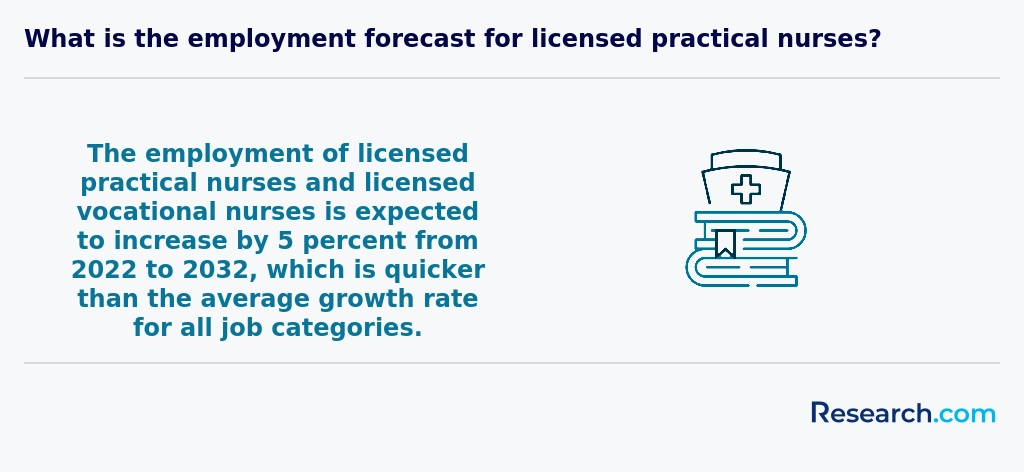
Graduates holding an online nursing degree in Arkansas find themselves stepping into a vivid tapestry of career paths as diverse as the Delta itself. From buzzing hospital floors at the University of Arkansas for Medical Sciences to community clinics nestled in Fayetteville, these nurses ignite healing in realms from pediatrics and emergency nursing to geriatric care. A graduate often recalls the thrill of passing the NCLEX-RN-a gateway to becoming a registered nurse, the heartbeat of healthcare across Arkansas.
For those drawn to deeper waves of impact, roles like nurse practitioners blossom, especially in rural pockets where access is sparse and care is precious. These advanced roles electrify communities previously underserved, a dynamic shadow danced on by graduates from Arkansas State nursing programs. Exploring online nursing career opportunities in Arkansas opens doors not only to bedside care but to vibrant specialties like critical care and psychiatric nursing, fueling a calling that radiates far beyond the classroom.
Some graduates dive into education or nursing administration, sculpting futures in schools or hospitals. If you're curious about the financial journey, the Most Affordable Online Nursing Degree Programs Ranking in Massachusetts offers a curated glimpse into how tuition scales nationally, helping you envision your own path. The Arkansas nursing degree job outlook beams brightly with these thriving options, making each step from study to career feel like a story unfolding in real time.
Graduates holding online BSN degrees from universities like the University of Arkansas for Medical Sciences often share how the Arkansas nursing degree employment outlook fuels their optimism. Picture a nurse stepping into a community clinic in Little Rock, seamlessly balancing telehealth visits and in-person care-this scenario exemplifies the growing demand for nursing professionals sharpened by online nursing jobs Arkansas market trends. The state's aging population and rural healthcare outreach create a fertile ground for roles that leverage both clinical skills and digital adaptability.
Many graduates speak of how flexible online programs empower them to work and study simultaneously, making degrees from institutions such as Arkansas State University not just attainable but practical. The return on investment becomes tangible when you consider the steady salaries averaging around $63,000 and the potential to grow within healthcare settings prioritizing BSN-educated nurses. This pathway truly resonates with those seeking a dynamic career without sacrificing life's other demands.
For adventurous students wondering about growth options, exploring the easiest doctorate programs can be an inspiring next step after solidifying a BSN foundation in Arkansas's vibrant nursing landscape.
2027 Most Valuable Online Bachelor's in Nursing Degree Programs Ranking in Arkansas
Investing in your education is a significant decision that can shape your future, and the Research.com team understands the importance of making informed choices. To assist prospective students in Arkansas, we have meticulously crafted the "2027 Most Valuable Online Bachelor's in Nursing Degree Programs Ranking in Arkansas." Our commitment to quality, credibility, and accuracy is reflected in the extensive research and analysis conducted to compile this ranking.
We utilized the following reputable data sources to ensure a comprehensive evaluation of nursing programs:
By exploring this ranking, readers will gain valuable insights into the most valuable online nursing programs in Arkansas, helping them make confident and well-informed decisions about their educational paths. For more details on our methodology, please visit our Research.com methodology page.


Frequently Asked Questions About nursing
Online nursing degree students in Arkansas can maximize their learning by actively engaging with their courses and peers. Participating in virtual discussions helps deepen understanding and builds professional connections within the nursing community.
Students should take advantage of Arkansas's clinical placement opportunities, which are essential for hands-on experience and meeting state licensure requirements administered by the Arkansas State Board of Nursing. According to the Bureau of Labor Statistics, Arkansas anticipates a 10% growth in registered nurse jobs through 2031, making practical skills crucial.
Utilizing academic support services offered by universities, such as tutoring and career counseling, can also enhance learning outcomes. Time management and self-discipline remain key to balancing coursework with clinical hours and personal commitments.
The nursing field is evolving rapidly, with several emerging specialties gaining prominence in Arkansas and across the U.S. One notable niche is gerontological nursing, driven by Arkansas's growing elderly population. The Arkansas Department of Health reports that nearly 17% of the state's residents are over 65, increasing demand for nurses specializing in elder care. Another expanding area is informatics nursing, where professionals integrate healthcare and technology to improve patient outcomes and data management.
Additionally, psychiatric nursing is receiving greater attention due to rising mental health awareness and service needs statewide. Telehealth nursing also presents new opportunities as virtual care becomes more widely used. These niches offer promising career paths for online nursing degree students aiming to meet Arkansas's evolving healthcare demands.
After completing an online nursing degree in Arkansas, preparing for the job market involves several key steps. First, graduates must pass the NCLEX-RN exam to become licensed registered nurses in Arkansas. The Arkansas State Board of Nursing provides detailed requirements and resources for this process.
Networking is crucial; joining professional organizations such as the Arkansas Nurses Association can connect graduates to local job openings and continuing education opportunities. Arkansas's healthcare sector is growing, with a projected 15% increase in nursing jobs through 2030 according to the U.S. Bureau of Labor Statistics.
Gaining clinical experience through internships or volunteer work can enhance employability. Additionally, tailoring resumes to highlight Arkansas state-specific certifications or experiences can improve job prospects in hospitals, clinics, or public health settings.
Employers in Arkansas highly value nursing graduates who demonstrate strong clinical skills, critical thinking, and effective communication. According to the Arkansas Center for Nursing, adaptability and teamwork are essential due to the state's diverse healthcare settings.
Proficiency in patient care and knowledge of the latest healthcare technologies also play a crucial role. Many Arkansas healthcare employers emphasize evidence-based practice and cultural competence to serve the region's varied population effectively.
Time management skills and attention to detail are consistently highlighted by hiring managers, aiding safe patient outcomes. Data from the Arkansas State Board of Nursing reflects growing demand for graduates who can manage workload efficiently while maintaining compassionate care.
Finding nursing internships in Arkansas involves connecting with healthcare providers and educational institutions throughout the state. Many nursing programs, including online degrees, have partnerships with hospitals, clinics, and long-term care facilities that offer clinical placement opportunities. The Arkansas Center for Nursing reports increasing demand for clinical sites to support a growing nursing workforce.
Students should start by contacting their school's nursing department or clinical coordinator, who can guide them toward approved internship sites. Professional nursing organizations like the Arkansas Nurses Association also provide valuable resources for internship leads.
Additionally, the Arkansas Department of Health and major hospitals in cities such as Little Rock and Fayetteville regularly post internship openings relevant to nursing students. Exploring local public health departments can also yield practical experience opportunities within the state's diverse healthcare settings.
Online nursing degrees in Arkansas significantly enhance career mobility and advancement opportunities. The Arkansas Department of Workforce Services projects a 15% growth in registered nurse employment by 2030, highlighting strong demand across the state. Earning a Bachelor of Science in Nursing (BSN) online enables nurses to meet the growing preference for higher education among employers, which often leads to higher salaries and leadership positions.
Additionally, online programs provide flexible schedules, allowing working nurses to continue gaining clinical experience while advancing their education. This combination of practical work and academic credentials can open doors to roles in management, specialized care, and education within Arkansas healthcare facilities, including hospitals and clinics.
Arkansas nurses with BSN degrees often qualify for certifications and roles requiring advanced skills, such as case management and health informatics. According to the Arkansas Nurses Association, more employers now require or prefer BSN-prepared nurses, reinforcing the degree's impact on career progression.
Studying for a nursing degree in Arkansas equips students with essential skills needed for interdisciplinary roles in healthcare. Arkansas nursing programs follow curriculum standards set by the Arkansas State Board of Nursing and the Commission on Collegiate Nursing Education, ensuring comprehensive training. Students gain knowledge not only in nursing theory and practice but also in communication, leadership, and collaboration with professionals from various healthcare fields.
Online nursing degrees in Arkansas include courses that emphasize teamwork with doctors, social workers, pharmacists, and therapists, reflecting real-world healthcare settings.
According to the Arkansas Department of Health, interdisciplinary collaboration improves patient outcomes and is increasingly vital in hospitals across the state.
Choosing between a thesis and a non-thesis nursing degree program in Arkansas depends on your career goals and learning preferences. A thesis program typically requires original research and is ideal for students aiming for advanced practice roles or doctoral studies. It develops critical thinking and research skills important for evidence-based nursing.
Non-thesis programs focus more on practical skills and coursework, appealing to those looking to enter clinical practice quickly. According to the Arkansas Center for Nursing, nursing demand is growing by 15% through 2030, favoring hands-on experience.
Review program curricula and consider future plans to decide which format aligns best with your objectives.
Students in Arkansas interested in studying nursing abroad through online programs have limited direct options due to state licensing and accreditation requirements. Nursing degrees must comply with regulations set by the Arkansas State Board of Nursing, which generally requires programs to be accredited by agencies recognized in the U.S., such as the CCNE or ACEN.
As a result, most Arkansas students pursuing online nursing degrees with international components often enroll in U.S.-based universities offering global clinical experiences or partnerships. According to the Arkansas Department of Higher Education, fewer than 10% of nursing programs incorporate foreign clinical placements, usually requiring students to meet strict state and federal guidelines.
Because Arkansas ranks in the top 25 states for nursing workforce growth, students benefit from regional programs that emphasize local licensure pathways. However, those aiming for international credentials may need to pursue licensed practical nursing or registered nurse programs abroad and then explore state recognition processes when returning to Arkansas.
Students pursuing an online nursing degree in Arkansas can benefit from part-time roles that provide valuable healthcare experience. Common positions include certified nursing assistants (CNAs), medical assistants, and patient care technicians. These jobs complement nursing education by allowing students to apply clinical skills in real settings while earning income.
Arkansas has a growing demand for healthcare workers, with the Arkansas Center for Nursing reporting a steady increase in nursing job openings. Working part-time in hospitals or long-term care facilities often offers flexible schedules suitable for online learners.
Other options include health coaching or telehealth support roles, which help students develop communication skills critical for nursing careers.
Online nursing students in Arkansas have several networking opportunities to build professional relationships. Many universities offering online nursing degrees encourage participation in virtual student organizations tied to the Arkansas Nurses Association (ArNA). ArNA connects nurses statewide through events and continuing education, enhancing networking beyond campus.
Additionally, clinical partnerships with Arkansas hospitals and health systems allow online students to engage with local professionals during required in-person practicums. This fosters valuable real-world connections.
Webinars and online conferences specifically for Arkansas nursing professionals provide further ways to meet experienced nurses and potential employers. According to the Arkansas Department of Health, the state expects a 15% growth in nursing jobs by 2030, emphasizing strong demand and networking benefits.
Alumni networks play a vital role for online nursing degree students in Arkansas by offering valuable professional connections. These networks help graduates access job opportunities in local healthcare facilities, which is crucial in a state where nursing demand is growing steadily.
According to the Arkansas Department of Workforce Services, registered nursing jobs are expected to increase by 19% through 2030. Alumni networks can provide guidance on regional job markets and valuable mentorship from experienced nurses familiar with Arkansas' healthcare system.
Moreover, these connections often support continuing education and certifications, helping nurses maintain licensing requirements overseen by the Arkansas State Board of Nursing. Networking events and online forums maintain engagement even for remote students.
Such support systems foster career development and help online students transition smoothly into Arkansas' nursing workforce.
Customizing an online nursing degree program in Arkansas starts with selecting a school that offers flexible course options. Many Arkansas institutions provide electives or concentration areas such as pediatric nursing, gerontology, or healthcare administration. This flexibility allows students to tailor their studies to specific career goals.
The Arkansas Board of Nursing notes that aligning your coursework with state licensure requirements is essential, ensuring eligibility for the NCLEX-RN exam. Additionally, some programs incorporate clinical practice facilities near your location, providing hands-on experience alongside online study.
Students can also benefit from accelerated tracks or part-time schedules, accommodating working professionals aiming for career advancement within Arkansas's healthcare system. According to the Arkansas Department of Workforce Services, registered nurse employment is projected to grow 15% through 2030, making customization critical for market relevance.
Online nursing students in Arkansas face several challenges unique to remote education combined with clinical requirements. One common issue is securing clinical placements; local healthcare facilities may have limited spots, making it difficult for students to complete hands-on training essential for licensure.
Another challenge involves balancing work, family, and study commitments, especially since many online nursing students are working professionals or parents. According to the Arkansas Department of Higher Education, time management remains a significant hurdle for non-traditional students.
Technology access and reliability can also be a barrier. Not all rural areas in Arkansas have high-speed internet, which affects live lectures and submission of assignments.
Finally, some students report feeling isolated due to fewer in-person interactions, which can impact motivation and peer support during their education journey.
With an online nursing degree in Arkansas, graduates can pursue several professional certifications to advance their careers. Common certifications include the Certified Nurse Educator (CNE), Registered Nurse-Board Certified (RN-BC), and specialty certifications such as Medical-Surgical Nurse (RN-BC). These credentials enhance a nurse's expertise and employability across various healthcare settings.
Arkansas nurses can also seek certification through national bodies like the American Nurses Credentialing Center (ANCC) and the American Association of Critical-Care Nurses (AACN). According to the Arkansas State Board of Nursing, holding certifications often leads to higher salaries and leadership roles.
Some certifications require a minimum number of clinical hours and passing an exam, both attainable with an accredited online nursing program combined with local clinical experience.
To write a winning application for an online nursing program in Arkansas, start by carefully reviewing the program's admission requirements. Most programs expect a minimum GPA, prerequisite coursework, and often an active nursing license for RN-to-BSN pathways. Highlight your clinical experience clearly, as Arkansas employers value practical skills alongside academic achievement.
Strong letters of recommendation from supervisors or nursing instructors can strengthen your application. Arkansas nursing programs typically look for candidates committed to serving local communities, so emphasize any Arkansas-based volunteer or work experiences.
Finally, write a clear, focused personal statement explaining why you chose nursing and how the degree will advance your career in Arkansas. Use data from the Arkansas Center for Nursing to understand workforce needs and align your goals accordingly.
The nursing profession is recognized worldwide for its critical role in healthcare systems. Globally, demand for nurses is rising, driven by aging populations and increasing chronic conditions. In the United States, the Bureau of Labor Statistics projects a 9% growth in nursing jobs from 2022 to 2032, faster than the average for all occupations. Arkansas reflects this trend, with the Arkansas Center for Nursing reporting a steady increase in nurse employment opportunities, particularly for those with bachelor's degrees.
Internationally, nurses often enjoy respected status, with many countries emphasizing advanced education and specialization. In Arkansas, online nursing degrees provide accessible pathways for students to meet these global standards while addressing local workforce needs.
Such programs equip graduates with skills relevant to both domestic and international healthcare environments, broadening career prospects. Understanding these global perspectives helps Arkansas students appreciate the wide impact and value of nursing as a profession.
Students pursuing an online nursing degree in Arkansas can gain practical experience through clinical placements arranged by their schools. These hands-on experiences are essential for meeting Arkansas Board of Nursing requirements. Typically, programs partner with local hospitals, clinics, and long-term care facilities for clinical rotations.
Since Arkansas has a growing healthcare sector-employing over 33,000 registered nurses as of recent labor statistics-students have opportunities to train in diverse medical settings. Programs must ensure clinical hours align with Arkansas state mandates, usually requiring 500 to 700 hours of supervised practice.
Additionally, some programs offer simulation labs to supplement real-world training, helping students build critical skills remotely. Students should verify that their chosen program provides well-established clinical placement support within Arkansas to facilitate a seamless transition into nursing careers.
Choosing the right concentration within an online nursing degree program in Arkansas starts with understanding your career goals and the state's healthcare needs. Arkansas has a growing demand for specialized nurses, particularly in rural areas where access to healthcare is limited. Concentrations such as family nurse practitioner, psychiatric-mental health, and pediatric nursing are especially relevant.
Accreditation is key; ensure the program is recognized by the Commission on Collegiate Nursing Education (CCNE) or the Accreditation Commission for Education in Nursing (ACEN). According to the Arkansas Department of Health, registered nurses with advanced concentrations often see higher employment rates and increased salaries.
Also, consider clinical placement opportunities within Arkansas healthcare systems, which some online programs facilitate to meet state licensure requirements. Research Arkansas Board of Nursing guidelines to confirm your chosen concentration aligns with licensure policies.
- 2027 Most Valuable Online Bachelor's in Nursing Degree Programs Ranking in Missouri
- 2027 Most Valuable Online Bachelor's in Nursing Degree Programs Ranking in Oklahoma
- 2027 Most Valuable Online Bachelor's in Nursing Degree Programs Ranking in Tennessee
- 2027 Most Valuable Online Bachelor's in Nursing Degree Programs Ranking in Mississippi
- 2027 Most Valuable Online Bachelor's in Nursing Degree Programs Ranking in Louisiana
- 2027 Most Valuable Online Bachelor's in Nursing Degree Programs Ranking in Texas
- 2027 Most Valuable Online Bachelor's in Nursing Degree Programs Ranking in Kentucky
- 2027 Most Valuable Online Bachelor's in Nursing Degree Programs Ranking in Kansas
- 2027 Most Valuable Online Bachelor's in Nursing Degree Programs Ranking in Alabama
- 2027 Most Valuable Online Bachelor's in Nursing Degree Programs Ranking in Illinois
See What Experts Have To Say About Studying Nursing
Read our interview with Nursing experts

Lisa Grubb
Nursing Expert
Assistant Professor
Johns Hopkins School of Nursing

- Best Arkansas Nursing Schools and Programs | NursingEducation https://nursingeducation.org/state/arkansas/
- Your Questions About Online Nursing School, Answered https://www.allnursingschools.com/how-to-get-into-nursing-school/online-programs/
- Online Nursing Schools in AR: Your Guide to the Best Programs https://www.edumed.org/online-schools/nursing-rn-programs/arkansas/
- Nursing Jobs In Arkansas https://asna.nursingnetwork.com/nursing-jobs
- What Are the Best Jobs to Work While in Nursing School? https://www.dewv.edu/what-are-the-best-jobs-to-work-while-in-nursing-school/
- Registered Nursing Program https://www.blackrivertech.edu/college-classes/areas-of-study/nursing-allied-health/nursing/registered-nursing
- 10 Nursing Fields That Are Growing in Demand https://promedcert.com/blog/10-nursing-fields-that-are-growing-in-demand
- | NRR | Dove Medical Press https://www.dovepress.com/internship-challenges-encountered-by-nursing-students-a-qualitative-st-peer-reviewed-fulltext-article-NRR
- Scholarships & Financial Aid | Nursing | Southern Arkansas University https://www.saumag.edu/nursing/financial/
- Study Nursing Abroad | Boomerang International Educational Services https://boomerangedu.com/study-nursing-abroad/


