
2027 Most Valuable Online Bachelor's in Nursing Degree Programs Ranking in Wisconsin

Co-Founder and Chief Data Scientist
Considering a nursing degree is a great step toward a rewarding and stable career. For students in Wisconsin, choosing the right program can feel overwhelming with so many options available.
This article presents the 2027 Most Valuable Online Bachelor's in Nursing Degree Programs Ranking in Wisconsin, created by the Research.com team of data scientists to help you make an informed decision. It highlights the best online nursing programs that combine quality education with flexible learning.
Reading this guide will empower you to find a program that fits your goals and helps you succeed in this meaningful profession.
Key benefits of getting online nursing degree in Wisconsin
- Salary for nursing degree graduates: Registered Nurses in Wisconsin earn a mean annual wage of $94,480, while Operating Room Nurses can earn up to $128,490 per year, showing strong earning potential in various nursing roles.
- Potential career paths: Graduates from the University of Wisconsin often pursue roles such as Clinical Nurse Educator, Public Health Nurse, or Emergency Room Nurse, all offering rewarding and stable career opportunities.
- Benefits of online degrees: Online nursing programs from schools like the University of Wisconsin Flexible Option let you balance work and study, making it easier to earn your degree without interrupting your current lifestyle.
- 2027 Most Valuable Online Bachelor's in Nursing Degree Programs Ranking in Wisconsin
- What can I expect from online nursing degree in Wisconsin?
- Where can I work with online nursing degree in Wisconsin?
What can I expect from online nursing degree in Wisconsin?
Diving into the cost of an online nursing degree in Wisconsin often sparks curiosity among hopeful students balancing work and family. Many find that public universities within the University of Wisconsin system offer tuition rates averaging between $8,000 and $12,000 per year for in-state students, creating an affordable gateway to nursing careers. Graduates often recall how this pricing, combined with financial aid and scholarships, transformed their ambitions into achievable goals without overwhelming debt.
Imagine a nursing student attending a flexible program at a renowned Wisconsin college. They appreciate the manageable tuition that allows them to focus more on clinical rotations arranged near home, rather than stressing over steep expenses. This affordability, paired with the quality and accreditation of programs, makes nursing degrees feel like genuine investments in a promising future.
Such practical costs encourage many to take the leap, excited by the blend of online learning convenience and hands-on clinical practice. It's a journey marked by both financial accessibility and rewarding professional growth within Wisconsin's growing healthcare landscape.
Where can I work with online nursing degree in Wisconsin?
With an online nursing degree from popular Wisconsin institutions, graduates find themselves stepping into a vibrant healthcare world filled with rewarding possibilities. Imagine working in bustling Milwaukee hospitals, where your skills support critical care teams navigating fast-paced emergencies. Or picture joining a community clinic in Madison, helping families stay healthy through outreach and education-just like many successful graduates have done.
The charm of Wisconsin's rural areas invites nurses to embrace roles in nursing homes and assisted living facilities, where the impact on seniors' lives is deeply felt every day. Graduates from top programs share how local clinical practicums prepared them to confidently serve in these environments, blending compassionate care with strong skills.
For those adventurous enough to pursue advanced practice, Wisconsin's supportive policies let nurse practitioners diagnose and treat independently-a thrilling career leap after earning an online BSN. Whether it's home healthcare or public health agencies, the state's expanding healthcare landscape is wide open, waiting for fresh talent energized by their online nursing journey.
If you earn an online nursing degree in Wisconsin, your salary path can be quite exciting! Graduates from well-known institutions like the University of Wisconsin or Marquette University often start their careers as registered nurses earning an average annual wage around $94,480. Imagine stepping into Milwaukee's bustling healthcare scene, where your skills are valued and your paycheck reflects that expertise.
Some graduates take adventurous steps toward specialized roles. For example, becoming an operating room nurse can boost earnings significantly, with mean salaries reaching about $128,490 per year.
Positions such as clinical nurse educators, public health nurses, or emergency room nurses also command averages near $94,480. Visualize yourself confidently leading a training session or handling emergencies with a supportive salary backing your dedication.
Online programs in Wisconsin prepare you to join these dynamic roles, opening doors to competitive compensation and rewarding professional growth. These figures offer a glimpse into the financial opportunities awaiting enthusiastic nursing graduates ready to explore a meaningful career.
- Many online nursing programs in Wisconsin offer accredited BSN degrees with required in-person clinical hours at local healthcare facilities.
- The average cost for an online BSN program ranges from $25,000 to $50,000, with public universities generally providing lower tuition.
- Starting salaries for registered nurses in Wisconsin average around $58,000 per year, increasing to about $75,000 with experience and certifications.
- The nursing job market is growing, with approximately 2,000 new RN positions expected annually through 2030 due to an aging population and retirements.
- Graduates must pass the NCLEX-RN exam and meet state education and clinical standards set by the Wisconsin Board of Nursing to obtain licensure.
Bachelor of Science in Nursing (BSN) seekers, diving into programs at colleges such as UW-Milwaukee, typically invest around four years, but the mixed online and local clinical formats give them flexibility to tailor their busy lives alongside studies. One graduate fondly recalls juggling night shifts with e-learning modules, making the journey both challenging and rewarding.
Registered nurses upgrading through RN-to-BSN programs cherish the faster pace-around 12 to 24 months. Many celebrate the freedom of asynchronous classes that fit their work schedules and the thrill of advancing their careers without stepping off Wisconsin soil. This vibrant pathway invites you to join a community of motivated learners embracing growth at their own speed.
Understanding how programs perform on the NCLEX-RN and where graduates land can guide your decision when choosing an online nursing degree in Wisconsin. High pass rates and strong employment figures signal robust curricula and effective student support. • NCLEX-RN Pass Rates: Top Wisconsin programs boast first-time pass rates above 90%. For example, the University of Wisconsin-Madison reported a 96% pass rate in 2023, while Marquette University graduates achieved 92%. • Employment Within Six Months: Approximately 88% of BSN graduates secure nursing positions within half a year of graduation, reflecting strong clinical partnerships across the state. • Retention and Graduation Rates: Leading online programs maintain retention rates of 85% to 90%, indicating effective student engagement and support structures. • Specialized Track Success: Graduates of accelerated BSN pathways often report even higher outcomes, with some cohorts exceeding a 98% pass rate on the NCLEX. For prospective students balancing cost and outcomes, our Low Cost Nursing Degree Programs Ranking in the Midwest offers insights into programs that combine affordability with proven licensure success.
Choosing between online and on-campus nursing degrees in Wisconsin opens up a world of possibilities shaped by how you prefer to learn and live. Imagine juggling your coursework from the comfort of your home while managing job and family-this is the reality for many online nursing students from the University of Wisconsin System who thrive on the flexibility of asynchronous classes. They often share how this freedom helped them stay motivated and balanced amidst busy schedules.
On the flip side, on-campus students at places like Marquette University enjoy the vibrant energy of face-to-face labs and lively discussions with peers and instructors, which many say boosts their confidence in hands-on skills. The daily routine, walking through campus hallways and joining group projects, creates a strong sense of community and immediate support.
Both paths require clinical hours, often arranged locally by online learners in communities across Wisconsin, ensuring real-world experience blends seamlessly with theory. Tuition differences and commuting weigh in, but ultimately, it's about finding the approach that fits your lifestyle and learning style best.
When considering an online nursing degree in Wisconsin, affordability is a crucial factor. Prospective students can explore various options to find a program that fits their budget. For instance, those looking for most affordable nursing schools in Wisconsin can research institutions that offer competitive tuition rates without compromising on quality. Many online nursing programs in Wisconsin are designed to be cost-effective, allowing students to pursue their educational goals while managing other responsibilities. Understanding the costs associated with these programs, including tuition, fees, and other expenses, is essential for making an informed decision. By evaluating the affordability of online nursing programs, students can ensure they invest in an education that aligns with their financial situation and career aspirations.
The average cost of an online nursing degree in Wisconsin often hovers around $54,240 in total tuition, a figure that many recent graduates reflect on with both pride and relief. Imagine a student navigating the dynamic online classrooms of popular Wisconsin institutions, where each credit is an investment towards a rewarding healthcare career. With about 120 credits needed for a Bachelor of Science in Nursing, the financial commitment feels substantial but manageable, especially when compared to private colleges charging significantly higher rates.
Many learners find comfort knowing that public universities in Wisconsin offer more affordable tuition, making the journey less daunting. Graduates often share how balancing work and study online helped them reduce additional costs like transportation and housing, turning the online experience into an approachable venture. Financial aid, scholarships, and employer tuition assistance provide vital support, allowing students to focus on their studies and feel optimistic about their education investment.
For those scouting the best options, understanding Wisconsin online bachelor's in nursing tuition fees is crucial to crafting a budget that works. Comparing these fees to neighboring states reveals Wisconsin's educational value is competitively priced, which delights many aspiring nurses eager to begin their careers.
Prospective students curious about the realm of affordability can explore the most affordable nursing schools in Wisconsin to find programs that blend quality with cost-efficiency, making the dream of a nursing degree within reach for many ambitious learners.

Many Wisconsin students seeking a faster route into nursing leverage Licensed Practical Nurse (LPN) programs as a stepping stone toward a Bachelor of Science in Nursing (BSN). Bridge programs allow practicing LPNs to complete prerequisite coursework and clinical experiences online, reducing redundancy and time-to-degree. These accelerated tracks build on foundational nursing skills, enabling candidates to transition seamlessly into RN roles with minimal interruption to their careers. Key advantages of LPN-to-RN bridge programs include:
- Accelerated Curriculum: By recognizing prior LPN training, bridge programs often shorten the BSN timeline by up to one year, allowing students to advance more quickly.
- Flexible Scheduling: Online coursework, combined with local clinical placements, gives working professionals the ability to study without relocating. Many institutions partner with Wisconsin healthcare facilities to streamline hands-on requirements.
- Cost Efficiency: Focusing only on upper-division nursing courses can lower overall tuition costs. Prospective students should compare credit hour requirements and financial aid packages to maximize savings.
- Enhanced Career Prospects: Graduates qualify for RN licensure and often command higher starting salaries. Moreover, advanced standing within a BSN program can open doors to leadership and specialized roles sooner. For those investigating preparatory options, exploring dedicated lpn classes online can provide insight into program structures, admission criteria, and student support services-essential factors when selecting the most efficient pathway to a BSN.
Diving into an online nursing degree in Wisconsin unlocks a treasure chest of financial aid options that savvy students eagerly explore. Graduates from schools like the University of Wisconsin-Madison often share how Pell Grants-offering up to $7,395 yearly-brought immediate relief without the stress of repayment. These grants, combined with federal student loans at friendly interest rates, create a safety net that cushions the path to earning a degree.
State-specific gems like the Wisconsin Tuition Grant shine especially bright for those enrolled in private, nonprofit institutions such as Marquette University. Students have joyfully reported using this aid-up to $2,500 annually-to ease tuition worries while balancing family and work.
Imagine a nursing student at Bellin College receiving a scholarship from the Wisconsin Nurses Foundation, feeling both proud and motivated knowing their dedication to community care is recognized and funded. Adding to the variety, local hospitals often extend tuition reimbursement programs, where graduates commit to serving their communities, creating a mutual investment in Wisconsin's health future.
Embarking on this journey with these financial aides often sparks confidence and excitement, transforming the challenge of funding education into a rewarding adventure.
Understanding Wisconsin’s licensure requirements and NCLEX pass rates is essential for any online nursing student aiming to become a Registered Nurse (RN). To qualify for RN licensure through the Wisconsin Board of Nursing, graduates must:
- Complete an accredited BSN program approved by the Board
- Submit an application with official transcripts and background check
- Register for and pass the NCLEX-RN exam First-time NCLEX pass rates are a strong indicator of program quality. For example, the University of Wisconsin-Madison reports a 92% first-time pass rate, while Marquette University graduates achieve around 89%. High pass rates reflect rigorous curricula, effective NCLEX prep resources, and strong faculty support. Tips to maximize your NCLEX success: 1. Enroll in school-provided review courses and practice question banks 2. Form virtual study groups with peers to discuss challenging topics 3. Use adaptive learning platforms that focus on your weaker areas 4. Schedule your exam only when you consistently score above 90% on practice tests After earning your BSN and securing licensure, consider advancing your career with a Doctor of Nursing Practice. For those budgeting carefully, explore our guide to the best affordable online dnp program to continue your professional development without breaking the bank.
Diving into an online nursing degree in Wisconsin is an exciting journey that starts with some key prerequisites ensuring you're ready for the challenge. Imagine a hopeful student at the University of Wisconsin who's just finished their high school diploma or GED-that foundational step opens the door to nursing pathways here.
Many fellow students from popular colleges like Marquette University emphasize how completing prerequisite courses such as human anatomy, chemistry, and English composition prepared them well for the depth of nursing topics. These courses form the backbone for understanding patient care in vibrant Wisconsin healthcare settings.
If you're already a licensed practical nurse or registered nurse with an active Wisconsin license, you have a special advantage when pursuing RN-to-BSN programs. Graduates often share how holding a license made their transition smoother, blending hands-on experience with advanced studies.
Standardized tests like the ACT or SAT might be required depending on the school, but many programs in Wisconsin appreciate prior college credits or work experience, bringing some welcome flexibility to applicants eager to advance their careers.
Beyond academics, reliable internet and tech skills are vital, especially to keep pace with local clinical placements arranged near you, ensuring you connect real-world nursing practice with your online studies.
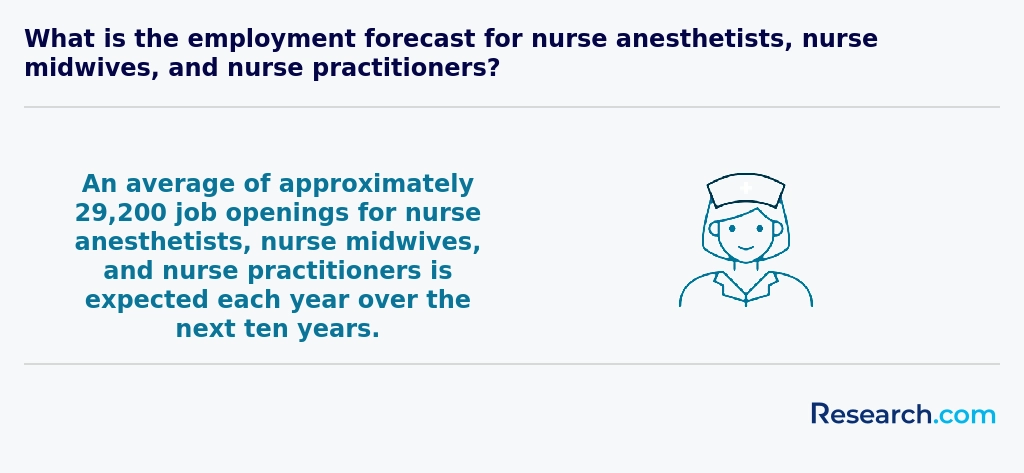
To practice as a registered nurse in Wisconsin, graduates must meet state Board of Nursing standards through a clear, step-by-step process:
- Graduate from a CCNE- or ACEN-accredited BSN program
- Submit an application and official transcripts to the Wisconsin Department of Safety and Professional Services
- Register for the NCLEX-RN, schedule your exam, and achieve a passing score
- Complete a criminal background check and electronic fingerprinting
- Pay the initial licensure fee (approximately $115)
After initial licensure, RNs must renew every two years by:
- Completing 30 hours of Board-approved continuing education
- Paying the renewal fee and confirming nursing practice hours
For nurses aiming to advance into roles like Family Nurse Practitioner, explore best nurse practitioner programs in texas.
Imagine diving into courses that build not just your knowledge but your confidence to care for others across Wisconsin's diverse communities. Online nursing degrees here typically include essentials like human anatomy, physiology, microbiology, and chemistry-the foundational sciences that one graduate from the University of Wisconsin cherished for helping make sense of complex health conditions in her clinical rotations.
As you journey further, courses in pharmacology and nursing care across all ages-from squirming infants to wise elders-open the door to real-world impact. Another graduate from Marquette University recalls feeling both challenged and inspired by mental health nursing classes, which shifted her perspective on compassion and patient advocacy.
Medical-surgical nursing and community health deepen your skills, while leadership courses empower you to take charge in healthcare settings. Students often describe these moments as pivotal, where theory truly meets hands-on practice during clinical hours arranged at local hospitals and clinics throughout Wisconsin.
Diving into online nursing degree specializations in Wisconsin reveals a world of exciting career pathways. Graduates from well-known nursing colleges in Wisconsin often share how the Registered Nurse to Bachelor of Science in Nursing (RN to BSN) specialization opened doors for them to level up their roles in hospitals. Imagine balancing work and study with flexible online courses designed just for you!
Other adventurous students pursue the Family Nurse Practitioner (FNP) track, equipping themselves to provide primary care for people of all ages with confidence and compassion. With nurse practitioners in Wisconsin earning strong wages, this path is both fulfilling and practical.
Specializing further, some choose Psychiatric-Mental Health Nursing, tackling urgent mental health needs across the state, while others find rewarding challenges in Critical Care Nursing or Pediatric Nursing. These options let learners engage with real-world clinical placements, often arranged through popular Wisconsin schools, blending theory with hands-on experience.
For those exploring routes in healthcare, online programs even connect with lpn classes online, expanding your options beyond traditional pathways.
When choosing the best online nursing degree in Wisconsin, start by exploring programs accredited by CCNE or ACEN, since graduates from these programs confidently share how accreditation boosted their eligibility for Wisconsin's NCLEX-RN licensing exam. Many students from top Wisconsin colleges appreciate the affordability of in-state tuition, often between $8,000 to $12,000 annually, making these programs a smart financial choice while balancing work and family life. Flexibility stands out as a major plus; asynchronous classes let learners set their own pace, as some grads recall juggling evening shifts with coursework seamlessly. In the vibrant world of best online nursing programs Wisconsin offers, graduates highlight the importance of strong clinical partnerships with local hospitals, which often lead to valuable job opportunities. For those prioritizing exam success, focusing on programs with high NCLEX-RN pass rates-typically above 85%-can make a real difference. Those seeking the best affordable online dnp program often begin by assessing total costs, including fees beyond tuition.
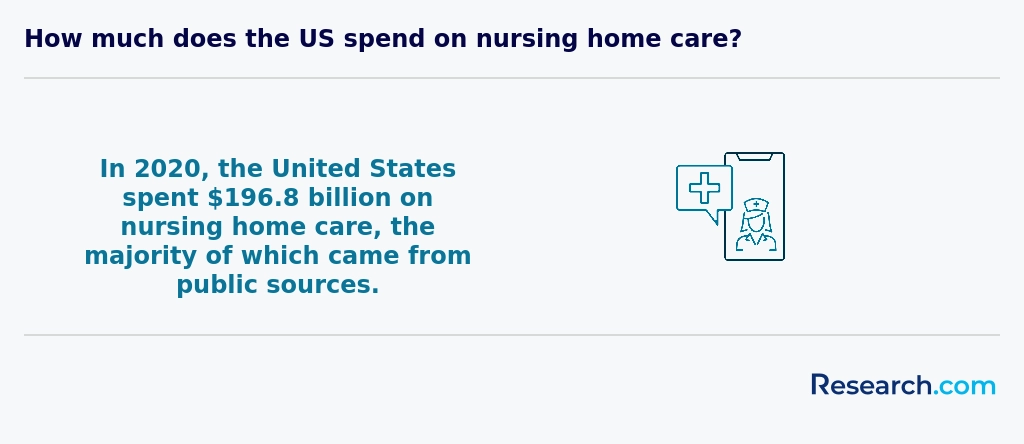
Exploring online nursing career options Wisconsin offers is like stepping into a world of rewarding possibilities. Graduates from popular programs at institutions like the University of Wisconsin or Marquette University vividly recall the thrill of beginning their journeys as registered nurses-where patient care and teamwork become second nature. Many seize opportunities beyond bedside care, diving into public health nursing to champion community wellness or becoming school nurses who make a daily impact on children's lives.
Others embrace roles in case management, navigating complex healthcare systems to coordinate care for patients, or rise into clinical nursing leadership, steering healthcare organizations toward efficiency and compassion. For adventurous graduates, continuing education opens doors to high-paying specialties like nurse practitioners or nurse anesthetists, blending advanced skills with meaningful impact. Those drawn to explore further can find financial support to aid their journey, as detailed in the Low Cost Nursing Degree Programs Ranking in the Midwest. Clearly, nursing job opportunities in Wisconsin unfold across diverse settings, promising a career as dynamic as the state itself.
The job market for online nursing degree graduates in Wisconsin sparkles with opportunity, reflecting the state's vibrant healthcare landscape. Graduates from well-known institutions like the University of Wisconsin and Marquette University often share stories of seamless transitions into roles at bustling hospitals or community health centers, energized by Wisconsin's rising demand for healthcare services among its aging population. This demand fuels a projected 12% growth in nursing jobs through 2030, making online nursing jobs Wisconsin a promising pursuit for new nurses ready to dive in.
Graduates highlight how earning a BSN online doesn't just meet licensure standards but enhances leadership skills, a quality highly sought after by healthcare employers across both urban Milwaukee and rural settings. Many find the salary prospects rewarding, with median wages around $67,000 annually, paired with a genuine sense of purpose. The affordability of nursing programs in Wisconsin also encourages students to explore career opportunities more freely, balancing cost and quality. Prospective students curious about educational pathways may find it helpful to review easier options like the easiest bachelor's degrees to get, supporting their dream of entering this expanding field.
2027 Most Valuable Online Bachelor's in Nursing Degree Programs Ranking in Wisconsin
Investing in your education is a significant decision that can shape your future, and the Research.com team understands the importance of making informed choices. To assist prospective students in Wisconsin, we have meticulously compiled the "2027 Most Valuable Online Bachelor's in Nursing Degree Programs Ranking in Wisconsin." Our commitment to quality, credibility, and accuracy is reflected in the thorough research and analysis conducted to develop this ranking.
We utilized the following reputable data sources to ensure a comprehensive evaluation of online nursing programs:
By exploring this ranking, readers will gain valuable insights into the most valuable online nursing degree programs in Wisconsin, helping them make well-informed decisions about their educational and career paths. For more details on how we created this ranking, please visit our Research.com methodology page.


Frequently Asked Questions About nursing
Online nursing degree students in Wisconsin can maximize their learning by actively engaging with their coursework and instructors. Participating in virtual discussions and study groups helps deepen understanding and builds connections important for a supportive learning environment.
Utilizing Wisconsin-specific resources, such as the Wisconsin Nurses Association and state board guidelines, provides valuable insights into local healthcare standards and licensure requirements. According to the Wisconsin Department of Safety and Professional Services, awareness of clinical hour mandates is essential for successful program completion.
Additionally, students should take advantage of simulation labs and clinical placements approved within Wisconsin, ensuring practical skills align with regional healthcare needs. Staying organized and managing time effectively are key, given the rigorous nature of nursing courses.
The nursing field in Wisconsin is evolving with several emerging niches that address new healthcare demands. Among these, telehealth nursing stands out due to increased remote care needs, accelerated by the COVID-19 pandemic. Wisconsin's rural communities particularly benefit from these services, improving patient access.
Another growing specialty is gerontological nursing, as Wisconsin projects a 30% increase in residents aged 65 and older by 2030, creating higher demand for elder care expertise. Additionally, informatics nursing, which integrates data management and patient care, is gaining importance as hospitals advance technologically.
Behavioral health nursing is also expanding, with Wisconsin experiencing heightened awareness and treatment efforts for mental health issues. These niches reflect trends reported by the Wisconsin Center for Nursing and the U.S. Bureau of Labor Statistics.
After completing an online nursing degree in Wisconsin, preparing for the job market requires focused steps. First, graduates must pass the NCLEX-RN exam to obtain their nursing license, a mandatory step regulated by the Wisconsin Board of Nursing.
Building clinical experience is crucial; many employers prefer candidates with hands-on practice. Graduates should consider internships, residencies, or volunteer opportunities in local health systems.
Networking through professional organizations like the Wisconsin Nurses Association can help access job openings and mentorship.
According to the U.S. Bureau of Labor Statistics, registered nursing jobs in Wisconsin are expected to grow 7% from 2021 to 2031, indicating steady demand.
Strong communication skills and familiarity with electronic health records further improve employment prospects.
Employers in Wisconsin highly value nursing graduates who demonstrate strong clinical skills and patient care abilities. According to the Wisconsin Center for Nursing, effective communication and critical thinking rank as essential traits for new nurses entering the workforce. These skills enable nurses to better assess patient needs and collaborate with healthcare teams.
Additionally, proficiency in electronic health record (EHR) systems is increasingly important, as Wisconsin hospitals and clinics adopt digital technologies. The Wisconsin Department of Health Services emphasizes adaptability and lifelong learning, given the fast-paced nature of healthcare.
Finally, a compassionate approach combined with cultural competence is vital, considering Wisconsin's growing diverse population.
Finding nursing internships in Wisconsin is essential for gaining practical experience during an online nursing degree. Students should start by contacting their college's nursing department, as many Wisconsin schools partner with local hospitals and clinics for internships. The Wisconsin Center for Nursing reports that healthcare facilities in Milwaukee, Madison, and Green Bay offer numerous clinical opportunities yearly.
A valuable resource is the Wisconsin Department of Workforce Development, which lists healthcare employers actively hiring interns. Additionally, joining professional organizations like the Wisconsin Nurses Association can provide networking opportunities and internship listings. Early planning and proactive communication with program advisors are key steps to secure a relevant internship.
Online nursing degrees in Wisconsin significantly enhance career mobility and advancement opportunities. According to the Wisconsin Department of Workforce Development, the demand for registered nurses is projected to grow by 12% through 2030, creating numerous job openings across hospital systems, clinics, and long-term care facilities.
Completing an online Bachelor of Science in Nursing (BSN) can qualify graduates for higher-level positions such as nurse manager or clinical nurse specialist, which often require a bachelor's degree. Furthermore, many Wisconsin healthcare employers prefer or require BSN-prepared nurses for leadership roles and specialized practice.
National data from the American Association of Colleges of Nursing also show that BSN graduates experience lower unemployment rates and higher salaries compared to those with an associate degree. This trend applies in Wisconsin's competitive healthcare market.
Studying for a nursing degree in Wisconsin equips students with skills essential for interdisciplinary teamwork in healthcare settings. Many Wisconsin online nursing programs align with guidelines from the Wisconsin Board of Nursing and national organizations like the American Association of Colleges of Nursing.
Students learn to collaborate effectively with professionals from various fields, such as medicine, social work, and pharmacy. This approach reflects Wisconsin's growing emphasis on integrated care models designed to improve patient outcomes.
Additionally, curriculum components focus on communication, leadership, and evidence-based practice, preparing nurses to contribute to diverse healthcare teams. According to the Wisconsin Department of Health Services, nearly 70% of employed nurses participate in interdisciplinary collaborations, highlighting the relevance of these skills in the state's healthcare workforce.
Choosing between a thesis and a non-thesis nursing degree program in Wisconsin depends on your career goals and learning preferences. Thesis programs focus on research, requiring students to conduct original studies and write a detailed academic paper. This path suits those interested in advanced clinical roles or graduate studies. Non-thesis programs emphasize practical skills and may include additional clinical practice or coursework, ideal for students aiming to enter or advance in nursing practice quickly.
In Wisconsin, the demand for nurse practitioners and advanced practice nurses is growing, with the Department of Workforce Development projecting a 14% increase by 2028. Research-based programs can better prepare nurses for evidence-based practice roles common in Wisconsin's healthcare facilities. Meanwhile, non-thesis tracks offer flexibility beneficial for working nurses balancing education and employment. Always review each Wisconsin school's curriculum and accreditation to align your choice with professional requirements.
Students based in Wisconsin who wish to study nursing abroad face limited options due to the U.S. accreditation requirements for nursing programs. Most Wisconsin nursing programs emphasize Regionally Accredited institutions, frequently requiring coursework from U.S.-based or recognized foreign institutions that align with state nursing board standards.
While some universities offer study abroad components or international clinical experiences, full online nursing degrees obtained entirely abroad are rare and may not meet Wisconsin's licensing criteria. The Wisconsin Board of Nursing requires that degrees meet specific standards, including curricula aligned with U.S. nursing competencies.
Interested students should consult resources such as the Wisconsin Nurses Association and the American Association of Colleges of Nursing for up-to-date guidance on international study opportunities that complement U.S. licensure pathways.
In Wisconsin, part-time job opportunities that complement nursing degree education include roles such as certified nursing assistants (CNAs), medical scribes, and patient care technicians. These positions provide practical experience in healthcare settings, helping students apply theoretical knowledge from their online nursing courses. According to the Wisconsin Department of Workforce Development, CNAs earn a median hourly wage of approximately $14, making this role both educational and financially supportive for students.
Additionally, some hospitals and clinics offer part-time administrative roles related to medical records or appointment coordination, which can enhance organizational skills vital for nursing professionals. Such experiences improve resume competitiveness while balancing study schedules.
Engaging in these jobs supports networking within Wisconsin's healthcare system and offers firsthand insight into patient care environments, proven beneficial for nursing students preparing for licensure examinations, including the NCLEX-RN.
Online nursing students in Wisconsin have several networking opportunities that help them connect with peers, faculty, and healthcare professionals. Many online programs include virtual discussion boards and group projects, encouraging collaboration among students from diverse locations.
Wisconsin also hosts nursing associations like the Wisconsin Nurses Association (WNA), which offers online memberships, webinars, and local chapter events. Joining such groups can expand professional contacts and provide resources for career growth.
Clinical placements required by online nursing degrees further enhance networking, as students gain hands-on experience and build relationships with local healthcare providers. According to the Wisconsin Department of Safety and Professional Services, these connections are valuable for job placements.
Alumni networks play a crucial role for online nursing degree students in Wisconsin by offering valuable professional connections. These networks help graduates access job opportunities, mentorship, and continuing education resources throughout their careers. According to the Wisconsin Center for Nursing, the state faces a growing demand for registered nurses, making strong professional connections essential for employment.
Membership in alumni groups often includes exclusive events, webinars, and job boards tailored to Wisconsin's healthcare sector. This targeted support enhances graduates' chances of entering competitive roles at top Wisconsin hospitals and clinics. Engagement with experienced alumni also promotes lifelong learning and career advancement.
In Wisconsin, many online nursing degree programs allow students to tailor their studies to match career goals. Customization options often include choosing from various nursing specialties such as pediatrics, gerontology, or public health. Some programs also offer elective courses in leadership, informatics, or community health, which can help broaden skills.
Clinical practicum sites can sometimes be selected in local healthcare settings, giving practical experience relevant to a student's career interests. According to the Wisconsin Nurses Association, advanced nursing roles are growing, so selecting concentration areas aligned with workforce demand can improve job prospects.
Advisors at Wisconsin universities typically assist students in crafting personalized degree plans to align coursework with professional objectives.
Online nursing students in Wisconsin face several challenges unique to their educational path. Balancing coursework with clinical hours is often difficult, as state regulations require in-person clinical experience despite the online format. According to the Wisconsin Board of Nursing, students must complete a minimum of 750 clinical hours for licensure, which can be hard to schedule alongside work and family commitments.
Many students report difficulties with access to reliable internet, especially in rural areas where broadband coverage remains limited. Additionally, adapting to virtual learning platforms demands strong time-management and self-discipline. Wisconsin nursing programs emphasize rigorous accreditation standards, adding pressure to meet curriculum benchmarks effectively.
With an online nursing degree in Wisconsin, graduates can pursue various professional certifications to advance their careers. One common path is becoming a Certified Nurse Practitioner (CNP), which requires additional schooling and passing the national certification exams.
Other popular certifications include the Registered Nurse (RN) license, which is mandatory to practice in Wisconsin. Many nurses later seek specialty certifications such as Certified Nurse Midwife (CNM), Certified Nurse Anesthetist (CRNA), or certifications in areas like gerontology, pediatrics, or oncology.
The Wisconsin Board of Nursing provides up-to-date information on licensure and certification requirements specific to the state. Additionally, organizations like the American Nurses Credentialing Center (ANCC) offer nationally recognized specialty certifications that complement an online nursing degree.
Writing a winning application for an online nursing program in Wisconsin requires careful preparation and attention to detail. First, ensure your academic records, including transcripts, demonstrate strong performance, particularly in science and healthcare-related courses. Wisconsin nursing schools often expect applicants to have a minimum GPA around 3.0, but requirements vary by institution.
Next, craft a clear and compelling personal statement that highlights your motivation, relevant experience, and commitment to patient care. Citing specific career goals aligned with Wisconsin's healthcare needs can strengthen your application.
Additionally, secure professional letters of recommendation from healthcare or academic mentors to validate your skills and character.
Many programs also require prerequisite courses such as anatomy and physiology. Be sure to confirm these requirements at your chosen school's admissions page.
Finally, familiarize yourself with Wisconsin's nursing licensure process, as some programs integrate licensure preparation, which should be mentioned to show your long-term dedication. Reliable data on nursing in Wisconsin is available through the Wisconsin Center for Nursing and the Bureau of Labor Statistics.
Nursing is recognized worldwide as a vital and respected profession, offering diverse opportunities across health care systems. Globally, nurses play critical roles in patient care, public health, and emergency response. In the U.S., including Wisconsin, the demand for skilled nurses is strong, with the Bureau of Labor Statistics projecting a 9% growth for registered nurses from 2022 to 2032.
Wisconsin itself faces a moderate nursing shortage, creating many job openings and competitive salaries. According to the Wisconsin Department of Health Services, the state's aging population increases demand for nursing professionals, mirroring global trends of aging societies requiring more healthcare support.
For students in Wisconsin pursuing online nursing degrees, understanding these global and local dynamics highlights the profession's stability and importance. Nursing offers opportunities for career growth, specialization, and international work, making it a compelling choice for many.
Students pursuing online nursing degrees in Wisconsin gain practical experience primarily through clinical placements arranged by their schools. These hands-on opportunities occur in local hospitals, clinics, and long-term care facilities, allowing students to apply their knowledge directly in healthcare settings. Wisconsin's regulations require nursing programs to include supervised clinical hours to meet state licensure standards. According to the Wisconsin Board of Nursing, most programs mandate at least 500 clinical hours for completion.
Additionally, online programs often provide partnerships with healthcare providers across Wisconsin, accommodating students in diverse locations. This approach ensures students develop essential skills while maintaining flexibility in their studies.
Choosing the right concentration within an online nursing degree program in Wisconsin involves considering both your career goals and the healthcare needs of the state. Wisconsin has a growing demand for nurses specializing in gerontology and chronic disease management due to its aging population, according to the Wisconsin Department of Health Services.
Research local job market trends and licensure requirements specific to Wisconsin. For example, concentrations like psychiatric-mental health nursing or pediatric nursing may have different certification pathways.
Additionally, check if the online program's clinical placement options align with Wisconsin's healthcare facilities, ensuring practical experience in your desired specialty.
- 2027 Most Valuable Online Bachelor's in Nursing Degree Programs Ranking in Iowa
- 2027 Most Valuable Online Bachelor's in Nursing Degree Programs Ranking in Illinois
- 2027 Most Valuable Online Bachelor's in Nursing Degree Programs Ranking in Michigan
- 2027 Most Valuable Online Bachelor's in Nursing Degree Programs Ranking in Indiana
- 2027 Most Valuable Online Bachelor's in Nursing Degree Programs Ranking in Missouri
- 2027 Most Valuable Online Bachelor's in Nursing Degree Programs Ranking in Ohio
- 2027 Most Valuable Online Bachelor's in Nursing Degree Programs Ranking in Kentucky
- 2027 Most Valuable Online Bachelor's in Nursing Degree Programs Ranking in North Dakota
- 2027 Most Valuable Online Bachelor's in Nursing Degree Programs Ranking in Kansas
- 2027 Most Valuable Online Bachelor's in Nursing Degree Programs Ranking in Tennessee
See What Experts Have To Say About Studying Nursing
Read our interview with Nursing experts

Lisa Grubb
Nursing Expert
Assistant Professor
Johns Hopkins School of Nursing

- Nurse Salary https://nursinglicensemap.com/resources/nurse-salary/
- Working While in Nursing School: 25 Ways to Make Money as a Nursing Student https://credenzahealth.com/career-advice/working-while-in-nursing-school-25-ways-to-make-money-as-a-nursing-student
- | NRR | Dove Medical Press https://www.dovepress.com/internship-challenges-encountered-by-nursing-students-a-qualitative-st-peer-reviewed-fulltext-article-NRR
- Nursing Internship and Externship Programs https://jobs.mayoclinic.org/nursinginternexternprograms
- Scholarships & Financial Aid https://www.aacnnursing.org/students/scholarships-financial-aid
- How Much Can I Earn With a BSN? https://www.allnursingschools.com/bsn/salary/
- Study Nursing Abroad | Boomerang International Educational Services https://boomerangedu.com/study-nursing-abroad/
- How to Choose a Nursing Program: A Comprehensive Guide - Madonna ABSN https://absn.madonna.edu/blog/how-to-choose-a-nursing-program/
- How to Write https://esign.com/letter-of-intent/school/nursing/
- School of Nursing Alumni Resources https://nursing.utmb.edu/About/Alumni


