
2027 Best Online Doctorate in Nursing Degree Programs Ranking in the South

Co-Founder and Chief Data Scientist
Choosing the right online doctorate in nursing program can feel overwhelming, especially with so many options available in the South. This article presents the 2027 Best Online Doctorate in Nursing Degree Programs Ranking in the South, carefully developed by the Research.com team of data scientists to guide you in making an informed decision.
By exploring this ranking, you'll discover programs that fit your goals and lifestyle, helping you advance your career and make a meaningful impact in healthcare. Taking this step opens doors to new opportunities and personal growth.
Key benefits of getting online nursing degree in the South
- Graduates with an online nursing degree in the South can expect competitive salaries, with roles like Family Nurse Practitioners earning a mean annual wage of $128,490, providing strong financial stability.
- Many nursing graduates from popular Southern universities pursue diverse careers such as Acute Care Nurse Practitioner or Psychiatric Nurse Practitioner, offering opportunities to work in hospitals, clinics, or specialized care settings.
- Online nursing degrees offer flexibility, allowing graduates from Southern universities to balance work and study while gaining the same respected credentials as traditional programs, leading to rewarding careers without relocating.
- 2027 Best Online Doctorate in Nursing Degree Programs Ranking in the South
- What can I expect from online nursing degree in the South?
- Where can I work with online nursing degree in the South?
What can I expect from online nursing degree in the South?
When it comes to the cost of online nursing degrees in the South, many students find the prices pretty reasonable compared to other regions. For example, universities like the University of North Carolina or Texas A&M offer online BSN and MSN programs that usually fall into the more affordable range, especially for in-state residents.
Graduates often mention how the lower tuition at public Southern schools made it easier to balance school with work and family. Plus, since these programs are designed with busy adults in mind, you don't have to worry about relocating or giving up a job to get your degree.
On average, tuition for a nursing program online in the South can vary, but many public universities charge something around $7,000 to $12,000 per year, excluding fees. Private schools might be a bit higher, but there are often scholarships and financial aid options that make the costs manageable.
This affordability, combined with the high demand for nurses in Southern states, gives students a real sense of hope and excitement about their future careers without breaking the bank.
Where can I work with online nursing degree in the South?
If you earn an online nursing degree in the South, you'll find plenty of options for work that fit your lifestyle and goals. Many graduates from popular Southern schools like the University of North Carolina and Texas A&M hop into jobs at big hospitals in cities like Houston, Atlanta, or Miami. These hospitals love hiring RNs with flexible online backgrounds because telehealth and digital record skills are in high demand. Imagine working your shifts while knowing you're part of a cutting-edge medical team in a bustling city.
Others find rewarding roles in nursing homes or outpatient centers, especially in states like Florida, where the aging population needs lots of care. Graduate stories often highlight the joy of helping elderly patients live better lives and making a real difference in their communities. Plus, rural areas across the South offer opportunities in public health clinics, where nurses coordinate care and educate folks about staying healthy.
For those going further, advanced online degrees can unlock jobs as nurse practitioners or educators in states like South Carolina and Tennessee, where these roles are growing fast. The flexibility and variety really make nursing in the South exciting and full of chances to grow.
If you're thinking about an online nursing degree in the South, you'll be happy to know that the earning potential is pretty solid, especially once you reach roles like nurse practitioner. Graduates from popular programs at universities in states like North Carolina and Georgia often step into jobs where the average salary is around $128,490 per year. That's right in line with data for Advanced Practice Registered Nurses (APRNs) including family, psychiatric, adult, and acute care nurse practitioners, who all tend to earn about this much.
One recent grad from a well-known Southern college shared how their online DNP program gave them the flexibility to juggle work and family while eventually landing a role that pays above $120K. It's a big step up from the typical RN salary, which in many Southern states ranges roughly from $55,000 to $75,000 depending on where you live.
The best part? With an online degree, you can tap into the growing demand for skilled nurses around here without uprooting your life. And those nursing jobs often come with chances to move up into leadership or specialty roles, pushing your paycheck even higher as you build experience.
- Tuition for online nursing degrees in the South ranges from $7,000 to $20,000, with public universities in states like Texas and North Carolina offering lower in-state rates.
- The nursing job growth rate in the South is about 15% over the next decade, which is higher than the national average.
- Early-career registered nurses in the South earn between $52,000 and $60,000 annually, with experienced nurses making $75,000 to $90,000 on average.
- Accredited online programs must meet standards set by CCNE or ACEN and align with state nursing board requirements for licensure.
- Many programs offer hybrid models that combine online coursework with local clinical practice to accommodate working adults and family commitments.
Getting your online nursing degree in the South usually takes about the same time as anywhere else, but with some sweet perks for local students. For example, if you start fresh at a popular Southern university, a Bachelor of Science in Nursing (BSN) often takes around 3 to 4 years. But if you're already an RN, accelerated or RN-to-BSN programs can let you finish in just 1 to 2 years-perfect for juggling work and life.
Graduate degrees like a Master of Science in Nursing (MSN) typically take 1.5 to 3 years, depending on if you study full-time or part-time. Dozens of Southern schools offer flexible schedules to fit your busy day, so you can pace yourself without stress.
And for those eyeing a Doctor of Nursing Practice (DNP) or a PhD, plan on 3 to 6 years. Most programs blend online classes with local clinicals-one grad said balancing that with family felt tough but doable, thanks to the schools' support. The South really makes it possible to study nursing without uprooting your whole life.
For career changers without a nursing background, direct-entry MSN programs offer an accelerated route into advanced practice roles and eventual doctoral studies. These intensive programs typically combine core nursing courses with graduate-level content, enabling non-nurses to earn both initial licensure and a master’s degree in as few as 24–36 months. Admission requirements often include a bachelor’s degree in any field, prerequisite science coursework (such as anatomy, physiology, and microbiology), and standardized test scores like the GRE or MAT. Once enrolled, students engage in a blend of online didactic instruction and hands-on clinical rotations at partnering healthcare facilities. Coursework covers foundational topics-health assessment, pathophysiology, and pharmacology-before progressing to advanced practice modules in acute care, family health, or psychiatric mental health. Clinical placements are arranged locally, ensuring that students gain real-world experience under the supervision of seasoned preceptors. Graduates of direct-entry MSN programs are eligible for RN licensure and often transition smoothly into nurse practitioner or clinical specialist roles. For those aiming to further their education, this pathway lays the groundwork for a Doctor of Nursing Practice (DNP) by fulfilling foundational MSN credits and clinical hours. Non-nurses seeking to explore these options can discover tailored masters in nursing programs for non-nurses that align with their background and career goals. By leveraging direct-entry MSN pathways, aspiring nurses without prior clinical experience can fast-track their entry into the profession and position themselves competitively for top online doctorate in nursing programs across the South.
If you're weighing online vs. on-campus nursing degrees in the South, the biggest difference is how you experience the program day-to-day. Online students at places like the University of South Carolina love the freedom to watch lectures whenever they want, fitting studies around work or family. It's like having your own pace and space, which is perfect if you live in a small town where commuting to campus daily just isn't practical.
On the flip side, graduates from schools like Emory University rave about the instant face-to-face support on campus-the quick chats with professors and hands-on practice in on-site clinics. It really helps build confidence and connections. Most Southern on-campus programs have strong local hospital partnerships, which makes coordinating those crucial clinical hours a smooth process.
Online students often find local clinical placements, which can be a mixed bag depending on where you live in the South. But both paths lead to the same licenses and are fully accredited, so you're covered either way. It's all about the vibe and what fits your life best.
Online nursing doctorate programs blend virtual coursework with hands-on training, ensuring you meet state licensing and accreditation requirements without relocating. You’ll complete supervised clinical hours in local healthcare settings under experienced preceptors. Key aspects to consider:
- Local site coordination: Programs partner with hospitals, clinics and community health centers near your home.
- Preceptor guidance: Licensed RNs or nurse practitioners mentor you through patient assessments, care planning and professional feedback.
- Hours documentation: Digital logs, reflective journals and skills checklists track your progress toward required practicum hours.
- Simulation labs: High-fidelity virtual scenarios reinforce clinical decision-making when in-person placements aren’t available.
For budget-minded learners, many of the cheapest adn online programs also include placement support and simulation access in their tuition, helping you focus on care delivery rather than extra fees.
If you're looking into the average online nursing degree cost South, you're in a pretty good spot. Most students I've heard from at well-known Southern universities mention that the total cost lands somewhere around $28,700 on average. It's definitely less steep than many think, especially when you compare in-state tuition versus out-of-state. For instance, in-state students can expect to pay about $28,300, while if you're out-of-state, the price bumps up closer to $49,800. So, if you're from Texas, Florida, or Georgia, making use of in-state tuition can save you a bunch.
Graduates from popular programs at Southern public universities often share how the cost per credit hour, which usually falls between $300 and $700, shapes their budgeting decisions. It's neat that many online nursing programs break down tuition this way, making it easier to manage payments term by term.
When it comes to advanced degrees, like the Doctor of Nursing Practice, costs can be higher, but there are great options if you dig into online dnp programs offered by schools in the South. Students say it's worth it considering the extra career doors it opens and the flexibility online formats bring. Overall, compared to other regions, the South offers attractive pricing for nursing education, making it a smart choice if you want to study nursing and keep your expenses reasonable.
Total cost nursing doctorate programs South are a bit of an investment but manageable, especially when you factor in scholarships and financial aid that many Southern schools offer generously.
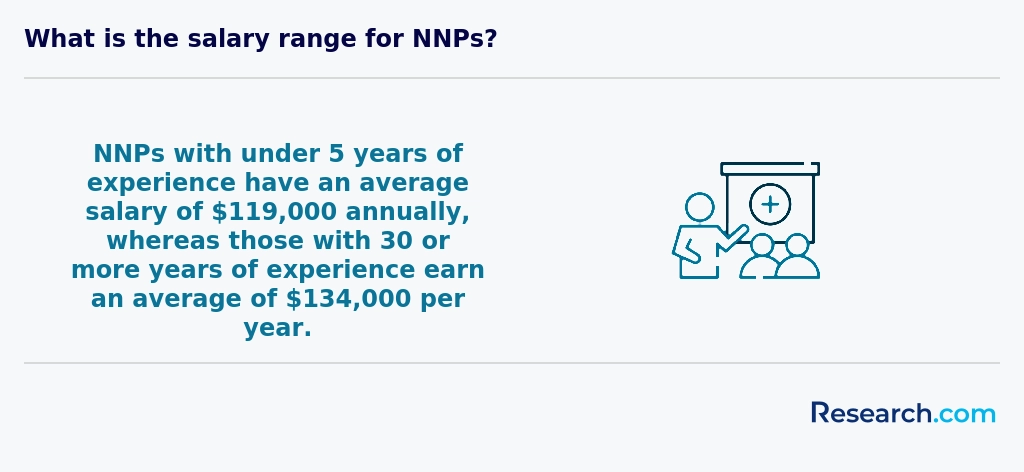
Online DNP programs in the South combine academic coursework with at least 1,000 hours of supervised clinical practice designed to build advanced competencies and meet licensure board standards.
- Minimum 1,000 supervised practice hours under ACEN- or CCNE-accredited preceptors
- Diverse clinical settings including primary care, acute care, community health, and leadership rotations
- Support securing local placements through university partnership networks and preceptor matching
- Telehealth and simulation labs to practice remote patient assessment and advanced procedures
- Flexible scheduling for part-time students balancing work, family, and study
Many Southern schools streamline these placements through regional partnerships-discover flexible options among top dnp online programs offering telehealth simulations and local site arrangements.
When you're diving into an online nursing degree in the South, there are some great financial aid options that can really lighten the load. Lots of students from places like the University of Florida or Georgia State rely on federal aid through FAFSA-especially those Pell Grants that don't have to be paid back. That help is a game-changer when tuition can be around $8,000 to $15,000 a year for public schools in the region.
State scholarships are another big deal. For example, in Texas, nursing students love the Nursing Scholars Program since it offers funding if you agree to work in Texas healthcare after graduating. It's like getting paid to stay local and do what you love!
Plus, many Southern hospitals and clinics pitch in with tuition reimbursements, especially if you're already an RN aiming to level up. Graduates have shared how these programs covered huge chunks of their fees in exchange for a few years working on-site-totally worth it if you want hands-on experience and help with bills.
And don't forget private scholarships from nursing groups or local foundations-these often fly under the radar but can pop up as solid surprises during your studies.
Bottom line? If you ask around at your school's financial aid office, especially at well-known programs like those at Ole Miss or UNC Charlotte, you'll find plenty of resources tailored to Southern students like you.
Online doctorate in nursing programs in the South typically span three to five years and blend advanced coursework with intensive research and practicum components. Students begin by completing core DNP or PhD-level classes in health policy, biostatistics, and advanced research methodologies. Common courses include “Advanced Nursing Theory,” “Healthcare Informatics,” and “Quantitative and Qualitative Research Design,” each designed to build the analytical skills necessary for evidence-based practice and scholarly contribution. By the second year, candidates focus on specialized electives-such as pediatric nurse practitioner leadership, psychiatric mental health advanced practice, or public health nursing-tailoring their studies to career goals. Concurrently, most programs require 1,000 to 1,200 clinical practicum hours under the supervision of seasoned faculty mentors, ensuring real-world application of theoretical knowledge. To manage costs, many students compare program fees alongside rankings like our Low Cost Nursing Degree Programs Ranking in San Francisco, CA to find high-value doctoral options. The hallmark of any doctorate in nursing is the dissertation or capstone project. After passing comprehensive exams, students draft a proposal, secure Institutional Review Board (IRB) approval, and collect original data or conduct systematic reviews. Under the guidance of a dissertation committee, candidates defend their research questions, methodology, and findings in oral examinations. Completion of this rigorous process not only demonstrates scholarly expertise but also positions graduates to influence clinical practices, health policy, and academic curricula across Southern healthcare systems. Graduates emerge fully prepared for leadership roles-as nurse researchers, policy advisors, or university faculty-armed with the critical thinking and research prowess that distinguish the South’s top online doctorate in nursing programs.
If you're thinking about jumping into an online nursing degree in the South, there are some key things you'll need before you start. Most students from popular Southern schools like those in Florida or Georgia find they first need a high school diploma or a GED to get into programs like an ADN or BSN. It's pretty straightforward, but make sure you check if your school asks for any extra science classes like anatomy or microbiology beforehand-some grads say these classes really helped them feel ready to dive into the tougher stuff.
For those already rocking an RN license and looking to upgrade with an RN-to-BSN or even a doctorate, having that license is a must. Many successful students from big nursing colleges in Texas shared how holding an RN helped them breeze through the clinical parts of the program.
Also, don't forget the tech side-having a good internet connection and a reliable computer are lifesavers when juggling courses from home. Some schools even ask for background checks or immunization records if your program includes in-person clinicals. Knowing this upfront means you can focus on learning and less on scrambling to meet surprises.
Students in online DNP programs benefit from structured research pathways and hands-on practicum experiences designed to develop clinical leadership and evidence-based practice skills. Most curricula feature a rigorous capstone project that spans two to three semesters, guiding learners through problem identification, literature synthesis, and implementation of quality-improvement initiatives. Through partnerships with regional health systems, students secure practicum placements that align with their specialty, such as population health, informatics, or acute care, ensuring real-world application of advanced nursing theory. Faculty mentors-often leading researchers in nursing science-advise students on study design, IRB processes, and data analysis. Regular virtual seminars connect DNP candidates across cohorts to discuss emerging trends in healthcare delivery and policy. Additionally, many programs leverage simulation labs and telehealth platforms so that even fully remote learners can refine skills in diagnostic reasoning, advanced assessment techniques, and interprofessional collaboration before entering clinical sites. When evaluating online dnp programs, prospective students should examine the ratio of faculty to doctoral candidates, the availability of research grants or assistantships, and the variety of clinical partners. Robust support networks-including dedicated practicum coordinators and grant-writing workshops-ensure DNP students not only complete their scholarly projects on time but also build a portfolio of practice innovations that positions them for leadership roles upon graduation.
If you're studying nursing online in the South, expect to dive into courses like anatomy and physiology, microbiology, and pharmacology-basics that help you understand how the human body works and why certain diseases hit harder in Southern states. Graduates from well-known schools like the University of Alabama or University of Florida often say these classes felt like unlocking real-life medical mysteries, making their future jobs much smoother.
Then there's health assessment and pathophysiology, where you get to practice spotting symptoms and understanding what's really going on inside a patient. Many online programs use virtual simulations, so you can actually "see" and react to patient cases, even from your couch. That hands-on feel helps build confidence before stepping into actual clinical settings.
You'll also cover nursing ethics and healthcare policy, which is super useful because each Southern state can have its own rules. Graduates often mention how the leadership and management courses prepared them to take charge when local hospitals face staff shortages.
On top of that, online degrees often give you the option to explore rural health or specialized areas like pediatric nursing-perfect if you want to focus on specific Southern communities or populations.
If you're exploring online nursing specializations in the South, you'll find plenty of choices tailored to what's really needed in the region. Many graduates from popular Southern universities rave about the Family Nurse Practitioner track-it's ideal if you want to bring quality primary care to rural areas where doctors can be scarce. They often talk about how flexible the programs are, letting them juggle work and study without missing a beat. Another favorite is the Nurse Educator path, perfect for those passionate about teaching future nurses, especially since nursing faculties in the South are expanding to keep up with demand.
Some grads aiming for high-impact roles choose the Nurse Anesthetist specialization; it's a bit of a hybrid with online classes but requires hands-on clinical work nearby. Plus, the Psychiatric Mental Health Nurse Practitioner route is booming, addressing urgent mental health needs across Southern communities. There's also options like Nursing Leadership or Public Health Nursing if you want to shape policies or community wellness. For newcomers, you might want to check out masters in nursing programs for non-nurses offered by several Southern schools-they're a fantastic gateway into the field.
Overall, Southern region nursing doctorate programs specializations reflect real-world health challenges and are designed to fit around busy lives, making careers in nursing both reachable and rewarding.
Picking the best online nursing degree in the South comes down to a few key things. First off, check if the program is properly accredited by places like CCNE or ACEN. Graduates from popular Southern colleges often share how accreditation made their resumes stand out when job hunting locally. Then, think about cost-tuition can range from $6,000 to $15,000 a year, so it's smart to find affordable online nursing degrees Southern US offers without hidden fees for tech or clinicals. Many students appreciate programs that partner with nearby hospitals so they can complete clinical hours close to home, making it easier to balance work and study.
Flexibility also matters a lot. Asynchronous classes and good academic support can really make a difference for busy learners, something former students from well-known Southern universities rave about. Don't forget to check NCLEX-RN pass rates since a rate above 88% signals that the program prepares you well. If you're curious about cost-effective options, you might want to explore the Low Cost Nursing Degree Programs Ranking in San Francisco, CA for some extra inspiration.
If you're pursuing an online nursing degree in the South, you've got a bunch of exciting career paths waiting for you. Graduates from popular Southern schools often land roles as registered nurses, nurse practitioners, or clinical nurse specialists in bustling hospitals or cozy community clinics. Many enjoy the freedom and higher pay that come with advanced practice positions like nurse practitioner, where you can make real decisions and sometimes even run your own clinic.
Beyond bedside care, there are options like health policy consulting, healthcare administration, or even getting into clinical research, especially in big universities in Texas or Florida. Some grads also thrive as public health nurses or informatics specialists, helping to improve patient care with tech. These career options highlight the growing demand for nurses in the South, making online nursing career opportunities in the South feel like a bright, promising road.
Many students say it's a relief to find affordable programs and flexible classes that fit their busy lives. Curious about what's the easiest bachelor's degree to get? It's encouraging to know that nursing can fit your pace while opening doors to rewarding work.
The job market for online nursing degree graduates in the South is looking pretty solid right now. With places like the University of North Carolina and University of Florida pumping out skilled nurses, graduates often find themselves quickly snapped up by hospitals and clinics eager to fill gaps, especially in rural areas. The demand for online nursing jobs in the South has steadily increased, thanks to an aging population and growing healthcare needs.
Many nursing graduates share how flexible programs allow them to balance work and study, making the transition into full-time nursing roles smoother. Thanks to the region's healthcare growth, earning potential varies but typically lands between $60,000 and $75,000 annually, with advanced degrees pushing salaries even higher. Plus, online degrees here tend to be more affordable than in other parts of the country, making it easier for many to pursue the career.
For those curious about advancing their education, some students explore easy master degrees online to boost their qualifications and broaden job prospects in this thriving Southern job market.
2027 Best Online Doctorate in Nursing Degree Programs Ranking in the South
Investing in your education is a significant decision that can influence your professional future, and the Research.com team recognizes the importance of making well-informed choices. To support prospective students seeking advanced nursing education in the South, we have carefully developed the "2027 Best Online Doctorate in Nursing Degree Programs Ranking in the South." Our dedication to quality, credibility, and accuracy is demonstrated through the thorough research and analysis behind this ranking.
We utilized the following reputable data sources to ensure a comprehensive evaluation of online nursing doctorate programs:
By exploring this ranking, readers will receive valuable insights into the top online nursing doctorate programs available in the South, enabling them to make confident and informed decisions about their educational journey. For more information on how this ranking was created, please visit our Research.com methodology page.



Frequently Asked Questions About nursing
Online nursing degree students in the South can maximize their learning experience by engaging actively with both digital coursework and regional clinical opportunities. Many Southern states require students to complete in-person clinical hours, so selecting programs with local hospital partnerships is critical. According to the National Council of State Boards of Nursing, Southern states like Texas and Florida have some of the highest nurse employment rates, offering ample practical experience. Utilizing virtual simulations and interactive modules also enhances skills when in-person options are limited. Joining online student nursing organizations and accessing regional webinars can further support networking and professional growth.
The nursing field is rapidly evolving, with several emerging niches gaining importance, especially in the Southern United States. One key area is **telehealth nursing**, which has expanded due to increasing rural populations and improved online healthcare access. According to the National Rural Health Association, nearly 20% of Southerners live in rural areas, increasing demand for remote nursing care.
Another growing field is **gerontological nursing**, driven by the aging population in the South. The U.S. Census Bureau notes that Southern states have some of the fastest-growing senior populations, emphasizing the need for nurses skilled in elderly care.
Healthcare informatics also presents new opportunities. Nurses trained in data management help healthcare systems improve patient outcomes through technology. This specialty is especially crucial as Southern hospitals adopt electronic health records nationwide.
After completing an online nursing degree in the South, preparing for the job market involves several key steps. First, obtaining state licensure is essential; each Southern state has specific requirements overseen by its Board of Nursing. Passing the NCLEX-RN exam is mandatory for registered nurses, with pass rates in Southern states averaging around 87% according to the National Council of State Boards of Nursing.
Networking within local healthcare facilities and joining professional nursing organizations like the Southern Nursing Research Society can improve job prospects. Additionally, gaining clinical experience during or after the degree through internships or residencies is highly recommended.
Employers in the Southern United States prioritize several key skills when hiring nursing degree graduates. Clinical competence is essential, with an emphasis on safe patient care and knowledge of evidence-based practices.
Communication skills rank highly, as nurses must effectively interact with patients, families, and healthcare teams. Critical thinking and problem-solving abilities are crucial for making quick decisions in diverse clinical settings. According to the American Association of Colleges of Nursing, 72% of Southern healthcare employers seek graduates proficient in health informatics and technology use. Cultural competency is also vital due to the South's diverse population, ensuring respectful and effective care across different backgrounds.
Finding nursing internships in the South involves leveraging local healthcare networks and academic resources. Many online nursing programs partner with Southern hospitals, clinics, and community health centers to offer students practical experience. States like Texas and Florida have large healthcare systems with internship opportunities, supported by organizations such as the Southern Nursing Research Society (SNRS).
Students should contact their program's clinical coordinator early to explore hospital affiliations and available placements. Additionally, professional associations like the American Nurses Association of the South provide listings for internships and externships.
Using state board of nursing websites can also help identify approved clinical sites.
Online nursing degrees in the South significantly enhance career mobility by providing flexible learning options suited to working professionals. According to the Southern Regional Education Board, over 60% of nursing graduates in Southern states attribute online programs to their career advancement opportunities. These degrees often align with state licensure requirements, making it easier for nurses to earn promotions or transition into specialized roles. Additionally, the growing demand for advanced practice registered nurses (APRNs) in the South, fueled by a projected 15% job growth by 2030 from the Bureau of Labor Statistics, underscores the value of higher education.
Completing an online nursing degree can also improve access to leadership positions, as many hospitals in Southern metropolitan areas require advanced credentials for management roles. The ability to balance work, family, and studies online appeals to diverse candidates, supporting workforce retention in rural and underserved communities. Therefore, an online nursing degree is a practical pathway for Southern nurses aiming to expand their professional scope and improve earning potential.
Studying for a nursing degree in the South increasingly emphasizes interdisciplinary collaboration to meet modern healthcare demands. Southern online nursing programs often integrate curricula that include teamwork with professionals from medicine, social work, and public health. This approach aligns with trends highlighted by the National Council of State Boards of Nursing, showing a 20% growth in interdisciplinary healthcare roles in southern states from 2019 to 2023.
Students engage in virtual simulations and case studies that mimic real-world clinical settings, fostering skills in communication and coordinated patient care. Programs commonly offer courses on healthcare policy and management, preparing graduates to work effectively across diverse teams.
According to the Southern Nursing Research Society, such training benefits the growing population with complex health needs in the region, enhancing readiness for leadership and collaborative roles in healthcare systems.
Choosing between a thesis and a non-thesis nursing degree program in the South depends largely on your career goals and learning preferences. Thesis programs focus on research, requiring students to conduct original studies, which is ideal for those interested in academic or research careers within nursing. Non-thesis programs emphasize practical skills and coursework, catering to professionals who seek leadership or advanced clinical roles.
In Southern states, where healthcare systems face rapid growth, non-thesis options may offer quicker entry into leadership positions. According to the Southern Nursing Research Society, many regional programs tailor non-thesis tracks for working nurses balancing jobs and study.
Consider your long-term objectives and available time before deciding.
Students based in the South seeking to study nursing abroad face unique challenges due to licensing and accreditation requirements. Many international nursing programs may not align with U.S. standards set by bodies such as the Commission on Collegiate Nursing Education (CCNE) or the Accreditation Commission for Education in Nursing (ACEN).
However, several southern universities offer partnerships with foreign institutions, enabling students to complete portions of their studies abroad while remaining enrolled in U.S.-accredited programs. These options often include clinical rotations or short-term exchanges rather than full degree programs.
Additionally, the National Council Licensure Examination (NCLEX) remains mandatory for U.S. licensure, so students must ensure foreign study components support their eligibility. According to the Southern Regional Education Board, about 15% of nursing students in the South participate in some form of international education experience as part of their curriculum.
Part-time jobs in the South that complement nursing degree education often include roles like certified nursing assistant (CNA), medical scribe, and patient care technician. These positions provide valuable hands-on experience with patient interaction and healthcare protocols. According to the Bureau of Labor Statistics, the South has a growing demand for CNAs, with states like Texas and Florida leading in job openings.
Medical scribe positions offer insight into medical documentation, which aids nursing students in understanding clinical workflows. Hospitals and clinics in southern cities frequently seek part-time scribes to assist physicians.
Patient care technician roles also help students develop skills in basic medical care and monitoring, crucial for advanced nursing studies.
Online nursing students in the South benefit from diverse networking opportunities that support professional growth. Many Southern nursing schools offer virtual events, such as webinars and career fairs, which connect students with faculty, alumni, and healthcare employers. According to the Southern Regional Education Board, over 70% of nursing programs in the region incorporate online student organizations and discussion forums to foster peer interaction.
Additionally, Southern nursing students have access to statewide professional associations, like the Tennessee Nurses Association and the Florida Nurses Association, which provide both virtual and local networking events. These organizations often offer mentorship programs and continuing education credits valuable for career advancement. In a field like nursing, where local connections can lead to clinical placements and job opportunities, these resources are essential for online students living across Southern states.
Alumni networks play a significant role in enriching the experience of online nursing degree students in the South. These networks offer valuable opportunities for mentorship, career advice, and job placement assistance. Given that southern states like Texas, Florida, and Georgia have some of the fastest-growing healthcare sectors, access to skilled professionals through alumni connections can be a critical advantage.
According to the Southern Regional Education Board, schools with strong alumni engagement report higher employment rates among graduates. Alumni often provide insights into local healthcare environments, helping students navigate region-specific challenges and opportunities.
Additionally, networking events and online forums maintained by alumni associations foster professional connections that can lead to collaborations and continued education. This support system is especially beneficial for online students who may lack face-to-face interaction.
Customizing an online nursing degree program in the South allows students to align education with specific career goals. Many Southern universities offer concentrations such as nurse practitioner, nurse educator, or healthcare leadership. These specializations help tailor skills to meet local healthcare demands. For example, the Southern Regional Education Board reports a growing need for advanced practice nurses in rural areas, emphasizing family and geriatric care.
Additionally, students can choose electives or clinical placements near their communities, gaining relevant experience. Flexible scheduling options also enable working nurses to balance study and employment. Researching each program's curriculum and state licensing requirements is essential to ensure career alignment and future certification.
Online nursing students in the South often face unique challenges, including limited access to high-speed internet in rural areas. According to the Federal Communications Commission, nearly 22% of residents in Southern states lack reliable broadband, affecting their ability to participate fully in online courses.
Clinical placement availability can be another hurdle. Southern nursing programs must comply with state regulations, which sometimes restrict where students can complete required hands-on training. This limits options, especially in less-populated regions.
Additionally, the cost of nursing programs and limited financial aid during online study remain concerns. The Southern Regional Education Board reports that Southern states generally have lower funding for higher education, impacting affordability for many students.
Balancing work, family, and study commitments also significantly challenges online learners pursuing nursing degrees in this region.
With an online nursing degree from the South, graduates can pursue several valued professional certifications that enhance career opportunities. Common certifications include the Certified Nurse Educator (CNE), which supports roles in academic nursing, and the Family Nurse Practitioner (FNP) certification for those interested in advanced clinical practice.
Other popular certifications include the Critical Care Registered Nurse (CCRN) and the Oncology Certified Nurse (OCN). According to the American Nurses Association, many Southern states have high demand for nurse practitioners, making certifications like FNP particularly valuable. Additionally, certifications such as the Certified Nurse Midwife (CNM) are available for specialized interests.
These credentials often require passing a national exam and maintaining continuing education credits, and they can significantly impact salary and job mobility.
Writing a winning application for an online nursing program in the South requires clear presentation of your academic background and professional experience. Many Southern programs look for a minimum GPA of 3.0, so highlight your grades and relevant coursework. Emphasize clinical experience or certifications, such as CNA or RN licenses, which strengthen your candidacy.
Personal statements should address your motivation for pursuing nursing and how you plan to contribute to healthcare in the Southern region. Use data from sources like the Southern Regional Education Board to demonstrate awareness of local nursing demand.
Letters of recommendation from nursing supervisors or professors can add credibility. Finally, ensure all documents are error-free and submitted before deadlines, as Southern schools report rising competition in 2024 admissions cycles.
The nursing profession holds a vital role worldwide, with growing demand across many countries. In the United States, and particularly in the South, nursing careers are expanding rapidly due to an aging population and increased access to healthcare. According to the U.S. Bureau of Labor Statistics, registered nursing jobs are projected to grow 9% from 2020 to 2030, faster than average.
Globally, nurses are regarded as essential frontline healthcare workers, especially highlighted during recent health crises like the COVID-19 pandemic. The World Health Organization emphasizes strengthening nursing education and workforce to improve health outcomes.
For students pursuing online nursing degrees in the South, this global recognition means opportunities for diverse career paths, from clinical practice to leadership and research. Southern states like Texas and Florida offer many accredited online programs aligning with national standards.
Students pursuing an online nursing degree in the South can gain practical experience through clinical placements arranged by their programs. Accredited online nursing schools partner with local hospitals, clinics, and healthcare facilities to offer students supervised hands-on training. This collaboration ensures students meet state licensing requirements while studying remotely.
Many Southern states require a minimum number of clinical hours-typically between 500 and 1,000-for licensure, as set by the National Council of State Boards of Nursing (NCSBN). Students should verify that their program's clinical partnerships are within their state for compliance.
Additionally, some online programs encourage or allow students to complete externships or simulation labs nearby, offering flexibility. According to the Southern Regional Education Board, practical training remains a crucial component despite the program being online.
Choosing the right concentration within an online nursing degree program in the South requires careful consideration of your career goals and the regional healthcare demands. The Southern U.S. has a strong need for specialized nurses in areas such as family practice, gerontology, and psychiatric nursing, reflecting local population trends and aging demographics (U.S. Bureau of Labor Statistics, 2023).
Research regional job market data to identify growing fields. For example, primary care and gerontological nursing often have higher employment rates due to the South's larger elderly population. Additionally, many Southern states offer specific state licensure requirements that may influence your choice of concentration.
Consider your personal interests alongside these factors. Online programs often offer concentrations like Nurse Practitioner, Clinical Nurse Leader, or Nurse Educator-each leading to different roles. Verify that your chosen program is accredited and aligns with South state licensing boards to ensure smooth licensure and employment.
See What Experts Have To Say About Studying Nursing
Read our interview with Nursing experts

Lisa Grubb
Nursing Expert
Assistant Professor
Johns Hopkins School of Nursing

- How to Choose the Right Nursing School for Your Career Goals | Archer Review https://www.archerreview.com/blog/how-to-choose-the-right-nursing-school-for-your-career-goals
- Top Skills Employers Want in Practical Nursing Graduates https://vervecollege.edu/what-employers-look-for-in-practical-nursing-graduates/
- Online Nursing Programs and Degrees | South University https://www.southuniversity.edu/online/degrees-programs/nursing
- How Do Nurses Navigate Career Advancement? | NursingEducation https://nursingeducation.org/insights/career-advancement/
- Nursing https://catalog.southuniversity.edu/nursing/bachelor-of-science-in-nursing-bsn/nursing
- Nursing at South University https://lp.southuniversity.edu/nursing-programs-sm
- Salaries | Remote Nursing Jobs https://remotenursingjobs.com/salaries/
- Online Nursing Degrees - Comprehensive List of Programs (2026) | Leland https://www.joinleland.com/library/a/nursing-degree-online-comprehensive-list-of-programs
- Online Nursing Programs 2026 | The RN Network https://rnnet.org/education/online/
- 7 Things to Consider When Getting a Nursing Degree Online https://onlinedegrees.elmhurst.edu/blog/seven-things-consider-when-picking-online-nursing-program


