2027 Most Valuable Online Master's in Nursing Degree Programs Ranking in Connecticut

Co-Founder and Chief Data Scientist
Choosing the right online master's in nursing program can feel overwhelming, especially in Connecticut's growing healthcare landscape. This article presents the 2027 Most Valuable Online Master's in Nursing Degree Programs Ranking in Connecticut, created by the Research.com team of data scientists to help you make an informed decision.
By exploring this ranking, you'll discover programs that balance quality, affordability, and career potential. Whether you're advancing your career or changing paths, earning a nursing degree offers rewarding opportunities and personal growth. Let this guide support your journey toward a meaningful and successful future.
Key benefits of getting online nursing degree in Connecticut
- Nursing degree graduates in Connecticut can earn competitive salaries, such as Nurse Practitioners making around $128,490 annually and Clinical Nurse Specialists earning approximately $94,480 per year, ensuring a strong financial future.
- Graduates often find diverse career paths including roles like Nurse Administrator or Critical Care Nurse, reflecting opportunities similar to those of graduates from the University of Connecticut's nursing program.
- Online nursing degrees offer flexibility and convenience, allowing students to balance work and study effectively, as demonstrated by successful graduates from Southern Connecticut State University's online programs.
- 2027 Most Valuable Online Master's in Nursing Degree Programs Ranking in Connecticut
- What can I expect from online nursing degree in Connecticut?
- Where can I work with online nursing degree in Connecticut?
What can I expect from online nursing degree in Connecticut?
Online nursing degree tuition in Connecticut typically aligns with in-state rates at public universities, averaging between $10,000 and $15,000 per year for undergraduate programs like the BSN. Graduate programs such as MSN or DNP generally cost more, often falling between $20,000 and $30,000 annually. Graduates of well-known Connecticut institutions report that financial aid and nursing-specific scholarships significantly helped reduce the overall cost, making these programs more accessible.
Many students appreciate how institutions such as the University of Connecticut and Southern Connecticut State University blend affordable tuition with high-quality online coursework and local clinical placements. These placements allow students to gain hands-on experience in familiar healthcare settings without relocating, which eases financial and logistical burdens.
The availability of federal loans and state-supported grants further improves affordability, enabling students balancing family or work responsibilities to confidently invest in their education and career. These practical financial supports contribute to a positive and manageable student experience while training for a growing nursing job market in Connecticut.
Where can I work with online nursing degree in Connecticut?
Graduates with an online nursing degree from institutions like the University of Connecticut or Sacred Heart University often find themselves employed in acute care hospitals such as Yale New Haven Health or Hartford HealthCare. These hospitals seek skilled nurses for roles in patient care, surgery assistance, and specialized departments, reflecting Connecticut's projected 7% job growth for registered nurses through 2031.
Other common employment settings include outpatient clinics, public health organizations, and community health centers where nurses contribute to wellness programs and preventive care. Graduates report feeling fulfilled working on statewide health initiatives coordinated by the Connecticut Department of Public Health.
Nursing professionals trained online also find rewarding opportunities in long-term care facilities. Here, they support an aging population by coordinating treatments and rehabilitation, a need emphasized by the Department of Aging and Disability Services.
Home health agencies are expanding as well, allowing nurses to deliver personalized care in patients' homes - a role that many graduates describe as deeply impactful.
Advanced degree holders frequently pursue positions as nurse practitioners or educators, roles that combine clinical expertise with leadership and community education, meeting Connecticut's rigorous licensing standards.
Graduates with online nursing degrees from well-known Connecticut institutions often secure competitive wages that reflect the state's healthcare demand. For example, nurse practitioners enjoy a mean annual wage of $128,490, while critical care nurses earn similarly at $128,490 annually. Clinical nurse specialists, nurse administrators, and nurse educators from these programs typically see mean salaries around $94,480 per year.
Many graduates appreciate that these figures surpass national averages, allowing them to support families in cities like New Haven or Hartford comfortably. A graduate working as a nurse educator at a local university reported satisfaction with a salary near $94,480, enabling financial stability and career advancement.
In the hands-on world of advanced nursing roles, such as nurse practitioners and critical care nurses, the hourly wages can reach $61.78, empowering those who balance shift work with continuing education. This flexibility helps graduates from Connecticut's online nursing programs to pursue certifications or multiple roles easily.
Overall, the earnings outlook for those graduating with online nursing degrees in Connecticut is strong, offering both rewarding pay and meaningful career pathways.
- Nursing employment in Connecticut is expected to grow by about 9% from 2020 to 2030, matching the national average for healthcare jobs.
- Tuition for online Bachelor of Science in Nursing (BSN) programs ranges from $15,000 to $40,000, with public universities typically offering lower rates than private colleges.
- Starting salaries for new nurses are around $65,000 per year, while experienced nurses earn approximately $85,000 annually, above the national average.
- Clinical practice hours must be completed in approved healthcare settings, either in Connecticut or nearby states, to meet licensure requirements.
- Graduates of accredited online programs can take the NCLEX-RN exam, with accreditation from CCNE or ACEN ensuring licensure eligibility.
Online nursing degrees in Connecticut vary in completion time depending on the program and study pace. For instance, ADN programs typically take about 2 years, combining online classes with essential in-person clinical hours at approved healthcare facilities. Graduates from local colleges often share how balancing online coursework with clinical rotations felt manageable yet rewarding.
BSN degrees, sought after by many healthcare employers in Connecticut, usually take around 4 years full-time. However, accelerated BSN options at major universities in the state enable graduates to finish in 12 to 18 months by leveraging intensive online and hybrid learning formats. These programs offer a fast track for students who already hold degrees, allowing them to advance quickly.
MSN programs, favored for leadership roles, range from 1.5 to 3 years. Graduates appreciate the flexibility of many Connecticut schools' online formats, accommodating part-time study while maintaining career and family commitments.
Clinical hour requirements and full- or part-time enrollment remain major factors influencing timelines across all programs in Connecticut.
The admission requirements for online nursing programs in Connecticut typically include a minimum GPA, prerequisite courses, and standardized test scores. For instance, the University of Connecticut's online nursing program requires a minimum GPA of 3.0, completion of prerequisite courses such as anatomy and physiology, and submission of TEAS test scores. Some programs may also require a background check, health clearance, and proof of immunizations. Additionally, applicants may need to submit transcripts, letters of recommendation, and a personal statement. The admission process typically involves submitting an application, paying an application fee, and completing any required prerequisite courses. Some programs may also require an interview or entrance exam. It's essential to research the specific admission requirements for each program, as they may vary. For example, Quinnipiac University's online nursing program requires a minimum GPA of 2.7, while Yale University's program requires a minimum GPA of 3.2. Understanding the admission requirements and process can help prospective students prepare and increase their chances of being accepted into their desired program.
Online nursing degrees in Connecticut often attract working professionals seeking flexibility, as coursework is accessed via digital platforms, allowing students to study anytime and anywhere. Graduates from institutions like the University of Connecticut appreciate this, noting how balancing shifts at local hospitals with online classes enabled them to advance their careers without relocating or quitting jobs.
Conversely, on-campus programs at colleges such as Yale School of Nursing emphasize direct interaction through hands-on labs and immediate access to faculty. Students report a strong sense of community and mentorship that supports learning, which can be especially valuable for mastering clinical skills.
Both formats require completion of clinical hours mandated by Connecticut's Board of Nursing, though online students often arrange local placements independently. Tuition for master's programs in the state typically ranges from $30,000 to $50,000, with online degrees sometimes reducing costs by eliminating housing and commuting expenses.
Challenges of online education include less face-to-face networking and the need for strict self-discipline, but many find the convenience and financial benefits outweigh these hurdles.
- Flexible scheduling that lets you balance coursework, clinical rotations, and personal commitments.
- Competitive tuition rates and financial aid opportunities, plus cost-saving tips like exploring cheapest bsn programs.
- Accredited curriculum (CCNE or ACEN) ensuring eligibility for licensure and broad employer recognition.
- Specialized tracks-such as Family Nurse Practitioner, Psychiatric-Mental Health, or Nursing Leadership-aligned with Connecticut’s healthcare demands.
- Enhanced career advancement and earning potential, with advanced practice roles earning up to $128,490 and strong statewide demand.
The average cost of an online nursing degree in Connecticut typically revolves around $26,910 for the total program. However, costs can vary significantly depending on residency status and institution type. For example, graduates of the University of Connecticut and other prominent state universities often benefit from in-state tuition rates, but the median reported out-of-state total cost can reach approximately $40,700, reflecting the higher expense non-residents face. This discrepancy is a crucial consideration for prospective students weighing the investment in an online MSN program tuition fees Connecticut offers.
Many students pursuing an online Master of Science in Nursing report that while tuition represents a substantial financial commitment, the supportive learning environment and flexible scheduling often offset some challenges. Graduates frequently mention the value of being able to balance work and study, which enhances their satisfaction despite the associated costs. In-state public universities tend to offer more accessible financial options, aiding students in managing expenses while preparing for advanced nursing roles.
Additional fees such as clinical practicum costs, technology, and materials can add $1,000 to $3,000 to the overall price, making budgeting a critical part of planning. Fortunately, many students find relief through scholarships, financial aid, or employer tuition reimbursement programs. Those looking for cost-effective alternatives may investigate options such as a cheap online fnp program that still provides quality education aligned with career goals in nursing.

Calculating the return on investment (ROI) for an online Master’s in Nursing in Connecticut is essential for informed decision-making. On average, the total tuition and fees for a two-year MSN program in Connecticut fall around $70,000, while the median annual wage for registered nurses with advanced credentials sits at $95,000¹. This means that graduates can recoup their educational investment in roughly 10–12 months of full-time work, assuming full-time employment immediately post-graduation. Beyond the break-even point, MSN holders in Connecticut typically see a 20–30% salary premium over BSN graduates. Over a 10-year career horizon, this differential can amount to an additional $150,000–$200,000 in cumulative earnings, effectively tripling the initial outlay. When factoring in pension benefits, loan forgiveness programs, and professional certifications (such as Nurse Practitioner or Nurse Educator specialties), the long-term ROI becomes even more pronounced, supporting both financial goals and career advancement. It’s also valuable to benchmark Connecticut’s ROI against neighboring states. While Connecticut’s average MSN cost is modestly higher than some regional peers, its strong hospital networks-like Yale New Haven and Hartford HealthCare-offer competitive compensation packages and sign-on bonuses that accelerate ROI. For those considering cost-effective alternatives outside Connecticut, our Affordable Online Master’s in Nursing Degree Programs Ranking in Texas provides a detailed comparison of tuition rates and early-career salaries to help you optimize your investment strategy. ¹Sources: Connecticut Board of Regents for Higher Education; U.S. Bureau of Labor Statistics, May 2023
Online nursing students in Connecticut often rely on a combination of federal, state, and private financial aid to manage tuition costs, which typically range from $15,000 to $35,000 annually for MSN programs. Graduates from institutions like the University of Connecticut and Yale School of Nursing frequently cite the Free Application for Federal Student Aid (FAFSA) as their first step to securing support such as Pell Grants, offering up to $7,395 for need-based aid without repayment burdens.
State-specific awards, including the Connecticut Nursing Scholarship Program, are particularly valuable for students committed to serving underserved communities, providing targeted funding that helps graduates feel driven and supported in their career goals. Many students also benefit from private scholarships through organizations like the Connecticut Nurses Association, with awards typically between $1,000 and $5,000, reinforcing their motivation to excel.
Additionally, some nursing programs provide institutional aid like tuition discounts and fellowships, which working professionals balancing jobs and studies find crucial for financial stability and academic success.
Accreditation ensures your online Master’s in Nursing degree meets rigorous academic and professional standards and qualifies you for licensure in Connecticut. The two primary accrediting bodies for nursing programs are the Commission on Collegiate Nursing Education (CCNE) and the Accreditation Commission for Education in Nursing (ACEN). Before applying, verify that your chosen program holds CCNE or ACEN accreditation, as graduates from non-accredited schools may face obstacles when sitting for the NCLEX-RN or applying for advanced practice roles. Connecticut requires all MSN graduates to pass the NCLEX-RN exam and register with the Connecticut Board of Examiners for Nursing. If you’re pursuing an APRN specialty such as a family nurse practitioner, ensure the curriculum includes the state-mandated clinical hours and national certification eligibility. Many programs partner with local hospitals and clinics to facilitate supervised practicums, but you should confirm site availability and preceptor support before enrollment. For budget-conscious students, it’s possible to find CCNE-accredited options that balance cost and quality-compare cost-per-credit, clinical placement fees, and scholarship opportunities. Even if you’re focused on advanced practice, a cheap online fnp program can still meet accreditation and licensure criteria without compromising educational rigor. Ultimately, selecting a fully accredited program aligned with Connecticut’s licensing requirements is the cornerstone of a smooth transition from student to licensed nurse.
Enrolling in an online nursing degree program in Connecticut typically requires a high school diploma or GED, aligning with state regulations and institutional standards. For advanced degrees such as the MSN, many programs at well-regarded schools like the University of Connecticut demand a Bachelor of Science in Nursing from an accredited institution. Graduates often recall that having a current Registered Nurse license issued by Connecticut's Department of Public Health significantly streamlined their enrollment process.
Applicants must also complete prerequisite courses including anatomy, physiology, microbiology, chemistry, nutrition, and statistics. At institutions such as Yale School of Nursing, students emphasize the importance of submitting official transcripts to verify these foundational subjects, which underpin success in nursing coursework.
Hands-on clinical experience remains essential even in online formats. Students often coordinate with local Connecticut hospitals to fulfill required clinical hours, providing proof of liability insurance, immunizations, and clear background checks. Many students share feeling confident and prepared when these requirements are met, helping them bridge online learning with practical skills effectively.

Prospective students should evaluate program outcomes-such as graduation rates, NCLEX-RN pass rates, and job placement statistics-to gauge the real-world value of each online Master’s in Nursing program in Connecticut. For example, the University of Connecticut’s online MSN program boasts a 95% NCLEX-RN first-time pass rate and a 90% job placement rate within six months of graduation, while Quinnipiac University reports similar results with a 93% pass rate and 88% placement. These metrics demonstrate not only academic rigor but also the effectiveness of clinical partnerships and faculty support in preparing graduates for the demands of modern healthcare. Beyond licensure success, student satisfaction surveys and alumni employment data offer deeper insight into long-term career trajectories. Graduates from Sacred Heart University’s online nursing program report an 85% rate of career advancement within two years, often moving into leadership roles such as nurse educator or clinical manager. To ensure you find a program that aligns with both your budget and desired outcomes, many students also compare these success metrics with those of affordable accelerated nursing programs, which can deliver comparable outcomes in shorter timeframes and at lower cost.
Online nursing degrees in Connecticut commonly feature foundational courses such as Human Anatomy and Physiology, Microbiology, Pharmacology, Pathophysiology, Health Assessment, and Nursing Fundamentals. Graduates from well-known state institutions often share how these courses equip them with essential knowledge, like understanding body systems or mastering patient evaluations, critical for hands-on nursing roles.
Master's level programs in Connecticut offer advanced courses including Advanced Pharmacology, Healthcare Policy and Leadership, Evidence-Based Practice, and Clinical Specialty options such as family nurse practitioner or gerontology nursing. Many students recall that these specialized classes deepened their clinical reasoning and prepared them for leadership roles within local healthcare settings.
Connecticut-based online programs emphasize clinical practica arranged with nearby hospitals to satisfy state licensure requirements. Graduates frequently express relief and confidence gained through this practical training, facilitating smooth transitions from online learning to onsite patient care.
Online nursing specializations in Connecticut typically include focused fields that align with local healthcare demands. Common options are Family Nurse Practitioner (FNP), Psychiatric-Mental Health Nurse Practitioner (PMHNP), Adult-Gerontology Nurse Practitioner (AGNP), Neonatal Nurse Practitioner (NNP), Nursing Education, and Healthcare Leadership and Administration. Graduates from well-known Connecticut colleges often highlight how FNP programs prepare them to address primary care gaps in both urban and rural settings, reflecting state workforce priorities. Others pursuing Nursing Education emphasize the critical role they play in solving the faculty shortage nationwide and within Connecticut's evolving healthcare landscape.
Connecticut MSN degree specializations are structured to accommodate working nurses balancing careers and studies, as reported by many alumni who appreciate clinical placements coordinated locally. This practical integration helps meet state licensure standards and enhances their direct impact on community health. For students looking for affordable pathways, Connecticut offers accessible choices; a number often explore affordable accelerated nursing programs to advance their education without financial strain.
Choosing the best online nursing degree in Connecticut requires careful evaluation of accreditation, curriculum, and clinical placement opportunities. Graduates from top accredited online nursing programs Connecticut often emphasize the value of programs accredited by the Commission on Collegiate Nursing Education (CCNE) or the Accreditation Commission for Education in Nursing (ACEN), as these ensure eligibility to take the NCLEX-RN licensure exam in Connecticut.
Flexibility is important, but so is local clinical access. Many programs affiliated with prominent Connecticut universities coordinate clinical hours with nearby hospitals, allowing students to gain hands-on experience essential for licensure. This approach turns the abstract online learning into tangible skill-building, reassuring many graduates as they transition into the Connecticut healthcare workforce.
Cost considerations are crucial; tuition can vary widely. Some students find that in-state rates at public universities offer more affordable online options. Exploring financial aid or employer tuition reimbursement is often necessary, especially when comparing options like the Affordable Online Master's in Nursing Degree Programs Ranking in Texas for benchmarking cost-effectiveness.
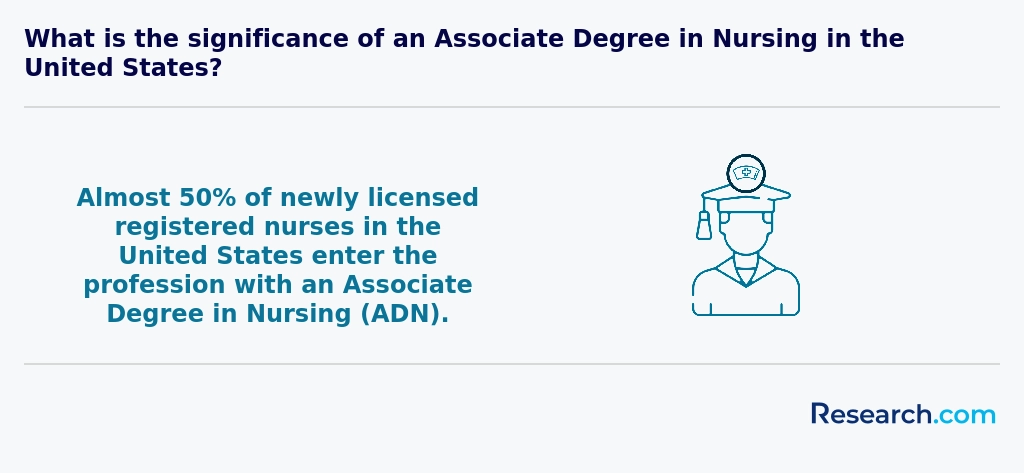
Graduates of online nursing programs in Connecticut find diverse career paths that meet the state's healthcare needs. Many begin as registered nurses (RNs), preparing for the NCLEX-RN licensure exam after earning a BSN or ADN, with Connecticut projecting a 12% growth in RN demand by 2030-above the national average. Those completing advanced degrees often pursue roles as nurse practitioners (NPs), filling critical primary and specialized care positions especially valued in underserved regions of the state.
Additional online nursing career opportunities in Connecticut include specialization as Clinical Nurse Specialists, Nurse Anesthetists, Nurse Midwives, Educators, or Administrators, with graduates from leading institutions experiencing rewarding leadership roles. These positions allow them to impact patient care quality or training for the next generation of nurses. Personal accounts from recent graduates at popular Connecticut colleges highlight strong institutional support and practical training that ease transitions into these roles.
For students evaluating nursing programs, cost and accreditation matter. Many consider the average program costs, similar to national figures between $40,000 and $70,000, while online formats reduce extra expenses. Those researching options should explore what online colleges are nationally accredited to ensure quality and career-readiness. Overall, nursing degree job prospects Connecticut provide reflect a robust, expanding landscape ideal for motivated learners.
The job market for online nursing degree graduates in Connecticut is notably robust, driven by strong statewide demand and competitive salaries. Many graduates from institutions like the University of Connecticut and Southern Connecticut State University find rewarding opportunities within major healthcare networks such as Yale New Haven Health System. With approximately 38,000 registered nurses employed statewide and a projected job growth rate of 12% through 2031, individuals pursuing online nursing jobs in Connecticut benefit from a dynamic employment landscape that surpasses national averages.
Connecticut nurses earn median salaries around $81,000 for RNs, while nurse practitioners average about $115,000 annually, reflecting the value placed on advanced qualifications. Graduates often share how online programs prepare them thoroughly for state licensing exams, facilitating smooth transitions into diverse roles, including outpatient care and community health settings. For students weighing educational investments, the total tuition varies but often aligns with the positive earnings outlook, as seen in highest paying bachelors across healthcare fields.
2027 Most Valuable Online Master's in Nursing Degree Programs Ranking in Connecticut
Investing in your education is a significant decision that can impact your professional and personal future, and the Research.com team recognizes the importance of making well-informed choices. To support prospective students in Connecticut, we have carefully developed the "2027 Most Valuable Online Master's in Nursing Degree Programs Ranking in Connecticut." Our dedication to quality, credibility, and accuracy is reflected in the thorough research and analysis undertaken to create this ranking.
We utilized the following reputable data sources to ensure a comprehensive and trustworthy evaluation of nursing programs:
By exploring this ranking, readers will gain valuable insights into the most valuable online master's nursing programs in Connecticut, enabling them to make confident and informed decisions about their educational journeys. For more information about how this ranking was created, please visit our Research.com methodology page.


Frequently Asked Questions About nursing
Online nursing students in Connecticut can enhance their learning by actively engaging in virtual classrooms and discussion forums. Research shows that interactive participation improves knowledge retention and critical thinking skills. Using resources like the Connecticut Board of Nursing's website helps students stay updated on licensure requirements and state-specific regulations.
Time management is essential for balancing coursework with clinical practice and personal obligations. Setting a consistent study schedule supports steady progress. Additionally, connecting with local healthcare facilities for clinical placements ensures practical experience aligned with Connecticut's healthcare standards.
Many Connecticut nursing programs offer access to simulation labs or telehealth technologies, allowing students to develop hands-on skills remotely. According to the U.S. Bureau of Labor Statistics, Connecticut's registered nursing employment is expected to grow 13% by 2030, highlighting the importance of gaining diverse clinical competencies in the state.
The nursing profession in Connecticut is rapidly evolving with several emerging niches offering new career opportunities. One notable area is gerontological nursing, driven by the state's increasing elderly population. According to the Connecticut Department of Public Health, nearly 20% of residents are aged 65 or older, creating demand for specialized care in aging and chronic illness management.
Another growing field is telehealth nursing. The COVID-19 pandemic accelerated telemedicine adoption, making remote patient monitoring and virtual consultations crucial components of healthcare delivery in the state.
Addiction nursing is also expanding due to rising substance use disorders in Connecticut, emphasizing the need for nurses trained in behavioral and mental health.
After completing an online nursing degree in Connecticut, graduates should focus on obtaining appropriate licensure. The Connecticut Board of Examiners for Nursing requires passing the NCLEX-RN exam to become a registered nurse. Preparation courses and practice tests can improve success rates.
Networking is crucial; joining the Connecticut Nurses Association provides access to local job boards, continuing education, and mentorship opportunities.
Connecticut's healthcare sector is growing, with the U.S. Bureau of Labor Statistics projecting a 12% increase in nursing jobs through 2031. Tailoring your resume to highlight clinical skills and internships enhances employability.
Continuing education credits and certifications, such as in geriatrics or pediatrics, can improve job prospects in this competitive market.
Employers in Connecticut value nursing degree graduates who demonstrate strong clinical skills and the ability to provide compassionate patient care. According to the Connecticut Center for Health Workforce Studies, proficiency in patient assessment, medication administration, and electronic health records is crucial.
Effective communication skills are also highly sought after. Nurses must collaborate with healthcare teams and educate patients clearly. Critical thinking and problem-solving abilities are essential to respond quickly in emergencies.
Additionally, familiarity with state-specific healthcare regulations and cultural competence are important. As healthcare becomes more technology-driven, skills in telehealth and informatics increasingly enhance employability in Connecticut's evolving medical environment.
Finding nursing internships in Connecticut involves leveraging partnerships between online nursing programs and local healthcare facilities. Many accredited programs link students with internships at hospitals, clinics, and long-term care centers throughout the state.
Students can also search the Connecticut Nurses Association and the Connecticut Department of Public Health websites for listings and resources tailored to nursing internships. According to the Connecticut Nurses Association, over 25 major healthcare employers participate in statewide internship initiatives.
Connecting with clinical placement coordinators at your nursing school can greatly simplify the search. These coordinators have established relationships with facilities around Connecticut, helping students secure valuable hands-on experience required for licensure.
Online students should focus on locations near their residence for convenient clinical hours, especially in Hartford, New Haven, and Stamford where healthcare demand is higher. Networking through professional forums and job fairs often reveals additional opportunities.
Obtaining an online nursing degree in Connecticut significantly enhances career mobility for registered nurses. The state's growing healthcare sector increasingly values advanced education, with projections from the Connecticut Department of Labor showing a 16% increase in nursing employment through 2030. Online degrees provide flexibility for working nurses to earn higher credentials without disrupting their careers.
Advanced degrees, such as a Master's in Nursing, qualify professionals for leadership roles, specialized clinical positions, and higher salaries. According to the U.S. Bureau of Labor Statistics, nurse practitioners in Connecticut earn a median wage above $110,000 annually, a substantial increase from registered nurses.
Additionally, many Connecticut employers partner with accredited online programs, facilitating seamless career advancement opportunities locally. These programs also prepare students to meet Connecticut Board of Nursing requirements for advanced practice licensure, supporting further professional growth.
Studying for a nursing degree in Connecticut equips students with skills essential for interdisciplinary healthcare settings. Programs emphasize collaboration with professionals from medicine, social work, and public health. This approach reflects the state's growing need for integrated care, shown by Connecticut's 15% increase in interprofessional healthcare jobs since 2015, according to the U.S. Bureau of Labor Statistics.
Online nursing degrees often include coursework in communication, team dynamics, and care coordination. Students learn to navigate complex healthcare systems and contribute to patient-centered decision-making alongside diverse teams. Connecticut schools align curricula with standards set by the American Association of Colleges of Nursing, ensuring graduates are prepared for collaborative roles.
Clinical experiences provide real-world practice in hospitals and community health settings, reinforcing interdisciplinary competencies crucial for today's healthcare environment.
When choosing between a thesis and a non-thesis nursing degree program in Connecticut, consider your career goals and learning preferences. A thesis program involves conducting original research and writing a detailed paper, which suits students interested in advancing to doctoral studies or roles involving research.
Non-thesis programs focus more on clinical practice and coursework, appealing to nurses aiming for advanced practice roles or leadership positions without a focus on research. According to the Connecticut Board of Nursing, the state has growing demand for nurse practitioners, making clinical skills highly valuable.
Cost, program length, and online format flexibility also influence your decision. Assess if your preferred school offers support for remote thesis advisement or sufficient practicums for non-thesis tracks.
Students based in Connecticut who wish to study nursing abroad face a unique set of challenges and options, especially when pursuing online degrees. While many U.S. institutions offer accredited online nursing programs, studying nursing internationally often requires validation of foreign credentials by U.S. nursing boards for licensure.
Connecticut's Board of Examiners for Nursing follows the National Council of State Boards of Nursing guidelines in evaluating credentials from other countries. International students seeking eligibility to practice in Connecticut must ensure their foreign nursing programs meet these standards.
Currently, there are no specific fully online nursing degree programs based abroad officially recognized for direct licensure in Connecticut. Prospective students often combine international clinical experience with U.S.-based online coursework to meet state requirements.
According to the Connecticut Department of Public Health, nursing remains a high-demand profession, making careful planning essential when considering education options abroad to ensure licensure and employment upon return.
In Connecticut, part-time job opportunities that complement nursing degree education often include roles such as certified nursing assistant (CNA), medical assistant, and home health aide. These positions provide hands-on patient care experience while allowing flexibility for study. According to the Connecticut Department of Labor, CNAs earn an average hourly wage of about $15, making it a viable option for students.
Other opportunities include working as a patient care technician or phlebotomy technician, roles that build clinical skills relevant to nursing practice. These positions are available in hospitals, clinics, and long-term care facilities across Connecticut. Gaining experience in these roles can strengthen nursing students' resumes and improve job prospects post-graduation.
Online nursing students in Connecticut benefit from a variety of networking opportunities that enhance their educational experience and career prospects. Many Connecticut universities offering online nursing programs organize virtual meetups, webinars, and discussion groups to connect students and faculty. Additionally, students can join statewide professional organizations such as the Connecticut Nursing Association (CNA), which hosts events and provides resources specifically for nurses in the state.
Clinical placements and internships in Connecticut healthcare facilities offer valuable face-to-face networking chances, even for online students. According to the Connecticut Department of Public Health, these experiences help build local professional relationships critical for job placement after graduation.
Furthermore, nursing students can access the statewide Connecticut Nurses Foundation for scholarships and networking events, promoting community engagement within the nursing field.
Alumni networks offer significant benefits to online nursing degree students in Connecticut by providing valuable professional connections. These networks connect graduates with experienced nurses and healthcare leaders across the state, facilitating mentorship and job opportunities.
In Connecticut, where the demand for registered nurses is projected to grow by 14% through 2030 according to the U.S. Bureau of Labor Statistics, strong alumni ties can ease the transition from education to employment.
Furthermore, alumni networks often share resources such as continuing education workshops and industry updates, which help graduates stay current with evolving nursing practices.
Access to a supportive community enhances career advancement and fosters lifelong learning among online nursing students.
Customizing an online nursing degree program in Connecticut begins with selecting a specialization that aligns with your career goals. Programs often offer tracks such as family nurse practitioner, nurse educator, or healthcare leadership. These options allow you to focus on areas in demand within Connecticut's healthcare system.
Many Connecticut institutions provide flexible credit transfers and elective courses, letting you tailor your curriculum. You can often choose clinical placements near your home, which is helpful given Connecticut's diverse health care facilities and settings.
According to the Connecticut Board of Nursing, more than 20% of registered nurses plan to pursue advanced roles by 2027, highlighting the growing importance of specialized skills. Researching programs' accreditation and connections to local hospitals can also help match your education with state workforce needs.
Online nursing students in Connecticut face several common challenges that can impact their educational experience. One major difficulty is balancing clinical hour requirements with online coursework. Connecticut's Board of Nursing mandates specific in-person clinical hours, which can be complicated for students juggling work and family responsibilities. Additionally, students often encounter limited local clinical placement options, creating competition and scheduling conflicts. Connectivity issues and adapting to virtual learning platforms present further obstacles, especially for individuals in rural areas of the state. According to the Connecticut Center for Nursing Workforce, about 60% of nurses report workload stress, which online students may also feel due to remote learning pressures.
With an online nursing degree in Connecticut, graduates qualify to pursue a variety of professional certifications that can enhance career opportunities. Common certifications include the Certified Nurse Practitioner (CNP), Certified Nurse Educator (CNE), and Clinical Nurse Specialist (CNS). Many nurses also earn the Certified Registered Nurse Anesthetist (CRNA) credential, which requires advanced education and clinical experience.
Connecticut's Department of Public Health recognizes these certifications, which often lead to higher salaries and specialized roles in healthcare. According to the U.S. Bureau of Labor Statistics, registered nurses in Connecticut have a median annual wage exceeding the national average, partly due to such advanced qualifications.
Other certifications like the Oncology Certified Nurse (OCN) or Psychiatric-Mental Health Nurse Practitioner (PMHNP-BC) can be pursued depending on your career interests and specialization.
To write a winning application for an online nursing program in Connecticut, start by thoroughly researching schools accredited by the Commission on Collegiate Nursing Education (CCNE) or the Accreditation Commission for Education in Nursing (ACEN). These accreditations ensure quality education meeting state standards.
Highlight your clinical experience clearly, as Connecticut employers value hands-on skills. According to the Connecticut Department of Public Health, registered nurses earn a median salary of $81,560, reflecting strong demand. Mentioning relevant certifications and your commitment to the state's healthcare needs strengthens your case.
Write a concise personal statement explaining why you chose online education and how you plan to balance studies with professional or personal responsibilities. Include specific goals related to nursing in Connecticut's evolving healthcare landscape.
The nursing profession holds significant global importance due to increasing healthcare demands and aging populations. In the United States, including Connecticut, nursing careers are highly respected and offer diverse opportunities. According to the Connecticut Department of Public Health, registered nurse employment is projected to grow by 9% through 2030, reflecting strong local demand.
Globally, nurses often serve as frontline caregivers, health educators, and patient advocates, making their skills invaluable worldwide. While education systems and certification vary, U.S. online nursing degrees, especially at the master's level, are recognized for their rigorous standards and flexibility.
Internationally, nursing roles are evolving as healthcare becomes more complex, underscoring the value of advanced education for career advancement.
Gaining practical experience is essential when pursuing an online nursing degree in Connecticut. Most accredited programs require clinical rotations to ensure students apply theoretical knowledge in real healthcare settings. These experiences typically occur at local hospitals, clinics, or long-term care facilities near the student's residence.
Connecticut offers diverse clinical placement opportunities due to its strong healthcare network, including major systems like Yale New Haven Health and Hartford HealthCare. According to the Connecticut Department of Public Health, these partnerships help online students fulfill the mandatory clinical hours needed for licensure.
Additionally, some programs support simulation labs and virtual clinical experiences to complement hands-on practice, enhancing skill development while maintaining flexibility. Students should consult their chosen online school's clinical coordination office early to arrange placements in approved facilities.
Choosing the right concentration within an online nursing degree program in Connecticut begins with evaluating your career goals and interests. Common concentrations include family nurse practitioner, gerontology, or nurse education, each addressing different patient populations and roles.
Consider Connecticut's healthcare demands: the state's aging population increases the need for gerontological nursing, while urban centers like Hartford offer opportunities in acute care specialties.
Review program accreditation by bodies such as CCNE or ACEN to ensure quality education. Additionally, explore state licensure requirements since specialized certifications may be necessary for certain concentrations.
Finally, analyze labor market trends from the Connecticut Department of Labor to identify in-demand nursing specialties that align with your professional aspirations.
- 2027 Most Valuable Online Master's in Nursing Degree Programs Ranking in New York
- 2027 Most Valuable Online Master's in Nursing Degree Programs Ranking in Massachusetts
- 2027 Most Valuable Online Master's in Nursing Degree Programs Ranking in New Jersey
- 2027 Most Valuable Online Master's in Nursing Degree Programs Ranking in Pennsylvania
- 2027 Most Valuable Online Master's in Nursing Degree Programs Ranking in Virginia
- 2027 Most Valuable Online Master's in Nursing Degree Programs Ranking in Ohio
- 2027 Most Valuable Online Master's in Nursing Degree Programs Ranking in Kentucky
- 2027 Most Valuable Online Master's in Nursing Degree Programs Ranking in North Carolina
- 2027 Most Valuable Online Master's in Nursing Degree Programs Ranking in South Carolina
- 2027 Most Valuable Online Master's in Nursing Degree Programs Ranking in Indiana
See What Experts Have To Say About Studying Nursing
Read our interview with Nursing experts

Lisa Grubb
Nursing Expert
Assistant Professor
Johns Hopkins School of Nursing

- Tips for Creating a Perfect Nursing School Application https://www.allnursingschools.com/articles/how-to-create-the-perfect-nursing-school-application/
- Connecticut Nurses Foundation Nursing Scholarship https://ctnursesfoundation.org/scholarships/nursing-scholarship/
- Essential Tips for Nursing Students to Advance Their Careers https://almanaltraining.com/essential-tips-for-nursing-students-to-advance-their-careers/
- Online Nursing Schools in CT: Guide to Finding Top Programs https://www.edumed.org/online-schools/nursing-rn-programs/connecticut/
- 7 Things to Consider When Getting a Nursing Degree Online https://onlinedegrees.elmhurst.edu/blog/seven-things-consider-when-picking-online-nursing-program
- Online versus Face-to-Face Nursing Degrees: A Study of Recruiters’ Perceptions - OJDLA https://ojdla.com/articles/online-versus-face-to-face-nursing-degrees-a-study-of-recruiters-perceptions
- Interdisciplinary Education and Practice https://www.aacnnursing.org/news-data/position-statements-white-papers/interdisciplinary-education-and-practice
- How Do Nurses Navigate Career Advancement? | NursingEducation https://nursingeducation.org/insights/career-advancement/
- Nursing Internships Abroad: An Introduction - RealStep https://www.real-step.com/en/articles/nursing-internships-abroad/
- Nursing Internship and Externship Programs https://jobs.mayoclinic.org/nursinginternexternprograms