2027 Best Nursing Degree Programs Ranking in Denton

Co-Founder and Chief Data Scientist
Choosing the right nursing program is a big step toward a rewarding career in healthcare. This article introduces the 2027 Best Nursing Degree Programs Ranking in Denton, developed by the Research.com team of data scientists to guide you in making a well-informed decision.
Whether you're just starting out or looking to advance your education, this ranking highlights the top nursing programs worth considering in Denton. Reading on will help you discover opportunities that align with your goals and set you on a path to success.
Getting a nursing degree opens doors to meaningful work and personal growth.
Key benefits of getting nursing degree in Denton
- Nursing degree graduates in Denton enjoy strong salaries, with typical roles like Registered Nurse, Clinical Nurse Educator, and Public Health Nurse earning around $94,480 annually, while Operating Room Nurses can make up to $128,490 per year.
- A nursing graduate from a popular Denton college can pursue diverse career paths including emergency room nursing, public health roles, or specialized operating room nursing, offering exciting opportunities to grow and make a difference.
- Completing a nursing degree online in Denton provides flexibility and convenience, making it easier for working students to balance their education with personal commitments while earning the same respected credentials as traditional programs.
- 2027 Best Nursing Degree Programs Ranking in Denton
- What can I expect from nursing degree in Denton?
- Where can I work with nursing degree in Denton?
What can I expect from nursing degree in Denton?
The average cost of pursuing a nursing degree in Denton varies significantly by program type and institution. For example, a Bachelor of Science in Nursing (BSN) at the University of North Texas Health Science Center typically costs between $10,000 and $15,000 per year for in-state students, covering tuition and fees. Graduates often highlight the value of this investment, citing comprehensive clinical training and evidence-based curriculum that greatly improve their readiness for the NCLEX-RN licensure exam.
Alternately, practical nursing programs such as the Licensed Vocational Nurse (LVN) certificates offered by Denton College and Technical Institute generally range from $5,000 to $8,000 for the entire one-year curriculum. Alumni frequently emphasize how these shorter, affordable programs provide a fast track into healthcare roles, allowing them to gain real-world experience quickly and advance their careers.
Students in Denton nursing programs benefit from strong partnerships with local hospitals like Medical City Denton, which enrich their clinical practicums without added costs. These hands-on experiences are often cited as essential, making the tuition expenses feel worthwhile and motivating students throughout their education.
Where can I work with nursing degree in Denton?
Graduates with a nursing degree in Denton frequently find employment in diverse healthcare settings supported by the city's strong medical infrastructure. Many begin their careers at Medical City Denton, a major hospital employing numerous registered nurses in both general and specialized roles, providing hands-on patient care that builds solid clinical experience. Others secure positions at the Denton State Supported Living Center, where nurses contribute to managing health plans for individuals with intellectual and developmental disabilities, fostering rewarding connections with vulnerable populations.
Students from institutions like the University of North Texas Health Science Center often gain exposure to community health initiatives by working with Denton County Public Health. Their roles include education on disease prevention and managing outbreak responses, which resonates with their academic training and purposeful career goals.
Additionally, many recent nursing graduates pursue opportunities in outpatient clinics affiliated with Texas Health Resources or home health agencies, addressing chronic illness management and post-hospital recovery within patients' homes. This real-world experience aligns with workforce projections forecasting a 15% growth in RN demand in Denton County over the next decade, reflecting promising career stability.
Some graduates also transition into education or research roles within Denton's expanding healthcare academic environment, influenced by faculty positions at local universities. These paths emphasize the breadth of nursing careers available locally, enhancing both professional satisfaction and community impact.
Graduates of nursing programs in Denton can expect competitive earnings aligned with regional healthcare demands. According to the US Bureau of Labor Statistics, registered nurses typically earn a mean annual wage around $94,480 in related roles such as clinical nurse educator, public health nurse, and emergency room nurse. This reflects solid income potential shortly after completing a nursing degree at local institutions like the University of North Texas.
Many Denton nursing graduates starting their careers report entry salaries in the $55,000 to $65,000 range, depending on whether they hold an ADN or BSN and the healthcare setting they enter. Hospitals in Denton often provide higher starting pay compared to outpatient or long-term care facilities.
For those advancing into specialized areas, such as operating room nursing, salary prospects increase significantly. The mean annual wage for operating room nurses reaches about $128,490, illustrating the financial benefits of further training and specialization. Local alumni frequently share positive experiences of how this advancement has boosted their earning power and job satisfaction.
Overall, pursuing a nursing degree in Denton opens doors to rewarding careers with stable wages and room for growth suited to a variety of clinical interests and lifestyles.
- Denton offers nursing programs including associate, bachelor's, and accelerated degrees accredited for NCLEX-RN licensure preparation.
- BSN tuition ranges from $8,000 to $20,000 per year for in-state students, while ADN programs typically cost between $5,000 and $12,000 total.
- Entry-level registered nurses in Denton earn about $60,000 annually, with experienced nurses making $80,000 to $90,000 or more.
- The nursing job market in Denton is growing due to population growth and an aging demographic increasing healthcare demand.
- Nursing programs must provide clinical placements that meet Texas Board of Nursing licensure requirements for graduation and licensing.
Completing a nursing degree in Denton typically depends on the program chosen and prior education. For instance, an Associate Degree in Nursing (ADN) offered by North Central Texas College usually takes about 2 years. Graduates often feel a strong sense of accomplishment as they enter the workforce quickly, ready to pass the NCLEX-RN and begin their nursing careers.
The traditional Bachelor of Science in Nursing (BSN) at the University of North Texas College of Nursing spans approximately 4 years. Many graduates appreciate the comprehensive coursework that covers leadership and public health, equipping them for advanced roles and higher salaries, often 15-20% above ADN counterparts.
Accelerated BSN programs in Denton serve those switching careers, allowing degree completion in 12 to 18 months. Despite the intensive pace, former students describe the experience as exhilarating and rewarding, thanks to the full-time commitment and structured learning.
Part-time study and clinical hour requirements (usually 500 to 800 hours) may affect duration, but local programs strictly follow these standards to ensure quality training for future nurses.
Nursing students in Denton, TX, often face significant financial challenges as they pursue their degrees. To alleviate some of these concerns, it's essential to consider the affordability of nursing programs in the area. By researching and comparing the costs of different programs, students can make informed decisions about their education. For instance, those looking for the cheapest nursing school in Texas can find valuable information to help them navigate their financial planning. Understanding the total cost of attendance, including tuition, fees, and living expenses, is crucial for creating a realistic budget. Many students also explore financial aid options, such as scholarships, grants, and loans, to help fund their education. Additionally, considering the potential return on investment, including future salary prospects and job security, can provide students with a more comprehensive understanding of the financial implications of pursuing a nursing degree in Denton, TX.
On-campus nursing programs in Denton, such as those at local community colleges, emphasize face-to-face learning with hands-on training in well-equipped simulation labs and clinical partnerships with hospitals like Texas Health Presbyterian Hospital Denton. Graduates often highlight the value of immediate interactions with instructors and peers, which foster confidence in mastering nursing techniques. Clinical hours, mandatory across all formats per Texas Board of Nursing standards, are performed on-site, ensuring practical skills development.
In contrast, online nursing degrees provide flexible schedules suited for working professionals or caregivers. Coursework is completed through virtual platforms, but students still attend clinical rotations at approved local sites. Denton online students appreciate balancing studies with personal obligations while gaining essential real-world experience. Tuition for on-campus programs ranges from $8,000 to $15,000 yearly for in-state students, with online options sometimes charging additional fees for technology and clinical placements.
Ultimately, on-campus programs appeal to those valuing structured daily routines and campus resources, while online learners praise the autonomy and convenience despite needing strong self-discipline.
A clear, step-by-step application strategy is essential for securing admission to a top nursing program in Denton. Follow these stages to maximize your chances: 1. Research and Program Selection • Identify programs that align with your career goals, clinical interests, and schedule (full-time, part-time or online). • For a broader list of accessible options, consider exploring schools offering nursing programs with high acceptance rates to balance competitiveness and quality. 2. Verify Prerequisites and Deadlines • Confirm required coursework (biology, chemistry, anatomy) and minimum GPA directly with each program’s admissions office. • Note application windows-most ADN and BSN programs in Denton open in early fall and close by late spring. Mark these dates in a calendar or planner. 3. Assemble Application Materials • Official transcripts from high school and all post-secondary institutions. • TEAS or HESI exam scores (if required) and updated résumé. • Letters of recommendation (academic or professional) highlighting your reliability and teamwork skills. • Personal statement or essay detailing your motivation for nursing and any relevant volunteer or work experience. 4. Background Check and Health Requirements • Complete criminal background screenings and provide immunization records, including TB tests and MMR, as mandated by clinical sites. 5. Interview Preparation • Practice common nursing school interview questions: “Why nursing?” or “How do you handle stress?” • Highlight examples of leadership, empathy, and adaptability from past experiences. 6. Follow-Up and Financial Aid • Confirm receipt of application materials and track your status through each school’s portal. • Submit the FAFSA early to access federal grants and loans; inquire about institution-specific scholarships. By adhering to this structured approach, you’ll present a polished application and position yourself for acceptance into a reputable nursing program in Denton, TX.
The average cost of a nursing degree in Denton reflects a range influenced by factors like residency status and choice of institution. Median total costs for nursing programs in Denton stand near $32,650, with in-state students typically paying around $8,640. Graduates from popular universities in Denton often share stories of managing these expenses alongside rigorous clinical hours, emphasizing the value of their education despite the financial commitment. Many find that state universities offer a balanced combination of quality instruction and affordability, which aligns with the keyword average nursing degree cost Denton TX.
For students looking to enter the field through community colleges, tuition is more manageable, but additional costs for lab fees, textbooks, and licensing requirements still add up. Graduates remember investing in these materials as essential steps to ensure clinical readiness and exam success. When budgeting for total expenses, students should note fees beyond tuition may reach several thousand dollars annually.
Those considering advanced degrees or out-of-state options often encounter higher tuition, sometimes exceeding $25,000 per year. The cost of nursing programs Denton 2027 is expected to follow similar patterns, reflecting the dynamic landscape of higher education funding. Prospective students weighing local programs may also explore opportunities at other institutions nationwide; for example, detailed information about top offerings is available at top nurse practitioner schools colorado, which illustrates comparative options outside Texas.
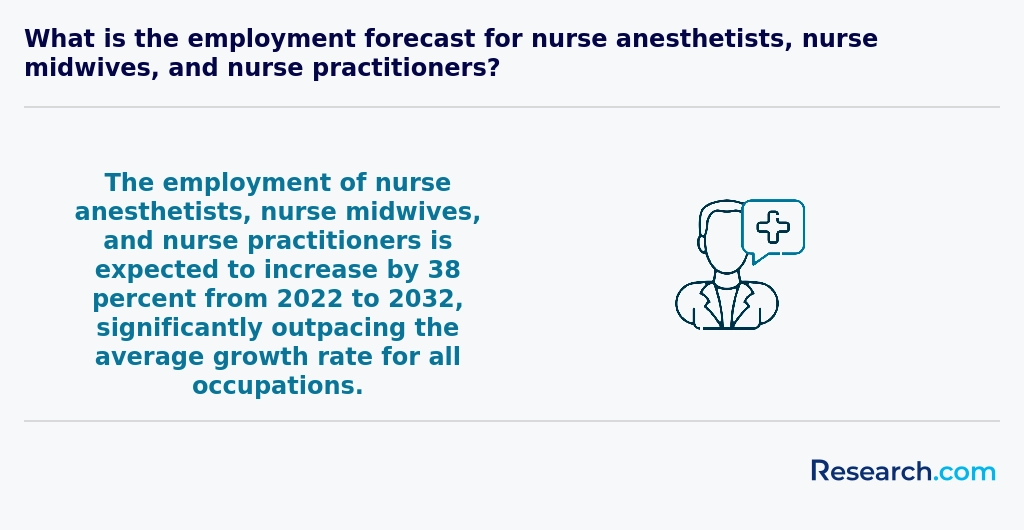
After completing your nursing degree in Denton, TX, the next critical step is securing licensure and exploring specialized certifications. Understanding each requirement ensures a smooth transition from student to practicing nurse. NCLEX-RN Examination Preparation • Register with Pearson VUE and submit your application to the Texas Board of Nursing (TBON) at least six weeks before your intended test date. • Leverage program-offered review courses and practice exams to reinforce core topics like pharmacology, medical-surgical nursing, and pediatrics. • Join study groups or online forums to exchange test-taking strategies and maintain motivation. Texas Board of Nursing (TBON) Requirements • Complete a criminal background check and fingerprinting as part of your TBON application. • Ensure your immunization records and health screenings meet TBON standards. • Monitor your application status through the TBON online portal and address any discrepancies immediately. Advanced Certifications and Continuing Education • Consider certifications such as CCRN (Critical Care Registered Nurse) or CPN (Certified Pediatric Nurse) to enhance your employability and salary potential. • Maintain your license through 20 hours of continuing education every two years, including mandatory courses in ethics, pharmacology, and Texas law. • For nurses seeking graduate-level credentials, explore the most affordable online MSN pathways-whether you aim to become a Nurse Practitioner or Nurse Educator, our guide to cheapest msn programs can help you compare tuition costs and specializations. Statewide Endorsement and Compact Licensure • If you plan to practice beyond Texas, apply for an interstate compact license, which streamlines multi-state practice for eligible RNs. • Verify your eligibility for the Nursing Licensure Compact (NLC) at ncsbn.org to ensure compliance with each state’s requirements. By following these licensure and certification pathways, Denton graduates can confidently meet regulatory standards, specialize in high-demand areas, and advance their nursing careers.
Nursing students in Denton commonly rely on federal student aid, with Pell Grants and Direct Loans playing a significant role. Pell Grants, awarded based on financial need, provide non-repayable funds, while federal loans offer manageable interest rates and flexible terms. For a Denton nursing graduate attending the University of North Texas Health Science Center, leveraging these aids helped ease the financial challenge of the average annual tuition between $8,000 and $12,000 in Texas.
State-level scholarships, such as those offered by the Texas Higher Education Coordinating Board including Texas Grants and Nursing Scholarship Programs, offer targeted financial relief. These programs often require a service commitment in underserved Texas regions, a factor positively viewed by graduates aiming to make a community impact. Local colleges, like North Central Texas College in Gainesville, extend additional scholarships, providing students with tailored financial options.
Employers in Denton frequently provide tuition reimbursement or sign-on bonuses, which past nursing graduates have found invaluable for balancing work and education. Professional nursing organizations, including the Texas Nurses Foundation, also contribute sizable scholarships that reward academic success and community involvement, boosting students' motivation and career readiness.
After earning a BSN, many Denton graduates pursue advanced practice roles through MSN or DNP programs to expand clinical autonomy and leadership opportunities. Key steps include:
- Completing an accredited BSN program with required clinical hours and maintaining a competitive GPA
- Choosing a specialty track (e.g., family, pediatrics, gerontology) that aligns with career goals
- Passing national certification exams (ANCC or AANP) to obtain Nurse Practitioner credentials
- Selecting a program format-full-time, part-time, hybrid or online-to fit your schedule
These pathways lead to higher salaries, greater responsibilities in patient care, and roles in policy or education. For additional program options, explore top nurse practitioner programs florida.
Enrolling in a nursing degree program in Denton requires completing several academic prerequisites that set the foundation for success. Most programs expect applicants to hold a high school diploma or GED, confirming essential skills in reading, writing, and math. Graduates from the University of North Texas share that fulfilling these early requirements gave them confidence entering rigorous nursing coursework.
Applicants typically need prerequisite college courses such as Anatomy and Physiology, Microbiology, General Chemistry, English Composition, and Statistics. These subjects prepare students for complex nursing material and develop critical thinking. North Central Texas College students highlight how these courses helped them grasp vital scientific concepts before clinical practice.
Moreover, maintaining a minimum GPA of around 2.5 to 3.0 and passing entrance exams like the TEAS or HESI are common. Many also mention the importance of immunization records, background checks, and CPR certification, emphasizing readiness for hands-on clinical experiences. These thorough prerequisites reflect Denton's commitment to producing skilled, compassionate nurses ready to thrive in healthcare settings.

Understanding a nursing program’s outcomes is essential for gauging its quality and your likelihood of success. In Denton, TX, leading institutions report impressive metrics: the University of North Texas boasts a 92% NCLEX-RN pass rate with an 88% four-year graduation rate, while Texas Woman’s University achieves a 94% pass rate and a 85% on-time completion rate. These figures reflect rigorous curricula, robust clinical partnerships, and dedicated faculty mentorship that prepare students for licensure and practice. High NCLEX pass rates and strong graduation statistics not only signal program excellence but also enhance your competitiveness in the job market. Employers often consider these metrics when recruiting, recognizing graduates from programs with consistent, above-average outcomes as well-prepared and reliable. Be sure to review each school’s latest outcome data-available on institutional websites or through accrediting bodies-to make an informed decision that aligns with your career goals. For students balancing cost with quality, exploring affordable online alternatives can be invaluable. If you’re seeking budget-friendly options beyond Texas, check out our Inexpensive Online Nursing Degree Programs Ranking in Colorado, which highlights accredited programs with proven outcomes at lower tuition rates.
Nursing degree programs in Denton typically include a rigorous blend of science and clinical courses essential for competent patient care. Core subjects such as anatomy, physiology, microbiology, and chemistry form the scientific foundation. Graduates from prominent Denton institutions often describe how mastering these courses enabled them to confidently understand human biology and disease mechanisms in real hospital settings.
Nursing-specific coursework covers critical areas like medical-surgical nursing, maternal and child health, psychiatric nursing, and community health nursing. These classes incorporate clinical rotations, providing hands-on experience in Denton-area hospitals, which students consistently report as both challenging and rewarding. For example, some graduates recall applying pharmacology knowledge daily during clinical hours, enhancing their medication administration skills under supervision.
Additional courses focus on nursing ethics, health assessment, and patient care technology, cultivating essential critical thinking and communication skills. Programs in Denton also emphasize evidence-based practice, equipping students to analyze research effectively and improve patient outcomes. This comprehensive curriculum aligns closely with Texas Board of Nursing requirements, preparing students for the NCLEX-RN exam and future professional success.
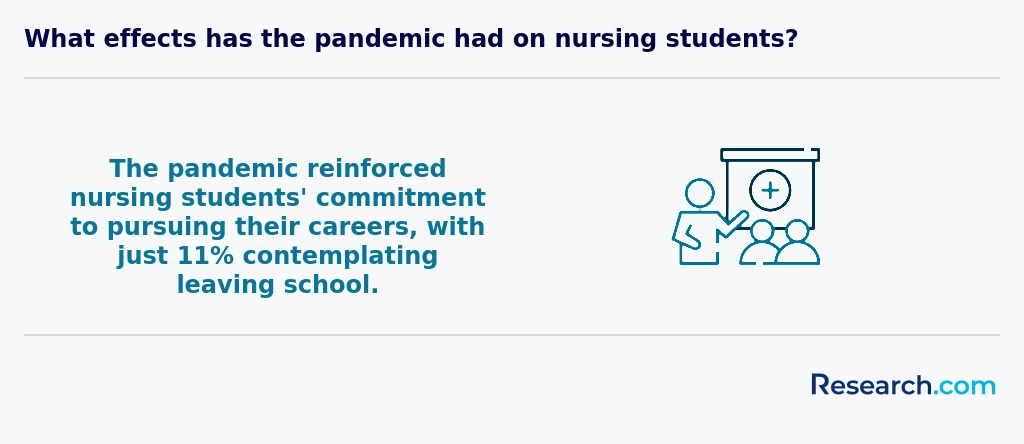
Nursing specializations in Denton TX reflect both community health priorities and evolving healthcare demands. Students at institutions like the University of North Texas Health Science Center frequently choose Pediatric Nursing, given Denton's family-oriented demographics. This specialization equips graduates to care for infants through adolescents, a vital skill in local clinics and hospitals. Another prominent focus is Geriatric Nursing, responding to Texas's growing aging population. Graduates specializing in this field report fulfilling experiences addressing complex elderly care needs in Denton's healthcare settings.
Emergency Nursing is also a critical specialization, training students to thrive in high-pressure hospital environments, including Medical City Denton. Mental Health Nursing gains traction as awareness of psychiatric care increases statewide. Family Nurse Practitioner (FNP) programs prepare nurses for extensive primary care roles, covering a broad patient base effectively. These best nursing degree concentrations Denton options consistently incorporate clinical placements, ensuring practical readiness.
For those considering further cost analysis or different tracks, several students explore nurse practitioner degrees wisconsin cost for comparison and financial planning purposes.
Choosing the best nursing degree in Denton requires analyzing program types and career outcomes. ADN, BSN, and MSN degrees differ in duration and depth; graduates from Denton's Texas Woman's University BSN program report a blend of solid theory and extensive clinical practice that boosts confidence and job readiness. Data shows BSN-prepared nurses have higher employment rates and earning potential, reinforcing the value of a baccalaureate degree for those seeking the best nursing programs in Denton.
Cost considerations are crucial. ADN programs in Texas average $6,000 to $15,000 tuition, whereas Denton-based BSN programs may exceed $20,000, emphasizing the importance of evaluating affordable nursing degrees Denton TX offers. Graduates often highlight the benefit of local public institutions that provide in-district tuition discounts and financial aid options, easing their educational investment.
Accreditation impacts licensure success; programs accredited by ACEN or CCNE ensure eligibility for the NCLEX-RN exam, with Denton-area pass rates available through the Texas Board of Nursing. Graduates appreciate strong clinical placements in Denton's hospitals that enhance learning and employment networking. For those concerned about long-term career sustainability, reviewing retirement in nursing workforce trends is advisable.
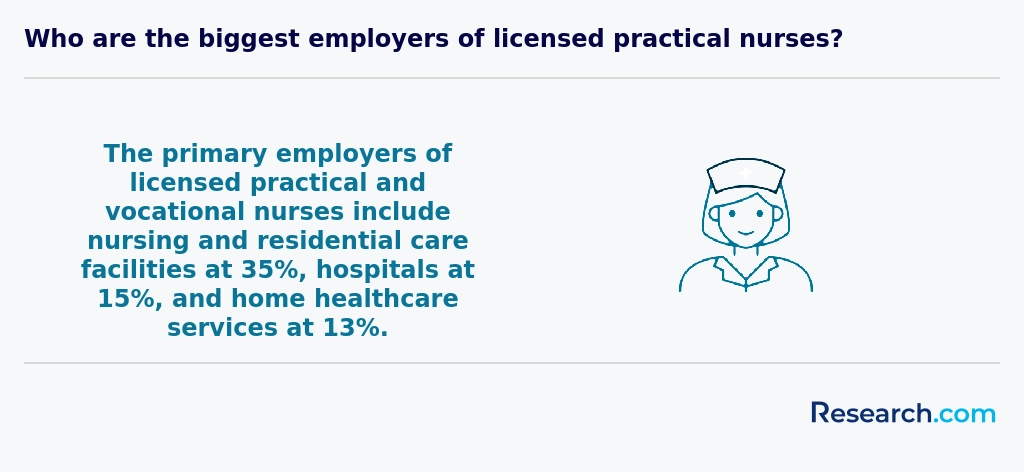
Graduates with a nursing degree in Denton have access to diverse career paths within the healthcare sector. Many become Registered Nurses (RNs), working directly in hospitals, clinics, or long-term care, where demand is projected to increase by 15% from 2020 to 2030. Students from popular nursing programs in Denton appreciate the hands-on clinical experience available in these settings, which prepares them well for immediate employment. Those pursuing a Bachelor of Science in Nursing can specialize in areas such as public health nursing, nurse case management, or pediatrics, offering roles that blend patient care with community outreach and coordination.
Advanced degree holders from Denton's nursing colleges often pursue leadership or specialized clinical roles, including Nurse Practitioners or Nurse Educators, with median salaries surpassing $110,000. Graduates frequently highlight how Denton's healthcare environment supports seamless transitions to administrative positions, such as nursing supervisors. For those evaluating nursing degree job opportunities Denton offers numerous options, often enhanced by supplemental education.
Many students choose Denton for its proximity to major healthcare hubs and practical opportunities aligned with the states with best nursing associations, making the investment in nursing education worthwhile.

The nursing job market Denton TX is robust, offering graduates from popular institutions like the University of North Texas and Texas Woman's University multiple employment pathways. Graduates often share how hands-on clinical experiences at local hospitals such as Medical City Denton prepare them for immediate roles in varied settings, from emergency rooms to community clinics. This direct exposure aligns with the region's expanding healthcare sector, where employers increasingly seek skilled nurses to fill positions in outpatient and long-term care facilities.
Registered nurses in Denton benefit from an average annual salary around $75,000, competitive for the region and providing a reassuring return on the typical cost of nursing degrees. Career-focused students taking nursing degree employment opportunities Denton seriously find that combining academic rigor with internships or telehealth initiatives facilitates seamless transitions into the workforce. Nursing graduates often express optimism about career stability and meaningful patient impact in a city connected to larger metro healthcare hubs.
For prospective students weighing their options, exploring the top nursing programs Las Vegas can also offer comparative perspective on quality and outcomes.
2027 Best Nursing Degree Programs Ranking in Denton
Investing in your education is a significant decision that can shape your future, and the Research.com team understands the importance of making informed choices. To assist prospective students in Denton, we have meticulously crafted the "2027 Best Nursing Degree Programs Ranking in Denton." Our commitment to quality, credibility, and accuracy is reflected in the extensive research and analysis conducted to compile this ranking.
We utilized the following reputable data sources to ensure a comprehensive evaluation of nursing programs:
By exploring this ranking, readers will gain valuable insights into the best nursing degree programs available in Denton, helping them make informed decisions about their educational paths. For more details on our methodology, please visit our
Research.com methodology page
.

Frequently Asked Questions About nursing
Nursing students in Denton can maximize their learning experience by actively engaging in both classroom and clinical settings. Local institutions, such as the University of North Texas Health Science Center, offer access to diverse clinical placements that expose students to various specialties, enhancing practical skills.
Joining professional organizations like the Texas Nurses Association provides networking opportunities and access to resources tailored for nursing students. Leveraging Denton's healthcare community, including nearby hospitals like Medical City Denton, allows students to observe current best practices firsthand.
Additionally, students benefit from integrating technology and simulation labs available on campus, which improve critical thinking and decision-making skills in a risk-free environment.
Nursing in Denton is evolving rapidly, opening opportunities in specialized areas to meet growing healthcare needs. Emerging niches include geriatric nursing, addressing the care of Denton's increasing elderly population, which is expected to grow significantly by 2030 according to Texas demographic studies.
Another important area is informatics nursing, combining healthcare and technology to improve patient outcomes through data management. This niche is expanding as Denton health systems invest in electronic health records and telemedicine services.
Additionally, psychiatric-mental health nursing is gaining prominence due to rising awareness of mental health issues in both urban and rural communities around Denton.
These specialized fields often require advanced certifications beyond traditional nursing degrees but offer promising career paths aligned with local healthcare trends.
After completing a nursing degree in Denton, preparing for the job market involves several strategic steps. First, obtaining licensure through the NCLEX-RN exam is essential to practice as a registered nurse in Texas. Denton boasts proximity to numerous healthcare facilities, such as Texas Health Presbyterian Hospital Denton, offering diverse job opportunities.
Networking through local nursing associations and clinical contacts can improve employment prospects. Denton's nursing programs often include career services that assist with resume building and interview preparation.
Given the steady 12% projected growth in nursing jobs in Texas through 2030 (Bureau of Labor Statistics), staying current with certifications like BLS and ACLS enhances competitiveness. Continuing education is also valued by employers in the region.
Employers in Denton highly value nursing degree graduates who demonstrate strong clinical skills and critical thinking abilities. Given the region's diverse patient population, cultural competence and effective communication are essential for successful patient care. According to the Texas Board of Nursing, these soft skills are as crucial as technical expertise.
Additionally, proficiency in electronic health records (EHR) systems is increasingly important, as Denton-area healthcare facilities continue adopting digital technologies. A 2023 survey by Denton County Medical Society highlights that 78% of employers prefer nurses familiar with EHR software.
Time management and adaptability also rank among the top skills, reflecting the fast-paced environment in Denton's hospitals and clinics. Together, these competencies prepare graduates to meet the evolving demands of healthcare in the region.
Finding nursing internships in Denton involves a combination of leveraging local healthcare resources and academic connections. Denton is home to medical facilities such as Denton Regional Medical Center and Texas Health Presbyterian Hospital Denton, which frequently offer clinical internship opportunities for nursing students.
Many nursing programs in Denton, including those at the University of North Texas Health Science Center, have partnerships with these hospitals, helping students secure placements. It is important to contact the school's career services or nursing department early in the enrollment process for guidance on available internships.
Additionally, websites like the Texas Board of Nursing and local job boards often list internship openings. Networking with healthcare professionals through community health events can also increase chances of finding quality clinical experiences.
Obtaining a nursing degree in Denton significantly enhances career mobility and advancement opportunities. Nurses with degrees such as an Associate Degree in Nursing (ADN) or Bachelor of Science in Nursing (BSN) are increasingly preferred by employers, including prominent local healthcare providers like Texas Health Presbyterian Hospital Denton. According to the Texas Board of Nursing, BSN-prepared nurses have a broader scope of practice and typically access higher-paying roles.
In Denton, a BSN can lead to leadership positions or specialized nursing roles, such as nurse case managers or clinical nurse specialists. Additionally, degree holders often have better prospects for graduate education, which further boosts career advancement in the region's competitive healthcare market.
Studying for a nursing degree in Denton equips students with skills designed for interdisciplinary collaboration in healthcare settings. Local programs emphasize teamwork with professionals from medicine, pharmacy, social work, and allied health fields through simulation labs and clinical rotations.
For example, Texas Woman's University and the University of North Texas Health Science Center incorporate interprofessional education as part of their curriculum, reflecting national trends encouraged by the Institute of Medicine. This approach improves communication and patient outcomes, preparing students for real-world healthcare environments.
According to the Texas Board of Nursing, Denton nursing graduates show strong competencies in areas such as care coordination and evidence-based practice, essential for interdisciplinary roles. Overall, Denton's nursing education fosters holistic understanding across specialties, making graduates valuable team members in complex healthcare systems.
Choosing between a thesis and a non-thesis nursing degree program in Denton depends on your career goals and learning preferences. Thesis programs focus on research, requiring students to conduct original studies and write a comprehensive paper. This path is ideal if you aim to pursue a PhD or work in academic nursing or research settings.
Non-thesis programs usually emphasize practical skills through coursework and clinical experience. They are designed for students seeking advanced clinical roles or leadership positions without a research focus. According to the Texas Board of Nursing, Denton nursing graduates with a thesis degree often take longer to complete their studies but may have a competitive edge in research jobs.
Consider your time availability, professional aspirations, and interest in research when making your choice. Most Denton nursing schools clearly outline both options to help you decide.
Students based in Denton interested in studying nursing abroad have several pathways to consider. Many US nursing programs, including those connected to Denton institutions like the University of North Texas Health Science Center, offer study abroad options or international clinical experiences. These opportunities allow students to gain global healthcare perspectives and enhance cultural competence.
Exchange programs with universities in countries such as the United Kingdom, Canada, and Australia are common, providing accredited nursing education that aligns with US standards. Additionally, students may explore internationally recognized online nursing courses with clinical rotations completed locally or abroad.
Considerations include ensuring program accreditation and meeting Texas Board of Nursing requirements upon return. According to the Texas Center for Nursing Workforce Studies, international experience can improve job prospects in Texas's competitive nursing market.
Students pursuing nursing degrees in Denton have several part-time job options that enhance their education and practical skills. Many local healthcare facilities, including Denton Regional Medical Center, offer positions such as patient care assistant or nursing aide. These roles provide hands-on experience with patient interaction and clinical procedures.
Additionally, working as a medical scribe or pharmacy technician in Denton clinics helps nursing students better understand medical documentation and medication management. According to the Texas Workforce Commission, healthcare support roles in Denton have grown by 10% over recent years, reflecting strong local demand.
Volunteer opportunities at community health centers also complement nursing studies by developing communication and organizational skills.
Nursing students in Denton have several valuable networking opportunities that help build professional connections. Local campuses like the University of North Texas Health Science Center offer student organizations such as the Student Nurses Association, which hosts events and workshops. These groups connect students with peers and experienced nurses in the area.
Additionally, Denton's proximity to larger medical centers enables students to participate in clinical rotations and internships where networking naturally occurs. According to the Texas Board of Nursing, participation in professional groups linked to hospitals and clinics increases job placement rates for new nurses.
Community health events also provide practical chances to meet healthcare professionals and gain insights into local healthcare needs.
Alumni networks provide valuable support for nursing degree students in Denton by connecting them with experienced graduates working in local healthcare. These networks often offer mentorship opportunities, allowing current students to gain insights into clinical practice and career development. According to the Texas Board of Nursing, Denton has a growing demand for registered nurses, making these connections especially important for job placement.
Participation in alumni networks also gives students access to exclusive job postings and internships in Denton-area hospitals and clinics. This can increase the chances of securing employment soon after graduation. Furthermore, alumni groups often host workshops and networking events that enhance professional skills and expand students' contact lists within the nursing community.
Customizing a nursing degree program in Denton involves selecting courses and clinical experiences aligned with your career goals. Many Denton institutions offer flexible degree tracks such as Registered Nurse (RN) to Bachelor of Science in Nursing (BSN) pathways or accelerated programs for those with prior degrees.
Students can focus on specialties like pediatrics, geriatrics, or community health by choosing relevant electives and clinical placements. Local healthcare facilities in Denton provide diverse practicum opportunities, allowing hands-on experience in areas matching student interests.
Additionally, some programs incorporate online and hybrid classes, enabling working professionals to balance studies with employment. According to the Texas Board of Nursing, Denton County's growing healthcare sector encourages schools to tailor curricula to workforce demands, supporting diverse nursing roles in the region.
Nursing students in Denton commonly face time management challenges due to the demanding balance between clinical hours, coursework, and often part-time jobs. The rigorous nature of nursing programs requires students to dedicate extensive effort to mastering both theoretical knowledge and practical skills.
Additionally, access to clinical placement sites can be competitive. Local healthcare facilities around Denton, including large hospitals and clinics, only offer a limited number of slots, which may delay students' progress.
Financial strain is another key concern. According to the Texas Higher Education Coordinating Board, the average tuition for nursing programs in Denton area colleges has risen steadily, adding pressure on students to secure scholarships or part-time employment.
Lastly, the mental and emotional toll should not be overlooked. Exposure to patient care early in training often leads to stress and burnout risks among nursing students.
With a nursing degree in Denton, graduates can pursue various professional certifications to advance their careers. Common certifications include the Certified Nurse Assistant (CNA), Licensed Vocational Nurse (LVN), and the Registered Nurse (RN) license, all essential for clinical practice. Beyond these, many nurses in Texas seek advanced certifications such as the Certified Nurse Practitioner (CNP) or Clinical Nurse Specialist (CNS).
Additionally, specialty certifications like Cardiac Vascular Nursing (CVN) or Gerontological Nurse (RN-BC) are available. According to the Texas Board of Nursing, Denton area nurses increasingly pursue such credentials to meet local healthcare demands.
These certifications help open doors to higher-paying and more specialized roles in hospitals and clinics throughout Denton and the broader North Texas region.
To write a winning application for a nursing program in Denton, begin by carefully researching each school's specific requirements. Most programs require a solid academic record, particularly in sciences like biology and chemistry. Aim for at least a 3.0 GPA, which is common among accepted students in Texas. Including standardized test scores, such as the TEAS, can strengthen your application.
Highlight relevant healthcare experience, including volunteer work or employment in clinical settings, as this demonstrates commitment. Write a clear, concise personal statement that explains your motivation for nursing and connection to Denton's community.
Request strong letters of recommendation from instructors or healthcare professionals familiar with your abilities. Finally, meet all deadlines and prepare thoroughly for any interviews, showing professionalism and knowledge of local healthcare challenges.
The nursing career holds significant value worldwide, offering diverse opportunities across healthcare systems. In the United States, including Denton, nursing is recognized as a vital profession with strong employment growth. According to the U.S. Bureau of Labor Statistics, registered nursing jobs are projected to grow 9% from 2020 to 2030, reflecting ongoing demand. Globally, nurses contribute to public health, health promotion, and disease prevention, often adapting skills to meet local healthcare needs.
For students in Denton considering nursing degrees, understanding international nursing standards can be beneficial. U.S.-trained nurses often meet rigorous education and licensure requirements, aligning with global benchmarks established by organizations like the World Health Organization. This alignment supports potential work or collaboration abroad, highlighting nursing as a globally respected profession.
Gaining practical experience while studying for a nursing degree in Denton is essential for building clinical skills. Most nursing programs in Denton require students to complete clinical rotations at local hospitals and healthcare facilities. These rotations offer hands-on patient care under the supervision of licensed nurses and instructors.
Additionally, Denton students can participate in internships or volunteer opportunities at places like Texas Health Presbyterian Hospital Denton or local community health centers. These experiences enhance learning beyond the classroom and improve job prospects after graduation.
The Texas Board of Nursing mandates a minimum number of clinical hours for program completion, ensuring consistent practical training across schools. Local nursing associations and school career services also support students in finding part-time positions or externships during their studies.
Choosing the right concentration within a nursing degree program in Denton depends on your career goals, interests, and local healthcare needs. Common concentrations include family nurse practitioner, pediatric nursing, and geriatric care. Denton's growing population increases demand for nurses skilled in primary care and chronic disease management, according to the Texas Center for Nursing Workforce Studies.
Consider your preferred patient population and work environment. Research local employment trends and speak with advisors at Denton-area schools. Many programs offer clinical rotations in Denton's hospitals and clinics, which can help you gain practical experience in different specialties.
Licensing requirements remain the same regardless of concentration, but advanced practice roles may require further certification. Reviewing detailed curriculum and certification alignment ensures your choice supports long-term career growth.
- 2027 Best Nursing Degree Programs Ranking in Lubbock
- 2027 Best Nursing Degree Programs Ranking in Kansas City
- 2027 Best Nursing Degree Programs Ranking in Hattiesburg
- 2027 Best Nursing Degree Programs Ranking in Lincoln
- 2027 Best Nursing Degree Programs Ranking in Saint Louis
- 2027 Best Nursing Degree Programs Ranking in Mobile
- 2027 Best Nursing Degree Programs Ranking in Omaha
- 2027 Best Nursing Degree Programs Ranking in Colorado Springs
- 2027 Best Nursing Degree Programs Ranking in Birmingham
- 2027 Best Nursing Degree Programs Ranking in Denver
See What Experts Have To Say About Studying Nursing
Read our interview with Nursing experts

Lisa Grubb
Nursing Expert
Assistant Professor
Johns Hopkins School of Nursing

- Getting RN Experience After Graduation | All Nursing Schools https://www.allnursingschools.com/articles/getting-rn-experience/
- Types of Nursing Careers & Specialties https://nursinglicensemap.com/nursing-specialties/
- Interdisciplinary Education and Practice https://www.aacnnursing.org/news-data/position-statements-white-papers/interdisciplinary-education-and-practice
- | NRR | Dove Medical Press https://www.dovepress.com/internship-challenges-encountered-by-nursing-students-a-qualitative-st-peer-reviewed-fulltext-article-NRR
- How to Choose the Right Nursing School for Your Career Goals | Archer Review https://www.archerreview.com/blog/how-to-choose-the-right-nursing-school-for-your-career-goals
- Exploring Diverse Nursing Career Horizons - N2S Healthcare Blog https://n2shealthcare.com/blog/exploring-diverse-nursing-career-horizons-n2s-healthcare-blog
- Enhancement of Learning Abilities of Student Nurses: Teaching and Learning Strategies | IntechOpen https://www.intechopen.com/chapters/86566
- Nursing Internship and Externship Programs https://jobs.mayoclinic.org/nursinginternexternprograms
- Nursing - SUM Admission https://admission.sum.edu.pl/nursing/
- How Do Nurses Navigate Career Advancement? | NursingEducation https://nursingeducation.org/insights/career-advancement/