2027 Best Nursing Degree Programs Ranking in Idaho

Co-Founder and Chief Data Scientist
Are you considering a nursing degree in Idaho? Choosing the right program can shape your future career and unlock numerous opportunities in healthcare. This article presents the 2027 Best Nursing Degree Programs Ranking in Idaho, developed by the Research.com team of data scientists to guide you through the top nursing programs available.
By exploring this ranking, you'll gain insights that make your decision easier and more confident. A nursing degree offers rewarding work, job stability, and a chance to make a real difference in people's lives.
Key benefits of getting nursing degree in Idaho
- Salary for nursing degree graduates: Graduates in Idaho can expect competitive salaries, such as $94,480 annually for Registered Nurses and Public Health Nurses, and up to $128,490 for Operating Room Nurses, offering great financial stability.
- Career paths: Nursing graduates from Idaho State University often pursue diverse roles like Clinical Nurse Educator or Emergency Room Nurse, showcasing the flexibility and variety this degree offers.
- Online degree benefits: Completing a nursing degree online through institutions like Boise State University provides flexibility for busy students and allows working professionals in Idaho to advance their career without disrupting daily life.
- 2027 Best Nursing Degree Programs Ranking in Idaho
- What can I expect from nursing degree in Idaho?
- Where can I work with nursing degree in Idaho?
What can I expect from nursing degree in Idaho?
The average cost of a nursing degree in Idaho varies mainly by the type of institution and degree pursued. At community colleges, an associate degree in nursing typically costs significantly less, making it an attractive, budget-friendly option for many local students. For example, graduates from technical schools often mention how manageable tuition allowed them to focus more on clinical training without the stress of excessive debt.
In contrast, universities like Boise State University and Idaho State University, which offer BSN and advanced nursing degrees, tend to have higher tuition rates. Graduates from these programs often express confidence that the higher investment was worth it, thanks to the comprehensive curriculum and extensive hands-on clinical rotations provided at hospitals throughout Boise and beyond.
Prospective students should expect tuition fees for BSN programs in Idaho universities to range from moderate in-state rates up to a level reflecting specialized training and graduate coursework. Carefully weighing the cost against the value of real-world experience and strong employer recognition in Idaho's growing healthcare market is essential.
Where can I work with nursing degree in Idaho?
Graduates with nursing degrees from Idaho State University or the College of Western Idaho often find immediate job opportunities in hospitals, especially around Boise's thriving medical centers. These settings offer practical experience in fast-paced environments, which builds confidence and skill. Many graduates describe excitement taking on real patient care alongside experienced RNs early in their careers.
For those preferring outpatient or specialty clinics, employment in ambulatory care centers is common. Here, nurses focus on patient assessments and education, a role that suits graduates who enjoy one-on-one interactions and preventative care. Idaho's aging population means demand is steady, creating reliable positions in these community healthcare hubs.
Rural nursing graduates often choose long-term care facilities or assisted living homes, where they manage chronic diseases and help patients with daily activities. These roles feel rewarding as nurses form close bonds with residents, making a direct impact on their quality of life.
Others pursue public health nursing through local health departments, coordinating vaccine drives or maternal health programs. Nursing grads from Idaho universities say this work brings fulfillment by improving community wellness.
Home health care is another growing option - providing hands-on medical support in patients' homes. This path appeals to graduates who value flexibility and personal connection in their nursing careers.
Graduates with a nursing degree from Idaho institutions, such as Boise State University or the College of Southern Idaho, can expect practical and competitive earnings immediately upon entering the workforce. Registered Nurses (RNs) typically earn a mean annual wage of about $94,480 in Idaho, matching national standards for roles like clinical nurse educator, public health nurse, and emergency room nurse-all averaging this salary. This means you can confidently anticipate steady income around this figure as you begin your career.
For those aiming higher, some graduates pursue specialized fields like operating room nursing, where the average salary jumps significantly to approximately $128,490 annually. This jump reflects the advanced skills required and the critical role within hospital settings, especially in larger metropolitan areas like Boise.
Many nursing graduates relate to starting with foundational RN roles, gradually advancing into leadership or specialized units as they gain experience. They find that continual learning and certifications can significantly boost earnings, enabling a rewarding and financially stable career tailored to Idaho's healthcare demands.
- Nursing programs in Idaho include Associate Degree in Nursing (ADN) and Bachelor of Science in Nursing (BSN), with BSN preferred by many employers.
- Tuition at public institutions ranges from $5,000 to $8,000 per year for in-state students; private schools have higher tuition costs.
- Entry-level registered nurses in Idaho earn between $55,000 and $60,000 annually, with median wages rising to around $75,000 with experience.
- Idaho's nursing job market is growing due to population increase and aging demographics, leading to higher demand for nurses.
- Graduates must pass the NCLEX-RN exam to obtain licensure and work professionally within the state.
Completing a nursing degree in Idaho depends largely on the type of program you choose and your previous education. For example, graduates from Boise State University's ADN program often finish in about 2 to 3 years, balancing coursework with hands-on clinical hours. This route is ideal if you want to start working as a registered nurse quickly without a long wait.
On the other hand, pursuing a BSN at the University of Idaho typically takes around 4 years of full-time study. Graduates from this path often highlight the broader learning experience, including leadership and research, which boosted their confidence for more advanced roles.
If you already hold an ADN and want to upgrade your qualifications, the RN-to-BSN bridge programs offered by several schools in Idaho usually take between 12 and 24 months. Many students appreciate this flexible option for continuing their education without a full degree commitment.
While time frames vary, each pathway combines classroom learning with supervised clinical practice, ensuring you gain practical skills alongside theory. This hands-on experience often makes students feel prepared and motivated to enter the workforce.
To find affordable nursing programs, prospective students should consider factors such as tuition fees, scholarship opportunities, and the potential for financial aid. Many institutions in Idaho offer competitive pricing for their nursing programs, making it essential to research and compare costs. For instance, students can explore the most affordable nursing programs in Idaho to make an informed decision about their education. By doing so, they can balance their desire for a high-quality nursing education with their budget constraints, ultimately finding a program that meets their needs and sets them up for success in their future careers.
Understanding the difference between online and on-campus nursing degrees in Idaho comes down to how and where you learn. Online programs offer flexibility, perfect for students juggling jobs or family, with coursework accessed anywhere via digital platforms. Idaho students appreciate this, as it cuts commuting time and saves money, especially since public universities like Idaho State University charge around $8,000 to $10,000 annually in tuition. However, even online students must complete clinical hours in person at local hospitals or clinics, ensuring hands-on experience required by the Idaho Board of Nursing.
On-campus students, for example at Boise State University, enjoy face-to-face interaction with instructors, immediate feedback, and access to simulation labs. Many graduates say this creates a strong sense of community and support, though it often means added costs for housing and commuting. Nationwide data suggests these extra expenses can add 10-20% to the overall cost compared to online options.
Choosing depends on your lifestyle: online offers convenience and local clinical placements; on-campus delivers structure and direct campus resources for those who thrive in-person.
Ensuring your nursing education meets the highest standards starts with program accreditation. In Idaho, reputable nursing schools hold accreditation from agencies like the Commission on Collegiate Nursing Education (CCNE) or the Accreditation Commission for Education in Nursing (ACEN). These endorsements validate curriculum rigor, clinical training quality, and graduate readiness for licensure exams such as the NCLEX-RN. Key accreditation benefits include:
- Eligibility for federal financial aid and scholarships.
- Seamless credit transfers between accredited institutions.
- Confidence that curricula align with state board requirements and industry best practices. Before applying, verify each program’s status on the Idaho Board of Nursing website and the accreditor’s directory. Some innovative pathways even minimize onsite requirements-consider researching flexible options like online rn to bsn no clinicals for greater scheduling freedom without compromising academic quality. Additionally, look for institutional rankings, NCLEX pass rates, and clinical partnership agreements with local healthcare systems. High-performing programs often publish:
- Consistently strong NCLEX-RN pass percentages (above 90%).
- Student-to-faculty ratios below 10:1 for personalized mentorship.
- Formal affiliations with hospitals and community clinics for diverse clinical rotations. By prioritizing accredited programs with transparent quality metrics, prospective students can be confident they’re investing in a nursing education that meets both state licensure mandates and industry expectations.
The average cost of a nursing degree in Idaho is significantly influenced by residency status and the type of institution attended. For in-state students enrolling in popular nursing programs at public universities or community colleges, the median in-state total cost is about $19,068 for the entire program. Graduates from these programs often describe feeling financially relieved as tuition is more manageable compared to out-of-state or private options.
Out-of-state students face a median total cost around $42,222, which aligns closely with private college tuition rates. These private programs in Idaho, often selected for their smaller class sizes and personalized support, tend to charge yearly tuition between $15,000 and $30,000, plus additional fees. One graduate shared how budgeting for these expenses early helped them navigate costs without unexpected surprises.
When planning for financing, remember to factor in costs beyond tuition, including lab fees, textbooks, and licensing exams. Practical budgeting strategies can boost confidence, much like other students attending nursing programs at well-known Idaho schools who balance work and study. For more details on the most affordable nursing programs in Idaho, prospective students should explore options that fit their financial goals.
Understanding the average cost of nursing degree in Idaho helps in making informed choices, especially when comparing public versus private tuition and factoring in additional fees. This clarity supports students in confidently pursuing rewarding nursing careers without overwhelming financial stress.
Nursing students at institutions like Boise State University and the College of Southern Idaho find federal aid through the FAFSA essential. By completing it early, they access Pell Grants offering up to $7,000 annually, easing upfront costs without added debt. Graduates often reflect on how this support made balancing studies and living expenses manageable.
State aid is another valuable resource. The Idaho Opportunity Scholarship rewards strong academic performance for residents enrolled in nursing programs, providing renewable funding for multiple years. Meanwhile, the Idaho Nursing Incentive Program offers loan repayment help to those who commit to serving in Idaho's healthcare system after graduation-a motivating factor for graduates who want to give back locally.
Many nursing students also tap into school-specific scholarships from their chosen institutions, which often combine merit and financial need criteria. For example, students at Lewis-Clark State College report these awards helped reduce reliance on loans.
Finally, work-study roles connected to healthcare give practical experience and income. One graduate recalled how working in a campus clinic not only offset costs but built professional skills before entering the workforce.
To practice as a registered nurse in Idaho, you must:
- Graduate from an ACEN- or CCNE-accredited nursing program.
- Apply to the Idaho Board of Nursing, submitting official transcripts, a background check, fingerprints and required fees.
- Register for and pass the NCLEX-RN exam to verify clinical competency.
- Complete any state-specific jurisprudence requirements as outlined by the Board.
- Renew your RN license every two years, earning at least 30 contact hours of continuing education.
For advanced practice roles like nurse practitioner or clinical nurse specialist, you’ll also need a graduate degree and national certification-consider exploring cheapest dnp programs online to plan your next steps.
To enroll in a nursing degree program in Idaho, you first need to have a high school diploma or GED. For example, graduates from Boise State University's nursing program often share how completing foundational classes in biology, chemistry, anatomy, and math gave them the confidence to tackle nursing courses. These prerequisites build a necessary science base critical for success.
Many programs, including those at Idaho State University, require standardized test scores like the TEAS exam. This test measures your skills in reading, science, math, and English-areas graduates recall helped sharpen their study habits early on. Some schools also ask for ACT or SAT scores, so check the specific college requirements.
Practical experience, while not always mandatory, can greatly improve your application. Volunteering in a local hospital or clinic not only deepens your understanding but also prepares you emotionally for patient care, something graduates at the College of Southern Idaho often emphasize as invaluable.
Lastly, you must submit immunization records and pass a criminal background check. These steps ensure you're ready for clinical placements, a real-world part of nursing school that many Idaho graduates say was rewarding and eye-opening.

Before beginning your nursing career in Idaho, you must meet specific licensure requirements set by the Idaho Board of Nursing. First, graduates of accredited ADN or BSN programs must submit an application, official transcripts, and a criminal background check. Once approved, you’ll register for the NCLEX-RN exam, which tests critical areas like safe patient care, pharmacology, and clinical decision-making. To boost your pass rate, consider these strategies:
- Enroll in an NCLEX review course that covers test format, question styles, and time management techniques.
- Use practice banks and simulate exam conditions to build confidence under time pressure.
- Focus on high-yield content areas: fundamentals of care, physiological integrity, and safety/infection control.
- Form study groups with peers to discuss challenging scenarios and share resources. According to the Idaho Board of Nursing, programs with NCLEX-RN pass rates above 90% often integrate early exam preparation into their curricula. For those looking to advance beyond initial licensure, exploring masters in nursing programs for non nurses can be a strategic next step, offering direct-entry pathways and specialized coursework tailored to non-nursing backgrounds.
When pursuing a nursing degree in Idaho, expect to take a solid mixture of foundational science and specialized nursing courses. Graduates from Boise State University often highlight how courses like Anatomy and Physiology, Microbiology, and Chemistry laid the groundwork for understanding the human body's complexities, making later clinical experiences more intuitive and engaging.
Idaho nursing programs typically include Nutrition, Pharmacology, and Pathophysiology to deepen your knowledge of patient care specifics. Core nursing classes such as Fundamentals of Nursing, Medical-Surgical Nursing, and Maternal and Newborn Nursing provide hands-on skills essential for daily nursing tasks. Students also value courses like Pediatric Nursing, Mental Health Nursing, and Community and Public Health Nursing, which broaden their ability to provide compassionate care across varied populations.
Beyond technical skills, leadership, ethics, and evidence-based practice classes prepare you for real-world challenges. Idaho students consistently mention how these classes improved their critical thinking and communication, skills that prove invaluable during clinical practicums in local hospitals and care facilities.
Students pursuing nursing degree specializations in Idaho often choose tracks that reflect the state's healthcare needs. Family nurse practitioner (FNP) programs are highly sought after, especially by graduates from well-known colleges who want to serve rural communities with accessible primary care. These programs prepare nurses to provide care for all ages, making them a practical and rewarding choice.
Geriatric nursing is another strong specialization option, vital due to Idaho's aging population. Graduates often share how training in institutions popular for Idaho nursing programs with specialized tracks gave them confidence to work in nursing homes and hospitals focused on elderly care. Mental health nursing also stands out, addressing psychiatric needs that are growing across the state, offering meaningful roles in expanding mental health services.
Additional specializations include pediatric nursing, critical care, and women's health. Many students also benefit from flexible options like online rn to bsn no clinicals pathways to advance their education while managing work and life. Choosing a specialization in Idaho combines practical skills with opportunities to contribute locally.
Start by pinpointing the nursing degree that matches your career goals and current experience. Many graduates who chose Idaho's BSN programs at Boise State University or the University of Idaho praise the balance of rigorous coursework and hands-on clinical training, which made the transition into nursing roles smoother. For those seeking a quicker entry, LPN programs are practical but consider that most employers now prefer BSN credentials for registered nurse positions in Idaho's healthcare market.
Accreditation is non-negotiable; programs accredited by recognized bodies like CCNE or ACEN ensure your education meets state and national standards and supports licensure exam success. Graduates often express confidence in their programs' high NCLEX-RN pass rates, a key factor to check before enrolling. Idaho's moderate living costs combined with in-state tuition rates at public universities make finding affordable nursing schools Idaho residents value.
Look for programs offering flexible schedules, such as part-time or online options, especially if you need to work while studying. Some students begin with traditional routes and later explore masters in nursing programs for non nurses to advance their careers without interrupting income. Finally, local clinical placements in Idaho hospitals provide critical real-world experience that graduates find motivating and essential to their education.
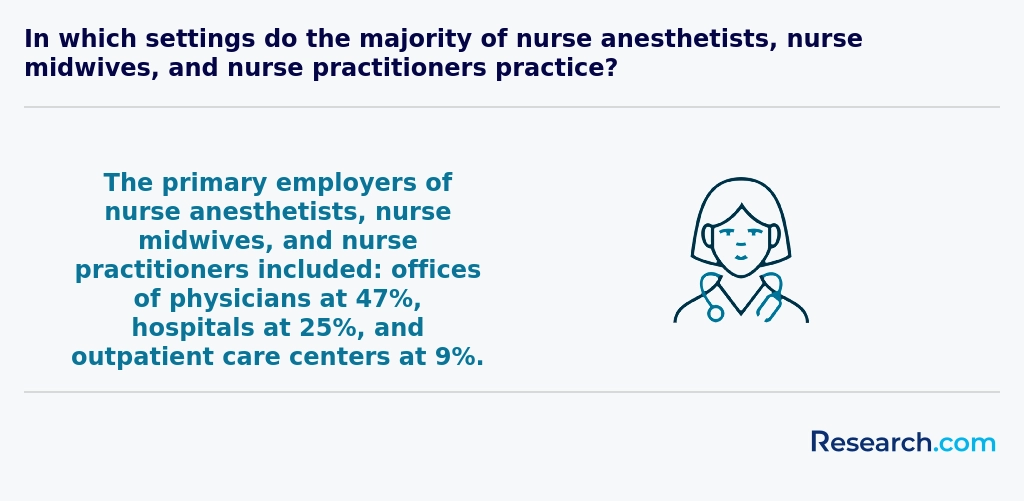
Graduates with a nursing degree in Idaho often start as Registered Nurses (RNs), working in hospitals, clinics, or community health centers. For example, recent grads from Boise State University have found rewarding roles administering patient care and collaborating with doctors in local hospitals. The Idaho nursing degree job outlook is strong, with a projected 22% growth in RN employment through 2031, ensuring steady demand. Some graduates choose to advance by becoming Nurse Practitioners, requiring more education but offering higher salaries and autonomy, or Licensed Practical Nurses for quicker entry into hands-on care roles. Others pursue specialized careers like Clinical Nurse Specialists or Nursing Educators, often teaching at institutions such as Idaho State University.
Exploring nursing career opportunities in Idaho is easier with affordable local education options, from community colleges to public universities. Many students benefit from scholarships targeting rural healthcare needs. Those seeking flexible learning paths can consult the Affordable Online Bachelor's in Nursing Degree Programs Ranking in Illinois to compare cost-effective programs that complement Idaho's offerings.
The nursing job market Idaho 2027 shows strong growth, making it a practical choice for graduates from popular Idaho colleges and universities. Many nursing graduates find rewarding employment in hospitals, rural health clinics, and community programs across the state. For instance, graduates from Boise State University and Idaho State University report feeling confident about job stability, thanks to the steady demand for registered nurses and advanced practice registered nurses in areas like family care and mental health.
Registered nurses in Idaho earn an average annual wage of about $65,000, which compares favorably to national figures and reflects solid employment opportunities. Graduates with a Bachelor of Science in Nursing (BSN) often have an edge when applying for these positions, especially in leadership roles. Students appreciate that the cost of nursing programs at Idaho's public universities-typically between $5,000 and $10,000 annually for in-state students-is manageable, encouraging them to pursue this career path.
If you're considering how to maximize your chances in this growing field, explore the best college degree options in Idaho. Practical experience combined with specialized nursing roles opens doors in urban and underserved rural areas, turning education into a fulfilling career. The Idaho nursing degree employment opportunities present realistic and promising steps to long-term success.
2027 Best Nursing Degree Programs Ranking in Idaho
Investing in your education is a significant decision that can shape your future, and the Research.com team recognizes the importance of making well-informed choices. To assist prospective students in Idaho, we have carefully developed the "2027 Best Nursing Degree Programs Ranking." Our dedication to quality, credibility, and accuracy is demonstrated through rigorous research and thorough analysis involved in creating this ranking.
We utilized the following reputable data sources to ensure a comprehensive evaluation of nursing degree programs:
By exploring this ranking, readers will gain valuable insights into the best nursing programs in Idaho, enabling them to make confident and informed decisions about their educational futures. For more information on how this ranking was created, please visit our Research.com methodology page.


# 7 position
Idaho State University
Bachelor of Science in Nursing

# 8 position
Eagle Gate College-Boise Campus
Bachelor of Science in Nursing

# 9 position
Provo College-Idaho Falls Campus
Bachelor of Science in Nursing

# 10 position
Eagle Gate College-Boise Campus
Master of Science in Nursing
Frequently Asked Questions About nursing
Nursing degree students in Idaho can maximize their learning experience by actively engaging in both classroom and clinical settings. Idaho's nursing programs often include hands-on training, which is essential for skill development. Pursuing clinical rotations at diverse healthcare facilities across the state exposes students to a range of patient care scenarios, enhancing practical knowledge.
Students should also utilize resources like Idaho Board of Nursing guidelines and attend workshops or seminars offered by Idaho nursing associations. According to the Idaho Department of Labor, healthcare jobs are growing faster than average, emphasizing the importance of strong clinical competence for employability.
Collaborating with peers and seeking mentorship from experienced nurses further enriches learning. Balancing theoretical knowledge with real-world practice helps students become well-prepared for Idaho's nursing workforce demands.
The nursing field in Idaho is expanding into several emerging niches driven by evolving healthcare needs and technology. One prominent area is telehealth nursing, which has grown rapidly as Idaho's rural communities increasingly rely on remote care services. According to the Idaho Department of Labor, telehealth roles have seen a 20% growth rate annually since 2020.
Another niche gaining traction is geriatric nursing, reflecting Idaho's aging population. Nurses with expertise in elder care, chronic disease management, and palliative support are in high demand. The U.S. Census Bureau reports that Idaho's population of residents aged 65 and older is expected to increase by 33% by 2030.
Additionally, nursing roles focused on mental health and substance abuse treatment are expanding due to growing awareness of these challenges statewide. Specialties in pediatric and neonatal care also remain critical as Idaho invests in improving maternal and infant health outcomes.
After completing a nursing degree in Idaho, preparing for the job market involves several important steps. First, obtaining licensure through the Idaho Board of Nursing is mandatory. Pass the NCLEX-RN exam to become a registered nurse (RN).
Networking is crucial. Joining professional organizations like the Idaho Nurses Association can help you connect with employers and peers. Consider gaining experience through internships or volunteer work offered by local hospitals or clinics.
Idaho's healthcare sector is growing, with the Idaho Department of Labor projecting a 14% increase in nursing jobs from 2020 to 2030. Tailor your resume to highlight clinical skills and certifications relevant to Idaho's needs, such as rural health experience.
Continuing education and specialized certifications will improve your competitiveness in this evolving job market.
Employers in Idaho prioritize several key skills when hiring nursing degree graduates. Clinical competence is essential, including proficiency in patient assessment, medication administration, and wound care. According to the Idaho Board of Nursing, strong clinical skills reduce medical errors and improve patient outcomes. Communication skills are also highly valued, as nurses must effectively collaborate with patients, families, and healthcare teams. Critical thinking and problem-solving abilities help nurses respond rapidly to changing patient conditions. Additionally, employers look for adaptability and cultural sensitivity, reflecting Idaho's diverse population. A 2023 survey by the Idaho Nurses Association highlights that these skills significantly influence hiring decisions in the state.
Finding internships in Idaho relevant to a nursing degree typically involves exploring opportunities through accredited nursing schools and local healthcare facilities. Many Idaho nursing programs, such as those at Boise State University and Idaho State University, incorporate clinical placements as part of their curriculum.
Students can also connect with hospitals like St. Luke's Health System and Saint Alphonsus Health System, which frequently offer internships and externships. The Idaho Board of Nursing provides guidelines on clinical experience requirements and approved facilities.
Additionally, websites like IdahoWorks and healthcare job boards list nursing internship openings, helping students secure valuable hands-on experience in the state.
A nursing degree significantly boosts career mobility and advancement opportunities in Idaho's healthcare sector. According to the Idaho Department of Labor, the state's registered nursing jobs are projected to grow by 15% from 2020 to 2030, faster than many other professions. Having a formal degree, such as an Associate or Bachelor of Science in Nursing (BSN), opens doors to higher-paying roles and leadership positions.
Idaho employers increasingly prefer BSN-prepared nurses, especially in hospitals aiming for Magnet recognition, which is linked to better patient outcomes and nurse satisfaction. Advanced degrees also enable entry into specialized fields like nurse anesthesia or nurse practitioner roles, which command substantially higher salaries.
Additionally, a nursing degree is often required to sit for national licensure exams and maintain credentials essential for long-term career growth. The degree provides foundational skills crucial for navigating Idaho's diverse healthcare settings, from rural clinics to urban hospitals.
Studying for a nursing degree in Idaho equips students with essential skills to thrive in interdisciplinary healthcare teams. Programs emphasize collaboration with professionals such as physicians, pharmacists, social workers, and therapists, reflecting real-world clinical settings.
Idaho nursing curricula often incorporate simulation labs and case studies to foster communication and critical thinking across disciplines. According to the Idaho Board of Nursing, many programs also include clinical rotations in diverse healthcare environments, allowing students to engage directly with various specialists.
This practical experience helps graduates understand multiple perspectives in patient care, enhancing teamwork and patient outcomes in fast-paced healthcare systems. Such interdisciplinary training aligns with nationwide nursing education standards set by the American Association of Colleges of Nursing.
When choosing between a thesis and a non-thesis nursing degree program in Idaho, students should consider their career goals. Thesis programs typically focus on research and preparing for doctoral studies or academic roles. Non-thesis options emphasize clinical practice and applied skills, fitting those aiming for direct patient care or leadership in healthcare settings. According to the Idaho Board of Nursing, clinical experience remains a crucial component across programs.
Thesis programs often require extensive writing and data analysis, which suits students interested in advancing nursing science. In contrast, non-thesis paths may offer more electives and faster completion times.
Review program curricula carefully and consider faculty expertise and available resources at Idaho institutions before deciding.
Students in Idaho interested in studying nursing abroad have several options through exchange programs and partnerships between Idaho institutions and foreign universities. Universities like Boise State sometimes collaborate with international schools to offer clinical rotations or semester exchanges. These experiences allow students to gain global healthcare perspectives while earning US-accredited credits.
The Idaho Center for Nursing reports a growing emphasis on international experience due to increasing nurse shortages that require wider skill sets. However, students should verify that any foreign study aligns with the Idaho Board of Nursing licensing requirements to ensure seamless licensure after returning.
While dedicated study abroad nursing degree programs are limited, summer or semester abroad opportunities are more common. Students should consult their nursing department advisors for updated options.
Part-time job opportunities in Idaho that complement nursing degree education often focus on healthcare support roles. Positions such as certified nursing assistants (CNAs), medical assistants, or patient care technicians allow students to gain valuable clinical experience while continuing their studies. According to the Idaho Department of Labor, healthcare support roles are expected to grow by 12% over the next decade, reflecting strong demand.
Working part-time in local hospitals, clinics, or long-term care facilities helps nursing students apply classroom knowledge directly to patient care. Additionally, roles in home health agencies provide exposure to diverse patient needs. These jobs not only strengthen resumes but also help students network within Idaho's healthcare community, a critical step given the state's growing nursing shortages outlined by the Bureau of Labor Statistics.
Nursing students in Idaho have access to various networking opportunities that support their professional growth. Many nursing programs in Idaho collaborate with local healthcare facilities, offering clinical placements where students can build relationships with practicing nurses and administrators.
Organizations like the Idaho Nurses Association provide statewide networking events, conferences, and workshops aimed at connecting students with experienced professionals. According to the Idaho Department of Labor, the nursing workforce in the state is expected to grow 16% through 2030, increasing the importance of strong professional networks.
Additionally, student chapters of national nursing organizations such as the National Student Nurses' Association are active in many Idaho colleges, fostering peer networking and leadership skills.
Alumni networks provide valuable support to nursing degree students in Idaho by connecting them with experienced professionals throughout the state. These networks help students access mentorship opportunities, career advice, and job referrals, which are especially important in Idaho's competitive healthcare market.
According to the Idaho Board of Nursing, employment of registered nurses in Idaho is expected to grow by 15% between 2020 and 2030, increasing the demand for qualified professionals. Alumni networks can offer insider information on local job openings and assist students in navigating hiring processes.
Additionally, alumni often host workshops and networking events, fostering professional relationships that can improve students' chances of success after graduation. Being part of such a community also enhances lifelong learning and professional development, which are critical in healthcare careers.
Customizing a nursing degree program in Idaho allows students to align their education with specific career goals. Many Idaho institutions offer flexible program options such as accelerated BSN tracks or RN-to-BSN pathways, catering to those already working in healthcare.
Students can often choose electives focusing on specialties like gerontology, pediatrics, or community health, which help target different nursing fields. Clinical placements in various healthcare settings across Idaho provide practical experience tailored to interests.
Licensure preparation is integrated into curricula in accordance with Idaho State Board of Nursing regulations, ensuring students meet state requirements. According to the Idaho Department of Labor, demand for specialized nurses is rising, making tailored education beneficial for job competitiveness.
Nursing students in Idaho often face several challenges during their education. One significant hurdle is limited clinical placement opportunities, especially in rural areas where healthcare facilities are fewer. According to the Idaho Board of Nursing, this shortage can delay students' hands-on training essential for licensing.
Additionally, Idaho's nursing programs demand strong academic performance in science and math, which can be difficult for some students. The rigorous coursework requires time management skills to balance classwork, clinical hours, and often part-time employment.
Financial challenges also play a role. While Idaho offers some scholarships, many students rely on loans to cover tuition and living costs. The Idaho Workforce Development Council highlights the need for expanded financial support to retain nursing students in the state.
With a nursing degree in Idaho, graduates can pursue several professional certifications to advance their careers. The most common certification is the Registered Nurse (RN) license, required to practice in the state. Beyond this, nurses may earn specialized credentials such as Certified Nurse Practitioner (CNP), Certified Nurse Midwife (CNM), or Clinical Nurse Specialist (CNS), each requiring additional education and exam completion.
Idaho nurses interested in specific fields, like pediatrics or geriatrics, can pursue certifications through national bodies like the American Nurses Credentialing Center (ANCC). According to the Idaho Board of Nursing, over 15,000 nurses hold active licenses, many of whom enhance their qualifications with certifications to meet workforce demands.
Applying to nursing programs in Idaho requires careful preparation to stand out among competitive applicants. Start by ensuring your academic records reflect strong performance in science and math courses, as many Idaho programs set minimum GPA requirements, often around 3.0. Emphasize any healthcare or volunteer experience, which can demonstrate commitment and practical understanding of nursing roles.
Write a clear, concise personal statement explaining why you want to pursue nursing and how you plan to contribute to Idaho's healthcare needs. The Idaho Board of Nursing highlights holistic reviews, so showcasing leadership, communication skills, and resilience is important.
Additionally, prepare for the TEAS (Test of Essential Academic Skills), commonly required by Idaho nursing programs, aiming for scores above the national average. Finally, request strong recommendation letters from professionals familiar with your work ethic and character.
Nursing is a globally recognized profession, valued for its vital role in healthcare systems worldwide. In the United States, including Idaho, nursing offers diverse career paths and opportunities for advancement. According to the Idaho Board of Nursing, the state has seen steady growth in nursing employment, reflecting a national trend driven by an aging population and increased healthcare needs.
Worldwide, there is a high demand for nurses, making the career transferable across borders with appropriate licensing. Many U.S. nurses engage in global health initiatives, promoting best practices and improving care in underserved areas. Idaho nursing programs prepare students with skills aligned to both local and international standards, creating a foundation for global mobility and collaboration.
Gaining practical experience is crucial while studying for a nursing degree in Idaho. Most accredited nursing programs in the state integrate clinical rotations as a core component. These rotations take place in hospitals, clinics, and long-term care facilities where students apply classroom knowledge to real patient care under supervision. For example, programs at Boise State University and Idaho State University include over 500 clinical hours. Additionally, students can seek internships or externships offered through partnerships with local healthcare providers. Volunteering at medical centers is another way to gain hands-on experience and build professional networks during the course of study.
Choosing the right concentration within a nursing degree program in Idaho depends on your career goals and interests. Idaho offers several options, including family nurse practitioner, adult-gerontology, psychiatric-mental health, and pediatric nursing. Each concentration prepares you for specific roles in healthcare settings across the state.
Consider Idaho's healthcare needs: rural communities often require nurses with broad skills, while urban areas like Boise may demand specialized care. According to the Idaho Department of Labor, nurse practitioners in Idaho earn a median annual wage above $110,000, especially in family practice and mental health specialties.
Research programs accredited by the Commission on Collegiate Nursing Education (CCNE) or the Accreditation Commission for Education in Nursing (ACEN) to ensure quality education.
- 2027 Best Online Nursing Degree Programs Ranking in California
- 2027 Best Online Nursing Degree Programs Ranking in Colorado
- 2027 Best Online Nursing Degree Programs Ranking in North Dakota
- 2027 Best Online Nursing Degree Programs Ranking in Kansas
- 2027 Best Online Nursing Degree Programs Ranking in Texas
- 2027 Best Online Nursing Degree Programs Ranking in Iowa
- 2027 Best Online Nursing Degree Programs Ranking in Missouri
- 2027 Best Online Nursing Degree Programs Ranking in Louisiana
- 2027 Best Online Nursing Degree Programs Ranking in Wisconsin
- 2027 Best Online Nursing Degree Programs Ranking in Illinois
See What Experts Have To Say About Studying Nursing
Read our interview with Nursing experts

Lisa Grubb
Nursing Expert
Assistant Professor
Johns Hopkins School of Nursing

- Getting RN Experience After Graduation | All Nursing Schools https://www.allnursingschools.com/articles/getting-rn-experience/
- Nurse Salary https://nursinglicensemap.com/resources/nurse-salary/
- Registered Nursing AS https://www.nic.edu/programs/registered-nursing-as/
- Spelling it out: nursing programs in Idaho https://www.idahoednews.org/features/spelling-it-out/spelling-it-out-nursing-programs-in-idaho/
- Top Nursing Skills U.S. Employers Want to See on Your Resume | O'Grady Peyton https://www.ogradypeyton.com/blog/job-seeker-resources/top-nursing-skills-u.s.-employers-want-to-see-on-your-resume
- How to Choose the Right Nursing School for Your Career Goals | Archer Review https://www.archerreview.com/blog/how-to-choose-the-right-nursing-school-for-your-career-goals
- Nursing Study Abroad Programs | Go Overseas https://www.gooverseas.com/study-abroad/nursing
- Interdisciplinary Education and Practice https://www.aacnnursing.org/news-data/position-statements-white-papers/interdisciplinary-education-and-practice
- What Are the Best Jobs to Work While in Nursing School? https://www.dewv.edu/what-are-the-best-jobs-to-work-while-in-nursing-school/
- How to Choose the Right Nursing Program for Your Career Goals - Maria College https://mariacollege.edu/blog/how-to-choose-the-right-nursing-program-for-your-career-goals