2027 Most Valuable Nursing Degree Programs Ranking in Ontario

Co-Founder and Chief Data Scientist
Choosing the right nursing degree program in Ontario can shape your future career and personal growth. This article presents the 2027 Most Valuable Nursing Degree Programs Ranking in Ontario, carefully crafted by the Research.com team of data scientists.
Designed to help you make an informed decision, this ranking highlights programs offering strong value and promising opportunities. Whether you're starting out or advancing your skills, understanding which programs stand out is key.
Discover pathways that align with your goals and embrace the rewarding journey of becoming a nurse.
Key benefits of getting nursing degree in Ontario
- Salary for nursing degree graduates: Graduates in Ontario can expect competitive salaries, with Registered Nurses earning a mean annual wage of $94,480 and Operating Room Nurses earning up to $128,490. These figures highlight the financial stability that comes with a nursing career.
- Career paths: Nursing graduates from Ontario colleges have diverse opportunities in hospitals, community health, and specialized units like emergency rooms, offering rewarding roles that match their skills and interests. This variety ensures you can find a fulfilling career that fits your passion.
- Benefits of online degrees: Earning a nursing degree online, as seen with graduates from popular Ontario programs, offers flexibility to balance work and study, making it easier to gain practical experience while advancing your education. This approach supports your growth without sacrificing your current commitments.
- 2027 Most Valuable Nursing Degree Programs Ranking in Ontario
- What can I expect from nursing degree in Ontario?
- Where can I work with nursing degree in Ontario?
What can I expect from nursing degree in Ontario?
Curious about the cost of pursuing a nursing degree in Ontario? On average, students can expect to spend between CAD 6,000 and CAD 10,000 per year on tuition alone at renowned institutions like the University of Toronto or McMaster University. Graduates often share how budgeting for these expenses-alongside books, uniforms, and commuting-felt like an exciting challenge rather than a burden.
Many found support through provincial programs such as OSAP, which offers grants and loans tailored for health students. Imagine the relief of attending clinical placements across vibrant Toronto hospitals or community centers while feeling backed by financial aid.
Some graduates from colleges like George Brown or Humber recall how accelerated or bridging options helped reduce overall costs and time, making their journey feel more manageable and adventurous. This path often frees up moments to explore hands-on experiences that define nursing careers in Ontario's diverse healthcare landscape.
Where can I work with nursing degree in Ontario?
Graduates from nursing programs at renowned Ontario institutions like the University of Toronto and Ryerson University often find themselves stepping confidently into fast-paced hospital environments. Imagine starting your day providing care in a bustling emergency room within the University Health Network, where every patient interaction challenges and sharpens your skills. The thrill of contributing to acute surgeries or rehabilitation highlights just how dynamic hospital nursing can be.
Others discover meaningful roles in community health-supporting local clinics and public health units in cities like Toronto or Ottawa. Picture yourself organizing vaccination drives, or educating families on managing chronic illnesses, directly impacting community well-being.
Many graduates pursue nursing careers in long-term care homes, responding to Ontario's aging population. Caring for seniors with compassion and expertise creates a deeply rewarding daily experience. Some explore specialized paths, joining mental health or palliative care teams where emotional intelligence meets clinical mastery.
These diverse opportunities showcase how a nursing degree in Ontario opens doors to careers full of growth, empathy, and real-world impact.
If you've completed a nursing degree in Ontario, you might wonder, "How much can I really earn here?" Graduates from renowned institutions like the University of Toronto or McMaster University often start around CAD 35 to CAD 40 per hour, matching roughly USD 45 per hour according to U.S. Bureau of Labor Statistics data for registered nurses. This puts entry-level annual salaries near USD 94,000, a thrilling prospect for new grads eager to launch their careers.
As you gain experience, the adventure continues! Nurses working in areas like emergency rooms or community health can enjoy salaries near this $94,000 mark, while specialties such as operating room nursing can command an impressive USD 128,490 annually. Imagine the pride of a graduate thrilled by the challenge of critical care while earning a higher income that reflects their expertise.
Graduates from Ontario's nursing programs recount their excitement of earning overtime bonuses and shift differentials, boosting their income beyond the base salary. The journey from classroom to bedside is rewarding not just emotionally but financially too, especially when you consider advancing toward nurse practitioner roles that surpass USD 110,000. Ontario's blend of solid education and competitive pay offers a promising future for adventurous nursing graduates eager to thrive.
- Ontario offers Bachelor of Science in Nursing (BScN) programs that typically take four years for high school graduates and two to three years for those with a prior degree.
- Tuition for domestic students ranges from CAD 7,000 to CAD 10,000 per year, while international students pay over CAD 30,000 annually.
- Additional costs include textbooks, uniforms, and supplies, adding several hundred dollars each year.
- Licensed nurses in Ontario start with salaries around CAD 60,000, with median wages increasing to about CAD 80,000 as they gain experience.
- Graduates with a BScN are eligible to write the Canadian Registered Nurse Examination (CRNE) required for licensure.
- Clinical placements in hospitals and community settings are key parts of nursing programs and arranged through the schools.
Diving into nursing studies in Ontario usually means embracing a four-year journey for a Bachelor of Science in Nursing (BScN). Many graduates from well-known universities like the University of Toronto or McMaster University recall the excitement and challenge of balancing intense coursework with rewarding clinical placements. These hands-on experiences, scattered throughout the program, let students step into real hospitals and care settings, transforming theory into lifesaving practice.
Some adventurous learners choose accelerated BScN programs, perfect for those who already hold a degree and want to jump into nursing in just two to three years. This fast-paced track offers a thrilling race through required subjects without cutting any corners on quality or clinical hours, as alumni from Ryerson University attest with pride.
For those drawn to practical nursing, colleges such as George Brown offer a two-year diploma, a pathway filled with practical skills that prepare graduates to become Registered Practical Nurses. These diverse timing options make nursing education in Ontario a flexible and exciting exploration of healthcare, tailored to your pace and dreams.
Upon completing a nursing degree, graduates must secure licensure through the California Board of Registered Nursing (BRN) to practice legally. The process begins with registering for and passing the NCLEX-RN exam, administered by the National Council of State Boards of Nursing. Applicants should submit an online application to the BRN, pay the required fees, and complete fingerprinting and a background check. Processing times vary but typically range from 4 to 6 weeks. After initial licensure, Registered Nurses in California must renew every two years. Renewal requirements include: • Completion of 30 contact hours of approved continuing education (CE), covering topics such as patient safety, ethics, and controlled substance practice • Submission of renewal fees and proof of CE compliance via the BRN’s online portal • Maintaining an active, unencumbered license without disciplinary actions For nurses seeking specialty credentials, national certification bodies offer exams in areas like Medical-Surgical Nursing (CMSRN), Critical Care (CCRN), and Pediatrics (CPN). These certifications not only validate expertise but also enhance employability and salary potential. Moreover, RNs aiming to advance into nurse practitioner roles can pursue graduate-level credentials. For example, nurses interested in holistic care can explore education to become a holistic np, which prepares them for autonomous practice, integrative health assessments, and mind-body interventions. This pathway typically requires a Master of Science in Nursing (MSN) or Doctor of Nursing Practice (DNP), plus national NP certification and California NP furnishing number registration. Understanding and fulfilling these licensure and certification requirements ensures that nursing graduates in Ontario, CA, remain compliant, competitive, and capable of delivering high-quality patient care.
Choosing between online and on-campus nursing degrees in Ontario feels like embarking on two distinct adventures. On-campus students, for example, at York University or Humber College, often describe the thrill of stepping into bustling lecture halls and skill labs, where face-to-face interactions spark lively discussions and hands-on clinical practice unfolds in nearby hospitals. These moments build confidence and camaraderie, making learning an immersive, shared experience.
On the other hand, online nursing students at places like Athabasca University embrace flexibility, juggling coursework with work or family life while studying from the comfort of home. They enjoy the freedom to pace their learning but still meet the challenge of in-person clinical placements, arranged near their communities, which bring that essential real-world connection to their training.
Both paths supply rigorous nursing education aligned with Ontario's College of Nurses standards, yet the choice sparks different feelings-whether it's the vibrant energy of campus life or the empowering independence of remote study. Graduates from both programs celebrate their unique journeys toward becoming confident healthcare professionals ready to thrive in diverse settings.
For individuals interested in exploring nursing programs beyond Ontario, CA, there are numerous valuable options to consider. Aspiring nurses can visit valuable nursing programs in California to discover a wide range of programs that can cater to their career aspirations and educational needs. By expanding their search, students can find programs that offer unique specializations, innovative curricula, and diverse clinical experiences, ultimately enhancing their nursing education and career prospects. This broader perspective can also lead to discovering new job markets and networking opportunities, potentially opening doors to exciting career paths in the nursing profession.
The average cost of a nursing degree in Ontario hovers around USD 51,523 for the full program, a figure that reflects tuition, fees, and other related expenses. Students attending renowned institutions like the University of Toronto or McMaster often share that while tuition is a significant part, the total expenses for nursing programs Ontario also include ancillary fees and the essentials needed for hands-on clinical training. Imagine a graduate describing the balancing act of budgeting for textbooks, uniforms, and even transportation to clinical sites-these costs quickly add up but are vital steps toward becoming a registered nurse.
Many students appreciate that, despite the investment, Ontario's programs strike a balance between quality education and affordability when compared to similar degrees in the United States. For instance, graduates frequently express a sense of accomplishment knowing that their education cost, although substantial, is moderated by provincial financial aid and scholarships tailored to nursing students. Those opportunities can make the difference between struggling with financial burdens and focusing fully on learning and clinical experience.
For those interested in understanding broader responsibilities within healthcare careers while budgeting their education, investigating healthcare management responsibilities can offer valuable insight. This perspective often helps nursing students appreciate the wider context of their studies and the investment they are making.

Students with a prior bachelor’s degree or healthcare credential can shave years off their nursing education by enrolling in accelerated BSN or bridge programs. These intensive tracks often condense core nursing coursework and clinical rotations into 12–18 months, allowing candidates to transition quickly into licensure and practice. Prospective applicants should verify prerequisites-typically foundational science courses and a minimum GPA-and plan for a rigorous, full-time schedule. Key features of accelerated BSN pathways include:
- Structured Curriculum: Coursework often integrates leadership, community health, and evidence-based practice from day one, ensuring that students gain both theoretical knowledge and hands-on skills.
- Clinical Immersion: Many programs guarantee over 600 clinical hours in diverse settings, from medical-surgical units to specialty care.
- Dedicated Support Services: Accelerated tracks frequently offer cohort-based advising, simulation labs, and peer mentoring to reinforce rapid learning. For students seeking even greater flexibility, our guide to fast track bsn programs online highlights accredited online options that combine asynchronous lectures with scheduled virtual labs and in-person clinical placements. Whether you choose an on-campus accelerated BSN or an online bridge pathway, these programs can fast-track your entry into high-demand nursing roles while maintaining robust academic and clinical standards.
Imagine starting your nursing journey at the University of Toronto or Sheridan College feeling encouraged by the financial aid options available. Many nursing students find valuable support through government programs like OSAP, although as a US student, eligibility can be tricky unless you have permanent resident status or meet other criteria. Still, the promise of loans and grants for those who qualify breathes hope into the financial challenge.
Numerous scholarships and bursaries offered by provincial nursing bodies and schools add vibrant possibilities. Graduates often recall receiving awards from the Registered Nurses' Association of Ontario, easing their path and rewarding dedication. Campus financial aid offices at places like McMaster University are treasure troves where you can discover scholarships tailored specifically for international students, including those from the US.
For many, the excitement of paid co-op programs or on-campus jobs at colleges like George Brown means not only earning income but gaining hands-on nursing experience. This blend of financial support and skill-building creates a rewarding adventure toward becoming a nurse in Ontario.
A critical measure of a nursing program’s value is its NCLEX-RN first-time pass rate, which directly reflects how well graduates are prepared for licensure and professional practice. In Ontario, CA, top programs report first-time pass rates ranging from 88% to 95%, consistently outperforming the national average of 85%. Prospective students should verify each school’s annual NCLEX pass statistics-available through the California Board of Registered Nursing-and look for programs accredited by the Commission on Collegiate Nursing Education (CCNE) or the Accreditation Commission for Education in Nursing (ACEN). Accreditation ensures curriculum quality, faculty qualifications, and adequate clinical experiences. Beyond accreditation, students should consider how program costs align with outcomes. For those seeking affordable yet high-quality online options, our Cheapest Online Nursing Degree Programs Ranking in Massachusetts offers a comparative benchmark for cost-effective pathways. Although not local to Ontario, these programs demonstrate that strong accreditation and solid NCLEX outcomes can be achieved without excessive tuition. By prioritizing accredited schools with proven pass rates, students can maximize their return on investment, ensure eligibility for licensure, and confidently embark on a nursing career.
Diving into a nursing degree in Ontario means first conquering some key academic prerequisites that set the stage for your success. Graduates from popular schools like the University of Toronto and Ryerson often share how mastering biology, chemistry, math, and English during high school was a game-changer. Imagine unlocking the secrets of human anatomy through a 70% or higher biology grade-essential for understanding the body's complexities.
Ontario Secondary School Diploma (OSSD) holders or those with equivalent credentials need solid grades, especially in science and math, to qualify. Many students recall how meeting these standards felt like the first big step toward their nursing dreams. If you studied outside Ontario, having your credentials assessed is a crucial checkpoint that makes your path smoother.
Beyond grades, many programs seek applicants who shine in communication and empathy, skills prized in clinical settings at places like McMaster University. Personal statements or interviews often reveal these qualities, helping you stand out as a passionate future nurse eager to care and connect.
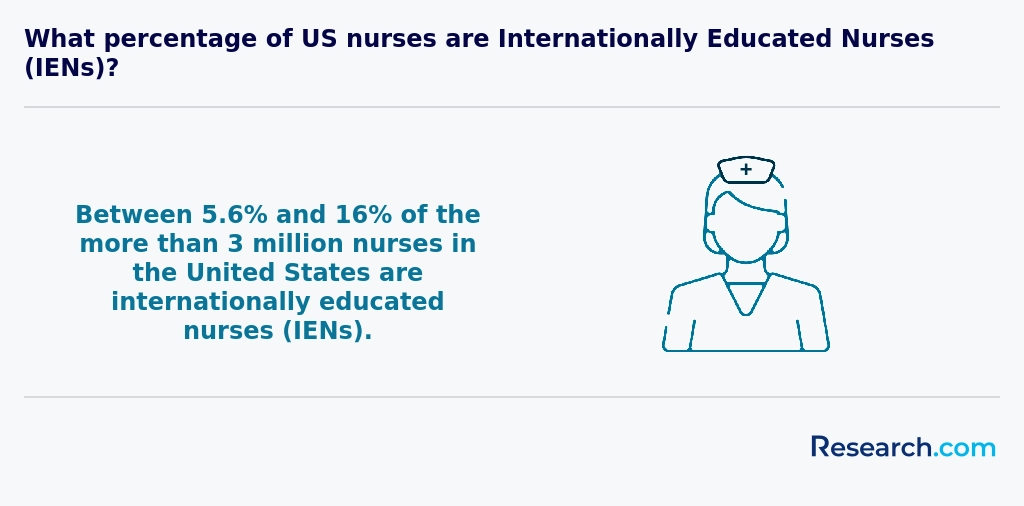
Graduating clinicians must pass the NCLEX-RN exam to obtain licensure. Strong pass rates indicate program quality and predict your readiness for real-world nursing challenges.
- Leading Ontario, CA nursing programs report first-time NCLEX-RN pass rates between 90% and 95%, above the national average of 87%.
- Schools offering dedicated exam prep workshops, simulation labs and faculty-led review sessions consistently achieve higher licensure success.
- After earning RN licensure, many graduates enhance their credentials through accelerated rn to bsn programs without clinicals, boosting career mobility and salary potential.
Imagine diving into courses like Foundations of Nursing Practice at the University of Toronto or Seneca College, where graduates recall the excitement of mastering the basics that shape compassionate patient care. You'll explore Pathophysiology and Pharmacology, gaining a deep understanding of how the body reacts to illness and medicine-essential for making confident decisions in fast-paced hospitals.
Health Assessment classes bring theory to life, as students practice vital skills like taking patient histories and measuring vital signs, preparing for real-world challenges in bustling Toronto clinics or community centers. Courses in Mental Health Nursing and Community Health Nursing open doors to diverse patient populations, cultivating empathy and cultural awareness.
Ethics and Nursing Theory deepen critical thinking, helping graduates reflect on their responsibilities while communicating effectively with patients and healthcare teams. Gerontology classes are often eye-opening, revealing the rewarding aspects of caring for Ontario's growing elderly population.
With practical research methods woven in, Ontario's nursing programs blend science and heart, lighting a path for students eager to make a difference.
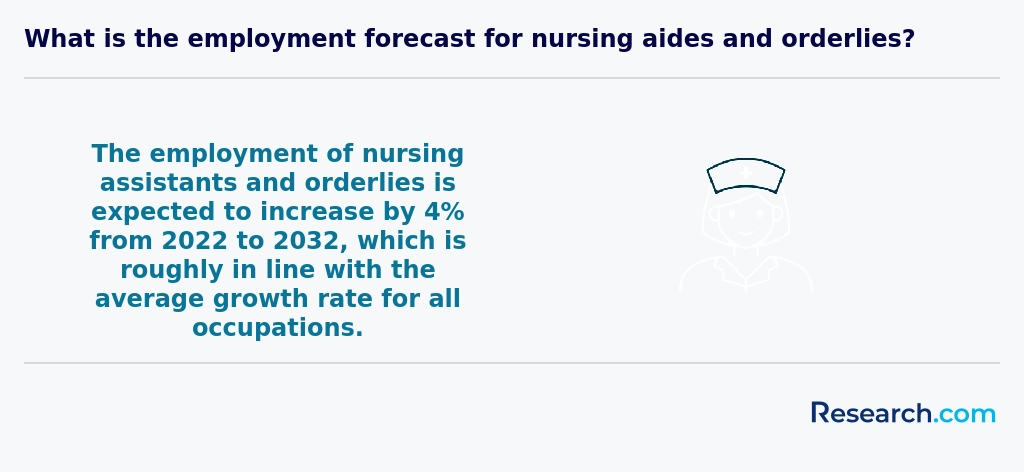
Nursing degree specializations Ontario programs offer are like a treasure trove waiting to be explored by adventurous students. Imagine diving into Primary Health Care, where you engage with vibrant community settings such as schools or clinics, making a real difference right where people live. Or picture the rewarding challenges pediatric nurses face daily, caring for children with empathy in hospitals across Ontario's top universities like the University of Toronto.
Graduates often share how specializing in mental health and psychiatric nursing opened pathways to understanding complex emotional landscapes, honing essential skills like counseling and crisis management. Those fascinated by fast-paced environments find critical care thrilling, working in intensive care units with hands-on experience. Popular Ontario nursing programs with specialization options also include geriatrics and oncology, addressing the needs of aging populations and cancer patients respectively.
Many students recall how focusing on these areas made their BScN studies more meaningful, connecting theory to the pulse of real healthcare demands. Alongside earning competitive salaries, mastering emergency response skills is another rewarding part of their journey.
Choosing the best nursing degree in Ontario is like embarking on a thrilling journey through diverse learning landscapes. Graduates from popular universities often describe the excitement of clinical placements-from bustling urban hospitals in Toronto to serene rural health centers-where theory leaps vividly to life. This hands-on exposure proves invaluable, especially at well-accredited institutions aligned with the College of Nurses of Ontario. Stories abound of students thriving in accelerated BSN programs, balancing past education with intensive study, while others savor the traditional four-year BSN path.
The quest for an affordable nursing school in Ontario means weighing tuition against living costs, which many American students find surprisingly reasonable compared to some US programs. One graduate recalls discovering vibrant campus supports and mentorship that smoothed the path to licensure and employment right in Ontario's healthcare system. When exploring your options, consider not just the curriculum but programs' job placement services and reputation. For those curious about exploring alternative training, checking out LPN programs in SC can also spark valuable context for your nursing education adventure.

Nursing graduates in Ontario discover a world of vibrant career paths, each offering unique chances to impact lives. Many find themselves thriving as Registered Nurses (RNs) in bustling hospitals or community health centers, where they provide hands-on care and develop critical treatment plans. Graduates from top institutions like the University of Toronto or Ryerson University share how Ontario's nursing career opportunities shape their daily work, from comforting pediatric patients to managing complex cases in critical care units. Exploring specialties such as oncology or mental health nursing opens even more doors, allowing nurses to dive deeper into fields they feel passionately about.
As nurses gain experience, opportunities for advancement unfold. Some embrace leadership as Nurse Practitioners, expanding their roles to diagnose and prescribe treatments with graduate training. Others find joy in public health nursing, promoting wellness right in communities around Ontario, a path that's especially rewarding for those curious about broader health impacts. For US students, studying nursing here is also enticing financially, with competitive tuition fees compared to many states-you might discover more about nursing colleges fort worth tuition.
The job prospects for nursing graduates Ontario-wide continue to grow, buoyed by government support and healthcare demand, making it an exciting, dynamic field for anyone ready to explore the vast landscape of nursing careers.
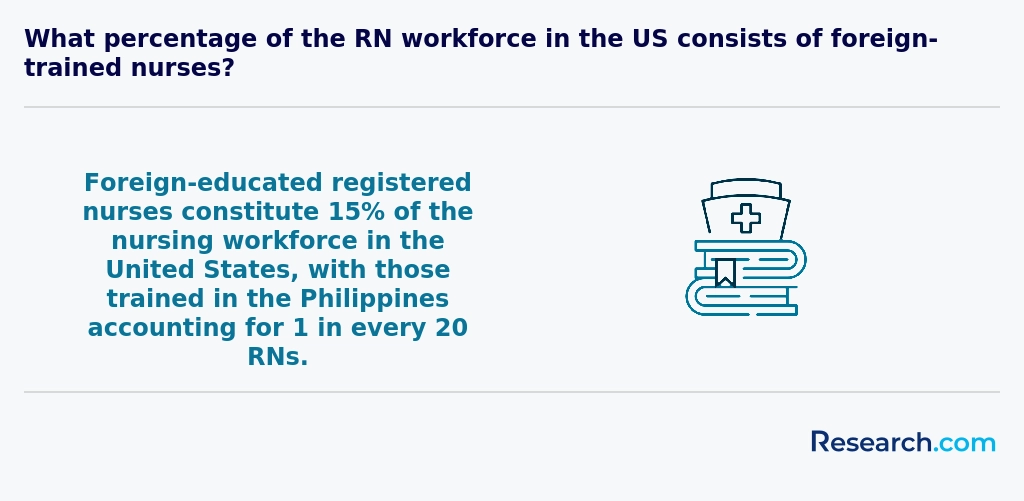
Graduates from nursing programs at popular Ontario institutions often discover a vibrant and accessible job market awaiting them. With an aging population driving demand, universities like the University of Toronto and Ryerson University see their nursing alumni quickly securing roles in hospitals, community care, or specialized fields. The career opportunities for nursing graduates Ontario has are both diverse and stable, allowing new nurses to feel confident as they start their professional journey.
Many students share stories of landing jobs within months after graduation, buoyed by government investments that create fresh positions. Those graduating from colleges such as George Brown benefit from hands-on experience that opens doors to specialties like mental health or gerontology. This dynamic environment encourages nurses to grow with their profession, adapting to areas where care is most needed-especially in northern and rural regions.
For students balancing decisions, tuition fees between CAD $6,000 and $10,000 annually create a compelling alternative to pricier U.S. programs. Additionally, income prospects around CAD $80,000 annually offer a rewarding return on their educational investment. Exploring opportunities in respiratory therapy alongside nursing can reveal fascinating career pathways branching out from traditional roles.
2027 Most Valuable Nursing Degree Programs Ranking in Ontario
Investing in your education is a significant decision that can shape your future, and the Research.com team understands the importance of making informed choices. To support prospective students interested in nursing, we have carefully developed the "2027 Most Valuable Nursing Degree Programs Ranking in Ontario." Our dedication to quality, credibility, and accuracy is demonstrated through detailed research and rigorous analysis in compiling this ranking.
We utilized the following reputable data sources to ensure a comprehensive evaluation of nursing programs:
By exploring this ranking, readers will gain valuable insights into the most impactful nursing degree programs in Ontario, enabling them to make well-informed educational decisions. For more details on our methodology, please visit our Research.com methodology page.
# 1 position
West Coast University-Ontario
Bachelor of Science in Nursing

# 2 position
Arizona College of Nursing-Ontario
Bachelor of Science in Nursing

# 3 position
University of Phoenix-California
Master of Science in Nursing

Frequently Asked Questions About nursing
Nursing degree students in Ontario can maximize their learning experience by actively engaging in both theoretical and practical components of their program. Ontario's nursing programs typically combine classroom instruction with clinical placements, which are essential for developing hands-on skills.
Students should seek diverse clinical experiences in various healthcare settings, such as hospitals, community clinics, and long-term care facilities. This variety broadens clinical competency and understanding of patient care complexities.
According to the Canadian Nurses Association, Ontario has some of the highest standards for nursing education, requiring students to complete at least 1,000 clinical hours before graduation.
Additionally, students benefit from joining professional organizations like the Registered Nurses' Association of Ontario, which offers networking and learning resources.
The nursing field in Ontario is experiencing growth in several emerging niches that reflect broader healthcare trends. One rapidly expanding area is gerontological nursing, driven by Ontario's aging population. According to the Canadian Institute for Health Information, nearly 18% of Ontario's population is over 65, increasing demand for nurses specialized in elderly care.
Another notable niche is nurse informatics, where professionals integrate technology with patient care to improve healthcare outcomes. The rise of digital health records and telemedicine has created significant opportunities here. Additionally, mental health nursing is gaining prominence due to increasing awareness of mental health issues.
These specialized areas are shaping educational programs and career paths for nursing students in Ontario.
After completing a nursing degree in Ontario, preparing for the job market involves several key steps. Graduates should register with the College of Nurses of Ontario (CNO) to obtain licensure, a mandatory process that ensures eligibility to practice.
Networking is essential in Ontario's competitive healthcare sector. Joining professional organizations like the Registered Nurses' Association of Ontario (RNAO) provides valuable connections and resources.
Furthermore, gaining practical experience through internships or co-op placements during your studies enhances employability. Many employers prefer candidates with hands-on experience in diverse clinical settings.
Continuing education and specialization can also improve job prospects, with areas like gerontology and mental health increasingly in demand according to Ontario Health data.
Employers in Ontario highly value nursing graduates who demonstrate strong clinical skills combined with critical thinking. According to the College of Nurses of Ontario, practical knowledge of patient care, infection control, and medication administration are essential.
Communication is another key skill. Nurses must effectively interact with patients, families, and healthcare teams to ensure quality care. The Canadian Nurses Association highlights empathy and active listening as vital components.
Additionally, time management and adaptability are crucial, especially in fast-paced hospital environments where priorities can change rapidly. Familiarity with electronic health records is increasingly requested, reflecting the digital nature of modern healthcare.
Understanding ethical and legal standards in Ontario's healthcare system also ranks highly among employer expectations.
Finding internships in Ontario relevant to a nursing degree involves a few structured steps. Many nursing programs in Ontario include clinical placements as part of their curriculum, which serve as hands-on internships in hospitals, long-term care facilities, or community health centers.
The College of Nurses of Ontario (CNO) requires practical experience, so students should seek programs accredited by the CNO to ensure quality placements. Additionally, students can explore partnerships between colleges and healthcare providers like Ontario Health or Local Health Integration Networks (LHINs).
Networking through academic advisors and using platforms such as the Ontario Student Assistance Program (OSAP) website can help identify available internships. Moreover, organizations like the Registered Nurses' Association of Ontario (RNAO) provide resources and guidance on clinical opportunities, enhancing a student's ability to secure relevant internships.
Obtaining a nursing degree in Ontario significantly enhances career mobility and advancement opportunities within the healthcare sector. According to the College of Nurses of Ontario, registered nurses with a Bachelor of Science in Nursing (BScN) are eligible to register as Registered Nurses (RNs), which opens doors to a wide variety of clinical, administrative, and research positions.
Nurses with advanced degrees often experience higher employability, with data from the Ontario Ministry of Health indicating that BScN graduates have a 12% higher employment rate within six months of graduation compared to diploma holders.
Additionally, a nursing degree facilitates access to specialized roles such as nurse practitioners or leadership positions, which require formal education credentials recognized across healthcare institutions in Ontario. This formal academic foundation also supports eligibility for professional development and postgraduate education, critical for long-term advancement.
Studying for a nursing degree in Ontario equips students with skills essential for interdisciplinary collaboration. Ontario's nursing programs emphasize teamwork with healthcare professionals such as doctors, pharmacists, and social workers. According to the College of Nurses of Ontario, over 70% of nursing tasks require coordination across disciplines to improve patient outcomes.
Curricula include courses on communication, leadership, and ethics, fostering a collaborative approach. Clinical placements often occur in diverse healthcare settings, encouraging real-world interdisciplinary experience. Additionally, Ontario's focus on evidence-based practice prepares nurses to contribute effectively in multidisciplinary teams, improving holistic patient care.
When choosing between a thesis and a non-thesis nursing degree program in Ontario, it is important to consider your career goals and learning preferences. Thesis programs typically involve original research and are suited for students interested in academic or research-focused careers. They often require 1-2 years to complete beyond coursework.
Non-thesis programs emphasize coursework and practical skills, offering a more applied approach to nursing education. These programs appeal to those aiming to advance clinical practice or leadership roles without conducting research.
According to Ontario's College of Nurses, about 30% of graduate nursing students pursue thesis-based programs, reflecting a growing interest in research. Tuition and duration also vary, so it's wise to consult specific universities like the University of Toronto for detailed program information.
Students based in Ontario who wish to study nursing abroad, specifically in the United States, have several options to consider. Many U.S. universities offer Bachelor of Science in Nursing (BSN) programs that accept international applicants, including Canadians. Admission requirements often include proof of English proficiency and evaluation of prior academic credentials.
Popular states for nursing studies include New York, California, and Massachusetts, home to renowned nursing schools with NCLEX-RN pass rates above 85%, indicating strong licensure exam preparation. Costs vary widely; average tuition for out-of-state students ranges from $25,000 to $50,000 USD per year, excluding living expenses.
Ontario students should also be aware that after completing a U.S. nursing degree, they must meet Canadian licensing requirements through the College of Nurses of Ontario (CNO), including credential assessment and examination. Research from the Canadian Nurses Association highlights the importance of confirming program accreditation for easier registration back in Ontario.
Part-time job opportunities in Ontario that complement nursing degree education are varied and valuable. Many students work as personal support workers (PSWs), assisting patients with daily tasks while gaining clinical experience relevant to nursing. According to the Ontario Ministry of Health, PSW roles offer practical exposure to patient care environments, enhancing skills that nursing programs emphasize.
Work as a healthcare aide or medical receptionist can also strengthen communication and organizational skills critical for nurses. Furthermore, roles such as volunteer positions in hospitals or community health centers provide hands-on experience and networking opportunities.
The flexibility of these jobs allows nursing students to balance academic commitments and practical learning effectively. Statistics from the Canadian Nurses Association show that hands-on experience significantly improves licensure exam pass rates and employment success for nursing graduates in Ontario.
Nursing students in Ontario have access to numerous networking opportunities that support their career development. Universities and colleges often host events, career fairs, and workshops focused on nursing, allowing students to connect with healthcare professionals and potential employers. According to the College of Nurses of Ontario, students can join local branches of professional nursing associations like the Registered Nurses' Association of Ontario (RNAO), which offers mentorship programs and networking events.
Clinical placements provide real-world experience and help students build professional relationships within hospitals and community care settings. Additionally, many schools promote student participation in research projects and community health initiatives, further enhancing networking possibilities.
Alumni networks play a crucial role in supporting nursing degree students in Ontario by providing access to professional connections and career guidance. These networks often include experienced nurses who can offer mentorship and advice on navigating the healthcare system in Ontario. According to the Ontario Nurses' Association, strong professional relationships improve job placement rates among new graduates.
Networking opportunities through alumni groups also facilitate information sharing about clinical placements and emerging trends in nursing practice. This can be especially beneficial given Ontario's growing demand for qualified nurses, driven by an aging population and expanding healthcare needs.
Furthermore, alumni networks may offer workshops, job fairs, and continuing education events that enhance skills beyond the classroom, helping students transition smoothly into the workforce.
Customizing a nursing degree program in Ontario to fit your career goals involves selecting courses and experiences that align with your interests within nursing. Many Ontario universities offer specialization options such as gerontology, mental health, or pediatric nursing. These allow students to focus on areas in high demand according to the *Ontario College of Nurses*.
Additionally, students can engage in co-op placements or internships through their programs. This hands-on experience tailors learning toward specific clinical settings like hospitals, community care, or research.
Some schools also provide opportunities to pursue dual degrees or certifications in areas such as healthcare leadership or public health, enhancing career flexibility.
It is important to consult each institution's curriculum guide to identify electives and practicum options best suited to your professional aspirations.
Nursing students in Ontario face several typical challenges during their studies. One major difficulty is managing the rigorous academic workload alongside clinical placements, which often require long hours in healthcare settings. According to the Canadian Nurses Association, many students report high stress due to balancing theory and practice.
Another challenge is the competitive nature of nursing programs in Ontario, where limited seats and high admission standards increase pressure on applicants and students alike. Financial concerns also frequently impact students, as the average tuition for nursing degrees can be substantial, combined with living costs in urban centers like Toronto.
Additionally, students must adapt to evolving healthcare technologies and practices, which require continuous learning beyond standard coursework. Mental health struggles are common, with a 2022 study by the Registered Nurses' Association of Ontario noting that nearly 40% of nursing students experienced anxiety during their program.
With a nursing degree in Ontario, graduates can pursue several professional certifications to enhance their careers and scope of practice. The most common certification is the Registered Nurse (RN) designation, granted through the College of Nurses of Ontario (CNO) after passing the NCLEX-RN exam.
Beyond the RN license, nurses can specialize by obtaining certifications such as Certified Nurse Practitioner (CNP) or Registered Practical Nurse (RPN), which allow for expanded roles in patient care.
Additional credentials include certifications in areas like critical care, pediatrics, oncology, and gerontology, recognized by professional bodies like the Canadian Nurses Association.
These certifications typically require clinical experience plus successful completion of specialty exams, providing more job opportunities and higher earning potential in Ontario's healthcare system.
Applying to a nursing program in Ontario requires careful preparation to create a competitive application. Start by ensuring you meet all academic prerequisites, such as completing biology and chemistry courses with strong grades, as these are commonly required by institutions like the University of Toronto and McMaster University.
Highlight any practical experience in healthcare settings, including volunteering or work in clinics and hospitals. Ontario nursing schools value demonstrated commitment to patient care and teamwork.
Craft a clear and concise personal statement that explains your motivation for nursing, referencing relevant experiences and future goals. According to the College of Nurses of Ontario, communication skills and emotional resilience are key qualities to emphasize.
Finally, prepare for standardized tests or supplemental questionnaires as required, and request strong recommendation letters from academic or healthcare professionals familiar with your abilities.
The nursing profession holds a vital role worldwide, offering diverse career opportunities and strong job security. In the United States, nurses are among the fastest-growing professions, with employment expected to increase by 7% from 2021 to 2031, according to the U.S. Bureau of Labor Statistics. This trend reflects a global demand for skilled healthcare workers, including in Ontario, where nurses play a crucial part in both urban and rural health systems.
Ontario's nursing education aligns with international standards, preparing graduates for mobility and work in various healthcare environments worldwide. Globally, a nursing degree is a respected qualification that opens doors for specialization, leadership roles, and advanced practice.
In addition, organizations such as the World Health Organization emphasize the importance of nursing in strengthening health systems and achieving universal health coverage. This global recognition underscores the value of pursuing a nursing degree for students interested in a career with international relevance.
Students pursuing a nursing degree in Ontario can gain practical experience primarily through clinical placements, which are mandatory components of accredited nursing programs. These placements take place in various healthcare settings, such as hospitals, long-term care facilities, and community health centers, allowing students to apply theoretical knowledge in real-world environments.
The College of Nurses of Ontario requires nursing programs to include extensive hands-on training, typically totaling over 700 clinical hours. This practical experience helps students develop essential skills like patient assessment, care planning, and teamwork under supervision.
Many universities and colleges in Ontario partner with local healthcare providers to facilitate these placements, often offering students opportunities to work alongside experienced nurses and other healthcare professionals.
Additionally, some institutions offer simulation labs that use advanced technology to mimic clinical scenarios, helping students practice safely before interacting with patients directly.
Choosing the right concentration within a nursing degree program in Ontario requires careful consideration of your career goals and interests. Nursing offers various specializations such as pediatrics, mental health, gerontology, and community health, each addressing different patient needs.
Ontario's healthcare system emphasizes practical experience, so look for programs with strong clinical placement opportunities related to your chosen concentration. According to the College of Nurses of Ontario, demand for nurses in specialized fields like gerontology is increasing due to an aging population.
Research current job market trends and salary data from sources like the Ontario Ministry of Health to align your concentration with future employment prospects. Additionally, consider the curriculum and faculty expertise at prospective schools to ensure support for your specialization choice.
- 2027 Most Valuable Nursing Degree Programs Ranking in Saint Paul
- 2027 Most Valuable Nursing Degree Programs Ranking in Minneapolis
- 2027 Most Valuable Nursing Degree Programs Ranking in Milwaukee
- 2027 Most Valuable Nursing Degree Programs Ranking in Detroit
- 2027 Most Valuable Nursing Degree Programs Ranking in Chicago
- 2027 Most Valuable Nursing Degree Programs Ranking in Rochester
- 2027 Most Valuable Nursing Degree Programs Ranking in Peoria
- 2027 Most Valuable Nursing Degree Programs Ranking in Indianapolis
- 2027 Most Valuable Nursing Degree Programs Ranking in Columbus
- 2027 Most Valuable Nursing Degree Programs Ranking in Sioux City
See What Experts Have To Say About Studying Nursing
Read our interview with Nursing experts


- Getting RN Experience After Graduation | All Nursing Schools https://www.allnursingschools.com/articles/getting-rn-experience/
- Top Skills Employers Want in Practical Nursing Graduates https://vervecollege.edu/what-employers-look-for-in-practical-nursing-graduates/
- THE FIELD OF NURSING - FIRST-DEGREE OF STUDIES https://wnoz.wum.edu.pl/pl/content/field-nursing-first-degree-studies
- From nurse to patient: the lessons I have learned about my career from the other side of the health-care relationship https://www.canadian-nurse.com/blogs/cn-content/2024/04/15/from-nurse-to-patient
- Work-life balance | Careers Crossroads https://www.rcn.org.uk/Professional-Development/Your-career/Nurse/Career-Crossroads/Career-Ideas-and-Inspiration/work-life-balance
- Guide to Making a Career Change to Nursing https://teach.com/online-ed/healthcare-degrees/online-msn-programs/career-change-to-nursing/
- Determine Your Career Goals for Nursing https://www.achievetestprep.com/blog/what-are-career-goals-for-nursing
- Nursing Internship and Externship Programs https://jobs.mayoclinic.org/nursinginternexternprograms
- Scholarships & Bursaries • Ontario Nurses' Association https://ona.org/scholarships-and-bursaries/
- Pathways to Nursing https://www.ontariocolleges.ca/en/pathways-to-nursing