
2027 Most Valuable Nursing Degree Programs Ranking in Phoenix

Co-Founder and Chief Data Scientist
Choosing the right nursing degree program in Phoenix is a big step toward a rewarding career. To help you make an informed decision, this article features the 2027 Most Valuable Nursing Degree Programs Ranking in Phoenix, created by the Research.com team of data scientists.
By exploring this ranking, you'll discover which programs offer the best value and opportunities for your future. Pursuing a nursing degree opens doors to meaningful work, personal growth, and job stability. Let this guide support you on your path to success and fulfillment.
Key benefits of getting nursing degree in Phoenix
- Salary for nursing degree graduates: Nursing jobs in Phoenix offer competitive salaries, with Registered Nurses earning a mean annual wage of $94,480, while Operating Room Nurses can earn up to $128,490. These figures reflect strong financial stability and growth potential in the healthcare field.
- Career paths: A nursing graduate from Arizona State University, a popular Phoenix school, can pursue diverse roles such as Public Health Nurse, Emergency Room Nurse, or Clinical Nurse Educator, each offering rewarding opportunities to make a difference. This variety allows you to find a career that matches your passion and skills.
- Online nursing degrees: Earning a nursing degree online, like through the Phoenix-based Grand Canyon University, offers flexible scheduling and the ability to study at your own pace, ideal for balancing work and family life. Online programs also provide access to the same quality education as traditional paths, helping you advance your career without relocating.
- 2027 Most Valuable Nursing Degree Programs Ranking in Phoenix
- What can I expect from nursing degree in Phoenix?
- Where can I work with nursing degree in Phoenix?
What can I expect from nursing degree in Phoenix?
The average cost of a nursing degree in Phoenix varies based on the level and institution, but students can plan for a practical investment toward a rewarding career. For instance, ADN programs within the Maricopa Community Colleges system typically cost between $5,000 and $10,000 for the entire program, making them an affordable path to obtaining licensure. Graduates often share how this cost-effective route allowed them to start working sooner without heavy debt.
On the other hand, a BSN degree from Arizona State University's College of Nursing and Health Innovation usually runs higher, with tuition and fees averaging around $30,000 to $40,000 for the full program. Many students find value in this investment due to ASU's strong clinical partnerships and comprehensive curriculum that enhance their job readiness and NCLEX-RN success rates.
Financial aid, scholarships, and employer tuition reimbursement are commonly used by nursing students in Phoenix to manage costs. Graduates frequently emphasize how these resources made a significant difference, enabling them to focus on gaining hands-on experience, clinical rotations, and achieving their nursing goals without overwhelming financial stress.
Where can I work with nursing degree in Phoenix?
Graduates from nursing programs at institutions like Arizona State University or Grand Canyon University in Phoenix often find diverse job opportunities throughout the city's healthcare system. Many start their careers in hospitals such as Banner Health and HonorHealth, where they apply skills in emergency care, pediatrics, or critical care nursing. These roles offer hands-on experience and are ideal for new graduates aiming to build confidence and clinical expertise.
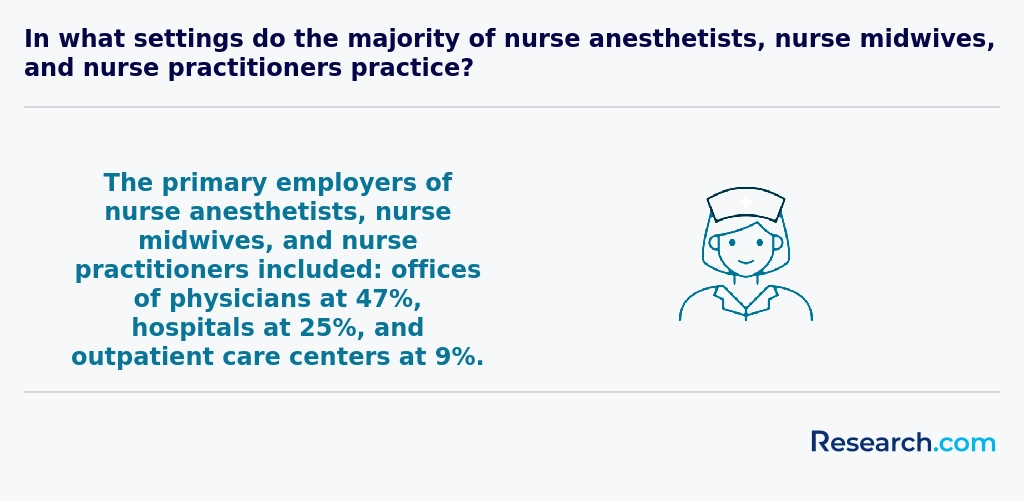
Others pursue positions in outpatient care centers or physician offices, engaging in patient assessments and routine health management, reflecting a growing trend toward outpatient services in Phoenix. Graduates have shared that working in these settings allows for a balanced schedule and meaningful patient interactions.
Long-term care facilities and assisted living centers provide fulfilling roles supporting the elderly, especially with Phoenix's aging population. Nurses often find this rewarding as they help improve daily quality of life while cultivating strong patient relationships.
For graduates interested in community impact, public health departments and nonprofit organizations offer chances to focus on education and wellness programs. Many report feeling proud contributing to healthier neighborhoods across Phoenix.
Home healthcare is another expanding field where nurses deliver personalized care at patients' residences-this option appeals to those seeking flexible hours and close patient connections.
Graduates holding nursing degrees from Phoenix-area schools often find competitive salaries reflecting strong regional demand. Registered Nurses frequently earn around $94,480 annually, backed by stable employment in local hospitals, outpatient clinics, and specialty care centers. This aligns closely with salary data reported for roles such as Clinical Nurse Educator and Public Health Nurse, who also average about $94,480 per year in Phoenix.
Many graduates from Phoenix nursing programs quickly step into Emergency Room Nurse positions, also offering similar pay levels near $94,480, providing challenging yet rewarding work environments. Those who advance into Operating Room Nurse roles can expect significantly higher earnings, with mean annual wages reaching $128,490, reflecting both specialized skills and experience.
For example, graduates from popular institutions in Phoenix often share how advancing their certifications or gaining experience in operating room nursing substantially increases their income, creating a strong motivation to pursue further education or specialized training locally. These real outcomes demonstrate that focusing on roles with higher demand and specialization in Phoenix can lead to satisfying salary growth.
- Nursing programs in Phoenix include ADN and BSN degrees, with ADN costing between $10,000 and $20,000 and BSN ranging from $40,000 to $70,000.
- Additional costs such as textbooks, uniforms, and licensing exam fees are usually not included in tuition estimates.
- Entry-level registered nurses in Phoenix earn about $65,000 annually, with experienced nurses making up to $85,000 or more.
- The job market for nurses in Phoenix is growing steadily due to population growth and expanding healthcare facilities.
- Passing the NCLEX-RN exam is required for licensure in Arizona, and many programs prepare students specifically for this test.
- Phoenix has a lower cost of living compared to other large cities, which can help with financial planning during studies and early nursing careers.
Completing a nursing degree in Phoenix varies based on the program you choose and your background. For example, graduates from community colleges offering ADN programs typically finish in 2 to 3 years. These students often appreciate the quicker pathway into nursing, balancing coursework and clinical hours effectively to enter the workforce sooner.
Students pursuing a BSN at local universities usually spend about 4 years studying full-time. Graduates from these programs frequently mention the rewarding experience of engaging deeply with both theory and clinical practice at nearby hospitals, which prepares them well for better job prospects.
For those who already hold a bachelor's degree, accelerated BSN programs in Phoenix allow completion in just 11 to 18 months-a challenging but exciting option that many find energizing due to the fast pace and focused environment.
Master's level nursing students in Phoenix often take 1.5 to 3 years, many choosing part-time or online courses to juggle family and work. This flexibility helps them advance their careers without sacrificing stability.
Earning your nursing degree in Phoenix is only the first step toward a rewarding career; you must also navigate Arizona’s licensure requirements and certification processes. After completing an accredited program and passing the NCLEX-RN exam, graduates submit fingerprint clearance and a completed Arizona Board of Nursing application. This includes proof of education, background checks, and official transcripts. Many programs offer dedicated NCLEX prep courses, but successful candidates often supplement classroom learning with question banks and practice tests to boost first-time pass rates. Continuing education is mandatory to maintain an active license in Arizona. Registered nurses must complete 30 contact hours of continuing nursing education (CNE) every two years, covering topics such as pharmacology updates, patient safety, and ethics. Specialty certifications-like Medical-Surgical Nursing (CMSRN) or Pediatric Nursing Certification (CPN)-require additional practice hours and a passing score on national exams. These credentials not only enhance clinical expertise but also increase earning potential and job mobility. If you’re considering a role as a Licensed Practical Nurse (LPN) before advancing to RN, or exploring options beyond Arizona, resources on neighboring programs can be invaluable. For instance, aspiring LPNs can research what are the best north carolina lpn programs to compare curriculum structure, clinical hours, and licensure outcomes. By understanding these pathways up front, Phoenix nursing students can plan clear steps from graduation to board certification and long-term career growth.
Choosing between online and on-campus nursing degrees in Phoenix hinges on your lifestyle and learning preferences. Graduates from Arizona State University often praise on-campus programs for their hands-on labs and face-to-face faculty support, which make complex skills tangible and build confidence in clinical settings.
Alternatively, nursing students from Grand Canyon University share how online programs gave them the flexibility to work part-time and manage family responsibilities while completing coursework remotely. However, like every Phoenix nursing candidate, they arranged local clinical hours at nearby hospitals to meet Arizona Board of Nursing requirements.
While on-campus learners benefit from direct interaction and peer networking, online students appreciate controlling their schedules. Both paths cost roughly $8,000 to $12,000 annually for residents and lead to the same licensure exam preparation, ensuring equal career opportunities.
Consider your personal routine and support needs when picking a program to succeed in Phoenix's nursing field.
One of the hallmarks of top nursing programs in Phoenix, AZ, is the depth of faculty expertise and the robustness of research opportunities available to students. Phoenix-area institutions boast nursing professors with diverse backgrounds in clinical practice, academic scholarship, and leadership roles within major healthcare organizations. Many faculty members hold doctoral degrees and maintain active research agendas in areas such as geriatric care, community health, and evidence-based practice, ensuring that coursework is informed by the latest industry developments. Students benefit from a low student-to-faculty ratio, allowing for personalized mentorship and guidance on capstone projects or independent studies. Research labs on campus provide hands-on experience in topics like patient safety, telehealth innovations, and health equity, while partnerships with local hospitals facilitate clinical trials and data-driven quality improvement initiatives. Faculty-led seminars and journal clubs encourage critical appraisal skills, preparing graduates to contribute to peer-reviewed publications and present at national conferences. For those aiming to extend their academic journey, Phoenix nursing students can leverage this strong mentorship network when considering doctoral studies. Prospective DNP candidates should explore the Most Affordable Online Doctorate in Nursing Degree Programs Ranking in the Northeast to identify cost-effective pathways that emphasize faculty-driven research. With dedicated support from seasoned educators and access to cutting-edge research infrastructure, nursing students in Phoenix are well-positioned to drive innovation and improve patient outcomes across diverse healthcare settings.
The average cost of obtaining a nursing degree in Phoenix varies significantly based on several factors, including residency status and type of program. Data shows that the median total cost for completing a nursing degree in Phoenix is around $18,428, while in-state students typically pay about $9,552. These figures reflect tuition and mandatory fees, demonstrating why understanding the average nursing degree cost in Phoenix is essential for budgeting.
Graduates from well-known nursing programs in Phoenix often share that public universities offer more affordable options, especially for Arizona residents. Their experience highlights how pursuing an in-state tuition rate can reduce the financial burden considerably. For instance, many students find community college ADN programs a cost-effective choice, which usually come with a lower overall price tag compared to four-year BSN degrees.
Additionally, nursing students often face costs beyond tuition. Expenses like textbooks, uniforms, clinical fees, and licensing exam preparation contribute to the total price of nursing programs Phoenix learners encounter. Budgeting for these extra costs early on helps prevent unexpected financial strain during the program.
Many find success by utilizing scholarships and financial aid available locally. The Arizona Board of Nursing and various universities offer assistance tailored to nursing students. Exploring options at popular schools can offer more than just education; it can lead to vital financial support and exposure to the most valuable nursing school in arizona to maximize return on investment.

Earning your nursing degree is the first step toward Arizona licensure and excelling on the NCLEX-RN exam. Key requirements and success factors include:
- Complete an accredited program (CCNE or ACEN) to qualify for licensure
- Submit application, fingerprint clearance and background check to the Arizona State Board of Nursing
- Schedule and pass the NCLEX-RN exam, with top Phoenix programs reporting first-time pass rates of 90–95%
- Leverage simulation labs, review courses and mentorship to boost exam readiness
For students seeking affordable BSN routes with strong NCLEX support, explore cheapest bsn programs.
Students pursuing nursing degrees in Phoenix often find federal aid an essential support. Applying through FAFSA qualifies many for Pell Grants, which can cover up to $7,395 per year without repayment, a relief celebrated by graduates from Arizona State University. Federal Direct Loans also offer manageable interest rates and flexible repayments, easing financial stress during studies.
State-specific programs like the Arizona Nursing Scholarship are another practical option. This scholarship supports students who agree to work in underserved Arizona areas, directly benefiting communities while easing tuition burdens at schools such as Grand Canyon University.
Hospitals in Phoenix frequently provide employer-sponsored tuition reimbursement or loan forgiveness, rewarding graduates committed to local healthcare. These programs transform the challenge of cost into a motivating opportunity.
Private scholarships through organizations like the American Association of Colleges of Nursing offer competitive but valuable financial boosts. Many nursing students have successfully combined these with military benefits like the GI Bill, making education affordable while opening paths to service and career growth.
Nurses seeking to elevate their careers often pursue advanced degrees and certifications, expanding their clinical expertise and leadership capabilities. One popular route is the Doctor of Nursing Practice (DNP), which prepares graduates for roles in healthcare administration, policy, and advanced clinical practice. Institutions in Phoenix and nationwide now offer streamlined tracks for experienced RNs to fast-track their education via online dnp accelerated programs, allowing professionals to balance work, family, and study. Beyond the DNP, specialized certifications-such as Nurse Practitioner, Clinical Nurse Specialist, and Nurse Educator credentials-enable nurses to focus on populations like pediatrics, mental health, or community health. Continuing education options include post-master’s certificates and short courses in areas like informatics, palliative care, and quality improvement. Many programs integrate simulation labs, telehealth practicum, and interdisciplinary collaboration, ensuring that graduates remain at the forefront of evidence-based practice. Financial incentives, such as loan forgiveness for advanced practice roles and employer-sponsored tuition assistance, make these pathways more accessible. Graduates report that advanced qualifications often translate into higher salaries, leadership positions, and increased autonomy. By investing in continuing education and advanced practice, nursing professionals in Phoenix can not only meet evolving healthcare demands but also drive innovation and improve patient outcomes across diverse settings.
To enroll in a nursing degree in Phoenix, start by securing a high school diploma or GED, which is the foundational requirement at schools like Arizona State University or Maricopa Community Colleges. Many graduates recall how completing biology, chemistry, and math classes helped them grasp core concepts essential for nursing success.
Next, prepare for the Test of Essential Academic Skills (TEAS), common across Phoenix programs. This exam tests your skills in reading, math, science, and English-areas that recent grads found crucial in both coursework and clinical settings. Passing it boosts your confidence and readiness to tackle nursing challenges.
Health and safety are priorities, so gather your immunization records and be ready for a background check. Students have found this step straightforward but important for patient trust and complying with Arizona's regulations.
For BSN candidates, some college credits in anatomy or psychology may be required, or you might present a prior degree. Personal statements, recommendation letters, and interviews often complete the application, helping schools gauge your motivation and communication skills-qualities that successful graduates highlight as key to their acceptance and growth in their programs.

Choosing a valuable nursing school in Arizona is essential for prospective nursing students, as it can significantly impact their career trajectory and job prospects. When evaluating nursing programs, students should consider factors such as program quality, job placement rates, and student satisfaction. For those looking to pursue a nursing degree in Arizona, researching and comparing different programs is crucial. By exploring resources like valuable nursing school in arizona, students can gain insights into the top nursing programs in the state, helping them make informed decisions about their educational paths. Ultimately, selecting a reputable and valuable nursing school in Arizona can lead to better career outcomes, higher salaries, and greater job satisfaction for nursing graduates.
Nursing degree programs in Phoenix typically include a mix of foundational science and specialized nursing courses, ensuring students build both broad and focused skills. At well-known institutions like Arizona State University's College of Nursing, graduates often highlight how courses in anatomy, physiology, microbiology, and chemistry provide essential understanding of the human body early on.
Alongside these sciences, nursing students in Phoenix dive into practical, nursing-specific classes such as Fundamentals of Nursing Practice and Pharmacology. These courses prepare you to administer medications safely and deliver care confidently.
Many students find courses on Adult and Geriatric Nursing Care, Pediatric Nursing, and Mental Health Nursing particularly valuable because they simulate real-life challenges faced in local hospitals. For example, hands-on scenarios during Community and Public Health Nursing courses help students connect with diverse Phoenix populations.
Leadership and Health Assessment classes are also key, empowering graduates to make quick clinical decisions and manage teams effectively, skills essential in busy healthcare settings throughout Phoenix.
In Phoenix, nursing degree specializations offer practical paths tailored to diverse healthcare needs. Popular tracks include Registered Nurse (RN) to Bachelor of Science in Nursing (BSN), which many graduates pursue to gain leadership skills and public health knowledge. Others choose Licensed Practical Nurse (LPN) to RN programs, a solid option for hands-on skill development and career progression. Family Nurse Practitioner (FNP) specialization is highly regarded locally, with graduates often excited by the opportunity to provide comprehensive primary care across all ages in Phoenix's growing healthcare market.
Students at Arizona State University and Grand Canyon University frequently share how Psychiatric-Mental Health Nursing specialization allows them to meet Arizona's rising demand for mental health services, working in diverse settings from clinics to community programs. Geriatric Nursing is another sought-after option, preparing nurses to care for Phoenix's aging population with chronic health challenges.
Exploring what are the best north carolina lpn programs also offers valuable perspective for those comparing career options. Choosing a specialization in a Phoenix nursing program career options ensures graduates are ready to contribute meaningfully to the community and thrive professionally.
When choosing the best nursing degree in Phoenix, start by verifying the program's accreditation, such as CCNE or ACEN, to ensure it meets national standards. Many graduates from Arizona State University and Maricopa Community Colleges share how accredited programs gave them confidence and smooth paths to licensure. Consider the format and flexibility-community colleges often offer affordable nursing schools Phoenix AZ with schedules that fit working students.
Cost is a major factor. Public four-year institutions in Phoenix average around $10,000 yearly for in-state tuition, while community colleges charge about $3,500. Graduates often mention how investing in a Bachelor of Science in Nursing (BSN) boosted their job prospects and salary, especially in local hospitals that prefer BSN-prepared nurses.
Finally, check NCLEX-RN pass rates and clinical opportunities. Schools partnering with Phoenix healthcare providers give students hands-on experience that graduates find invaluable. For those aiming even higher, exploring online dnp accelerated programs can be a smart next step to advance your nursing career.
Graduates of nursing programs in Phoenix often find a variety of career paths open to them. Many start as Registered Nurses (RNs), working in hospitals or clinics around the city, gaining valuable hands-on experience. Those who earned a Bachelor of Science in Nursing (BSN) from popular Phoenix institutions can advance into roles like Nurse Practitioners or Clinical Nurse Specialists, enjoying higher salaries and expanded responsibilities. Some graduates specialize in areas such as pediatrics or emergency care, deepening their expertise while serving specific patient groups.
Numerous nursing graduates in Phoenix also explore non-clinical roles. Opportunities in healthcare administration, education, or public health allow professionals to apply their clinical knowledge in new ways. For those considering further education, checking out the Most Affordable Online Doctorate in Nursing Degree Programs Ranking in the Northeast can provide guidance on affordable pathways to advanced degrees, enhancing career prospects.
With demand rising for nursing careers in Phoenix Arizona, graduates feel confident about stable job opportunities and rewarding work environments.
The job market for nursing degree holders in Phoenix is robust, with strong demand across hospitals, clinics, and long-term care facilities. Graduates from popular nursing programs at universities and community colleges in Phoenix often share how quickly they found positions due to the city's growing healthcare sector. Employers particularly seek nurses with practical experience, making internships and clinical rotations vital for job opportunities in Phoenix. Many recent graduates highlight how entry-level roles supported by an Associate Degree in Nursing (ADN) or Bachelor of Science in Nursing (BSN) opened pathways for advancement.
Those pursuing specialized roles such as nurse practitioners or nurse anesthetists find even more attractive opportunities and higher salaries locally. Students benefit from accessible accelerated programs college options in Phoenix, which help them enter the workforce faster. Understanding Phoenix nursing degree employment outlook can guide you to focus on skills and certifications aligned with regional healthcare needs, maximizing your career potential.
2027 Most Valuable Nursing Degree Programs Ranking in Phoenix
Investing in your education is a significant decision that can shape your future, and the Research.com team understands the importance of making informed choices. To assist prospective students in Phoenix, we have meticulously crafted the "2027 Most Valuable Nursing Degree Programs Ranking in Phoenix." Our commitment to quality, credibility, and accuracy is reflected in the extensive research and analysis conducted to compile this ranking.
We utilized the following reputable data sources to ensure a comprehensive evaluation of nursing programs:
By exploring this ranking, readers will gain valuable insights into the most valuable nursing degree programs in Phoenix, empowering them to make informed decisions about their educational and professional futures. For more details on our methodology, please visit our Research.com methodology page.
# 1 position
University of Phoenix-Arizona
Doctor of Nursing Practice

# 2 position
University of Phoenix-Arizona
Master of Science in Nursing
# 3 position
Aspen University
Bachelor of Science in Nursing

# 4 position
University of Phoenix-Arizona
Bachelor of Science in Nursing
# 5 position
Aspen University
Master of Science in Nursing

# 9 position
Chamberlain University-Arizona
Bachelor of Science in Nursing

# 10 position
Aspen University
Doctor of Nursing Practice
Frequently Asked Questions About nursing
Nursing degree students in Phoenix can maximize their learning by actively engaging in both classroom instruction and clinical practice. Phoenix has several accredited nursing programs, including Arizona State University, offering access to diverse clinical settings. Students should seek out hands-on experiences in local hospitals such as Banner Health, which employs over 10,000 nurses-providing ample opportunities for internships and networking.
Utilizing resources like simulation labs enhances critical thinking and practical skills. According to the Arizona Board of Nursing, Phoenix's growing healthcare workforce demands nurses well-prepared in technology and patient care.
Joining local nursing associations and attending workshops can also build professional connections. Additionally, balancing coursework with time management is crucial for success in rigorous nursing programs.
The nursing field in Phoenix is rapidly evolving, with several emerging niches attracting attention from students and professionals alike. One significant area is **telehealth nursing**, which has grown steadily due to increased demand for remote patient care. The Arizona Department of Health Services reports a 35% rise in telehealth services since 2020, highlighting this trend.
Another expanding niche is **geriatric nursing**, reflecting Phoenix's aging population; nearly 15% of residents are over 65, according to the U.S. Census Bureau. Nurses specializing in elder care, chronic disease management, and palliative care are in higher demand.
Additionally, **mental health nursing** stands out, driven by rising awareness of behavioral health issues. The state's health agencies emphasize integrated care models, placing specialized nurses at the forefront of patient support.
After completing a nursing degree in Phoenix, preparation for the job market involves several key steps. First, obtaining licensure through the National Council Licensure Examination (NCLEX-RN) is essential to practice as a registered nurse in Arizona. The Arizona State Board of Nursing manages this process.
Networking is also crucial; joining local organizations like the Arizona Nurses Association can connect graduates with job opportunities and professional development. Additionally, gaining experience through internships or clinical rotations in Phoenix-area hospitals increases employability, especially given the region's healthcare growth.
According to the Arizona Office of Economic Opportunity, nursing jobs are projected to grow by 20% in Phoenix by 2028. Staying updated on local job market trends and continuing education can improve career prospects.
Employers in Phoenix highly value nursing graduates who demonstrate strong clinical skills such as patient care, medication administration, and wound management. According to the Arizona Nursing Workforce report, over 80% of healthcare facilities in Phoenix prioritize practical proficiency and critical thinking in their hires. Effective communication is essential, as nurses often serve as liaisons between patients, families, and medical teams. Additionally, cultural competence is important due to Phoenix's diverse population, helping nurses provide inclusive care. Time management and adaptability also rank among top skills, enabling graduates to handle fast-paced clinical environments efficiently while meeting patient needs accurately.
Finding nursing internships in Phoenix involves strategic searching and networking within the state's healthcare community. Many nursing programs in Phoenix, including those at Arizona State University and Phoenix College, have partnerships with local hospitals and clinics, offering students access to clinical placements.
Prospective interns should explore opportunities at major medical centers such as Banner Health and Phoenix Children's Hospital, which host numerous nursing internships annually. The Arizona Nurses Association also provides resources and listings for nursing internships in the region.
Additionally, checking with the Arizona State Board of Nursing can help verify program eligibility and state-required clinical experience components. Online platforms like the HealthcareJobsite may list local Phoenix internships relevant to nursing students.
A nursing degree plays a crucial role in career mobility and advancement within Phoenix's healthcare sector. With a growing demand for skilled nurses, obtaining an accredited degree opens opportunities for higher-paying positions and specialized roles. According to the Arizona Department of Economic Security, the Phoenix metropolitan area is projected to add over 5,000 nursing jobs by 2030, highlighting strong local demand.
Advanced degrees, such as BSN or MSN, often qualify graduates for leadership roles and specialties like nurse practitioner or clinical nurse specialist. Many hospitals in Phoenix, including Banner Health, emphasize higher education for promotion and salary increases. In essence, nursing degrees enhance employability and create pathways for upward movement within the dynamic Phoenix healthcare landscape.
Studying for a nursing degree in Phoenix equips students to work effectively in interdisciplinary healthcare teams. Programs emphasize collaboration with professionals like physicians, pharmacists, and social workers to improve patient outcomes. The curriculum typically includes courses on communication, healthcare ethics, and teamwork, which are vital for integrated care settings.
Local institutions align their training with standards from organizations such as the American Association of Colleges of Nursing (AACN), ensuring graduates can adapt to diverse clinical environments. According to the Arizona Board of Nursing, over 60% of Phoenix nurses report working in interdisciplinary teams, reflecting the region's healthcare structure.
Choosing between a thesis and a non-thesis nursing degree program in Phoenix depends largely on your career goals and learning preferences. Thesis programs usually require original research and are ideal for students interested in advanced nursing roles or pursuing a doctorate. They emphasize critical thinking and academic inquiry.
Non-thesis options typically focus on practical skills and coursework, which suits students aiming to enter clinical roles quickly or advance in nursing management. According to the Arizona Board of Nursing, Phoenix offers both paths through accredited universities, with graduation rates around 85% for both.
Consider job requirements, time commitment, and your interest in research before deciding.
Students based in Phoenix interested in studying nursing abroad have several options, primarily through partnerships between local institutions and international programs. Many Phoenix nursing schools, including Arizona State University, offer study abroad opportunities or exchange programs that allow students to gain global clinical experience.
These programs often focus on destinations in Canada, the United Kingdom, or Australia due to similar healthcare standards and English language accessibility. Additionally, students can explore approved international clinical internships, which count toward their degree requirements under U.S. nursing accreditation standards.
According to the Arizona Board of Nursing, credits earned abroad must align with U.S. education standards to be recognized for licensure.
Part-time job opportunities in Phoenix that complement nursing degree education often include roles like certified nursing assistant (CNA), medical scribe, and patient care technician. According to the Arizona Department of Health Services, CNAs in Phoenix earn a median hourly wage around $14, which helps students gain clinical experience while supporting their studies.
Medical scribes assist physicians by documenting patient encounters and can deepen understanding of medical terminology and workflow. This job is often flexible, fitting well with academic schedules.
Hospitals in Phoenix, such as Banner Health and Mayo Clinic, frequently offer part-time positions in patient transport or outpatient care, providing exposure to healthcare environments. These roles enhance both practical skills and resumes for future nursing careers.
Nursing students in Phoenix have access to numerous networking opportunities that can enhance their education and career prospects. Local organizations like the Arizona Nurses Association (ANA) host regular events, workshops, and conferences aimed at students and professionals. These gatherings provide valuable chances to connect with experienced nurses and healthcare leaders.
Phoenix also hosts health fairs and simulation labs at institutions such as Arizona State University, fostering practical connections. Many hospitals and clinics in the area, including Banner Health and Mayo Clinic, offer student internships and mentorship programs, helping students build professional relationships early.
According to the Arizona Board of Nursing, the state had over 50,000 licensed nurses in 2023, creating a broad local network for students entering the field.
Alumni networks offer significant benefits to nursing degree students in Phoenix by providing valuable professional connections. In a city with a growing healthcare sector, such networks help students access mentorship opportunities and job referrals, which can be crucial in a competitive market. According to the Arizona Nurses Association, Phoenix's nursing workforce is expected to grow by over 15% by 2030, increasing the importance of solid professional ties.
Through alumni events and online groups, students can engage with experienced nurses who understand local healthcare challenges. This support aids in career development and staying updated on industry trends. Hospitals in Phoenix often prefer candidates recommended through alumni networks, improving hiring success.
Customizing a nursing degree program in Phoenix to fit your career goals involves selecting the right specialization and flexible course options. Many Phoenix schools offer pathways such as registered nurse (RN) to bachelor of science in nursing (BSN) or accelerated BSN programs, allowing students to tailor their education to their experience and timeline.
Specializations like gerontology, pediatrics, or emergency nursing can align your studies with your intended work environment. Practicums and clinical rotations in Phoenix healthcare facilities provide hands-on experience in diverse settings, which is vital for career focus.
The Arizona Board of Nursing supports various certification options that complement academic degrees, enhancing employability and expertise.
Nursing students in Phoenix often face several notable challenges during their education. One common issue is the intense competition for clinical placements, especially in well-known hospitals and healthcare centers. According to the Arizona Board of Nursing, the demand for clinical sites surpasses availability, causing delays in practical training.
Another challenge is managing the rigorous coursework alongside personal or work commitments. Many students balance part-time jobs or family responsibilities while attending demanding programs. Studies show that nursing programs in Arizona have a dropout rate around 20%, often linked to stress and workload.
Additionally, students must navigate financial barriers. Tuition and related costs rise steadily, and while some scholarships exist, they may not cover all expenses. Licensing exam pass rates in Phoenix hover near the national average, but students stress over preparation for the NCLEX-RN test. These factors combine to create a challenging environment for nursing students in Phoenix.
With a nursing degree, graduates in Phoenix can pursue a variety of professional certifications to enhance their careers. One popular certification is the Registered Nurse (RN) licensure, required to practice nursing officially. Beyond that, certifications such as Certified Nurse Practitioner (CNP), Certified Nurse Midwife (CNM), and Certified Registered Nurse Anesthetist (CRNA) offer advanced specialization.
Additional credentials include certifications in pediatric nursing, gerontological nursing, and critical care nursing. Phoenix nursing professionals often pursue the American Nurses Credentialing Center (ANCC) certifications, recognized nationwide.
The demand for certified nurses in Phoenix is growing, with the Arizona Center for Nursing reporting a steady increase in advanced practice roles and specialty certifications due to expanding healthcare needs locally.
Writing a winning application for a nursing program in Phoenix requires clear focus and preparation. Start by ensuring your academic records meet the program's minimum GPA, typically around 3.0, as reported by the Arizona Board of Regents. Nursing schools often require prerequisite courses such as biology and chemistry, so list these clearly on your transcript. Highlight relevant healthcare experience, including volunteer or work hours, which Phoenix programs like those at Arizona State University value highly.
Strong letters of recommendation from healthcare professionals or educators can significantly boost your application. Personal statements should emphasize your motivation for nursing and understanding of local healthcare challenges, such as serving Phoenix's diverse population. Many nursing schools also require passing the TEAS exam with competitive scores. Always check each school's specific guidelines to tailor your application effectively.
Nursing is a globally respected career, offering varied opportunities across many countries. In the United States, including Phoenix, the nursing field is growing rapidly, with the Bureau of Labor Statistics projecting a 9% increase in registered nurse jobs from 2020 to 2030. This mirrors trends worldwide as populations age and healthcare needs increase.
Internationally, nursing education standards vary, but U.S. degrees, including those from Phoenix institutions, are often highly valued. Many organizations recognize U.S. nursing credentials, making it easier for graduates to work abroad or participate in global health initiatives.
Strong clinical training and licensing exams like the NCLEX-RN ensure quality and safety, which is vital globally. Phoenix nursing programs often emphasize cultural competence, preparing students to serve diverse populations locally and internationally, aligning with global healthcare trends.
Gaining practical experience while studying for a nursing degree in Phoenix is essential for career readiness. Most nursing programs in the city incorporate clinical rotations at local hospitals, such as Banner Health and Phoenix Children's Hospital. These rotations provide hands-on patient care under professional supervision.
Additionally, many students participate in externships or internships, often arranged through their schools. These opportunities allow students to apply classroom knowledge in real-world settings, enhancing skills like patient communication and emergency response.
Community health centers and long-term care facilities in Phoenix also offer volunteer roles suitable for nursing students seeking practical exposure. According to the Arizona Board of Nursing, clinical hours completed during education are mandatory for licensure, reinforcing the emphasis on practical training.
Choosing the right concentration within a nursing degree program in Phoenix involves considering your interests, career goals, and the local healthcare job market. Phoenix, with its growing healthcare sector, offers concentrations like pediatric nursing, geriatric care, and critical care nursing. According to the Arizona Department of Health Services, the demand for nurses specializing in chronic disease management and elderly care is rising due to the region's aging population.
Evaluate programs that align with licensure requirements from the Arizona State Board of Nursing and those that provide clinical placements in reputable local hospitals. Research shows that graduates with specialized skills in areas such as emergency nursing often experience higher employment rates in Phoenix healthcare facilities. Additionally, consider opportunities for certification and continuing education in your chosen concentration to enhance your career prospects.
- 2027 Most Valuable Nursing Degree Programs Ranking in Tempe
- 2027 Most Valuable Nursing Degree Programs Ranking in Las Vegas
- 2027 Most Valuable Nursing Degree Programs Ranking in San Diego
- 2027 Most Valuable Nursing Degree Programs Ranking in Los Angeles
- 2027 Most Valuable Nursing Degree Programs Ranking in Colorado Springs
- 2027 Most Valuable Nursing Degree Programs Ranking in Denver
- 2027 Most Valuable Nursing Degree Programs Ranking in San Francisco
- 2027 Most Valuable Nursing Degree Programs Ranking in Austin
- 2027 Most Valuable Nursing Degree Programs Ranking in Lincoln
- 2027 Most Valuable Nursing Degree Programs Ranking in Portland
See What Experts Have To Say About Studying Nursing
Read our interview with Nursing experts

Lisa Grubb
Nursing Expert
Assistant Professor
Johns Hopkins School of Nursing

- THE FIELD OF NURSING - FIRST-DEGREE OF STUDIES https://wnoz.wum.edu.pl/pl/content/field-nursing-first-degree-studies
- How Much Can I Earn With a BSN? https://www.allnursingschools.com/bsn/salary/
- School of Nursing Alumni Resources https://nursing.utmb.edu/About/Alumni
- Career Advancement Pathways for Nurses : Expert RN shares 10+ Professional growth opportunities - MuminMed https://blog.muminmed.com/career-advancement-pathways-for-nurses/
- Search our Job Opportunities at USPI https://careers.uspi.com/employment/phoenix-nursing-jobs/1127/1673/6252001-5551752-5303754-5308655/4
- What Nursing Concentration Is Right for Me? | Maryville Nursing https://nursing.maryville.edu/blog/what-nursing-concentration-is-right-for-me
- Advanced Nursing Degrees Beyond Bedside | University of Phoenix https://www.phoenix.edu/articles/nursing/advanced-nursing-degrees-beyond-the-bedside.html
- Nursing School & Healthcare College of AZ and NM | Brookline College https://www.brooklinecollege.edu/
- How to Write https://esign.com/letter-of-intent/school/nursing/
- Top Cities for Nursing Careers: Phoenix https://imagine-america.org/blog/top-cities-nursing-careers-phoenix


