
2027 Most Valuable Nursing Degree Programs Ranking in Tempe

Co-Founder and Chief Data Scientist
Choosing the right nursing degree program in Tempe is an important step toward a rewarding healthcare career. Our article features the 2027 Most Valuable Nursing Degree Programs Ranking in Tempe, created by the Research.com team of data scientists to help you make an informed decision.
By exploring this ranking, you'll gain valuable insights into programs that offer the best opportunities for success, growth, and fulfillment. Whether you're starting fresh or advancing your education, finding the right fit can boost your confidence and pave the way to a meaningful future in nursing.
Key benefits of getting nursing degree in Tempe
- Nursing degree graduates in Tempe can earn competitive salaries, with Registered Nurses and Public Health Nurses earning about $94,480 annually, while Operating Room Nurses can make up to $128,490 per year.
- Career paths are diverse, ranging from clinical nursing roles to educator positions, offering exciting opportunities for growth and specialization that a graduate from Arizona State University could pursue.
- Completing a nursing degree online in Tempe offers flexibility and convenience, letting students balance studies with life commitments while gaining the same quality education as traditional programs.
- 2027 Most Valuable Nursing Degree Programs Ranking in Tempe
- What can I expect from nursing degree in Tempe?
- Where can I work with nursing degree in Tempe?
What can I expect from nursing degree in Tempe?
The average cost of a nursing degree in Tempe generally falls between $10,000 and $15,000 annually for in-state students at public institutions like Arizona State University. Many nursing students appreciate this affordability, finding it manageable alongside part-time work or family commitments. One graduate shared how flexible scheduling and available financial aid helped them balance classes with their job, making the investment in their education feel less overwhelming.
Students pursuing nursing at ASU often benefit from scholarships and financial support geared toward healthcare professions, which further reduce out-of-pocket expenses. The combination of classroom learning and clinical rotations within local hospitals offers hands-on experience without incurring extra travel costs, adding value to the tuition paid.
Graduates emphasize that the reasonable costs combined with solid preparation for the NCLEX-RN exam contribute to a rewarding pathway toward a stable nursing career. Knowing that the tuition stays within a practical range allows many to focus on mastering skills and gaining confidence in patient care during their studies in Tempe.
Where can I work with nursing degree in Tempe?
Graduates from nursing programs at institutions like Arizona State University in Tempe find a broad spectrum of employment opportunities across the city's healthcare landscape. Many quickly secure positions at major hospitals such as Tempe St. Luke's Hospital or Banner Health, where they gain hands-on experience in acute care, emergency departments, or specialized nursing fields. This practical exposure often boosts their confidence and skill set in fast-paced clinical environments.
Others choose rewarding roles in community clinics and long-term care facilities, like those operated by Maricopa Integrated Health System. Here, nurses engage deeply with patient education and chronic disease management, fostering strong community connections that many graduates find fulfilling. Several alumni share how working in ambulatory care centers or urgent care clinics has allowed them to apply advanced nursing skills in settings that emphasize accessibility and patient-centered care.
Public health departments, including Maricopa County's, also offer nursing roles focused on immunizations and disease prevention. Graduates passionate about impacting population health often thrive in these programs, finding purpose in their efforts to improve the wellbeing of Tempe's diverse communities.
Graduates of nursing programs in Tempe, such as those from Arizona State University, can expect to earn competitive salaries aligned with regional demand. Registered Nurses typically earn a mean annual wage of around $94,480, reflecting strong opportunities in local hospitals and clinics. Many recent graduates start around $60,000 to $70,000 depending on their degree and certifications, matching well with the wider market.
For those pursuing specialized roles, like Emergency Room Nurses, wages remain steady near the $94,480 mark, while Operating Room Nurses have shown potential to earn significantly more-about $128,490 annually. These figures highlight the value of additional training and certifications offered by Tempe's nursing programs to boost career growth and income.
Graduates often share positive feedback about the practical experiences gained during clinical rotations nearby, which directly impact their readiness and earning potential. Embracing specialization and certifications can transform a nursing career in Tempe into a financially rewarding and fulfilling path.
- Arizona State University in Tempe offers multiple nursing degree options, including BSN, MSN, and accelerated programs.
- Tuition for a BSN at a public university like ASU ranges from $12,000 to $15,000 per year for in-state students, with community colleges offering ADN programs under $5,000 annually.
- Entry-level nursing salaries in Tempe average about $65,000 per year, while experienced nurses earn between $85,000 and $95,000 annually.
- Nursing jobs in Tempe are expected to grow by roughly 15% over the next decade, driven by increased healthcare needs.
- Most nursing programs in Tempe are accredited by CCNE or ACEN, which is important for licensure and taking the NCLEX-RN exam.
Completing a nursing degree in Tempe typically takes about two years for an Associate Degree in Nursing (ADN) and around four years for a Bachelor of Science in Nursing (BSN) when studying full-time. Graduates from community colleges share how the ADN's blend of hands-on clinical hours and classroom learning fits well with busy schedules, making it a practical choice for those eager to start their nursing careers quickly.
At universities like Arizona State University, students praise the traditional four-year BSN track for its comprehensive curriculum covering leadership and community health, which builds strong confidence for diverse nursing roles. Accelerated BSN options are also available for those who already have a bachelor's degree, allowing completion in as little as 11 to 18 months-ideal for career changers ready to advance swiftly.
Part-time and online programs provide flexible pacing, with some students taking up to six years to finish, balancing work and family life without sacrificing quality education. This flexibility helps many find joy and fulfillment as they progress steadily toward their nursing goals in Tempe.
Accreditation is a cornerstone of any nursing program’s credibility, ensuring curriculum rigor and eligibility for licensure. In Tempe, AZ, look for programs accredited by the Commission on Collegiate Nursing Education (CCNE) or the Accreditation Commission for Education in Nursing (ACEN), as these approvals signal compliance with national standards. Equally important is state board approval via the Arizona State Board of Nursing, which authorizes graduates to sit for the NCLEX-RN examination. Recent data show that accredited nursing programs in Tempe boast NCLEX-RN first-time pass rates ranging from 90% to 98%, well above the national average of 88%. High licensure pass rates often reflect robust academic support, such as dedicated NCLEX prep workshops and lab simulations that mirror real-world clinical scenarios. For instance, Arizona State University’s simulation center integrates feedback loops through video-review sessions, enabling students to refine patient assessment techniques under instructor guidance. Community colleges in Maricopa County frequently partner with nearby hospitals to offer extended clinical hours, further bolstering graduates’ confidence and competence before licensure testing. When comparing program costs and outcomes, consider not only tuition but also long-term return on investment-programs with strong licensure success often translate into faster employment and higher starting salaries. For those evaluating affordability alongside accreditation, our comprehensive Low Cost Nursing Degree Programs Ranking in the West highlights institutions that balance quality standards with budget-friendly tuition. By prioritizing accredited programs with proven NCLEX success, prospective nurses in Tempe can maximize both their educational value and career readiness.
Choosing between online and on-campus nursing degrees in Tempe means weighing flexibility against direct interaction. For example, graduates from ASU's nursing program highlight how online classes let them balance work and family schedules by studying at their own pace. Yet, these students still traveled locally to complete essential clinical hours at nearby hospitals, gaining vital hands-on skills.
In contrast, on-campus students at a Tempe community college experienced richer face-to-face engagement. They valued immediate feedback from instructors and collaborative study groups in simulation labs, which helped build confidence before clinical rotations. Being physically present on campus also created connections that made learning more enjoyable and less isolating.
Costs between the two options can be similar, but online students save on commuting and housing. However, they should budget for tech fees and travel to clinical sites. Understanding these differences helps prospective nurses in Tempe choose a program that fits their lifestyle without compromising the quality needed for Arizona's state nursing licensure.
Understanding first-time NCLEX-RN pass rates helps gauge program quality and student support, guiding you toward the most effective training.
- Arizona State University (Traditional BSN) - 94% first-time pass rate
- Maricopa Community Colleges (ADN programs) - 89% average pass rate
- Arizona College of Nursing (Accelerated BSN) - 92% first-time pass rate
High NCLEX-RN pass rates reflect rigorous curriculum and strong faculty mentorship. Prospective students should also explore affordable bridge options, such as the cheapest rn to bsn, to strengthen clinical skills and career readiness.
The average cost of a nursing degree in Tempe varies based on residency and program level, but most students attending Arizona State University (ASU), the city's primary public institution, find the expenses manageable compared to private schools. In-state students typically pay around $12,223 in total tuition for their nursing degree, which includes Bachelor of Science in Nursing (BSN) programs and related fees. This rate reflects the affordability that many graduates appreciate while balancing study and clinical practice.
Out-of-state students face higher costs, often matching the median total cost near $49,298, which encompasses tuition and extra fees from lab work and clinical placements. Despite this, many students report feeling motivated knowing their investment leads to rewarding careers in healthcare. Graduate nursing degrees, such as the Master of Science in Nursing, commonly cost more but still align with these ranges depending on residency status.
Budgeting realistically for earnings, supplies, and exam fees is essential. Graduates mention how careful planning and seeking scholarships at ASU helped them manage their finances effectively. To explore the most suitable financial options, you should always verify the latest tuition and aid offerings on official university sources, as these figures can fluctuate.
Students interested in Tempe nursing programs seeking guidance on valuable pathways and costs may also find it insightful to review rankings of valuable nursing schools in arizona, which highlight options tailored to different budgets and career goals. Such research supports informed decision-making about the average nursing degree cost Tempe students encounter.

As the healthcare landscape evolves, many nurses seek the highest level of clinical preparation and leadership skills by pursuing a Doctor of Nursing Practice (DNP). Whether you hold a Bachelor of Science in Nursing (BSN) or a Master of Science in Nursing (MSN), DNP pathways offer specialized training in evidence-based practice, policy advocacy, and health systems management. BSN-to-DNP tracks typically span three to four years and integrate advanced nursing coursework with a rigorous capstone project, equipping graduates to lead interprofessional teams and implement quality-improvement initiatives. For MSN-prepared nurses, post-master’s DNP options condense doctoral requirements into focused clinical hours and research practica, allowing for faster completion and minimal disruption to professional responsibilities. To meet diverse learners’ needs, many institutions now offer online formats with intensive residencies and virtual simulations. For those ready to accelerate their doctoral journey, explore our accelerated doctor of nursing practice programs, designed to balance flexibility with comprehensive mentoring. Graduates report enhanced competencies in population health, informatics, and healthcare leadership, translating into roles as chief nursing officers, clinical directors, and policy advisors. Investing in a DNP not only elevates individual practice but also strengthens healthcare delivery by fostering innovation, improving patient outcomes, and addressing systemic challenges. As you weigh program options, consider accreditation by the Commission on Collegiate Nursing Education (CCNE) or the Accreditation Commission for Education in Nursing (ACEN) to ensure rigorous standards and eligibility for the National DNP Certification.
Nursing students in Tempe benefit from a variety of financial aid options that make pursuing a degree more manageable. At Arizona State University (ASU), many undergraduates rely on federal aid such as Pell Grants, which can provide up to $7,395 without repayment, and low-interest federal loans accessed through FAFSA. Graduates often share how the Federal Nursing Loan Repayment Program helped them reduce debt by committing to work in high-need healthcare areas, turning financial relief into meaningful career opportunities.
State aid also plays a crucial role. Programs like the Arizona Leveraging Educational Assistance Partnership (AzLEAP) offer need-based grants specifically benefiting in-state students enrolled in nursing programs. Numerous graduates fondly recall how AzLEAP grants eased their financial stress during demanding semesters.
ASU's Edson College enhances support with scholarships awarded for merit and community commitment, providing students heartfelt recognition and monetary assistance. Employer tuition reimbursement and military benefits, including the GI Bill, frequently support local students juggling education and work or service. These combined resources create a supportive path for Tempe nursing students aiming to succeed without overwhelming debt.
Planning your application early can be the difference between acceptance and delay. Most nursing programs in Tempe, AZ, open their online portals for Fall admission in mid-August and for Spring admission in early January. To stay on track, compile your transcripts, proof of immunizations, TEAS scores, and any prerequisite course certificates by June 1st for Fall and October 1st for Spring. Many competitive programs recommend submitting the Free Application for Federal Student Aid (FAFSA) by March 1st to maximize grant and loan opportunities. Begin by creating an applicant profile on each school’s nursing portal. After uploading official documents, pay close attention to any interviews or supplemental essays required-these often close two weeks before the program’s deadline. Be sure to request letters of recommendation from nursing instructors or clinical supervisors at least six weeks in advance. Programs typically notify applicants within four to six weeks after the deadline, so mark your calendar for mid-July (Fall) and mid-December (Spring) decision dates. To strengthen your application, highlight any healthcare experience-paid or volunteer-and quantify clinical hours where possible. If you are exploring alternative entry points into nursing, consider parallel pathways such as certificate tracks or bridge programs. For example, many students explore lpn programs online to gain foundational skills before transitioning to an RN program. Finally, confirm your acceptance by the response deadline (usually two weeks after offers are made) to secure your spot and begin orientation planning.
To enroll in a nursing degree program in Tempe, you need a high school diploma or equivalent, with strong grades in biology, chemistry, and math. Graduates from local colleges like Arizona State University often mention how crucial these science courses were in preparing them for the challenging nursing curriculum ahead.
Applicants must submit official transcripts showing a minimum GPA around 2.5 to 3.0, ensuring readiness for academic demands. Many students find that completing prerequisite college courses such as Anatomy and Physiology, Microbiology, and Psychology with at least a C grade is essential before starting the nursing program.
Some programs also require the TEAS exam, which assesses your academic and critical thinking skills. Students who practiced with sample tests found it boosted their confidence and helped them secure a spot.
While prior healthcare experience is not always mandatory, volunteering or working in medical settings can significantly enhance your application, as many successful applicants in Tempe have discovered. Budgeting wisely for tuition and materials, typically between $6,000 and $15,000 annually, is another key step to staying focused and stress-free during your studies.

. For prospective nursing students, Arizona offers a unique blend of educational opportunities and career pathways, making it an attractive location for those interested in pursuing a nursing degree. When considering nursing education, exploring options like valuable nursing schools in arizona can provide valuable insights into the top programs available, helping students make informed decisions about their nursing education and future career aspirations. Arizona's nursing programs, including those in Tempe, are designed to equip students with the necessary skills and knowledge to thrive in a dynamic healthcare environment, ultimately shaping them into competent and compassionate professionals ready to meet the demands of the healthcare industry.
Nursing degree programs in Tempe typically include a well-rounded set of courses designed to build strong theoretical knowledge and practical skills. Graduates from local universities often highlight the value of foundational science classes like anatomy, physiology, microbiology, and chemistry, which are essential for understanding patient care from a biological perspective.
Students study specialized nursing topics such as Fundamentals of Nursing to master basic patient care techniques, Pharmacology to safely manage medications, and Medical-Surgical Nursing for hands-on experience with adult patients in clinical settings. Courses on Maternity and Pediatric Nursing prepare students to care for mothers and children, while Mental Health Nursing offers tools to support psychological well-being.
Community and Public Health Nursing classes further expand awareness of population health challenges. Hands-on learning through clinical rotations at Tempe-area hospitals brings these lessons to life, helping students gain confidence in real-world situations, such as managing patient care during busy shifts. Graduates often praise this practical approach for preparing them to step smoothly into nursing roles locally.
Nursing degree specializations in Tempe offer students practical paths tailored to high-demand healthcare roles. Common options include Family Nurse Practitioner, which enables graduates to provide full-life healthcare from pediatrics to geriatrics, and Adult-Gerontology Acute Care Nursing focused on complex adult care. Graduates from Arizona State University often share how specializing in Pediatric Nursing or Psychiatric-Mental Health Nursing prepared them for real-world challenges in community clinics and hospitals.
Students appreciate how programs in Tempe integrate clinical placements at facilities like Banner Health, giving hands-on experience in Emergency Nursing or Certified Nurse Midwifery. Oncology Nursing is another specialization that trains nurses to manage cancer care compassionately, meeting Arizona's specific population health needs.
For those seeking flexible options, exploring lpn programs online linked with Tempe's offerings can provide a solid foundation before specializing. Choosing these paths boosts employability and deepens expertise in a supportive, well-connected healthcare community.
When choosing the best nursing degree programs in Tempe, start by verifying program accreditation from recognized agencies like ACEN or CCNE. Graduates from popular local colleges often share how accreditation gave them confidence in their education's quality and helped with licensing. Compare NCLEX-RN pass rates; schools boasting rates over 85% demonstrate strong preparation, which recent graduates frequently praise as a key to early career success.
Consider cost carefully-community colleges in Tempe tend to offer more affordable nursing schools Tempe AZ options, with ADN programs costing between $4,000 and $8,000. In contrast, four-year universities offering BSN degrees may be pricier but open doors to advanced careers. Many students appreciate programs that balance quality with price, especially when combined with financial aid or employer tuition reimbursement.
Program length and flexibility matter. ADN students often enter the workforce quicker, while BSN degrees take longer but provide broader opportunities. Some students benefited from part-time or online courses offered by local schools. If you seek further advancement, explore accelerated doctor of nursing practice programs to plan your future path.
Finally, investigate clinical rotations at Tempe healthcare facilities, including Banner Health and those linked to universities. Graduates report these hands-on experiences as invaluable, boosting confidence and skills essential for thriving in diverse medical environments.
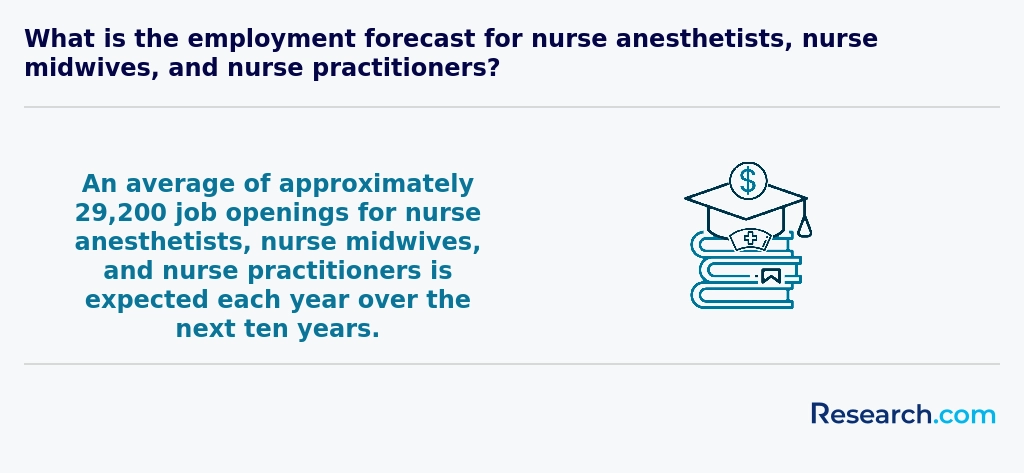
Graduates with a nursing degree in Tempe find diverse career paths that match their skills and aspirations. Many choose to become registered nurses (RNs) through an ADN or BSN program, such as those offered at Arizona State University, where graduates report feeling prepared and confident to enter fast-paced hospital environments. Others pursue advanced roles like nurse practitioners or clinical nurse specialists by continuing education to MSN or doctoral levels, leveraging strong job opportunities fueled by Arizona's expanding healthcare system.
For those interested in education or leadership, career options include nurse educators at local community colleges or healthcare administrators managing team operations. These roles provide rewarding ways to impact patient care indirectly and contribute to the training of new nurses. Nursing graduates in Tempe benefit from a supportive community and growing job market, with opportunities in hospitals, outpatient centers, and specialty clinics.
Students seeking practical advice on costs and programs can explore the Low Cost Nursing Degree Programs Ranking in the West, highlighting affordable local options. This ensures a cost-effective path for anyone wanting to advance in this fulfilling field with many nursing degree career options in Tempe.
Nursing graduates in Tempe enjoy a robust job market driven by expanding healthcare services and a steady demand for skilled professionals. Many graduates from local institutions report securing positions quickly at major employers like Banner Health and Tempe St. Luke's Medical Center. These facilities prioritize candidates with a Bachelor of Science in Nursing (BSN), which aligns with the career goal of many students attending popular nursing programs in Tempe. The median wage near Tempe, around $78,000, offers a financially attractive pathway compared to national averages.
Those entering the field should consider gaining experience through temporary staffing or travel nursing roles, which offer flexibility and exposure to diverse clinical environments. Additionally, specialized roles such as nurse practitioners are becoming more common, adding to growth projections and job security for those aiming beyond standard RN positions.
Many students find the cost of nursing education reasonable given the strong employment outlook. Exploring options related to what certifications make the most money can further increase earning potential. Overall, the nursing degree job outlook Tempe offers is promising and encourages graduates to pursue advanced qualifications and diverse opportunities.
2027 Most Valuable Nursing Degree Programs Ranking in Tempe
Investing in your education is a significant decision that can shape your future, and the Research.com team understands the importance of making informed choices. To assist prospective students in Tempe, we have meticulously crafted the "2027 Most Valuable Nursing Degree Programs Ranking in Tempe." Our commitment to quality, credibility, and accuracy is reflected in the extensive research and analysis conducted to compile this ranking.
We utilized the following reputable data sources to ensure a comprehensive evaluation of nursing programs:
By exploring this ranking, readers will gain valuable insights into the most valuable nursing degree programs available in Tempe, helping them make informed decisions about their educational paths. For more details on our methodology, please visit our Research.com methodology page.

# 3 position
Arizona College of Nursing-Tempe
Bachelor of Science in Nursing

Frequently Asked Questions About nursing
Nursing degree students in Tempe can maximize their learning by combining strong academic performance with hands-on clinical experience. Local institutions like Arizona State University offer access to diverse healthcare settings, which help develop practical skills alongside theory. Students should take advantage of partnerships with nearby hospitals such as Banner Health and Tempe St. Luke's for clinical rotations.
Additionally, joining campus nursing organizations and attending workshops can enhance both knowledge and professional networking. According to the Arizona Board of Nursing, students who engage in simulation labs and community health projects tend to perform better on the NCLEX licensing exam. Time management and seeking mentorship from experienced nurses also support a comprehensive learning process in Tempe's competitive nursing programs.
The nursing field continues to evolve, with several emerging niches gaining importance nationally and in Tempe. One notable area is geriatric nursing, driven by Arizona's aging population. According to the Arizona Department of Health Services, the senior population in Maricopa County, where Tempe is located, has increased by over 10% in recent years, creating higher demand for nurses specialized in elderly care.
Another growing niche is informatics nursing, which integrates nursing science with data management to improve patient care. Healthcare providers in Tempe are adopting advanced electronic health records, requiring nurses skilled in technology and data analysis.
Additionally, nurse practitioners focusing on mental health are increasingly sought-after due to rising awareness of behavioral health needs.
After completing a nursing degree in Tempe, preparing for the job market involves several important steps. First, obtaining licensure through the NCLEX-RN exam is essential to practice as a registered nurse. Arizona's Board of Nursing provides specific guidelines and timely application processes for this licensure.
Networking with local healthcare providers in the Phoenix metropolitan area, which includes Tempe, helps graduates learn about job openings. Tempe's growing healthcare sector offers opportunities in hospitals, clinics, and rehabilitation centers. According to the U.S. Bureau of Labor Statistics, registered nurse employment in Arizona is projected to grow 15% from 2021 to 2031, higher than the national average.
Additionally, pursuing certifications such as BLS (Basic Life Support) or specialty credentials can improve employability. Many employers also value clinical experience completed during education, so students should engage in internships or externships within Tempe's health systems prior to graduation.
Employers in Tempe prioritize several key skills when hiring nursing degree graduates. Clinical competence is essential, with a strong emphasis on patient care, medication administration, and familiarity with electronic health records (EHR) systems. According to the Arizona Nursing Workforce Report 2023, 78% of healthcare employers in Tempe seek nurses proficient in patient assessment and critical thinking.
Communication skills are also vital, as nurses must effectively interact with patients, families, and healthcare teams. Additionally, cultural competence is increasingly important due to Tempe's diverse population.
Time management and adaptability stand out, helping nurses handle fast-paced environments such as those found in Tempe's hospitals and clinics.
Finding nursing internships in Tempe involves leveraging several local resources and networks. Start by exploring opportunities available through nursing programs at institutions like Arizona State University (ASU), which frequently connect students with clinical sites and hospital partnerships.
Tempe's healthcare facilities, including the Banner Health system and local clinics, often offer internships or shadowing programs tailored for nursing students. Contact their human resources or volunteer departments directly to inquire about openings.
Additionally, the Arizona Board of Nursing provides guidance on approved clinical experiences and may list internship opportunities compliant with state standards. Networking through local nursing associations, such as the Arizona Nurses Association, can further assist in discovering relevant placements.
In Tempe, earning a nursing degree significantly enhances career mobility and advancement opportunities. The healthcare industry in Arizona is growing rapidly, with the Arizona Department of Health Services projecting a 16% increase in registered nurse jobs by 2030. This growth creates a demand for qualified nurses, making a degree essential for entering the field and progressing.
Advanced degrees, such as a Bachelor of Science in Nursing (BSN), open doors to leadership roles, specialized fields, and higher salaries. Employers in Tempe's hospitals and clinics often require BSN credentials for promotions.
Additionally, a nursing degree facilitates licensure and certifications, which are critical for career advancement and geographic mobility within the state and nationally.
Nursing degree programs in Tempe emphasize interdisciplinary collaboration by integrating coursework that spans healthcare, communication, and technology. Students engage with professionals from fields such as social work, pharmacy, and public health to build teamwork skills essential in clinical settings. Accredited institutions in Tempe align curricula with standards from the American Association of Colleges of Nursing (AACN), which promotes interprofessional education to improve patient outcomes. Clinical rotations in local hospitals and community clinics expose students to diverse healthcare teams, fostering practical experience in coordinated care. According to the Arizona Board of Nursing, graduates demonstrate strong capabilities in roles requiring cross-disciplinary communication and leadership.
Choosing between a thesis and a non-thesis nursing degree program in Tempe depends on your career goals and learning preferences. Thesis programs typically emphasize research skills, requiring a formal research project that suits students aiming for doctoral studies or clinical research careers. Non-thesis options focus more on practical training and coursework, ideal for those targeting advanced clinical roles or immediate workforce entry.
According to the Arizona Board of Nursing, Tempe's strong clinical network supports both paths, but thesis programs may take longer to complete. Consider your interest in research, time commitment, and future plans carefully when deciding.
Students in Tempe interested in studying nursing abroad have several pathways available, often beginning with partnerships between local institutions and international universities. While Arizona State University in Tempe offers highly ranked nursing programs, students seeking study abroad opportunities may look to exchange programs or summer semesters overseas through affiliated schools.
Many U.S. nursing programs, including those in Tempe, require that clinical hours abroad meet accreditation standards set by the Commission on Collegiate Nursing Education (CCNE). Students should verify that credits earned internationally will transfer back to their home institution to maintain progress toward licensure.
Popular destinations include Canada, the United Kingdom, and Australia, where curricula align closely with U.S. nursing requirements. The National League for Nursing highlights the importance of global exposure for cultural competence in healthcare, a growing priority in nursing education.
Part-time job opportunities in Tempe that complement nursing degree education include roles such as certified nursing assistant (CNA), medical scribe, and patient care technician. These positions provide hands-on experience with patient care and medical procedures, enhancing practical skills essential for nursing students.
Tempe's proximity to major healthcare providers, like Banner Health and Tempe St. Luke's Hospital, offers convenient locations for students seeking part-time work. According to the Arizona Department of Health Services, the demand for CNAs in Tempe is expected to grow by 15% through 2028, making it a promising job option.
Additionally, roles in medical transcription and health administration are available and help build valuable documentation and communication skills. Many nursing students in Tempe find flexible schedules in these jobs accommodate their class commitments effectively.
Nursing students in Tempe have access to a variety of valuable networking opportunities that support both their academic and professional growth. Arizona State University (ASU), located in Tempe, hosts numerous nursing student organizations, such as the ASU Student Nurses Association, which offers events, workshops, and community service projects fostering connections among peers and professionals.
Additionally, the city benefits from partnerships with local healthcare facilities like Banner Health and Tempe St. Luke's Hospital, where students can engage in clinical rotations and internships. These experiences often facilitate networking with practicing nurses and healthcare leaders in the region.
The Arizona Nurses Association also holds statewide conferences and meetings in the Phoenix metro area, providing nursing students critical exposure to the wider professional community. According to ASU's College of Nursing and Health Innovation, over 75% of nursing graduates in Tempe reported leveraging such connections to find employment after graduation.
Alumni networks play a significant role in supporting nursing degree students in Tempe by connecting them with experienced professionals in the local healthcare industry. These networks provide mentorship opportunities, helping students navigate clinical placements and job searches more effectively. According to the Arizona Center for Nursing Excellence, hospitals in Tempe often prefer candidates recommended through established professional connections.
Access to alumni events and workshops also enhances students' skill development and keeps them informed about evolving nursing practices. Additionally, alumni networks can offer guidance on certification and continuing education options available in Arizona, which is crucial for career advancement in nursing.
Through these connections, students often find internships and employment opportunities at prominent health centers like Banner Health and Dignity Health, which serve the Tempe area. This local network fosters a supportive community that benefits both students and graduates professionally and personally.
Customizing a nursing degree program in Tempe allows students to align their education with specific career goals. Many institutions offer flexible options such as selecting electives in specialized fields like pediatrics, geriatrics, or community health. Students can often participate in clinical rotations at local hospitals or healthcare centers, gaining hands-on experience tailored to their interests. Additionally, some programs provide accelerated tracks or part-time study, which can suit working professionals. The Arizona State University School of Nursing, for example, is known for its diverse curriculum and strong clinical partnerships in Tempe, supporting students' career-focused learning paths.
Nursing students in Tempe often face several common challenges during their education. A primary difficulty is managing the demanding coursework combined with clinical practice hours, which can exceed 40 hours per week for some programs. This balance between classroom learning and hands-on experience requires strong time-management skills.
Another challenge is the competitive nature of clinical placements. With limited spots available at nearby hospitals and clinics, students may struggle to secure quality hands-on training, which is essential for licensure and employment.
Financial strain also impacts many students. According to the Arizona Board of Nursing, the average cost of nursing education in the state can exceed $15,000 per year, excluding living expenses.
Additionally, students often report stress related to rigorous testing and certification exam preparation, especially for the NCLEX-RN. Support resources exist, but accessing them while maintaining a heavy workload remains difficult.
Graduates with a nursing degree in Tempe can pursue various professional certifications to enhance their careers. Common certifications include the Certified Nurse Assistant (CNA), Registered Nurse (RN) licensure, and Advanced Practice Registered Nurse (APRN) certifications such as Nurse Practitioner (NP) or Clinical Nurse Specialist (CNS).
Specialty certifications available through organizations like the American Nurses Credentialing Center (ANCC) include certifications in areas like pediatric nursing, gerontology, and critical care. Pursuing these can increase job opportunities and salary potential.
According to the Arizona State Board of Nursing, RN licensure requires successful completion of the NCLEX-RN exam. Many Tempe nurses also opt for certifications in informatics or case management, responding to local healthcare demands documented by the Maricopa County Health Department.
To write a winning application for a nursing program in Tempe, start by thoroughly researching local schools such as Arizona State University, which is known for its respected nursing degrees. Emphasize your academic achievements, especially in science and math courses, since nursing programs look for strong foundational knowledge.
Highlight any volunteer or work experience in healthcare settings to demonstrate your commitment. According to the Arizona Board of Nursing, applicants with relevant clinical exposure tend to stand out.
Prepare a clear, concise personal statement that explains why you want to pursue nursing and how you plan to contribute to the community. Include specific career goals related to healthcare needs in Tempe, where the demand for nurses is rising due to population growth.
Finally, ensure all test scores such as the TEAS or HESI are competitive; average accepted scores at local programs are often above 70%. Accurate and timely submission of all application materials is essential to avoid disqualification.
The nursing profession is highly valued worldwide, with consistent demand across many countries. In the United States, including Tempe, Arizona, nursing offers numerous career opportunities supported by strong educational programs. According to the Bureau of Labor Statistics, registered nursing jobs are projected to grow 9% nationally from 2022 to 2032, indicating robust demand. Tempe benefits from its proximity to top healthcare employers and reputable nursing schools, making it an attractive location to start a nursing career.
Globally, nurses often experience diverse roles, from patient care to health policy involvement. The U.S. nursing education system emphasizes a mix of practical skills and scientific knowledge, which prepares graduates for careers both domestically and internationally. Nurses trained in U.S. programs, such as those offered near Tempe, are well-regarded for their clinical competencies.
Internationally, the World Health Organization highlights the critical role of nurses in achieving universal health coverage. This global perspective underscores the importance of a solid nursing education, making local degrees relevant beyond U.S. borders. For students in Tempe, understanding this global context can inform career planning in an interconnected healthcare environment.
Gaining practical experience while studying for a nursing degree in Tempe is crucial for building clinical skills. Many local nursing programs incorporate clinical rotations at nearby hospitals and healthcare facilities, such as Banner Desert Medical Center and other Valley Health System locations. These rotations allow students to work directly with patients under supervision, applying classroom knowledge in real-world settings.
Additionally, nursing students in Tempe often complete internships or externships arranged through their colleges. These opportunities typically last several weeks and provide exposure to diverse nursing specialties.
The Arizona State Board of Nursing and the Arizona Center for Nursing Excellence highlight that hands-on clinical practice improves job readiness and is a requirement for licensure as a Registered Nurse (RN) in Arizona.
Choosing the right concentration within a nursing degree program in Tempe requires evaluating your career goals and interests. Common concentrations include adult-gerontology, pediatrics, psychiatric-mental health, and family nurse practitioner tracks. Each offers distinct roles and clinical experiences.
Consider the local healthcare needs; Tempe hospitals report growing demand for geriatric and mental health specialists due to the aging population and increased awareness of behavioral health challenges (Arizona Department of Health Services, 2023).
Research accredited programs, such as those recognized by the Commission on Collegiate Nursing Education (CCNE), to ensure quality education and eligibility for licensure exams. Visit campuses or attend virtual info sessions to ask about clinical placements and faculty expertise specific to your concentration.
- 2027 Most Valuable Nursing Degree Programs Ranking in Phoenix
- 2027 Most Valuable Nursing Degree Programs Ranking in Las Vegas
- 2027 Most Valuable Nursing Degree Programs Ranking in San Diego
- 2027 Most Valuable Nursing Degree Programs Ranking in Los Angeles
- 2027 Most Valuable Nursing Degree Programs Ranking in Colorado Springs
- 2027 Most Valuable Nursing Degree Programs Ranking in Denver
- 2027 Most Valuable Nursing Degree Programs Ranking in San Francisco
- 2027 Most Valuable Nursing Degree Programs Ranking in Austin
- 2027 Most Valuable Nursing Degree Programs Ranking in Lincoln
- 2027 Most Valuable Nursing Degree Programs Ranking in Portland
See What Experts Have To Say About Studying Nursing
Read our interview with Nursing experts


- Guide to Making a Career Change to Nursing https://teach.com/online-ed/healthcare-degrees/online-msn-programs/career-change-to-nursing/
- Types of Nursing Degrees-Which One Is Yours? https://www.allnursingschools.com/how-to-get-into-nursing-school/degree-options/
- What Nursing Concentration Is Right for Me? | Maryville Nursing https://nursing.maryville.edu/blog/what-nursing-concentration-is-right-for-me
- Nursing Career Paths [Infographic] https://nursinglicensemap.com/blog/nursing-career-pathways/
- Nursing - SUM Admission https://admission.sum.edu.pl/nursing/
- 8 Nursing Programs to Boost Your Career https://www.pointloma.edu/resources/nursing/8-nursing-programs-boost-your-career
- 10 Practical Study Tips for Nursing Students https://bealuniversity.ca/study-tips-for-nursing-students/
- Medical University of GdaÅsk https://admission.mug.edu.pl/29318.html
- How to Write https://esign.com/letter-of-intent/school/nursing/
- How Do Nurses Navigate Career Advancement? | NursingEducation https://nursingeducation.org/insights/career-advancement/


