
2027 Most Valuable Nursing Degree Programs Ranking in Denver

Co-Founder and Chief Data Scientist
Choosing the right nursing degree program in Denver can feel overwhelming. That's why this article shares the 2027 Most Valuable Nursing Degree Programs Ranking in Denver, created by the Research.com team of data scientists. This trusted ranking helps you identify nursing programs that truly deliver value and opportunities.
Exploring these programs will empower you with information, making your decision easier and more confident. Earning a nursing degree opens doors to a rewarding career where you can make a real difference in people's lives.
Stay inspired and motivated as you plan your future in healthcare.
Key benefits of getting nursing degree in Denver
- Salary for nursing degree graduates: Nurses in Denver can earn competitive salaries, with Registered Nurses, Clinical Nurse Educators, Public Health Nurses, and Emergency Room Nurses averaging about $94,480 annually. Operating Room Nurses tend to earn higher, with mean wages around $128,490, offering strong financial rewards.
- Career paths: Graduates from popular Denver colleges often find diverse opportunities in hospitals, community health, and specialized units like emergency or operating rooms, enabling rewarding and flexible career growth. This versatility helps you find a path that truly fits your passion and lifestyle.
- Benefits of online degrees: Earning a nursing degree online from Denver-based programs offers the freedom to balance work, family, and study with less campus commuting. Online graduates enjoy access to flexible schedules and the same quality education, making degree completion more manageable and stress-free.
- 2027 Most Valuable Nursing Degree Programs Ranking in Denver
- What can I expect from nursing degree in Denver?
- Where can I work with nursing degree in Denver?
What can I expect from nursing degree in Denver?
When it comes to the cost of getting your nursing degree in Denver, it usually depends on where you decide to study. For example, students at the University of Colorado Denver typically pay around $12,000 to $15,000 per year for their BSN programs, while private schools like Colorado Christian University might cost a bit more, closer to $18,000 annually. Graduates often mention that while the price is an investment, the hands-on clinical experiences at places like Denver Health Medical Center make it totally worth it.
Many nursing students find flexible options that help with balancing work and school, which can save on extra expenses. Plus, some programs include solid financial aid or scholarships targeted specifically for nursing students in Denver, which eases the financial load.
Overall, compared to other cities, the cost here feels pretty reasonable given the quality of education and strong job prospects after graduation. It's all about finding the right program that fits your budget while setting you up with real-world skills.
Where can I work with nursing degree in Denver?
If you're studying nursing at one of Denver's popular schools-like the University of Colorado Denver or Regis University-you'll find plenty of places waiting for you once you graduate. Many grads jump right into hospitals such as Denver Health Medical Center or UCHealth, where they get hands-on experience in emergency rooms or ICU units. It's intense but super rewarding work that really puts your skills to the test.
Others prefer working in outpatient clinics or community health centers, helping local families manage everyday health or chronic conditions. Imagine being the go-to nurse in a neighborhood wellness program, making a real difference in people's lives-it's a fulfilling path a lot of Denver grads talk about.
Then there's long-term care facilities and home health care, which are growing fast here. Graduates often share stories about building strong relationships with elderly patients in nursing homes or visiting patients at home, which adds a personal and comforting touch to their careers.
Plus, if you're more into the behind-the-scenes action, Denver's nursing grads find jobs in case management and healthcare administration, blending their clinical knowledge with leadership. No matter the path, Denver's nursing scene offers a wide variety of options that many new nurses find exciting and full of promise.
If you're earning your nursing degree in Denver, you can expect a pretty solid paycheck once you graduate. For example, registered nurses in the area pull in around $94,480 a year, according to the latest data. That's a nice bump above the national average, which is a great boost when you're living in a city like Denver.
Graduates from popular programs at local colleges often share how landing a position as a registered nurse or clinical nurse educator felt like a huge win, especially with salaries around $94K annually. Plus, if you're aiming higher, operating room nurses in Denver make an impressive average of $128,490 a year-definitely worth the extra effort and training!
Imagine working shifts at a busy Denver hospital where your nursing skills directly impact patient care and your paycheck reflects that important role. Many grads say the hands-on experience during their studies helped them feel ready and confident to step into these roles and earn top wages right after graduation.
- The cost for nursing degree programs in Denver ranges from $15,000 to $35,000 for in-state tuition depending on the program and school.
- Bachelor of Science in Nursing (BSN) programs typically take four years full-time, with accelerated options available for students with prior degrees.
- Entry-level registered nurses in Denver earn an average annual salary around $70,000, while experienced nurses can make between $90,000 and $100,000.
- Denver's nursing job market has strong demand, with healthcare unemployment often below 3%, especially for advanced practice nurses like Nurse Practitioners.
- Nursing programs in Denver are accredited by CCNE and ACEN and include clinical placements at reputable hospitals for hands-on experience.
In Denver, finishing a nursing degree really depends on what path you choose. For instance, grads from community colleges like Red Rocks or Emily Griffith often say their LPN certificate took about 12 to 18 months, which was perfect for jumping straight into hands-on nursing roles quickly. On the other hand, those going for an ADN usually spend around 2 to 3 years, balancing classes with clinicals at places like Community College of Denver. Many mention that the practical experience combined with classroom learning made the time fly by.
Then you have the BSN programs, especially at universities like the University of Colorado Denver - they usually last about 4 years full-time. Students love how the program covers leadership and research, which really boosts confidence for hospital jobs. Plus, plenty of folks with an ADN take advantage of RN-to-BSN programs that can be done in 1 to 2 years, often online.
The pace can change if you study part-time or juggle work, but most find that Denver's nursing schools offer flexible options that make it doable.
Embarking on your nursing journey in Denver starts with a clear, organized application process. Follow these steps to maximize your chances of acceptance: 1. Research Program Deadlines and Requirements Begin by visiting official college websites to confirm application deadlines and required prerequisites, such as minimum GPAs, TEAS exam scores, and health screenings. Many institutions post rolling admissions dates-keep a spreadsheet to track each campus’ timeline. 2. Gather Academic Transcripts and Test Scores Request official transcripts from all secondary and postsecondary institutions. Ensure your TEAS (Test of Essential Academic Skills) results meet or exceed program benchmarks. If you’re an LPN considering an accelerated track, you can also compare local options with hybrid lpn programs in nc to see how different delivery models align with your schedule. 3. Prepare a Strong Personal Statement Highlight your motivation for nursing, relevant volunteer experiences, and any unique perspective you bring to patient care. Tailor each essay to reflect how Denver’s healthcare community shaped your aspirations-mention specific clinical partners like Denver Health if possible. 4. Secure Letters of Recommendation Ask instructors, clinical supervisors, or healthcare mentors who know your work ethic and compassion. Provide them with your resume and a summary of your career goals to guide meaningful, personalized endorsements. 5. Complete the Online Application and Pay Fees Fill out the institutional portal carefully, double-checking personal details, contact information, and program selection. Submit the non-refundable application fee, and note any supplemental requests such as video interviews or campus visits. 6. Attend Interviews and Campus Tours Some programs require an on-campus interview or group assessment day. Prepare by researching common nursing scenarios and practicing clear, empathetic communication. 7. Follow Up and Track Your Status After submission, monitor your email and application portal for updates. Promptly respond to any requests for additional documentation or interview scheduling. By adhering to this structured approach, you’ll present a polished application that showcases your readiness and commitment to becoming a valued member of Denver’s nursing community.
If you're thinking about a nursing degree in Denver, the big question is usually: online or on-campus? On-campus programs, like those at the University of Colorado Denver, give you that classic college vibe-attending classes in person, working directly with instructors, and getting hands-on in labs and local hospitals. Graduates often talk about how valuable the face-to-face time was for building real confidence before jumping into the nursing world.
On the flip side, online programs offer serious flexibility, perfect for those juggling work or family. You can soak up lectures at your own pace while still doing required clinical hours at nearby healthcare spots. Many students find this approach a total lifesaver when life gets busy, especially since Denver has plenty of accredited schools supporting online learning.
Either way, both paths in Denver focus on real-world experience and prepare you for the NCLEX-RN. It's just about what fits your style-whether you thrive in a buzzing classroom or prefer logging in from your couch.
For RNs and MSN graduates aiming to lead clinical teams, influence policy, or teach at the university level, a Doctor of Nursing Practice (DNP) offers the highest level of practice-focused nursing education. DNP programs in Denver blend advanced coursework with intensive clinical immersion, preparing graduates for roles such as Nurse Executive, Clinical Nurse Specialist, or Faculty. Key features of Denver’s DNP programs:
- Curriculum Highlights: Evidence-based practice, healthcare informatics, quality improvement, and advanced leadership.
- Clinical Requirements: Typically 1,000 post-baccalaureate clinical hours, often completed through partnerships with leading health systems like Denver Health and UCHealth.
- Flexible Formats: Full-time (2–3 years), part-time, hybrid, and fully online options. For those balancing work and family, Research.com’s fastest dnp online program can be completed in as little as 18 months.
- Admission Criteria: MSN (or BSN plus bridge), minimum 3.0 GPA, active RN license, and professional leadership experience.
- Career Impact: DNP-prepared nurses command average salaries of $120,000–$140,000 in Colorado, qualify for executive leadership, shape healthcare policy, and teach at the collegiate level. By choosing a DNP pathway in Denver, students gain the expertise and credentials to drive transformational change across clinical, educational, and administrative settings.
If you're looking at the average nursing degree cost Denver offers, there's good news for local students. In-state tuition typically runs around $11,124, which makes pursuing nursing at institutions like the University of Colorado Denver more affordable than many expect. Graduates often share how this manageable cost helped them avoid overwhelming debt and focus more on gaining hands-on experience during clinical placements.
Out-of-state students, however, should budget closer to $48,929, reflecting the higher tuition for those coming from outside Colorado. Even so, many find that scholarships, grants, and financial aid make a big difference in easing this burden. Nursing students often say that knowing financial help is available makes the challenging coursework feel a little less daunting and more achievable.
Most programs in Denver, especially community colleges offering ADN degrees, keep costs reasonable, which is a comfort for those balancing studies with part-time work. It's common to hear success stories of students who took advantage of local resources, including state-based financial aid and support at colleges recognized for their valuable nursing programs in Colorado.
Considering the cost of nursing programs Denver offers alongside real student experiences gives a clear picture: the investment is significant but manageable, especially with good planning and the right financial resources.

Understanding a program’s NCLEX-RN performance and licensing support is crucial for ensuring you’re ready to practice as an RN.
- Research each program’s most recent NCLEX-RN pass rate; aim for rates above 85% to maximize licensure success.
- Confirm Colorado Board of Nursing approval and accreditation by bodies like ACEN or CCNE.
- Look for structured NCLEX review courses, simulation labs, and faculty-led exam prep workshops.
- Explore flexible bridge options like the cheapest rn to bsn program online to reinforce clinical knowledge and exam strategies.
High licensure outcomes reflect rigorous training and boost confidence as you enter the workforce.
If you're diving into a nursing degree in Denver, you're in luck because there's quite a bit of financial help to soften the cost. Graduates from schools like the University of Colorado Denver often mention how federal Pell Grants took a huge load off their shoulders-these grants don't have to be paid back, which feels like a breath of fresh air. On top of that, federal student loans come with lower interest and flexible payment plans, tailored for future healthcare pros.
State aid is another big plus. Lots of nursing students at local colleges tap into programs like the Colorado Opportunity Scholarship Initiative, which helps cover tuition at in-state schools. Plus, there are scholarships from groups like the Colorado Nurses Foundation that really make a difference, especially if you're passionate about working in underserved areas.
Many grads also share how getting employer tuition assistance through Denver's healthcare organizations helped them manage costs while gaining valuable work experience. It's a win-win that makes pursuing nursing a lot more doable.
Pursuing a nursing degree in Denver, CO, is a strategic decision for those aiming to capitalize on the city's vibrant healthcare sector. Denver offers a unique blend of clinical opportunities, academic excellence, and a supportive community that fosters growth and development in nursing professionals. By considering factors such as curriculum, clinical experiences, and post-graduation job prospects, prospective students can navigate the diverse landscape of nursing programs in Denver. For those interested in exploring the best options, researching valuable nursing programs in Colorado can provide invaluable insights into making an informed decision. Whether one is drawn to the fast-paced environment of hospitals or the rewarding nature of community health nursing, Denver's nursing programs are equipped to meet a wide range of career aspirations and personal goals.
If you're thinking about starting a nursing degree in Denver, you'll need to tick off a few key boxes first. Most programs at colleges like the University of Colorado Denver or Community College of Denver expect you to have a high school diploma or GED, with solid grades in science and math. Imagine a graduate telling you how their background in biology and chemistry really helped when they hit the anatomy and physiology classes-it's all about being prepared.
Some schools also want you to take the TEAS test, which checks your skills in reading, math, and science. It might sound nerve-wracking, but lots of students find it boosts their confidence because it sets a clear starting point. Plus, getting your background check and immunizations done ahead of time is super important since you'll be working in clinical settings around Denver.
Many grads mention that having some hands-on experience or even a letter of recommendation really made their application stand out. It shows you're passionate and ready to jump into nursing with both feet. And don't stress-there's plenty of support to help you along the way.
Selecting a nursing program with robust accreditation and high NCLEX-RN pass rates is critical for ensuring both educational quality and licensure success. Accredited programs-approved by bodies such as the Commission on Collegiate Nursing Education (CCNE) or the Accreditation Commission for Education in Nursing (ACEN)-guarantee that curriculum, faculty credentials, and clinical experiences meet rigorous national standards. In Denver, top institutions report NCLEX-RN first-time pass rates ranging from 85% to 95%, surpassing the national average of 88%. Key factors to consider when evaluating accreditation and outcomes:
- Accreditation Body: Verify CCNE or ACEN status on the program’s website to confirm eligibility for federal financial aid and state licensure exams.
- NCLEX-RN Pass Rate: Programs with pass rates above 90% typically offer comprehensive review courses, simulation labs, and experienced faculty mentorship.
- Alumni Outcomes: Graduates from accredited Denver programs report high employment rates-over 90% secure nursing positions within six months of graduation, reflecting strong industry partnerships with local healthcare providers. Balancing cost and quality is also essential. For students prioritizing affordability without sacrificing accreditation or outcomes, our sister ranking offers a valuable comparison of budget-friendly online options-explore the Cheapest Online Nursing Degree Programs Ranking in Denton, TX to find programs that deliver both value and excellence.
If you're thinking about a nursing degree in Denver, you can expect a solid mix of courses that really prepare you for the real world. At popular schools like the University of Colorado Denver, students dive into human anatomy and physiology, getting to know the ins and outs of the body-imagine confidently explaining how the heart works during a clinical rotation!
Graduates often talk about how courses like pharmacology and microbiology helped them understand what medicines do and how infections spread, which comes in handy when working in busy hospitals. Other key classes include health assessment, where you practice physical exams, and medical-surgical nursing, focusing on adults dealing with various health issues.
Courses cover pediatrics, maternal care, mental health, and public health, so you won't just be learning theory-you'll be ready for all kinds of patient needs. Plus, many students say the mix of ethics and leadership classes at Denver colleges made them feel prepared to take on more responsibility and advocate for patients confidently.
If you're looking into nursing degree specializations in Denver, you'll find a great variety designed to fit different career goals. For example, many programs at popular Denver colleges offer RN to BSN tracks where grads share how they loved focusing on leadership or community health, which really helped them step into roles beyond bedside care. Others dive into specialties like Family Nurse Practitioner (FNP), which is perfect if you want to provide primary care to all ages-a path many local grads say feels super rewarding.
Psychiatric-Mental Health Nursing is another growing option, especially important in Denver's urban setting where behavioral health needs are rising. And if you're passionate about working with kids or seniors, pediatric and geriatric nursing specializations are common and in demand. Emergency and critical care nursing are also popular, with students often sharing stories about the adrenaline and impact of working in trauma centers or ICUs.
Denver's nursing program specialization options really reflect what the city needs most. Plus, if you want a more flexible way to get started, some students choose hybrid lpn programs in nc to build a solid foundation before jumping into these specializations.
Picking the best nursing degree in Denver really comes down to what fits your life and goals. Graduates from popular schools here often say it helped to first decide if they want to be an RN, a nurse practitioner, or maybe specialize in pediatrics or geriatrics. Denver has great options from community colleges to universities, all with different vibes and price tags. If you're searching for affordable nursing schools Denver CO has, remember to check if the program's accredited - that's a game-changer for licensure and financial aid.
Many students share that the real clincher was looking at NCLEX-RN pass rates and how the school sets them up for success - some local programs boast pass rates above 85%, which is a solid sign. Also, if you're juggling work or family, picking a place that offers evening, weekend, or online courses can make life way easier. Some graduates even found great learning and networking chances through clinical rotations at local hospitals.
If you're curious about faster career paths, you might want to explore programs like the fastest dnp online program that Denver students mention for moving up quickly.

Graduates with a nursing degree in Denver have plenty of exciting career options to explore. Many start off as Registered Nurses (RNs) working hands-on in Denver's well-known hospitals like UCHealth University of Colorado Hospital or Denver Health, gaining valuable experience while earning solid salaries. Others dive into specialized roles such as Nurse Practitioners, who enjoy a great deal of independence in diagnosing and prescribing-something Denver grads find really rewarding. There are also roles like Nursing Educator or Clinical Nurse Specialist, perfect for those who want to make a difference by teaching or improving patient care behind the scenes.
Some grads go on to become Nurse Anesthetists, a high-demand career with salaries often exceeding $180,000 annually in Denver's healthcare market. Then there are Nurse Administrators, who blend clinical skills with management to lead teams effectively. Nursing career opportunities in Denver are diverse, giving graduates from popular local universities plenty of chances to find their perfect fit and thrive.
If you're curious about the costs and want to compare programs, you might find the Cheapest Online Nursing Degree Programs Ranking in Denton, TX helpful for perspective on affordable options even beyond Denver.
The nursing job opportunities in Denver are looking pretty bright right now. Graduates from local colleges often find they're stepping right into solid roles across hospitals like Denver Health or UCHealth. A lot of former students share how their BSN degrees boosted their chances since employers here really prefer those with a bachelor's over just an ADN. Plus, it's not unusual to hear about tuition reimbursement programs at these facilities, which makes the whole journey feel more doable and encouraging.
If you're considering nursing degrees in Denver, you'll notice that the employment outlook is strong especially for advanced practice roles like nurse practitioners and anesthetists, with growth projected to be over 30%. Those pursuing nursing degrees at well-known institutions often feel confident about landing jobs nearby, thanks to ongoing demand fueled by an aging population and expanding healthcare services.
Many grads appreciate the practical side too: with in-state tuition running between $8,000 and $15,000 per year for BSN programs, the investment makes sense when you compare it to salaries in the area. If you're exploring options, check out the top college majors-nursing definitely stands out as a smart choice.
2027 Most Valuable Nursing Degree Programs Ranking in Denver
Investing in your education is a significant decision that can profoundly impact your future, and the Research.com team recognizes the importance of making well-informed choices. To support aspiring nursing students in Denver, we have carefully developed the "2027 Most Valuable Nursing Degree Programs Ranking in Denver." Our dedication to quality, credibility, and accuracy is demonstrated through rigorous research and thorough analysis conducted to compile this ranking.
We utilized the following reputable data sources to ensure a comprehensive evaluation of nursing degree programs:
By consulting this ranking, readers will obtain valuable insights into Denver's most valuable nursing programs, enabling them to make informed decisions tailored to their goals. For further information on how this ranking was created, please visit our Research.com methodology page.


Frequently Asked Questions About nursing
Nursing degree students in Denver can maximize their learning experience by combining theoretical study with hands-on clinical practice. Local hospitals such as the University of Colorado Hospital and Denver Health provide valuable clinical placements, offering real-world exposure to diverse patient populations. According to the Colorado Center for Nursing Excellence, clinical experience significantly improves job readiness for nursing graduates in the state.
Students should also engage in simulation labs available at institutions like the University of Colorado Denver, which help develop critical skills in a controlled environment. Networking with local nursing professionals through Denver's nursing associations and attending workshops can enhance understanding of current healthcare practices.
Finally, taking advantage of flexible program options, including evening and online courses, allows students to balance education with work or family commitments, a factor noted by the National League for Nursing as key to student success in busy urban areas like Denver.
The nursing field in Denver is rapidly evolving, with several emerging niches gaining importance. One notable area is geriatric nursing, driven by Colorado's growing elderly population. According to the Denver Regional Council of Governments, the 65+ demographic is expected to increase by over 30% by 2030, boosting demand for specialists in elder care.
Another expanding niche is telehealth nursing, which leverages digital technology to provide care remotely. The Colorado Health Institute reports that telehealth usage has grown by 50% since 2020, highlighting new opportunities for nurses skilled in virtual patient management.
Finally, psychiatric nursing is seeing increased relevance, as mental health services in Denver expand to meet rising community needs. These areas represent promising routes for nursing students focused on future opportunities.
After completing a nursing degree in Denver, preparing for the job market involves several key steps. First, obtaining licensure by passing the NCLEX-RN exam is essential to practice as a registered nurse in Colorado. According to the Colorado Center for Nursing Excellence, hospitals in Denver report steady growth in nursing jobs, with a 12% employment increase expected through 2030.
Building clinical experience with internships or volunteer work in Denver healthcare facilities can greatly enhance job prospects. Networking at local healthcare events and joining organizations like the Colorado Nurses Association also opens doors.
Graduates should create tailored resumes emphasizing skills relevant to Denver's healthcare needs. Finally, researching and targeting prominent local employers such as Denver Health and UCHealth can improve chances of employment.
Employers in Denver seek nursing graduates with strong clinical skills, emphasizing patient care accuracy and safety. According to the Colorado Center for Nursing Excellence, critical thinking and effective communication rank highly among the most valued skills. Nurses must confidently interpret patient data and collaborate with healthcare teams. Additionally, cultural competence is essential in Denver's diverse population, helping nurses provide respectful, individualized care.
Technical proficiency with electronic health records (EHR) is another priority, as Denver hospitals increasingly rely on digital patient management systems. Leadership abilities and adaptability to fast-paced environments also improve employment prospects. These skills collectively prepare graduates for the dynamic demands of healthcare in the Denver area.
Finding nursing internships in Denver involves leveraging local healthcare facilities and academic resources. Many hospitals, such as Denver Health and UCHealth, offer structured internship programs tailored for nursing students. These programs provide hands-on experience vital for clinical skill development.
The Colorado Nurses Association and local university career centers often list available internship opportunities. Students should regularly check these resources and attend nursing job fairs hosted in Denver to connect directly with healthcare employers.
It's also helpful to maintain strong communication with nursing faculty, who can provide guidance and recommend internships aligned with your education and career goals.
According to the Colorado Department of Labor, the demand for registered nurses in Denver is projected to grow by 15% between 2022 and 2032, supporting ample internship availability across the city's healthcare sector.
Obtaining a nursing degree in Denver significantly enhances career mobility and advancement opportunities within the local healthcare sector. As the Denver metropolitan area reports steady growth in healthcare jobs-projected at a 15% increase through 2030 by the Colorado Department of Labor-registered nurses with degrees can pursue diverse roles beyond bedside care, including leadership, education, and specialized clinical practice.
Nurses holding a Bachelor of Science in Nursing (BSN) or higher often qualify for higher salaries and management positions. According to the Bureau of Labor Statistics, Denver nurses with BSN credentials earn approximately 10-15% more than those with only an associate degree. Additionally, hospitals seeking Magnet status in Denver prioritize hiring nurses with advanced degrees, further motivating career progression.
Studying for a nursing degree in Denver equips students with crucial skills for interdisciplinary healthcare roles. Local nursing programs emphasize collaboration between nurses, physicians, social workers, and other specialists to improve patient outcomes. According to the Colorado Center for Nursing Excellence, many Denver schools incorporate teamwork simulations and clinical rotations in diverse healthcare settings.
These experiences foster communication and problem-solving abilities needed in today's complex healthcare systems. Denver's growing healthcare sector, including institutions like UCHealth and Denver Health, offers students access to cutting-edge environments where interdisciplinary care is standard practice.
This practical exposure ensures graduates are prepared to work effectively in team-based settings, enhancing their employability within Colorado's dynamic medical community.
When choosing between a thesis and a non-thesis nursing degree program in Denver, consider your career goals and learning preferences. Thesis programs focus on research and require a written project, which is ideal for students aiming for advanced clinical roles or doctoral studies. Non-thesis options emphasize practical skills and coursework, suitable for those targeting immediate employment in healthcare settings.
Denver's nursing schools often report that thesis students develop critical thinking skills useful in evidence-based practice, while non-thesis students gain more direct clinical experience. According to the Colorado Center for Nursing Excellence, about 40% of Denver nursing graduate programs offer both options.
Financial and time commitments also vary; thesis programs typically take longer. Reviewing specific program curricula and consulting advisors helps tailor the choice to your professional path.
Students in Denver seeking to study nursing abroad have several pathways to explore, often facilitated through their home institutions. Many Colorado universities, such as the University of Colorado Denver, offer study abroad programs or international clinical placements in partnership with approved foreign nursing schools. These opportunities allow students to gain global healthcare experience while working toward their U.S.-accredited nursing degree.
Students typically spend a semester or summer abroad in countries with strong healthcare systems, enhancing cultural competence essential for nursing. Because Denver nursing programs are regulated by the Colorado Board of Nursing, students should verify transfer credits and clinical hours prior to departure. According to data from the Colorado Center for Nursing Workforce, about 15% of local nursing students participated in international education experiences as of 2023.
Financial aid and scholarships may be available to support studying abroad through federal and state programs, but students must plan early to align with academic and licensure requirements. This international nursing study experience can increase competitiveness for employment in Denver's growing healthcare sector, which expects a 20% increase in nursing jobs by 2030, per the Colorado Department of Labor and Employment.
Denver offers several part-time job opportunities that can enhance nursing degree education by providing practical experience and industry insight. Positions such as certified nursing assistant (CNA), medical scribe, or patient care technician are commonly available to students balancing study and work. According to the Colorado Department of Labor and Employment, healthcare support roles in Denver are projected to grow by 15% from 2022 to 2032, creating ample opportunities for hands-on learning.
Working in clinics or hospitals in these roles helps students develop essential clinical skills while networking with healthcare professionals. Additionally, part-time jobs in public health organizations or community outreach programs provide experience with patient education and preventive care, complementing academic knowledge.
Nursing students in Denver benefit from numerous networking opportunities that can enhance their education and career prospects. Local universities, including the University of Colorado Denver, offer student nursing organizations that connect students with peers and clinical professionals. These groups often host events, guest lectures, and workshops to foster professional relationships.
Denver also has an active healthcare community, with the Colorado Nurses Association providing regular meetings and conferences open to students. According to the Colorado Center for Nursing Excellence, Denver's nursing associations facilitate mentorship programs that link students with experienced nurses, helping to build valuable connections.
Moreover, Denver's hospitals frequently collaborate with nursing programs, offering clinical rotations and internships that enable students to network directly with healthcare employers.
Alumni networks offer significant advantages to nursing degree students in Denver by providing valuable professional connections. Many nursing programs in the area, including those at the University of Colorado Denver, have active alumni groups that help current students access local healthcare job markets. These networks often share job openings, internship opportunities, and mentorship, which are crucial in a competitive field like nursing.
Research from the American Association of Colleges of Nursing highlights that strong alumni networks increase employment rates for graduates within six months after completing their degrees. In Denver, where healthcare facilities continuously expand, alumni connections give students a foot in the door at hospitals such as UCHealth and Denver Health. This network support also helps students navigate certifications and continuing education, fostering long-term career growth.
Customizing a nursing degree program in Denver allows students to align their education with specific career goals by selecting specialized tracks or electives. Many local institutions offer concentrations such as pediatric nursing, psychiatric nursing, or community health. These options help students build expertise in areas with growing demand in Colorado's healthcare system. According to the Colorado Center for Nursing Excellence, focused specializations can improve job placement rates and salary prospects.
Students may also tailor their clinical experiences through partnerships with Denver-area hospitals, gaining practical skills in environments that match their interests. Flexible scheduling, including part-time and online courses, helps working professionals balance studies with employment.
Nursing students in Denver face several typical challenges during their education. One common issue is balancing demanding coursework with clinical hours, which often require students to manage long shifts in local hospitals such as those affiliated with the University of Colorado Hospital. Time management becomes crucial as students juggle practical experience and academic responsibilities.
Another challenge is the financial burden. According to the Colorado Center for Nursing Excellence, nursing programs in Denver can cost between $15,000 to $40,000, including tuition and fees, which can be a barrier for many students. Additionally, clinical placements may be competitive due to the rising demand for nursing professionals in the Denver metropolitan area.
Lastly, adapting to fast-changing healthcare technologies and protocols is essential. Students must stay current with innovations while developing strong patient care skills, which requires both academic dedication and hands-on practice.
With a nursing degree in Denver, graduates can pursue various professional certifications to advance their careers and increase job opportunities. Common certifications include the Registered Nurse (RN) license, required to practice nursing in Colorado. Beyond this, nurses often seek specialty certifications such as Certified Nurse Practitioner (CNP), Certified Clinical Nurse Specialist (CNS), or certifications in areas like pediatric, geriatric, or emergency nursing.
According to the Colorado Nurses Association, specialty certifications can improve earning potential and demonstrate expertise. National organizations such as the American Nurses Credentialing Center (ANCC) offer exams recognized across the US.
In Denver, hospitals and clinics typically support nurses pursuing credentials like Advanced Cardiovascular Life Support (ACLS) or Pediatric Advanced Life Support (PALS), enhancing their clinical skills.
To write a winning application for a nursing program in Denver, start by thoroughly researching the specific schools and their admission requirements. Many Denver nursing programs, including those at the University of Colorado Denver and Regis University, emphasize strong academic performance in science and math courses.
Highlight relevant healthcare experience, such as volunteering or working in clinical settings, to demonstrate your commitment and skills. According to the Colorado Center for Nursing Excellence, clinical experience is a key factor for selection committees.
Craft a clear, personal statement that explains why you want to pursue nursing in Denver, mentioning the city's growing healthcare industry. Proofread carefully to avoid errors and ask mentors to review your materials.
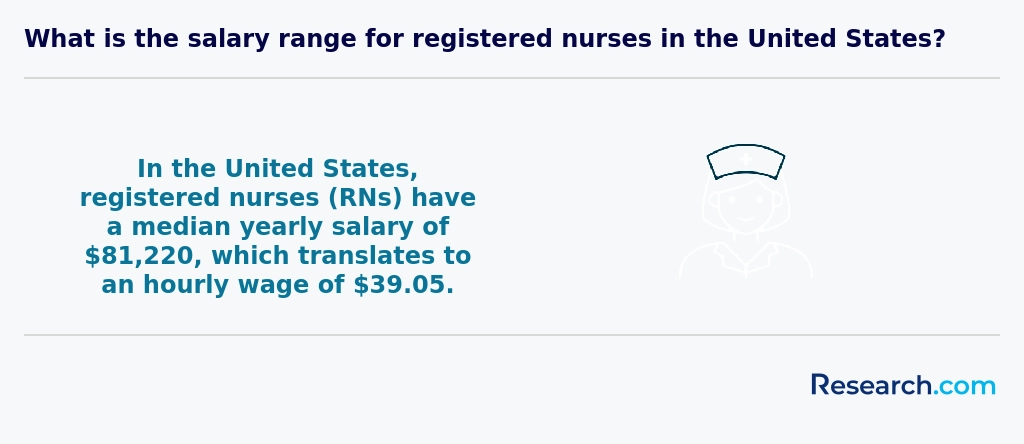
Nursing is a profession valued worldwide for its vital role in healthcare systems. In the United States, including Denver, registered nurses (RNs) earn a median annual wage of around $80,000, reflecting strong demand for skilled practitioners, according to the U.S. Bureau of Labor Statistics (2023). Globally, nursing careers share a focus on patient care, leadership, and community health promotion.
Education requirements vary, but the Bachelor of Science in Nursing (BSN) is increasingly preferred for better job prospects and higher salaries. Denver offers several accredited programs meeting these standards.
Internationally, the nursing workforce faces challenges such as shortages and aging populations, influencing recruitment and migration trends. Professional organizations emphasize standardized competencies to ensure quality care worldwide.
Understanding these global contexts helps Denver students appreciate the scope and impact of nursing careers at home and abroad.
Gaining practical experience while studying for a nursing degree in Denver is essential for building clinical skills and improving job prospects. Many nursing programs in Denver require students to complete clinical rotations at local hospitals and healthcare facilities. These hands-on experiences allow students to work directly with patients under professional supervision.
Additionally, students can participate in internships and externships offered through partnerships between nursing schools and medical centers, such as the University of Colorado Hospital or Denver Health. According to the Colorado Center for Nursing Excellence, clinical placements are a core component of accredited nursing programs, helping students meet state licensing requirements.
Volunteering in healthcare settings or joining student nursing associations also provides valuable practical exposure.
Choosing the right concentration within a nursing degree program in Denver involves considering your career goals and the local healthcare demand. For example, specialties like gerontology and pediatrics are in high demand due to Denver's growing elderly population and increasing child healthcare services, according to the Colorado Department of Public Health and Environment. Research local hospitals' and clinics' specialty needs, as these reflect job opportunities after graduation.
Evaluate your interests and strengths, such as whether you prefer acute care or community health nursing. Many Denver nursing programs offer concentrations like nurse practitioner, psychiatric nursing, or emergency nursing. Additionally, accreditation by bodies like the Commission on Collegiate Nursing Education (CCNE) ensures program quality.
Finally, consider program flexibility, including part-time and online options, to fit your schedule and learning style.
- 2027 Most Valuable Nursing Degree Programs Ranking in Colorado Springs
- 2027 Most Valuable Nursing Degree Programs Ranking in Lincoln
- 2027 Most Valuable Nursing Degree Programs Ranking in Sioux City
- 2027 Most Valuable Nursing Degree Programs Ranking in Omaha
- 2027 Most Valuable Nursing Degree Programs Ranking in Kansas City
- 2027 Most Valuable Nursing Degree Programs Ranking in Tempe
- 2027 Most Valuable Nursing Degree Programs Ranking in Phoenix
- 2027 Most Valuable Nursing Degree Programs Ranking in Las Vegas
- 2027 Most Valuable Nursing Degree Programs Ranking in Minneapolis
- 2027 Most Valuable Nursing Degree Programs Ranking in Saint Paul
See What Experts Have To Say About Studying Nursing
Read our interview with Nursing experts

Lisa Grubb
Nursing Expert
Assistant Professor
Johns Hopkins School of Nursing

- 7 Nursing School Tips for Studying https://www.denvercollegeofnursing.edu/blog/nursing/7-Nursing-School-Tips-for-Studying.html
- | NRR | Dove Medical Press https://www.dovepress.com/internship-challenges-encountered-by-nursing-students-a-qualitative-st-peer-reviewed-fulltext-article-NRR
- The Nurses' Alumni Association https://giving.mainlinehealth.org/get-involved/auxiliaries-and-womens-boards/lankenau-medical-center-womens-board/the-nurses-alumni-association
- Nurse Salary https://nursinglicensemap.com/resources/nurse-salary/
- Traditional and Accelerated Nursing Options - MSU Denver https://www.msudenver.edu/nursing/traditional-and-accelerated-nursing-options/
- How Do Nurses Navigate Career Advancement? | NursingEducation https://nursingeducation.org/insights/career-advancement/
- Career Advancement Pathways for Nurses : Expert RN shares 10+ Professional growth opportunities - MuminMed https://blog.muminmed.com/career-advancement-pathways-for-nurses/
- THE FIELD OF NURSING - FIRST-DEGREE OF STUDIES https://wnoz.wum.edu.pl/pl/content/field-nursing-first-degree-studies
- Nurse Recruitment https://www.denverhealth.org/for-professionals/careers/nurse-recruitment
- Types of Nursing Degrees-Which One Is Yours? https://www.allnursingschools.com/how-to-get-into-nursing-school/degree-options/


