2027 Best Nursing Degree Programs Ranking in Lebanon

Co-Founder and Chief Data Scientist
Choosing the right nursing degree program in Lebanon can shape your future career and open doors to meaningful opportunities. This article introduces the 2027 Best Nursing Degree Programs Ranking in Lebanon created by the Research.com team of data scientists to guide you in making an informed choice.
By exploring this ranking, you'll discover which programs stand out for quality education, helping you invest in your growth confidently. Pursuing a nursing degree is not only rewarding but also a powerful way to impact lives positively. Let this guide support your journey ahead.
Key benefits of getting nursing degree in Lebanon
- Nursing degree graduates in Lebanon can expect competitive salaries, with roles like Registered Nurse, Clinical Nurse Educator, Public Health Nurse, and Emergency Room Nurse earning around $94,480 annually based on U.S. data, reflecting strong earning potential.
- Career paths include diverse options such as hospital nursing, community health, and specialized fields, inspired by graduates from prominent Lebanese universities who successfully enter rewarding healthcare roles.
- Online nursing degrees offer flexible learning schedules and accessibility, allowing graduates to balance work and study effectively, as seen in alumni from Lebanon's well-known online nursing programs.
- 2027 Best Nursing Degree Programs Ranking in Lebanon
- What can I expect from nursing degree in Lebanon?
- Where can I work with nursing degree in Lebanon?
What can I expect from nursing degree in Lebanon?
In Lebanon, the average cost of a nursing degree varies significantly depending on the type of institution. Public universities generally offer tuition fees ranging from approximately $2,000 to $4,000 per year, making them a relatively affordable option for many students. Graduates from these universities often describe a balanced experience, appreciating the affordability while gaining rigorous clinical skills through hospital affiliations. Conversely, private universities can charge upwards of $8,000 to $12,000 annually, a figure that some students find challenging but worthwhile due to smaller class sizes and access to advanced facilities.
One nursing graduate recalls choosing a private institution for its reputed English instruction and modern labs, which helped build confidence for the NCLEX-RN exam later. Others from public schools highlight the strong community bonds and practical exposure despite fewer resources. Both pathways emphasize hands-on training, but prospective students should weigh their financial plans alongside career goals, especially considering potential additional costs for credential evaluation if planning to practice nursing in the US.
Where can I work with nursing degree in Lebanon?
Graduates from nursing programs at institutions such as the American University of Beirut often find themselves drawn to diverse employment settings, from the intensive environment of hospital wards to community health centers. For example, many graduates begin their careers in hospitals like Hôtel-Dieu de France, where they care for patients in areas ranging from pediatrics to oncology. This experience often fosters a deep sense of purpose and belonging as they witness the direct impact of their work.
Others pursue roles in primary healthcare clinics, especially those serving rural areas, where they provide preventive care and education, a rewarding challenge for nurses passionate about public health. Graduates frequently share how engaging with underserved communities adds meaning to their profession beyond hospital walls.
Certain graduates explore specialized fields such as midwifery or mental health, reflecting Lebanon's expanding healthcare needs. Those interested in teaching or healthcare administration also find opportunities within local universities or policy organizations, often feeling empowered to shape future nursing standards.
While some consider migrating abroad due to Lebanon's high emigration rates, many remain motivated by strong local demand and the support from institutions like the Lebanese Order of Nurses, which ensure quality and professional growth through licensure and continuing education.
Graduates from nursing programs at well-known Lebanese institutions, such as the American University of Beirut or Lebanese American University, often start their careers earning between 800,000 and 1,200,000 Lebanese Pounds (about 500 to 750 USD) monthly. This entry level salary can feel modest, especially when compared to nurses in the United States, where the mean annual wage for registered nurses is approximately 94,480 USD.
With experience, graduates report noticeable salary improvements. For example, nurses with several years of clinical practice at hospitals in Beirut can earn upward of 2,500,000 LBP monthly, nearing 1,600 USD. Because the economic situation in Lebanon impacts currency stability, some graduates consider the consistent wages offered by private hospitals or international medical centers, which tend to be higher than public sector offers.
A graduate who attains a Bachelor of Science in Nursing (BSN) and moves into specialized roles-such as clinical nurse educator or nurse manager-may find salaries approaching 3,500,000 LBP (roughly 2,300 USD). Although these salaries lag behind those seen in the US, where operating room nurses can earn over 128,000 USD annually, Lebanese graduates take pride in their adaptability and often pursue international certifications to open doors abroad.
- Nursing degrees in Lebanon usually take four years and combine classroom learning with hands-on clinical training.
- Tuition fees range from $4,000 to $10,000 per year, with public universities being cheaper than private ones.
- New nursing graduates can expect to earn between $400 and $700 per month initially, with potential growth to $900-$1,500 as they gain experience.
- Graduates must get licensed by the Lebanese Order of Nurses to work professionally in Lebanon.
- The nursing education system in Lebanon follows international standards, helping graduates stay competitive globally.
Completing a nursing degree in Lebanon generally takes between three to four years for a Bachelor of Science in Nursing (BSN), which mirrors the duration of many US BSN programs. Graduates from well-known institutions like the Lebanese University or Saint Joseph University often describe this timeframe as intensive but rewarding, particularly because clinical rotations begin early, usually in the second year. This hands-on experience in hospitals and community health settings helps students feel prepared and confident by the time they graduate.
While some diploma programs exist that last two to three years, they are less common and typically lead to technical nurse certifications rather than full registered nurse qualifications. This difference sometimes causes confusion for US students expecting shorter paths, but alumni commonly emphasize the value of the thorough academic and clinical training provided by the BSN route.
In practical terms, students juggling family or jobs appreciate how local universities structure courses to balance theory and practice, making the journey demanding yet achievable. This approach resonates well with those aiming for both local and international nursing careers.
As the nursing profession evolves, many Lebanon, IL graduates pursue advanced practice roles to expand their clinical autonomy and specialize in comprehensive patient care. One of the most popular pathways is the Family Nurse Practitioner (FNP) track, which prepares nurses to assess, diagnose, and treat patients across the lifespan. FNP programs typically include advanced courses in pathophysiology, pharmacology, health assessment, and primary care management, followed by supervised clinical rotations in outpatient, pediatric, and community health settings. For working RNs seeking a fast‐track option, accelerated formats have become increasingly accessible. Many nurses choose 1 year fnp programs online, blending asynchronous lectures with virtual simulations and on-site preceptorships. These intensive programs emphasize evidence‐based practice, health promotion, and interprofessional collaboration, enabling graduates to sit for the FNP certification exam within a year. Key considerations when selecting an FNP program:
- Accreditation by the Commission on Collegiate Nursing Education (CCNE) or Accreditation Commission for Education in Nursing (ACEN) to ensure eligibility for certification.
- Clinical placement support and preceptor networks that guarantee diverse patient encounters.
- NCLEX‐NP pass rates and alumni outcomes, reflecting program quality and graduate readiness.
- Flexible scheduling options-including hybrid and evening/weekend intensives-to accommodate working professionals. Upon completion, FNP graduates often secure positions in family practice clinics, community health centers, and rural outreach programs. With the projected 40% growth in NP roles by 2033, this advanced credential not only elevates clinical competency but also significantly increases earning potential and leadership opportunities within healthcare organizations.
Online nursing degrees offer flexibility, allowing students in Lebanon to complete theoretical courses remotely, which is helpful for those balancing work or family. Graduates from universities like the American University of Beirut often recall the convenience of online lectures paired with the challenge of arranging local clinical hours themselves. This independent scheduling can create hurdles due to Lebanon's limited partnerships with healthcare sites, requiring proactive effort and patience.
Conversely, on-campus programs at institutions such as Saint Joseph University provide structured clinical rotations embedded in the curriculum. Graduates appreciate the immediate access to faculty, labs, and consistent hands-on experience within affiliated hospitals, which deepens practical skills and helps build professional networks. Such immersion aligns closely with Lebanese healthcare needs and licensure requirements.
While online studies might extend the time to graduation because of part-time pacing, on-campus programs follow a fixed timeline, offering predictability. Tuition costs differ significantly-Lebanese on-campus nursing education ranges from $5,000 to $10,000 annually, far more affordable than US online program fees averaging $35,000 to $65,000. This price contrast influences decision-making alongside flexibility and hands-on training priorities.
Before enrolling, verify that your chosen program holds accreditation from recognized bodies like the Accreditation Commission for Education in Nursing (ACEN) or the Commission on Collegiate Nursing Education (CCNE), and is approved by the Illinois Department of Financial and Professional Regulation (IDFPR). Accredited programs ensure compliance with state board standards and prepare students for the NCLEX-RN exam. Graduates of non-accredited programs may face delays or ineligibility when applying for licensure. To earn RN licensure in Illinois, students must: 1. Complete a state-approved nursing curriculum with a minimum of 500 supervised clinical hours. 2. Submit official transcripts and a licensure application to the IDFPR. 3. Pass the NCLEX-RN exam, with practice tests and review courses often offered on campus or online. Accreditation status also impacts transferability of credits and eligibility for federal financial aid. Prospective students can confirm program accreditation through the ACEN and CCNE websites or by consulting the IDFPR directory. Continuing education is mandatory for license renewal every two years, requiring at least 20 contact hours of approved nursing education. Many Lebanon, IL programs integrate continuing education workshops to facilitate compliance. For those weighing cost alongside quality and accreditation, explore our Most Affordable Nursing Degree Programs Ranking in Virginia to compare tuition rates and accreditation standards across similar programs.
The average cost of a nursing degree in Lebanon varies significantly depending on whether you attend a public or private institution. Public universities, benefiting from government subsidies, usually have tuition fees ranging between $1,000 and $3,000 per academic year. Graduates often describe their experience as rewarding, reflecting on how these accessible fees allowed them to focus on practical skills and gaining confidence during their clinical rotations. In contrast, private universities can charge between $6,000 and over $12,000 annually, reflecting their enhanced facilities and sometimes more specialized programs. Such variability makes it essential to research specific institutions carefully when considering the average cost of nursing degree in Lebanon.
Many nursing students emphasize that tuition is only part of the total expense. Additional costs like laboratory fees, uniforms, textbooks, and clinical placement expenses contribute to the overall financial commitment. Students frequently recall budgeting carefully for these essentials alongside tuition, highlighting a realistic perspective on the true cost of their education. Furthermore, the economic fluctuations in Lebanon can influence fees, so potential students should remain flexible and consult universities directly for updated information.
Nursing programs in Lebanon compare favorably to US tuition costs, with private institutions there charging significantly less than the approximately $40,000 per year at US private colleges. However, it is important to weigh these costs against resources and experiences offered. Many graduates from well-known Lebanese colleges appreciate the robust foundation in nursing theory paired with extensive clinical practice in healthcare, which often enriches their readiness for the workforce despite the lower price tag.
When assessing nursing program tuition and fees Lebanon, prospective students should consider these factors holistically to align financial capabilities with educational goals. Choosing the right balance between cost, quality, and experience is key to a fulfilling nursing education in Lebanon.

When considering a nursing degree in Lebanon, IL, one of the crucial factors to think about is the financial aspect. Understanding the costs associated with nursing education and the available financial aid options is essential for planning. The average cost of a nursing degree can vary significantly, ranging from approximately $23,900 for an Associate Degree in Nursing (ADN) to over $211,392 for a Bachelor of Science in Nursing (BSN). For those looking to minimize costs, exploring an affordable nursing school in Illinois can be a practical step. Additionally, numerous financial aid options, including scholarships, grants, and federal financial aid, can help alleviate some of the financial burdens. Planning ahead and researching these options can make a significant difference in the affordability of a nursing education.
Nursing students in Lebanon often rely on a combination of financial aid sources to manage costs. Graduates from institutions like the Lebanese University appreciate how lower tuition fees there help make nursing more accessible. However, students at private universities such as the American University of Beirut (AUB) frequently highlight the importance of scholarships, which can be merit-based or need-based, offered directly by these universities. These financial awards can significantly reduce the otherwise high costs, sometimes exceeding $10,000 annually.
Additionally, grants from Lebanese government bodies and nursing associations provide crucial support, especially for students demonstrating financial need. International scholarships, including occasional programs supported by the World Health Organization, also play an important role for those pursuing nursing, offering relief amid Lebanon's fluctuating economic climate.
Graduates often share how proactive inquiry and early application make a real difference. Networking with faculty or health professionals can uncover lesser-known opportunities, which many found essential given how centralized financial aid remains limited outside of these direct institutional and NGO channels.
Becoming a licensed nurse in Illinois involves several key steps to ensure you meet state standards and are eligible to practice safely.
- Graduate from an accredited nursing program approved by the Illinois Department of Financial and Professional Regulation (IDFPR).
- Complete a fingerprint-based background check and submit required documentation to the IDFPR.
- Apply for licensure and register for the NCLEX-RN exam through Pearson VUE.
- Schedule and pass the NCLEX-RN exam to demonstrate competency in nursing knowledge and skills.
- Receive your Illinois RN license or temporary permit, enabling you to practice under supervision.
- Fulfill continuing education requirements (20 hours every two years) to maintain and renew your license.
Many nurses further their credentials by earning a BSN, and you can explore the cheapest rn to bsn program online to advance your career.
Enrolling in a nursing degree program in Lebanon typically requires completing the Lebanese Baccalaureate or an equivalent secondary education certificate, a standard that many graduates from institutions like the American University of Beirut and Saint Joseph University have met. Beyond simply holding this diploma, students must demonstrate strong skills in biology, chemistry, and mathematics, subjects essential for understanding anatomy and pharmacology in real clinical settings.
Language proficiency is also crucial since many programs use English or French as their medium of instruction. Graduates often recall the challenge-but also the rewarding experience-of mastering medical terminology in a second language, which proved vital during their clinical rotations.
Applicants usually face entrance exams or interviews assessing their academic abilities and genuine motivation to pursue nursing. This selective process, common in top Lebanese nursing colleges, helps ensure that those admitted are passionate and prepared for the profession's demands, fostering a supportive and driven community among students.
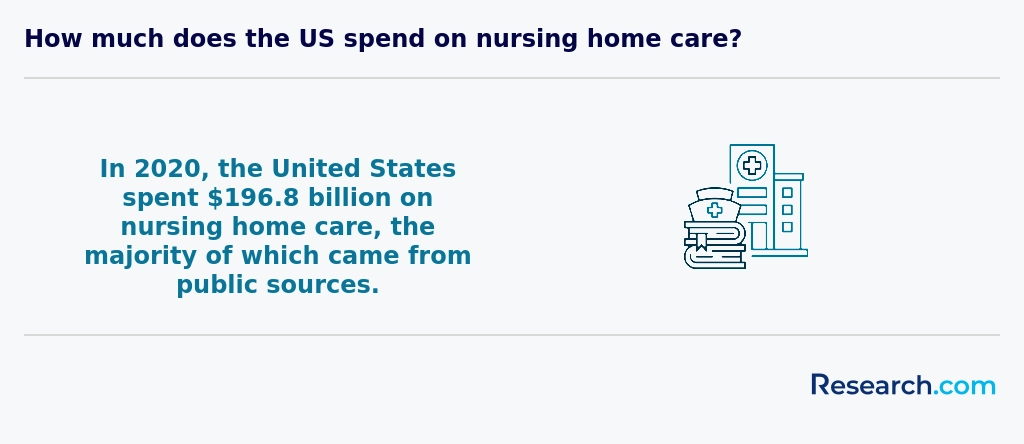
As the healthcare landscape evolves, many nursing graduates in Lebanon, IL seek to advance their careers through graduate education that offers both specialization and leadership opportunities. Pursuing a Master of Science in Nursing (MSN) enables nurses to assume roles such as nurse practitioner, clinical nurse specialist, or nurse educator, all of which command higher salaries and greater autonomy. When exploring graduate options, accreditation by the Commission on Collegiate Nursing Education (CCNE) or the Accreditation Commission for Education in Nursing (ACEN) ensures the program meets rigorous academic and clinical standards. Flexible online formats have become increasingly popular for working nurses, providing the convenience of asynchronous coursework alongside virtual simulations and local clinical placements. For example, the availability of affordable online master of science in nursing programs allows students to balance shift work and family commitments while earning an MSN. These programs often feature specializations in family practice, psychiatric-mental health, or nurse leadership, equipping graduates with targeted expertise to meet community health needs. When comparing graduate nursing schools, prospective students should evaluate faculty-to-student ratios, clinical partnerships with hospitals or community health centers, and student support services such as career counseling and thesis mentoring. Additionally, financial aid options, including federal loans, nursing-specific scholarships, and employer tuition reimbursement, can significantly lower out-of-pocket expenses. By carefully reviewing accreditation status, specialization tracks, clinical requirements, and cost, nursing professionals in Lebanon, IL can select a graduate program that not only enhances their clinical skills but also positions them for leadership roles in a dynamic healthcare environment.
Nursing degree programs in Lebanon commonly include a sequence of foundational, core, and specialized courses that prepare students for diverse clinical environments. Graduates from well-known institutions such as the Lebanese University and the American University of Beirut often highlight how foundational courses like anatomy, physiology, and microbiology provide a solid understanding of the human body's functions, enabling them to confidently approach patient care.
Core courses cover practical areas including Fundamentals of Nursing, Pharmacology, and Medical-Surgical Nursing. For instance, students frequently describe feeling empowered when applying pharmacology principles during hospital rotations in Beirut, where safe medication administration is critical. Maternal and Child Health Nursing and Mental Health Nursing also equip students to handle sensitive and varied patient needs, reflecting Lebanon's multifaceted healthcare challenges.
Community Health Nursing teaches preventive care and public health strategies, which become especially relevant in local outreach programs. Learners often appreciate how their bilingual training in English and Arabic medical terminology enhances communication in Lebanon's multicultural medical settings and beyond.
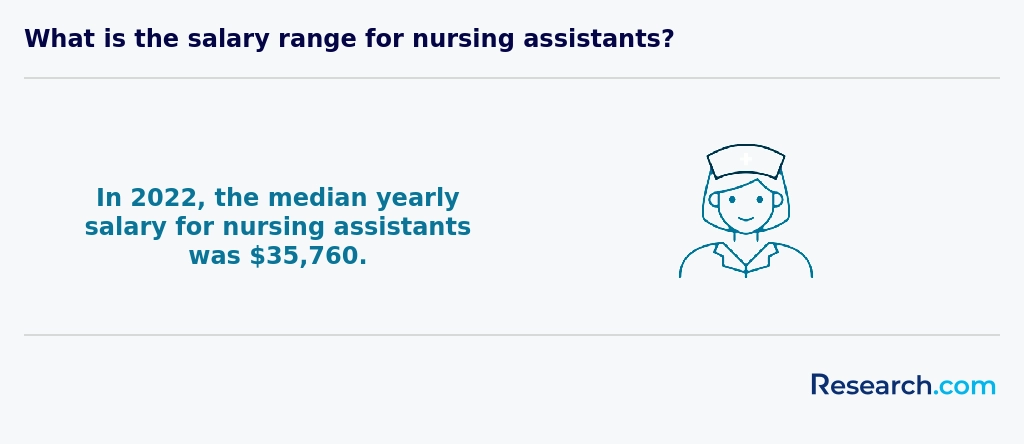
Nursing degree specializations in Lebanon typically cover areas crucial to meeting the country's diverse healthcare needs. Popular programs in Lebanon include Adult and Gerontological Nursing, which addresses the care of Lebanon's aging population, and Pediatric Nursing, focusing on children and adolescents. Graduates often share how these programs prepare them for real-world challenges, such as managing complex cases in busy hospitals affiliated with well-known universities like the Lebanese American University or Saint Joseph University.
Critical Care and Community Health Nursing are also widely available, emphasizing advanced skills in emergency and public health settings. This practical focus, combined with clinical placements, allows students to gain hands-on experience in intensive care units or community clinics, which many graduates find particularly rewarding. Additionally, Mental Health Nursing addresses the growing awareness of psychiatric conditions, highlighting Lebanon's evolving healthcare priorities.
Some institutions offer specialized paths in midwifery and oncology nursing, expanding the scope of training. Those pursuing these specializations benefit from lower tuition fees compared to the U.S., making advanced nursing education more accessible. For students aiming to excel, integrating NCLEX-PN exam review materials within their studies can further enhance career prospects.
Choosing the best nursing degree in Lebanon requires looking beyond just the prestige of universities like the American University of Beirut or the Lebanese American University, where many graduates speak positively about their hands-on clinical experiences. These programs offer access to major hospitals, allowing students to manage real patient care, which is essential in a healthcare system known for its diversity and resource limitations. However, affordability plays a critical role-students often balance quality and cost, making affordable nursing degrees Lebanon a vital consideration.
Graduates frequently emphasize the importance of curriculum content that prepares them not only locally but also for international certification exams like the NCLEX-RN. This dual focus ensures flexibility in career paths, whether staying in Lebanon or pursuing opportunities abroad. Additionally, some find value in programs with strong faculty engagement and smaller student-to-faculty ratios, which enhance personalized learning.
For those uncertain about specialization paths or future career moves, exploring healthcare management sectors alongside clinical roles can offer broader perspectives, making degree choices more informed and adaptable.
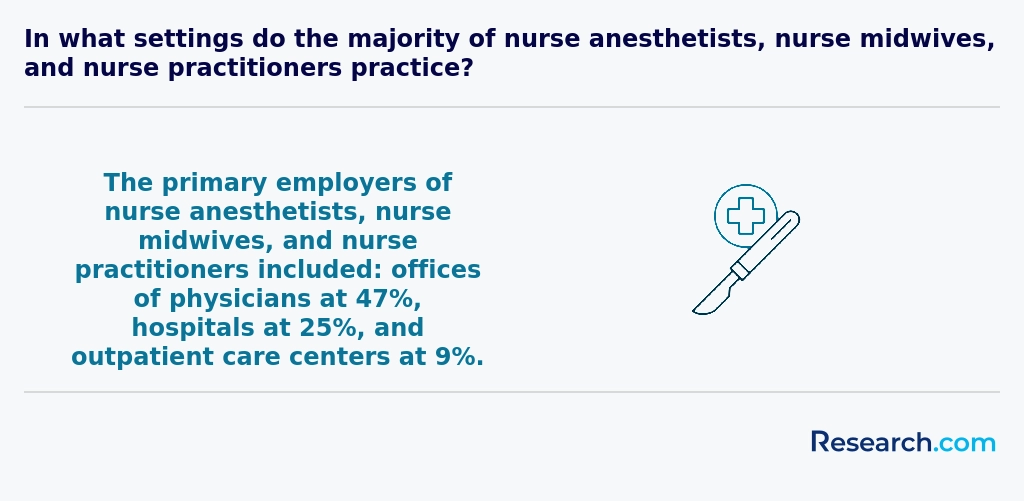
Graduates from nursing programs at prominent Lebanese universities often embark on diverse career paths, reflecting the country's dynamic healthcare landscape. The most accessible role remains that of a Registered Nurse (RN), where new nurses apply clinical skills in government hospitals or private clinics. Many nursing students from Lebanon's well-regarded colleges share positive experiences about the hands-on training they received, which prepares them well for these healthcare jobs for nursing graduates Lebanon.
Specialization offers another route, with additional certifications enabling nurses to work in focused fields like pediatric or emergency care. Some graduates recall how tailored clinical rotations helped them decide on a specialty that fits their passion. Nursing educators, often former graduates, play a crucial role in shaping Lebanon's future workforce, sometimes balancing teaching with research, highlighting career versatility.
Migration is a reality too. Around 30% of Lebanese nurses work abroad, seeking better pay and career growth, especially in the US and Gulf regions. Yet, many students appreciate Lebanon's affordable nursing education and its compatibility with global nursing standards. Some consider programs incorporating holistic nursing aspects aligned with holistic nutrition state regulations as promising niches.
Finally, experienced nurses may pursue leadership roles, managing healthcare teams or designing policies, often drawing on experiences from local nursing programs that emphasize quality improvement and administration.

The nursing job market in Lebanon presents a mix of promising opportunities and real challenges for graduates from well-known institutions such as the Lebanese University and the American University of Beirut. Hospitals and primary healthcare centers remain the primary employers, especially in urban hubs like Beirut. Many graduates describe the satisfaction of contributing meaningfully to their communities despite economic instabilities that sometimes affect hiring decisions and salary reliability. These factors create a complex landscape for nursing degree holders seeking stable employment.
Lebanon nursing degree employment outlook is nuanced by local economic conditions and a nursing workforce shortage, as there are fewer nurses per capita than in OECD countries. Some graduates find themselves considering opportunities abroad, as better pay and working conditions in Gulf countries or Europe can be very appealing. However, local nursing programs' tuition fees, ranging between $4,000 and $12,000 annually, attract students who appreciate a more affordable education compared to US costs. Some graduates share how they balance the pride of serving locally with the reality of exploring international careers.
Students focused on advancing their nursing careers might explore np programs in california rankings, preparing for transitions to higher-paying markets. Despite challenges, the demand for skilled nurses in Lebanon continues, especially in specialized and community health roles, making the nursing job opportunities in Lebanon an important consideration for prospective students weighing local versus international options.
2027 Best Nursing Degree Programs Ranking in Lebanon
Investing in your education is a significant decision that can shape your future, and the Research.com team understands the importance of making informed choices. To assist prospective students in Lebanon, we have meticulously crafted the "2027 Best Nursing Degree Programs Ranking in Lebanon." Our commitment to quality, credibility, and accuracy is reflected in the extensive research and analysis conducted to compile this ranking.
We utilized the following reputable data sources to ensure a comprehensive evaluation of nursing programs:
By exploring this ranking, readers will gain valuable insights into the best nursing degree programs available in Lebanon, helping them make well-informed decisions about their educational journeys. For more details on our methodology, please visit our Research.com methodology page.

Frequently Asked Questions About nursing
Nursing degree students in Lebanon can maximize their learning experience by actively participating in clinical placements, which are essential for developing practical skills. Lebanese nursing programs often align with US standards, incorporating evidence-based practice and simulation labs to enhance clinical readiness. According to the Order of Nurses in Lebanon, practical training constitutes over 50% of nursing curricula, emphasizing hands-on experience. Students should seek diverse clinical settings such as hospitals, community centers, and rehabilitation units to gain broad exposure. Utilizing online resources and joining professional nursing associations can also deepen knowledge and networking. Consistent engagement with up-to-date research fosters critical thinking and better patient care.
Emerging niches within the nursing field reflect changes in healthcare demands and technology. In Lebanon, growing attention is on gerontology nursing, addressing the needs of an aging population. According to a 2023 Ministry of Public Health report, Lebanon's elderly population is expected to double by 2050, increasing demand for specialized care.
Another promising area is telehealth nursing, leveraging digital tools to provide remote patient monitoring and consultation. This trend accelerated during the COVID-19 pandemic, illustrating the importance of tech literacy in nursing education.
Additionally, oncology and palliative care are expanding due to rising cancer rates. Nurses with expertise in pain management and emotional support are increasingly sought after.
These niches offer diverse career paths aligned with Lebanon's healthcare evolution.
After completing a nursing degree in Lebanon, preparing for the job market involves several critical steps. Graduates should first obtain licensure from the Lebanese Order of Nurses, which is mandatory to practice legally. This process requires passing the national exam and fulfilling clinical training hours, ensuring a competent workforce aligned with Lebanese healthcare standards.
Networking is essential; joining professional associations can connect new nurses with job opportunities and continuing education. In Lebanon, hospitals and clinics increasingly seek candidates with experience in specialized fields, so pursuing certifications in areas like critical care or pediatrics can enhance employability.
Moreover, proficiency in English and French is a distinct advantage, as many medical institutions use these languages. According to the Ministry of Public Health, Lebanon's nursing demand is growing due to healthcare system expansion and population needs, suggesting positive employment prospects for qualified nurses.
Employers in Lebanon highly value nursing graduates who demonstrate strong clinical skills combined with effective communication. According to the Lebanese Ministry of Public Health, proficiency in patient care and the ability to perform accurate clinical assessments are critical. Additionally, teamwork is essential due to the collaborative nature of healthcare settings.
Critical thinking and problem-solving skills enable nurses to respond well to emergencies, a quality consistently sought after in Lebanese hospitals. Knowledge of infection control and adherence to safety protocols, as outlined by the World Health Organization guidelines adopted locally, are also vital.
Lastly, cultural sensitivity and adaptability are important because Lebanon's diverse population requires nurses to understand and respect different backgrounds to provide proper care.
Finding internships relevant to a nursing degree in Lebanon involves several practical steps. Many Lebanese universities with nursing programs collaborate with local hospitals and healthcare centers, providing students with internship opportunities as part of their curriculum. For instance, the American University of Beirut often arranges clinical placements at nearby medical facilities.
To secure internships, nursing students should actively contact university career services and use hospital internship programs. The Lebanese Order of Nurses sometimes offers listings of approved healthcare institutions for practical training.
Additionally, networking with professionals through seminars and nursing associations, such as the Lebanese Nurses Association, can enhance chances. According to the World Health Organization, Lebanon has approximately 4.5 nurses per 1,000 people, indicating an active nursing workforce and opportunities for clinical experience.
In Lebanon, earning a nursing degree significantly enhances career mobility and opportunities for advancement within the healthcare sector. According to the Lebanese Order of Nurses, approximately 65% of registered nurses hold a Bachelor's degree, which is increasingly recognized as a minimum requirement for clinical and administrative roles. Higher education credentials allow nurses to qualify for specialized positions, including nurse educators, clinical nurse specialists, and supervisors.
Lebanon's nursing workforce faces competitive demands, and a degree can facilitate entry into hospitals affiliated with international health organizations or NGOs, expanding career paths. Additionally, nurses with advanced degrees are more likely to access leadership roles and contribute to health policy development. The World Health Organization's reports highlight Lebanon's ongoing need for skilled nursing professionals, reinforcing the value of formal education in career progression.
Studying for a nursing degree in Lebanon equips students with skills essential for interdisciplinary healthcare roles. Lebanese nursing programs emphasize collaboration across medical, social, and psychological fields, reflecting global healthcare trends. According to the Lebanese Order of Nurses, curricula often include teamwork, communication, and leadership training to prepare nurses for diverse care teams.
Students gain clinical experience in various settings, working alongside doctors, pharmacists, and therapists. This exposure enhances understanding of comprehensive patient care. Additionally, many programs incorporate evidence-based practice, supporting graduates' ability to contribute to multidisciplinary decision-making.
These educational approaches help Lebanese nursing graduates adapt effectively to complex healthcare environments worldwide.
Choosing between a thesis and a non-thesis nursing degree program in Lebanon depends on your career goals and interests. A thesis program emphasizes research and prepares students for academic roles or advanced studies, such as PhD programs. It requires completing a significant research project under faculty supervision.
Non-thesis programs focus on practical skills and clinical experiences, ideal for students aiming to enter nursing practice directly or pursue managerial positions. These programs usually involve extra coursework instead of a research project.
In Lebanon, universities like the American University of Beirut (AUB) and Lebanese University offer both options. According to the Lebanese Order of Nurses, research-oriented nurses contribute significantly to healthcare innovation in the country, but the majority pursue clinical careers.
Consider your professional ambitions and consult academic advisors before deciding. Your choice should align with whether you prefer research-driven or practice-oriented paths.
Students in Lebanon interested in studying nursing abroad, particularly in the United States, have several pathways available. Many opt for U.S. universities offering Bachelor of Science in Nursing (BSN) programs, which typically last four years. Some schools also provide accelerated BSN options for those who already hold a degree. Upon completion, graduates must pass the NCLEX-RN exam to become licensed registered nurses in the U.S.
Lebanese students often pursue nursing degrees through exchange programs or directly apply to U.S. colleges with recognized credentials. English proficiency tests such as TOEFL or IELTS are commonly required. According to the World Bank, Lebanon faces nursing shortages, which encourage international study for better opportunities abroad.
Part-time job opportunities in Lebanon that complement nursing degree education often focus on healthcare settings where students can gain practical experience while studying. Common roles include nursing assistant positions in hospitals or clinics, which allow students to apply classroom knowledge and develop patient care skills. According to the Lebanese Order of Nurses, working in community health centers also offers valuable exposure to primary care and public health nursing.
Additionally, medical transcription and phlebotomy technician roles are options that provide insights into clinical procedures and healthcare documentation. These part-time jobs support both skill development and professional networking within Lebanon's healthcare sector.
Nursing students in Lebanon have several networking opportunities that are crucial for their professional growth. Universities often partner with local hospitals and healthcare organizations, enabling students to connect with practicing nurses and healthcare leaders during clinical rotations. Organizations such as the Lebanese Order of Nurses provide platforms for students to engage in workshops, seminars, and conferences.
These events facilitate networking with experienced professionals and peers, enhancing job prospects after graduation. Moreover, some nursing schools encourage participation in community health outreach programs, offering students real-world experience and contacts. According to recent data from the Ministry of Public Health Lebanon, collaboration between educational institutions and healthcare providers has increased by 15% over the past five years, reflecting growing networking opportunities.
Alumni networks play a crucial role in supporting nursing degree students in Lebanon by offering mentorship, career guidance, and professional connections. Graduates often share their experiences and advice, helping current students navigate the challenges of clinical practice and academic demands. According to the Lebanese Order of Nurses, such networks facilitate job placement by connecting students with hospitals and clinics seeking qualified nursing professionals.
These networks also promote continuing education by informing students about workshops and specialized training opportunities. Evidence shows that nursing students engaged in active alumni communities tend to have higher employment rates within six months of graduation, enhancing their career prospects in Lebanon's competitive healthcare sector.
Customizing a nursing degree program in Lebanon involves selecting elective courses and clinical experiences that align with your career goals. Many Lebanese universities offer Bachelor of Science in Nursing (BSN) programs accredited by the Lebanese Ministry of Education and Higher Education, allowing flexibility in course choices related to specialties like pediatrics, critical care, or community health.
Students can also pursue internships in various healthcare facilities to gain practical skills tailored to their interests. According to the Order of Nurses in Lebanon, over 80% of nurses seek specialization after graduation, reflecting the importance of targeted training.
Additionally, partnering with institutions that maintain affiliations with US-based nursing programs can facilitate future opportunities, including advanced degrees or certifications in the United States.
Nursing students in Lebanon face several challenges that affect their education and career prospects. One major issue is the limited availability of clinical training sites due to the high demand in hospitals and healthcare centers, which can delay hands-on experience essential for nursing competencies. According to a 2022 report by the Order of Nurses in Lebanon, over 60% of students reported difficulties accessing adequate practical placements.
Another challenge is financial instability, as many institutions have increased tuition fees amid the country's economic crisis, making nursing education less affordable.
Language barriers also impact learning; while many programs are in English or French, students often struggle switching between these languages and Arabic, the main language of patient communication.
With a nursing degree, graduates in Lebanon can pursue various professional certifications recognized in the United States to enhance their careers. Common certifications include the Registered Nurse (RN) licensure, which is the basic requirement for US clinical practice. Advanced certifications such as Certified Nurse Practitioner (CNP), Clinical Nurse Specialist (CNS), or Certified Nurse Midwife (CNM) are also available for specialized roles.
Additionally, certifications in areas like Critical Care (CCRN), Emergency Nursing (CEN), or Pediatric Nursing (CPN) provide nurses with expertise for specific populations. These credentials often require passing the National Council Licensure Examination (NCLEX-RN) and completing continuing education.
The US nursing certifications are respected globally, including in Lebanon, where many graduates seek to work abroad or collaborate within international healthcare settings.
Writing a winning application for a nursing program in Lebanon requires careful preparation and a clear understanding of both local and U.S. nursing education standards. Lebanese nursing schools often seek applicants with strong academic backgrounds in biology and chemistry. Including detailed transcripts showing relevant coursework can strengthen your application.
Highlight any healthcare-related experience, such as volunteer work or internships, which demonstrates your commitment to the field. According to the Lebanese Order of Nurses, practical experience is highly valued.
Additionally, English proficiency is essential since many Lebanese nursing programs use English textbooks and instruction, aligning with international standards.
Lastly, crafting a concise, personal statement explaining your motivation for nursing and your career goals can set you apart. Be sure to tailor this to reflect an understanding of the Lebanese healthcare environment and nursing challenges highlighted by sources like the World Health Organization's regional reports.
The nursing profession is recognized worldwide as essential to healthcare systems. In the United States, nursing offers diverse career paths, including advanced practice roles such as Nurse Practitioner, with a projected 15% job growth between 2021 and 2031 according to the U.S. Bureau of Labor Statistics. Globally, nurses often face varying educational standards, but Lebanon aligns closely with international norms by requiring a Bachelor of Science in Nursing for entry-level practice. Lebanese nurses have opportunities abroad, especially in the US and Gulf countries, where their skills are in demand due to global nursing shortages. Understanding these trends can help students make informed decisions.
Gaining practical experience while studying for a nursing degree in Lebanon is essential to preparing for a successful career. Most Lebanese nursing programs incorporate clinical training as a core component, allowing students to work directly with patients in hospitals and healthcare settings. According to the Lebanese Order of Nurses, students typically complete between 800 and 1,200 clinical hours during their studies.
Internships and cooperative education placements are commonly offered by universities, enabling students to gain hands-on experience under licensed professionals' supervision. These opportunities often take place in major hospitals across Lebanon, including Rafik Hariri University Hospital and the American University of Beirut Medical Center.
Furthermore, Lebanese nursing students may participate in community health programs, which help build skills in patient education and preventive care. This practical exposure complements classroom learning and helps students understand real-world challenges.
Choosing the right concentration within a nursing degree in Lebanon requires understanding both your interests and the local healthcare needs. Lebanon offers various nursing specialties such as adult care, pediatric nursing, and community health, reflecting the country's diverse patient population. According to the Order of Nurses in Lebanon, community and chronic care are growing fields due to rising non-communicable diseases. Prospective students should evaluate program curricula, focusing on clinical hours and faculty expertise in their preferred concentration.
Consider job market trends, as hospital-based nursing and home care are among top employment areas. Align your choice with long-term career goals, including potential graduate studies or certifications. Researching each concentration's appeal in Lebanon's healthcare context is essential for informed decision-making.
- 2027 Best Nursing Degree Programs Ranking in Saint Louis
- 2027 Best Nursing Degree Programs Ranking in Peoria
- 2027 Best Nursing Degree Programs Ranking in Indianapolis
- 2027 Best Nursing Degree Programs Ranking in Louisville
- 2027 Best Nursing Degree Programs Ranking in Chicago
- 2027 Best Nursing Degree Programs Ranking in Kansas City
- 2027 Best Nursing Degree Programs Ranking in Madison
- 2027 Best Nursing Degree Programs Ranking in Milwaukee
- 2027 Best Nursing Degree Programs Ranking in Omaha
- 2027 Best Nursing Degree Programs Ranking in Birmingham
See What Experts Have To Say About Studying Nursing
Read our interview with Nursing experts


- Educating the Next Generation of Nurses in Lebanon - Anera https://www.anera.org/stories/educating-the-next-generation-of-nurses-in-lebanon/
- Guide to Making a Career Change to Nursing https://teach.com/online-ed/healthcare-degrees/online-msn-programs/career-change-to-nursing/
- What Are the Best Jobs to Work While in Nursing School? https://www.dewv.edu/what-are-the-best-jobs-to-work-while-in-nursing-school/
- How Do Nurses Prepare to Work in a Multidisciplinary Team? | NursingEducation https://nursingeducation.org/insights/multidisciplinary-team/
- Top Skills Employers Want in Practical Nursing Graduates https://vervecollege.edu/what-employers-look-for-in-practical-nursing-graduates/
- THE FIELD OF NURSING - FIRST-DEGREE OF STUDIES https://wnoz.wum.edu.pl/pl/content/field-nursing-first-degree-studies
- Your Questions About Online Nursing School, Answered https://www.allnursingschools.com/how-to-get-into-nursing-school/online-programs/
- Interdisciplinary Education and Practice https://www.aacnnursing.org/news-data/position-statements-white-papers/interdisciplinary-education-and-practice
- Know more about thesis vs non- thesis: what is the difference? https://studyfans.com/en/blogs/816
- Do I Have to Write a Thesis to Complete a Master’s Degree in Nursing? https://www.bestmasterofscienceinnursing.com/faq/write-thesis-complete-masters-degree-nursing/