2027 Most Popular Nursing Degree Programs Ranking in San Antonio

Co-Founder and Chief Data Scientist
Are you considering a nursing degree in San Antonio? Choosing the right program can shape your future career and open doors to many opportunities.
This article features the 2027 Most Popular Nursing Degree Programs Ranking in San Antonio, created by the Research.com team of data scientists. It aims to help you make an informed decision by highlighting the top nursing programs worth considering in your area.
Reading this guide will give you valuable insights and confidence as you take this important step toward a rewarding and compassionate profession.
Key benefits of getting nursing degree in San Antonio
- Registered Nurses in San Antonio earn a mean annual wage of $94,480, with Operating Room Nurses earning even higher at $128,490, making nursing degrees financially rewarding.
- Graduates from San Antonio colleges often find diverse career options, including roles as Clinical Nurse Educators and Public Health Nurses, offering meaningful and varied work environments.
- Obtaining a nursing degree online from local universities provides flexibility and convenience, allowing students to balance work and study while still earning a respected credential.
- 2027 Most Popular Nursing Degree Programs Ranking in San Antonio
- What can I expect from nursing degree in San Antonio?
- Where can I work with nursing degree in San Antonio?
What can I expect from nursing degree in San Antonio?
The average cost of pursuing a nursing degree in San Antonio varies depending on the institution and program level. For example, students enrolled in the Bachelor of Science in Nursing (BSN) program at the University of Texas Health Science Center at San Antonio often report tuition and fees totaling around $10,000 to $15,000 per year for in-state residents. Graduates recall how this investment was manageable thanks to available financial aid and flexible payment options that accommodated their personal circumstances.
Community colleges offering Associate Degree in Nursing (ADN) programs generally have lower tuition costs, typically ranging from $5,000 to $8,000 annually. Many students express relief that these programs balance affordability with strong clinical training affiliations, such as those with Baptist Health System. Such partnerships ensure hands-on experiences that bolster confidence and job readiness upon graduation.
Graduate nursing programs, including nurse practitioner tracks, naturally carry higher tuition, often between $15,000 and $25,000 yearly. However, alumni emphasize the value of this expenditure given the accelerated pathways and comprehensive NCLEX-RN preparation provided by San Antonio institutions. These features support robust career outcomes, which many find deeply rewarding both professionally and personally.
Where can I work with nursing degree in San Antonio?
Graduates from nursing programs at institutions like the University of Texas at San Antonio and Trinity University find abundant employment opportunities throughout the city's diverse healthcare system. Many step directly into roles at major hospitals such as University Health System and Christus Santa Rosa, gaining hands-on experience in fast-paced environments like emergency rooms, surgical units, or pediatric care. These settings provide a strong foundation for developing critical skills and growing professionally.
Others graduate with aspirations to work in outpatient clinics or community health centers, where they manage chronic diseases and engage in preventative care. This has proven especially rewarding for nurses interested in long-term patient relationships and community wellness. Many recent graduates share a sense of fulfillment working alongside public health agencies and home health programs that support elderly and underserved populations in San Antonio.
Long-term care facilities also attract many nursing graduates, offering roles that combine clinical expertise with compassionate care for the city's aging population. Additionally, some choose academic or research roles at San Antonio colleges, expanding their impact beyond bedside care. These varied career paths reflect San Antonio's robust demand for skilled nursing professionals.
Graduates of nursing degree programs in San Antonio can expect competitive earnings aligned with regional demand and institutional prestige. For example, several recent graduates from the University of Texas Health Science Center at San Antonio report starting salaries close to the registered nurse average of $94,480 annually, as indicated by the latest U.S. Bureau of Labor Statistics data. This figure is consistent across a variety of direct patient care roles.
Nursing professionals pursuing specialized paths, such as operating room nurses, experience notably higher wages, with mean annual earnings around $128,490. This premium reflects the additional skills and responsibilities required in surgical environments commonly found in San Antonio's major hospitals. Graduates appreciate how their advanced clinical training translates into greater financial rewards and increased job stability.
Graduates working as clinical nurse educators or public health nurses in the city also benefit from salaries near $94,480 per year. These roles often attract those committed to leadership and community health improvement, motivating many students at institutions like the University of the Incarnate Word to continue their education.
Overall, San Antonio nursing graduates feel encouraged by the strong local healthcare market, which supports both competitive salaries and diverse career opportunities.
- Tuition for nursing degrees in San Antonio ranges from $8,000 to $15,000 per year at public universities, with higher costs at private institutions.
- Programs include Associate of Science in Nursing (ASN), Bachelor of Science in Nursing (BSN), and advanced degrees like Master's and DNP.
- Registered nurse employment in the San Antonio-New Braunfels area is expected to grow faster than the national average over the next decade.
- Starting salaries for new registered nurses are about $58,000 to $62,000 annually, with experienced nurses earning more than $85,000.
- Licensing requires passing the NCLEX-RN exam as regulated by the Texas Board of Nursing.
- Financial aid and scholarships are widely available, and military medical facilities offer additional job opportunities.
Completing a nursing degree in San Antonio typically varies by the program type and institution. For example, graduates from community colleges offering an Associate Degree in Nursing (ADN) often complete their studies in two to three years, gaining essential clinical skills and preparing promptly for the NCLEX-RN licensure exam. Many appreciate this accelerated path as it allows earlier entry into the workforce, balancing study with personal commitments.
At universities such as the University of Texas at San Antonio or other local four-year institutions, earning a Bachelor of Science in Nursing (BSN) usually requires about four years of full-time study. Graduates share that the comprehensive curriculum and extensive clinical rotations cultivate confidence and deeper expertise, fueling their passion for patient care and leadership roles.
For those already holding an ADN, RN-to-BSN programs in San Antonio often take one to two years, offering a fulfilling route for career advancement. Accelerated BSN courses are also available, enabling students from other fields to complete their degree in roughly 12 to 18 months, reflecting the city's commitment to flexible, rigorous nursing education.
Choosing a nursing program in San Antonio, TX, can be a pivotal decision for aspiring nurses, given the city's thriving healthcare sector and the demand for skilled nursing professionals. San Antonio offers a unique blend of clinical opportunities, cultural diversity, and educational excellence that can enhance a nursing student's learning experience. By opting for a nursing program in this vibrant city, students can gain hands-on experience in renowned hospitals and healthcare facilities, interact with a diverse patient population, and develop a deep understanding of community health needs. Moreover, many nursing programs in San Antonio are accredited and offer flexible learning options, including online courses and part-time schedules, which can be particularly appealing to those balancing study with work or family commitments. For individuals interested in exploring the most popular nursing programs, visiting the most popular nursing programs can provide valuable insights into the top-ranked institutions and their offerings. Ultimately, the combination of academic rigor, clinical experience, and community engagement in San Antonio's nursing programs can prepare students for a successful and fulfilling career in nursing.
Students pursuing nursing degrees in San Antonio encounter distinct experiences depending on whether they enroll in on-campus or online programs. On-campus students at institutions like the University of Texas at San Antonio (UTSA) benefit from direct interaction with faculty and peers, engaging in hands-on clinical labs and rotations within local healthcare facilities. These immersive environments foster immediate feedback and build strong professional connections, which many graduates recall as invaluable for their confidence and skill development.
In contrast, online nursing programs offer flexibility for those balancing work or family commitments. Coursework is completed remotely through video lectures and virtual discussions, while clinical hours are arranged locally, allowing students to integrate practical training with their schedules. Graduates appreciate the autonomy required in online learning, often highlighting the sense of accomplishment that comes from managing their education independently.
Both formats uphold Texas Board of Nursing standards, requiring clinical experience for licensure. While tuition costs at UTSA and community colleges are comparable, online students may save on commuting and housing, making it a practical choice without sacrificing educational quality.
High-quality nursing programs in San Antonio maintain regional and national accreditation and report strong NCLEX-RN pass rates to demonstrate graduate readiness.
- University of Texas at San Antonio
- Accredited by CCNE (Commission on Collegiate Nursing Education)
- 92% NCLEX-RN pass rate (2024 cohort)
- San Antonio College
- Accredited by ACEN (Accreditation Commission for Education in Nursing)
- 88% NCLEX-RN pass rate (2024 cohort)
- Baptist Health System School of Health Professions
- Accredited by CCNE
- 94% NCLEX-RN pass rate (2024 cohort)
- South Texas College
- Accredited by ACEN
- 90% NCLEX-RN pass rate (2024 cohort)
Choosing an accredited program with proven NCLEX success ensures you meet licensure requirements and enter the workforce with confidence. For advanced practice roles, consider the cheapest online whnp programs.
The average cost of a nursing degree in San Antonio varies significantly based on residency status and program type. For in-state students, the median total cost is approximately $17,048, which reflects tuition, fees, and necessary expenses over the duration of the program. Graduates from local institutions such as San Antonio College or the University of Texas at San Antonio often describe their educational investments as manageable, especially when combined with financial aid opportunities.
Out-of-state students face considerably higher median total costs, around $35,426, which includes tuition and additional fees typical for non-resident enrollment. These costs can challenge prospective students but remain competitive when considering the quality of nursing programs available. Many graduates recall balancing work and study while taking advantage of scholarships and grants designed specifically for nursing education.
Additional expenses like textbooks, clinical supplies, and licensing exams further contribute to the investment required to complete a nursing degree. Despite this, San Antonio's nursing degree tuition and fees remain aligned with broader state averages, providing a realistic financial outlook for many entering the field. Prospective students often explore the most popular nursing programs in the region to find a path that fits their budget and career goals.

Preparing for the NCLEX-RN is a critical step in transitioning from student to licensed nurse in Texas. Most San Antonio nursing programs boast NCLEX pass rates above 90%, but understanding the exam format and state‐specific requirements can make all the difference. Here’s what you need to know: 1. Comprehensive Review Courses and Practice Exams - Many institutions partner with industry leaders like Kaplan, Hurst, or Saunders to provide live review workshops and adaptive online question banks. - Regularly scheduled HESI Exit Exams help gauge readiness and identify weak areas. - Simulation labs and high-fidelity manikins reinforce clinical decision-making under pressure. 2. Texas Board of Nursing Application Process - Submit your NCLEX-RN application online via the Texas Board of Nursing portal, paying the required licensure and fingerprint processing fees. - Complete background checks and electronic fingerprinting well in advance-delays often occur during holiday periods. - Ensure all immunization records and CPR certifications are up-to-date to satisfy clinical clearance. 3. Study Strategies for Success - Create a personalized study plan that allocates time for pharmacology, medical-surgical nursing, pediatrics, and mental health scenarios. - Join peer study groups or online forums where recent graduates share test-taking tips. - Attend end-of-semester NCLEX boot camps offered by your school or local nursing organizations. For those balancing work or family commitments, accredited [online bsn programs for non nurses in texas](https://research.com/degrees/best-online-nursing-degree-programs-for-non-nurses) deliver flexibility alongside structured NCLEX prep modules. By combining rigorous review courses, hands-on simulations, and a clear understanding of Texas Board requirements, you’ll be well-equipped to pass the NCLEX-RN and embark on your nursing career.
Nursing students at institutions like the University of Texas Health Science Center at San Antonio often rely on federal financial aid as a foundational source of support. Completing the FAFSA enables access to Pell Grants, which can provide up to $7,395 annually without repayment obligations. Graduates frequently recall how these grants alleviated the pressure of tuition fees, allowing them to focus on clinical practice and coursework.
State programs, including the Texas Educational Opportunity Grant and workforce grants, also play a vital role. These grants especially benefit students who commit to serving in underserved areas around San Antonio, creating a meaningful connection between education and community impact. Many students from local colleges have expressed gratitude for this opportunity, which combines financial relief with a clear career path.
Scholarships from organizations like the San Antonio Nursing Educational Consortium and the Texas Nurses Association provide merit-based awards, supporting committed students. Additionally, employer tuition reimbursement programs within healthcare facilities offer practical assistance for those balancing work and study, reflecting the collaborative spirit prevalent among San Antonio's nursing community.
After completing your nursing degree in San Antonio, the next critical step is obtaining licensure through the Texas Board of Nursing (BON) and passing the NCLEX exam. Here’s what you need to know: 1. Texas BON Application • Submit an online application via the Texas BON e-Services portal. • Provide official transcripts from your nursing program and pay the non-refundable application fee. • Complete a criminal background check and electronic fingerprinting as mandated by the BON. 2. NCLEX Registration and Preparation • Register for the NCLEX-RN or NCLEX-PN exam through Pearson VUE. • Schedule your test date-you’ll have 365 days from your registration to test. • Prepare using BON-approved review courses, practice questions, and study groups. Many graduates recommend dedicating 4–6 weeks of focused study. 3. Temporary Permit and Practice • Once your application is approved, you may qualify for a temporary permit allowing you to work under supervision while awaiting official NCLEX results. • Verify your temporary permit details on the BON website and maintain active registration with your employer. 4. Continuing Education and Renewal • After licensure, Texas RNs must complete 20 contact hours of continuing education (CE) every two years, including one hour on ethics and one hour on laws/rules. • Renew your license online before the expiration date to avoid late fees and practice interruptions. For those exploring alternate entry points into nursing, consider a fast-track option like a 10 month lpn program, which accelerates your path to licensure and bedside practice. Properly navigating the licensure process ensures you’re fully prepared to launch your nursing career in San Antonio’s vibrant healthcare community.
To enroll in a nursing degree program in San Antonio, students must first hold a high school diploma or GED, establishing a strong academic foundation. Many graduates from local institutions, such as the University of Texas at San Antonio or San Antonio College, recall how completing prerequisite courses like human anatomy, chemistry, and microbiology was essential to prepare them for the challenging curriculum ahead.
Applicants must also demonstrate proficiency by achieving a minimum grade in these courses, typically a C or higher, with some programs requiring a GPA around 2.5. Standardized testing is another important step; the TEAS exam is widely used, and successful candidates often describe how thorough preparation boosted their confidence and increased their admission chances.
Moreover, students must meet health and safety standards, providing immunization records and passing background checks to qualify for clinical placements. These combined requirements ensure that nursing students in San Antonio enter their programs ready, reflecting the rigorous local standards that foster skilled and compassionate healthcare professionals.

Ensuring your nursing degree program in San Antonio, TX is properly accredited and approved is the first step toward a successful career. All reputable programs in the region must hold accreditation from recognized agencies such as the Commission on Collegiate Nursing Education (CCNE) or the Accreditation Commission for Education in Nursing (ACEN). Equally important is approval by the Texas Board of Nursing, which guarantees that your curriculum meets state requirements for clinical hours, faculty qualifications, and core competencies. Accreditation not only reflects academic rigor but also determines your eligibility to sit for the NCLEX-RN exam. Programs often publish their NCLEX-RN pass rates-look for rates above 90% to maximize your chances of licensure on the first attempt. Hands-on clinical training is another accreditation criterion; strong partnerships with local hospitals and community clinics ensure you gain real-world experience under approved preceptors. If you’re considering alternative delivery formats, it’s wise to compare accredited online options by cost, support services, and licensure outcomes. For example, you can explore our Cheapest Online Bachelor's in Nursing Degree Programs Ranking in New York to see how affordability aligns with accreditation standards elsewhere. Taking these accreditation and licensure factors into account will help you choose a program that not only fits your budget but also sets you up for exam success and long-term career growth.
Nursing degree programs in San Antonio typically include a variety of courses that build both foundational knowledge and specialized skills. Graduates from institutions like the University of Texas Health Science Center often reflect on how courses such as Anatomy and Physiology gave them essential insights into the human body, which proved invaluable during clinical rotations.
Students also take Microbiology to understand infection control-crucial in hospital settings like the University Health System. Pharmacology classes equip them with knowledge about medication administration, fostering confidence when managing patient treatments.
Pathophysiology and Nutrition courses further deepen understanding of disease processes and patient care strategies, preparing students for real scenarios seen in Methodist Healthcare System clinicals. Health Assessment and Fundamentals of Nursing train students to perform thorough evaluations and provide compassionate care.
Courses in Mental Health, Pediatric, Geriatric, and Medical-Surgical Nursing offer hands-on challenges that enhance clinical judgment. Many graduates describe their experiences at San Antonio colleges as transformative, linking theory to practice with a strong sense of purpose and readiness for nursing careers.
San Antonio nursing degree specializations cater to a broad range of healthcare needs, allowing students to tailor their education to specific patient populations and clinical environments. Graduates from local universities often reflect on their rewarding experiences in pediatric nursing, where they cared for infants and children while developing a compassionate approach essential to young family communities in San Antonio.
Other favored specializations include geriatric nursing, which addresses the growing elderly population in the city, offering students meaningful opportunities to enhance senior care. Critical care nursing attracts those eager to work in fast-paced settings like intensive care units, preparing them to manage life-threatening conditions with confidence.
San Antonio nursing program specialization options also frequently comprise psychiatric-mental health nursing, equipping students to support patients through mental health challenges, a field gaining traction regionally. Some programs even incorporate obstetric and oncology nursing, along with nurse anesthetist training, enabling students to find their precise career path within the profession.
For those seeking accelerated pathways, many turn to a 10 month lpn program available in the city, combining efficiency with comprehensive training.
Choosing the best nursing degree in San Antonio requires assessing several key factors tailored to your unique situation. Accreditation remains paramount; programs recognized by national bodies like CCNE or ACEN ensure quality education and smoother licensure processes. Graduates from popular nursing schools in San Antonio often commend the balanced mix of theory and clinical practice provided, especially through local hospital partnerships that enrich hands-on experience.
Cost and program length are decisive. Many affordable nursing schools San Antonio-based students choose offer associate degrees that take about two years, preparing them well for the NCLEX-RN exam. Others pursue a Bachelor of Science in Nursing for broader career prospects and higher salaries, as BSN holders in San Antonio generally report greater professional satisfaction and financial rewards. Students juggling work and family find flexible schedules at community colleges invaluable, enhancing their learning journey.
Additionally, reviewing NCLEX pass rates and support services like tutoring is vital. Exploring options can reveal standout programs that foster confidence and competence. For those seeking cost-effective options beyond San Antonio, consider consulting the Cheapest Online Bachelor's in Nursing Degree Programs Ranking in New York to weigh alternative pathways.
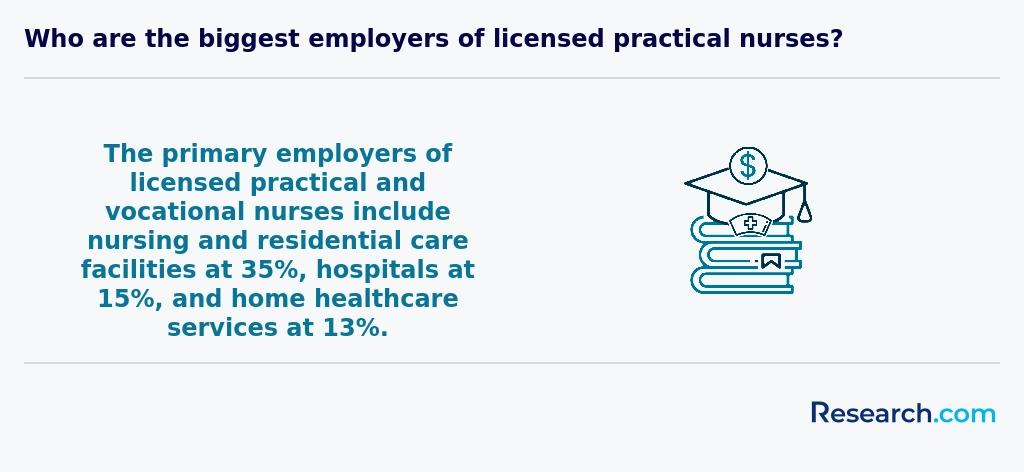
Graduates holding a nursing degree in San Antonio have access to diverse nursing career options in San Antonio that cater to various personal interests and professional goals. Many begin as registered nurses or licensed vocational nurses, actively contributing to patient care in major hospitals like University Health System. These environments offer hands-on experience in fast-paced settings such as emergency rooms and acute care units, which many graduates find both challenging and rewarding.
For those seeking specialized paths, opportunities span pediatric nursing, geriatric nursing, critical care, and public health nursing. Graduates often share how working in community health organizations in San Antonio amplifies their sense of purpose by serving a diverse local population.
Advancing beyond bedside roles, some pursue nurse practitioner certifications or leadership positions requiring graduate education. Local institutions encourage students to explore fast online degree programs for working adults, which align well with the busy schedules of many aspiring nurses balancing work and study.
With such varied healthcare jobs with nursing degree San Antonio graduates report strong job satisfaction and promising career prospects across the region's expanding healthcare sector.
The nursing job outlook in San Antonio remains promising, supported by a growing healthcare infrastructure and consistent demand across hospitals, clinics, and long-term care facilities. Graduates from well-regarded programs at institutions like the University of Texas Health Science Center and local community colleges find rewarding employment opportunities that reflect diverse care settings, from bustling hospital wards to outpatient centers and home healthcare.
Many nursing graduates describe feeling encouraged by the city's competitive salaries, with average annual RN wages ranging between $70,000 and $75,000, making the investment in a nursing degree particularly worthwhile. These earnings often surpass the average tuition costs at Texas public universities, which generally fall between $7,000 and $15,000 annually for in-state students. For students aiming to enhance their qualifications, San Antonio's continuing education and residency programs offer reliable pathways to career advancement while supporting job stability within the local healthcare market.
Understanding the evolving needs of healthcare, some recent graduates have pursued specialized roles or sought easy certificate programs that pay well, further boosting their prospects. This reflects the strong nursing career opportunities San Antonio provides to motivated students ready to serve their community with expertise and compassion.
2027 Most Popular Nursing Degree Programs Ranking in San Antonio
Investing in your education is a significant decision that can profoundly impact your career and life, and the Research.com team is committed to helping you make informed choices. With this in mind, we have carefully developed the "2027 Most Popular Nursing Degree Programs Ranking in San Antonio." Our focus on quality, credibility, and accuracy is demonstrated by the rigorous research and analysis underlying this ranking.
We utilized the following reputable data sources to ensure a comprehensive evaluation of nursing degree programs:
By exploring this ranking, readers will gain valuable insights into the most popular nursing degree programs in San Antonio, empowering them to select the best educational path suited to their goals. For more information on how this ranking was created, please visit our Research.com methodology page.


# 3 position
The University of Texas Health Science Center at San Antonio
Bachelor of Science in Nursing

# 4 position
Galen College of Nursing-San Antonio
Bachelor of Science in Nursing

# 5 position
The University of Texas Health Science Center at San Antonio
Doctor of Nursing Practice
Frequently Asked Questions About nursing
Nursing students in San Antonio can enhance their learning experience by actively engaging in clinical rotations offered through local hospitals such as University Hospital and Methodist Healthcare. These hands-on experiences allow students to apply theoretical knowledge in real-world settings, which is crucial for skill development. According to the Texas Board of Nursing, students who participate in diverse clinical environments tend to perform better in licensing exams.
Joining study groups and leveraging resources at institutions like San Antonio College and the University of Texas Health Science Center can strengthen understanding of complex nursing concepts. Additionally, networking with local healthcare professionals fosters mentorship opportunities and career growth.
The nursing field in San Antonio is expanding into several emerging niches, addressing evolving healthcare needs. One significant area is gerontological nursing, supporting the region's growing elderly population. The U.S. Census Bureau reports that by 2030, nearly 20% of San Antonio's residents will be 65 or older, increasing demand for specialized care.
Another rapidly growing niche is telehealth nursing. San Antonio's healthcare providers are integrating remote patient monitoring and virtual consultations, driven by technological advances and pandemic experiences. Nurses skilled in telehealth are essential for improving access to care in this large metropolitan area.
Additionally, psychiatric-mental health nursing is gaining prominence. The Texas Health and Human Services notes rising mental health service needs statewide, including San Antonio, which broadens opportunities for nurses trained in behavioral health.
After completing a nursing degree in San Antonio, preparing for the job market involves several key steps. First, obtaining licensure by passing the NCLEX-RN exam is mandatory to practice as a registered nurse in Texas. According to the Texas Board of Nursing, San Antonio graduates have an 85% pass rate, reflecting strong program standards.
Next, gaining clinical experience through local hospitals like University Health or Methodist Healthcare enhances employment prospects. Networking with healthcare professionals and attending job fairs in San Antonio can also open doors.
Lastly, consider certifications in specialties such as critical care or pediatrics to meet growing local demand noted by Texas Workforce Commission projections showing nursing roles expanding by 15% through 2030.
Employers in San Antonio prioritize several key skills when hiring nursing degree graduates. Strong clinical competence is essential, including proficiency in patient assessment and care planning. According to the Texas Center for Nursing Workforce Studies, critical thinking and effective communication rank highly in the skills employers seek. Nurses must also demonstrate cultural sensitivity due to San Antonio's diverse population.
Time management and teamwork skills are crucial, as nurses often work in fast-paced environments requiring collaboration. Additionally, basic technological proficiency, such as using electronic health records, is increasingly important. These competencies collectively prepare graduates to meet local healthcare demands effectively.
Finding internships related to nursing degrees in San Antonio involves several practical steps. Many local hospitals, such as Methodist Healthcare and University Health System, offer structured nursing internship programs. Students should start by contacting their college's career services or nursing department, as these offices often maintain partnerships with healthcare providers. The Texas Board of Nursing and the Texas Nurses Association are valuable resources for locating approved clinical sites.
Additionally, students can search internship databases like the National Student Nurses' Association website for opportunities specific to San Antonio. Networking through local nursing events and health fairs can also provide leads. According to the San Antonio Economic Development Foundation, healthcare remains one of the city's largest employment sectors, ensuring numerous internship possibilities.
Obtaining a nursing degree in San Antonio significantly enhances career mobility and advancement opportunities within the local healthcare sector. According to the Texas Workforce Commission, registered nurses in San Antonio can expect a faster-than-average job growth rate of approximately 15% through 2030, reflecting robust demand.
A nursing degree equips graduates with essential clinical skills and credentials necessary for positions in hospitals, clinics, and specialized care settings. Higher educational attainment, such as a Bachelor of Science in Nursing (BSN), often results in eligibility for leadership roles, higher salaries, and advanced practice opportunities.
Local healthcare providers like University Health and Methodist Healthcare emphasize hiring nurses with formal degrees to improve patient outcomes, which further supports upward mobility for degree holders.
Studying for a nursing degree in San Antonio equips students with skills essential for interdisciplinary roles in healthcare. Local nursing programs emphasize collaboration with professionals such as physicians, pharmacists, and social workers. This approach reflects trends across US healthcare systems, where teamwork enhances patient outcomes.
San Antonio's nursing schools often include clinical rotations in varied settings, exposing students to real-world teamwork. According to the Texas Board of Nursing, programs here integrate communication, leadership, and critical thinking-key competencies for interdisciplinary work.
Furthermore, San Antonio's diverse patient population prepares nurses to address cultural and social factors, strengthening their ability to coordinate care across multiple disciplines.
When deciding between a thesis and a non-thesis nursing degree program in San Antonio, consider your career goals and learning style. Thesis programs emphasize research, requiring students to complete an extensive project that contributes new knowledge to nursing practice. This path suits those interested in pursuing doctoral studies or roles in academic and clinical research.
Non-thesis programs focus more on coursework and practical experience, ideal for students aiming to enter advanced clinical roles or healthcare administration directly. According to the Texas Board of Nursing, San Antonio's growing healthcare sector demands both research and practice-focused nurses, so choosing depends largely on your professional aspirations.
Cost and time commitment also differ; thesis programs often take longer and may offer more opportunities for assistantships or scholarships. Evaluate program specifics at local institutions like the University of Texas at San Antonio and local community colleges to find a fit that matches your schedule and financial needs.
Students in San Antonio interested in studying nursing abroad have several pathways through partnerships and exchange programs offered by local institutions. Universities such as The University of Texas at San Antonio (UTSA) provide study abroad opportunities focused on health sciences, including nursing, often in countries with strong healthcare systems. These programs allow students to gain international clinical experience while earning credits towards their nursing degrees.
Moreover, nursing students may explore consortiums that connect Texas-based programs with schools overseas, emphasizing diverse clinical practices and global health perspectives. According to the Texas Higher Education Coordinating Board, about 15% of nursing students in Texas participate in some form of international study, highlighting growing interest.
Additionally, students should consider language proficiency and licensing requirements in their destination countries to ensure smooth transitions and professional recognition. Guidance counselors at San Antonio colleges often assist in choosing appropriate programs aligned with individual career goals.
San Antonio offers various part-time job opportunities that complement nursing degree education effectively. Many nursing students find positions as medical assistants or patient care technicians in local hospitals, such as the University Health System, which is one of the largest employers in the area. These roles provide hands-on clinical experience while accommodating students' academic schedules.
Additionally, students can work as certified nursing assistants (CNAs) in nursing homes or rehabilitation centers. According to the Texas Workforce Commission, healthcare support jobs in San Antonio grew by 15% from 2019 to 2023, reflecting strong demand.
Pharmacy technician roles and volunteer positions in clinics also help develop essential patient interaction and healthcare skills.
Nursing students in San Antonio have access to various networking opportunities that help build professional connections crucial for their careers. Local nursing schools often collaborate with healthcare facilities such as University Health System and Methodist Healthcare, providing students with clinical placements and networking events. The San Antonio chapter of the Texas Nurses Association organizes regular seminars and workshops, where students can meet experienced nurses and healthcare leaders. Additionally, nursing students may join organizations like the Student Nurses Association at institutions such as UT Health San Antonio, fostering peer connections and mentorship. These opportunities are valuable for gaining insights into the local healthcare landscape and career advancement.
Alumni networks play a vital role for nursing degree students in San Antonio by offering strong professional support systems. These networks help students access job opportunities across prominent local healthcare facilities such as Methodist Healthcare and University Health System, which employ many graduates. According to the Texas Board of Nursing, nearly 70% of new nurses in San Antonio find employment through connections made during their education, including alumni referrals.
Additionally, alumni can provide mentorship, guidance on licensing exams, and advice on continuing education pathways. This peer support eases the transition from study to practice in a competitive job market.
Networking events and workshops hosted by alumni groups also foster lifelong professional development and community engagement, essential in a demanding field like nursing.
Customizing a nursing degree program in San Antonio often involves selecting specialized tracks aligned with your career goals. Many institutions offer options such as pediatric nursing, geriatric care, or nurse practitioner pathways. San Antonio healthcare employers increasingly value certifications in areas like critical care and oncology. You can also tailor your education by choosing part-time or online courses, which are widely available to accommodate working students.
Local schools collaborate with prominent hospitals for clinical rotations, allowing you to gain hands-on experience in settings related to your interests. According to the Texas Board of Nursing, nearly 40% of San Antonio nursing grads pursue advanced specialties within five years.
Nursing students in San Antonio encounter several common challenges throughout their education. One key difficulty is balancing clinical hours with coursework, as Texas Board of Nursing requirements demand extensive hands-on experience alongside academic study. Clinical placements in San Antonio hospitals often have high competition, which may delay students' progress.
Financial pressure is another significant issue. According to the Texas Center for Nursing Workforce Studies, many students face tuition costs and expenses for supplies, which can exceed $10,000 annually in local institutions.
Additionally, adapting to rigorous science and math prerequisites poses a challenge for some candidates entering nursing programs in the region.
Graduates with a nursing degree in San Antonio can pursue various professional certifications that enhance their expertise and career prospects. Common certifications include the Registered Nurse (RN) license, required for clinical practice and regulated by the Texas Board of Nursing. Many also seek the Certified Nurse Practitioner (CNP) credential to advance into specialized roles such as family, pediatric, or acute care nurse practitioner.
Other popular certifications include Certified Nurse Educator (CNE) and certifications in critical care such as the CCRN. According to the Texas Nurses Association, certification can lead to higher salaries and improved job opportunities statewide, including San Antonio's growing healthcare sector.
Writing a winning application for a nursing program in San Antonio requires clear focus and preparation. Start by researching accredited local schools, such as the University of Texas Health Science Center at San Antonio, which demand strong academic records. Many programs emphasize prerequisite courses in biology and chemistry, so highlight your GPA in these areas. San Antonio nursing schools often require the TEAS (Test of Essential Academic Skills) exam; scoring above the local average of 70% boosts your competitiveness. Don't overlook a compelling personal statement that explains your passion for nursing and service to the San Antonio community. Finally, secure strong recommendations from healthcare professionals familiar with your work ethic.
Nursing is a highly respected and in-demand profession worldwide, including in the United States. Globally, nurses serve as essential healthcare providers, with the World Health Organization projecting a shortfall of nearly 6 million nurses by 2030. In San Antonio, nursing careers align with this global need, offering strong job security and growth.
Internationally, nursing roles emphasize cultural competence, critical thinking, and adaptability. U.S. nursing programs, including those in San Antonio, incorporate these global skills to prepare graduates for diverse patient populations. According to the Texas Board of Nursing, San Antonio has over 15 accredited nursing programs, reflecting the city's commitment to high-quality education.
Moreover, the global perspective values lifelong learning, encouraging nurses to pursue advanced degrees and certifications, a trend reflected in the rising enrollment at San Antonio's nursing schools. This approach enhances career mobility both within the U.S. and worldwide.
Gaining practical experience while studying for a nursing degree in San Antonio is essential for building clinical skills. Most accredited nursing programs in the city include supervised clinical rotations as part of the curriculum. These placements often occur in local hospitals, community clinics, and long-term care facilities, allowing students to apply classroom knowledge in real healthcare settings.
San Antonio hosts major medical centers, such as University Health and CHRISTUS Santa Rosa Health System, which partner with nursing schools to provide diverse hands-on experiences. According to the Texas Board of Nursing, students typically complete at least 500 clinical hours before graduation.
Additionally, some programs encourage internships or volunteering in healthcare environments, offering extra exposure and networking opportunities. These experiences enhance employability in the competitive San Antonio nursing job market.
Choosing the right concentration within a nursing degree program in San Antonio involves evaluating your career goals and interests. Nursing concentrations like pediatrics, gerontology, or critical care each have distinct roles and work environments. San Antonio's healthcare market, with a growing population of over 1.4 million, demands skilled nurses in specialties such as emergency care and chronic disease management, according to the Texas Nursing Workforce Report 2023.
Consider factors like salary expectations, job demand, and internship opportunities in local hospitals such as University Health and Methodist Healthcare. Practical experience in San Antonio's diverse healthcare settings can help clarify your preferred concentration.
Additionally, reviewing program accreditation and faculty expertise can ensure quality education aligned with Texas Board of Nursing standards. This combined approach supports an informed decision for your nursing concentration.
- 2027 Most Popular Nursing Degree Programs Ranking in Lubbock
- 2027 Most Popular Nursing Degree Programs Ranking in Hattiesburg
- 2027 Most Popular Nursing Degree Programs Ranking in Mobile
- 2027 Most Popular Nursing Degree Programs Ranking in Kansas City
- 2027 Most Popular Nursing Degree Programs Ranking in Colorado Springs
- 2027 Most Popular Nursing Degree Programs Ranking in Birmingham
- 2027 Most Popular Nursing Degree Programs Ranking in Lincoln
- 2027 Most Popular Nursing Degree Programs Ranking in Saint Louis
- 2027 Most Popular Nursing Degree Programs Ranking in Denver
- 2027 Most Popular Nursing Degree Programs Ranking in Omaha
See What Experts Have To Say About Studying Nursing
Read our interview with Nursing experts


- San Antonio: Tuition & Admission | Galen College of Nursing https://galencollege.edu/campuses/san-antonio/tuition-admission
- How to Choose the Right Nursing School for Your Career Goals | Archer Review https://www.archerreview.com/blog/how-to-choose-the-right-nursing-school-for-your-career-goals
- Medical University of GdaÅsk https://admission.mug.edu.pl/29318.html
- How Much Can I Earn With a BSN? https://www.allnursingschools.com/bsn/salary/
- How to Choose a Nursing Program: A Comprehensive Guide - Madonna ABSN https://absn.madonna.edu/blog/how-to-choose-a-nursing-program/
- Career Advancement Pathways for Nurses : Expert RN shares 10+ Professional growth opportunities - MuminMed https://blog.muminmed.com/career-advancement-pathways-for-nurses/
- Client Challenge https://www.springerpflege.de/nursing-graduates-perceived-future-career-pathway-and-career-shi/50653658
- Nursing At The University Of San Antonio: A Comprehensive Guide https://my.sancarlo.co.uk/sancarlo-news/nursing-at-the-university-of-san-antonio-a-comprehensive-guide-1767647823
- Guide to Making a Career Change to Nursing https://teach.com/online-ed/healthcare-degrees/online-msn-programs/career-change-to-nursing/
- How to Write https://esign.com/letter-of-intent/school/nursing/