2027 Most Valuable Online Nursing Degree Programs Ranking in the Northeast

Co-Founder and Chief Data Scientist
Choosing the right nursing degree program can be challenging, especially when seeking quality and value in the Northeast. This article presents the 2027 Most Valuable Online Nursing Degree Programs Ranking in the Northeast, developed by the Research.com team of data scientists. It's designed to help you make an informed decision about which programs truly stand out.
Whether you're starting your nursing journey or advancing your career, this ranking highlights opportunities that align with your goals. Understanding your options can empower you to take confident steps toward a rewarding future in healthcare.
Key benefits of getting online nursing degree in the Northeast
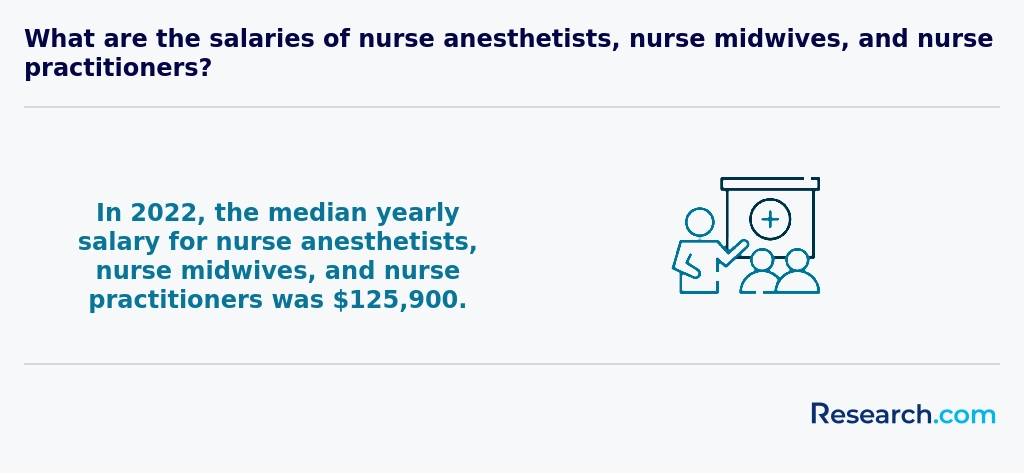
- Nursing degree graduates in the Northeast can expect strong earning potential, with Registered Nurses typically making around $94,480 annually, while specialized roles like Operating Room Nurses earn up to $128,490 per year.
- Career paths are diverse, including opportunities as Clinical Nurse Educators or Public Health Nurses, offering rewarding roles in hospitals, community health, and education.
- Online nursing degrees provide flexible schedules and allow students to balance work and life more easily, making education accessible without sacrificing career progress.
- 2027 Most Valuable Online Nursing Degree Programs Ranking in the Northeast
- What can I expect from online nursing degree in the Northeast?
- Where can I work with online nursing degree in the Northeast?
What can I expect from online nursing degree in the Northeast?
The average cost of an online nursing degree in the Northeast varies widely depending on the institution and degree level, but students often report tuition ranging from $15,000 to $40,000 for a bachelor's program. Graduates from well-known universities in states like New York and Massachusetts have shared that while public schools tend to offer more affordable rates-sometimes extending in-state tuition benefits to online learners-private colleges often come at a premium, reflecting enhanced resources and support.
One graduate from a prominent Northeast public university recalled feeling relieved by the transparent tuition model and flexible payment plans, which helped balance work and study. Conversely, another graduate from a private institution valued the personalized mentoring despite higher costs, emphasizing that the investment felt justified given the quality of clinical placements arranged with local hospitals.
These examples highlight that while cost is a crucial consideration, the accessibility of financial aid and program structure often influence student satisfaction as much as the sticker price itself.
Where can I work with online nursing degree in the Northeast?
Graduates with an online nursing degree from well-regarded institutions in the Northeast, such as Northeastern University or the University of Pennsylvania, often find careers across diverse healthcare settings. Hospitals in metropolitan areas like Boston and Philadelphia remain common employers, offering roles in direct patient care that leverage the practical skills gained through online BSN programs.
Many graduates also report rewarding experiences working in outpatient clinics and long-term care facilities, particularly those focusing on geriatrics or rehabilitation-areas where demand steadily grows due to the regional aging population. Some find fulfilling positions in public health departments or community health centers, applying advanced training to preventive care and health education initiatives.
While some nurses thrive in traditional hospital environments, others embrace flexibility by joining mental health or pediatric specialty clinics, reflecting the varied career possibilities available. However, graduates stress the importance of researching state licensure specifics, as requirements can differ even within the Northeast, affecting job eligibility and mobility.
These real-life pathways illustrate that online degrees can open meaningful opportunities, yet success often depends on proactive networking and understanding local healthcare landscapes within major Northeastern cities.
Graduates with online nursing degrees in the Northeast can expect varied earnings depending on their chosen role and experience. Registered Nurses typically earn a mean annual wage of about $94,480, reflecting figures from the U.S. Bureau of Labor Statistics and matching roles like Clinical Nurse Educator and Public Health Nurse. For example, graduates from well-known programs at universities such as Boston College or the University of Pennsylvania often find jobs around this mark, appreciating the balance between competitive pay and meaningful work.
Specialized roles like Operating Room Nurses command higher salaries, averaging $128,490 annually. This can make pursuing additional certifications or advanced roles especially rewarding in metropolitan areas like New York City or Philadelphia, where demand and wages tend to be higher.
While entry-level pay might start lower, many graduates share inspiring experiences of steady growth as they gain hands-on skills and certifications. The financial prospects, combined with fulfilling patient care, often create a motivating and hopeful path for many who choose online nursing degrees in this region.
- Tuition for online nursing programs in the Northeast ranges from $15,000 to $30,000 per year, reflecting higher living and education costs.
- Entry-level registered nurses earn about $70,000 annually, with median salaries rising to $85,000-$100,000 after 5 to 10 years of experience.
- Job growth for registered nurses in the Northeast is projected to be around 12% through 2030, surpassing many other fields.
- Many programs include clinical placements at local hospitals to meet state licensing requirements, and accreditation by CCNE or ACEN is essential.
- Licensing rules vary by state, so students should ensure their online program meets the specific clinical hours and exam requirements of the state where they plan to work.
Completing an online nursing degree in the Northeast often depends on the program type and individual circumstances. Graduates from well-known institutions, such as those in Massachusetts or New York, frequently share how full-time Bachelor of Science in Nursing (BSN) programs take about four years, which matches traditional timelines. Yet, many appreciate accelerated BSN pathways offered by these colleges, allowing completion in as little as 12 to 18 months for those with prior degrees. This flexibility means students balancing work and family find it feasible to advance their careers sooner.
Registered nurses pursuing RN-to-BSN programs in the region report durations ranging from 12 to 24 months, often tailored with part-time options to fit busy schedules. Similarly, Master's in Nursing (MSN) online students at reputed Northeast schools mention program lengths spanning 18 months to three years, depending on specialization and clinical hour requirements.
Despite these averages, personal experiences vary widely due to clinical practicum demands and state regulations. For many, these rigorous requirements-sometimes up to 1,000 clinical hours-become milestones that enrich learning but also naturally extend study time. Still, graduates frequently express pride in balancing these challenges with flexible online formats offered locally.
Pursuing a Doctor of Nursing Practice (DNP) is the next step for nurses committed to leadership, evidence-based practice, and healthcare innovation. Unlike research-focused PhD programs, DNP curricula emphasize clinical application, advanced patient care, healthcare policy, and system-level improvements. Here’s what to consider when exploring these terminal degrees online in the Northeast: • Program Length and Structure: Most online DNP pathways take 2–4 years post-BSN or 1–2 years post-MSN, depending on full-time enrollment and transfer credits. Coursework typically includes Advanced Pathophysiology, Health Policy Analysis, and Quality Improvement Projects. • Core Specializations: Common DNP tracks include Family Nurse Practitioner, Psychiatric-Mental Health, and Executive Leadership. Graduates often spearhead initiatives such as telehealth integration and population-health management in urban and rural settings alike. • Accreditation and Licensure: Ensure your program holds CCNE or ACEN accreditation to meet state board requirements and guarantee eligibility for advanced practice licensure. For a curated list of the most reputable online doctoral programs, check out our accredited dnp online programs. • Career Impact and Salary: DNP-prepared nurses can command median salaries well above $110,000, with leadership roles in hospital systems, policy-making bodies, and academic settings. • Return on Investment: While tuition varies, the combination of higher earning potential, expanded scope of practice, and systems-level influence makes the DNP an investment in both your professional trajectory and patient outcomes. By understanding program demands, accreditation standards, and career pathways, you’ll be equipped to choose the ideal online DNP program that aligns with your long-term goals.
Online and on-campus nursing programs in the Northeast differ mainly in delivery and daily experience. Graduates from a popular university in Massachusetts describe online study as highly flexible, allowing them to balance work or family while accessing coursework and exams through digital platforms at convenient times. This suits those who cannot relocate or commute frequently.
Conversely, on-campus students at well-known colleges in New York highlight the value of face-to-face interaction with faculty and peers during scheduled classes and clinical labs. These experiences create a strong sense of community and immediate access to support, which some find motivating and reassuring.
Both formats require clinical hours, but online students often arrange placements at local healthcare facilities. While this offers convenience, the quality of these experiences depends heavily on local partnerships, as noted by students attending Pennsylvania nursing schools.
Cost considerations also vary: while tuition remains similar, online students appreciate savings on commuting and housing. However, technology fees and course materials can add expenses, demonstrating that individual circumstances shape the overall value of each path in the Northeast.
Selecting an online nursing program with CCNE or ACEN accreditation is essential for NCLEX eligibility and state licensure across the Northeast. Accredited programs adhere to rigorous curriculum standards, directly impacting your readiness and pass rates. To ensure your chosen program supports timely graduation and licensure, consider the following: • Accreditation Verification: Confirm active CCNE or ACEN accreditation and upcoming review dates to guarantee program quality. • NCLEX-RN Performance: Target schools boasting first-time pass rates above 90%, an indicator of robust exam preparation. • State Authorization and NLC: Ensure the institution holds authorization in your state of residence and any compact state under the Nurse Licensure Compact (NLC) for seamless clinical placements and practice mobility. • Advanced Practice Eligibility: If pursuing an MSN or DNP, verify that specialized tracks carry the proper accreditation to qualify you for national certification exams. For nurses ready to advance to a practitioner role without overspending, explore the best affordable online np program. Verifying accreditation and licensure pathways up front helps you avoid administrative delays and graduate with confidence, prepared to deliver exceptional patient care.
The average cost of earning an online nursing degree in the Northeast varies but generally centers around $32,730, with in-state students paying closer to $25,905 and out-of-state learners averaging around $35,880. Graduates from well-known public universities in the region often share that while this investment feels significant, the value gained through flexible scheduling and reputable faculty support makes the expense worthwhile. Many find that carefully comparing program offerings and tuition fees helps them select affordable options without sacrificing educational quality.
For students weighing the total tuition and fees for nursing programs Northeast, the differences between public and private institutions significantly affect cost. For example, online RN-to-BSN completion programs at public universities can provide a more budget-friendly route, while private colleges might offer specialized curricula but with higher price tags. A common sentiment among recent graduates is appreciation for reduced commuting costs and on-campus fees, though they emphasize the need to prepare for additional expenses like clinical practice and technology fees.
Those exploring advanced nursing degrees should consider accredited dnp online programs, which, although often more expensive, can enhance career prospects substantially. Students from community colleges offering Associate Degree in Nursing (ADN) programs find that initial costs are more manageable, typically between $7,000 and $12,000, allowing them to build foundational skills before transferring to a bachelor's program. Understanding the average cost of online nursing degree Northeast students face helps prospective learners plan their finances realistically.

Online nursing degrees in the Northeast require hands-on clinical hours to meet state board standards and ensure you’re practice-ready. Most programs assist you by pairing with local healthcare facilities or approved preceptors near your home. To navigate clinical placement smoothly:
- Coordinate early with your program’s clinical coordinator to identify approved sites and secure placements.
- Complete required health screenings, background checks and CPR certifications before clinicals begin.
- Leverage on-campus simulation labs or virtual clinical tools offered by your school for supplemental practice.
- Track and submit clinical hour logs through the program’s online portal to stay on schedule.
- Communicate regularly with your preceptor for feedback and to ensure quality learning experiences.
If you prefer fewer on-site requirements, consider rn to bsn online programs without clinicals as an alternative.
Students pursuing an online nursing degree in the Northeast often rely on a mix of federal, state, and private financial aid to manage high tuition costs. For instance, graduates from well-known programs at universities like Northeastern and the University of Pennsylvania frequently mention FAFSA-funded Pell Grants and Federal Direct Loans as crucial early support. Pell Grants can cover up to $7,395 annually, easing immediate financial pressure without the burden of repayment, while direct loans offer flexible repayment, though they increase future financial responsibility.
State grants are equally pivotal. Graduates from New York highlight the Tuition Assistance Program (TAP), which awards up to $5,165 a year, a critical resource for many balancing work and study. Similarly, students at Massachusetts College of Pharmacy and Health Sciences often benefit from MassGrant, a vital supplement for low- and middle-income learners navigating online coursework.
Many nursing students also appreciate scholarships from organizations like the American Nurses Association, which offer targeted aid based on merit or need. Working nurses in the region sometimes share how employer tuition reimbursement programs helped them pursue degrees while staying financially afloat, demonstrating the value of combining aid sources to effectively reduce debt.
Online nursing programs in the Northeast offer a blend of flexibility, affordability, and quality training tailored to regional healthcare needs. Key advantages include:
- Flexible scheduling to balance coursework with work and family responsibilities.
- Reduced costs compared to traditional on-campus programs, with savings on relocation, commuting, and campus fees.
- Accelerated RN-to-BSN pathways that leverage prior licensure through rn to bsn online programs without clinicals.
- Access to local clinical placements coordinated by regional universities, ensuring hands-on experience close to home.
- Career growth opportunities with a recognized BSN credential, opening doors to leadership and specialized roles.
Enrolling in an online nursing degree in the Northeast usually means having a high school diploma or GED at a minimum, which graduates from well-known institutions like Northeastern University or the University of Massachusetts have found to be a straightforward but essential starting point. For many, meeting the GPA requirement of around 2.5 to 3.0 feels achievable, yet some reflect on how maintaining that academic standard required real dedication given their prior commitments.
Applicants often need to complete prerequisites such as biology, chemistry, and anatomy, which some graduates describe as challenging but rewarding, especially when these courses prepare them effectively for later nursing classes. The TEAS exam is another common hurdle; many students appreciate how passing it boosted their confidence in core skills like math and reading, which proved vital as they moved into clinical topics.
For those pursuing RN-to-BSN paths at respected colleges like Rutgers or Quinnipiac, holding an active RN license is a must. Many find the verification process straightforward but emphasize the importance of keeping licenses current to avoid delays. Additionally, tasks such as background checks and immunization documentation are often seen as minor yet important steps to secure valuable clinical placements in highly competitive Northeast hospitals.
Ensuring your online nursing program is properly accredited and meets state licensing requirements is critical for both your education and professional future. In the Northeast, the two most recognized accrediting bodies are the Commission on Collegiate Nursing Education (CCNE) and the Accreditation Commission for Education in Nursing (ACEN). Graduating from a CCNE- or ACEN-accredited program not only guarantees that your coursework aligns with national standards but also ensures eligibility for the NCLEX-RN exam and state board licensure. Each state nursing board in the Northeast may have unique requirements beyond accreditation, such as specific clinical hour minimums or prerequisite coursework in anatomy, physiology, and pharmacology. Before enrolling, verify that your chosen program partners with local healthcare facilities to facilitate approved clinical placements. This step safeguards that your hands-on experience will be recognized by your state board and prepares you for real-world practice. Additionally, accreditation impacts your eligibility for federal financial aid and postgraduate opportunities. Students interested in comparing tuition and value can explore the Low Cost Online Nursing Degree Programs Ranking in Texas to see how affordability varies across regions. Whether you plan to work in Massachusetts, New York, or Rhode Island, confirming both regional accreditation and state board approval will streamline your path to licensure and employment. Finally, regular accreditation reviews and state board audits help maintain program quality and protect students’ investments. Keep documentation of your program’s accreditation status and communicate with admissions or academic advisors to address any questions about state-specific licensing criteria. By prioritizing accreditation and licensing from the start, you set a firm foundation for a successful and compliant nursing career in the Northeast.
Online nursing degree programs in the Northeast frequently incorporate core courses like Human Anatomy and Physiology, Microbiology, and Pharmacology, forming the backbone of nursing knowledge. Graduates from respected institutions such as those in Boston or New York often recount how deeply understanding these subjects helped them confidently navigate clinical settings, whether administering medications or explaining infection control to patients.
Many students also note the value of Health Assessment and Pathophysiology courses, which sharpen their ability to perform thorough physical exams and grasp disease processes. This combination of theory and hands-on skills is essential when graduates transition to real-world roles, especially given the rigorous standards set by regional accrediting bodies.
Beyond the basics, courses like Community and Public Health Nursing or Mental Health Nursing connect with the diverse populations common in Northeastern urban areas. Leadership and Evidence-Based Practice classes frequently empower students to take on meaningful roles in healthcare policy and patient advocacy, fostering a sense of purpose and readiness. These courses often involve clinical components arranged locally, enabling students to apply knowledge while remaining close to home.
Online nursing degree specializations Northeast commonly include tracks such as Family Nurse Practitioner (FNP), Psychiatric-Mental Health Nurse Practitioner (PMHNP), and Registered Nurse to Bachelor of Science in Nursing (RN to BSN) completion programs. Graduates from popular Northeast colleges often highlight the FNP specialization's relevance, especially for those aiming to serve underserved communities with comprehensive primary care. However, it's important to consider that while FNP roles are growing rapidly, the intensity of clinical hours can be challenging for working professionals.
Nursing program specialties in Northeast also frequently offer focuses like gerontology, pediatric nursing, and community health nursing. These specialties resonate with students who want to develop expertise tailored to specific populations, reflecting the high demand from local hospitals. Those pursuing healthcare administration or nursing education emphasize the value of online flexibility but note that leadership roles may require additional in-person networking within regional institutions.
For those seeking cost-effective options, the best affordable online np program listings often guide students toward quality programs. Balancing specialization choice with program costs and career goals remains a key consideration for Northeast nursing students exploring their options online.
Choosing the best online nursing degree in the Northeast involves several practical considerations grounded in real student experiences. Graduates from popular colleges in this region often emphasize program accreditation as a key factor. For example, those who attended schools accredited by the Commission on Collegiate Nursing Education (CCNE) highlight how it eased their path to licensure and employment, reassuring them that their education met rigorous standards. Cost also matters: while some graduates found tuition between $10,000 and $18,000 manageable, others appreciated programs offering scholarships or incentives, making an affordable nursing degree Northeast-wide more accessible.
Flexibility is another vital aspect for many working professionals. Graduates frequently recall how asynchronous course delivery at well-known Northeast universities allowed them to balance work and family while advancing. However, some caution that clinical placement support may vary, so investigating how a program partners with local hospitals is essential.
Student outcomes, like NCLEX-RN pass rates above 85%, also serve as a reliable benchmark. Employment connections with regional healthcare providers give confidence to graduates about job prospects. Lastly, it's wise to verify state licensure compatibility for your target state within the Northeast. For comprehensive cost comparisons, consider reviewing the Low Cost Online Nursing Degree Programs Ranking in Texas to understand broader pricing trends influencing affordability choices.
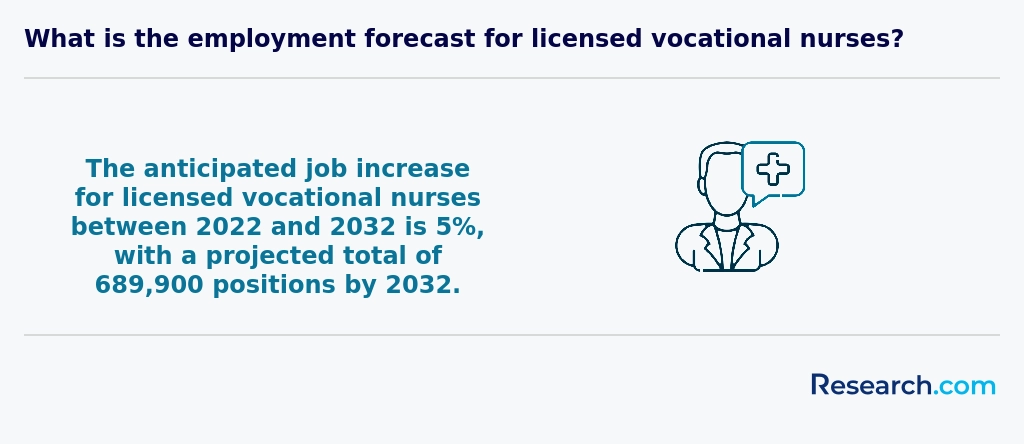
Graduates of online nursing degree programs in the Northeast often find a range of roles that extend well beyond bedside care. Entry-level RNs with a bachelor's degree from institutions like Northeastern University or Pennsylvania State University frequently secure positions in hospitals, outpatient clinics, and home healthcare. These jobs offer a rewarding start, but many graduates seek to expand their impact through advanced degrees.
More experienced nurses moving into online MSN or nurse practitioner programs gain access to specialized fields such as Nurse Practitioner, Clinical Nurse Specialist, Nurse Anesthetist, or Nurse Midwife. These roles are in high demand across the Northeast, where healthcare systems value advanced practice nurses for their ability to provide both primary and specialty care independently. For example, graduates have shared enthusiasm about working in Boston's extensive hospital networks, noting fulfilling experiences in diverse urban and suburban settings. This aligns well with the growing nursing career options Northeast online continues to offer.
Alternative career paths include healthcare administration, education, and policy, which appeal to graduates wanting to influence systemic change. Many students also balance work and study thanks to programs that recognize the need for flexible learning, reflecting the Northeast's varied cost of living and professional demands. Those uncertain about starting their nursing journey may explore the easiest associates degree to obtain as a stepping stone toward these broader opportunities.
The job market for graduates holding online nursing degrees in the Northeast remains notably strong, driven by the region's dense urban centers and extensive healthcare systems. Graduates from universities well-known in the area frequently share how securing staff nurse positions within major hospital networks in cities like Boston and Philadelphia was possible thanks to the growing acceptance of online nursing education by employers. This reflects the broader Northeast healthcare employment outlook for nurses, where careers range from community health nursing in nearby suburbs to advanced practice roles such as nurse practitioners and clinical nurse specialists.
Nursing graduates often find the possibility of balancing work while studying attractive, especially with the relatively affordable tuition of online programs. Many have praised the flexibility and cost benefits of pursuing online degrees, sometimes exploring online masters cheap options to advance their credentials without sacrificing income. However, it's important to weigh local demand variances, as some rural areas may offer fewer openings despite overall positive growth projections reported by the U.S. Bureau of Labor Statistics.
2027 Most Valuable Online Nursing Degree Programs Ranking in the Northeast
Investing in your education is a significant decision that can shape your future, and the Research.com team understands the importance of making informed choices. To assist prospective nursing students in the Northeast, we have meticulously crafted the "2027 Most Valuable Online Nursing Degree Programs Ranking in the Northeast." Our commitment to quality, credibility, and accuracy is reflected in the extensive research and analysis conducted to compile this ranking.
We utilized the following reputable data sources to ensure a comprehensive evaluation of nursing programs:
By exploring this ranking, readers will gain valuable insights into the most valuable online nursing degree programs in the Northeast, empowering them to make well-informed decisions about their educational paths. For more details on our methodology, please visit our Research.com methodology page.


# 3 position
SUNY Empire State College
Master of Nursing Education





# 15 position
Penn State University Park
Master of Nursing


Frequently Asked Questions About nursing
Online nursing degree students in the Northeast can maximize their learning by actively engaging with their coursework and clinical practice components. Many accredited programs, including those recognized by the Accreditation Commission for Education in Nursing (ACEN), offer virtual simulations and remote labs that build practical skills essential for nursing careers.
Networking with peers and instructors through online forums and regional nursing associations, like the Massachusetts Nurses Association, can enhance understanding and professional growth. According to the National Council of State Boards of Nursing, completing clinical hours within local healthcare facilities helps students meet state licensing requirements efficiently.
Additionally, leveraging resources from state nursing boards in New York, New Jersey, and Pennsylvania ensures compliance with licensure rules and scope of practice, supporting smoother transitions into the workforce.
The nursing field in the Northeast is witnessing growth in several specialized areas that present promising career opportunities. One key niche is gerontological nursing, driven by the aging population in states like New York and Massachusetts. The U.S. Census Bureau estimates a 25% increase of residents aged 65+ in this region by 2030.
Another emerging area is informatics nursing, focusing on integrating healthcare technology and data management. According to the Massachusetts Department of Higher Education, demand for nurse informaticists is expected to rise by over 20% through 2028.
Additionally, public health nursing gains importance due to ongoing pandemic preparedness and community health needs, particularly in urban centers such as Philadelphia and Boston. These niches offer specialized online programs catering to students in the Northeast seeking advanced skills aligned with regional healthcare trends.
After completing an online nursing degree in the Northeast, preparing for the job market involves several key steps. First, obtaining licensure through the National Council Licensure Examination (NCLEX) is essential. Most states in the Northeast require passing the NCLEX-RN to practice as a registered nurse.
Networking is also critical. Engaging with local nursing associations, such as the Massachusetts Nurses Association or the New York State Nurses Association, can provide job leads and professional development.
Additionally, many healthcare employers in the region value clinical experience, so pursuing internships or volunteer opportunities during or after your program can improve employability.
According to the Bureau of Labor Statistics, nursing jobs in the Northeast are expected to grow by 12% from 2022 to 2032, emphasizing the importance of staying current with certifications and skills.
Employers in the Northeast highly value nursing graduates who demonstrate strong clinical skills paired with effective communication. According to the New England Regional Nursing Workforce Center, critical thinking and adaptability top employers' priority lists, especially given the region's complex healthcare settings.
Technical competence is another essential skill, with a focus on proficiency in electronic health records, a requirement in over 75% of Northeast hospitals as reported by the Massachusetts Center for Nursing.
Teamwork and leadership abilities are also critical, as nurses often coordinate with diverse medical professionals to ensure patient safety and quality care.
Finding nursing internships in the Northeast involves targeting hospitals, clinics, and healthcare systems affiliated with online nursing programs. Many Northeastern states, including New York and Massachusetts, have robust healthcare hubs offering clinical placements essential for licensure. The New England Board of Higher Education and the Northeast Regional Nursing Education Consortium provide resources that help students locate accredited internships.
Online nursing students should contact their school's career services early, as partnerships with local healthcare providers are common. In 2023, over 70% of nursing students in New York State obtained internships through affiliated programs, according to the New York State Education Department.
Additionally, state nursing boards often list approved clinical sites. Students can also explore large hospital networks such as Mass General Brigham or Northwell Health, which routinely offer internships to local nursing students, including those in hybrid or online programs.
An online nursing degree in the Northeast significantly enhances career mobility by offering flexible education options to accommodate working professionals. According to the Bureau of Labor Statistics, registered nurses in the Northeast earn a median annual wage above the national average, reflecting strong regional demand. Online programs from accredited institutions enable nurses to advance from entry-level roles to specialized positions, such as nurse practitioners or clinical nurse specialists, often required for higher salaries and leadership roles.
The adaptability of online learning helps professionals meet licensure requirements and pursue certifications without relocating. Additionally, regional healthcare employers increasingly recognize online degrees from reputable schools, expanding job opportunities across states like New York, Massachusetts, and Pennsylvania. These factors collectively facilitate career growth and salary improvements.
Studying for a nursing degree online in the Northeast offers strong preparation for interdisciplinary roles by integrating collaborative healthcare training. Many accredited programs emphasize teamwork skills with professionals in medicine, social work, and pharmacy.
The Northeast hosts a high concentration of healthcare facilities and teaching hospitals, providing virtual clinical simulations and networking opportunities. This exposure aligns with data from the U.S. Bureau of Labor Statistics showing a 15% growth in nursing roles requiring interdisciplinary cooperation by 2030.
Additionally, state regulations in this region encourage interprofessional education, which helps nursing students develop communication and leadership skills essential for complex, team-based patient care.
Choosing between a thesis and a non-thesis nursing degree program in the Northeast depends largely on your career goals and learning preferences. Thesis programs emphasize research, requiring students to conduct original studies, which benefits those aiming for advanced practice roles or doctoral studies. Non-thesis tracks focus on practical skills and coursework, suitable for nurses seeking immediate clinical advancement or leadership positions.
In the Northeast, about 40% of online nursing master's programs offer both options, according to the American Association of Colleges of Nursing (AACN). Consider also your time availability, as thesis paths often demand more time for research and writing. Finally, review program accreditation and faculty expertise to ensure quality education aligned with your goals.
Students in the Northeast seeking to study nursing abroad have a range of specialized programs and partnerships available. Many Northeast universities offer online nursing degrees with international clinical experiences or exchange opportunities, allowing students to gain global perspectives without relocating permanently.
Institutions in states such as New York, Massachusetts, and Pennsylvania often collaborate with healthcare organizations overseas to provide international practicum placements. According to the National Council of State Boards of Nursing (NCSBN), about 15% of accredited Northeast nursing programs include such study abroad options. These programs emphasize cross-cultural nursing skills and global health trends.
Additionally, some accredited online programs feature virtual international simulations to prepare students for diverse healthcare settings. Northeast nursing schools increasingly support global competencies alongside US licensure preparation, helping graduates succeed both locally and internationally.
Part-time job options in the Northeast that align well with online nursing degree studies include roles such as Certified Nursing Assistant (CNA), medical scribe, and patient care technician. These positions offer practical experience without overwhelming academic commitments. For example, New York State reports over 200,000 employed CNAs, reflecting strong demand in healthcare facilities.
Medical scribing provides insight into clinical documentation, a valuable skill for nursing students, with opportunities common in metropolitan areas like Boston and Philadelphia. Hospitals and outpatient clinics also employ patient care technicians, aiding in basic patient support.
According to the U.S. Bureau of Labor Statistics, healthcare jobs in the Northeast are growing steadily, supporting diverse part-time roles suitable during nursing education.
Online nursing students in the Northeast have multiple networking opportunities despite the distance learning format. Many universities offer virtual events, webinars, and online discussion groups that connect students with peers and faculty. For example, the New York State Nurses Association hosts online forums that allow students to engage with practicing nurses and healthcare leaders regionally.
Additionally, professional nursing organizations such as the Massachusetts Nurses Association provide student memberships with access to conferences, mentorship programs, and local chapter meetings. According to the National Council of State Boards of Nursing, the Northeast region has over 500,000 licensed nurses, creating a broad network for students to tap into.
Local healthcare systems also frequently collaborate with nursing programs to offer internships and clinical placements, helping students build contacts in the field. Overall, these resources help online nursing students in the Northeast build meaningful professional relationships crucial for career advancement.
Alumni networks offer essential benefits to online nursing degree students in the Northeast by providing access to professional connections and mentorship. Graduates from this region often report that alumni groups help them find job opportunities in hospitals and clinics, which is vital in a competitive job market.
Northeastern states like New York and Massachusetts have some of the highest concentrations of healthcare facilities in the US, so strong alumni networks can connect students to local employers efficiently. According to a 2023 report by the Northeast Nursing Association, 65% of nursing graduates found their first job through alumni referrals.
Additionally, alumni often share continuing education resources and insights on licensure requirements, which vary across Northeast states. This community support eases the transition from online study to professional practice.
Customizing an online nursing degree program in the Northeast allows students to align their education with specific career goals. Many schools offer specialized concentrations such as pediatric nursing, gerontology, or nurse leadership. Students can often select electives or practicums that emphasize their desired field.
Northeastern institutions frequently provide flexible scheduling options and accelerated tracks, helping working professionals advance quickly. For example, New York and Massachusetts have some of the highest RN employment growth rates nationally, which encourages tailored coursework for in-demand specialties.
It's important to verify program accreditation, such as from the CCNE or ACEN, to ensure quality education and licensure eligibility. Consulting academic advisors can help shape a personalized study plan aligned with local job market needs and professional certifications.
Online nursing students in the Northeast often face several challenges unique to their region and field. One significant obstacle is balancing clinical hour requirements with remote learning. Many programs demand in-person clinical experiences, and arranging these locally can be difficult due to limited hospital partnerships. According to the New England Board of Higher Education, clinical placement shortages have increased by 12% in recent years.
Connectivity issues remain a concern in rural parts of states like Maine and Vermont, where reliable high-speed internet is not universally available. This affects students' ability to participate in live lectures and access course materials efficiently.
Additionally, the high cost of living in Northeastern cities impacts students financially, making it harder to afford tuition while managing living expenses. The U.S. Department of Education reports that student loan debt among nursing students in this region averages 20% higher than the national mean.
With an online nursing degree, graduates in the Northeast can pursue several respected professional certifications. Common certifications include the Registered Nurse (RN) license, which is the foundation for nursing practice. Nurses can also advance to certifications like Certified Nurse Practitioner (CNP), Clinical Nurse Specialist (CNS), or Certified Nurse Midwife (CNM) after completing additional education and clinical experience.
Specialty certifications such as Certified Emergency Nurse (CEN) or Certified Pediatric Nurse (CPN) are also accessible and valued in Northeast hospitals. According to the New England Nursing Association, over 60% of nurses in the region hold one or more specialty certifications, enhancing their career prospects.
The American Nurses Credentialing Center (ANCC) and state nursing boards in states like New York and Massachusetts provide guidance and exam administration for these certifications.
Writing a winning application for an online nursing program in the Northeast requires careful preparation and attention to detail. Admissions committees often seek candidates with strong academic records and relevant healthcare experience. Highlighting any previous clinical work or volunteer roles can boost your profile significantly.
Standardized test scores are less emphasized for many online programs, but some schools may still require the TEAS exam. According to the National League for Nursing, over 30% of applicants to Northeastern nursing programs have some healthcare certifications, which can strengthen your application.
Craft a clear personal statement explaining your motivation, commitment, and career goals in nursing, tailored to the specific program. Letters of recommendation from supervisors or educators familiar with your skills are also crucial.
Finally, ensure all transcripts and documents follow the precise submission guidelines set by the school to avoid delays in processing your application.
Globally, nursing is recognized as a vital profession addressing healthcare needs in diverse populations. In the United States, including the Northeast, nursing careers are expected to grow by 9% from 2020 to 2030, faster than average for all occupations, according to the Bureau of Labor Statistics. This growth reflects worldwide demand driven by aging populations and increased chronic conditions.
Nurses trained in the Northeast benefit from advanced education models, including online programs approved by the American Nurses Credentialing Center. These programs often emphasize global health perspectives, preparing students to work in various international contexts.
Internationally, nurse migration trends highlight the value of U.S. nursing credentials, with many countries recognizing degrees from accredited Northeast institutions, supporting career mobility.
Gaining practical experience is essential when pursuing an online nursing degree in the Northeast. Most accredited programs require clinical hours completed in local healthcare settings. Students typically arrange these through partnerships their schools maintain with hospitals, clinics, and long-term care facilities across states like New York, Massachusetts, and Pennsylvania.
In 2023, the New England Board of Higher Education reported that over 85% of online nursing programs in the region offer clinical placements close to students' homes. These hands-on experiences allow students to apply theory in real-world environments, developing skills under licensed nursing supervisors.
Additionally, simulation labs and virtual scenarios are increasingly used to complement clinical hours, improving readiness and confidence.
Choosing the right concentration within an online nursing degree program in the Northeast involves considering personal interests and local job market demands. Specializations such as gerontology, pediatrics, and psychiatric nursing cater to regional healthcare needs in states like New York and Massachusetts, where aging populations and mental health services are critical sectors.
According to the Bureau of Labor Statistics, registered nurse employment in the Northeast is expected to grow by about 12% through 2030, with advanced practice roles expanding faster. Reviewing which concentrations align with this growth can enhance career prospects.
Prospective students should also assess program accreditation and whether the concentration prepares them for relevant licensure exams. Many online degrees offer flexibility, but ensuring clinical placement support in your state is crucial.
See What Experts Have To Say About Studying Nursing
Read our interview with Nursing experts

Lisa Grubb
Nursing Expert
Assistant Professor
Johns Hopkins School of Nursing

- Nursing Associate Degree - NECC https://necc.edu/academics/credit-programs/health/nursing-associate-degree/
- School of Nursing Alumni Resources https://nursing.utmb.edu/About/Alumni
- How Do Nurses Navigate Career Advancement? | NursingEducation https://nursingeducation.org/insights/career-advancement/
- Best Online Schools for Nursing Prerequisites [2026 Guide] https://www.straighterline.com/blog/best-online-schools-nursing-prerequisites
- Scholarships & Financial Aid https://www.aacnnursing.org/students/scholarships-financial-aid
- How to Write https://esign.com/letter-of-intent/school/nursing/
- What Are the Best RN Certifications for Your Career? https://credenzahealth.com/career-advice/what-are-the-best-rn-certifications-for-your-career
- Client Challenge https://www.springerpflege.de/nursing-graduates-perceived-future-career-pathway-and-career-shi/50653658
- How to Choose the Right Nursing School for Your Career Goals | Archer Review https://www.archerreview.com/blog/how-to-choose-the-right-nursing-school-for-your-career-goals
- Nursing, BSN https://www.nec.edu/programs/nursing-bsn-program