
2027 Most Affordable Online Bachelor's in Nursing Degree Programs Ranking in Connecticut

Co-Founder and Chief Data Scientist
Choosing the right nursing degree program can feel overwhelming, especially when considering cost and quality. This article presents the 2027 Most Affordable Online Bachelor's in Nursing Degree Programs Ranking in Connecticut, developed by the Research.com team of data scientists to help you make an informed decision.
By exploring this ranking, you'll discover accessible options tailored to fit your needs and budget. Pursuing a nursing degree opens doors to meaningful careers in healthcare, offering stability and personal fulfillment. Let this guide support you on your path to achieving those goals with confidence.
Key benefits of getting online nursing degree in Connecticut
- Salary for nursing degree graduates: Graduates in Connecticut can expect competitive salaries, such as $94,480 annually for Registered Nurses and $128,490 for Operating Room Nurses, highlighting strong financial rewards.
- Career paths: Nursing degree holders often pursue roles in hospitals, community health, or education, similar to graduates from the University of Connecticut who enjoy diverse, fulfilling opportunities in the healthcare field.
- Benefits of online degrees: Online nursing programs, like those offered by Quinnipiac University, provide flexible schedules and accessibility, allowing students to balance studies with personal and work commitments effectively.
- 2027 Most Affordable Online Bachelor's in Nursing Degree Programs Ranking in Connecticut
- What can I expect from online nursing degree in Connecticut?
- Where can I work with online nursing degree in Connecticut?
What can I expect from online nursing degree in Connecticut?
Online nursing degrees in Connecticut generally cost between $10,000 and $30,000 for in-state students, depending on the institution and program length. Graduates from well-regarded schools, such as those attending programs at the University of Connecticut or Quinnipiac University, often reflect on the affordability relative to the comprehensive education received. While tuition can be a significant investment, many students appreciate the availability of financial aid options and employer tuition reimbursement, which help ease the burden.
One graduate described balancing work and study while taking advantage of asynchronous courses, highlighting how the financial commitment felt justified by the flexibility and career advancement opportunities gained. However, it is important to note that tuition for out-of-state students typically runs higher, which can affect the overall cost-effectiveness for some applicants.
Additionally, clinical placement coordination close to home reduces extra expenses. This practical approach in Connecticut programs keeps hands-on training accessible without the need for relocation, making the financial demands more manageable in real-life terms.
Where can I work with online nursing degree in Connecticut?
Graduates with an online nursing degree from institutions like the University of Connecticut or Southern Connecticut State University often find diverse employment opportunities across the state's healthcare landscape. Many begin their careers in large hospital systems such as Yale New Haven Health or Hartford HealthCare, where they engage in specialties like emergency care or geriatrics-experiences that many alumni describe as both challenging and deeply rewarding.
Others pursue roles in community health centers or outpatient clinics, settings praised by recent graduates for their hands-on patient interaction and collaborative environments. These workspaces recognize online degrees that meet Connecticut's licensure standards, allowing graduates to practice confidently.
Some graduates highlight the fulfillment found in long-term care facilities, where they support aging populations and develop strong patient relationships over time. While securing employment in these areas may require passing the NCLEX-RN and meeting state-specific criteria, the state's supportive healthcare networks and expanding home health agencies offer additional pathways for licensed nurses.
Ultimately, Connecticut's nursing workforce reflects a balance between traditional hospital roles and emerging community-focused care, giving online nursing graduates a broad spectrum of career options tailored to their interests and skills.
Graduates with an online nursing degree in Connecticut can anticipate competitive earnings that generally surpass the national averages. Registered Nurses often see mean annual wages around $94,480, aligning well with data reported for clinical nurse educators and public health nurses in the state. These figures reflect real opportunities, such as those experienced by graduates from institutions like the University of Connecticut or Quinnipiac University, who find rewarding careers in diverse healthcare settings.
For those pursuing specialized roles, the financial outlook improves further. Emergency Room Nurses report similar average wages to RNs, at about $94,480 annually, but Operating Room Nurses can earn significantly more-mean wages reaching $128,490. Such positions typically demand additional training or certification beyond the initial degree, pointing to the value of continuous professional development.
These salaries illustrate the practical benefit of Connecticut's robust healthcare industry for online nursing graduates, offering both stability and potential for growth. However, variations exist based on experience, location, and specialty, so it's wise to consider these factors when planning your career path.
- Online nursing degree programs in Connecticut are available at associate, bachelor's, and advanced levels, often combining online coursework with local clinical placements.
- Tuition for a bachelor's degree in nursing at public schools ranges from $13,000 to $17,000 per year for in-state students, while private colleges can exceed $30,000 annually.
- The average entry-level salary for registered nurses in Connecticut is about $68,000, with experienced nurses earning up to $85,000 or more.
- Nursing jobs in Connecticut are projected to grow by around 14% through 2030, driven by an aging population and healthcare demand.
- Accredited nursing programs by CCNE or ACEN ensure quality education and eligibility for licensure and career advancement.
Completing an online nursing degree in Connecticut typically takes between two to four years, depending largely on your educational background and program choice. For example, students starting a Bachelor of Science in Nursing (BSN) online from scratch often spend around four years, as seen at popular institutions like the University of Connecticut or Southern Connecticut State University. Graduates from these programs frequently share how balancing coursework with work and family can be challenging but rewarding.
On the other hand, those who already hold an associate degree in nursing (ADN) or are licensed RNs often enroll in RN-to-BSN bridge programs. These can be completed in as little as 12 to 24 months, allowing working nurses at places like Yale New Haven Health to advance their degrees without pausing their careers. Many appreciate the flexibility, although the pace requires dedication.
Enrollment status also influences duration. Full-time students generally finish quicker, while part-time learners may extend their studies to five or six years. Clinical practice, mandatory for accreditation in Connecticut, must be completed locally, sometimes stretching timelines due to facility availability. These real-life demands add complexity but also practical confidence that graduates value deeply.
Connecticut’s online BSN programs boast first-time NCLEX-RN pass rates that consistently meet or exceed national benchmarks.
- Average first-attempt pass rates range from 90% to 95%.
- Many programs surpass the national average of 88%, highlighting rigorous preparation.
- Programs with dedicated exam review workshops and faculty mentoring tend to show the highest scores.
Strong pass rates signal:
- Comprehensive curriculum aligned with licensure standards.
- Effective integration of virtual simulations and clinical feedback.
- Robust student support services throughout the exam prep phase.
For LPNs seeking to leverage clinical experience and accelerate their journey toward RN licensure, explore accelerated lpn programs.
Online nursing degrees in Connecticut differ primarily in how coursework is delivered and how students engage with their studies. Graduates from programs at universities like the University of Connecticut report appreciating the flexibility of virtual classes, which allow them to balance family and work alongside rigorous nursing coursework. Unlike traditional on-campus students, who attend in-person lectures and labs-such as those at Yale School of Nursing-the online students engage with material remotely but must still complete clinical hours locally, often coordinating with nearby hospitals or clinics. This blend offers convenience without compromising essential hands-on experience.
While some students thrive on the face-to-face interaction and immediate resource access on campuses in Hartford or New Haven, others find that the self-paced nature of online study reduces stress and fits better with their lifestyles. Both pathways must meet the same Connecticut accreditation standards, ensuring comparable preparation for the NCLEX-RN. Ultimately, the choice hinges on individual preferences for structure, environment, and scheduling rather than academic quality.
After earning your online BSN in Connecticut, you must obtain state licensure to practice as an RN. Key steps include:
- Application: Submit your licensure application and official transcript to the Connecticut Board of Examiners for Nursing, including a criminal background check.
- Fees: Pay the Board’s application fee and register for the NCLEX-RN exam.
- NCLEX-RN Exam: Schedule and pass the national licensing exam; unofficial results arrive within 48 hours, official results in 2–3 weeks.
- License Issuance: Upon passing and verification, you’ll receive your Connecticut RN license, authorizing you to practice statewide.
Ensure your program holds CCNE or ACEN accreditation to meet Board requirements. For alternatives with more flexible entry, consider nursing programs with high acceptance rates.
For students considering an online nursing degree in Connecticut, the average cost typically hovers around $69,000 in total, reflecting a blend of tuition and associated fees. This figure corresponds with what many graduates from public and private institutions across the state report, highlighting the significant financial commitment required. For example, many nursing alumni from well-known Connecticut colleges describe balancing tuition costs alongside additional expenses such as clinical placements and technology fees, which can materially affect the overall affordability.
Affordability remains a key factor when exploring online nursing programs Connecticut tuition fees can vary widely, especially between public schools offering in-state tuition near $12,000 annually and private universities where rates may exceed $40,000 each year. Students from outside Connecticut often face even higher costs, underscoring the impact of residency status on educational expenses. These nuances shape how prospective learners weigh the investment against career benefits in nursing.
Graduates often recall the support and flexibility afforded by online formats at their institutions, noting how they managed costs while gaining valuable clinical experience-an indispensable part of their education. For those interested in related healthcare fields, considering accredited online sonography degrees might offer another route with potentially different cost structures and outcomes.
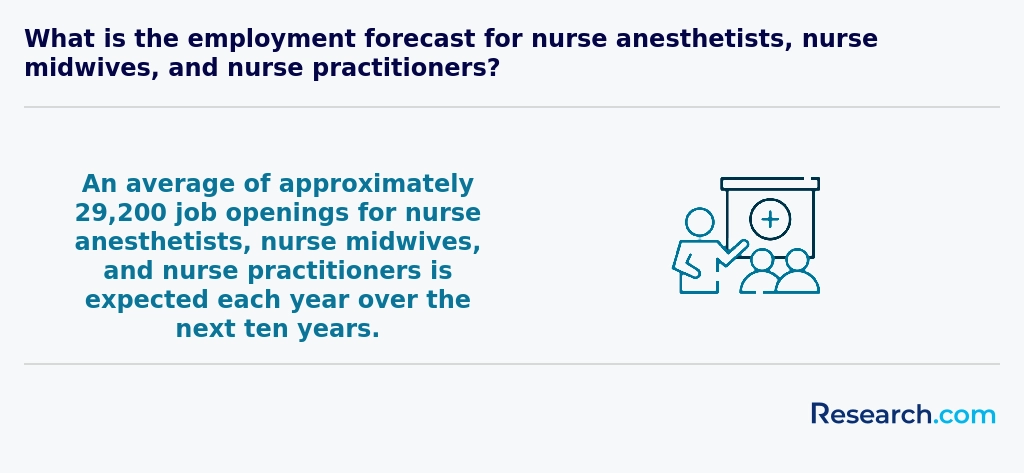
Students earning an online Bachelor’s in Nursing degree in Connecticut must satisfy both academic criteria and licensure mandates set by the Connecticut State Board of Nursing. A critical step is successfully passing the NCLEX-RN (National Council Licensure Examination for Registered Nurses), which validates entry-level competency and is required for state registration. Prospective students should review each program’s NCLEX-RN pass rates, as programs with pass rates above 90% often indicate strong preparatory curricula, robust faculty guidance, and effective use of simulation technology. Many online nursing programs in Connecticut integrate dedicated NCLEX prep courses, live review sessions, and virtual question banks into their curriculum to reinforce key content areas such as pharmacology, adult health, and pediatric nursing. For example, graduates from the University of Connecticut’s online track highlight the value of weekly practice exams and personalized coaching calls that pinpoint knowledge gaps before the official licensure exam. Additionally, partnerships with local healthcare facilities enable supervised clinical rotations that mirror real-world scenarios and sharpen clinical judgment-an essential component of NCLEX success. To streamline the licensure application, students should familiarize themselves with the Connecticut Board’s submission process, which includes fingerprinting, background checks, and official transcript verification. Timely application-ideally three months before graduation-ensures eligibility to schedule the NCLEX and minimizes delays in entering the workforce. For those comparing affordability and NCLEX outcomes across regions, our Most Affordable Online Nursing Degree Programs Ranking in the Midwest offers additional insights into cost-effective programs with proven licensure support.
Many online nursing students in Connecticut find federal financial aid essential, especially Pell Grants and FSEOG, which do not require repayment and ease the burden of tuition costs often ranging from $40,000 to $60,000. Graduates from well-known institutions like the University of Connecticut report that completing FAFSA early significantly increased their access to these funds, making education feel more attainable despite living in a high-cost state.
State-specific aid, such as the Roberta B. Willis Scholarship Program, offers another crucial layer of support, particularly for those pursuing health-related degrees through schools like Yale or Southern Connecticut State University. Several graduates credit this funding with enabling them to continue studies without overwhelming debt, creating a tangible safety net tailored to Connecticut's unique needs.
Institutional scholarships vary by college, but many students describe these awards as transformational, helping them stay enrolled and focused. Veterans attending programs at Central Connecticut State University often highlight GI Bill benefits as vital, while working professionals appreciate employer tuition assistance, which can make balancing work and study achievable in real everyday life.
Ensuring that your online nursing program holds proper accreditation and maintains strong NCLEX pass rates is essential for both licensure and career success. In Connecticut, look for programs accredited by the Commission on Collegiate Nursing Education (CCNE) or the Accreditation Commission for Education in Nursing (ACEN), as these endorsements signal that curricula meet rigorous national standards. State Board of Nursing approval further confirms that graduates are eligible to sit for the NCLEX-RN exam. Before enrolling, verify accreditation status on program websites and through the U.S. Department of Education’s database. NCLEX pass rates provide a transparent metric of program quality and graduate preparedness. For example, the University of Connecticut’s online BSN reported a first-time NCLEX-RN pass rate of 92% in 2024, while Quinnipiac University graduates achieved an impressive 95% rate. Prospective students should compare these figures across Connecticut institutions and review annual disclosure reports published by each school. High pass rates not only reflect effective teaching and support structures-such as dedicated NCLEX review sessions and tutoring-but also enhance your confidence when entering clinical roles. Accreditation and strong NCLEX outcomes directly impact your ability to secure state licensure and competitive employment. Graduates from accredited programs are more readily recognized by employers and are often eligible for advanced roles or bridge programs, such as accelerated NP tracks. For those interested in fast‐track pathways, exploring a 1 year np program can further expand your credentials and career trajectory. By prioritizing accredited programs with proven pass rates, you safeguard both your educational investment and your professional future.
Enrolling in an online nursing degree in Connecticut typically requires a high school diploma or equivalent, such as a GED, which is a straightforward starting point that many graduates recall as a familiar milestone. Equally important is meeting GPA requirements, often ranging from 2.5 to 3.0, reflecting that students must demonstrate solid academic performance before advancing to more challenging nursing coursework. Graduates from institutions like the University of Connecticut or Southern Connecticut State University often mention that having completed prerequisite courses in anatomy, microbiology, chemistry, algebra, and English composition made the transition smoother and boosted their confidence in clinical settings.
Some programs accept students who complete these courses online or at community colleges within the state, providing flexibility for working adults. Additionally, scores from exams like the TEAS are frequently part of the admission process, adding another layer to assess readiness. For those pursuing an RN to BSN pathway, proof of active RN licensure in Connecticut is essential, underscoring the practical experience needed to succeed. These requirements, while demanding, help students feel prepared and optimistic about advancing their nursing careers.
Ensuring your online nursing program is properly accredited and aligned with Connecticut licensure standards is critical to your long-term career success. Prospective students should verify that their chosen bachelor’s in nursing program holds accreditation from nationally recognized bodies such as the Commission on Collegiate Nursing Education (CCNE) or the Accreditation Commission for Education in Nursing (ACEN). Accreditation confirms that the curriculum meets rigorous quality benchmarks, enhances eligibility for federal financial aid, and positions graduates for seamless NCLEX-RN licensure. Connecticut Board of Nursing approval is another essential requirement. Only programs endorsed by the Connecticut Board of Examiners for Nursing guarantee that clinical hours and coursework fulfill state regulations. Before enrolling, check each school’s official NCLEX-RN pass rates, as high pass rates often indicate strong academic preparation and robust student support. Aim for programs reporting first-time NCLEX-RN pass rates above 85%, which align with or exceed national averages. Key factors to evaluate: • CCNE or ACEN Accreditation: Validates curriculum quality and institutional integrity. • Connecticut Board Approval: Ensures state licensure eligibility and compliance with clinical hour mandates. • NCLEX-RN Pass Rates: Reflects program effectiveness; look for rates ≥85%. • Clinical Partnerships: Verify local clinical site agreements in Hartford, New Haven, and surrounding areas to secure hands-on training. For licensed practical nurses, transitioning to a BSN track can be streamlined by selecting programs that recognize prior LPN coursework. If you hold an lpn credential, choose schools offering clear bridge pathways and credit evaluations, reducing time and cost to degree completion. Prioritize programs with dedicated academic advising, NCLEX-RN prep resources, and mentorship networks to maximize your chances of timely licensure and a thriving nursing career in Connecticut.
Online nursing degree programs in Connecticut typically include a blend of foundational sciences and specialized nursing courses designed to prepare students for practical healthcare roles. Graduates from institutions like the University of Connecticut and Southern Connecticut State University often emphasize how initial courses in anatomy, physiology, microbiology, and psychology establish a crucial understanding of the human body and behavior, enabling confident progression to more advanced topics.
Specialized courses commonly cover areas such as medical-surgical nursing, where students learn to assess and manage common health conditions, and pharmacology, focusing on safely administering medications. Pathophysiology and mental health nursing deepen clinical insight, addressing disease processes and emotional wellbeing, which graduates frequently describe as eye-opening given the complexities of patient care.
Other vital courses include maternity and pediatric nursing, as well as community health, reflecting Connecticut's diverse patient populations. Several alumni recall how these courses made real-life scenarios feel relatable, especially during required local clinical practicums which complement online study by offering hands-on experience in regional healthcare settings.
Online nursing degrees in Connecticut typically offer specializations that reflect the state's evolving healthcare demands and diverse patient populations. Among the most popular are Family Nurse Practitioner (FNP), Psychiatric-Mental Health Nursing, and Public Health Nursing. Graduates from prominent Connecticut universities often share how the FNP track equipped them to confidently provide primary care across ages, a critical skill in the state's community clinics where preventive care is emphasized. This specialization responds directly to local workforce needs, as reflected in Connecticut's projected 7% growth for registered nurses by 2030.
Psychiatric-Mental Health Nursing is another specialization that resonates with many students. Nurses pursuing this path describe rewarding experiences working remotely while supporting mental health initiatives crucial in Connecticut's healthcare framework. Public Health Nursing programs also attract students wanting to make broad impacts on community wellness, a goal made tangible through collaborations with state agencies following COVID-19. When exploring Connecticut nursing degree programs with specialization options, one should also consider online nursing programs benefits such as flexible scheduling and diverse clinical placements.
Choosing the best online nursing programs Connecticut requires more than just checking accreditation; it also means verifying state authorization to ensure your degree prepares you for the RN or BSN licensing exam in Connecticut. Graduates from popular universities share that programs blending flexible scheduling with rigorous clinical placements made balancing work and study achievable and rewarding. Cost can vary widely-while some prestigious colleges may charge above average, others offer affordable nursing degrees in Connecticut under $15,000 annually, making tuition a critical factor. Students often find value in programs that not only provide theoretical knowledge but also emphasize practical experiences, which contribute to higher NCLEX-RN pass rates seen in the state. Some graduates highlight that exploring a program's outcomes and how it supports job placement can clarify its true benefit. For those interested in expanding their healthcare education pathways, it's useful to explore resources like online healthcare administration degrees reviews to complement nursing studies.
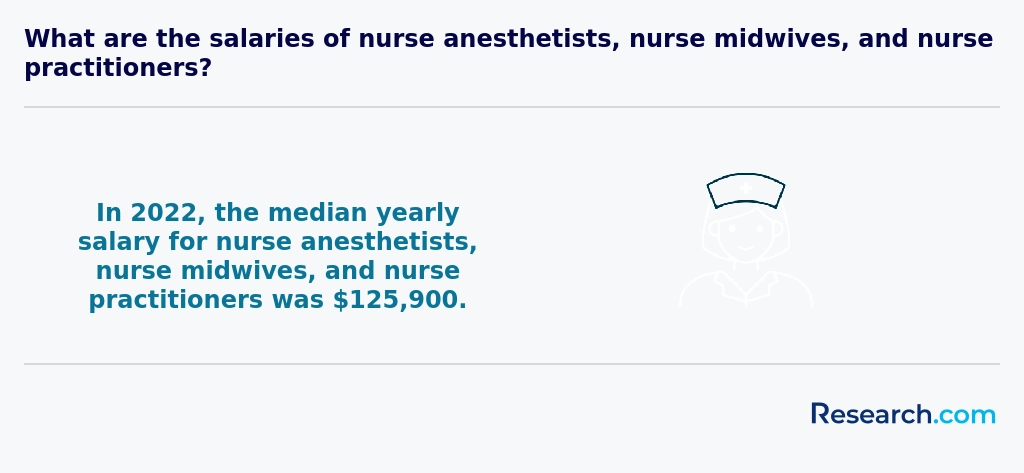
Graduates of online nursing programs in Connecticut find diverse career paths, from direct patient care as Registered Nurses (RNs) to specialized roles. For instance, many who studied at the University of Connecticut have reported rewarding experiences working as RNs in Hartford hospitals, where the demand for qualified nurses remains high. However, some graduates choose less traditional routes, such as public health nurses focusing on community wellness initiatives, which are vital in Connecticut's urban and rural areas.
Others leverage their degree to work as school nurses, helping students maintain health and manage chronic conditions. Those interested in complex patient coordination often pursue roles as case managers in settings like Yale New Haven Health. Additionally, some graduates explore leadership positions by enrolling in healthcare administration programs, aiming to manage clinical operations, although this path sometimes requires further education.
While the nursing job outlook Connecticut offers appears promising, with projected growth above the national average, prospective students should critically assess how their chosen path aligns with long-term goals and local healthcare needs.
The job market for graduates with an online nursing degree in Connecticut remains very promising, especially for those who complete their education at well-regarded institutions such as the University of Connecticut or Quinnipiac University. Graduates frequently share positive experiences about balancing work and study through online programs, which allow them to continue gaining practical experience in hospitals or outpatient clinics. These real-world settings align well with the strong nursing employment opportunities in Connecticut driven by an aging population and steady demand for healthcare professionals.
Nurses with online BSN degrees often find access to diverse roles in emergency departments, community health centers, or long-term care facilities. For example, many report advancement in leadership or specialized care roles as local healthcare employers increasingly prefer BSN-prepared staff. The average salary near $85,000 in the state is an encouraging factor, reflecting both the job market's stability and the value of online nursing education.
Students considering entry-level options also explore pathways like lpn programs to gain practical experience before advancing their qualifications. Overall, the landscape suggests a balanced view: online nursing degrees from Connecticut universities provide flexibility and a stepping stone toward rewarding employment in a competitive but steadily growing healthcare sector.
2027 Most Affordable Online Bachelor's in Nursing Degree Programs Ranking in Connecticut
Investing in your education is a significant decision that can shape your future, and the Research.com team understands the importance of making informed choices. To assist prospective students in Connecticut, we have meticulously crafted the "2027 Most Affordable Online Bachelor's in Nursing Degree Programs Ranking in Connecticut." Our commitment to quality, credibility, and accuracy is reflected in the extensive research and analysis conducted to compile this ranking.
We utilized the following reputable data sources to ensure a comprehensive evaluation of nursing programs:
By exploring this ranking, readers will gain valuable insights into the most affordable online nursing degrees in Connecticut, empowering them to make well-informed decisions about their educational investments. For more details on our methodology, please visit our Research.com methodology page.

# 2 position
Charter Oak State College
RN/ADN to BSN


Frequently Asked Questions About nursing
Online nursing degree students in Connecticut can maximize their learning by actively engaging with course materials and instructors. Participating regularly in virtual discussions and attending live webinars helps deepen understanding and build professional networks. Utilizing Connecticut's clinical placement opportunities is essential, as hands-on practice complements theoretical knowledge.
Time management is critical; creating a structured study schedule ensures consistent progress and reduces stress. Students should also explore resources offered by Connecticut nursing organizations, like the Connecticut Nurses Association, for additional learning and support.
According to the Connecticut Board of Examiners for Nursing, clinical proficiency significantly impacts NCLEX pass rates, highlighting the importance of practical experience alongside online coursework.
The nursing field is evolving rapidly, with several emerging niches that offer promising career opportunities. In Connecticut, demand is growing for nurses specialized in gerontology due to the state's aging population; by 2030, nearly 22% of residents will be over 65, according to the Connecticut Department of Public Health. Additionally, telehealth nursing has expanded, driven by increased remote care needs highlighted during the COVID-19 pandemic.
Other emerging areas include informatics nursing, which combines technology and patient care, and psychiatric-mental health nursing, addressing rising mental health concerns. These specialties often require additional certification but can be pursued through online nursing degree programs offering flexible pathways for working professionals.
After completing an online nursing degree in Connecticut, preparing for the job market involves several key steps. First, graduates must obtain licensure by passing the NCLEX-RN exam, required for all registered nurses in the state. Connecticut's Department of Public Health oversees this process.
Building a strong professional network is essential. Joining organizations such as the Connecticut Nurses Association can provide mentoring, job leads, and continuing education resources. Connecticut's healthcare sector is growing steadily, with a 9% projected increase in nursing jobs by 2030, according to the U.S. Bureau of Labor Statistics.
Additionally, updating your resume to highlight clinical experience gained during your degree and seeking internships or externships will improve employment prospects. Lastly, considering specialization certifications can increase job competitiveness in areas like geriatrics or pediatrics.
Employers in Connecticut seek nursing graduates with strong clinical skills, critical thinking, and effective communication. According to the Connecticut Nurses Association, proficiency in patient assessment and care coordination is essential.
Graduates must demonstrate the ability to work collaboratively within healthcare teams and adapt to evolving medical technologies. Additionally, cultural competency and empathy are increasingly valued, reflecting Connecticut's diverse patient population.
State employment data from the Bureau of Labor Statistics highlights that nurses with advanced decision-making skills and adherence to safety protocols are more competitive in the job market.
Overall, a combination of technical knowledge and interpersonal abilities is crucial for success in Connecticut's nursing workforce.
Finding nursing internships in Connecticut requires strategic planning and awareness of local healthcare opportunities. Students should start by contacting the clinical placement coordinators at their online nursing programs, as many schools have partnerships with hospitals and clinics throughout the state.
Connecticut has several major healthcare providers, including Yale New Haven Health and Hartford HealthCare, both of which offer clinical training spots to nursing students. Researching these organizations' websites and applying early can increase your chances of placement.
The Connecticut Nurses Association also provides resources and networking events that can help students connect with potential internship sites.
According to the Connecticut Department of Labor, healthcare roles are growing faster than the state average, which means numerous internships are becoming available annually for nursing students to gain hands-on experience.
An online nursing degree in Connecticut can significantly enhance career mobility and advancement opportunities. The state's healthcare sector is expanding, with the Connecticut Department of Labor projecting a 12% growth in registered nurse employment from 2020 to 2030. Online programs provide flexible access to accredited education, allowing working nurses to advance their credentials without interrupting their careers. This higher education level often leads to eligibility for specialized roles like nurse practitioner or nurse educator, which offer increased salaries and leadership responsibilities. According to the Bureau of Labor Statistics, nurses with a Bachelor of Science in Nursing (BSN) tend to earn approximately 10% more than those with an associate degree in the state.
Employers across Connecticut increasingly prefer or require a BSN for advancement, especially in major urban healthcare systems such as Yale New Haven Health. Online degrees accredited by bodies like the CCNE ensure graduates meet these standards, supporting career progression. Overall, completing an online nursing degree aligns well with Connecticut's evolving healthcare demands, promoting greater job stability and potential for leadership roles.
Studying for an online nursing degree in Connecticut equips students to work effectively in interdisciplinary healthcare teams. Many programs emphasize collaboration between nursing, social work, medicine, and allied health fields, reflecting the region's integrated care models. For example, Connecticut's healthcare institutions often prioritize team-based approaches to manage chronic diseases, which nursing curricula support through case studies and simulation training.
Connecticut's Board of Nursing requires programs to include communication, leadership, and ethical decision-making skills, fostering readiness for diverse clinical settings. Additionally, online degrees incorporate courses addressing healthcare policy and patient advocacy, preparing nurses to coordinate with multiple professionals.
According to the Connecticut Department of Public Health, nearly 25% of nurses work in multidisciplinary teams, highlighting the importance of these skills statewide.
When choosing between a thesis and a non-thesis online nursing degree program in Connecticut, consider your career goals and learning preferences. Thesis programs typically require original research and are ideal for students interested in advanced clinical roles or graduate studies. Non-thesis options focus more on practical skills and coursework, suitable for those pursuing immediate entry into nursing practice.
Connecticut's nursing workforce demand is projected to grow by 15% through 2030, according to the Connecticut Department of Labor. This growth supports diverse education paths. Many universities offer flexible online formats for both options, making it easier for working adults to enroll.
Financial aid availability and program length may also influence your decision. Thesis tracks often take longer due to research components, while non-thesis programs can be completed faster.
Students based in Connecticut seeking to study nursing abroad have several pathways, though options for fully online international nursing degrees remain limited due to licensing and accreditation standards.
Many Connecticut students consider enrolling in programs with global partnerships or international clinical experiences integrated into U.S.-based online degrees. Such options help meet Connecticut Board of Nursing requirements while gaining global exposure.
The Connecticut Board of Nursing requires graduates to hold a degree from a program accredited by recognized U.S. bodies like CCNE or ACEN, which restricts acceptance of most foreign-only online nursing degrees for licensure.
Students interested in studying nursing abroad should carefully verify that any foreign program aligns with U.S. state licensing criteria and provides pathways for clinical residency required for Connecticut licensure.
In Connecticut, part-time job opportunities that complement nursing degree education typically involve health-related roles that offer practical experience. Medical assistant positions are common and valuable, providing exposure to clinical procedures and patient interaction. According to the Connecticut Department of Labor, healthcare support occupations are expected to grow by 14% through 2030, highlighting increasing job availability.
Other relevant roles include Certified Nursing Assistant (CNA) jobs, which allow students to develop hands-on patient care skills essential for nursing practice. Many hospitals and long-term care facilities in Connecticut offer flexible shifts suitable for students.
Pharmacy technician positions also provide insight into medication management, an important nursing competency. These jobs often accommodate the scheduling needs of nursing students. Gaining experience through these roles enhances resumes and can ease transition into full nursing positions post-graduation.
Online nursing students in Connecticut benefit from various networking opportunities that support their academic and professional growth. Many universities offering online programs provide virtual events, discussion forums, and student organizations to foster connections among peers and faculty. Additionally, Connecticut has a strong healthcare community, with organizations like the Connecticut Nurses Association hosting conferences, workshops, and networking events accessible to students.
Students can also gain practical connections through clinical placements at local hospitals and healthcare facilities, which remain essential even for online programs. According to the Connecticut Board of Examiners for Nursing, these clinical experiences often lead to valuable professional contacts and potential job offers.
Finally, nursing students in Connecticut are encouraged to join national groups like the American Nurses Association, which offer online networking tailored to students and new graduates.
Alumni networks offer significant benefits to online nursing degree students in Connecticut. These networks provide access to experienced professionals who can offer guidance on clinical placements, licensure preparation, and career development. In a state where the nursing workforce is growing rapidly, with the Connecticut Department of Public Health reporting a steady increase in registered nurses, these connections are valuable for job opportunities.
Through alumni events and online platforms, students can build professional relationships that may lead to mentorship or referrals. Networking also helps graduates stay updated on local healthcare trends and continuing education options, strengthening their competitive edge in Connecticut's healthcare market.
Customizing an online nursing degree program in Connecticut allows students to align their education with specific career goals. Many programs offer elective courses focusing on specialties such as gerontology, pediatrics, or mental health. Students can choose clinical placements in various healthcare settings across Connecticut to gain relevant hands-on experience.
Connecticut's Board of Nursing requires clinical hours, which programs accommodate by partnering with local hospitals and clinics. Additionally, accelerated and part-time formats provide flexibility for working professionals seeking career advancement. According to the Connecticut Center for Nursing Workforce, nurses with specialized training see better job prospects and higher salaries within the state.
Online nursing students in Connecticut often face challenges related to balancing clinical practice with remote learning. While theoretical coursework is delivered online, students must complete hands-on clinical hours in healthcare settings, which can be difficult to schedule and travel to, especially in rural areas. According to the Connecticut Department of Public Health, clinical placements are competitive due to limited availability at local hospitals and clinics.
Another challenge is managing time effectively. Many online nursing students juggle work, family, and study commitments, increasing stress and affecting academic performance. Reliable internet access can also be an issue, impacting participation in live lectures or virtual simulations.
Technical proficiency is crucial, as students must navigate healthcare software and online platforms, which some find challenging. Despite these hurdles, students appreciate the flexibility that online programs offer for advancing their nursing careers.
With an online nursing degree in Connecticut, graduates can pursue various professional certifications to enhance their careers. Common certifications include the Registered Nurse (RN) license, which is required by the Connecticut Board of Examiners for Nursing. Beyond this, registered nurses can seek specialty certifications such as Certified Nurse Practitioner (NP), Certified Clinical Nurse Specialist (CNS), or Certified Nurse Educator (CNE).
Many nurses also pursue certifications in areas like pediatric nursing, gerontology, or critical care through national organizations such as the American Nurses Credentialing Center (ANCC). According to the Connecticut Center for Nursing Workforce, there is a growing demand in the state for nurse practitioners, which requires certification and licensure beyond an RN degree.
To write a winning application for an online nursing program in Connecticut, start by clearly demonstrating your commitment to the nursing profession. Highlight any relevant healthcare experience, volunteer work, or certifications like CNA or EMT. Connecticut nursing programs often look for candidates with strong academic records, so include your GPA and any prerequisite coursework completed.
Personalize your personal statement to reflect why you want to study nursing online and how it fits your career goals. According to the Connecticut Board of Nursing, competitive applicants show good communication skills and resilience, essential traits for nurses. Be sure to request recommendation letters from supervisors or instructors familiar with your skills.
Finally, prepare for any required entrance exams and submit a complete application before the deadline. Connecticut's emphasis on practical competencies means highlighting your clinical exposure can strengthen your application.
The nursing profession holds a valued global reputation as essential to healthcare systems everywhere. In the United States, including Connecticut, nursing careers are recognized for their stability, growth, and diverse opportunities. According to the U.S. Bureau of Labor Statistics, registered nursing jobs are expected to grow 9% nationally from 2020 to 2030, reflecting a strong demand worldwide.
Internationally, nursing roles differ by country but consistently emphasize patient care and public health. Connecticut aligns with these standards through accreditation and licensing requirements ensuring nurses meet rigorous competencies recognized across the U.S. and beyond. The Connecticut Board of Examiners for Nursing oversees these standards to maintain workforce quality.
For students pursuing online nursing degrees in Connecticut, this global perspective means their credentials are respected broadly, supporting potential careers both locally and internationally.
While online nursing degrees offer flexibility, gaining practical experience in Connecticut remains essential. Most programs require clinical rotations at local healthcare facilities, including hospitals, clinics, and long-term care centers. These partnerships allow students to apply theory in real-world settings under supervision.
Connecticut's Department of Public Health provides a list of approved clinical sites, ensuring quality training. Students typically complete 500 to 700 clinical hours, depending on the program. Additionally, simulation labs are often integrated to enhance hands-on skills before live practice.
Networking with local healthcare providers can also open opportunities for internships or externships during your studies.
Choosing the right concentration within an online nursing degree program in Connecticut depends on your career goals and interests. Common specializations include pediatric nursing, gerontology, and mental health. Research Connecticut's healthcare needs; for instance, the state has a growing elderly population, increasing demand for geriatric nurses, according to the Connecticut Department of Public Health.
Consider program accreditation and how well the curriculum aligns with state licensure requirements. Online programs should also offer clinical placements in Connecticut to meet the Connecticut Board of Nursing's criteria. Finally, reflect on your preferred work environment and patient population to select a concentration that suits your professional aspirations.
- 2027 Most Affordable Online Bachelor's in Nursing Degree Programs Ranking in New York
- 2027 Most Affordable Online Bachelor's in Nursing Degree Programs Ranking in Pennsylvania
- 2027 Most Affordable Online Bachelor's in Nursing Degree Programs Ranking in Virginia
- 2027 Most Affordable Online Bachelor's in Nursing Degree Programs Ranking in Ohio
- 2027 Most Affordable Online Bachelor's in Nursing Degree Programs Ranking in Kentucky
- 2027 Most Affordable Online Bachelor's in Nursing Degree Programs Ranking in North Carolina
- 2027 Most Affordable Online Bachelor's in Nursing Degree Programs Ranking in South Carolina
- 2027 Most Affordable Online Bachelor's in Nursing Degree Programs Ranking in Tennessee
- 2027 Most Affordable Online Bachelor's in Nursing Degree Programs Ranking in Indiana
- 2027 Most Affordable Online Bachelor's in Nursing Degree Programs Ranking in Michigan
See What Experts Have To Say About Studying Nursing
Read our interview with Nursing experts


- Online Nursing Prerequisites: Complete Guide & Cost Savings | StraighterLine https://www.straighterline.com/blog/which-online-nursing-prerequisites-should-you-take-online
- Online Education https://www.ctcenterfornursingworkforce.com/online-education.html
- Interdisciplinary Education and Practice https://www.aacnnursing.org/news-data/position-statements-white-papers/interdisciplinary-education-and-practice
- | NRR | Dove Medical Press https://www.dovepress.com/internship-challenges-encountered-by-nursing-students-a-qualitative-st-peer-reviewed-fulltext-article-NRR
- Guide to Making a Career Change to Nursing https://teach.com/online-ed/healthcare-degrees/online-msn-programs/career-change-to-nursing/
- Essential Tips for Nursing Students to Advance Their Careers https://almanaltraining.com/essential-tips-for-nursing-students-to-advance-their-careers/
- 2022's Guide for Nursing Certifications https://nursinglicensemap.com/resources/nursing-certification/
- Getting RN Experience After Graduation | All Nursing Schools https://www.allnursingschools.com/articles/getting-rn-experience/
- How Do Nurses Navigate Career Advancement? | NursingEducation https://nursingeducation.org/insights/career-advancement/
- Nursing Study Abroad Programs | Go Overseas https://www.gooverseas.com/study-abroad/nursing


