
2027 Most Affordable Nursing Degree Programs Ranking in Tucson

Co-Founder and Chief Data Scientist
Are you considering a nursing degree in Tucson but worried about costs? This article presents the 2027 Most Affordable Nursing Degree Programs Ranking in Tucson, created by the Research.com team of data scientists. It's designed to help you identify quality programs that fit your budget.
Getting a nursing degree opens doors to rewarding careers where you can make a real difference. By exploring this ranking, you'll find programs that balance affordability with strong education, guiding you toward smart decisions for your future.
Key benefits of getting nursing degree in Tucson
- Graduates with a nursing degree in Tucson can expect strong earning potential, with Registered Nurses and Emergency Room Nurses earning around $94,480 annually and Operating Room Nurses earning up to $128,490 per year.
- A nursing degree opens doors to diverse careers, from clinical nurse educator roles to public health nursing, allowing graduates to tailor their path based on their passions and community needs.
- Online nursing degrees offer flexible schedules and the ability to study from home, perfect for busy Tucson students balancing work or family while advancing their nursing careers.
- 2027 Most Affordable Nursing Degree Programs Ranking in Tucson
- What can I expect from nursing degree in Tucson?
- Where can I work with nursing degree in Tucson?
What can I expect from nursing degree in Tucson?
When discussing the average cost of a nursing degree in Tucson, students often find relief in the affordability of local programs. For example, graduates of Pima Community College recall how the around $3,500 annual tuition for ADN programs made pursuing nursing feel reachable without overwhelming financial stress. This affordability enables students to focus on mastering hands-on clinical skills rather than worrying constantly about debt.
Contrast that with the University of Arizona, where traditional BSN programs span about four years with higher tuition, but offer options like accelerated and online formats to fit diverse lifestyles. Graduates often share how combining classroom learning with clinical placements at prominent Tucson hospitals creates a rich, immersive experience worth the investment.
Many nursing students appreciate the balance between cost and quality education Tucson offers. Affordable tuition at community colleges paired with access to advanced degrees at the university fosters both passion and pragmatism, helping students envision their futures in a growing healthcare market without sacrificing financial stability.
Where can I work with nursing degree in Tucson?
Graduates from nursing programs in Tucson, such as those at the University of Arizona College of Nursing, quickly discover that their degree opens doors far beyond traditional hospital roles. Many find themselves energized working at Banner - University Medical Center Tucson, where the fast-paced environment of emergency care or oncology challenges and sharpens their skills daily. The excitement of making a real impact during critical moments creates a deep sense of fulfillment.
Others are drawn to outpatient clinics or community health centers, where the focus shifts to preventive care and patient education. Here, nurses often share stories of building lasting relationships with patients managing chronic illnesses, illustrating how nursing can be both scientific and deeply personal. The chances to work for the Pima County Health Department offer a unique path into public health, enabling nurses to influence community well-being through immunization drives and maternal-child programs.
Long-term care and home health nursing present a different, intimate dimension. Graduates describe the touching experience of supporting elderly patients and families, appreciating a slower pace that values empathy as much as clinical expertise. For those aspiring to leadership or teaching, Tucson's nursing schools and hospital administration provide platforms to shape future generations and healthcare policies, proving a nursing degree here cultivates diverse and meaningful career journeys.
Graduates from nursing programs in Tucson, including those from well-regarded institutions like the University of Arizona, often find that their degrees open doors to competitive salaries reflecting both local demand and specialization. Registered Nurses starting their careers can expect a mean annual wage around $94,480, aligning closely with national figures, which surprises many students who anticipate lower pay in regional markets.
More specialized roles, such as Clinical Nurse Educators or Public Health Nurses, share this same average wage, demonstrating that advancing your expertise within the Tucson healthcare system directly impacts earnings without necessarily leaving the city. Operating Room Nurses represent a notable step up, with salaries averaging $128,490, a figure that sparks enthusiasm in graduates aiming for challenging, high-stakes environments.
Many Tucson graduates recount the tangible rewards of their profession-not just in salary but in the respect and personal growth gained from working across diverse healthcare settings. Choosing nursing in Tucson means embracing a career that balances meaningful work with financial stability, surpassing common assumptions about local earnings.
- Tucson offers nursing programs including ADN, BSN, and accelerated degrees to suit different educational backgrounds.
- ADN programs at community colleges cost between $5,000 and $10,000, while BSN programs at public universities range from $15,000 to $30,000 for in-state students.
- Starting salaries for new nurses in Tucson average around $60,000 per year, with experienced nurses earning over $80,000.
- The healthcare job market in Tucson is expected to grow by about 15% over the next decade, increasing demand for nursing professionals.
- Graduates must pass the NCLEX-RN exam to become licensed nurses in Arizona, with ongoing education encouraged for career growth.
Completing a nursing degree in Tucson often challenges expectations about time and dedication. For many, the journey starts with an Associate Degree in Nursing (ADN) at places like Pima Community College, where students generally invest 2 to 3 years balancing rigorous classroom lessons and hands-on clinical practice. Graduates describe the experience as intense but rewarding, fueling a sense of accomplishment that makes every long shift worthwhile.
Others pursue a Bachelor of Science in Nursing (BSN) at the University of Arizona, committing around 4 years to deeper knowledge and leadership skill-building. Some accelerated BSN graduates with prior college credits recount finishing their degree in just 12 to 18 months, a demanding pace that brings immense pride and opens doors to expanded career opportunities.
Advanced degrees, like the MSN or DNP, add 2 to 4 years beyond the BSN, often embraced by those eager to elevate their impact in healthcare or administration. For many Tucson nursing students, the timeline isn't just about duration-it's a transformative process that shapes identity and purpose in the healthcare field.
One of the most critical factors to consider when evaluating nursing degree programs in Tucson is accreditation status and NCLEX pass rates, which directly impact licensure eligibility and employer confidence. All reputable institutions in the region hold accreditation from bodies such as the Commission on Collegiate Nursing Education (CCNE) or the Accreditation Commission for Education in Nursing (ACEN), and they meet Arizona State Board of Nursing requirements for clinical hours and curriculum rigor. • CCNE vs. ACEN Accreditation – CCNE-accredited programs (e.g., University of Arizona’s BSN) focus on continuous improvement through systematic outcome assessments. – ACEN-accredited programs (e.g., Pima Community College’s ADN) emphasize evidence-based learning and faculty qualifications. • Average NCLEX-RN Pass Rates in Tucson, AZ – University of Arizona BSN: 95% – Pima Community College ADN: 89% – Arizona State University Accelerated BSN: 92% – Statewide Arizona average: 85% – National average: 90% Programs that consistently exceed both state and national NCLEX benchmarks demonstrate strong clinical partnerships, simulation labs, and academic support services. Prospective students should review each school’s annual outcome report, which details pass rates, first-time test–taker success, and graduate satisfaction metrics. For nurses planning to advance into specialized roles, exploring a well-ranked nurse practitioner track can further enhance expertise and employability. See our ranking of the best nurse practitioner programs in california to compare accreditation standards and post-graduation outcomes across leading NP curricula.
The choice between online and on-campus nursing degrees in Tucson often boils down to how you want to experience learning. Graduates from the University of Arizona often recall the energy of sitting in bustling classrooms and gaining hands-on practice in simulation labs, where the immediacy of feedback from instructors sharpened their skills. This direct interaction fuels confidence, especially when preparing for clinical rotations arranged by the school.
Conversely, graduates from online BSN programs offered through Pima Community College appreciate the flexibility of studying at their own pace, fitting coursework between shifts at local hospitals. Yet, even they stress the challenge of independently finding nearby healthcare sites for clinical hours, which remain a non-negotiable requirement. This balance between freedom and responsibility creates a unique, self-driven motivation.
Despite perceptions, Tucson residents find little difference in tuition costs between the two paths, but online learners often save on commuting and housing. Choosing online isn't about cutting corners but about reshaping how nursing education integrates with real life, often while juggling work and family.
- On-campus programs emphasize face-to-face learning and easy access to clinical labs.
- Online programs offer flexibility but require students to arrange local clinical experiences.
- Tuition costs in Tucson are similar between formats but online study may reduce living and transportation expenses.
- Both require accreditation for licensure eligibility and include hands-on clinical hours.
The average nursing degree cost in Tucson reflects a balance between accessibility and quality education, especially for residents seeking local options. The median in-state total cost hovers around $13,926, making it feasible for many aspiring nurses. Graduates from programs at institutions like the University of Arizona or Pima Community College often share stories of managing expenses effectively while gaining hands-on experience in their clinical rotations. This average cost contrasts with the substantial investment sometimes expected at private institutions, highlighting Tucson's role as a hub for affordable nursing education.
In the context of affordable nursing programs Tucson 2027 offers, students navigating these costs appreciate the financial planning necessary to cover tuition, supplies, and exam fees. For example, completing an ADN at Pima Community College might cost between $8,000 and $10,000 for the full program, extending over two years. Meanwhile, pursuing a BSN in a public university setting like the University of Arizona totals approximately $30,000 to $40,000 spread over four years. These figures match what many local learners encounter, confirming Tucson's competitive stance in nursing education affordability.
It's worth considering the potential long-term value as well. Graduates often find that the upfront investment pays off both financially and personally, supported by strong demand for nurses at the local and national levels. For those weighing options, consulting the most affordable nursing programs in Arizona can illuminate pathways that align with both career goals and budget constraints. Embracing these realities can empower students to approach their education journey with optimism and clear-eyed pragmatism.
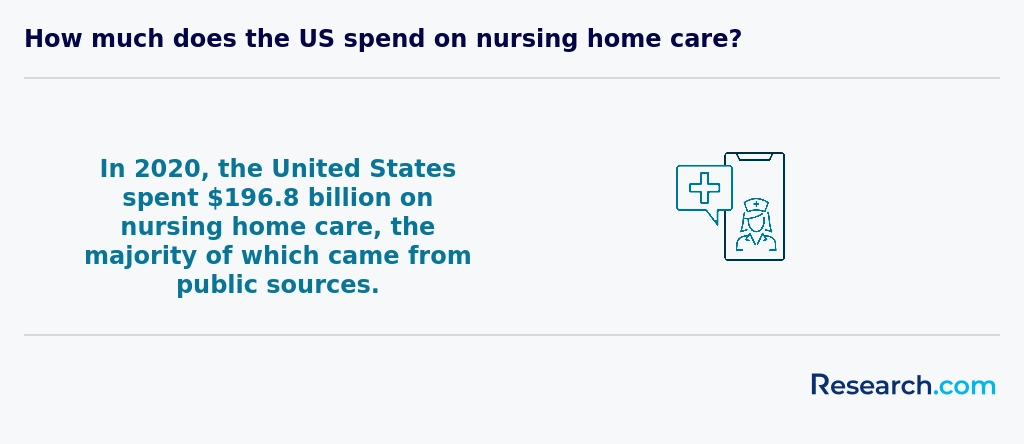
Pursuing a nursing career in Tucson, AZ, can be a highly rewarding decision, given the city's growing healthcare sector and the increasing demand for skilled nurses. The opportunity to make a meaningful difference in patients' lives, coupled with competitive salaries and benefits, makes nursing an attractive profession. For those considering affordable options, exploring the most affordable nursing programs in Arizona can be a crucial step in launching their nursing careers. With a range of specializations available, from pediatric nursing to oncology nursing, individuals can tailor their education to align with their interests and career aspirations, ultimately contributing to the well-being of the community in Tucson, AZ.
When considering how to fund a nursing degree in Tucson, many students discover federal and state aid unlock opportunities beyond loans. Graduates from the University of Arizona College of Nursing often recall how the FAFSA process opened doors to Pell Grants, covering thousands of dollars without repayment stress, making the daunting tuition suddenly manageable.
It's not just grants-Federal Work-Study jobs provide students real-world experience on campus or healthcare settings, blending education with income. For instance, nursing students at Pima Community College recall balancing clinical hours with paid positions, easing financial strain while building resumes.
- Loan repayment programs through Arizona's Department of Health Services reward dedication, especially for those willing to serve underserved areas, turning debt into career investment.
- Institutional scholarships at Tucson's major nursing programs are often merit- or need-based, lifting financial weight and allowing focus on nursing passion.
Employer tuition reimbursement after hiring can transform advanced study dreams into reality, reinforcing the idea that financial aid is not just survival, but a path to thriving in Arizona's nursing landscape.
Accreditation is the cornerstone of any reputable nursing program in Tucson, ensuring that your education meets rigorous national standards. Prospective students should verify that their chosen institution holds accreditation from the Commission on Collegiate Nursing Education (CCNE) or the Accreditation Commission for Education in Nursing (ACEN), as recognized by the Arizona State Board of Nursing. Accredited programs guarantee eligibility to sit for the NCLEX-RN exam and facilitate smooth transfers between institutions or states. Upon graduation, all aspiring Registered Nurses must pass the National Council Licensure Examination for Registered Nurses (NCLEX-RN) to obtain licensure in Arizona. The Arizona State Board of Nursing requires applicants to submit official transcripts, complete a background check, and demonstrate proof of immunizations before approval. Recent NCLEX-RN pass rates for Tucson programs average around 88–92%, reflecting the quality of clinical training at local hospitals such as Banner University Medical Center. Maintaining an active nursing license in Arizona involves completing 30 contact hours of continuing education every two years and renewing through the Board’s online portal. For those seeking alternative delivery formats while meeting these state requirements, it’s worth comparing accredited distance-learning options like the Most Affordable Online Nursing Degree Programs Ranking in North Dakota, which provides valuable insights into cost-effective, accredited pathways that align with licensure regulations.
To enroll in a nursing degree program in Tucson, you must first build a strong academic foundation. Graduates from Pima Community College often reflect on how essential completing courses like general biology with lab, chemistry, and anatomy was to their confidence. These subjects aren't just hurdles; they become the lens through which you start understanding the human body and its complexities.
Many students also share that passing the Test of Essential Academic Skills (TEAS) was more than a requirement-it was a moment of clarity, confirming their readiness for the rigorous coursework ahead. The University of Arizona's nursing candidates, for instance, frequently mention how preparing for TEAS helped sharpen their focus and boosted their sense of achievement.
Beyond academics, the real-world precautions shape your journey: proof of immunizations, background checks, and sometimes interviews connect you to the responsibility nursing demands in Tucson's healthcare environment. This blend of preparation creates a path that's both challenging and rewarding, reflecting a commitment beyond textbooks.

All nursing programs in Tucson must be accredited by the Commission on Collegiate Nursing Education (CCNE) or the Accreditation Commission for Education in Nursing (ACEN) and approved by the Arizona State Board of Nursing. Graduating from an accredited program and meeting state guidelines ensures eligibility to sit for the NCLEX-RN exam and obtain a professional license.
- Enroll in a CCNE- or ACEN-accredited nursing program.
- Complete required clinical hours and core coursework.
- Register for and pass the NCLEX-RN exam.
- Submit application, background check, official transcripts, and fees to the Arizona State Board of Nursing.
- Maintain active licensure through timely renewal and continuing education.
Graduates aiming for advanced practice then have pathways to explore accelerated dnp programs.
In Tucson, nursing degree programs weave together a comprehensive set of courses that push students beyond mere memorization into truly understanding patient care. Graduates from prominent institutions like the University of Arizona describe how foundational classes such as Human Anatomy and Physiology and Microbiology transformed their perspective, revealing the intricate dance of biology behind every patient interaction.
Courses like Pharmacology and Nursing Fundamentals equip students with critical skills, from safe medication administration to hands-on clinical procedures, fostering confidence when stepping into bustling hospitals. A graduate from Pima Community College recalls the eye-opening impact of Mental Health Nursing, where learning empathetic communication reshaped how they engage with patients facing psychiatric challenges.
Specialized courses in Pediatric and Geriatric Nursing challenge students to adapt to the unique needs of these vulnerable groups, preparing them to serve Tucson's diverse community with compassion. The Clinical Practicum merges theory with real-life in local healthcare facilities, making the transition from classroom to practice both exhilarating and empowering.
Nursing degree specialization options Tucson students encounter go beyond the expected RN to BSN path, tailoring education to the actual needs of the community. Graduates from well-known institutions in the area often praise programs like Family Nurse Practitioner (FNP), which train nurses to serve both rural and urban families. These roles are emotionally rewarding as students witness firsthand their impact on underserved patients, fostering a connection to Tucson's diverse population.
Other popular nursing specializations offered in Tucson include Pediatric Nursing, where students acquire knowledge about childhood development and gain clinical experience through partnerships with local children's hospitals. This hands-on practice deeply resonates with graduates eager to support the growing pediatric population. Geriatric and Psychiatric-Mental Health Nursing also stand out, reflecting Tucson's demographic shifts and rising mental health awareness, making these fields fulfilling choices for compassionate caregivers.
In addition, many students supplement their education by exploring advanced roles or comparing local options with insights from the ranking of the best nurse practitioner programs in california, broadening their perspective on career pathways.
Choosing the best nursing degree in Tucson means looking beyond just cost or program length and diving into what truly shapes your future in healthcare. Graduates from the University of Arizona often share how their connections with Tucson Medical Center and Banner - University Medical Center made clinical experiences feel real and transformative, turning textbook lessons into life-saving skills. These partnerships highlight why location matters-a program affiliated with top local hospitals offers opportunities that no textbook can fully replicate.
Many students think a quick ADN path is the most affordable route, but affordable nursing degree programs in Tucson also include evaluating NCLEX pass rates and job placement outcomes. Knowing that your program has an NCLEX pass rate above 85% can boost your confidence, proving you're not just earning a degree but becoming a nurse ready for the workforce. Think about how crucial accreditation is to your success, ensuring your degree opens doors nationwide.
The debate often ends at ADN versus BSN, but reflecting on your ambitions is key. For working nurses, RN-to-BSN programs offer a flexible way to advance. If you wonder about your career timeline, exploring how long does it take a nurse to become a nurse practitioner can clarify your next steps.
When searching for the best nursing schools Tucson AZ offers, your choice should echo your personal goals and the realities of nursing practice. Real students say the most rewarding feeling is knowing their education is as much about who they become as what they learn.
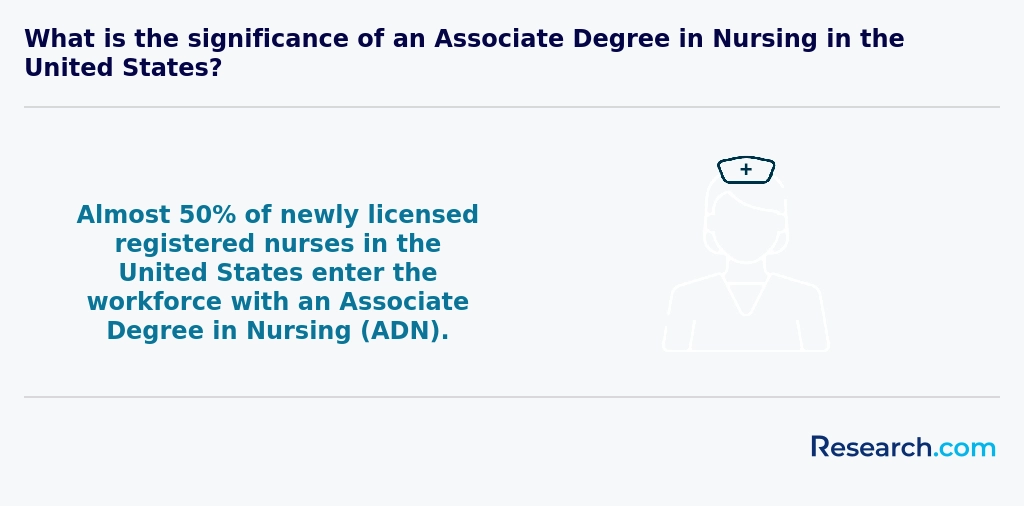
Graduates from nursing programs in Tucson quickly discover that the nursing career opportunities in Tucson extend far beyond the traditional bedside RN role. Many find themselves drawn to specialized positions such as pediatric or geriatric nursing, shaped by Tucson's unique demographic and healthcare demands. For instance, graduates from the University of Arizona's nursing school often share how working in community health roles has deepened their connection to local families through outreach initiatives, an experience that challenges simple assumptions about clinical nursing.
Others embrace advanced roles by pursuing further education, unlocking paths like Nurse Practitioners or Clinical Nurse Specialists who lead quality improvement projects in Tucson Medical Center or Banner - University Medical Center Tucson. These professionals reflect on how their expanded responsibilities foster a rewarding sense of autonomy and purpose in improving healthcare outcomes. Students debating their futures can find guidance from the Most Affordable Online Nursing Degree Programs Ranking in North Dakota to balance cost and opportunity effectively.
The spectrum of nursing jobs and growth Tucson offers is vast, fueled by healthcare innovation and the city's aging population. Whether providing direct care or shaping healthcare policies as nurse administrators, nursing graduates celebrate the flexibility to evolve their careers while making a tangible impact in their community.
The nursing job opportunities in Tucson reveal a dynamic landscape where demand is fueled by Arizona's aging population and expanding healthcare access. Graduates from local nursing programs at popular institutions like the University of Arizona share stories of quickly finding roles in diverse settings, from Banner - University Medical Center Tucson to community clinics. The range of options available pushes new nurses beyond traditional patient care, encouraging specialization that brings both job security and higher wages.
Despite wages slightly below the national average, many Tucson nursing degree employment outlooks emphasize the region's competitive salary paired with lower education costs, making this career path feel both practical and attainable. Graduates often highlight the strong support from local initiatives designed to address workforce shortages, helping to ease transition from student to professional. For those weighing their options, comparing this career choice against other fields can often be illuminated by visiting resources on the best college degree paths available today.
2027 Most Affordable Nursing Degree Programs Ranking in Tucson
Investing in your education is a significant decision that can shape your future, and the Research.com team understands the importance of making informed choices. To assist prospective students in Tucson, we have meticulously crafted the "2027 Most Affordable Nursing Degree Programs Ranking in Tucson." Our commitment to quality, credibility, and accuracy is reflected in the extensive research and analysis conducted to compile this ranking.
We utilized the following reputable data sources to ensure a comprehensive evaluation of nursing programs:
By exploring this ranking, readers will gain valuable insights into the most cost-effective nursing degree options in Tucson, enabling them to make well-informed decisions about their educational investments. For more details on our methodology, please visit our Research.com methodology page.

# 4 position
Arizona College of Nursing-Tucson
Bachelor of Science in Nursing
# 5 position
Pima Medical Institute-Tucson
Bachelor of Science in Nursing

Frequently Asked Questions About nursing
Students pursuing nursing degrees in Tucson can enhance their learning by actively engaging in both classroom and clinical experiences. Tucson hosts reputable institutions such as Pima Community College, which reported a 75% NCLEX pass rate for 2023, reflecting strong program quality. Participating in local healthcare settings offers hands-on practice essential for skill development and confidence building.
Joining study groups and utilizing campus resources like tutoring centers also supports comprehension of complex nursing concepts. Additionally, staying informed about Arizona Board of Nursing regulations helps students align their education with licensure requirements. Networking with healthcare professionals in Tucson can provide valuable insights and career opportunities.
The nursing field is expanding into several emerging niches that offer new opportunities for Tucson-based students. One notable area is gerontological nursing, focusing on elderly care as Tucson's aging population grows. According to the Arizona Department of Health Services, nearly 15% of Tucson's residents are 65 or older, increasing demand for nurses skilled in managing chronic diseases and elder care.
Another rapidly developing niche is informatics nursing, which integrates healthcare and technology. Nurses in this field help implement electronic health records and data systems, improving patient outcomes. The Bureau of Labor Statistics highlights that informatics nursing jobs are expected to grow by 24% nationally through 2031.
Finally, community health nursing is gaining attention in Tucson, addressing public health challenges and preventive care. These specialties require advanced education, often available within local nursing degree programs, reflecting broader trends in U.S. healthcare.
Preparing for the job market after completing a nursing degree in Tucson involves several important steps. First, obtaining licensure by passing the National Council Licensure Examination (NCLEX-RN) is mandatory to practice as a registered nurse in Arizona. According to the Arizona State Board of Nursing, the NCLEX pass rate for first-time test takers in the region remains above 85%, reflecting the program's rigor.
Building local experience through clinical rotations or internships in Tucson-area hospitals enhances employability. Facilities like Banner - University Medical Center and Tucson Medical Center often seek graduates familiar with community health needs. Networking through local nursing associations, such as the Arizona Nurses Association, helps graduates connect with employers and stay informed about job openings.
Finally, graduates should consider pursuing certification in specialized areas such as gerontology or critical care, increasing job prospects in Tucson's diverse healthcare settings.
Employers in Tucson seeking nursing degree graduates prioritize a blend of technical and interpersonal skills. Clinical competence, including proficiency in patient care and familiarity with electronic health records (EHR), is essential. According to the Arizona State Board of Nursing, strong critical thinking skills are also vital for making quick, informed decisions in dynamic healthcare settings.
Communication abilities stand out as a top requirement. Nurses must effectively interact with patients, families, and multidisciplinary teams. The Tucson workforce data shows that employers value graduates who can demonstrate empathy along with clear verbal and written communication.
Additionally, time management and adaptability are frequently cited skills. Healthcare environments in Tucson are fast-paced, so nurses who manage multiple responsibilities efficiently are in higher demand. Employers also look for candidates committed to ongoing education to keep up with evolving medical practices.
Finding nursing internships in Tucson involves connecting with local healthcare facilities and educational institutions. Tucson is home to major hospitals such as Banner - University Medical Center Tucson and Tucson Medical Center, which often offer clinical internship opportunities to nursing students. These internships provide hands-on experience crucial for licensure and employment.
Students are advised to contact nursing program advisors at institutions like the University of Arizona College of Nursing for guidance. According to the Arizona Board of Nursing, many nursing programs in Tucson require clinical rotations as part of their curriculum, integrated with local healthcare providers.
Additionally, websites like the Arizona Center for Nursing Workforce offer listings of available internships. Networking through professional organizations such as the Arizona Nurses Association can also expand internship options and mentorship opportunities.
Obtaining a nursing degree in Tucson significantly enhances career mobility and advancement opportunities. The city benefits from a growing healthcare sector, driven by institutions like Banner - University Medical Center Tucson and Tucson Medical Center, creating steady demand for qualified nurses.
According to the Arizona Office of Economic Opportunity, registered nursing is among the top occupations with strong job growth expected through 2028. A degree-from an associate to a Bachelor of Science in Nursing (BSN)-is often required for higher-paying roles and leadership positions in hospitals and clinics.
Higher credentials also open doors to specialized fields such as geriatrics or pediatric nursing, which are in demand locally due to Tucson's diverse population age groups. Nurses with degrees are also more competitive for roles in management, education, or advanced practice.
In summary, acquiring a nursing degree in Tucson is a key driver for expanding professional options within a competitive healthcare environment.
Studying for a nursing degree in Tucson prepares students for interdisciplinary roles by emphasizing collaboration across healthcare fields. Local nursing programs integrate clinical experiences in diverse settings such as Banner - University Medical Center Tucson, promoting teamwork with doctors, therapists, and social workers.
Courses often include healthcare communication, leadership, and ethics, which are essential for effective interdisciplinary practice. Additionally, Tucson's nursing programs align with national standards set by the American Association of Colleges of Nursing, ensuring graduates are ready for complex care environments.
Data from the Arizona State Board of Nursing reveals rising demand for nurses skilled in multidisciplinary coordination, highlighting the city's focus on producing adaptable professionals.
When choosing between a thesis and a non-thesis nursing degree program in Tucson, consider your career goals and learning preferences. Thesis programs emphasize research skills and are ideal if you plan to pursue doctoral studies or a career in nursing research or academia. Non-thesis programs focus more on practical skills and clinical experience, suitable for those aiming to enter advanced nursing practice or administration.
In Tucson, nursing graduates fare well, with a local demand growth rate of 15% for registered nurses through 2028, according to Arizona's Department of Labor. Universities like the University of Arizona offer both tracks, allowing flexibility based on your needs.
Cost and duration also vary: thesis programs may take longer due to research commitments, potentially affecting affordability and time to graduation.
Students in Tucson interested in studying nursing abroad have several pathways available through partnerships between local universities and international programs. The University of Arizona College of Nursing, a leading institution in the region, often facilitates exchange programs or study abroad opportunities with healthcare institutions in countries like the United Kingdom and Australia. These programs allow students to gain clinical experience in diverse healthcare settings while earning credits that apply to their degree.
Additionally, Tucson nursing students can explore semester-long exchanges or short-term clinical placements through organizations recognized by the Commission on Collegiate Nursing Education (CCNE). According to the Institute of International Education, nursing remains one of the top fields for U.S. students studying abroad, with growing opportunities tailored to clinical practice and global health.
These international experiences enrich nursing education by exposing students to different healthcare systems, which is valuable in today's interconnected health environment.
Students pursuing nursing degrees in Tucson have several part-time job opportunities that complement their education. Working as a Certified Nursing Assistant (CNA) is a common choice, providing hands-on experience in patient care. According to the Arizona Department of Economic Security, Tucson offers nearly 3,000 CNA positions with wages ranging from $12 to $17 per hour.
Additionally, jobs as medical scribes in local hospitals and clinics help nursing students gain familiarity with medical terminology and documentation. Volunteer roles at Tucson Medical Center and Banner University Medical Center also enhance practical skills without conflicting with study schedules.
These opportunities not only support financial needs but also build valuable clinical experience crucial for future nursing licensure exams.
Nursing students in Tucson have multiple networking opportunities that help build professional connections. Local universities like the University of Arizona offer student nursing organizations, such as the Student Nurses Association (SNA), which host regular meetings and events. These groups connect students with experienced nurses and healthcare professionals in the region.
Hospitals and clinics in Tucson, including Banner - University Medical Center, often provide clinical rotations where students can engage directly with practitioners and healthcare teams. Additionally, Tucson hosts Arizona's state nursing conferences and workshops, which are valuable for networking and career development.
The Arizona Nurses Association (AzNA) has a vibrant local chapter in Tucson. It organizes events, continuing education, and networking sessions specifically for nursing students and professionals in the city. Through these avenues, students gain insights into Tucson's healthcare industry and expand their contacts.
Alumni networks offer valuable support to nursing degree students in Tucson by providing access to professional connections and mentorship opportunities. Graduates often share insights about local healthcare employers, enhancing students' job prospects in Tucson's competitive nursing market. According to the Arizona Center for Nursing Excellence, strong networks can improve employment outcomes by up to 20% for new nurses statewide.
These networks also facilitate continuing education and professional development through workshops and seminars. Many Tucson nursing alumni stay active in local hospitals and clinics, creating pathways for clinical placements and residencies. Engaging with alumni can help students navigate licensure exams and understand evolving healthcare policies in Arizona.
In Tucson, nursing degree programs often offer flexible options to help students align their education with specific career goals. Many institutions allow customization through elective courses and specialized tracks such as pediatrics, gerontology, or community health. The University of Arizona, a prominent local university, provides pathways including Bachelor of Science in Nursing (BSN), Accelerated BSN, and RN-to-BSN programs designed to support different professional stages.
Clinical rotations in Tucson healthcare facilities further enable practical experience tailored to areas of interest. Additionally, students can pursue certifications or continuing education to enhance expertise in fields like critical care or nursing leadership, reflecting workforce demands in Arizona's growing healthcare sector.
Nursing students in Tucson face several common challenges during their studies. One key difficulty is balancing rigorous coursework with practical clinical hours, which often require long shifts in local hospitals and clinics. According to the Arizona Nursing Workforce Center, clinical placements can sometimes be limited, causing scheduling conflicts and added stress. Additionally, students may encounter financial pressures due to tuition and living costs, with Tucson's average nursing program tuition ranging between $7,000 and $15,000 annually for in-state students.
Furthermore, many students report adjusting to the fast-paced healthcare environment as challenging. The need to master both theoretical knowledge and hands-on skills can be overwhelming, particularly for those new to medical settings. Language barriers and cultural diversity in Tucson's healthcare population may also require extra preparation for effective patient communication. These factors combined contribute to a demanding educational path for aspiring nurses in the region.
With a nursing degree in Tucson, graduates can pursue several professional certifications to enhance their careers. Common certifications include the Certified Nurse Assistant (CNA), Registered Nurse (RN), and Licensed Practical Nurse (LPN) credentials. Tucson healthcare employers highly value certifications such as the Certified Nurse Midwife (CNM) and Certified Registered Nurse Anesthetist (CRNA) for advanced practice roles.
Specialty certifications are also popular, including those in pediatric, gerontology, and oncology nursing. According to the Arizona Nursing Board, approximately 65% of Tucson nurses hold at least one specialty certification. These credentials often improve job prospects and salary potential within Tucson's healthcare system.
To write a winning application for a nursing program in Tucson, start by carefully reviewing each program's prerequisites and deadlines. Many Tucson nursing schools, including Pima Community College, require strong academic records with emphasis on science courses such as biology and anatomy.
Highlight any healthcare experience or volunteer work in your application to demonstrate your commitment to nursing. Tucson's competitive programs often look for candidates with practical exposure to patient care.
Be sure to prepare a clear and concise personal statement explaining your motivation to become a nurse and your career goals. According to the Arizona Board of Nursing, well-articulated goals can set you apart.
Additionally, include strong recommendation letters from mentors or employers familiar with your skills. Some Tucson programs may also require standardized tests like the TEAS exam; successful applicants typically score above 70%.
The global perspective on nursing careers highlights the profession's vital role in healthcare systems worldwide. In the United States, including Tucson, nurses are highly valued for their expertise and patient care. According to the U.S. Bureau of Labor Statistics, registered nursing is among the fastest-growing occupations, with a projected 9% growth from 2021 to 2031. This demand reflects a global trend as aging populations increase the need for skilled healthcare workers.
Nurses educated in the U.S. benefit from rigorous training and licensing, meeting international standards that enable some to work abroad. Tucson's nursing programs contribute to this trend by preparing students to succeed in diverse healthcare environments.
Students pursuing nursing degrees in Tucson can gain practical experience through clinical placements, internships, and volunteer opportunities integrated into many nursing programs. Local healthcare facilities such as Banner - University Medical Center Tucson and Tucson Medical Center partner with colleges to offer hands-on clinical rotations. These experiences allow students to apply classroom knowledge under supervision, improving skills in real healthcare settings.
Additionally, some programs encourage participation in community health initiatives and support roles in local clinics, which broaden practical exposure. According to recent data from the Arizona Board of Nursing, over 80% of nursing students in Tucson complete clinical hours before graduation, reflecting the importance of experiential learning in the region.
Choosing the right concentration within a nursing degree program in Tucson involves considering local healthcare needs and your career goals. Tucson's aging population drives demand for geriatric and chronic care nursing, making these specialties valuable. According to the Arizona Department of Health Services, registered nurses in Tucson earn a median annual wage of about $75,000, with some specializations offering higher salaries.
Explore concentrations like pediatrics, mental health, or family nurse practitioner programs based on your interests. Research local hospitals and clinics to identify high-demand roles. Many Tucson institutions offer flexible tracks for accelerating careers in specific fields.
Finally, evaluate each program's clinical experiences and partnerships with Tucson healthcare providers, ensuring hands-on learning closely aligns with community healthcare needs.
- 2027 Most Affordable Nursing Degree Programs Ranking in Tempe
- 2027 Most Affordable Nursing Degree Programs Ranking in Phoenix
- 2027 Most Affordable Nursing Degree Programs Ranking in El Paso
- 2027 Most Affordable Nursing Degree Programs Ranking in San Diego
- 2027 Most Affordable Nursing Degree Programs Ranking in Los Angeles
- 2027 Most Affordable Nursing Degree Programs Ranking in Colorado Springs
- 2027 Most Affordable Nursing Degree Programs Ranking in Salt Lake City
- 2027 Most Affordable Nursing Degree Programs Ranking in Denver
- 2027 Most Affordable Nursing Degree Programs Ranking in San Francisco
- 2027 Most Affordable Nursing Degree Programs Ranking in San Antonio
See What Experts Have To Say About Studying Nursing
Read our interview with Nursing experts


- Nursing (ADN) https://www.pima.edu/academics-programs/degrees-certificates/health-sciences/nursing/aas/index.html
- How to Choose a Nursing Program | All Nursing Schools https://www.allnursingschools.com/how-to-get-into-nursing-school/choose-the-right-school/
- Top Nursing Skills U.S. Employers Want to See on Your Resume | O'Grady Peyton https://www.ogradypeyton.com/blog/job-seeker-resources/top-nursing-skills-u.s.-employers-want-to-see-on-your-resume
- | NRR | Dove Medical Press https://www.dovepress.com/internship-challenges-encountered-by-nursing-students-a-qualitative-st-peer-reviewed-fulltext-article-NRR
- Nursing - SUM Admission https://admission.sum.edu.pl/nursing/
- How Do Nurses Navigate Career Advancement? | NursingEducation https://nursingeducation.org/insights/career-advancement/
- Search our Job Opportunities at TENET https://jobs.tenethealth.com/employment/tucson-registered-nurses-jobs/1127/9205904/6252001-5551752-5308878-5318313/4
- Mastering Arizona Nursing Prerequisites https://www.prereqcourses.com/mastering-arizona-nursing-prerequisites/
- Study Nursing Abroad | Boomerang International Educational Services https://boomerangedu.com/study-nursing-abroad/
- Guide to Making a Career Change to Nursing https://teach.com/online-ed/healthcare-degrees/online-msn-programs/career-change-to-nursing/


