
2027 Most Popular Nursing Degree Programs Ranking in Columbus

Co-Founder and Chief Data Scientist
Choosing the right nursing program is an important step toward a rewarding career in healthcare. This article presents the 2027 Most Popular Nursing Degree Programs Ranking in Columbus, carefully developed by the Research.com team of data scientists to guide you in making an informed decision.
Exploring these programs will help you find options that match your goals and lifestyle. Pursuing a nursing degree can open doors to meaningful work and personal growth, and this ranking makes the process easier and more confident for you.
Key benefits of getting nursing degree in Columbus
- Salary for nursing degree graduates: In Columbus, registered nurses often earn a mean annual wage of $94,480, while specialized roles like operating room nurses can earn up to $128,490, offering strong financial stability.
- Career paths: Graduates from Columbus colleges can pursue diverse roles such as clinical nurse educator, public health nurse, or emergency room nurse, all with rewarding and impactful career opportunities.
- Online degree benefits: Earning a nursing degree online from local universities in Columbus provides flexibility to balance work and study, making it easier to advance your career without relocating or pausing employment.
- 2027 Most Popular Nursing Degree Programs Ranking in Columbus
- What can I expect from nursing degree in Columbus?
- Where can I work with nursing degree in Columbus?
What can I expect from nursing degree in Columbus?
If you're thinking about the cost of a nursing degree in Columbus, here's the lowdown: community colleges here usually offer ADN programs for under $10,000 a year if you're a local student. That's a major relief for many grads who worried about piling up debt while getting their start in nursing.
On the other hand, if you're aiming for a BSN at places like Ohio State University, expect tuition to be noticeably higher. But many students say it's worth it because the coursework includes deeper clinical experiences and research opportunities that really prepare you for nursing challenges beyond the basics.
Graduates often mention getting financial aid or scholarships focused on nursing, which helps ease the financial stress. Picture yourself balancing studies with clinical work at major hospitals in Columbus, knowing you found a program that fits your budget and sets you up for success.
Where can I work with nursing degree in Columbus?
If you're studying nursing in Columbus, you'll find plenty of places to jump into work right after graduation. Many grads from Ohio State University and Columbus State Community College land jobs at top local spots like OhioHealth or Mount Carmel Health System. They get to work in all sorts of areas-from hectic ERs to calm outpatient clinics, or even labor and delivery wards. It's the kind of hands-on experience that really sticks with you.
Some grads love working in community clinics where they help people manage chronic illnesses or teach healthy habits. Others prefer slower-paced roles in long-term care homes, supporting elderly patients every day. There's also a growing crew providing in-home care, which offers super flexible schedules and close patient relationships.
Public health gigs with the Columbus Public Health Department are another popular path. Nurses there focus on big-picture stuff like vaccinations and health screenings, which really makes you feel part of the community. Overall, nursing grads in Columbus have a bunch of exciting options that match different vibes and career goals.
Wondering how much you can make in Columbus after finishing a nursing degree? Well, it's pretty encouraging! Graduates from well-known local schools often land roles like Registered Nurse, Clinical Nurse Educator, or Public Health Nurse, all earning an average annual salary around $94,480. That's a solid paycheck, especially when you think about starting out and gaining hands-on experience during your studies.
Some grads take it a step further and specialize, for example, as Emergency Room Nurses. They typically earn the same solid average of about $94,480 per year, balancing fast-paced work with great rewards. And if you're aiming high, Operating Room Nurses pull in even more-around $128,490 yearly! Those late-night shifts and intense surgeries can really pay off.
Many Columbus nursing graduates share how clinical rotations at local hospitals give them confidence and a leg up in salary negotiations after graduation. This real-world experience combined with solid degree programs makes the financial side feel even more worth it. Plus, with nursing jobs growing steadily around here, your skills will stay in demand.
- Nursing programs in Columbus include ADN, BSN, Master's, and Doctorate degrees with strong clinical partnerships.
- ADN programs cost between $5,000 and $10,000, while BSN tuition ranges from $25,000 to $45,000 at public universities and can exceed $40,000 at private schools.
- Entry-level registered nurses earn about $60,000 annually, with experienced nurses making $75,000 to $90,000 per year.
- Columbus has strong employment opportunities in nursing due to local healthcare employers and a growing demand for services.
- Students must pass the NCLEX-RN exam to become licensed registered nurses in Ohio.
If you're thinking about nursing degrees in Columbus, the timeline can really vary depending on the path you choose. For example, many students attending Columbus State Community College find that an Associate Degree in Nursing (ADN) usually takes about two to three years to finish. It's a solid option if you want to jump into the workforce relatively quickly and start taking care of patients sooner.
On the other hand, those aiming for a Bachelor of Science in Nursing (BSN) at places like Ohio State University often plan for about four years of study. Graduates often say the extra time is worth it because the program dives deeper into leadership and public health topics, which can open up more career doors later.
And if you already have an ADN and want to level up, the ADN-to-BSN bridge programs in Columbus usually take one to two years. Many students find this flexible and manageable while working.
Lastly, for those going for a Master of Science in Nursing (MSN), be ready to add another two years beyond your BSN. Graduates mention this journey feels rewarding as it prepares them for specialized and exciting roles in nursing.
Nurses in Columbus, OH, can elevate their careers and meet licensure requirements through a variety of continuing education and certification pathways. Many healthcare employers and state boards mandate a set number of continuing education units (CEUs) every renewal period, making ongoing learning not only a regulatory necessity but also a catalyst for career growth. Pursuing advanced degrees such as a Master of Science in Nursing (MSN) or a Doctor of Nursing Practice (DNP) opens doors to leadership roles, research opportunities, and specialized clinical practice. Certification boards from organizations like the American Nurses Credentialing Center (ANCC) and the American Association of Critical-Care Nurses (AACN) offer certifications in areas such as Critical Care (CCRN), Oncology (OCN), and Emergency Nursing (CEN). Holding these credentials demonstrates expertise to employers and can result in higher salary brackets. Professional associations-including the Ohio Nurses Association and the National League for Nursing-provide workshops, webinars, and accreditation-approved CEU courses on topics ranging from updates in pharmacology to telehealth best practices. Attending local conferences, such as the Ohio Health Nurse Leadership Symposium, allows for networking with peers, sharing evidence-based practices, and discovering new technologies in patient care. For nurses interested in expanding into advanced practice roles, specialized tracks like psychiatric mental health are increasingly popular. For example, enrolling in online psychiatric nurse practitioner programs offers flexibility and a streamlined curriculum that fits working schedules, while meeting both state and national certification requirements. Maintaining a robust professional portfolio-complete with CEU certificates, specialty credentials, and participation in professional organizations-ensures that nursing professionals in Columbus stay competitive, deliver high-quality patient care, and continue advancing their careers in an ever-evolving healthcare landscape.
If you're thinking about nursing degrees in Columbus, the biggest difference between online and on-campus programs is how you experience learning day-to-day. Online programs, like those offered by some Columbus colleges, let you study whenever it fits your schedule-perfect if you've got a job or family to juggle. Graduates often say they loved the freedom to watch lectures after work or on weekends, though they warn you have to be super disciplined to keep up.
On the flip side, on-campus programs give that classic college vibe. Picture yourself at schools like Ohio State, walking between classes, chatting with professors face-to-face, and getting hands-on practice right in simulation labs. Many students find this setup great for staying motivated and mastering skills faster since you get immediate feedback from instructors.
Both paths do require showing up in person for clinical work at local hospitals, so you're not missing that real-world nursing experience. And when it comes to cost, Columbus public schools typically charge around $10,000 a year, though online might sneak in some extra tech or travel fees. So it's really about what fits your lifestyle and learning style best!
To identify the most suitable nursing program, prospective students should consider several key factors, including the program's reputation, graduation rates, and job placement statistics. For those interested in exploring popular nursing schools, visiting the most popular nursing school websites can provide valuable insights into the strengths and specializations of each institution. By examining these aspects, students can make informed decisions that align with their career aspirations and personal circumstances. Furthermore, understanding the local job market and the potential for career advancement can also influence the choice of nursing program. Columbus, OH, with its growing demand for healthcare professionals, offers a promising environment for nursing graduates to launch their careers and pursue long-term growth opportunities.
If you're wondering about the average cost of a nursing degree in Columbus, you're looking at around $16,600 for in-state students, which makes getting your nursing credentials here pretty reasonable compared to other places. Many graduates from popular schools like Columbus State Community College or Ohio State University talk about how they managed to keep expenses in check, especially when factoring in local tuition rates. These schools balance quality education with costs that make sense for students staying in state.
Students often mention that while tuition is a big part of the deal, it's not the whole picture. Clinical fees, textbooks, and uniforms add some extra bucks each year, but it's still quite manageable. Thanks to scholarships and federal aid options, a lot of folks end up paying less than the sticker price. If you dig a little into financial aid, the overall burden lightens, making your nursing journey feel way less stressful.
The Columbus nursing degree tuition and fees tend to be lower than private or out-of-state options, which can skyrocket well beyond $45,000 total. Many students find that sticking to well-known local programs gives them a great balance of price and education quality. If you want to compare schools or check out the most popular nursing school around, it's worth doing a bit of research to find the best fit for your budget and career goals.
Licensed Practical Nurses (LPNs) in Columbus, OH, looking to advance their careers can enroll in accelerated bridge programs that transform LPN credentials into Registered Nurse (RN) qualifications in as little as six months. These fast-track curricula build on foundational nursing skills, offering condensed clinical rotations, targeted coursework in pharmacology and medical–surgical nursing, and NCLEX-RN preparation. By leveraging prior LPN experience, students complete core RN requirements more efficiently-often through hybrid formats that blend evening online lectures with weekend on-site labs. Local institutions frequently partner with healthcare systems to secure guaranteed clinical placements, ensuring hands-on training in critical care units, community health settings, and specialty departments. For those seeking fully online alternatives, explore our curated list of top 6 month lpn to rn programs online, which highlight accredited options recognized for high NCLEX-RN pass rates and robust student support services. Key advantages of a six-month LPN to RN bridge include accelerated entry into higher-paying roles-where RNs in Columbus earn a mean wage of $89,010-plus immediate eligibility for leadership tracks and specialty certifications. Prospective students should verify accreditation by the Commission on Collegiate Nursing Education (CCNE) or the Accreditation Commission for Education in Nursing (ACEN), review prerequisite GPA requirements (typically 2.5 or higher), and assess clinical hour expectations to align the program with their professional goals.
If you're chasing a nursing degree in Columbus, you're in luck because there are plenty of financial aid options to help ease the load. Many students attending places like Ohio State University or Columbus State Community College tap into federal aid like Pell Grants, which don't need to be paid back-one graduate shared how that grant covered a huge chunk of their tuition, making school feel way more manageable.
Ohio also pitches in with state-specific help such as the Ohio College Opportunity Grant, especially for those balancing a budget on a tight income. Plus, scholarships targeted at nursing students from groups like the Ohio Nurses Foundation often reward hard work and community service. Some students even scored tuition reimbursement through local healthcare jobs that encouraged them to keep learning while earning.
Loans are an option too, but federal Direct Subsidized Loans get high marks since interest doesn't pile up while you're in classes. Many grads say digging into loan forgiveness programs, like Public Service Loan Forgiveness, gave them peace of mind about future payments as nurses serving the public.
After earning your nursing degree in Columbus, you must secure state licensure and essential certifications to practice safely and legally:
- Graduate from a CCNE- or ACEN-accredited nursing program recognized by the Ohio Board of Nursing
- Submit a licensure application through the Ohio eLicense portal, including official transcripts and required fees
- Complete a fingerprint-based criminal background check as mandated by state law
- Register for the NCLEX-RN exam with Pearson VUE, schedule your test, and achieve a passing score
- Maintain basic certifications (BLS, ACLS, PALS) through accredited providers before or shortly after licensure
For ongoing professional growth and advanced practice pathways, explore our bsn to dnp programs.
If you're thinking about jumping into a nursing degree in Columbus, you'll first need a high school diploma or GED-pretty much the starting line for most programs around here. Graduates from schools like Ohio State University or Columbus State often say nailing the basics in math, science, and English before starting really helped them feel confident in class.
Before getting fully into the program, you'll usually take some prerequisite courses like Anatomy and Physiology, Microbiology, and maybe a bit of Chemistry or stats. One grad mentioned how those classes felt tough but totally worth it once clinical rotations began.
Columbus nursing schools often want a GPA around 2.5 or higher, and many require passing entrance exams like the TEAS to make sure you're ready. Plus, having some hands-on experience-like volunteering at a hospital or clinic-can really set you apart. Not only does it boost your application, but it also gives you a glimpse of what nursing life is really like.
As tuition costs continue to rise, exploring budget-friendly online nursing options can help Columbus-area students balance educational quality with affordability. Many accredited institutions now offer asynchronous coursework, reducing fees associated with campus facilities and commuting. Prospective students should compare per-credit rates, technology fees, and clinical placement costs when evaluating programs. Additionally, look for schools that waive application fees or offer flat-rate tuition for full-time online enrollment. To identify the most economical online pathways, consider regional rankings that highlight value alongside accreditation and graduate outcomes. For example, prospective online learners may benefit from reviewing the Inexpensive Online Nursing Degree Programs Ranking in Columbia, MO, which profiles programs offering low tuition without compromising on clinical rigor. Beyond tuition, cost-saving strategies include:
- Federal and State Aid Optimization: File the FAFSA early to access grants and subsidized loans. Ohio residents may qualify for state-specific nursing scholarships that prioritize in-state enrollees.
- Payment Plans and Employer Partnerships: Many online programs offer interest-free payment plans or partner with healthcare employers for tuition reimbursement in exchange for service commitments.
- Credit for Prior Learning: RNs with ADN credentials or nursing certifications can often transfer credits toward a BSN, reducing the number of required online courses and overall cost.
- Open Educational Resources (OER): Seek programs that integrate free digital textbooks and simulation software, cutting down on mandatory resource expenses. Combining an affordable online curriculum with strategic financial planning empowers nursing students to graduate with less debt while staying on track for NCLEX success and career advancement.
If you're thinking about a nursing degree in Columbus, get ready for a mix of solid science and real hands-on action. Students at popular schools here dive into core subjects like human anatomy and physiology - basically learning how the body ticks and what happens when things go wrong. You'll also get into microbiology, chemistry, and nutrition, which really help make sense of the medical stuff from day one.
After that, the classes get more nursing-specific. Graduates often mention how courses like pharmacology teach you all about medications - from calculating dosages to spotting possible drug interactions, which is super important when you're actually caring for patients.
There are also courses like pathophysiology, health assessments, and nursing for different age groups, including both adults and kids. Plus, you'll explore mental health nursing, preparing you to support patients through psychological challenges. Students at Columbus colleges say these classes make them feel confident stepping into clinics.
What really pumps up the experience are clinical rotations at local spots like OhioHealth, where you apply what you've learned right away, making the coursework come alive. It's the kind of mix that helps those graduates feel ready and excited for the nursing world.
If you're diving into nursing specializations in Columbus, you'll find plenty of paths to shape your nursing degree just how you want it. Lots of graduates from Ohio State University and other colleges love how they could focus on areas like Family Nurse Practitioner roles, caring for all ages in the community, or specialize in Adult-Gerontology, which is great if you're drawn to working with older adults. Pediatric Nursing is another popular path, especially for those who have a soft spot for kids and teens.
Many students share how rewarding it feels to work in fast-paced specialties like Emergency or Critical Care Nursing, where every moment counts. Ohio's healthcare hubs make clinical experiences richer - local hospitals like Nationwide Children's Hospital offer hands-on practice that really boosts confidence. Some even choose Psychiatric-Mental Health Nursing or Public Health Nursing, which fits well if you care about mental health or community wellness. For those thinking ahead, exploring online psychiatric nurse practitioner programs is a smart move to combine flexibility with a high-demand niche.
With Columbus nursing degree focus areas being so diverse, you can totally find something that matches your passion and career goals.
Picking the best nursing degree in Columbus is all about what fits your life and goals. Graduates from popular Columbus colleges often say choosing a BSN helped them land better jobs and made them feel more confident stepping into leadership roles. If you're aiming for a quick start or a career shift, there are also affordable nursing schools Columbus Ohio that offer flexible programs, including part-time and evening classes that worked perfectly for students juggling jobs or families.
It's also key to check if the program is accredited by places like CCNE or ACEN. Students who picked accredited programs found it way easier to get licensed and find work locally. Plus, hands-on experience is a game-changer-many programs in Columbus partner with hospitals like OhioHealth, letting you get real-world training before you graduate.
Cost can be a worry too. Some grads wisely balanced tuition and financial aid, making their nursing degrees doable without breaking the bank. And if speed is your thing, check out programs like the top 6 month lpn to rn programs online to get started quick and still build a solid career.
If you're looking into nursing career opportunities in Columbus, you'll find a bunch of paths to explore right after graduation. Many grads choose to work as staff nurses in hospitals or outpatient clinics, where they get hands-on with patients every day. Big names like OhioHealth and Mount Carmel Health System hire lots of fresh nursing grads, so the job outlook is pretty solid.
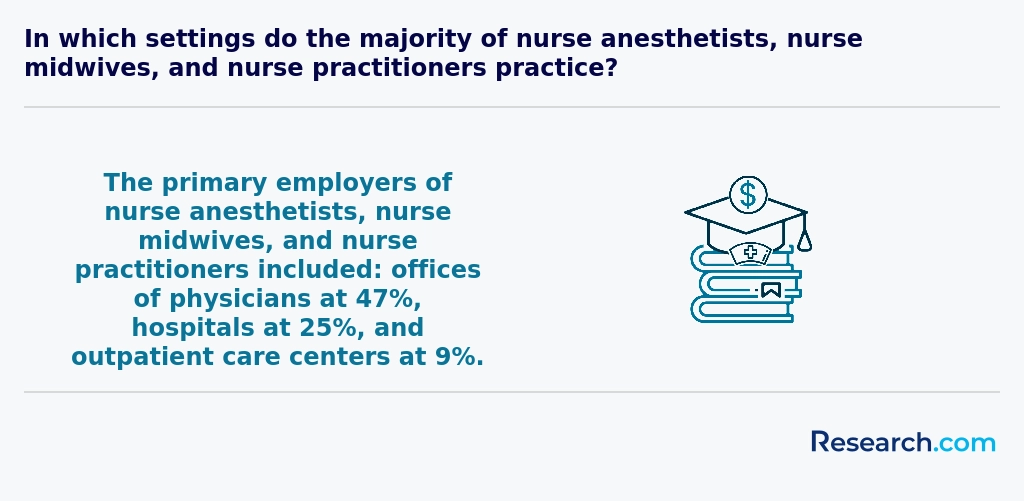
Some nursing grads decide to go further by earning advanced degrees to become nurse practitioners or specialists. This opens doors to more specialized work, higher pay, and independence, especially in areas like primary care or mental health. Graduates from popular Columbus colleges often talk about how rewarding it feels helping local communities while growing professionally.
There are other cool options too: public health nursing, home health nursing, nursing education, and leadership roles that focus on managing teams. If cost is a worry, check out Inexpensive Online Nursing Degree Programs Ranking in Columbia, MO for some affordable study choices nearby. Columbus nursing degree job prospects keep expanding, making it a great place to launch your nursing career.
If you're looking at the nursing job outlook in Columbus, things are really promising. Graduates from local colleges often find themselves stepping into solid roles quickly, thanks to steady demand fueled by an aging population and growing healthcare needs. Many nursing students from universities here share how hands-on clinical experience helped them land jobs in pediatrics or critical care soon after finishing their degrees.
Columbus nursing degree employment opportunities are diverse, with hospitals and specialty clinics eager for fresh talent. The median RN salary in the area is about $67,000 a year, which gives new grads a nice boost compared to other parts of Ohio. Plus, tuition costs at community colleges and public universities stay pretty affordable, letting students focus on their studies without stressing finances.
Some grads even explore advanced options like a one year masters to specialize further and jumpstart their careers. Overall, it's a great city to study and grow in nursing, combining quality education with a healthy job market.
2027 Most Popular Nursing Degree Programs Ranking in Columbus
Investing in your education is a significant decision that can shape your future, and the Research.com team understands the importance of making informed choices. To assist prospective students in Columbus, we have carefully developed the "2027 Most Popular Nursing Degree Programs Ranking in Columbus." Our dedication to quality, credibility, and accuracy is demonstrated through rigorous research and analysis employed in creating this ranking.
We utilized the following reputable data sources to ensure a thorough evaluation of nursing programs:
By exploring this ranking, readers will gain valuable insights into the most popular nursing degree programs in Columbus, empowering them to make informed decisions about their educational futures. For more information about how this ranking was created, please visit our Research.com methodology page.


# 8 position
Chamberlain University-Ohio
Bachelor of Science in Nursing

# 9 position
Franklin University
Master of Science in Nursing

# 10 position
Franklin University
Bachelor of Science in Nursing
Frequently Asked Questions About nursing
Nursing degree students in Columbus can maximize their learning experience by combining rigorous academic study with hands-on clinical training. Local institutions like Ohio State University offer extensive simulation labs that mimic real hospital settings, providing practical skills essential for patient care. According to the Ohio Board of Nursing, students who engage in at least 500 clinical hours tend to perform better on the NCLEX-RN licensing exam.
Joining nursing organizations and attending workshops in Columbus also helps students network with professionals and stay updated on healthcare trends. Balancing coursework with community health volunteer opportunities further deepens understanding of diverse patient needs.
Emerging niches within the nursing field offer promising opportunities for students pursuing nursing degrees in Columbus. One significant area is geriatric nursing, driven by Ohio's aging population, which requires specialized care for older adults. According to the Ohio Department of Aging, the 65+ demographic in Columbus is projected to grow by over 20% by 2030, boosting demand for geriatric specialists.
Another growing niche is nurse informatics, combining healthcare and information technology. This field supports healthcare systems by managing electronic health records and data analysis. Columbus hospitals increasingly seek nurses trained in informatics to improve patient outcomes and streamline care.
Additionally, community health nursing and psychiatric nursing also show expansion due to rising mental health awareness and public health initiatives locally. These specialized fields reflect broader national trends but also address specific regional healthcare needs.
Preparing for the job market after earning a nursing degree in Columbus involves several key steps. Graduates should first obtain their Registered Nurse (RN) license by passing the NCLEX-RN exam, which is required for legal practice. According to the Ohio Board of Nursing, timely licensure is critical to entering the workforce efficiently.
Networking plays an important role; joining local professional groups such as the Columbus Nurse Practitioners Association can provide valuable contacts and job leads. Additionally, completing clinical rotations or internships in Columbus-area hospitals increases practical experience and employability.
The demand for nurses in Columbus remains strong, with the Bureau of Labor Statistics projecting a 12% growth in healthcare employment in Ohio through 2031, which is above the national average.
Continuing education, including certifications in specialty areas, can further enhance job prospects in this competitive market.
Employers in Columbus prioritize specific skills when hiring nursing degree graduates. Clinical competence remains fundamental; nurses must demonstrate proficiency in patient care techniques and medical knowledge. According to the Ohio Board of Nursing, strong critical thinking and decision-making skills are essential due to the complexity of cases handled in local hospitals.
Communication skills rank highly, as nurses collaborate with healthcare teams and patients' families. The Columbus job market also values adaptability, particularly with the growing integration of healthcare technology and electronic health records.
Additionally, cultural sensitivity and empathy are increasingly important in Columbus's diverse population. Data from the Ohio Department of Job and Family Services highlights demand for nurses with teamwork abilities and a commitment to ongoing education in this competitive market.
Finding nursing internships in Columbus involves several key steps tailored to the local healthcare environment. Students should start by contacting nursing programs at Columbus-based institutions, such as Ohio State University and Columbus State Community College, which often have established partnerships with local hospitals.
Major healthcare providers in Columbus include OhioHealth, Mount Carmel Health System, and Nationwide Children's Hospital. These organizations regularly offer clinical internships and externships to nursing students. Visiting their career or education pages can provide application details.
Additionally, networking through local nursing associations like the Central Ohio Nurses Association can open doors to internship opportunities and mentorship.
The Ohio Board of Nursing also provides resources on accredited clinical sites and internship requirements specific to Ohio licensure, supporting informed student choices.
A nursing degree significantly enhances career mobility and advancement opportunities in Columbus. According to the Ohio Board of Nursing, registered nurses (RNs) with a bachelor's degree are more likely to secure leadership roles than those without. Employers in Columbus's major healthcare systems, such as OhioHealth and Mount Carmel Health System, often prefer candidates with degrees when hiring for advanced practice or management positions.
Columbus's growing healthcare industry, driven by population growth, increases demand for specialty nurses. A study by the Ohio Department of Job and Family Services projects a 15% rise in nursing jobs through 2030, favoring those with higher education credentials.
Additionally, a nursing degree facilitates eligibility for certifications, which correlate with higher salaries and greater job security in the Columbus job market.
Studying for a nursing degree in Columbus equips students with skills essential for interdisciplinary healthcare roles. Many Columbus nursing programs emphasize collaboration with other medical professionals, reflecting the city's diverse healthcare environment. For example, Ohio State University's College of Nursing integrates team-based simulations, preparing students to work closely with doctors, therapists, and social workers.
Local healthcare systems, like OhioHealth and Mount Carmel Health, often partner with nursing schools to provide clinical rotations in varied settings. This exposure helps students understand different roles within patient care.
According to the Ohio Board of Nursing, approximately 60% of Columbus nursing graduates engage in interdisciplinary teams early in their careers, demonstrating the practical impact of this educational focus.
Choosing between a thesis and a non-thesis nursing degree program in Columbus depends on your career goals and learning preferences. Thesis programs typically emphasize research skills and may be ideal if you plan to pursue doctoral studies or work in academic or research settings.
Non-thesis programs often focus more on practical clinical experience, preparing students for advanced nursing roles in hospitals or healthcare facilities. According to the Ohio Board of Nursing, Columbus has a high demand for advanced practice nurses, making practical skills highly valued.
Consider program duration as well; thesis options often require more time to complete due to the research component.
Visit individual college websites in Columbus, like Ohio State University, for detailed curriculum comparisons.
Students based in Columbus who wish to study nursing abroad have several pathways to consider. Many local universities, such as Ohio State University, offer exchange programs with international nursing schools, enabling students to gain clinical experience overseas while earning credits toward their degree. These programs typically last one semester and are coordinated through university partnerships.
Additionally, students can explore study-abroad opportunities via organizations like the Council on International Nursing Exchange (CINE), which has established programs with countries including Canada and Australia. These experiences provide exposure to different healthcare systems and broaden clinical skills.
Financial aid and scholarships specifically for study-abroad nursing programs are available but competitive. Students must ensure that any international coursework aligns with U.S. licensing requirements for nurses, as regulated by the Ohio Board of Nursing.
Students pursuing nursing degrees in Columbus can benefit from various part-time job opportunities that align with their educational paths. Working as a certified nursing assistant (CNA) is a popular choice, offering hands-on experience in patient care while earning a wage. According to the Ohio Department of Job and Family Services, Columbus has a growing demand for CNAs, with an average hourly wage around $14.
Other options include medical scribing or hospital volunteer positions, which provide exposure to clinical environments and healthcare workflows. Local hospitals such as OhioHealth and Mount Carmel Health System often offer flexible roles suited for students. These jobs help build relevant skills and networking connections within Columbus's healthcare community.
Nursing students in Columbus benefit from various networking opportunities that support their academic and professional growth. Local institutions such as The Ohio State University and Columbus State Community College host nursing student organizations and chapter meetings for groups like the National Student Nurses' Association (NSNA). These events offer chances to connect with peers and experienced nurses.
Additionally, Columbus is home to several healthcare facilities like OhioHealth and Mount Carmel Health System, which often partner with schools to provide clinical placements, career fairs, and internships. These settings allow students to build relationships with healthcare professionals and potential employers.
Professional associations, including the Columbus Nurses Association, regularly organize workshops and seminars, promoting interaction between students and seasoned nurses. According to the Ohio Board of Nursing, networking contributes significantly to job placement in the state's growing healthcare market.
Alumni networks offer significant advantages to nursing degree students in Columbus by providing access to professional connections and mentorship opportunities. These networks help students navigate the local healthcare job market, which is competitive due to the city's growing demand for nurses, as reported by the Ohio Board of Nursing.
Through alumni events and online platforms, students can gain insights into clinical experiences and hiring trends specific to Columbus-area hospitals like OhioHealth and Mount Carmel.
Additionally, alumni often share internship openings and continuing education resources that strengthen students' resumes and practical skills.
Such engagement increases employment rates for nursing graduates, with regional studies indicating that over 75% of new nurses secure jobs within six months through alumni endorsements.
Customizing a nursing degree program in Columbus allows students to align their education with specific career goals. Many local institutions offer diverse nursing tracks such as registered nurse (RN) programs, nurse practitioner specialties, or nurse educator pathways. Students can select elective courses focusing on pediatrics, geriatrics, or emergency care, which are in demand in Columbus healthcare settings.
Columbus-area nursing programs often integrate clinical placements in nearby hospitals, like OhioHealth or Mount Carmel, providing hands-on experience tailored to career interests. According to the Ohio Board of Nursing, focusing on specialty certifications after graduation enhances job prospects and salary potential in this region.
Students may also pursue flexible online coursework alongside in-person labs, supporting working professionals and those seeking advanced degrees. Exploring these options with academic advisors ensures the degree reflects personal and professional goals within Columbus's evolving healthcare landscape.
Nursing students in Columbus face several typical challenges during their academic journey. One major difficulty is balancing rigorous coursework with demanding clinical hours. Columbus nursing programs often require students to complete over 700 clinical practice hours, which can be time-consuming and physically exhausting. According to the Ohio Board of Nursing, many students report stress from managing both theory and hands-on practice simultaneously.
Another challenge is the competitiveness of local nursing schools. With a growing demand for nurses in Columbus, admission processes have become increasingly selective, making entry into programs more difficult. Financial strain is also common, as the average tuition for nursing degrees in Columbus ranges between $8,000 and $20,000 per year, excluding additional expenses.
Lastly, adapting to the evolving healthcare technology used during training can be overwhelming for some students, requiring continuous learning and resilience.
With a nursing degree obtained in Columbus, graduates can pursue a variety of professional certifications that enhance career opportunities and earning potential. Popular certifications include the Registered Nurse (RN) license, which is essential for entry into clinical practice. Beyond this, nurses often seek specialty certifications such as the Certified Nurse Practitioner (CNP), Certified Nurse Midwife (CNM), or Certified Registered Nurse Anesthetist (CRNA), all recognized by the American Nurses Credentialing Center.
Columbus-area healthcare employers highly value these credentials, especially given Ohio's emphasis on advancing nursing roles. According to the Ohio Board of Nursing, over 45,000 RNs are licensed statewide, reflecting the professional demand.
Additional certifications include Certified Medical-Surgical Registered Nurse (CMSRN) and Critical Care Registered Nurse (CCRN), offering pathways into specialized clinical areas. These certifications require passing exams and often clinical experience, furthering expertise and career growth.
Applying to a nursing program in Columbus requires clear, focused preparation to stand out among many candidates. Begin by thoroughly researching each school's specific admission criteria, as requirements can vary significantly. For example, Columbus State Community College emphasizes a strong GPA and relevant healthcare experience. Be sure to highlight any volunteer work or certifications such as CNA or CPR, which demonstrate commitment and practical skills.
Personal statements should reflect your passion for nursing and local community needs, referencing Columbus's healthcare landscape if possible. Use concise language and provide concrete examples of teamwork, problem-solving, or leadership. Many programs value applicants who express a clear understanding of nursing challenges and a long-term career vision.
Standardized test scores, if required, must meet or exceed the school's average - often around a 3.0 GPA minimum. Submitting letters of recommendation from healthcare professionals or instructors familiar with your work strengthens your application. Lastly, ensure your materials are submitted well ahead of deadlines to avoid disqualification.
The nursing profession in Columbus reflects a broader global trend emphasizing the vital role of nurses in healthcare systems. According to the U.S. Bureau of Labor Statistics, nursing employment is projected to grow 9% nationally from 2022 to 2032, with Columbus experiencing similar demand due to its expanding healthcare facilities.
Globally, nursing careers are increasingly valued for their adaptability and opportunities to work in diverse settings, such as hospitals, community clinics, and international organizations. The World Health Organization highlights nursing as key to addressing global health challenges, including aging populations and chronic diseases.
For Columbus students, earning a nursing degree offers local relevance combined with skills respected worldwide. The city's nursing programs often include clinical experiences aligning with international best practices, preparing graduates for both U.S. licensure and potential global mobility.
Gaining practical experience while pursuing a nursing degree in Columbus is essential for building clinical skills. Most nursing programs in the area include structured clinical rotations at local hospitals, such as OhioHealth and Mount Carmel Health System. These rotations allow students to work directly with patients under professional supervision.
In addition to coursework, students can join internships or externship programs offered by healthcare providers in Columbus. Volunteer opportunities at community clinics and long-term care facilities are also common ways to gain hands-on experience.
The Ohio Board of Nursing requires a minimum number of clinical hours to qualify for licensure, ensuring students engage in real-world practice before graduation.
Choosing the right concentration within a nursing degree program in Columbus requires understanding your career goals and the local healthcare demand. Columbus hospitals and clinics increasingly seek nurses specialized in gerontology, reflecting Ohio's aging population-about 17.2% are aged 65 or older, according to the U.S. Census Bureau.
Another strong concentration is pediatric nursing, given the city's growing family services. Researching licensing requirements and certification options related to each focus is essential, as Ohio's Board of Nursing sets clear scopes of practice.
Students should also consider clinical placement opportunities offered by Columbus institutions, impacting hands-on experience and job prospects.
Exploring salary trends from the Bureau of Labor Statistics reveals that specialized nurses, such as nurse practitioners in Columbus, earn median wages around $90,000 annually, higher than general RN roles.
- 2027 Most Popular Nursing Degree Programs Ranking in Cincinnati
- 2027 Most Popular Nursing Degree Programs Ranking in Cleveland
- 2027 Most Popular Nursing Degree Programs Ranking in Pittsburgh
- 2027 Most Popular Nursing Degree Programs Ranking in Detroit
- 2027 Most Popular Nursing Degree Programs Ranking in Indianapolis
- 2027 Most Popular Nursing Degree Programs Ranking in Louisville
- 2027 Most Popular Nursing Degree Programs Ranking in Chicago
- 2027 Most Popular Nursing Degree Programs Ranking in Washington
- 2027 Most Popular Nursing Degree Programs Ranking in Baltimore
- 2027 Most Popular Nursing Degree Programs Ranking in Charlotte
See What Experts Have To Say About Studying Nursing
Read our interview with Nursing experts


- Guide to Making a Career Change to Nursing https://teach.com/online-ed/healthcare-degrees/online-msn-programs/career-change-to-nursing/
- Top Skills Employers Want in Practical Nursing Graduates https://vervecollege.edu/what-employers-look-for-in-practical-nursing-graduates/
- Columbus Ohio Nursing School Archives - Felbry College https://www.felbrycollege.edu/tag/columbus-ohio-nursing-school/
- How to Choose the Right Nursing Program for Your Career Goals - Maria College https://mariacollege.edu/blog/how-to-choose-the-right-nursing-program-for-your-career-goals
- What Are the Best Jobs to Work While in Nursing School? https://www.dewv.edu/what-are-the-best-jobs-to-work-while-in-nursing-school/
- Bachelor of Science in Nursing https://explore.cscc.edu/programs/NURS.BS/bachelor-of-science-in-nursing
- Getting RN Experience After Graduation | All Nursing Schools https://www.allnursingschools.com/articles/getting-rn-experience/
- | NRR | Dove Medical Press https://www.dovepress.com/internship-challenges-encountered-by-nursing-students-a-qualitative-st-peer-reviewed-fulltext-article-NRR
- Nursing Internships Abroad: An Introduction - RealStep https://www.real-step.com/en/articles/nursing-internships-abroad/
- Medical University of GdaÅsk https://admission.mug.edu.pl/29318.html


