
2027 Best Nursing Degree Programs Ranking in Wichita

Co-Founder and Chief Data Scientist
Choosing the right nursing degree program in Wichita can feel overwhelming, but it doesn't have to be. This article introduces the 2027 Best Nursing Degree Programs Ranking in Wichita, developed by the Research.com team of data scientists. It's designed to help you navigate your options with confidence.
By exploring this ranking, you'll discover reputable programs that align with your goals and aspirations. Earning a nursing degree opens doors to a rewarding career and personal growth. Let this guide support your journey toward making an informed, fulfilling choice for your future.
Key benefits of getting nursing degree in Wichita
- Graduates with a nursing degree in Wichita can expect strong earning potential, with Registered Nurses earning a mean annual wage of $94,480 and Operating Room Nurses reaching up to $128,490.
- A nursing degree opens diverse career paths, from Clinical Nurse Educator roles to Emergency Room and Public Health Nursing, offering rewarding opportunities in local hospitals and healthcare centers.
- Online nursing degrees from Wichita institutions provide flexibility and convenience, allowing students to balance work and study while gaining the same valuable skills as traditional programs.
- 2027 Best Nursing Degree Programs Ranking in Wichita
- What can I expect from nursing degree in Wichita?
- Where can I work with nursing degree in Wichita?
What can I expect from nursing degree in Wichita?
The average cost of a nursing degree in Wichita varies depending on the program and institution, yet many students find it surprisingly manageable when balancing quality and affordability. Graduates from Wichita State University or Butler Community College often share how the combination of tuition, fees, and supplies can total anywhere from $8,000 to $30,000 for a full ADN or BSN track. This range reflects diverse choices, such as enrolling in associate versus bachelor programs and selecting between in-state tuition rates.
One common story from local nursing graduates highlights managing expenses through scholarships, financial aid from colleges, and sometimes support from Wichita's healthcare providers. Their education at these institutions incorporates clinical hours in nearby hospitals like Wesley Medical Center, which not only enriches learning but also eases concerns about hidden costs like commuting or supplemental training.
Ultimately, Wichita's nursing programs challenge the assumption that nursing education must be prohibitively expensive. They invite prospective students to reconsider value as a blend of cost, practical experience, and proven outcomes-such as strong NCLEX pass rates-within an affordable, localized setting.
Where can I work with nursing degree in Wichita?
Graduates from nursing programs at Wichita State University and Butler Community College find themselves stepping into a vibrant healthcare landscape. Many begin their careers in bustling hospitals like those operated by Ascension Via Christi Health, where working in emergency rooms or maternity wards demands quick thinking and compassion. Imagine the satisfaction of supporting a mother through childbirth or stabilizing a critical patient-real moments that shape a nurse's confidence and skill.
Others are drawn to outpatient clinics and community health centers, roles that blend clinical expertise with patient education. These environments offer nurses a chance to make meaningful impacts through preventive care, often becoming trusted guides in managing chronic illnesses-something graduates commonly describe as deeply rewarding.
Long-term care facilities and home healthcare roles, frequently embraced by Wichita nursing graduates, reveal another layer of connection. Providing personalized care for the elderly or patients recovering at home demands patience and empathy, qualities nurtured during their studies. Such positions often evoke a profound sense of purpose, challenging the stereotype that nursing is only hospital-bound.
Graduates from nursing programs in Wichita, such as those from Wichita State University, often find themselves stepping into roles with mean annual wages around $94,480 for positions like Registered Nurse, Clinical Nurse Educator, Public Health Nurse, and Emergency Room Nurse. This is a compelling figure that challenges the common assumption that starting salaries in healthcare are always modest. The consistency across these roles shows a stable salary range that rewards dedication and skill.
Consider a newly graduated nurse securing a position at Wesley Medical Center. Their paycheck reflects this robust median, reinforcing the value of Wichita's respected nursing education and healthcare institutions. Meanwhile, those pursuing specialized roles, like Operating Room Nurses, enjoy even higher earnings, with mean annual wages reaching approximately $128,490, highlighting the payoff for pursuing advanced skills.
These figures demonstrate that investing in a nursing degree in Wichita does more than secure a job; it opens doors to rewarding careers with financial stability, where real impact meets tangible rewards. This energizes graduates, fueling their passion for patient care amid Wichita's thriving healthcare community.
- Wichita offers accredited nursing programs including associate and bachelor's degrees that prepare students for the Registered Nurse (RN) licensure exam.
- Tuition for associate degrees at community colleges ranges from $5,000 to $8,000 per year, while bachelor's programs cost between $15,000 and $25,000 annually for residents.
- New nursing graduates in Wichita start with an average salary of about $55,000, with mid-career nurses earning between $65,000 and $75,000 per year.
- Clinical rotations in local healthcare facilities are a required part of nursing programs to gain hands-on experience for licensure.
- Employment is available in hospitals, outpatient centers, nursing homes, and community health organizations, supported by steady local demand.
Completing a nursing degree in Wichita can feel like a personal journey where time transforms uncertainty into opportunity. Many graduates recall choosing the Associate Degree in Nursing (ADN) at community colleges like WSU Tech for its practical two-year timeline, allowing them to quickly step into the rewarding world of registered nursing. This option suits those eager to balance school with work or family commitments, feeling the satisfaction of swift progress.
Others embrace the four-year Bachelor of Science in Nursing (BSN) at Wichita State University, discovering that the extra time spent deepening their education pays off in confidence and career versatility. Graduates often reflect on how the thorough curriculum opened doors to leadership roles, research projects, and public health initiatives that truly expanded their impact.
For those with prior degrees, accelerated BSN programs in Wichita condense this transformation into just 12 to 18 intensive months. Students report an exhilarating pace, fueled by ambition and support, proving that time doesn't have to be a barrier but a catalyst in their nursing aspirations.
To make informed decisions about their education and future careers, prospective nursing students in Wichita, KS, should also consider the affordability of nursing programs. Exploring affordable nursing programs in Kansas can be a crucial step in this process, as it allows students to balance their financial situation with their academic and professional aspirations. By evaluating the cost of tuition, fees, and other expenses associated with nursing education, students can identify programs that offer the best value for their investment. This consideration is essential, given the significant variation in costs across different institutions and programs. Additionally, understanding the available financial aid options, such as scholarships, grants, and loans, can further help students navigate the financial aspects of pursuing a nursing degree in Wichita, KS.
When considering a nursing degree in Wichita, the choice between online and on-campus programs often boils down to lifestyle and learning preferences rather than just content. Graduates from Wichita State University often recall the energizing buzz of campus life-immediate access to simulation labs and face-to-face faculty guidance shaped their hands-on skills in ways video lectures alone couldn't replicate.
Conversely, online nursing graduates frequently highlight the freedom to balance coursework with family or work commitments. At Friends University, for example, remote students embrace the flexibility of digital modules but also share how arranging in-person clinical hours locally became a pivotal, real-world test of their time management and self-discipline.
Cost factors also weigh heavily. While on-campus tuition in Wichita hovers around $10,000 annually, online programs can be 10-30% cheaper, trimming expenses typically tied to campus life. Yet, both paths require clinical hours approved by the Kansas Board of Nursing, ensuring that regardless of how you learn, you gain the critical hands-on experience essential for licensure.
Local nursing programs in Wichita boast first-time NCLEX-RN pass rates of 90–95%, reflecting strong academic support and clinical training.
To maximize your success:
- Engage in structured review courses and boot camps offered by your school.
- Practice with NCLEX-style questions and full-length simulation exams.
- Form study groups to discuss challenging concepts and share study materials.
- Use faculty-recommended online question banks for targeted practice.
After earning your RN license, many graduates pursue a BSN to expand career opportunities. For an affordable pathway, explore cheap rn to bsn online programs.
The average cost of a nursing degree in Wichita sits around $35,500 for in-state students, reflecting a balance between quality education and affordability in this region. Graduates from Wichita State University, known for its respected nursing program, often share how the tuition aligns with their expectations while opening doors to a fulfilling career path. For those pursuing shorter Associate Degree in Nursing programs at community colleges like Butler Community College, the total expenses can be closer to $7,000, making it an accessible option without sacrificing educational value.
These figures, while seemingly straightforward, don't capture the full financial picture. Additional costs for lab fees, textbooks, uniforms, and licensing exams can increase the total expenses for nursing programs Wichita students face. Yet, many find the investment worthwhile when they recall the rewarding clinical experiences and the sense of accomplishment upon becoming licensed nurses. It's a price many consider reasonable for entering such a vital profession.
Financial aid and scholarships further soften the financial reality, illustrating how local students creatively overcome barriers. Those balancing part-time studies or online courses appreciate Wichita's relatively moderate cost of living, which complements their educational journey. Reflecting on their time spent at local institutions, these nursing graduates value both the education and the supportive environment fostering their growth in healthcare.
Wichita's combination of quality nursing education and cost effectiveness challenges preconceived notions about the expense of healthcare degrees. Exploring options and understanding the true median costs, including the lifestyle factors specific to Wichita, can empower students to make informed choices. For a glimpse of how vibrant life influences education choices elsewhere, consider the urban vibrancy in Memphis as a point of comparison.
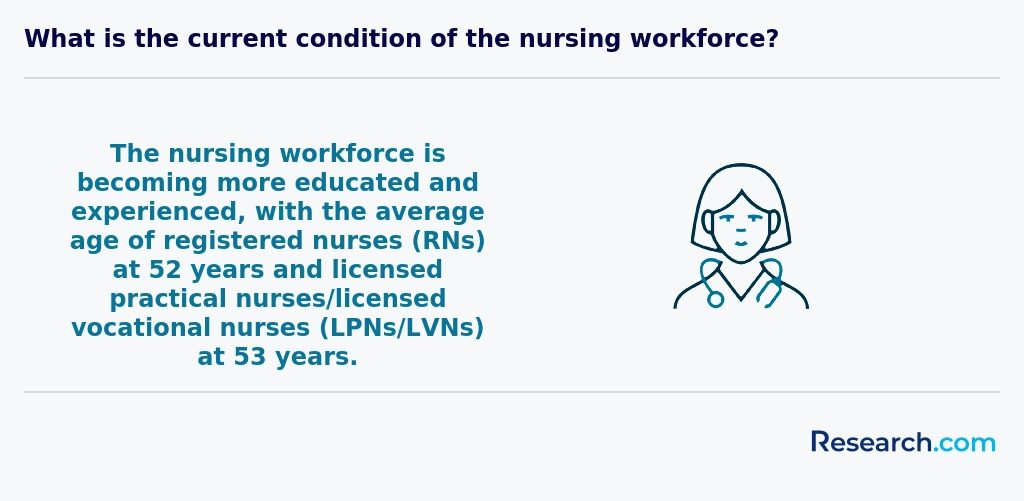
One of the most critical indicators of a nursing program’s effectiveness is its NCLEX-RN pass rate, which reflects graduates’ readiness for professional licensure. In Wichita, top-tier programs like Wichita State University and Newman University consistently report first-time pass rates above the state average of 88%, with recent cohorts achieving rates between 90% and 95%. These strong outcomes underscore the programs’ rigorous curricula, comprehensive NCLEX review sessions, and dedicated faculty support. Prospective students should verify each school’s published pass rates and consider programs with specialized NCLEX prep resources-such as simulation labs, question banks, and peer-led study groups-to maximize their chances of success. For students exploring flexible learning formats, it’s helpful to compare licensure outcomes across different delivery models. Many find value in hybrid and fully online programs that pair virtual coursework with in-person clinicals and targeted NCLEX coaching. To gauge how online degrees perform in terms of pass rates and cost efficiency, prospective enrollees can review the Affordable Online Bachelor's in Nursing Degree Programs Ranking in Florida, which offers benchmarks on NCLEX success alongside tuition data. By prioritizing programs with proven licensing success, aspiring nurses in Wichita can ensure they enter the workforce fully prepared and confident.
Many nursing students in Wichita find financial aid more accessible than they initially expected. Graduates from popular institutions like Wichita State University often emphasize how federal aid, especially Pell Grants accessed through FAFSA, made a decisive difference. These grants, offering up to $7,395 yearly, relieve the intimidation of tuition costs ranging from $7,000 to $15,000 at local colleges.
Beyond federal aid, the Kansas State Scholarship and Loan Program stands out, specifically designed to support students committed to nursing. Students who tap into this resource describe a newfound sense of possibility as they navigate costs previously thought prohibitive.
Local scholarships awarded by organizations such as the Wichita Nurses Association often serve as unexpected boosts, validating hard work and adding relief during stressful semesters. One graduate recalls how employer tuition reimbursement from a local hospital transformed their ability to pursue advanced certifications without overwhelming debt.
These combined sources are not just financial tools; they create a support network that encourages perseverance and fuels the ambition to serve Wichita's diverse healthcare needs.
Navigating the application process for nursing degree programs in Wichita, KS, requires careful attention to deadlines and document preparation to ensure timely admission. To maximize your chances of acceptance, follow these essential steps: 1. Review Program Timelines - Associate Degree in Nursing (ADN): Applications typically open in October for spring and April for fall start dates. - Bachelor of Science in Nursing (BSN): Rolling admissions often close by January 15 for fall entry; accelerated BSN tracks may have earlier deadlines in October. - Master’s and NP Pathways: MSN and Post-Bachelor’s tracks usually require submission by December 1 for summer sessions; check each school’s calendar for updates. 2. Prepare Required Documents - Official Transcripts: Request all college and high school transcripts at least six weeks before your earliest deadline. - Standardized Test Scores: If required, submit TEAS or equivalent scores; aim for the 70th percentile or above to remain competitive. - Letters of Recommendation: Secure two to three professional or academic references; provide recommenders with a summary of your achievements and goals. - Personal Statement: Craft a clear narrative of your passion for nursing, highlighting clinical experiences and long-term career objectives. 3. Leverage Specialized Tracks Prospective nurses with prior degrees or licensure should explore accelerated pathways, such as one-year fnp programs, which streamline preparation for advanced practice roles. 4. Track Your Application Status - Online Portals: Most institutions offer web-based dashboards-check weekly for updates on missing items or interview requests. - Campus Visits and Interviews: Schedule tours and virtual interviews to demonstrate interest and clarify program expectations. By aligning your application timeline with program deadlines and leveraging specialized options, you can secure a spot in Wichita’s top nursing programs and embark on a successful healthcare career.
Enrolling in a nursing degree in Wichita demands more than just a high school diploma; it means stepping into a rigorous preparation phase that shapes your future resilience in healthcare. Graduates from Wichita State University recall how foundational courses like Biology with labs and Anatomy energized their learning, making abstract concepts real through hands-on experiments. These prerequisites-often including Chemistry, Microbiology, and even Statistics-aren't arbitrary hurdles; they train critical thinking crucial for nursing practice in local clinics and hospitals.
Many who succeeded here emphasize how the TEAS exam scores became a tangible measure of their readiness, boosting confidence before officially beginning their rigorous coursework. Beyond academics, proving immunizations and clearing background checks are not mere formalities but protect both students and patients during essential clinical rotations across Wichita's healthcare facilities.
Volunteering as a CNA or similar roles also changes the game-offering emotional insight and real-world experience that professors at Butler Community College consistently praise. These prerequisites prepare you not only intellectually but emotionally for the meaningful challenges ahead.

As the healthcare landscape evolves, Wichita nurses seeking to elevate their practice can pursue advanced degrees and certifications that open doors to leadership, education, and specialized clinical roles. A Master of Science in Nursing (MSN) serves as a pivotal bridge between clinical proficiency and advanced practice. Many local programs emphasize nurse practitioner tracks, clinical nurse specialist roles, and nurse educator pathways, each designed to meet specific community needs. Prospective MSN candidates often compare on-campus schedules with more flexible online options-exploring an affordable online master of science in nursing program can be a strategic step for working professionals balancing shift work and family commitments. Key advantages of advancing to an MSN or higher degree include:
- Enhanced clinical autonomy: Nurse practitioners and clinical nurse specialists diagnose and manage patient care, often transforming primary care delivery in underserved Wichita neighborhoods.
- Leadership and policy influence: Nurse managers and administrators leverage advanced coursework in healthcare systems, finance, and ethics to shape institutional policies.
- Academic roles: Nurse educators and faculty positions require graduate-level preparation, enabling experienced nurses to mentor the next generation through curriculum design and simulation lab instruction.
- Research and evidence-based practice: MSN and doctoral programs build competencies in research methodology, allowing nurses to lead clinical trials or quality-improvement initiatives in Wichita’s hospitals and community clinics. When evaluating graduate programs, students should assess accreditation (CCNE or ACEN), faculty credentials, clinical residency partnerships, and first-time certification pass rates. Online pathways often integrate virtual simulation technologies and asynchronous lectures, while local campus cohorts may offer in-person immersive lab experiences at facilities like Wichita State University’s nursing simulation center. By aligning career goals with program features and leveraging financial aid opportunities-such as teaching assistantships or graduate scholarships-nurses in Wichita can strategically advance their expertise, impact patient outcomes, and secure roles in advanced practice, leadership, and education.
Students pursuing nursing degrees in Wichita quickly discover that the coursework is both rigorous and deeply rewarding. Whether at Wichita State University or Butler Community College, graduates often recall how courses like Human Anatomy and Physiology brought the human body vividly to life, turning textbook chapters into tangible understanding during clinical rotations. Such courses form the backbone, grounding students in essential scientific knowledge.
But coursework in Wichita nursing programs goes beyond theory. Classes like Microbiology and Pharmacology challenge students to think critically about infection control and medication effects-skills that proved invaluable during hands-on hospital experiences. Many graduates describe the blend of Nutrition and Dietetics with Fundamentals of Nursing as eye-opening, emphasizing how patient care extends beyond immediate treatment to holistic well-being.
Specialized courses such as Maternal and Child Nursing or Mental Health Nursing deepen empathy and adaptability, qualities Wichita nurses cherish. Those who studied at local institutions often mention how Health Assessment and Community Health Nursing transformed their perspectives, preparing them to meet diverse community needs with confidence and compassion.
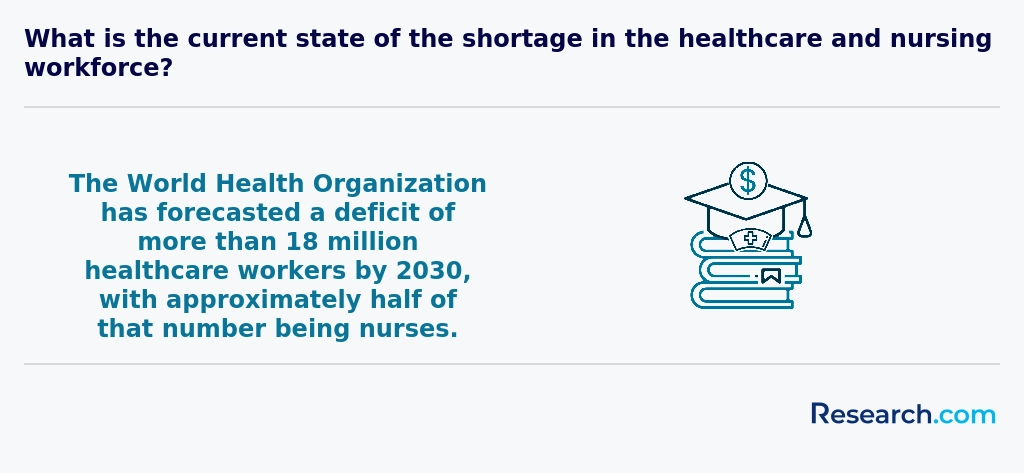
Nursing degree specializations in Wichita go beyond the traditional roles, inviting students to immerse themselves in focused areas like Pediatric Nursing or Geriatric Nursing that reflect the city's unique healthcare landscape. Graduates from popular Wichita colleges often share how their hands-on clinical rotations at Wesley Medical Center or Via Christi Hospitals transformed their classroom knowledge into deeply personal patient care experiences. These programs offer pathways tailored to real-world demands, such as Licensed Practical Nurse (LPN) to Registered Nurse (RN) transitions with acute and long-term care options, or Registered Nurse (RN) to Bachelor of Science in Nursing (BSN) tracks emphasizing leadership and community health.
Wichita nursing program concentration options invite students to challenge the notion that specialization narrows their career scope. Instead, these focus areas open doors to mental health nursing or medical-surgical nursing roles in ways that graduates describe as empowering and essential to their sense of purpose in a demanding profession. Aspiring nurses here benefit from specialized clinical hours integrated throughout their education, blending technical skills with compassion needed for diverse patient populations. For more expansive perspectives on healthcare education, students can explore Alabama healthcare education opportunities as well.
Choosing the best nursing degree in Wichita means looking beyond just the degree name-think about how it fits your life, goals, and the unique local healthcare landscape. Graduates from Wichita State University often highlight the strength of clinical rotations in nearby hospitals, which build confidence and real-world skills. Others who started with an ADN at Butler Community College share how the affordability and accreditation made a huge difference, especially given that these programs still maintain high NCLEX pass rates statewide.
If you want the best affordable nursing programs Wichita offers, consider how flexible the schedule and how well the faculty connect you to Wichita's healthcare employers. Tuition can range widely, but don't overlook additional costs like textbooks and uniforms. Local supports like scholarships and employer tuition assistance are lifesavers. For those questioning whether to invest in a BSN or start more economically, exploring options like online nursing degrees arkansas cost comparisons can also expand your view.
Think critically about accreditation-CCNE or ACEN approval is non-negotiable if you want to sit for the Kansas NCLEX and advance efficiently. The Kansas Board of Nursing's data reminds us that passing rates in Wichita exceed state averages, showing these programs' real value. Choosing a program is not just about prestige; it's about the right fit for your journey, embracing programs that connect you locally and prepare you successfully for your nursing career.
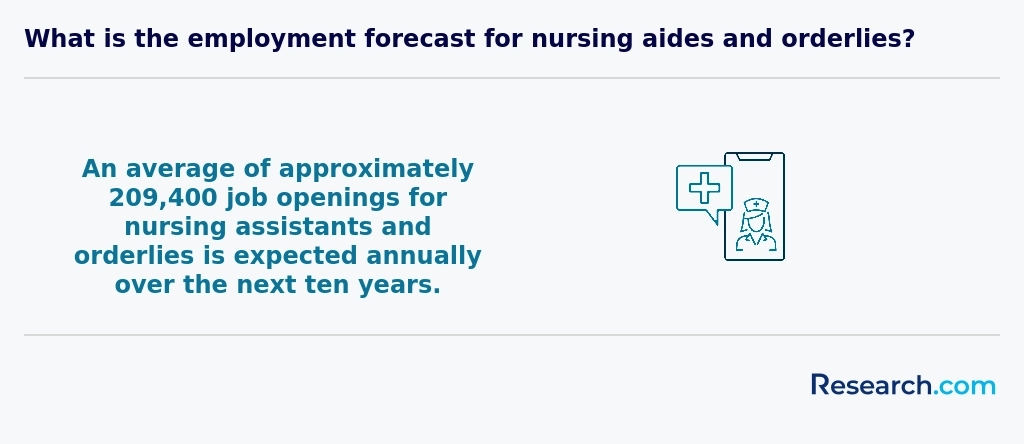
Nursing graduates in Wichita find themselves at the crossroads of diverse career paths that challenge the traditional view of nursing roles. Many start as Registered Nurses after passing the NCLEX-RN exam, yet their journeys often extend far beyond bedside care, especially when educated at institutions like Wichita State University. These graduates share stories of stepping into emergency rooms or oncology wards, where the intense pace sharpens their skills and deepens their passion.
In Wichita, job prospects for nursing graduates Wichita reflect a broader spectrum, including advanced practice roles where nurses pursue graduate degrees such as MSN or Nurse Practitioner certificates. These paths allow them to specialize in family care or mental health at local outpatient clinics, transforming patient lives through focused expertise. The vibrant community healthcare sector welcomes these professionals eager to expand their impact.
Some graduates find fulfillment in administrative or educational fields, contributing behind the scenes at places like Wesley Medical Center, improving healthcare policies and mentoring new nurses. Others choose the military route, drawn by nearby opportunities at McConnell Air Force Base, blending service with their nursing skills.
The accessibility of nursing education in Wichita, combined with the best colleges for earning potential, makes these career paths both inspiring and attainable.

The nursing job market outlook Wichita graduates face is uniquely promising, shaped by a regional healthcare system that vigorously demands skilled nurses. Those completing their nursing degrees from popular institutions like Wichita State University or Newman University share stories of smooth transitions into roles at prominent local employers such as Ascension Via Christi or Wesley Medical Center. These graduates find opportunities ranging from entry-level nursing to more specialized, high-responsibility positions that allow for impactful patient care and professional growth.
Wichita's employment opportunities for nurses in Wichita benefit from trends that defy typical urban saturation concerns. The city's aging population and robust healthcare infrastructure create a steady stream of openings, encouraging nurses to envision a career pathway that leads to financial stability and personal fulfillment. Tuition costs here are relatively affordable, further easing the journey from education to employment.
Advanced nursing roles continue to gain traction and salary potential, tempting graduates to explore further specialization. For example, many consider nurse practitioner degrees illinois specialization options to broaden their scope and remuneration possibilities, reflecting a growing national trend felt locally as well.
2027 Best Nursing Degree Programs Ranking in Wichita
Investing in your education is a significant decision that can shape your future, and the Research.com team recognizes the importance of making well-informed choices. To support prospective students in Wichita, we have carefully developed the "2027 Best Nursing Degree Programs Ranking in Wichita." Our dedication to quality, credibility, and accuracy is demonstrated through rigorous research and comprehensive analysis.
We utilized the following reputable data sources to ensure a thorough evaluation of nursing programs:
By exploring this ranking, readers will gain valuable insights into the top nursing degree programs in Wichita, empowering them to make confident decisions about their educational journey. For more information on how this ranking was created, please visit our Research.com methodology page.


Frequently Asked Questions About nursing
Students pursuing nursing degrees in Wichita can maximize their learning by actively engaging in both classroom and clinical experiences. Wichita hosts several accredited nursing programs, such as those at Wichita State University, which emphasize hands-on practice in local hospitals. According to the Kansas Board of Regents, clinical placements in diverse healthcare settings are essential for developing practical skills.
Leveraging resources like simulation labs, tutoring, and study groups can also reinforce understanding of complex concepts. Networking with local healthcare professionals through internships or volunteer work provides insight into real-world nursing challenges and opportunities.
Additionally, staying informed about state licensing requirements and NCLEX passing trends helps students align their studies for success.
The nursing field is rapidly evolving, with emerging niches that offer promising career paths for students in Wichita. One notable area is gerontological nursing, focusing on the care of aging populations. Given Wichita's growing senior community, nurses specializing in elder care are increasingly in demand. Another expanding niche is telehealth nursing, which uses technology to provide remote patient care, a sector accelerated by recent healthcare shifts. Additionally, psychiatric-mental health nursing is gaining importance due to rising awareness of mental health issues nationwide. According to the Kansas Board of Nursing, employment for specialized nurses is expected to grow by 15% by 2030, reflecting these trends.
After completing a nursing degree in Wichita, preparing for the job market involves several strategic steps. Graduates should first obtain licensure by passing the NCLEX-RN exam, which is mandatory for registered nurses in Kansas. According to the Kansas State Board of Nursing, maintaining certification is essential for employment.
It is beneficial to gain hands-on experience through internships or clinical rotations offered during the degree program. Wichita has a growing healthcare sector, including facilities like Wesley Medical Center and Via Christi Hospitals, which actively hire newly licensed nurses.
Networking with local professional associations such as the Kansas State Nurses Association can also help graduates connect with employers and job opportunities.
Additionally, staying informed about the latest nursing technologies and continuing education options improves employability and career advancement prospects.
Employers in Wichita seeking nursing degree graduates prioritize a combination of clinical competence and interpersonal skills. According to the Kansas Board of Nursing, proficiency in patient care, including administering medications safely and performing assessments, is crucial. Communication skills are also highly valued, as nurses must effectively interact with patients, families, and healthcare teams.
Critical thinking and problem-solving capabilities are essential, given the complex scenarios nurses face daily. Additionally, adaptability to fast-paced environments like Wichita's growing hospitals, such as Wesley Medical Center, is important.
Knowledge of electronic health records (EHR) systems is increasingly required, reflecting healthcare digitization trends. Finally, professionalism and ethical judgment remain key qualities employers emphasize during hiring.
Finding internships in Wichita relevant to a nursing degree involves several strategic steps. Start by exploring partnerships between local nursing schools and healthcare facilities. For example, Wichita State University and Butler Community College often collaborate with nearby hospitals like Wesley Medical Center and Via Christi Health to offer clinical placements.
Contacting the career services departments at these institutions can provide tailored information about available nursing internships. Additionally, the Kansas Board of Nursing regularly updates guidelines and lists approved clinical sites, ensuring students gain meaningful experience.
Networking with professionals in Wichita's healthcare community and attending local job fairs can also uncover hidden internship opportunities. Early application is recommended since nursing internships in Wichita tend to fill quickly due to high demand.
Obtaining a nursing degree in Wichita significantly enhances career mobility and advancement within the local healthcare sector. According to the Kansas Department of Labor, registered nurses (RNs) with a bachelor's degree generally experience faster job growth and access to higher-paying roles compared to those without a degree. A nursing degree opens opportunities for specialized positions such as nurse practitioner or nurse educator, roles that require advanced education and offer greater responsibility and salary.
Healthcare organizations in Wichita, including Wesley Medical Center and Via Christi Hospitals, often prefer or require a Bachelor of Science in Nursing (BSN) for leadership and specialized clinical roles. This preference aligns with nationwide trends emphasizing education for quality patient care.
Moreover, earning a nursing degree supports licensure and certification, which are essential for career progression and mobility across healthcare facilities. The degree serves as a foundation for further graduate studies, expanding advancement potential in the Wichita job market.
Studying for a nursing degree in Wichita equips students with skills essential for interdisciplinary healthcare roles. Local programs emphasize collaboration with professionals in medicine, pharmacy, social work, and allied health. This approach reflects the growing demand in Wichita hospitals and clinics for nurses who can coordinate patient care across multiple specialties.
Curricula often include simulations and clinical rotations involving teamwork with diverse healthcare providers. For example, nursing students at Wichita State University participate in interprofessional education sessions designed to improve communication and problem-solving skills. According to the Kansas Board of Nursing (2023), 85% of nursing graduates in the state report readiness for interdisciplinary practice.
This focus prepares graduates to work effectively in fast-paced environments typical of Wichita's healthcare facilities, ultimately improving patient outcomes and workforce integration.
Choosing between a thesis and a non-thesis nursing degree program in Wichita depends on your career goals and interests. Thesis programs emphasize research and prepare students for roles in academia, advanced clinical practice, or doctoral studies. They often require a significant research project, which can take extra time to complete.
Non-thesis programs focus more on clinical skills and practical training, ideal for those aiming to enter the workforce quickly or advance in hospital administration. According to data from the Kansas Board of Regents, thesis options are less common locally but offer deeper engagement in nursing science.
Consider your long-term plans and consult advisors at Wichita-area institutions to identify which format matches your objectives.
Students in Wichita interested in studying nursing abroad have several pathways to consider within the US higher education framework. Many local institutions, such as Wichita State University, offer study abroad programs or partnerships with foreign nursing schools. These programs allow students to gain international clinical experience while earning credits toward their degrees.
Additionally, students can explore exchange programs affiliated with the American Association of Colleges of Nursing (AACN), which provides resources on global nursing education opportunities.
It's important to note that international study options typically require approval from nursing accreditation bodies like the Commission on Collegiate Nursing Education (CCNE) to ensure credits transfer smoothly.
According to the Kansas Board of Nursing, completing an accredited program is essential for licensure in Wichita post-graduation.
Students pursuing nursing degrees in Wichita often seek part-time jobs that enhance their clinical skills and build relevant experience. Positions such as certified nursing assistants (CNAs) or patient care technicians in local hospitals, like Ascension Via Christi or Wesley Medical Center, provide valuable hands-on exposure.
Other complementary roles include medical scribing or pharmacy technician jobs, allowing students to better understand healthcare documentation and medication management. These jobs typically offer flexible hours fitting around class schedules.
According to the Kansas Department of Labor, healthcare support roles in Wichita have grown by approximately 6% over recent years, reflecting increasing demand. Engaging in these positions can improve practical knowledge while strengthening resumes for future nursing careers.
Nursing students in Wichita have several valuable networking opportunities that can enhance their education and career prospects. Local colleges like Wichita State University and Butler Community College offer access to nursing clubs and student organizations, providing regular events and professional development activities. Students often connect with healthcare professionals through clinical placements at nearby facilities such as Wesley Medical Center, which is a leading hospital in the region.
Additionally, the Kansas State Nurses Association hosts regional meetings and conferences in Wichita, which serve as excellent platforms for networking with experienced nurses and potential employers. These events allow students to build relationships and stay informed about nursing trends and job openings in Kansas.
Alumni networks play a crucial role in supporting nursing degree students in Wichita by connecting them to local healthcare professionals and job opportunities. Graduates often share insights about workplaces, helping current students navigate clinical placements and post-graduation employment.
These networks also foster mentorship relationships, guiding students through practical, academic, and career challenges. According to the Kansas Board of Nursing, Wichita's nursing programs benefit from strong ties to medical centers like Via Christi and Wesley Hospital, which are often facilitated through alumni connections.
Participation in alumni groups can improve job placement rates, with some studies showing graduates with active alumni contacts are up to 20% more likely to find employment quickly. Additionally, networking events expose students to continuing education and certification resources in the Wichita nursing community.
Customizing your nursing degree program in Wichita allows you to align your education with your specific career goals. Many local institutions offer flexible options such as choosing between Associate, Bachelor's, or RN-to-BSN programs based on your prior experience and ambitions. You can select specialized courses in areas like geriatrics, pediatrics, or mental health to gain targeted skills.
Practical clinical placements within Wichita's diverse healthcare facilities, including major hospitals and community clinics, give you real-world experience tailored to your interests. Some programs also support part-time or online learning formats, ideal for working students.
According to the Kansas Board of Nursing, Wichita has a growing need for specialized nurses, allowing graduates to benefit from customized training that meets local demand. Exploring certification options during or after your degree further strengthens your expertise in chosen fields.
Nursing students in Wichita face several common challenges during their education. One significant difficulty is balancing rigorous coursework with clinical rotations, which demand time management and resilience. According to the Kansas Board of Nursing, clinical placement shortages in the Wichita area have led to tougher competition for hands-on learning opportunities.
Financial stress also affects many students, as nursing programs can be costly and require continued investments in supplies and certifications. Additionally, the high academic standards, including passing the NCLEX licensing exam, add pressure. Wichita's healthcare sector growth means students must keep pace with evolving medical technologies and practices.
With a nursing degree in Wichita, graduates can pursue various professional certifications to enhance their careers and specialize in different fields. Common certifications include the Registered Nurse (RN) license, which is essential for clinical practice. After gaining experience, nurses might consider certifications like Certified Nurse Practitioner (CNP), Certified Clinical Nurse Specialist (CNS), or Certified Nurse Educator (CNE).
Specialty certifications such as Critical Care Registered Nurse (CCRN) or Certified Pediatric Nurse (CPN) are also popular. These certifications often require passing exams from organizations like American Nurses Credentialing Center (ANCC). Pursuing these credentials can improve employability and potential salary growth in Wichita's healthcare market.
Writing a winning application for a nursing program in Wichita begins with understanding the competitive nature of admissions. Programs often require a strong academic record, particularly in science and math courses. For example, Wichita State University emphasizes a minimum GPA of 3.0 for their nursing applicants. It is essential to highlight any healthcare experience or volunteer work, as clinical exposure can demonstrate commitment to nursing.
Applicants should prepare a clear, well-written personal statement. This essay should explain motivation for pursuing nursing and how the applicant plans to contribute to Wichita's healthcare community. Also, letters of recommendation, preferably from healthcare professionals or educators, can strengthen the application.
Meeting application deadlines and submitting all required documents on time is crucial. According to the Kansas Board of Regents, nursing programs in the state receive hundreds of applications yearly, making thorough preparation a key element to success.
Nursing is a globally respected profession with increasing demand due to aging populations and healthcare advancements. In the US, and specifically Wichita, the nursing field offers diverse career opportunities, supported by local institutions like Wichita State University. According to the Bureau of Labor Statistics, registered nursing jobs are projected to grow 9% nationally from 2021 to 2031, reflecting global trends of nursing shortages.
Many countries face similar challenges, highlighting nursing as a critical, internationally valued career. Educational standards in the US align with global expectations, which helps graduates work or collaborate worldwide. For Wichita students, pursuing a nursing degree opens doors both locally and internationally.
Students pursuing nursing degrees in Wichita can gain valuable practical experience through clinical rotations, which are mandatory components of accredited nursing programs. These rotations typically occur in local hospitals and healthcare facilities, such as Wesley Medical Center and Via Christi Health, allowing students to apply classroom knowledge in real-world settings.
Many nursing schools in Wichita collaborate with nearby medical centers to offer internships and hands-on training. According to the Kansas Board of Nursing, students often complete over 500 clinical hours before graduation, enhancing their skills in patient care and medical procedures.
Additionally, nursing students can engage in simulation labs offered by colleges, providing controlled environments to practice critical nursing tasks safely.
Choosing the right concentration within a nursing degree program in Wichita depends on your career goals and interests. Different concentrations, such as pediatric, geriatric, or psychiatric nursing, prepare students for specialized roles in healthcare. Research local job market demands-Wichita's healthcare sector is strong in acute care and community health, according to the Kansas Department of Labor.
Consider your strengths and preferred patient populations. For example, if you prefer working with older adults, geriatric nursing could be a good fit. Additionally, review program offerings at Wichita-area schools like Wichita State University and Newman University, which offer varying nursing specialties.
Accreditation and clinical placement opportunities are also important. Accredited programs ensure quality education and better job prospects. Overall, align your choice with both personal passion and Wichita's healthcare needs for best outcomes.
- 2027 Best Nursing Degree Programs Ranking in Kansas City
- 2027 Best Nursing Degree Programs Ranking in Lincoln
- 2027 Best Nursing Degree Programs Ranking in Omaha
- 2027 Best Nursing Degree Programs Ranking in Sioux City
- 2027 Best Nursing Degree Programs Ranking in Lubbock
- 2027 Best Nursing Degree Programs Ranking in Saint Louis
- 2027 Best Nursing Degree Programs Ranking in Colorado Springs
- 2027 Best Nursing Degree Programs Ranking in Denver
- 2027 Best Nursing Degree Programs Ranking in Peoria
- 2027 Best Nursing Degree Programs Ranking in Minneapolis
See What Experts Have To Say About Studying Nursing
Read our interview with Nursing experts

Lisa Grubb
Nursing Expert
Assistant Professor
Johns Hopkins School of Nursing

- Types of Nursing Careers & Specialties https://nursinglicensemap.com/nursing-specialties/
- Tips for Creating a Perfect Nursing School Application https://www.allnursingschools.com/articles/how-to-create-the-perfect-nursing-school-application/
- From our readers…Strengthening nursing networks https://www.myamericannurse.com/from-our-readersstrengthening-nursing-networks/
- Pros And Cons Of Online Nursing In 2025 | Davis & Elkins https://www.dewv.edu/the-pros-and-cons-of-online-nusing-in-2025-is-it-right-for-you/
- Exploring Diverse Nursing Career Horizons - N2S Healthcare Blog https://n2shealthcare.com/blog/exploring-diverse-nursing-career-horizons-n2s-healthcare-blog
- Top Nursing Skills U.S. Employers Want to See on Your Resume | O'Grady Peyton https://www.ogradypeyton.com/blog/job-seeker-resources/top-nursing-skills-u.s.-employers-want-to-see-on-your-resume
- How to Write https://esign.com/letter-of-intent/school/nursing/
- Nursing School in Wichita, KS | Galen College of Nursing https://galencollege.edu/campuses/wichita
- How to Choose the Right Nursing School for Your Career Goals | Archer Review https://www.archerreview.com/blog/how-to-choose-the-right-nursing-school-for-your-career-goals
- Medical University of GdaÅsk https://admission.mug.edu.pl/29318.html


