2027 Most Valuable Nursing Degree Programs Ranking in Winona

Co-Founder and Chief Data Scientist
Choosing the right nursing degree program is a big step toward a rewarding career in healthcare. For students in Winona, this article offers valuable insight to guide that decision.
The 2027 Most Valuable Nursing Degree Programs Ranking in Winona was created by the Research.com team of data scientists to help you identify nursing programs that provide strong value and promising outcomes.
By exploring this ranking, you'll gain clarity on your options and confidence in your path forward. Pursuing a nursing degree opens doors to meaningful work and personal growth.
Key benefits of getting nursing degree in Winona
- The average annual salary for nursing degree graduates in Winona can range from $94,480 for Registered Nurses to $128,490 for Operating Room Nurses, providing strong financial stability and rewarding compensation.
- A nursing graduate from Winona State University can explore diverse career paths such as clinical nursing, public health, or emergency care, offering flexibility and opportunities to grow in many healthcare settings.
- Completing a nursing degree online from Winona State University allows for a flexible schedule and balance with personal commitments, making it easier to earn your degree without delaying your career goals.
- 2027 Most Valuable Nursing Degree Programs Ranking in Winona
- What can I expect from nursing degree in Winona?
- Where can I work with nursing degree in Winona?
What can I expect from nursing degree in Winona?
The average cost of pursuing a nursing degree in Winona varies depending on the program and institution, but students often find it affordable compared to larger cities. For example, graduates from Winona State University report that tuition for the Bachelor of Science in Nursing (BSN) program typically runs around $9,000 to $12,000 per year for in-state students. This estimate includes tuition and fees but excludes living expenses and supplies.
Many students benefit from financial aid options such as scholarships and grants offered by local colleges, which can significantly reduce out-of-pocket costs. One graduate shared that securing a state nursing scholarship made it possible to focus fully on studies without financial stress, adding to a positive, motivating experience.
Additionally, since clinical rotations happen at nearby hospitals like Winona Health, commuting costs are often minimal. This real-world exposure builds confidence and practical skills, making the financial investment feel worthwhile to students preparing for NCLEX-RN licensure and promising careers.
Where can I work with nursing degree in Winona?
Graduates with nursing degrees in Winona can expect a variety of practical employment opportunities right after finishing their programs at institutions like Winona State University. Many find rewarding roles within the Winona Health system, which offers diverse nursing positions from bedside care in its 65-bed hospital to outpatient clinics. This hands-on experience often builds confidence and a sense of purpose as they support patients across multiple specialties.
Others discover fulfilling careers in long-term care or assisted living facilities such as the Lutheran Home, helping elderly residents daily. These roles allow graduates to make meaningful, ongoing impacts on people's lives while working in a community-focused environment that values compassion and consistency.
Community health centers also provide pathways, especially for those interested in public health nursing or health education roles. Graduates often feel proud knowing they contribute to preventive care and chronic disease management locally. Additionally, for those pursuing advanced degrees, teaching nursing at local colleges or stepping into administrative positions offers further career growth.
Graduates from nursing programs in Winona, such as those at local colleges, can expect solid earning potential right after completing their degrees. For example, Registered Nurses (RNs) typically earn a mean annual salary of about $94,480, according to the latest Bureau of Labor Statistics data. This salary reflects practical roles like clinical nurse educators, public health nurses, and emergency room nurses, all averaging roughly the same wage in Winona's healthcare settings.
Graduates starting as RNs often find opportunities across Winona's hospitals and clinics, where experienced nurses can advance toward higher wages near or above $100,000 by gaining specialty certifications. Operating Room Nurses stand out with even higher earnings, averaging $128,490 annually, demonstrating how focused career paths can boost income.
Many local graduates feel encouraged by these figures, especially when balancing studies with part-time clinical work at Winona State University's nursing program or others nearby. Securing an RN license opens doors to steady jobs with competitive pay, making the investment in a nursing degree a practical and rewarding choice.
- Winona offers accredited nursing programs from LPN certificates to BSN degrees that prepare students for licensure exams like the NCLEX-RN.
- Tuition for BSN programs ranges from $20,000 to $35,000, while ADN programs typically cost between $10,000 and $20,000, excluding additional fees.
- New registered nurse graduates can expect starting salaries between $55,000 and $65,000, with mid-career nurses earning over $75,000 annually.
- The nursing job market in Winona is growing at about 3.5% annually, driven by demand in hospitals, clinics, and long-term care facilities.
- Clinical placements within Winona provide essential hands-on experience required for licensure and smooth transition into employment.
The time it takes to complete a nursing degree in Winona depends on the program you choose and how you structure your studies. For example, students enrolled in the ADN program at local community colleges typically finish in about two years. Graduates often share that this path allowed them to quickly start working as registered nurses while balancing family or part-time jobs.
On the other hand, pursuing a BSN at institutions near Winona usually requires around four years of full-time study. Many graduates describe feeling well-prepared and confident entering the workforce, appreciating the in-depth clinical experiences these programs provide. For those who already hold a bachelor's degree, accelerated BSN tracks lasting roughly 12 to 18 months offer a faster route, which many find energizing and intensive but rewarding.
For advanced practice roles, MSN programs near Winona generally take about two years beyond the BSN. Graduates often highlight the opportunity to specialize and increase their impact on patient care, which keeps the program motivating despite the additional commitment.
Many nursing students in Winona seek accelerated routes to advance their careers without sacrificing quality or flexibility. These fast-track options allow qualified applicants to build on existing credentials-such as an ADN or non-nursing bachelor’s degree-and complete a BSN or MSN in less time than traditional programs. Key accelerated pathways include:
- ADN-to-BSN Bridge Programs: Designed for registered nurses holding an Associate Degree in Nursing, these online or hybrid pathways typically span 12–18 months and integrate clinical rotations, leadership courses, and evidence-based practice modules.
- RN-to-MSN Accelerated Tracks: For RNs with a bachelor’s in another field, direct-entry MSN programs can be finished in as few as two years, combining foundational nursing courses with specialized practice areas.
- Direct-Entry MSN for Career Changers: Individuals with non-nursing bachelor’s degrees can enroll in intensive, 24–36-month programs that prepare them for both RN licensure and advanced practice roles.
- Nurse Practitioner Fast-Track Options: Advanced practice registered nurse (APRN) programs focused on primary or acute care can be accelerated through concentrated clinical residencies and simulation labs-ideal for those eager to assume independent patient-care responsibilities. Accelerated pathways demand strong time management and academic readiness, but graduates often report quicker entry into higher-paying roles and greater career mobility. For students eyeing advanced practice, the fast track to nurse practitioner offers a curated list of top online APRN programs, aligning with Winona’s commitment to quality education and workforce readiness. Whether you’re an ADN-prepared RN or hold a bachelor’s in an unrelated discipline, exploring accelerated and bridge options can significantly shorten your path to leadership and specialization within nursing.
On-campus nursing degrees in Winona, such as those at Winona State University, involve attending classes regularly and using campus resources like science labs and simulation centers. Graduates often recall how hands-on clinical experiences at local hospitals helped build confidence early on, making real-world nursing skills tangible and immediate.
In contrast, online nursing degrees offer flexibility that benefits those juggling work or family. Students complete most coursework remotely but must still arrange clinical hours at approved local healthcare facilities. Many graduates appreciate this balance, noting that managing their own schedules while gaining practical experience nearby made the program feel manageable and tailored to their lives.
Both paths require in-person clinical practice and satisfy Minnesota Board of Nursing regulations, so prospective students should weigh their personal needs. If you thrive with face-to-face interaction and campus culture, Winona's traditional programs may suit you best. If self-discipline and flexibility top your priorities, an online program paired with local clinical placements can deliver quality nursing education without relocating.
Achieving licensure is the ultimate validation of a nursing program’s quality. In Winona, MN, all accredited nursing degrees must meet standards set by the Commission on Collegiate Nursing Education (CCNE) or the Accreditation Commission for Education in Nursing (ACEN), and graduates must pass the NCLEX-RN exam to practice. Recent data for local programs include:
- Winona State University BSN: 2023 NCLEX-RN pass rate of 91%, exceeding the national average of 88%.
- Saint Mary’s University of Minnesota BSN: 88% pass rate, demonstrating consistent preparation for licensure.
- Practical Nurse Diploma: 85% pass rate across community college offerings. High pass rates reflect rigorous curricula, skilled faculty, and robust clinical partnerships with Winona-area hospitals. Prospective students should verify program accreditation status on the Minnesota Board of Nursing website and consider support services like NCLEX review workshops and faculty-led study groups. For those planning to advance directly to graduate study, exploring the easiest direct-entry MSN programs online can offer a streamlined path from undergraduate to master’s level, ensuring continuity in educational standards and licensure preparation.
The average nursing degree cost in Winona is around $27,828 for in-state students, based on recent data. Graduates from Winona State University, the region's main public institution for nursing education, often share how budgeting for tuition at roughly $313 per credit hour helped them plan effectively. With a typical BSN requiring about 120 credit hours, the total tuition fits well within what many local students expect to pay.
Beyond tuition, real-life experience from nursing students reveals that extra expenses like textbooks, nursing supplies, and lab fees usually add up to around $1,500 annually. These additional costs are important when calculating total expenses for nursing programs Winona students face. Practical budgeting allows students to avoid surprises and manage their finances throughout the program.
Out-of-state or private options in the area can dramatically increase costs, sometimes more than doubling the tuition. However, many students find relief in financial aid opportunities including merit scholarships offered by Winona State University, greatly reducing their final expenses. Planning ahead by seeking these scholarships or federal loans can make a significant difference for those committed to nursing.
For those comparing options, detailed reviews on programs such as nurse practitioner degrees washington reviews can offer insights into cost and program quality, reflecting a practical step forward when considering finances alongside career goals.

Winona’s nursing degree programs prioritize real-world experience through robust clinical partnerships and state-of-the-art simulation resources. Local institutions collaborate with major healthcare providers-such as Winona Health, Gundersen Health System, and Saint Mary’s Hospital-to secure over 600 hours of accredited clinical rotations across medical-surgical, pediatric, and critical care units. These affiliations not only expose students to diverse patient populations but also facilitate interprofessional education alongside pharmacy, social work, and allied health cohorts. Complementing clinical placements, nursing schools in Winona boast high-fidelity simulation labs equipped with the latest manikins and virtual reality platforms. Students practice emergency response, medication administration, and complex patient assessments in a controlled environment before entering live settings. Faculty-led debriefings after each scenario reinforce evidence-based practices and clinical decision-making, boosting confidence and competence for the NCLEX-RN and beyond. For nurses aiming to advance their expertise, Winona programs offer seamless pathways to doctoral-level study. Prospective students can explore our Affordable Online Doctorate in Nursing Degree Programs Ranking in Missouri to compare flexible, budget-friendly doctoral options that build on hands-on training and expand leadership opportunities in healthcare.
To fund a nursing degree in Winona, start by completing the FAFSA to access federal aid like the Pell Grant, which helped many graduates cover basic expenses without worry about repayment. Federal loans such as Direct Subsidized and Unsubsidized Loans provide lower interest rates than private alternatives, giving you manageable repayment options after finishing school.
State-specific support is also vital. The Minnesota State Grant is a practical resource for residents attending programs at places like Winona State University, helping reduce yearly tuition costs based on financial need. Graduates often mention how this renewable grant eased their stress across multiple semesters.
Look for nursing scholarships from local organizations, healthcare facilities, and the Minnesota Nurses Foundation, which students often use to cover books, supplies, or extra fees. Many find applying for these scholarships gives a hopeful boost by easing financial strain.
Finally, consider work-study jobs related to nursing, or employer tuition reimbursements offered by Winona hospitals. Working part-time while studying often provides steady income plus valuable clinical experience, building confidence along the way.
Program accreditation by CCNE or ACEN and approval from the Minnesota Board of Nursing ensure your degree meets licensing requirements. Graduates from accredited schools are eligible for the NCLEX-RN exam, a key step toward becoming a licensed nurse.
Typical first-time NCLEX-RN pass rates in Winona:
- Winona State University: 92% (2023)
- Saint Mary’s University of Minnesota: 89% (2023)
- Local ADN programs: 85–88% average (2023)
High pass rates reflect strong curricula, clinical training, and faculty support. Comparing accreditation status and NCLEX outcomes helps you choose programs that align with your career goals, similar to how students assess nursing school california metrics.
To enroll in a nursing degree program in Winona, start by securing a high school diploma or GED. Graduates from popular nursing colleges in Winona recall how their strong background in biology, chemistry, and algebra gave them confidence during the early, challenging semesters. Aim for a GPA of at least 2.5, especially in science courses, as this is a common threshold for admission.
Many nursing students share that completing prerequisite courses like anatomy and microbiology before fully entering the program eased their transition. Expect to prepare for entrance exams such as the TEAS or HESI, which test critical thinking and nursing aptitude-common hurdles that successful students tackle with focused study plans.
While some Bachelor of Science in Nursing paths prefer volunteer or healthcare work experience, practical exposure helped local students feel more connected and motivated throughout their studies at Winona's established nursing schools. Finally, gather essential documents, including immunization records and background checks, as these are expected in the application process to ensure safety and compliance.

When prospective nursing students in Winona, MN, are deciding on a nursing program, it's crucial to consider factors beyond just affordability and location. The quality of education, job placement rates, and specializations offered are vital in shaping a successful nursing career. For instance, students interested in pursuing advanced degrees or specializations, such as those offered by valuable nursing schools in Minnesota, should prioritize programs with strong accreditation and faculty expertise in those areas. Additionally, the availability of clinical experiences, internships, and mentorship opportunities can significantly impact a student's preparedness for the workforce and their ability to secure employment upon graduation. By carefully evaluating these aspects, aspiring nurses can make informed decisions that align with their career goals and personal aspirations, ultimately leading to a more fulfilling and successful nursing career.
Nursing degree programs in Winona typically start with essential science courses like anatomy and physiology, microbiology, pharmacology, and nutrition. These subjects provide a solid foundation for understanding how the human body works and how medications affect patients-knowledge graduates often highlight as crucial during their first clinical rotations.
Students also take specialized nursing courses focusing on practical skills. These include health assessment techniques, adult and pediatric nursing care, mental health nursing, maternity and newborn care, and community health nursing. Graduates from colleges in Winona recall how learning these skills in simulated labs helped build confidence before working with real patients.
Clinical practicum hours are mandatory and highly valued. Hands-on practice in local hospitals or clinics allows students to apply their classroom knowledge. For example, nursing students at Winona universities often describe this experience as both challenging and rewarding, giving them firsthand exposure to patient care and boosting their professional readiness.
Courses addressing legal, ethical, and cultural aspects of nursing prepare students to navigate complex healthcare environments, ensuring they can provide compassionate, culturally sensitive care. This holistic approach is a key reason many Winona nursing graduates feel well-equipped entering the workforce.

In Winona, nursing degree specializations commonly include pediatric, geriatric, critical care, mental health, and community health nursing. Graduates from well-known local colleges often highlight how pediatric nursing prepared them to confidently care for children in hospitals, while those focusing on geriatric nursing appreciate the region's demand for elder care expertise. Critical care specialization equips students with skills to thrive in high-pressure units like ICUs, turning theoretical knowledge into practical, lifesaving actions. Mental health nursing is increasingly valued, reflecting greater awareness and resources dedicated to emotional well-being, a key factor for many Winona nursing program concentration options.
Community health nursing stands out for students interested in public health, helping populations through prevention and education rather than individual case management. Those pursuing specialized tracks in Winona's nursing degrees benefit from curricula that integrate real-world practice and can access financial aid tailored to this field. For students aiming to deepen their understanding of healthcare systems, courses covering strategic management in healthcare complement clinical training and expand career flexibility.
Start by identifying which nursing degree aligns with your ambitions: LPN, ADN, or BSN. Many graduates from Winona State University praise the flexibility of its BSN programs, especially the hybrid online options, which fit well with busy schedules and family life. These options make it easier to balance study and work without sacrificing learning quality.
Next, consider affordability. Public colleges in Winona typically offer lower tuition rates for residents, making them some of the most affordable nursing schools near Winona MN. Graduates often highlight that researching scholarships and financial aid opened doors to reduced costs. Employers may also reimburse tuition, easing the financial burden further.
Look closely at program accreditation and NCLEX pass rates. Knowing that your program meets ACEN or CCNE standards guarantees your eligibility for nursing licenses and boosts confidence, just as many local students have experienced. Practical clinical rotations at Winona hospitals give hands-on experience and valuable connections.
Finally, explore campus support services like tutoring and career counseling that graduates say made all the difference. For those uncertain about nursing, checking out career opportunities for pharmacy technicians can provide alternatives while staying in healthcare.
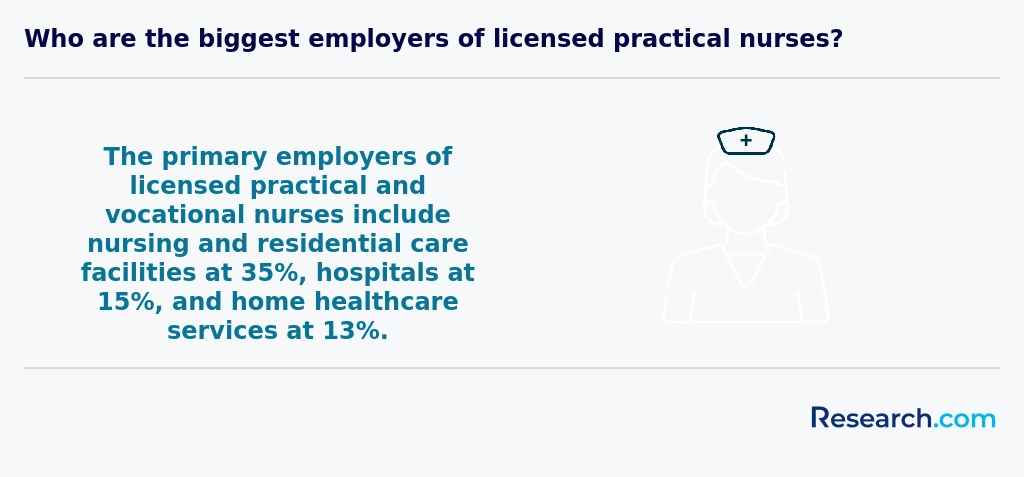
Graduates with a nursing degree in Winona have several practical career paths to consider based on their goals and interests. Many choose to become Registered Nurses (RNs), working directly with patients in hospitals, clinics, or long-term care facilities. For example, graduates from Winona State University find this role rewarding as they apply their training and pass the NCLEX-RN exam to secure stable jobs with median wages around $75,000 annually.
Others explore specialized or faster-entry roles such as Licensed Practical Nurses (LPNs), which are ideal for those looking to start work quickly in outpatient care or nursing homes. Some graduates advance further to become Nurse Practitioners, providing primary and specialized care and often earning more than $100,000 per year. Additionally, specialization in pediatrics, gerontology, or emergency nursing matches local demand, offering a fulfilling way to serve Winona's community.
For those interested in broader options, nursing careers in administration, public health, or education allow graduates to influence healthcare beyond bedside care. Exploring nursing career opportunities in Winona means considering personal interests and leveraging degrees from local schools. You can also explore how Winona ranks among states with best nursing associations, which shapes your career potential regionally.

Graduates with a nursing degree in Winona find a stable job market driven by demand across local healthcare facilities such as Winona Health. The nursing job outlook in Winona benefits from an aging population and expanding outpatient services, creating steady openings for new nurses with credentials ranging from LPN to BSN. Many nursing students from popular colleges in Winona share experiences of securing positions soon after graduation, especially those holding BSN degrees, which employers increasingly prefer as they align with national workforce recommendations.
The Winona nursing degree employment opportunities include competitive salaries ranging from $60,000 to $75,000, matching Minnesota's state averages. Nursing graduates report positive career growth, advancing from clinical roles to administrative and educational positions within regional healthcare networks. Attending accredited programs not only prepares nurses well but also improves their employability. Prospective students should consider programs featured among the valuable nursing schools in Minnesota to maximize job prospects.
2027 Most Valuable Nursing Degree Programs Ranking in Winona
Investing in your education is a significant decision that can shape your future, and the Research.com team understands the importance of making informed choices. To assist prospective students in Winona, we have meticulously developed the "2027 Most Valuable Nursing Degree Programs Ranking in Winona." Our commitment to quality, credibility, and accuracy is demonstrated through rigorous research and analysis behind this ranking.
We utilized the following reputable data sources to ensure a comprehensive evaluation of nursing programs:
By exploring this ranking, readers will gain valuable insights into the most valuable nursing degree programs available in Winona, empowering them to make well-informed decisions about their educational paths. For more information on how this ranking was created, please visit our Research.com methodology page.


Frequently Asked Questions About nursing
Nursing degree students in Winona can maximize their learning experience by combining strong academic preparation with practical clinical exposure. Local institutions, such as Winona State University, offer accredited programs that emphasize hands-on training in partnership with nearby healthcare facilities. Engaging actively in clinical rotations allows students to apply theoretical knowledge in real-world settings, enhancing skill development.
Additionally, joining nursing organizations and study groups improves collaboration and professional networking. Utilizing resources such as simulation labs and tutoring services provided by schools can strengthen critical thinking and technical competencies.
According to the Minnesota Board of Nursing, students who complete diverse clinical hours tend to perform better on the NCLEX-RN licensure exam, an essential step for registered nurses in the state.
The nursing field is evolving rapidly, with several emerging niches gaining importance, especially for students considering nursing degrees in Winona. One notable area is geriatric nursing, driven by the increasing elderly population in Minnesota, where nearly 15% of residents are aged 65 or older, according to the U.S. Census Bureau. Specialized skills in senior care are highly sought after.
Another growing niche is telehealth nursing. The COVID-19 pandemic accelerated the use of remote patient monitoring and virtual consultations, expanding opportunities for nurses skilled in technology and communication.
Additionally, informatics nursing, which combines healthcare and IT, is expanding as hospitals in Winona adopt electronic health records and data-driven care models. This field offers lucrative roles focused on improving patient outcomes through technology.
After earning a nursing degree in Winona, preparing for the job market involves several important steps. First, obtaining licensure by passing the NCLEX-RN exam is essential to practice as a registered nurse in Minnesota. The Minnesota Board of Nursing provides detailed guidelines and resources for this process.
Next, gaining clinical experience through internships or externships can significantly enhance a graduate's resume and practical skills. Networking with local hospitals such as Winona Health and regional clinics is valuable, as they often offer employment opportunities.
Additionally, keeping up with continuing education and certifications in specialized areas like gerontology or pediatrics can improve job prospects in the competitive healthcare market.
Employers in Winona prioritize several key skills when hiring nursing degree graduates. Clinical competence is essential, ensuring nurses can effectively perform patient care and medical procedures. Communication skills are equally important, as nurses must interact clearly with patients, families, and healthcare teams. According to the Minnesota Department of Employment and Economic Development, teamwork and critical thinking rank highly among sought-after abilities in local healthcare settings.
Additionally, adaptability is crucial due to fast-changing medical environments, especially in hospitals around Winona County. Technical proficiency with electronic health records is often a requirement, reflecting the digitalization of healthcare. Finally, strong ethical judgment and empathy remain central to nursing roles, supporting patient-centered care across the region.
Finding internships in Winona related to a nursing degree involves multiple strategic steps. Local healthcare facilities such as Winona Health and Gundersen Health System regularly offer clinical internships and externships for nursing students. These programs provide hands-on experience necessary for licensure and employment. Additionally, colleges like Winona State University collaborate with area hospitals and clinics to place students in internships that meet educational requirements.
Students should also contact their school's nursing department or career services office early to access exclusive internship listings and partnerships.
The Minnesota Board of Nursing recommends completing clinical hours under supervised settings, which internships satisfy. Networking through local nursing associations may also uncover opportunities.
Obtaining a nursing degree in Winona substantially enhances career mobility and advancement opportunities. According to the Minnesota Department of Employment and Economic Development, registered nurses with higher qualifications often qualify for specialized roles, such as nurse practitioners or clinical nurse specialists, which offer greater responsibility and higher salaries.
Nursing degrees, especially bachelor's and advanced degrees, provide essential clinical skills and knowledge that employers in Winona's healthcare facilities, including Winona Health, prioritize. Graduates gain access to a network of local healthcare providers, improving job placement rates.
Moreover, a nursing degree supports eligibility for state licensure and certifications, which are prerequisites for promotions and higher-paying roles. This credentialing is tightly linked to career advancement in the region.
Studying for a nursing degree in Winona equips students with skills essential for interdisciplinary roles in healthcare. Programs in the area often emphasize collaborative learning, integrating nursing with fields like social work, psychology, and public health. This prepares graduates to work effectively within diverse medical teams.
Local institutions align their curricula with guidelines from the American Association of Colleges of Nursing (AACN), ensuring competencies in communication, leadership, and critical thinking. Clinical experiences in Winona's hospitals and community health centers expose students to real-world team-based care settings.
According to the Minnesota Department of Employment and Economic Development, the regional healthcare sector increasingly values nurses skilled in cross-disciplinary coordination, reflecting trends in patient-centered care.
Choosing between a thesis and a non-thesis nursing degree program in Winona depends largely on your career goals and learning preferences. Thesis programs focus on original research and are ideal for students interested in academic, leadership, or advanced clinical roles. They typically require completion of a significant research project.
Non-thesis programs emphasize practical skills and coursework, often appealing to those aiming for immediate clinical practice or administrative positions. In Winona, local programs reflect this national trend; for example, the Minnesota Board of Nursing reports that about 60% of graduate nursing students prefer non-thesis tracks for faster workforce entry.
Consider your interest in research, time flexibility, and professional objectives when deciding.
Students based in Winona seeking to study nursing abroad have several options rooted in U.S. higher education pathways. Many Winona students begin with accredited nursing programs locally, such as those at Winona State University, then participate in study-abroad or exchange programs affiliated with partner institutions overseas. These programs often focus on experiential learning in healthcare systems different from the U.S., broadening clinical skills and cultural competence.
U.S. nursing students typically choose countries like Canada, the United Kingdom, or Australia, where nursing curricula align with U.S. standards, easing credit transfer and licensure reciprocity.
Financial considerations, including availability of scholarships or federal aid during international study, are crucial. As of 2023, 12% of nursing undergraduates nationwide engaged in some form of study abroad, reflecting growing interest. Students should consult with academic advisors to identify formal agreements supporting international nursing experiences, ensuring their coursework meets American Nurses Association licensure requirements.
In Winona, part-time job opportunities that complement nursing degree education often include roles such as certified nursing assistant (CNA), medical assistant, and patient care technician. These positions provide valuable hands-on experience in clinical settings while students continue their studies. According to the Minnesota Department of Employment and Economic Development, demand for CNAs and medical assistants is projected to grow by 12% in the region through 2030, reflecting increased healthcare needs.
Working in local hospitals like Winona Health or long-term care facilities helps students develop essential skills like patient communication and vital sign monitoring. Additionally, some students find part-time roles in public health outreach programs or home health aide positions, which strengthen community health understanding.
Nursing students in Winona have access to several valuable networking opportunities that can enhance their education and career prospects. Local institutions like Winona State University often host professional nursing associations events and guest lectures, facilitating direct contact with experienced nurses and healthcare leaders.
Additionally, students benefit from clinical placements at nearby hospitals such as Mayo Clinic Health System in Winona, providing hands-on experience and professional connections. Regional chapters of organizations like the Minnesota Nurses Association offer meetings and workshops open to students, fostering community engagement.
Moreover, Winona's smaller healthcare community allows for easier networking compared to larger urban areas, helping students build lasting mentorships and job leads through internships and volunteer roles documented by the Minnesota Board of Nursing.
Alumni networks offer significant advantages to nursing degree students in Winona, particularly through professional connections. These networks connect current students with graduates who are experienced nurses working in local hospitals and health care settings, creating valuable mentorship opportunities. According to the National Student Nurses' Association, strong alumni engagement can improve employment prospects by up to 20% for nursing graduates.
In Winona, alumni often share job openings at regional health facilities like Winona Health, helping students secure internships and first nursing jobs. Furthermore, alumni can provide guidance on licensure exams such as the NCLEX-RN, increasing a student's chances of passing on the first attempt, which is 87% statewide per the Minnesota Board of Nursing 2023 report.
Such networks also enable ongoing professional development through workshops, seminars, and forums specifically tailored for Winona's nursing community. This local focus ensures students are better prepared for the demands of the job market within their region.
In Winona, nursing degree programs often allow students to tailor their education to match specific career goals. Many local colleges and universities offer options such as elective courses, clinical rotations, and specialty tracks in fields like gerontology, pediatrics, or mental health. This customization helps align training with workforce demands in Minnesota, where healthcare roles are expanding rapidly, particularly in rural areas like Winona County.
Students can also explore flexible scheduling or part-time study, which supports working professionals advancing their qualifications. According to Minnesota Department of Employment and Economic Development, registered nurse positions in the Winona region are projected to grow by 12% through 2030, emphasizing the value of targeted skills.
Networking with local healthcare providers during clinical placements is another way to focus on desired career paths. These practical experiences complement academic learning and improve job prospects within the community.
Nursing students in Winona often face several challenges during their studies. One common difficulty is managing the rigorous coursework alongside clinical rotations, which can demand extensive time and emotional resilience. According to the Minnesota Board of Nursing, local programs require both theoretical knowledge and hands-on experience, which can be stressful for students balancing work or family commitments.
Another issue is access to clinical placement sites. Winona's healthcare facilities have limited capacity, leading to intense competition among students for practical training opportunities.
Additionally, students sometimes report financial strain due to tuition costs and supplies needed for their programs, affecting retention rates in Winona's nursing schools.
With a nursing degree obtained in Winona, graduates can pursue several professional certifications to enhance their careers. Common certifications include the Registered Nurse (RN) license, required to practice nursing in Minnesota. Passing the NCLEX-RN exam is mandatory for licensure.
Advanced certifications such as Certified Nurse Practitioner (CNP), Clinical Nurse Specialist (CNS), and Certified Nurse Midwife (CNM) are also options for those with further education and clinical experience. Specialty certifications like Medical-Surgical Nursing (CMSRN) and Pediatric Nursing Certification (CPN) are available through national bodies like the American Nurses Credentialing Center.
According to the Minnesota Board of Nursing, over 90% of nurses in Winona hold at least one professional certification, reflecting the region's commitment to quality healthcare workforce development.
To write a winning application for a nursing program in Winona, start by carefully reviewing each school's admission requirements. Most programs, including those at Winona State University, require a strong GPA-typically around 3.0 or higher-and prerequisite coursework in biology, chemistry, and anatomy.
Highlight your clinical experience or volunteer work in healthcare settings, as local programs value hands-on experience. According to the Minnesota Board of Nursing, applicants with relevant patient care hours show better acceptance rates.
Craft a clear personal statement explaining your motivation to pursue nursing in Winona and your career goals. Use specific examples that reflect your commitment to patient care and community health.
Lastly, secure strong letters of recommendation from healthcare professionals or educators who know your abilities well. This can significantly boost your application strength among the competitive pool.
Nursing is recognized worldwide as a vital and respected profession, with growing demand in many countries. In the United States, including Winona, the nursing field is expanding rapidly due to an aging population and increased healthcare needs. According to the U.S. Bureau of Labor Statistics, registered nursing jobs are projected to grow 9% from 2020 to 2030, faster than average for all occupations.
Globally, nurses often serve as frontline healthcare providers, emphasizing cultural competence and adaptability. In Winona, nursing programs focus on preparing students to work effectively in diverse settings, reflecting global standards.
International collaboration in nursing education encourages exchange of best practices, research, and innovations, which benefits students and professionals entering the workforce locally and abroad.
Gaining practical experience while studying for a nursing degree in Winona is essential for career readiness. Students typically engage in clinical rotations, which are supervised hands-on training sessions at local hospitals and healthcare facilities.
Winona State University and nursing programs in the region often partner with organizations like Winona Health to provide these opportunities. Clinical hours are a required part of licensure, generally ranging between 500 and 800 hours depending on the program level and state regulations.
Additionally, nursing students can participate in internships, volunteer work, and simulation labs equipped with realistic medical technology to practice skills safely. According to the Minnesota Board of Nursing, such practical experience improves job placement rates, which in Winona averages around 85% within six months post-graduation.
Choosing the right concentration within a nursing degree program in Winona involves evaluating your career goals and local healthcare needs. Winona's healthcare industry, including facilities like Winona Health, shows strong demand for registered nurses, especially in gerontology and pediatric care. According to the Minnesota Department of Employment and Economic Development, geriatric nursing is expected to grow by 15% in the region over the next decade.
Consider specializations such as family nurse practitioner or mental health nursing based on personal interests and job market trends. Visiting local nursing schools' websites and consulting with academic advisors can provide insights into available concentrations and clinical opportunities.
- 2027 Most Valuable Nursing Degree Programs Ranking in Saint Paul
- 2027 Most Valuable Nursing Degree Programs Ranking in Minneapolis
- 2027 Most Valuable Nursing Degree Programs Ranking in Milwaukee
- 2027 Most Valuable Nursing Degree Programs Ranking in Peoria
- 2027 Most Valuable Nursing Degree Programs Ranking in Sioux City
- 2027 Most Valuable Nursing Degree Programs Ranking in Chicago
- 2027 Most Valuable Nursing Degree Programs Ranking in Omaha
- 2027 Most Valuable Nursing Degree Programs Ranking in Lincoln
- 2027 Most Valuable Nursing Degree Programs Ranking in Kansas City
- 2027 Most Valuable Nursing Degree Programs Ranking in Saint Louis
See What Experts Have To Say About Studying Nursing
Read our interview with Nursing experts


- How to Write https://esign.com/letter-of-intent/school/nursing/
- Do I Have to Write a Thesis to Complete a Master’s Degree in Nursing? https://www.bestmasterofscienceinnursing.com/faq/write-thesis-complete-masters-degree-nursing/
- Experiences of nursing students preparedness to migrate to online learning during COVID-19 lockdown in Namibia https://hsag.co.za/index.php/hsag/article/view/2427/4045
- How to Choose a Nursing Program | All Nursing Schools https://www.allnursingschools.com/how-to-get-into-nursing-school/choose-the-right-school/
- Nursing Internships Abroad: An Introduction - RealStep https://www.real-step.com/en/articles/nursing-internships-abroad/
- document.write(programName) https://www.southeastmn.edu/program/Nursing/
- School of Nursing Alumni Resources https://nursing.utmb.edu/About/Alumni
- How Do Nurses Navigate Career Advancement? | NursingEducation https://nursingeducation.org/insights/career-advancement/
- Why Winona Health? - Winona Health https://www.winonahealth.org/careers/why-winona-health/
- What Are the Best RN Certifications for Your Career? https://credenzahealth.com/career-advice/what-are-the-best-rn-certifications-for-your-career