
2027 Easiest Online Bachelor's in Nursing Degree Programs Ranking in the Northeast

Co-Founder and Chief Data Scientist
Choosing the right nursing degree program can be challenging, especially with so many options available online. This article presents the 2027 Easiest Online Bachelor's in Nursing Degree Programs Ranking in the Northeast, created by the Research.com team of data scientists. It's designed to help you make an informed decision about which programs truly stand out.
By exploring this ranking, you'll discover nursing programs that balance quality education with flexibility and ease. Pursuing a nursing degree is a rewarding step toward a fulfilling career in healthcare. Let this guide support you on your path.
Key benefits of getting online nursing degree in the Northeast
- Nursing degree graduates in the Northeast can expect competitive salaries, such as $94,480 annually for Registered Nurses and Public Health Nurses, and up to $128,490 for Operating Room Nurses, offering strong financial stability.
- Graduates from universities like the University of Pennsylvania often explore diverse career paths including Clinical Nurse Educator, Emergency Room Nurse, and Public Health Nurse, providing flexibility and opportunities to specialize.
- Online nursing degrees from schools like Northeastern University offer convenience and adaptable schedules, helping students balance study with work or family commitments while gaining recognized qualifications.
- 2027 Easiest Online Bachelor's in Nursing Degree Programs Ranking in the Northeast
- What can I expect from online nursing degree in the Northeast?
- Where can I work with online nursing degree in the Northeast?
What can I expect from online nursing degree in the Northeast?
The average cost of an online nursing degree in the Northeast often surprises many prospective students. Graduates from well-known universities within this region commonly reflect on navigating tuition that varies significantly between public and private institutions. For example, attending a public university like those in Massachusetts or New York generally means facing more affordable tuition, often balanced by regional reciprocity agreements that reduce out-of-state expenses. Private colleges, however, can demand considerably higher fees, making financial planning essential.
One graduate recalls juggling employer tuition reimbursement programs alongside scholarships to offset costs, underscoring how accessible financial aid can be a game-changer in managing expenses. Yet, it's not just about sticker price-the long-term value lies in gaining access to robust clinical placements and job markets thriving in urban centers of the Northeast.
Students can expect to pay anywhere from moderate public tuition rates to premium private fees, but the critical factor remains the investment's payoff: a well-prepared nursing career backed by recognized accreditation and high employment demand in the region.
Where can I work with online nursing degree in the Northeast?
Graduates with an online nursing degree in the Northeast find themselves stepping into vibrant, diverse healthcare landscapes. Many from top programs at universities like Boston University or University of Pennsylvania quickly land roles in bustling hospital systems in Boston or Philadelphia, where the pace is intense but rewarding. Imagine joining a team in a major New York City hospital, supporting patients through complex surgeries, or working as a school nurse in suburban Massachusetts, helping children manage chronic conditions daily.
Beyond traditional bedside care, these graduates often embrace roles as case managers or occupational health nurses, bridging gaps in community health programs. Some reflect on their surprising opportunities in elder care facilities throughout New England, a sector growing fast thanks to demographic shifts. Other alumni thrive in telehealth roles, providing crucial mental health support remotely-an especially gratifying way to impact patients' lives while balancing personal needs.
These varied paths reveal that an online degree in the Northeast isn't just about becoming an RN; it's about entering a dynamic network of healthcare innovation where passion meets tangible community impact.
Graduates from respected online nursing programs in the Northeast, such as those affiliated with prominent universities in Boston or New York, often find their efforts rewarded with competitive salaries. The average registered nurse in this region earns around $94,480 annually, reflecting both the high demand for skilled professionals and the elevated cost of living.
Many new RNs start closer to $65,000-$75,000, but those gaining experience or specializing quickly see growth. For example, nurses working in operating rooms can expect salaries reaching $128,490 per year, illustrating how advanced certifications and focused roles multiply earning potential.
One graduate recalls balancing coursework while working part-time, only to secure a rewarding position at a major urban hospital where the salary matched their growing expertise. This trajectory is common in the Northeast's vibrant healthcare market, where employers increasingly value online BSN degrees from accredited schools.
Such salary figures reveal that investing in an online nursing degree in the Northeast is not just about education-it's a gateway to financial stability and professional fulfillment in a thriving healthcare landscape.
- Online nursing degrees in the Northeast require some in-person clinical hours despite most coursework being online.
- Tuition for bachelor's programs ranges from $12,000 to $25,000 at public schools and can exceed $40,000 at private universities, excluding additional fees.
- RN job growth in the Northeast is projected at about 9% through 2030, matching or slightly surpassing the national average.
- Entry-level RN salaries average between $70,000 and $75,000, with experienced nurses earning $85,000 to over $100,000 depending on location and specialization.
- Licensure follows NCLEX-RN standards, but state-specific clinical hours and background check requirements should be verified before enrolling.
Completing an online nursing degree in the Northeast often challenges the straightforward expectation of a fixed timeline. Graduates from well-known institutions like Northeastern University or Pennsylvania State University recount journeys ranging from just one year in accelerated RN-to-BSN programs to nearly four years for traditional BSN students starting fresh. This variation isn't merely academic; it reflects real-life balancing acts with work and family, especially for those pursuing part-time study-a popular choice given the demands faced by working nurses in the region's bustling healthcare markets.
Picture a nurse based in Boston juggling shifts at a major hospital while navigating clinical practicum placements. The unpredictability of in-person clinical hours, coupled with strict state licensing requirements in places like Massachusetts and New York, often extends timelines. Yet, this challenge also breeds resilience and pride, as these students embrace flexibility without sacrificing quality.
Many report feeling empowered by accelerated tracks that recognize prior experience, transforming their education into a rewarding race against time. Ultimately, the completion period is a reflection of each student's dedication within the unique Northeast clinical landscape.
Online BSN programs in the Northeast boast strong NCLEX-RN outcomes, demonstrating their effectiveness in preparing students for licensure.
- First-time NCLEX-RN pass rates typically range from 85% to 95%
- Comprehensive review sessions and practice question banks reinforce key concepts
- Virtual simulation labs and local clinical partnerships build exam-day confidence
High licensure success shortens the time between graduation and employment in nursing roles. Graduates also benefit from targeted remediation plans when needed, ensuring no gaps in knowledge.
For those considering long-term career advancement, exploring cheapest phd nursing programs offers a cost-effective route to a terminal nursing degree.
Choosing between online and on-campus nursing degrees in the Northeast often hinges on more than just convenience. Graduates from programs at universities like Boston College or the University of Pennsylvania frequently reflect on how online courses transformed their busy urban lives, allowing them to balance demanding jobs with studies through asynchronous lectures. This flexibility means that a single parent or a full-time employee doesn't have to sacrifice progress, highlighting a deeper accessibility that traditional classrooms struggle to provide.
Yet, the experience of walking into a classroom at schools like New York University or Rutgers can't be fully replicated online. Many graduates cherish the spontaneous hallway conversations and real-time debates with peers and professors, which fuel motivation and sharpen critical thinking. However, both online and on-campus students in the Northeast share the crucial step of securing clinical placements locally-sometimes a challenge, but a meaningful touchpoint where theory meets practice.
In regions dense with healthcare facilities, this hybrid reality underscores that regardless of format, hands-on experience remains non-negotiable. Tuition may seem similar, but the true difference lies in how each student's unique circumstances shape their journey.
Most online nursing programs in the Northeast follow a clear, step-by-step admission path:
- Completed online application and non-refundable fee
- Official transcripts with a minimum 2.5–3.0 GPA in prerequisite courses
- Proof of completed science prerequisites (Anatomy, Physiology, Microbiology)
- Personal statement outlining your nursing goals and experience
- One or two professional references, ideally from healthcare supervisors
- Resume or CV highlighting relevant work and clinical hours
- Valid RN license for RN-to-BSN track applicants (if applicable)
- Submission by posted deadlines (common Fall deadline: October 1; Spring deadline: February 1)
After acceptance, consider exploring cheap online fnp programs to advance your career further.
The average cost of an online nursing degree in the Northeast hovers around $41,640, reflecting both in-state and out-of-state tuition figures combined. For many students, this investment can seem daunting, yet graduates from top universities in the region often describe their experience as highly rewarding, emphasizing how flexible online programs made balancing work and study possible without relocating. This balance is crucial because the Northeast remains one of the more expensive areas to pursue nursing education, a fact that challenges the assumption that online degrees are always more affordable than traditional on-campus options.
Financial considerations extend beyond tuition, with fees for clinical practice, textbooks, and tech supplies adding up. Still, many students in Boston-area schools or New York colleges find that these programs create opportunities to build robust careers in nursing while managing family life or ongoing jobs. Affordability becomes a primary concern, leading many to seek out affordable online nursing programs Northeast providers offer. Scholarships, federal aid, and employer tuition reimbursement programs help ease the financial burden, underscoring how critical it is to explore all funding avenues.
Prospective students should weigh not just cost but the quality and recognition of their chosen program. The well-rounded preparation graduates report often justifies the higher tuition, particularly at prestigious Northeast institutions known for rigorous clinical placements and advanced online platforms. For those interested, exploring pathways like acheap online dnp program offers another route to achieving advanced nursing credentials without overwhelming costs.

Accreditation is the cornerstone of any reputable online nursing program in the Northeast, confirming that curricula meet national standards and that graduates are eligible for licensure. Look for regional accreditation plus specialized nursing accreditation from bodies such as the Commission on Collegiate Nursing Education (CCNE) or the Accreditation Commission for Education in Nursing (ACEN). Programs must also hold state authorization in each location where students reside to ensure clinical hours and virtual simulations satisfy local Board of Nursing requirements. Licensure outcomes are directly tied to NCLEX pass rates-a critical measure of program quality. Leading online BSN programs in the region report first-time NCLEX-RN pass rates exceeding 85%, often rivaling on-campus cohorts. Prospective students should review published pass-rate data, compare post-graduation employment figures, and confirm that the program offers targeted NCLEX preparation, including practice exams and faculty-led review workshops. For career changers without prior healthcare experience, tailored bridge options can streamline the transition. If you’re coming from another field, explore our guide to the best online nursing degree for non nurses with bachelor's degree, which highlights accredited programs designed to fast-track your licensure journey while balancing professional or family commitments.
Many nursing students pursuing online degrees in the Northeast find that federal financial aid is a lifeline, with Pell Grants standing out as a source of relief that doesn't add debt. At institutions like Northeastern University or the University of Connecticut, graduates often recall the peace of mind that came from knowing Pell Grants, combined with Direct Subsidized Loans, helped cover vital tuition costs without overwhelming future finances.
State scholarships, such as New York's Excelsior Scholarship or Massachusetts' MassGrant program, frequently fill the gaps federal aid leaves open. Graduates from these states highlight how these programs made the difference between pausing their education or moving forward smoothly, especially when juggling work and family responsibilities from home.
Universities' own merit- or need-based scholarships further ease the burden. Many students remember receiving stipends that covered textbooks and clinical materials, essentials that can otherwise feel prohibitively expensive when studying online.
Beyond traditional aid, nursing graduates praise employer tuition reimbursement programs offered by healthcare organizations responding to regional workforce demands. This creates a tangible incentive: work where your education is supported, making the challenging commitment of online nursing school feel like a shared investment in your future.
Professional organizations add yet another layer of support, offering scholarships for online learners that underscore a collective commitment to nursing excellence in the Northeast. These resources make it clear that pursuing an online nursing degree here isn't just feasible-it's an opportunity embraced by a supportive network.
A critical metric for evaluating the quality of any online Bachelor’s in Nursing program is its NCLEX-RN pass rate, which demonstrates how effectively a curriculum prepares students for licensure and clinical practice. Our analysis of the top “Easiest” online programs in the Northeast reveals average first-time NCLEX pass rates ranging from 88% to 96%, indicating strong alignment with state board requirements and national competencies. High-performing schools often pair robust virtual simulations with hands-on clinical partnerships, ensuring graduates enter the workforce with both theoretical knowledge and practical confidence. Equally important is accreditation: prospective students should verify that programs hold regional accreditation (such as NECHE or MSCHE) and specialized approval from bodies like the Commission on Collegiate Nursing Education (CCNE) or the Accreditation Commission for Education in Nursing (ACEN). These endorsements guarantee that institutions meet rigorous standards for faculty qualifications, curriculum design, and student outcomes. Programs with consistently high NCLEX pass rates typically maintain small cohort sizes, personalized academic advising, and dedicated NCLEX review courses, which collectively boost exam readiness. When weighing program accessibility against licensure success, it’s helpful to consider both outcomes and affordability. For those exploring cost-effective online options with proven licensure success, our Inexpensive Online Nursing Degree Programs Ranking in Pittsburgh, PA offers insight into budget-friendly pathways that still prioritize accreditation and NCLEX preparation.
Enrolling in an online nursing degree in the Northeast demands more than just ambition-it requires meeting specific prerequisites that many graduates recall as essential stepping stones. A high school diploma or GED remains the foundational gateway, but the journey intensifies with required science courses like anatomy and microbiology. Graduates from institutions such as Boston University or the University of Pennsylvania often reflect on how mastering these basics gave them confidence to embrace the program's challenges.
Standardized tests, while sometimes waived, still play a role. One graduate recalls the relief of surpassing a minimum GPA of around 2.5, which many Northeast programs expect to ensure readiness. Experienced Licensed Practical Nurses or Certified Nursing Assistants take advantage of bridge programs designed to respect their prior knowledge-an encouraging path many cherish for its directness.
Finally, even as lecture content shifts online, students cherish the tangible connection from clinical hours completed locally, a reality faced by many at schools like Northeastern University. These hands-on experiences make the learning feel real and rewarding, transforming challenges into opportunities.
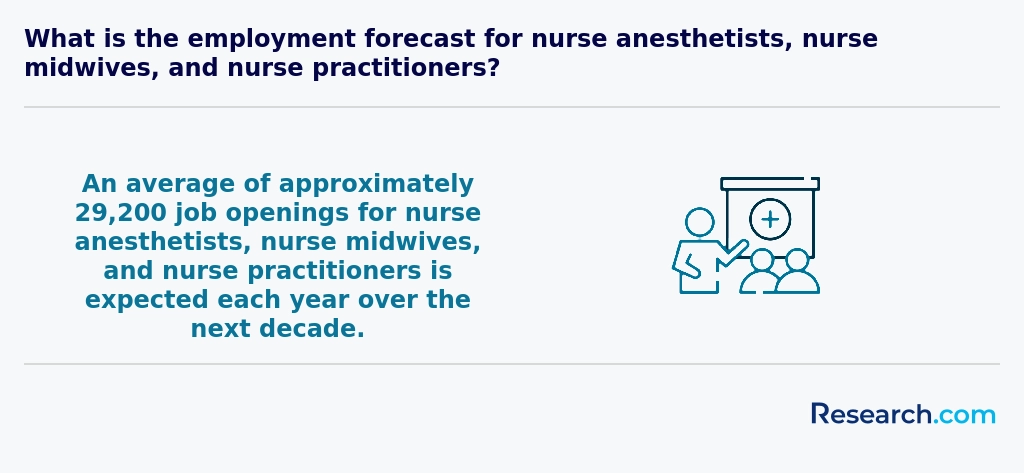
In my experience guiding students through online nursing curricula, I’ve observed that a well-structured program balances foundational sciences, clinical concepts, and leadership modules. Most Online Bachelor’s in Nursing degree programs in the Northeast include: • Anatomy & Physiology I and II: These courses lay the groundwork for understanding human body systems, integrating virtual 3D models and case-based quizzes. • Microbiology: Focuses on pathogens, infection control, and lab simulations that mirror hospital environments. • Pharmacology: Explores drug classifications, dosage calculations, and patient safety protocols via interactive virtual labs. • Health Assessment & Clinical Skills: Emphasizes physical exam techniques, diagnostic reasoning, and simulated patient encounters to develop core bedside competencies. • Pathophysiology: Bridges disease mechanisms and clinical manifestations, helping you translate theory into evidence-based care plans. • Nursing Research & Evidence-Based Practice: Teaches research methodologies, data interpretation, and quality-improvement projects essential for today’s dynamic healthcare settings. • Community & Public Health Nursing: Covers population health, epidemiology, and outreach strategies-critical for serving diverse Northeast communities. • Leadership & Management in Nursing: Develops skills in team coordination, ethical decision-making, and healthcare policy, preparing graduates for supervisory roles. Elective options often include mental health, pediatrics, geriatrics, and informatics. Many programs also integrate simulation software and partner with local hospitals for hands-on clinical practicums. For students considering advanced practice or academic roles, it’s wise to explore pathways like a cheap online dnp program, which can build on these core courses and accelerate your journey to the highest level of nursing education.
Online nursing degrees in the Northeast challenge the notion that distance learning lacks depth by immersing students in courses crucial for real-world healthcare. Graduates from leading institutions like Northeastern University often recall how Human Anatomy and Physiology became the foundation for truly understanding patient symptoms during local clinicals, transforming textbook theory into lifesaving intuition.
Pharmacology courses taught them not just drug names but the critical impact of medication on varied patient populations-knowledge that felt immediate when encountering elderly patients in Connecticut's growing geriatric wards. Pathophysiology brought disease progression to life, while Health Assessment classes sharpened diagnostic instincts essential for a state like New Jersey, where diverse communities demand adaptable care skills.
Leadership and Ethics extended beyond theory, inspiring graduates to embrace advocacy roles in hospitals and public health settings. These programs blend scientific rigor with hands-on preparation, proving that online nursing education in the Northeast is not a compromise, but a robust launchpad for compassionate, skilled practitioners ready to meet regional healthcare challenges.
Online nursing specializations in the Northeast defy simple categorization. Graduates from well-known institutions like Boston College or Rutgers have found themselves deeply engaged in areas ranging from Family Nurse Practitioner (FNP) roles to Nursing Leadership. One shared experience highlights how a graduate balanced rigorous coursework in Psychiatric-Mental Health Nurse Practitioner (PMHNP) studies while working in urban community clinics, feeling empowered to directly impact mental health outcomes.
Programs at universities such as Northeastern University reflect a regional demand for specialties like adult-gerontology acute care, echoing the Northeast's aging population trends. Nurses trained here embrace the challenge of managing complex chronic conditions, often reflecting on real-world scenarios where elder care and acute interventions intersect fluently. These nursing degree specializations Northeast region options are far from abstract-they are lived experiences shaping regional healthcare.
Some graduates pursuing online nursing degree for non nurses with bachelor's degree pathways celebrate how Community/Public Health Nursing courses offered at flagship public universities equipped them to lead impactful prevention programs, proving that deeper specialization resonates with passion and purpose.
Choosing the best online nursing degree in the Northeast goes beyond picking a name that looks good on a resume. Graduates from well-known institutions often reflect on how vital it was to confirm program accreditation-either CCNE or ACEN-as their gateway to deeper confidence during clinicals and licensure exams. In the Northeast, where healthcare landscapes vary, programs that integrate local clinical placement support make the difference between feeling overwhelmed and truly prepared. Think of nurses who found that their schools' partnerships with nearby hospitals in New York or Massachusetts opened doors they hadn't imagined.
Affordability can't be overlooked either. Many aspiring nurses are pleasantly surprised to find Inexpensive Online Nursing Degree Programs Ranking in Pittsburgh, PA that surprisingly align with quality standards, showing that affordable online nursing programs Northeast aren't a myth but an achievable goal with thoughtful research.
Ultimately, the best accredited nursing degrees Northeast offer flexibility to accommodate busy schedules while ensuring curriculum relevance. Graduates often credit this balance for enabling them to excel without sacrificing personal or professional commitments.
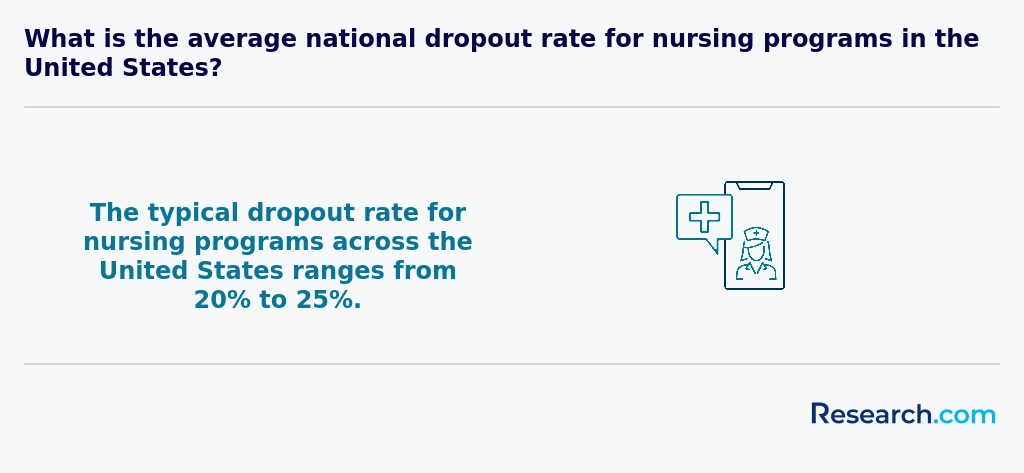
Graduates with an online nursing degree in the Northeast often find their career paths far richer and more varied than expected. While becoming a registered nurse (RN) remains the most immediate and popular option, many alumni from well-regarded institutions like the University of Pennsylvania or Northeastern University have transformed their careers by specializing as nurse practitioners or clinical nurse specialists. This evolution unlocks greater autonomy and the chance to impact patient care in deeper ways under progressive state regulations.
Others leverage their degrees to enter healthcare administration or informatics in metropolitan hubs like Boston or Philadelphia, blending clinical insight with leadership. These roles tap into growing regional healthcare expenditures, creating jobs that blend passion and stability. Students often share stories of how balancing work and study online opened doors to such diverse opportunities, challenging the outdated notion that nursing careers are limited. For those weighing nursing options, exploring the best college degree to get can clarify how versatile online nursing degree job opportunities Northeast truly are.
The job market for graduates with online nursing degrees in the Northeast remains robust despite common concerns about competition. Graduates from well-regarded institutions often share stories of finding diverse roles across hospitals, outpatient centers, and telehealth services without relocating, thanks to the region's high healthcare job concentration. For many, attending online programs at respected colleges brings relief from the financial strains of traditional schooling in cities like Boston or New York, where tuition surges well above $20,000 annually.
Opportunities continue to grow because of the aging population and telehealth expansion, encouraging more advanced nursing roles. Nursing students from Northeastern universities frequently mention how online curricula prepare them to meet state licensure requirements swiftly, reflecting the strong relationship between education and employability. This creates an optimistic outlook for those weighing the value of an online nursing degree in the Northeast, especially when compared to other career paths.
For those curious about flexible learning options, exploring best college degrees for seniors online can provide additional perspective on balancing education and life. Overall, the nursing career growth Northeast region experiences today challenges the idea that online degrees limit job prospects, revealing instead a landscape rich with possibilities.
2027 Easiest Online Bachelor's in Nursing Degree Programs Ranking in the Northeast
Investing in your education is a significant decision that requires careful consideration, and the Research.com team recognizes the importance of providing reliable and accurate information. To support prospective students interested in nursing, we have developed the "2027 Easiest Online Bachelor's in Nursing Degree Programs Ranking in the Northeast." Our dedication to quality, credibility, and precision is demonstrated through rigorous research and analysis to ensure the trustworthiness of this ranking.
We utilized the following reputable data sources to compile this ranking:
By consulting this ranking, readers will uncover clear, data-driven insights into the most accessible online nursing programs in the Northeast, empowering them to make informed educational decisions. For a deeper understanding of our approach, please visit our Research.com methodology page.


# 9 position
Penn State University Park
Nursing, RN to BSN


# 11 position
SUNY Empire State College
RN to Bachelor of Science in Nursing




Frequently Asked Questions About nursing
Online nursing degree students in the Northeast can maximize their learning experience by actively engaging in virtual classroom discussions and utilizing available academic resources. Many accredited nursing programs in the region, such as those listed by the New England Board of Higher Education, provide access to simulation labs and clinical placements essential for practical skills.
Students should also create structured study schedules and seek support from faculty advisors familiar with regional healthcare requirements. According to the Bureau of Labor Statistics, Northeast states have a higher demand for registered nurses, making clinical experience especially valuable for job prospects.
Networking with local healthcare organizations and joining nursing associations in the Northeast can further enhance learning and career opportunities.
The nursing field is rapidly evolving, with several emerging niches gaining prominence, particularly in the Northeast. One significant area is geriatric nursing, driven by the region's aging population, where nurses specialize in caring for elderly patients and managing chronic conditions.
Another growing niche is telehealth nursing. The COVID-19 pandemic accelerated the adoption of remote care, and nurses skilled in virtual patient assessments and digital health technologies are in high demand across states like New York and Massachusetts.
Additionally, psychiatric-mental health nursing is expanding due to increased awareness of mental health issues. According to the New England Journal of Medicine, mental health-related healthcare demand has surged by over 20% in recent years.
These specialties offer promising career paths for nursing students pursuing online degrees in the Northeast.
After completing an online nursing degree in the Northeast, preparing for the job market involves several key steps. First, obtaining licensure through the NCLEX-RN exam is essential. The Northeast has a high demand for registered nurses, with the Bureau of Labor Statistics projecting a 12% growth rate for nursing jobs from 2022 to 2032 in this region. Graduates should seek clinical internships and networking opportunities to strengthen their resumes. Joining professional organizations, like the Massachusetts Nurses Association or New York State Nurses Association, offers valuable career resources and job leads. Additionally, tailoring applications to local healthcare systems improves job prospects.
Employers in the Northeast prioritize several key skills when hiring nursing degree graduates, especially from online programs. Critical thinking and clinical judgment are essential, as nurses must quickly assess patient needs and respond effectively. Communication skills rank highly, with 84% of healthcare employers emphasizing clear, compassionate interaction with patients and teams, according to a 2023 survey by the Massachusetts Nurses Association.
Technical proficiency with electronic health records (EHR) is increasingly important due to widespread digitalization in local hospitals. Additionally, cultural competency is vital given the diverse populations in states like New York and New Jersey. Time management and adaptability also stand out, helping nurses succeed in fast-paced clinical environments common across the region.
Finding internships in the Northeast for nursing students often begins with exploring partnerships between online nursing programs and local healthcare facilities. Many universities have established clinical affiliations with hospitals, clinics, and long-term care centers in states like New York, Massachusetts, and Pennsylvania. The New York State Department of Health and Massachusetts Board of Registration in Nursing provide resources listing approved clinical sites.
Additionally, students can utilize professional associations such as the Massachusetts Nurses Association, which often advertise internship opportunities or mentorship programs. According to the Bureau of Labor Statistics, the Northeast employs approximately 15% of the nation's registered nurses, offering diverse clinical settings for hands-on experience. Networking through faculty and alumni remains a critical strategy in securing quality internships.
Online nursing degrees have significantly improved career mobility and advancement opportunities in the Northeast. Many healthcare employers in this region now recognize accredited online programs as valid educational paths, allowing graduates to compete for positions traditionally requiring on-campus study.
According to the Bureau of Labor Statistics, registered nurse employment in Northeast states is projected to grow by 9% from 2022 to 2032, which supports strong job prospects. Earning an online Bachelor of Science in Nursing (BSN) often qualifies candidates for higher-paying roles such as nurse managers or clinical specialists, enhancing upward mobility.
Additionally, flexible online programs enable working nurses to advance without interrupting their careers, a crucial factor in busy metropolitan areas like New York and Boston.
Studying for a nursing degree online in the Northeast offers strong preparation for interdisciplinary roles through collaboration-focused curricula. Many accredited nursing programs in this region emphasize teamwork with professionals in medicine, social work, and health administration. For example, programs often include courses on integrated care and communication skills tailored to diverse healthcare teams.
According to the New England Board of Higher Education, over 60% of nursing graduates in the Northeast report feeling well-prepared to collaborate across disciplines, a key skill in modern healthcare settings. Online programs leverage virtual simulations and group projects to mimic real-world interdisciplinary scenarios.
This regional focus aligns with the growing demand for nurses skilled in coordinating complex patient care within multidisciplinary teams, enhancing job readiness in hospitals and community settings.
When choosing between a thesis and a non-thesis nursing degree program in the Northeast, students should consider their career goals and time commitment. Thesis programs usually require original research and a formal paper, preparing students for advanced roles or graduate study. These programs can take longer, often adding six months to a year. Non-thesis options focus on coursework and practical skills, appealing to those seeking to enter the workforce quickly.
In the Northeast, about 40% of nursing bachelor's programs offer both options, allowing flexibility based on student needs (American Association of Colleges of Nursing, 2023). Research-intensive schools in states like Massachusetts and New York commonly require theses for certain tracks.
Financial aid and faculty mentorship availability may also influence the decision. Students targeting academic or leadership roles often prefer thesis programs to gain research expertise and increase competitiveness.
Students based in the Northeast interested in studying nursing abroad while pursuing online degrees have limited direct options within U.S. higher education. Most accredited nursing programs prioritize clinical experience within the United States due to strict state licensing requirements. However, some universities offer international clinical placements or partnerships, allowing students to complete part of their coursework overseas in countries with recognized nursing standards.
For example, a few New England institutions collaborate with hospitals abroad to provide international experiences during clinical practicums. These opportunities are typically supplements to online coursework, not full foreign enrollments. The Commission on Collegiate Nursing Education (CCNE) and state nursing boards ensure that online programs maintain U.S. licensing eligibility.
According to the National Council of State Boards of Nursing, graduates must complete clinical hours domestically or through approved affiliates, which restricts full foreign study options for online nursing students in the Northeast. Students should verify international program components with schools and regional accreditation agencies before enrolling.
Part-time job opportunities in the Northeast that complement nursing degree education include roles such as certified nursing assistant (CNA), medical scribe, and pharmacy technician. CNAs provide patient care support and gain hands-on experience, which is valuable for nursing students. According to the U.S. Bureau of Labor Statistics, New York State alone employs over 150,000 nursing assistants, highlighting strong demand in the region.
Medical scribes assist healthcare providers by documenting patient encounters, helping students understand clinical workflows. Additionally, pharmacy technician positions offer exposure to medication management, crucial for nursing knowledge.
These roles typically offer flexible hours, suitable for balancing online studies.
Online nursing students in the Northeast benefit from various networking opportunities that can enhance their academic and professional growth. Many universities offer virtual events, webinars, and discussion forums where students connect with peers and faculty. Regional nursing associations, such as the Massachusetts Nurses Association and the New York State Nurses Association, host local conferences and online meetups that welcome students.
Clinical placements and internships arranged through schools often link students to healthcare facilities in the region, fostering in-person relationships. According to the National League for Nursing, approximately 70% of Northeast nursing programs incorporate community-based networking as part of their online curricula.
Alumni networks offer significant benefits to online nursing degree students in the Northeast by connecting them with experienced professionals across the region. Graduates from these programs often find guidance and mentorship through these networks, which can be crucial in navigating the competitive healthcare job market.
Research from the Northeast Regional Nursing Education Consortium highlights that 68% of nursing graduates reported leveraging alumni connections to secure clinical placements or job opportunities within six months of graduation.
Furthermore, active alumni groups often host local events and provide access to continuing education resources, enabling online students to stay current with clinical best practices and licensure requirements, which vary by state in the Northeast.
Customizing an online nursing degree program in the Northeast involves selecting courses and specializations aligned with your career goals. Many accredited Northeast nursing programs allow students to choose electives in areas such as gerontology, pediatrics, or healthcare management. According to the New England Board of Higher Education, tailoring your program can enhance job readiness in specific nursing fields.
Additionally, some schools offer flexible clinical placement options within local hospitals or clinics, which helps gain practical experience relevant to your desired role. Online programs also often provide opportunities to pursue certification preparation, which is valuable for career advancement.
Review each school's curriculum and speak with academic advisors to ensure your degree fits your professional aspirations in the region's healthcare market.
Online nursing students in the Northeast face several unique challenges on their path to earning a degree. Balancing coursework with clinical requirements proves difficult, as many programs mandate in-person clinical hours that can be hard to schedule around work or family commitments. According to the National Council of State Boards of Nursing (NCSBN), clinical placement availability in this region is often limited due to high demand, especially in urban areas.
Another challenge is the cost of tuition, which in Northeast states tends to be higher than the national average, with many students incurring significant debt. Additionally, inconsistent internet access or technical issues can disrupt learning, particularly for students in rural or underserved areas. Finally, navigating licensing requirements across different Northeast states adds complexity for students seeking flexibility in practice locations.
With an online nursing degree, graduates in the Northeast can pursue several professional certifications to enhance their careers. Common certifications include the Registered Nurse (RN) license, which is required for clinical practice. Many also aim for specialty certifications such as Certified Nursing Assistant (CNA), Certified Medical-Surgical Registered Nurse (CMSRN), or the Certified Pediatric Nurse (CPN).
Advanced certifications like the Nurse Practitioner (NP) or Clinical Nurse Specialist (CNS) require additional education but often start with a bachelor's degree in nursing. According to the New England Board of Higher Education, the demand for certified nurses in specialties like geriatrics and psychiatric nursing is growing in this region.
Certification exams are typically accredited by the American Nurses Credentialing Center (ANCC) or the National Council of State Boards of Nursing (NCSBN). Online degree holders are eligible to sit for these exams, provided they meet clinical hour requirements. This professional validation improves job prospects and reflects competence in the fast-evolving healthcare sector in the Northeast.
Writing a winning application for an online nursing program in the Northeast requires clear focus and preparation. Begin by thoroughly researching the specific program's prerequisites and ensure you meet all academic and clinical experience requirements. Nursing schools in this region often emphasize healthcare experience, so highlight any relevant work or volunteer roles.
Strong letters of recommendation from nursing professionals or educators can greatly enhance your application. Additionally, write a compelling personal statement that reflects your passion for nursing and commitment to patient care.
According to the New England Board of Higher Education, competitive applicants typically present a GPA above 3.0 and demonstrate familiarity with state nursing licensure requirements.
The nursing profession is recognized worldwide for its essential role in healthcare, with strong demand expected to continue through 2030, especially in developed regions such as the United States. In the Northeast, online nursing degrees provide flexible pathways for students to join this global workforce. The U.S. Bureau of Labor Statistics reports an 8% projected growth rate for registered nurses nationally, reflecting consistent opportunities.
Globally, nursing careers vary by education requirements and healthcare systems, but the U.S. model emphasizes rigorous academic standards and clinical experience. For Northeast students, earning an online nursing degree aligns with international standards, allowing mobility and recognition across borders. Institutions accredited by bodies like CCNE or ACEN ensure quality education respected worldwide, supporting global career options.
Understanding these perspectives helps Northeast students appreciate the global scope of their future nursing careers and the value of accredited online degree programs. This awareness is vital when selecting a program that balances regional needs with international applicability.
Gaining practical experience while studying for an online nursing degree in the Northeast involves completing clinical hours at approved healthcare facilities. Most accredited programs require students to fulfill a set number of hands-on clinical hours to meet state licensing board standards.
Students can often arrange clinical placements close to their homes, partnering with local hospitals, clinics, or nursing homes. This flexibility is crucial in the Northeast, where dense healthcare networks offer numerous opportunities.
According to the New England Commission of Higher Education (NECHE), online nursing programs coordinate with clinical sites to ensure students gain relevant, supervised experience.
The average clinical hour requirement ranges from 500 to 800 hours depending on the program and state regulations.
Choosing the right concentration in an online nursing degree program in the Northeast depends on career goals and regional demand. For example, New York and Massachusetts report high demand for geriatric and pediatric nurses, according to the Bureau of Labor Statistics (2023).
Consider specializations such as Family Nurse Practitioner, Psychiatric Nursing, or Nursing Administration, which align with local healthcare needs. Research program accreditation and clinical placement opportunities for the Northeast to ensure quality education.
Additionally, evaluate if your chosen concentration offers flexibility in online coursework and part-time options, as many students balance work and study.
Consulting local nursing boards and organizations like the Massachusetts Nurses Association can also provide insights on trending nursing fields in the region.
See What Experts Have To Say About Studying Nursing
Read our interview with Nursing experts


- Nursing Prerequisites https://westcottcourses.com/nursing-prerequisites/
- Nursing Associate Degree - NECC https://necc.edu/academics/credit-programs/health/nursing-associate-degree/
- Nursing https://northeast.edu/degrees-and-programs/nursing
- Associate Degree in Nursing (ADN) in 18 Months https://www.neit.edu/academics/associate-degrees/nursing-as
- 2026 Most Affordable Online Nursing Programs https://www.onlineu.com/most-affordable-colleges/nursing-degrees
- Bachelor of Science in Nursing (BSN) Program https://www.nec.edu/programs/nursing-bsn-program
- Online Schools with Nursing Degree Programs https://www.straighterline.com/blog/college-nursing-degree-programs
- Nursing Scholarships & Financial Aid Resources | AACN https://www.aacnnursing.org/students/scholarships-financial-aid
- 7 Nursing School Tips for Studying https://www.denvercollegeofnursing.edu/blog/nursing/7-Nursing-School-Tips-for-Studying.html
- Nursing Colleges In The Northeast https://www.alvernia.edu/resources/undergraduate/nursing-colleges-northeast


