
2027 Most Valuable Nursing Degree Programs Ranking in Dahlonega

Co-Founder and Chief Data Scientist
Choosing the right nursing degree program in Dahlonega can shape your future success and satisfaction in a rewarding healthcare career. This article introduces the 2027 Most Valuable Nursing Degree Programs Ranking in Dahlonega, crafted by the Research.com team of data scientists to guide students like you in making well-informed decisions.
Exploring this ranking helps you identify programs that offer strong value, combining quality education with promising career outcomes. Taking the time to understand these options can boost your confidence as you embark on an important step toward a fulfilling nursing profession.
Key benefits of getting nursing degree in Dahlonega
- The average annual salary for nursing degree graduates in Dahlonega, including roles such as Registered Nurse and Public Health Nurse, is about $94,480, offering financial stability and rewarding pay.
- Graduates from the University of North Georgia often pursue diverse careers like Emergency Room Nurse or Clinical Nurse Educator, showcasing the versatility and demand for nursing professionals.
- Completing a nursing degree online provides flexibility and convenience, allowing students to balance work and study effectively, as experienced by many online graduates from the University of North Georgia.
- 2027 Most Valuable Nursing Degree Programs Ranking in Dahlonega
- What can I expect from nursing degree in Dahlonega?
- Where can I work with nursing degree in Dahlonega?
What can I expect from nursing degree in Dahlonega?
The average cost of pursuing a nursing degree in Dahlonega tends to vary depending on whether students attend the University of North Georgia (UNG) or choose nearby community colleges offering associate degrees. Graduates from UNG often describe managing tuition that is generally more affordable than private institutions, thanks to its public university status. However, beyond tuition, students must consider additional expenses such as clinical supplies, textbooks, and commuting to clinical sites.
Many nursing students recall balancing financial aid, scholarships, and part-time work to make their education feasible, highlighting the importance of exploring all funding options early. Unlike some big-city programs, Dahlonega's smaller scale means students often benefit from personalized support but may face fewer on-campus resources specifically for nursing student finances.
While tuition costs are reasonable, the time commitment for clinical rotations and study adds non-monetary costs that impact work-life balance. Graduates frequently emphasize that this investment, though challenging, leads to rewarding career opportunities locally, aligning cost with value in a mindful way that takes individual circumstances into account.
Where can I work with nursing degree in Dahlonega?
Graduates from nursing programs at Dahlonega's well-regarded colleges often find diverse employment opportunities within the region's expanding healthcare landscape. Many secure roles at the nearby Northeast Georgia Medical Center, where nurses gain hands-on experience in medical-surgical units or emergency departments, enhancing both their skills and job satisfaction. These positions typically welcome graduates with either ADN or BSN degrees, reflecting the practical and academic balance offered by local nursing programs.
Others pursue careers in outpatient clinics or urgent care centers, where they engage directly with patients managing chronic conditions or undergoing outpatient procedures. The dynamic nature of these settings appeals to nurses who value variety and autonomy in their workday.
Long-term care facilities and nursing homes are also significant employers, especially as the region's aging population increases demand. Graduates who enjoy building relationships with elderly patients often describe fulfilling experiences in these environments, balancing clinical duties with compassionate care.
Mental health and rehabilitation centers provide alternative paths for those interested in specialized care, while schools and community health organizations welcome nurses eager to contribute to public health education and preventive initiatives. These roles allow nursing graduates to influence well-being beyond traditional clinical settings.
Graduates from nursing programs in Dahlonega, such as those at the University of North Georgia, often find their nursing degree opens doors to a variety of rewarding roles with competitive salaries. Registered Nurses (RNs) in Dahlonega can expect to earn around $94,480 annually, aligning with data showing similar wages for clinical nurse educators and public health nurses in the area. This consistency reflects regional demand for skilled nursing professionals across multiple settings.
For instance, RNs starting their careers might initially earn less, but many graduates report satisfaction with steady wage growth as experience mounts. Those who pursue specialized roles, like emergency room or operating room nursing, often see a significant salary boost. Operating room nurses in particular may earn on average $128,490 per year, highlighting the value of advanced skills.
Graduates from Dahlonega-based programs emphasize that beyond salary, factors like manageable local living costs and opportunities at nearby hospitals contribute positively to their early career experiences. The balance between financial reward and quality of life in Dahlonega remains an attractive aspect for new nurses building their professions.
- Nursing degree tuition in Dahlonega ranges from $6,000 to $15,000 per year, depending on the institution and program length.
- Graduates can expect an average starting salary of about $60,000 annually, with experienced nurses earning between $75,000 and $85,000.
- Dahlonega offers strong job prospects in hospitals, clinics, and elder care facilities, with growing demand projected by the Georgia Department of Labor.
- Nursing programs include clinical placements to provide hands-on experience required for licensure and NCLEX-RN exam preparation.
- Accreditation by ACEN or CCNE ensures quality education and eligibility for federal financial aid and state licensure.
The time needed to complete a nursing degree in Dahlonega varies significantly depending on the chosen program and personal circumstances. For instance, graduates from North Georgia Technical College often share how the Associate Degree in Nursing (ADN) program took them about two years, allowing them to enter the workforce quickly while gaining essential clinical skills.
Meanwhile, students enrolled full-time at the University of North Georgia's Dahlonega campus typically report that their Bachelor of Science in Nursing (BSN) degree takes around four years. Many express satisfaction with the comprehensive education and expanded career options this pathway offers, despite the longer commitment.
Accelerated BSN programs, popular among graduates switching careers, can be intensely demanding but often compress study into 12 to 18 months. These graduates describe feeling energized by the fast pace and focused learning, though some note the need to balance coursework with clinical hours carefully.
Scheduling flexibility, part-time attendance, and local clinical placements can all shift these timelines. Dahlonega students value programs balancing rigorous training with achievable timelines, underscoring the importance of aligning pace with individual goals and life realities.
. When evaluating nursing programs in Dahlonega, GA, it's essential to consider various factors, including curriculum, clinical experience, and accreditation. Prospective students can visit https://research.com/rankings/nursing/most-valuable-nursing-ga as a resource for valuable nursing programs in Georgia, providing them with a comprehensive overview of the best nursing degree programs in the state. By comparing these programs, students can make informed decisions about their education and future careers in nursing.
In Dahlonega, choosing between online and on-campus nursing degrees often comes down to how students prefer to balance their education with daily life. Graduates from the University of North Georgia, for example, recall the energizing atmosphere of in-person classes and hands-on clinicals at nearby hospitals, which helped build confidence and real-world skills through direct mentorship and teamwork.
On the other hand, some online nursing graduates appreciate the flexibility to study around work or family commitments. They describe the digital format as empowering, enabling them to progress at their own pace while still attending required local clinical placements near Dahlonega. Yet, this mode demands discipline and comfort with technology, which not every student finds easy initially.
Cost is another factor; on-campus programs typically cost between $10,000 and $15,000 annually for Georgia residents, while online options often range from $5,000 to $12,000, reducing expenses linked to commuting and housing. However, both paths require in-person clinical experiences, anchoring theory in practice within Dahlonega's healthcare settings.
A nursing program’s NCLEX-RN pass rate is a critical indicator of how well students are prepared for real-world practice. In Dahlonega, GA, the average first-time NCLEX-RN pass rate for BSN graduates hovers around 92%, outperforming Georgia’s state average of 89%. Local institutions such as the University of North Georgia and Brenau University consistently post pass rates above 95%, reflecting their strong emphasis on comprehensive exam preparation and robust clinical training. Key factors influencing these high pass rates include small class sizes, dedicated NCLEX review workshops, and faculty-led simulation labs. Many programs incorporate weekly question banks and peer-led study groups, ensuring that students build confidence with exam-style questions long before graduation. Additionally, students benefit from structured remediation plans: if a learner’s practice score falls below 75%, faculty intervene with personalized tutorials to target weak content areas. For those seeking accelerated pathways, programs like the fast track bsn programs online often include specialized NCLEX prep courses integrated into the curriculum. These online modules provide interactive case studies, timed mock exams, and direct faculty feedback, enabling career changers and working professionals to streamline their study plan without sacrificing depth. Ultimately, high NCLEX pass rates not only signify strong educational quality but also correlate with improved job placement and licensure success. Prospective students should review each school’s published pass statistics and inquire about exam support services to make an informed decision that aligns with their career goals.
The average nursing degree cost in Dahlonega varies significantly depending on whether the student is attending as an in-state or out-of-state candidate. Recent data shows that the median total cost for nursing degrees is around $5,285 for in-state students, reflecting the affordability of public institutions like the University of North Georgia. Out-of-state students face substantially higher costs, with median totals near $30,743, which can be a considerable financial commitment but may be worth it for the quality of education and clinical experiences offered.
Many graduates recall balancing these costs with the benefits of hands-on learning in well-equipped nursing labs and diverse clinical placements. Such experiences add intrinsic value to the tuition paid, especially when considering the specialized training required in nursing careers. Students also note that nursing programs often include additional fees for equipment and certifications, which should be factored in when calculating the total expenses for a degree.
Those exploring the highest demand nursing programs Texas might also observe that financial aid and scholarships play a crucial role in reducing tuition burdens. Over 80% of undergraduate nursing students receive some form of assistance, making degrees in Dahlonega more accessible than raw numbers suggest. It is wise for prospective students to investigate financial aid options thoroughly to maximize their economic advantage while pursuing nursing education.
Understanding the 2027 nursing program tuition fees Dahlonega entails recognizing the variance between associate and bachelor's degrees, as costs can range from modest to substantial. Graduates often emphasize that the investment in their education correlates with career readiness and increased earning potential, highlighting the overall value of a nursing degree from this region.

After graduation, follow these essential steps to obtain your nursing license in Georgia:
- Graduate from an ACEN- or CCNE-accredited nursing program.
- Register for and pass the NCLEX-RN exam through Pearson VUE.
- Submit a licensure application to the Georgia Board of Nursing, including background check and fingerprinting.
- Provide official transcripts and pay all required fees.
- Complete 30 hours of approved continuing education every two years to renew your license.
For RNs seeking to advance with minimal additional clinical requirements, explore rn to bsn no clinicals.
Nursing students in Dahlonega often rely on a mix of financial aid sources to manage the cost of their education. At universities like the University of North Georgia, graduates recall that completing the Free Application for Federal Student Aid (FAFSA) was essential to unlocking Pell Grants, which provided non-repayable funds that substantially eased their tuition burdens.
State scholarships such as the HOPE Scholarship and HOPE Grant further support many local students who qualify based on academic achievement and residency. Several nursing graduates found these programs vital for reducing expenses while attending public colleges in Dahlonega.
Beyond government aid, nursing-specific scholarships from organizations like the Georgia Nurses Foundation offer targeted assistance. Graduates often describe these awards as encouraging affirmations that helped them remain focused and motivated during challenging semesters.
Additionally, practical work-study opportunities tied to Dahlonega healthcare providers offer real-world experience alongside financial support. Some students mention receiving tuition reimbursement or stipends when balancing part-time work with demanding clinical rotations.
Finally, institutional scholarships and flexible payment plans at Dahlonega colleges provide personalized options. Many nursing students advise that directly engaging financial aid offices can reveal less obvious resources vital to making the degree affordable and manageable.
Building on your foundational nursing degree, pursuing specialized certifications and ongoing education is vital for career growth and maintaining licensure. In Georgia, registered nurses must complete 30 continuing education hours every two years, including at least two hours in opioid education. Key certification pathways include: • Advanced Practice Registered Nurse (APRN) Credentials – Family Nurse Practitioner (FNP), Pediatric Nurse Practitioner, and Clinical Nurse Specialist certifications through the American Nurses Credentialing Center (ANCC) or the American Association of Nurse Practitioners (AANP). – For a holistic approach, explore our steps to becoming a holistic np, detailing prerequisites, clinical hours, and credentialing exams. • Specialty Certifications – Critical Care (CCRN), Oncology (OCN), and Psychiatric-Mental Health (PMH-BC) credentials validate expertise in high-demand areas. – Preparation courses and live workshops are offered by local institutions such as the University of North Georgia’s nursing department and North Georgia Technical College. • Continuing Education Units (CEUs) – Accredited providers like the Georgia Nurses Association and online platforms (e.g., NurseCe4Less) offer flexible CEU options in pharmacology updates, leadership, and evidence-based practice. – Employers often subsidize CEU costs; inquire about tuition reimbursement and in-house training. • Licensure Renewal & Professional Development – Submit CEU documentation through Georgia Board of Nursing’s e-portal before expiration to avoid lapses. – Engage in professional organizations (Sigma Theta Tau) and attend annual conferences for networking, mentorship, and the latest clinical guidelines. By strategically selecting certifications and leveraging local CEU resources, Dahlonega nurses can elevate their practice, command higher salaries, and meet the evolving standards of healthcare excellence.
To enroll in a nursing degree program in Dahlonega, students must first hold a high school diploma or equivalent, such as a GED. This baseline is essential, as nursing coursework demands strong reading, writing, and math skills. Graduates from the University of North Georgia often recall how mastering these basics early on gave them confidence during more complex studies like anatomy and physiology.
Many nursing programs in Dahlonega also require completion of specific college-level prerequisites-courses like microbiology, chemistry, and nutrition. These classes provide a solid foundation, helping students understand patient care from a scientific perspective. Some students reflect on how these prerequisites, though challenging, made their transition into clinical training smoother and more rewarding.
Additionally, standardized tests such as the TEAS are common requirements. Applicants who prepare well for this exam gain a competitive edge, improving their chances of acceptance. Dahlonega students often describe the relief and pride they felt after passing these tests, interpreting the success as validation of their readiness.
Health requirements and background checks are also typical, reflecting the practical demands of clinical placements. Meeting these ensures a safe learning environment and demonstrates responsibility-qualities both students and faculty value deeply at local institutions.
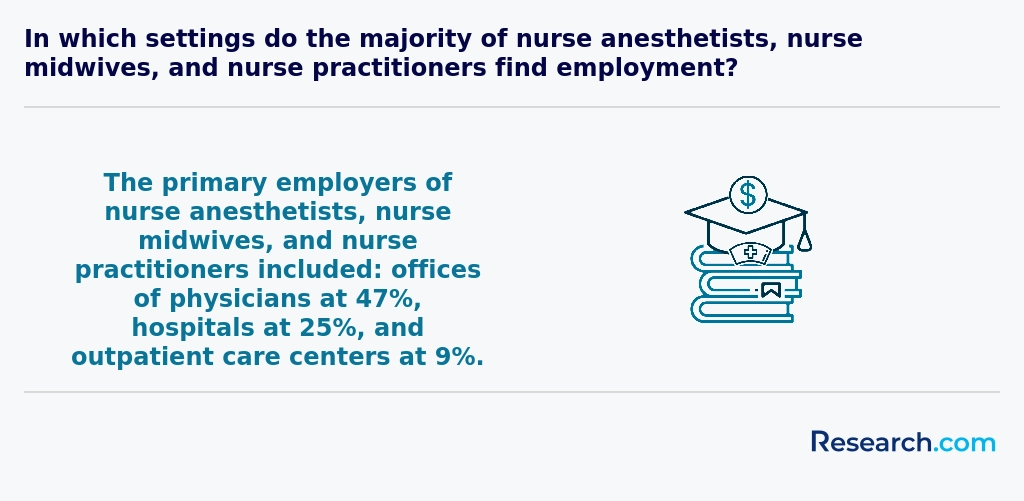
To secure your place in a Dahlonega nursing program, follow these streamlined steps:
- Research and select programs by comparing curriculum, clinical partners, and NCLEX pass rates.
- Confirm prerequisites: complete required courses (biology, chemistry, anatomy) and meet the minimum GPA.
- Register for and prepare the TEAS exam, using study guides to boost your score.
- Gather application materials: official transcripts, letters of recommendation, personal statement, and immunization records.
- Complete your background check and health screening to qualify for clinical placements.
- Note application deadlines for fall and spring cohorts to submit on time.
- Attend interviews or information sessions to learn about hands-on learning opportunities.
- Accept your offer, submit deposits, finalize financial aid, and register for orientation.
For RNs seeking bridge pathways, explore rn to bsn programs without clinicals.
Nursing degree programs in Dahlonega typically include a blend of theory and hands-on practice designed to prepare students for real healthcare environments. Graduates from popular schools like the University of North Georgia often recall how courses such as human anatomy and physiology provided a vital understanding of the body's functions, which made clinical rotations feel more meaningful and manageable.
Students also face subjects like microbiology and pathology, essential for recognizing infections they'll encounter during patient care. Pharmacology is another key course, teaching safe medication administration-an area where many students feel both challenged and empowered as they learn about drug interactions and dosages.
Clinical practice courses remain a highlight, as they allow students to develop critical thinking while working directly with patients. For example, health assessment training equips students with techniques to evaluate patient conditions systematically, boosting their confidence in high-pressure scenarios.
- Nutrition, psychology, and community health are often part of the curriculum, addressing holistic patient care beyond hospital walls
- Advanced topics like leadership and research help prepare students for diverse nursing roles
Many Dahlonega nursing students appreciate that their programs emphasize evidence-based practice, connecting classroom learning to current healthcare challenges and innovations, a feature that deeply resonates with those aiming to make a tangible difference.
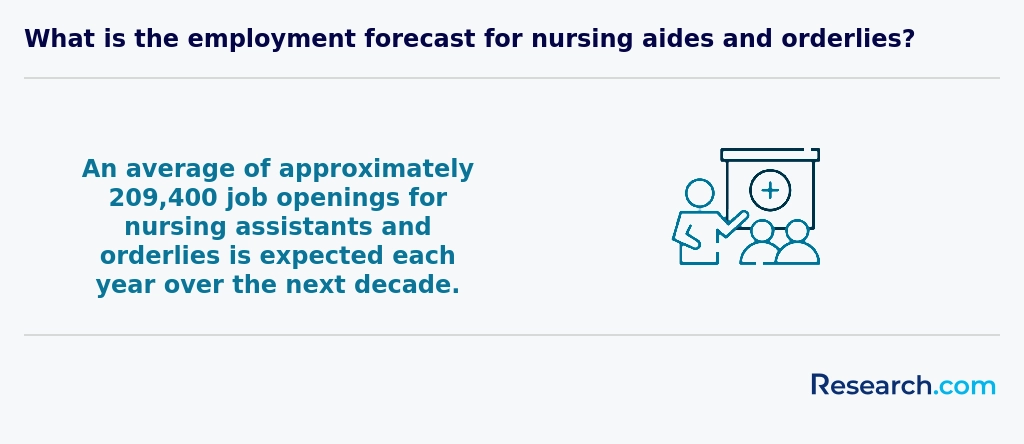
Nursing degrees in Dahlonega typically offer specializations that reflect both local healthcare needs and national trends, providing students with diverse career pathways. Graduates from popular institutions often highlight programs like Registered Nurse (RN) to Bachelor of Science in Nursing (BSN) as foundational, strengthening clinical skills and leadership. Other common specializations include Family Nurse Practitioner (FNP), which prepares nurses to deliver primary care across varied age groups, and psychiatric-mental health nursing, which addresses the increased demand for mental health services in the region.
Many students appreciate the focus on geriatric nursing at Dahlonega colleges, responding to Georgia's growing elderly population. Pediatric nursing is another well-regarded specialty, emphasizing care from infancy through adolescence. These specializations not only enhance professional expertise but also align with regional job market demands, making them attractive for those weighing the cost of production of their education relative to future salary prospects. Exploring nursing degree specializations in Dahlonega allows students to connect their academic experience with real-world impact, as shared by graduates who value the balance of theory and hands-on practice their programs provide.
Choosing a nursing degree in Dahlonega demands balancing cost, quality, and long-term career goals. Graduates from local colleges often emphasize the value of accredited programs with strong NCLEX-RN pass rates, which signal effective preparation for licensure in Georgia. While an Associate Degree in Nursing (ADN) might appeal due to shorter duration and lower immediate cost, many students find that pursuing a Bachelor of Science in Nursing (BSN) opens doors to higher earning potential and leadership roles, reflecting national trends.
When considering best affordable nursing programs Dahlonega offers, students often weigh public institutions' lower tuition against private schools, which may provide more extensive clinical placements and personalized support. Hands-on experience with nearby hospitals, like those in the Atlanta metro area, profoundly shapes student confidence and job readiness. Some graduates stress how direct patient care during clinical rotations helped them feel genuinely prepared for real-world nursing challenges.
Understanding post-graduation outcomes is crucial. Programs that transparently share employment statistics and NCLEX pass rates allow prospective students to compare options realistically. For those exploring alternatives, reviewing options beyond Dahlonega, such as private nursing schools California, might offer insights into varied academic approaches and resources.

Graduates holding a nursing degree in Dahlonega often begin their careers as Registered Nurses (RNs), a role that offers diverse opportunities in local hospitals and long-term care facilities. Many report feeling fulfilled by hands-on patient care, while also navigating the demands of acute care settings. Beyond general RN roles, nursing career options in Dahlonega include specializations such as Family Nurse Practitioner, Certified Nurse Midwife, or Clinical Nurse Specialist, reflecting the variety of ways to impact healthcare. Programs at popular Dahlonega colleges emphasize clinical rotations that often inspire students to pursue these specialized paths.
Leadership roles like Nurse Manager or Healthcare Administrator attract graduates interested in guiding teams and influencing healthcare delivery, often associated with higher salaries. However, these positions require advanced degrees and a commitment to ongoing education. Financial considerations also shape decisions, as Dahlonega's programs tend to be more affordable compared to urban areas, making the path more accessible.
Some graduates highlight the importance of learner growth in healthcare through varied experiences, which can steer careers toward community health or public health nursing. Healthcare jobs for nursing graduates Dahlonega thus encompass a broad spectrum that balances hands-on care with leadership and community impact.

The nursing job outlook in Dahlonega is shaped by steady demand from local healthcare facilities such as North Georgia Medical Center and surrounding outpatient clinics. Graduates from popular nursing programs in Dahlonega often share positive experiences regarding the practical training opportunities available nearby, which helps them transition smoothly into the workforce. While starting salaries of $55,000 to $65,000 are slightly below the state average of $70,000, these figures tend to improve significantly with experience and specialization, especially in areas like geriatric care and chronic disease management.
Healthcare employment opportunities Dahlonega benefit from the region's growing elderly population and expanding healthcare networks. Many nursing graduates report feeling optimistic about their career prospects, particularly when pursuing advanced roles requiring a Bachelor of Science in Nursing (BSN) or higher. The relatively affordable nursing program costs of $8,000 to $15,000 per year support local students who are balancing education with personal responsibilities.
For those seeking to continue their professional development, Dahlonega offers accessible continuing education opportunities that align well with the evolving demands of the healthcare sector, enhancing long-term career growth.
2027 Most Valuable Nursing Degree Programs Ranking in Dahlonega
Investing in your education is a significant decision that can shape your future, and the Research.com team understands the importance of making informed choices. To assist prospective students in Dahlonega, we have meticulously crafted the "2027 Most Valuable Nursing Degree Programs Ranking in Dahlonega." Our commitment to quality, credibility, and accuracy is reflected in the extensive research and analysis conducted to compile this ranking.
We utilized the following reputable data sources to ensure a comprehensive evaluation of nursing programs:
By exploring this ranking, readers will gain valuable insights into the most valuable nursing degree programs in Dahlonega, enabling them to make well-informed decisions about their educational paths. For more details on our methodology, please visit our Research.com methodology page.

Frequently Asked Questions About nursing
Nursing degree students in Dahlonega can maximize their learning experience by engaging fully in both classroom instruction and clinical practice. Participating actively in clinical rotations at local healthcare facilities gives valuable hands-on experience, which is essential for developing practical skills.
Utilizing resources offered by the University of North Georgia, such as tutoring and nursing labs, can greatly enhance understanding of complex subjects. Students should also consider joining nursing organizations like the Student Nurses Association to build professional networks and access mentorship opportunities.
According to the Georgia Board of Nursing, students who combine strong academic performance with experiential learning tend to have higher NCLEX pass rates, reaching over 90% locally in recent years.
The nursing field is rapidly evolving, with several emerging niches gaining importance in Dahlonega and across the United States. One growing area is geriatric nursing, driven by the increasing elderly population requiring specialized care. Another promising niche is informatics nursing, which combines healthcare and technology to improve patient data management and outcomes.
Additionally, psychiatric-mental health nursing is expanding due to heightened awareness of mental health issues. Community health nursing is also gaining traction, focusing on preventive care and education within local populations. According to the U.S. Bureau of Labor Statistics, these specialized roles are expected to grow faster than average through 2031, making them valuable options for prospective students in Dahlonega.
After completing a nursing degree in Dahlonega, preparing for the job market involves several key steps. First, obtaining licensure through the National Council Licensure Examination for Registered Nurses (NCLEX-RN) is essential. According to the Georgia Board of Nursing, passing this exam allows graduates to legally practice in the state. Additionally, gaining clinical experience through internships or local healthcare facilities in Dahlonega helps build practical skills and professional networks.
Job seekers should also focus on creating a strong resume highlighting relevant coursework, certifications, and volunteer work. Joining nursing associations like the Georgia Nurses Association can provide access to job listings and career resources. Staying updated on regional employment trends, such as the projected 15% growth in registered nursing jobs statewide by 2030 (U.S. Bureau of Labor Statistics), will help graduates align their skills with market demands.
Employers in Dahlonega seek nursing degree graduates who demonstrate strong clinical competence and critical thinking skills. According to the Georgia Board of Nursing, proficiency in patient care and knowledge of medical procedures remain essential. Communication skills are also highly valued, as nurses must effectively interact with patients, families, and healthcare teams.
Adaptability and teamwork are important due to the dynamic healthcare environment in Dahlonega's hospitals and clinics. Familiarity with electronic health records (EHR) systems is increasingly expected, aligning with national trends. Additionally, a 2023 survey by the North Georgia Medical Association highlighted empathy and ethical judgment as key traits sought in new nursing professionals.
Finding nursing internships in Dahlonega involves connecting with local healthcare facilities and educational institutions. Students pursuing nursing degrees often start by contacting nearby hospitals such as Northeast Georgia Medical Center, which offers clinical placement opportunities. Community health centers and nursing homes in Dahlonega also serve as practical sites for internships. Additionally, the University of North Georgia's nursing program provides resources and partnerships to help students secure internships. According to the Georgia Board of Nursing, clinical experience is a mandatory component for licensure, making internships essential. Networking through faculty and attending local healthcare job fairs can improve your chances of placement.
Obtaining a nursing degree in Dahlonega significantly enhances career mobility and advancement opportunities within the local healthcare sector. Graduates equipped with accredited degrees often qualify for Registered Nurse (RN) licensure, which serves as a vital credential for entry-level and advanced nursing positions. According to the Georgia Board of Nursing, Dahlonega's healthcare facilities prioritize candidates with formal nursing education due to strict state regulatory standards.
Nursing degrees also enable professionals to pursue specialized roles such as nurse practitioner or nurse educator, which command higher salaries and leadership responsibilities. In Dahlonega, median annual wages for RNs exceeded $68,000 in 2023, reflecting strong demand. Additionally, continuing education and advanced degrees can lead to administrative or clinical management roles, further driving upward mobility.
Studying for a nursing degree in Dahlonega equips students with essential skills to succeed in interdisciplinary healthcare teams. Local programs emphasize collaboration between nurses, physicians, therapists, and social workers to improve patient outcomes. Coursework often integrates communication strategies and team-based problem solving, reflecting the growing demand for coordinated care.
The University of North Georgia, a key institution in Dahlonega, offers simulation labs where nursing students practice working alongside other healthcare professionals.
According to the Georgia Board of Nursing, interdisciplinary training reduces medical errors by fostering mutual understanding among caregivers. This approach prepares Dahlonega graduates to adapt across various clinical settings and roles effectively.
When choosing between a thesis and a non-thesis nursing degree program in Dahlonega, students should consider their career goals and learning preferences. A thesis option typically involves conducting original research and writing a detailed paper, which is ideal for those interested in academic or research careers. In contrast, a non-thesis program often focuses on clinical practice and coursework, preparing students for immediate nursing roles or advanced practice.
According to the American Association of Colleges of Nursing, thesis programs generally take longer to complete but can open doors to doctoral study or teaching positions. Dahlonega nursing programs align with these national trends, offering both pathways to accommodate diverse student needs.
Students in Dahlonega seeking to study nursing abroad have several practical options, although these are somewhat limited by the local academic environment and available partnerships. Dahlonega is home to the University of North Georgia, which offers Nursing programs accredited by the Commission on Collegiate Nursing Education (CCNE), but currently does not have direct exchange agreements with international nursing schools.
Many students pursue study abroad through broader university networks or third-party programs that provide clinical placements and semester exchanges in countries like the UK, Canada, or Australia. These options allow exposure to different healthcare systems and practices while earning credit toward their degree.
According to the Council on International Educational Exchange, approximately 10% of US nursing students participate in international study experiences, often arranged during summer or winter breaks. Students from Dahlonega typically must plan ahead to secure spots and meet clinical hour requirements recognized by US nursing boards.
Students pursuing nursing degrees in Dahlonega can enhance their education through part-time jobs that offer practical healthcare experience. Positions such as certified nursing assistant (CNA), medical scribe, or patient care technician provide real-world exposure to clinical settings and help develop essential skills. Local healthcare facilities, including Northeast Georgia Medical Center, often hire part-time workers, making it easier for students to find relevant roles nearby. According to the Georgia Department of Labor, healthcare support occupations in the Dahlonega area are expected to grow by about 12% over the next decade, indicating strong job availability. These opportunities complement classroom learning and improve employability after graduation.
Nursing students in Dahlonega have several networking opportunities to enhance their professional growth. The University of North Georgia (UNG), the primary institution offering nursing programs locally, hosts nursing clubs and organizations such as the Student Nurses Association. These groups provide students with access to guest lectures, workshops, and community health events, fostering peer and professional connections.
Additionally, students benefit from clinical placements in nearby hospitals and healthcare facilities like Northeast Georgia Medical Center. These placements allow direct interaction with practicing nurses and healthcare professionals, facilitating mentorship and networking.
Local chapter events of the Georgia Nurses Association also offer networking forums, including conferences and meetups, helping students engage with statewide nursing professionals.
Alumni networks play a crucial role for nursing degree students in Dahlonega by providing valuable professional connections and mentorship opportunities. These networks link current students with graduates who have established careers, helping with advice on licensure exams, job placement, and continuing education.
Engagement in alumni activities often increases students' chances of securing internships or employment at local healthcare facilities, which is vital given the competitive healthcare market in Georgia. According to the Georgia Board of Nursing, mentorship and networking significantly improve graduate success rates in passing the NCLEX-RN exam.
Furthermore, alumni associations frequently organize workshops and seminars tailored to nursing students, enhancing their skills and knowledge beyond classroom instruction.
Customizing a nursing degree program in Dahlonega allows students to align their education with specific career goals. Many local institutions offer options such as clinical specializations, elective courses, and flexible scheduling. For example, students can focus on areas like pediatric nursing, gerontology, or community health, enhancing their expertise in targeted fields. Dahlonega's nursing programs often provide partnerships with nearby hospitals and clinics for practical experience, essential for skill development.
Additionally, students can choose between traditional on-campus, hybrid, and fully online formats to match their lifestyles. According to the Georgia Board of Nursing, tailored education pathways improve job placement rates and career satisfaction among graduates.
Nursing students in Dahlonega face several common challenges that reflect broader trends in U.S. nursing education. One key difficulty is managing a rigorous academic curriculum alongside demanding clinical hours. According to the Georgia Board of Nursing, balancing coursework with hands-on training is particularly stressful for students in smaller programs typical of rural areas like Dahlonega.
Financial strain is another significant issue. Many nursing students must cover tuition, fees, and living expenses while attending classes full-time, which can lead to increased student debt. Additionally, limited local clinical placement sites sometimes extend program lengths, causing delays in graduation.
Access to resources, such as simulation labs and tutoring services, can be more limited compared to larger urban schools. This gap may affect students' preparedness for licensing exams like the NCLEX-RN, where Georgia's overall first-time pass rate was 84.9% in 2023, slightly below the national average.
With a nursing degree, graduates in Dahlonega can pursue several professional certifications to enhance their careers. Common certifications include the Certified Registered Nurse Anesthetist (CRNA), Certified Nurse Midwife (CNM), and Certified Nurse Practitioner (CNP). These credentials require passing national exams and often additional graduate-level education.
Other valuable certifications include the Certified Clinical Nurse Specialist (CNS) and Certified Nurse Educator (CNE), which focus on specialized clinical roles or teaching. The Georgia Board of Nursing provides licensure and certification information specific to Dahlonega and its surrounding region.
According to the U.S. Bureau of Labor Statistics, nationally, registered nurses with certifications tend to earn salaries 10-15% higher than non-certified peers, making certification a worthwhile investment.
To write a winning application for a nursing program in Dahlonega, start by carefully researching the specific requirements of local institutions such as North Georgia Technical College. Most programs require a minimum GPA of 2.5 to 3.0, so ensure your academic records reflect strong performance.
Emphasize relevant experience in healthcare or volunteer work, highlighting any direct patient care or community involvement. This practical background is valued by admissions committees.
Personal statements should clearly communicate your motivation for nursing, your commitment to patient care, and your understanding of the profession's demands in Dahlonega's healthcare environment.
Lastly, request letters of recommendation from professionals familiar with your work ethic and character, ideally from supervisors, educators, or healthcare providers.
The global perspective on a nursing career highlights its vital role in healthcare systems worldwide. Nursing is recognized as one of the fastest-growing professions due to increasing patient needs and aging populations. In the United States, including Dahlonega, nursing offers diverse opportunities ranging from clinical care to leadership roles. According to the U.S. Bureau of Labor Statistics, nursing employment is projected to grow 15% from 2021 to 2031, reflecting strong demand.
Internationally, nurses often participate in exchange programs and humanitarian missions, enhancing their skills and cultural competence. U.S. nursing degrees, including those accessible in Dahlonega, prepare students for global challenges by emphasizing evidence-based practice and ethical patient care.
Gaining practical experience while studying for a nursing degree in Dahlonega is essential for career readiness. Local institutions, such as the University of North Georgia, incorporate clinical rotations within their programs. These rotations provide hands-on experience in hospitals, clinics, and long-term care facilities around Dahlonega.
Students often complete hundreds of clinical hours to meet state licensing requirements. Additionally, partnerships with healthcare providers like Northeast Georgia Medical Center offer opportunities for internships and externships. According to the Georgia Board of Nursing, students completing accredited programs with practical experience have higher pass rates on the NCLEX-RN exam.
Volunteering at local health organizations can further enhance skills and networking within the community.
Choosing the right concentration within a nursing degree program in Dahlonega starts with understanding your career goals. Nursing specialties, such as pediatrics, geriatrics, or critical care, shape your future job roles. Dahlonega offers programs focused on community health due to local demographics, which you might consider if you want to work in rural or elder care settings. Accredited programs in the area often provide clinical placements in nearby hospitals and clinics, offering valuable hands-on experience.
Reviewing job market trends in Dahlonega, a growing demand exists for registered nurses with specialization in chronic disease management and mental health, according to the Georgia Board of Nursing. Choosing a concentration aligned with local healthcare needs can increase employment prospects.
- 2027 Most Valuable Nursing Degree Programs Ranking in Atlanta
- 2027 Most Valuable Nursing Degree Programs Ranking in Macon
- 2027 Most Valuable Nursing Degree Programs Ranking in Columbia
- 2027 Most Valuable Nursing Degree Programs Ranking in Birmingham
- 2027 Most Valuable Nursing Degree Programs Ranking in Charlotte
- 2027 Most Valuable Nursing Degree Programs Ranking in Nashville
- 2027 Most Valuable Nursing Degree Programs Ranking in Louisville
- 2027 Most Valuable Nursing Degree Programs Ranking in Cincinnati
- 2027 Most Valuable Nursing Degree Programs Ranking in Jacksonville
- 2027 Most Valuable Nursing Degree Programs Ranking in Memphis
See What Experts Have To Say About Studying Nursing
Read our interview with Nursing experts

Lisa Grubb
Nursing Expert
Assistant Professor
Johns Hopkins School of Nursing

- Client Challenge https://www.springerpflege.de/nursing-graduates-perceived-future-career-pathway-and-career-shi/50653658
- Do I Have to Write a Thesis to Complete a Master’s Degree in Nursing? https://www.bestmasterofscienceinnursing.com/faq/write-thesis-complete-masters-degree-nursing/
- From our readers…Strengthening nursing networks https://www.myamericannurse.com/from-our-readersstrengthening-nursing-networks/
- How Do Nurses Navigate Career Advancement? | NursingEducation https://nursingeducation.org/insights/career-advancement/
- How Much Can I Earn With a BSN? https://www.allnursingschools.com/bsn/salary/
- How to Choose the Right Nursing Program for Your Career Goals - Maria College https://mariacollege.edu/blog/how-to-choose-the-right-nursing-program-for-your-career-goals
- Study Nursing Abroad | Boomerang International Educational Services https://boomerangedu.com/study-nursing-abroad/
- Nursing Internship and Externship Programs https://jobs.mayoclinic.org/nursinginternexternprograms
- What Are the Best RN Certifications for Your Career? https://credenzahealth.com/career-advice/what-are-the-best-rn-certifications-for-your-career
- Types of Nursing Specialties and Degree Options https://www.css.edu/about/blog/types-of-nursing-specialties-and-degree-options/


