2027 Most Valuable Nursing Degree Programs Ranking in Nashville

Co-Founder and Chief Data Scientist
Choosing the right nursing degree program can be overwhelming, especially in a city with many options like Nashville. This article presents the 2027 Most Valuable Nursing Degree Programs Ranking in Nashville, thoughtfully created by the Research.com team of data scientists to guide you in making an informed decision.
Discover programs that offer the best value and opportunities for your future. Whether you're just starting out or advancing your career, this ranking helps you find quality education that fits your goals. A nursing degree opens doors to a rewarding and impactful profession-explore your best options here.
Key benefits of getting nursing degree in Nashville
- The mean annual salary for nursing degree graduates in Nashville is competitive, with Registered Nurses earning about $94,480 and Operating Room Nurses reaching $128,490, offering great financial stability.
- Nursing graduates from popular Nashville colleges can pursue diverse career paths, such as Clinical Nurse Educator or Emergency Room Nurse, ensuring flexibility and growth in their professional journey.
- Completing a nursing degree online in Nashville provides the convenience to balance work and study, making education more accessible while still preparing graduates for successful healthcare careers.
- 2027 Most Valuable Nursing Degree Programs Ranking in Nashville
- What can I expect from nursing degree in Nashville?
- Where can I work with nursing degree in Nashville?
What can I expect from nursing degree in Nashville?
Exploring nursing degrees in Nashville reveals a cost landscape that is surprisingly manageable for many students eager to jump-start their healthcare careers. The average tuition for in-state nursing undergraduates at public universities hovers between $10,000 and $15,000 annually, a figure that many graduates recall as an investment well worth the real-world experience gained.
Graduates from local colleges often share stories of balancing studies with clinical rotations at renowned places like Vanderbilt University Medical Center, where hands-on learning transforms classroom knowledge into confident patient care. Even though private schools may push fees higher, financial aid opportunities-scholarships designed specifically for nursing students and tuition assistance from Nashville's booming healthcare employers-help ease the financial journey.
For many, the blend of quality education, state-aligned coursework, and accessible costs opens doors to exciting nursing roles without the stress of overwhelming debt. Imagining yourself walking through vibrant campuses or scrubs-clad in bustling hospital halls becomes all the more inviting knowing the path is financially feasible.
Where can I work with nursing degree in Nashville?
Graduates stepping out from nursing programs at popular Nashville institutions like Vanderbilt University or Tennessee State University find themselves at the heart of a bustling healthcare landscape. Imagine starting your shift at Vanderbilt University Medical Center, renowned for cutting-edge patient care and research-where you might provide bedside care one day and assist in specialty nursing units the next. The thrill of diverse roles awaits you across the city's vibrant hospital systems like TriStar Health and Saint Thomas Health, which both offer thousands of nursing positions, from registered nurses to advanced practice roles.
Beyond hospitals, nursing graduates often dive into the rewarding challenges of outpatient clinics, long-term care, or home health services, where they forge deep personal connections with patients in their communities. Many alumni enjoy teaching or leadership careers at local colleges, nurturing the next generation of nurses. Others thrive in public health or nonprofit sectors, shaping wellness programs and disease prevention efforts. In Nashville, your nursing degree opens doors to meaningful, varied career adventures within a growing, supportive healthcare network.
Graduates from nursing programs in Nashville, such as those from Belmont University or Vanderbilt University School of Nursing, often discover an exciting salary journey awaits them. Right after graduation, many find themselves earning around $58,000 to $65,000 annually, especially when starting out as registered nurses in local hospitals or outpatient clinics. But there's always room to grow.
Imagine a recent graduate stepping into a bustling Nashville emergency room-there, salaries average around $94,480, reflecting the critical skills and adrenaline-filled environment. Those drawn to specialized fields, like operating room nursing, can anticipate even higher earnings, with annual pay reaching approximately $128,490.
Such opportunities are part of what fuels the joy and pride in becoming a nurse here. With every shift, the experience accumulates, often pushing salaries past $85,000 after a few years. Nashville's diverse healthcare settings offer dynamic career paths, matching the adventurous spirit of nursing students eager to make a real impact while enjoying competitive paychecks.
- Nashville offers accredited nursing programs including ADN, BSN, and MSN degrees from public and private institutions.
- ADN program tuition ranges from $8,000 to $12,000, while BSN programs cost between $25,000 and $40,000, excluding extra expenses.
- The nursing job market in Nashville is strong with growing employment opportunities in hospitals, clinics, and care facilities.
- Starting salaries for new nursing graduates average about $60,000 annually, increasing to $75,000-$85,000 mid-career.
- Licensing requires passing the NCLEX-RN exam, with local programs designed to prepare students for this exam.
- Many nursing schools provide clinical placements in Nashville's hospital network for essential hands-on experience.
Diving into a nursing degree in Nashville means embracing a journey shaped by your chosen path and pace. Graduates from Nashville State Community College often celebrate completing their Associate Degree in Nursing (ADN) in just 2 to 3 years, a time frame that opened the door quickly for their careers as registered nurses. For those aiming higher, the Bachelor of Science in Nursing (BSN) at Vanderbilt University or Tennessee State University unfolds over about 4 years, offering a richer educational adventure packed with diverse clinical experiences and broader career possibilities.
Imagine someone with a non-nursing bachelor's degree eager to start nursing swiftly-they find accelerated BSN programs in Nashville thrilling, wrapping up their studies within 12 to 18 months. It's an intense yet rewarding sprint! Nurses seeking advanced roles savor the challenge of earning a Master of Science in Nursing (MSN) in roughly 1.5 to 3 years, often juggling licensure and work alongside studies at places like Belmont University.
The flexible formats available in Nashville-whether part-time, nights, or online-make it easier for many to balance life and learning, turning what might seem like a long path into a personalized adventure filled with growth and new beginnings.
. When considering a nursing degree, it's essential to explore the various options available, including those in Tennessee. For those interested in nursing, researching valuable nursing programs in Tennessee can provide valuable insights into the best programs and institutions that align with their educational and career goals. The state offers a unique blend of urban and rural healthcare settings, providing students with diverse clinical experiences that prepare them for the complexities of patient care. From the bustling hospitals of Nashville to the community health clinics in rural areas, nursing students in Tennessee have the opportunity to engage in hands-on training, work with experienced healthcare professionals, and develop the skills and confidence needed to succeed in this rewarding field.
Choosing between online and on-campus nursing degrees in Nashville unlocks distinct experiences worth exploring. Imagine attending Belmont University, where on-campus students thrive in lively simulation labs and connect directly with professors, gaining hands-on clinical practice at local hospitals like Vanderbilt University Medical Center. These immersive moments build confidence through real-time feedback and energize learning with face-to-face networking.
Alternatively, picture balancing life while enrolled in an online RN-to-BSN program, completing coursework anytime from home but still engaging in clinical hours at nearby clinics. This flexibility suits busy professionals or those with families, offering freedom without losing the vital practical experience. Graduates appreciate carving their own pace, managing work alongside study, yet staying connected to Nashville's healthcare community.
Both paths prepare you for the NCLEX exam, yet the personal touch of on-campus programs often comes with lively campus events and close mentorship. Nashville's vibrant nursing education scene invites you to choose the journey that best fits your rhythm and aspirations.
Program accreditation and NCLEX-RN pass rates are vital indicators of a nursing school’s quality and student preparedness. Nashville’s top nursing degree programs hold accreditation from the Commission on Collegiate Nursing Education (CCNE) or the Accreditation Commission for Education in Nursing (ACEN), ensuring that curricula meet rigorous standards. For example, Vanderbilt University’s BSN graduates have achieved an NCLEX-RN first-time pass rate of 95%, while Tennessee State University reports an 89% pass rate for ADN completers-both outperforming the Tennessee state average of 85%. When researching accredited nursing schools in Nashville, verify that each institution’s program page clearly displays its CCNE or ACEN status. High licensure pass rates reflect strong academic support, comprehensive clinical experiences, and effective faculty mentorship. Prospective students should also confirm state board approvals to guarantee eligibility for licensure upon graduation. Many aspiring nurses begin with an LPN credential before advancing to RN roles. Those exploring practical nursing pathways can compare local offerings to reputable online alternatives-such as online lpn programs in philadelphia-to find flexible, accredited options that align with their career goals. Key considerations for evaluating accreditation and licensure success:
- Accreditation Body: CCNE vs. ACEN recognition and implications for advanced degree articulation.
- NCLEX-RN Pass Rate Trends: Analyze 3-year averages to assess program consistency.
- State Board Approval: Confirm each program’s approval status with the Tennessee Board of Nursing.
- Transition Opportunities: Look for LPN-to-RN bridge tracks and articulation agreements with local hospitals. Emphasizing accreditation and licensure metrics helps prospective students choose nursing programs that deliver measurable outcomes, safeguard eligibility for licensure, and uphold the highest standards of nursing education.
The average nursing degree cost in Nashville typically centers around $42,540 for in-state students, making it a significant but worthwhile investment. Graduates from local institutions like Tennessee State University often share stories of balancing tuition expenses with part-time jobs or scholarships that help ease the financial burden. For those venturing beyond the in-state tuition, costs can jump closer to $61,771, reflecting the broader range faced by out-of-state learners or at more private institutions.
Imagine a student at Vanderbilt University navigating their Bachelor of Science in Nursing (BSN) journey-while tuition may be on the higher end, the excitement of access to top-notch clinical placements and state-of-the-art resources energizes their commitment despite the expenses. Community colleges in Nashville provide another adventure with ADN programs, boasting more affordable tuition around $5,000 to $7,000 per year, opening doors for many eager to pursue nursing without overwhelming debt.
Understanding these costs in 2027 nursing program tuition Nashville offers a real chance to plan wisely. Expenses beyond tuition-like licensing exam fees and background checks-add layers to budgeting but also ensure readiness for a fulfilling career. Exploring financial aid opportunities is essential, and prospective students can find valuable details about affordable pathways and support options by investigating valuable nursing programs in Tennessee.
After completing a nursing program in Nashville, graduates must obtain RN licensure through the Tennessee Board of Nursing and pass the NCLEX-RN exam. Key steps include:
- Submit an application, official transcripts, background check, and fee to the Tennessee Board of Nursing.
- Register for the NCLEX-RN with Pearson VUE, schedule your exam, and pay the examination fee.
- Receive Authorization to Test (ATT) within 2–4 weeks, then complete the NCLEX-RN at a designated testing center.
- Await official license issuance, typically delivered 1–2 weeks after passing your exam.
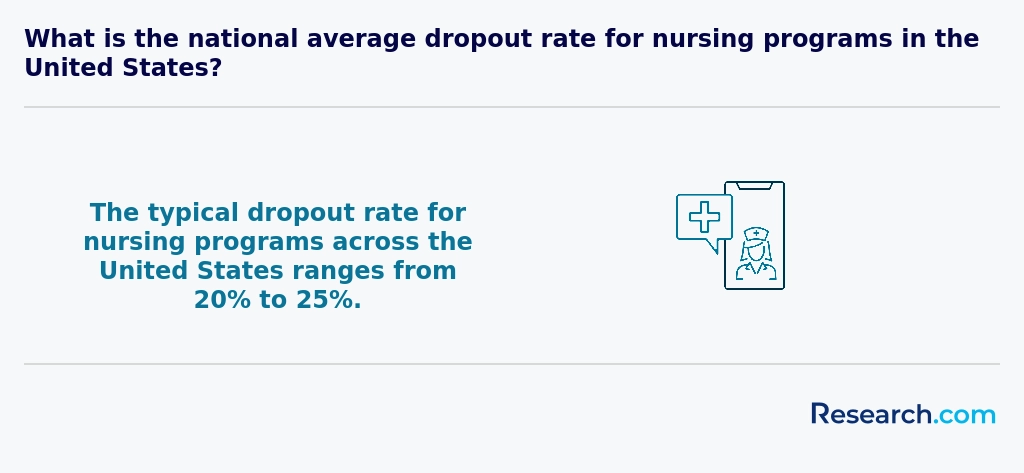
Recent NCLEX-RN pass rates for Nashville programs average between 85% and 95%, demonstrating strong academic preparation and clinical partnerships. After earning your RN license, many nurses advance their practice through online dnp programs.
Diving into nursing in Nashville, many students discover a treasure trove of financial aid that lightens the journey. At beloved schools like Belmont University or Vanderbilt, eager nursing students tap into federal Pell Grants, which can provide up to $7,395 yearly, easing the pressure of tuition costs that often range between $20,000 and $40,000.
Imagine a recent graduate from a Nashville college juggling studies and life, supported by the Tennessee HOPE Scholarship-an essential boost covering partial tuition when academic excellence meets residency criteria. Some locals share how hospitals like Vanderbilt University Medical Center became partners in their dreams, offering tuition assistance or loan repayment programs in exchange for future service.
The adventure continues with federal loans for those who need extra help, and for others, work-study programs create meaningful part-time jobs in clinical settings, turning campus health services into real-world classrooms. Veterans find their path funded by the GI Bill and state benefits, proving Nashville embraces all who strive in nursing.
Accreditation is a critical benchmark for any Nursing program in Nashville, TN, ensuring educational quality and eligibility for licensure exams. Prospective students should verify that their chosen institution holds accreditation from recognized bodies such as the Commission on Collegiate Nursing Education (CCNE) or the Accreditation Commission for Education in Nursing (ACEN). These accreditors evaluate factors like faculty qualifications, curriculum rigor, clinical partnerships, and student outcomes to uphold national standards. State approval from the Tennessee Board of Nursing is equally essential. Graduates from non-accredited or non-approved programs may be ineligible to sit for the NCLEX-RN licensing exam, delaying or preventing entry into the workforce. To confirm accreditation status:
- Visit the CCNE (www.aacnnursing.org/CCNE) and ACEN (www.acenursing.org) directories for accredited Nashville schools.
- Check the Tennessee Board of Nursing website for program approval lists.
- Review each program’s NCLEX-RN pass rates and employment statistics, which reflect both accreditation quality and institutional support. For students planning to advance their careers beyond a BSN or MSN, understanding accreditation impacts graduate studies as well. Many doctoral programs require applicants to hold degrees from accredited schools. Those exploring doctoral pathways may also compare the shortest dnp programs to accelerate their transition into leadership roles. Maintaining eligibility for federal financial aid further depends on attending accredited institutions. Unaccredited programs often disqualify students from grants, loans, and scholarships. By prioritizing accredited and state-approved Nursing programs in Nashville, TN, students safeguard their licensure prospects, financial aid eligibility, and long-term career advancement.
Diving into nursing programs in Nashville means gearing up with essential prerequisites that set you on a vibrant path toward care and compassion. Graduates from top local institutions often share how securing a high school diploma-or a GED-felt like unlocking the first door on their nursing journey. They recall tackling classes like biology with labs, chemistry, and anatomy, which weren't just checkboxes but exciting puzzles helping them understand the human body.
Many programs also ask for a solid GPA, usually between 2.5 and 3.0, reflecting your readiness to face the challenges ahead. Imagine preparing for the TEAS or HESI exams-not just tests but adventures in mastering reading, math, and science skills that fuel your confidence.
In bustling campuses across Nashville, students appreciate that background checks and immunization records safeguard everyone during clinical rotations, adding a layer of responsibility and care to your learning experience. Letter recommendations and interviews offer moments to showcase your passion and connect with mentors, turning prerequisites into stepping stones that open doors to an exciting nursing career.
Accreditation is a vital indicator of quality for nursing programs in Nashville, ensuring curricula meet rigorous standards set by bodies such as the Commission on Collegiate Nursing Education (CCNE) or the Accreditation Commission for Education in Nursing (ACEN). Prospective students should verify that their chosen institution holds regional accreditation and programmatic approval from the Tennessee Board of Nursing to guarantee eligibility for the National Council Licensure Examination (NCLEX-RN). NCLEX-RN pass rates reflect both the academic rigor and effectiveness of clinical training. In Nashville, top programs consistently report first-time pass rates exceeding 90%, with Vanderbilt University and Belmont University leading at 95% and 93% respectively in 2023. These high success rates not only demonstrate strong student preparation but also correlate with enhanced employability in competitive healthcare settings. Beyond licensure, graduates benefit from continued professional development. Accredited programs often provide access to specialty certification preparatory courses, such as those for Pediatric Nursing or Critical Care, further boosting career prospects. For students weighing cost and quality, our Low Cost Nursing Degree Programs Ranking in Oregon offers insights into affordable, accredited pathways that maintain high licensure success.
Diving into a nursing degree in Nashville means embracing a dynamic array of courses designed to ignite your passion for healthcare. At renowned institutions like Vanderbilt University and Tennessee State University, students quickly find themselves immersed in essential sciences-anatomy, physiology, microbiology, and chemistry-building a solid foundation that brings the human body to life.
Graduates often recall how studying pharmacology unlocked the mysteries behind life-saving medications, while pathophysiology revealed the subtle ways diseases disrupt the body's harmony. Hands-on classes like health assessment let students sharpen their skills by practicing evaluations in simulated patient settings, making the learning feel immediate and relevant.
The adventure continues with specialties such as adult and pediatric nursing, mental health, and maternal and newborn care, each opening a window into unique patient stories. Community and public health nursing courses invite students to engage with diverse populations, offering a meaningful glimpse into how nurses promote wellness beyond hospital walls.
Nursing degree specializations in Nashville open doors to exciting and meaningful healthcare paths. Graduates from Vanderbilt University and Tennessee State University often speak warmly of the Family Nurse Practitioner (FNP) track, where they gain hands-on experience caring for patients of all ages. This specialization is a vibrant choice for those drawn to primary care and community health, especially in Nashville's dynamic and expanding population. Another adventure awaits in Acute Care Nursing, perfect for students excited by the fast pace of hospital emergency rooms and ICUs, places that challenge and sharpen critical thinking under pressure.
For those curious about nurturing the next generation, Pediatric Nursing offers a rewarding journey focusing on infants and adolescents, a great fit given Nashville's family-oriented vibe. Best nursing programs with concentrations Nashville also highlight Psychiatric-Mental Health Nursing, Geriatric Nursing, and Community Health Nursing, where students feel deeply connected to local community needs.
Many aspiring nurses compare these in-person experiences with options like online lpn programs in philadelphia to weigh flexible learning paths alongside Nashville's rich hands-on opportunities.
Choosing the best nursing degree in Nashville feels like setting off on a personal quest-one graduate recalls the excitement of weighing options between a traditional four-year BSN and a faster ADN program. Many students discover that accredited programs linked to major hospitals such as Vanderbilt University Medical Center create invaluable clinical experiences that boost confidence and real-world skills. For instance, graduates often describe their time in Nashville's vibrant healthcare settings as eye-opening adventures that solidify their passion for nursing.
Affordability plays a key role too. Those seeking affordable nursing degrees Nashville-wide talk about juggling tuition costs, fees, and supplies, often unlocking financial aid like the Tennessee Promise to ease the journey. Plus, exploring programs' NCLEX-RN pass rates reveals how well schools prepare students to succeed, with many boasting over 85% pass rates.
Whether diving into the immersive BSN or exploring accelerated options, students frequently mention how Nashville's diverse program formats perfectly match different lifestyles. Curious learners keen on advancing can also explore shortest dnp programs to continue their adventure beyond the bachelor's degree.
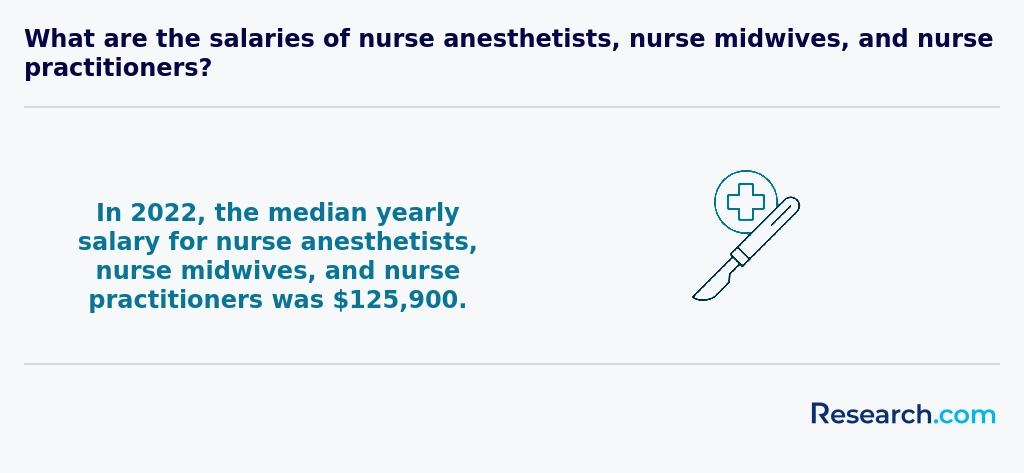
Graduates holding a nursing degree in Nashville can dive into an exciting array of career paths that match their evolving interests and skills. Many find themselves working as Registered Nurses, gaining hands-on experience at renowned places like Vanderbilt University Medical Center, where the pace and diversity of cases sharpen their clinical judgment daily. Others are thrilled by the prospect of advancing their careers through roles such as Nurse Practitioners or Nurse Anesthetists, stepping into positions that offer both autonomy and the opportunity to make significant impacts on patient outcomes.
The journey doesn't stop there-some nursing graduates explore specialties like pediatric or oncology nursing, embracing the challenge of mastering niche skills while serving vulnerable populations. Teaching at local colleges or engaging in public health allows graduates to shape the future of healthcare right here in Nashville. For those eager to navigate healthcare administration, their deep nursing knowledge helps drive system-wide improvements. With so many options, nursing career opportunities in Nashville inspire a vibrant professional life full of growth and meaningful contributions.
Cost-conscious students often explore Low Cost Nursing Degree Programs Ranking in Oregon to compare pathways, balancing investment with promising job prospects.
The nursing job market in Nashville bursts with opportunity, inviting graduates from local institutions like Tennessee State University and Middle Tennessee State University to dive into a vibrant healthcare scene. Graduates often share stories of landing rewarding roles in bustling hospitals or community health centers, where their skills directly impact lives. The city's strong demand for nurses means fresh BSN holders enjoy a variety of options, from long-term care to outpatient services, fueling a dynamic and evolving career path.
Nashville nursing degree employment outlook shines particularly bright thanks to the city's status as a healthcare hub anchored by Vanderbilt University Medical Center. This creates a steady influx of nursing jobs, encouraging graduates to embrace continued learning and growth. Those pursuing more affordable routes appreciate how tuition options align with regional incomes, complementing many employer tuition reimbursement programs. For those eager to speed their pathway, exploring programs like the fastest online associates degree can offer an adventurous leap into practice.
2027 Most Valuable Nursing Degree Programs Ranking in Nashville
Investing in your education is a significant decision that can shape your future, and the Research.com team understands the importance of making informed choices. To assist prospective students in Nashville, we have meticulously crafted the "2027 Most Valuable Nursing Degree Programs Ranking in Nashville." Our commitment to quality, credibility, and accuracy is reflected in the extensive research and analysis conducted to compile this ranking.
We utilized the following reputable data sources to ensure a comprehensive evaluation of nursing programs:
By exploring this ranking, readers will gain valuable insights into the most valuable nursing degree programs in Nashville, empowering them to make informed decisions about their educational paths. For more details on our methodology, please visit our Research.com methodology page.


Frequently Asked Questions About nursing
Nursing degree students in Nashville can maximize their learning experience by combining academic study with practical clinical exposure. Nashville hosts several accredited nursing programs that offer access to diverse healthcare settings, including major hospitals like Vanderbilt University Medical Center, which serves as an excellent clinical training site.
Engaging actively in clinical rotations helps students develop critical hands-on skills that complement theoretical knowledge. Additionally, joining student nursing associations in Nashville provides networking opportunities and mentorship from experienced nurses.
Research shows that students who participate in simulation labs and community health projects tend to perform better on the NCLEX-RN exam, the national licensing test.
Utilizing local resources and maintaining a balance between study and practical experience can lead to successful careers in Nashville's growing healthcare sector.
The nursing field in Nashville is evolving, with several emerging niches gaining attention. One growing area is geriatric nursing, driven by Tennessee's increasing elderly population. Nurses specialized in this field help manage chronic conditions and improve quality of life for seniors.
Another promising niche is telehealth nursing, especially significant in Nashville's expanding digital healthcare sector. Telehealth nurses provide remote patient care and education, a trend accelerated by recent healthcare needs.
Behavioral health nursing is also crucial due to rising mental health concerns regionally. Nurses here support patients with mental illnesses and substance abuse disorders.
According to the Tennessee Department of Labor, these specialized roles are projected to grow faster than traditional nursing jobs over the next decade.
Preparing for the job market after earning a nursing degree in Nashville involves strategic planning and practical experience. Graduates should prioritize obtaining licensure by passing the NCLEX-RN exam, which is mandatory to work as a registered nurse in Tennessee. According to the Tennessee Board of Nursing, over 85% of nursing graduates pass this exam on their first try when well-prepared.
Internships and clinical placements in Nashville-area hospitals, such as Vanderbilt University Medical Center, enhance employability by providing hands-on experience. Networking within local nursing organizations, including the Tennessee Nurses Association, offers valuable job leads and mentorship opportunities.
Additionally, considering certifications in specialized areas like critical care or pediatrics can increase job prospects. The Bureau of Labor Statistics projects a 17% growth in nursing employment through 2030 nationwide, and Nashville's expanding healthcare sector aligns with this trend.
Employers in Nashville seek nursing graduates with strong clinical skills and critical thinking abilities. According to data from the Tennessee Board of Nursing, hands-on patient care and familiarity with electronic health record systems are essential for new nurses entering the workforce.
Communication skills rank highly, as nurses collaborate with doctors, patients, and families daily. The ability to clearly report patient conditions and educate patients on treatment plans improves outcomes, according to a 2023 report by the Nashville Health Department.
Time management and adaptability are also crucial, given the fast-paced environment of Nashville's healthcare facilities. Nurses must prioritize tasks efficiently and adjust quickly to changing patient needs.
Finally, cultural competence is increasingly important in this diverse city. Employers value graduates who understand and respect the unique backgrounds of Nashville's population to provide inclusive care.
Finding nursing internships in Nashville involves a blend of strategic research and leveraging local healthcare resources. The city hosts several major hospitals, including Vanderbilt University Medical Center and TriStar Centennial Medical Center, which regularly offer clinical placements for nursing students.
Many nursing programs in Nashville require internships as part of their curriculum, so students should coordinate with their school's career services or clinical coordinators to access established partnerships.
Additionally, platforms like the Tennessee Board of Nursing website provide information on approved clinical sites and internship opportunities within the state.
Networking through professional nursing organizations, such as the Tennessee Nurses Association, can also reveal independent internship openings.
A nursing degree significantly enhances career mobility and advancement opportunities in Nashville's healthcare sector. Registered nurses (RNs) holding a Bachelor of Science in Nursing (BSN) are in higher demand, with local hospitals increasingly preferring BSN-prepared nurses for clinical roles and leadership positions. According to the Tennessee Department of Labor and Workforce Development, Nashville's healthcare employment is projected to grow 15% by 2030, stressing the need for qualified nursing professionals.
Advanced degrees, such as a Master of Science in Nursing (MSN), open doors to nurse practitioner roles and management jobs, which offer higher salaries and decision-making authority.
Continuing education aligns with Nashville's expanding hospital systems and specialized clinics, improving professional growth and job security.
Nursing degrees in Nashville emphasize interdisciplinary collaboration, preparing students to work alongside professionals from various healthcare fields. Programs integrate courses in communication, leadership, and healthcare technology, which are essential for effective teamwork in clinical settings.
Clinical placements in Nashville's diverse hospitals and health centers expose students to real-world interdisciplinary teams, including physicians, therapists, and social workers. According to the Tennessee Center for Nursing, over 70% of Nashville nursing programs include team-based clinical experiences, enhancing collaborative skills.
This approach aligns with industry demands as healthcare increasingly relies on coordinated care models to improve patient outcomes.
Choosing between a thesis and a non-thesis nursing degree program in Nashville depends on your career goals and academic interests. Thesis programs focus on research, requiring students to conduct original studies and write a detailed thesis. This path suits those interested in advancing to doctoral studies or research roles. Non-thesis programs emphasize practical skills and coursework, ideal for nurses aiming to enhance clinical expertise quickly.
Local institutions like Vanderbilt University and Tennessee State University offer both options, reflecting the diverse needs of Nashville's healthcare landscape. The city's growing healthcare sector, with over 200,000 nursing jobs statewide, demands both research and clinical professionals (Bureau of Labor Statistics, 2023).
Students in Nashville interested in studying nursing abroad have several pathways to explore through U.S. institutions offering international programs. Many universities in Tennessee, including those in Nashville, partner with global universities to provide study abroad opportunities that combine nursing coursework with clinical experience overseas.
Notably, institutions often focus on countries with strong healthcare systems, such as the United Kingdom, Australia, and Canada. These programs typically last one semester to a full academic year. Participation in such programs can enhance cultural competence and global healthcare understanding, crucial for modern nursing.
Financial aid options and academic credit transfer are key considerations. Students should consult their university's study abroad office and nursing department to find accredited programs aligned with the Commission on Collegiate Nursing Education (CCNE) or Accreditation Commission for Education in Nursing (ACEN) standards.
Part-time job opportunities in Nashville that complement nursing degree education often include roles within healthcare settings that provide practical experience. Positions such as certified nursing assistant (CNA), medical assistant, or patient care technician are common choices. These roles allow students to develop clinical skills on the job while balancing coursework.
Nashville's healthcare sector is robust, with facilities like Vanderbilt University Medical Center and HCA Healthcare employing many part-time workers. According to the Tennessee Department of Labor and Workforce Development, healthcare support occupations in Nashville are expected to grow by approximately 15% through 2030, reflecting increasing demand.
Additionally, tutoring in anatomy or physiology for peers or volunteering in community health programs can enrich nursing students' understanding and resume.
Nashville offers nursing students numerous networking opportunities essential for career growth. Local chapters of national organizations, such as the Tennessee Nurses Association, provide events, workshops, and volunteer experiences for connections within the nursing community. Additionally, nursing programs at institutions like Vanderbilt University and Belmont University often host career fairs and alumni mixers, fostering relationships with healthcare employers.
The city's large healthcare industry, including centers like Vanderbilt University Medical Center, supports internships and shadowing, allowing students to build professional contacts. According to the Tennessee Department of Health, Nashville employs over 12,000 registered nurses, creating a dynamic environment for networking and job placement.
Alumni networks offer significant advantages to nursing degree students in Nashville by creating connections to experienced professionals and local healthcare employers. Nursing alumni often share job leads and internship opportunities, which is crucial given Nashville's expanding healthcare sector, now home to over 300 hospitals and clinics, according to the Tennessee Department of Health.
These networks also provide mentorship, guiding students through clinical challenges and career planning. Studies show that nursing graduates engaged with alumni groups report higher job placement rates within six months of graduation. For students in Nashville, this local support helps navigate the competitive nursing job market effectively.
Additionally, alumni events foster continuing education and professional development, crucial in a field that evolves rapidly due to medical advances. Through such networks, students maintain valuable ties that extend beyond graduation, promoting long-term career growth in Nashville's healthcare community.
Customizing a nursing degree program in Nashville allows students to align their education with specific career goals. Many local institutions offer flexible options such as choosing between Bachelor of Science in Nursing (BSN), RN-to-BSN, and Master of Science in Nursing (MSN) tracks.
Specializations like pediatrics, gerontology, or nurse anesthesia enable students to focus their studies. Elective courses and clinical placements provide targeted practical experience. Additionally, some Nashville programs partner with healthcare facilities in the region, giving students exposure to diverse patient populations.
According to the Tennessee Board of Nursing, over 70% of nursing students in the state select programs offering clinical rotations in local hospitals, supporting career-focused training.
Nursing students in Nashville encounter several challenges related to the demanding nature of their education. Clinical placements often require extensive hours, which can conflict with part-time jobs or family responsibilities. According to the Tennessee Board of Nursing, high enrollment rates have intensified competition for these clinical spots.
Additionally, many students report stress due to rigorous coursework and the pressure to maintain high academic standards. The Tennessee Nurses Association highlights that managing time efficiently is crucial for success in such programs.
Financial concerns also play a significant role, as tuition and associated costs can be burdensome, making access to scholarships and financial aid essential for many learners.
With a nursing degree in Nashville, you can pursue several professional certifications to advance your career. Common options include the Registered Nurse (RN) license, which is the foundational credential required to practice nursing. Beyond this, you might consider specialty certifications, such as Certified Nurse Practitioner (CNP), Certified Nurse Midwife (CNM), or certifications in pediatric, geriatric, and critical care nursing.
The Tennessee Board of Nursing oversees certification and licensure, ensuring nurses meet statewide standards. Specialty certifications often require passing national exams from organizations like the American Nurses Credentialing Center (ANCC).
According to the Tennessee Department of Health, Nashville's healthcare sector continues to grow, increasing demand for certified nursing professionals with advanced skills and credentials.
To write a winning application for a nursing program in Nashville, begin by researching the specific requirements of programs such as those at Belmont University or Vanderbilt University School of Nursing. Most programs ask for a strong academic record, including a minimum GPA of around 3.0. Highlight your completed prerequisite courses like anatomy, physiology, and microbiology.
Include a well-crafted personal statement that clearly explains your motivation for nursing, relevant experiences, and career goals. Nashville-area employers value clinical experience, so mention any volunteer work or employment in healthcare settings.
Also, prepare for entrance exams like the TEAS, which many Tennessee nursing programs require. According to the Tennessee Board of Nursing, competitive applicants often score above the 60th percentile.
Finally, obtain strong letters of recommendation, preferably from healthcare professionals or educators familiar with your skills. This approach demonstrates your readiness and commitment to joining Nashville's nursing workforce.
The global perspective on a nursing career highlights growing demand and diverse opportunities. In the United States, including Nashville, registered nurses can expect a 6% job growth from 2021-2031, according to the U.S. Bureau of Labor Statistics. This growth reflects worldwide shortages and an aging population.
Nashville, home to major healthcare providers like Vanderbilt University Medical Center, offers excellent training and employment options for nursing graduates. Globally, nurses often engage in public health, research, and advanced practice roles, demonstrating the profession's expanding scope beyond bedside care.
Internationally, nursing emphasizes cultural competence and adaptability, skills increasingly valued in multicultural Nashville healthcare settings.
Gaining practical experience while pursuing a nursing degree in Nashville is essential for building clinical skills and confidence. Many nursing programs in the area require students to complete supervised clinical rotations in local hospitals, clinics, and healthcare centers. Facilities like Vanderbilt University Medical Center and TriStar Centennial Medical Center often partner with schools to provide these hands-on opportunities.
Additionally, students can seek internships or volunteer roles to supplement their learning. According to the Tennessee Board of Nursing, clinical hours are mandated to meet licensure requirements, typically ranging from 500 to 700 hours depending on the program type. These experiences help students apply classroom knowledge to real-world patient care, improving readiness for professional practice.
Choosing the right concentration within a nursing degree in Nashville requires understanding both your career goals and the local healthcare landscape. Nursing programs in Nashville often offer concentrations such as family nurse practitioner, pediatric nursing, or psychiatric-mental health. According to the Tennessee Department of Health, demand for family nurse practitioners is growing rapidly, fueled by Nashville's expanding population and healthcare facilities.
Consider your interest areas, lifestyle preferences, and the patient populations you want to serve. Research local hospitals and clinics to see which specialties are most in demand. Additionally, verify that the program's concentration is accredited by the Commission on Collegiate Nursing Education (CCNE) or the Accreditation Commission for Education in Nursing (ACEN).
Many Nashville programs also provide clinical placements within the city's major medical centers, offering valuable hands-on experience. Finally, factor in certification requirements for your chosen concentration, as these vary and influence your professional licensing and employability.
- 2027 Most Valuable Nursing Degree Programs Ranking in Louisville
- 2027 Most Valuable Nursing Degree Programs Ranking in Birmingham
- 2027 Most Valuable Nursing Degree Programs Ranking in Memphis
- 2027 Most Valuable Nursing Degree Programs Ranking in Atlanta
- 2027 Most Valuable Nursing Degree Programs Ranking in Cincinnati
- 2027 Most Valuable Nursing Degree Programs Ranking in Indianapolis
- 2027 Most Valuable Nursing Degree Programs Ranking in Saint Louis
- 2027 Most Valuable Nursing Degree Programs Ranking in Macon
- 2027 Most Valuable Nursing Degree Programs Ranking in Columbus
- 2027 Most Valuable Nursing Degree Programs Ranking in Charlotte
See What Experts Have To Say About Studying Nursing
Read our interview with Nursing experts


- Top Nursing Skills U.S. Employers Want to See on Your Resume | O'Grady Peyton https://www.ogradypeyton.com/blog/job-seeker-resources/top-nursing-skills-u.s.-employers-want-to-see-on-your-resume
- Top Skills Employers Want in Practical Nursing Graduates https://vervecollege.edu/what-employers-look-for-in-practical-nursing-graduates/
- Career Advancement Pathways for Nurses : Expert RN shares 10+ Professional growth opportunities - MuminMed https://blog.muminmed.com/career-advancement-pathways-for-nurses/
- Interdisciplinary Education and Practice https://www.aacnnursing.org/news-data/position-statements-white-papers/interdisciplinary-education-and-practice
- Practical Nursing https://tcatnashville.edu/programs/practical-nursing
- Essential Tips for Nursing Students to Advance Their Careers https://almanaltraining.com/essential-tips-for-nursing-students-to-advance-their-careers/
- Nursing Financial Aid https://nursinglicensemap.com/resources/nursing-financial-aid/
- What Are Emerging Trends in Nursing? | NursingEducation https://nursingeducation.org/insights/emerging-trends/
- How to Choose a Nursing Program: A Comprehensive Guide - Madonna ABSN https://absn.madonna.edu/blog/how-to-choose-a-nursing-program/
- Clinical Experience for Nursing Students: A Critical Career Step https://beal.edu/clinical-experience-for-nursing-students/