2027 Most Valuable Nursing Degree Programs Ranking in Tennessee

Co-Founder and Chief Data Scientist
Choosing the right nursing degree program can be a big step toward a rewarding career in healthcare. For students in Tennessee, this article offers valuable insights to help guide that decision.
The 2027 Most Valuable Nursing Degree Programs Ranking in Tennessee was developed by the Research.com team of data scientists to highlight nursing programs that provide strong value and opportunities.
By exploring this ranking, you'll discover programs suited to your goals and learn which options offer the best potential for growth and success in nursing.
Key benefits of getting nursing degree in Tennessee
- Graduates with a nursing degree in Tennessee can expect competitive salaries, such as $94,480 annually for Registered Nurses and Clinical Nurse Educators, while Operating Room Nurses earn around $128,490 per year, offering financial stability and growth.
- Career paths for nursing graduates often include roles in hospitals, community health settings, or education, similar to many graduates from the University of Tennessee who find diverse opportunities in their field.
- Online nursing degrees from institutions like Western Governors University provide flexible scheduling and the ability to balance work and study, making it easier for students to advance their careers without disrupting their lives.
- 2027 Most Valuable Nursing Degree Programs Ranking in Tennessee
- What can I expect from nursing degree in Tennessee?
- Where can I work with nursing degree in Tennessee?
What can I expect from nursing degree in Tennessee?
The average cost of pursuing a nursing degree in Tennessee reflects both accessibility and quality education. For many students attending community colleges, such as those in the Tennessee Board of Regents system, tuition for an Associate Degree in Nursing (ADN) typically runs around $5,000 per year. Graduates often share how the affordable tuition allowed them to focus fully on their studies and clinical practice without overwhelming financial stress.
For those aiming higher with a Bachelor of Science in Nursing (BSN) at popular universities like the University of Tennessee or Vanderbilt University, costs can rise to $20,000 or more annually. Yet many alumni recall that scholarships, financial aid, and flexible payment options eased their journey. They found the investment rewarding as it opened doors to more advanced roles and enhanced patient care skills.
This financial range enables students across Tennessee to choose the pathway that best suits their goals and circumstances, inspiring confidence in their decision to join the nursing profession.
Where can I work with nursing degree in Tennessee?
Graduates with a nursing degree from Tennessee universities like Belmont or the University of Tennessee often find fulfilling careers in diverse healthcare settings statewide. Many feel inspired working in bustling hospitals such as Vanderbilt University Medical Center, where they make a real difference in patients' lives every day. This hands-on experience often boosts confidence and sharpens critical skills.
Others discover rewarding roles in outpatient clinics and community health centers, enjoying the chance to build lasting relationships with patients while supporting chronic care management. Imagine the satisfaction of helping families manage health challenges in a close-knit neighborhood setting, a reality for many nursing grads around Memphis and Knoxville.
Long-term care facilities and home health agencies offer meaningful opportunities to provide compassionate care for Tennessee's aging population. Graduates frequently express pride in delivering personalized support to elders, knowing their work fosters dignity and comfort.
For those passionate about teaching or leadership, advanced degrees open doors in nursing education and healthcare management, allowing graduates to shape the future of nursing in Tennessee. The range of career paths available encourages every student to dream big.
Graduates from nursing programs at respected Tennessee institutions like the University of Tennessee or Belmont College often find rewarding career paths with strong earning potential. For example, many start as registered nurses earning an average annual wage near $94,480, reflecting solid entry-level compensation that grows with experience.
Those who pursue specialized roles such as clinical nurse educators, public health nurses, or emergency room nurses can also expect similar wages around $94,480 annually, showcasing how versatile and stable nursing careers can be in Tennessee's healthcare landscape.
Nurses aiming for advanced positions like operating room nurses see even greater financial rewards, with mean salaries reaching approximately $128,490 per year. These roles are often associated with exciting, fast-paced environments in major medical centers in Nashville or Memphis, inspiring graduates to reach new professional heights.
Many graduates share stories of feeling fulfilled and motivated, knowing their nursing degree opens doors to impactful jobs with competitive pay while serving their communities. This combination of passion and prosperity makes nursing an excellent choice for students preparing to launch their careers in Tennessee.
- Tennessee offers nursing programs including LPN, ADN, and BSN, with BSN preferred for career growth.
- In-state tuition for BSN programs ranges from $30,000 to $45,000, while ADN programs average $8,000 to $15,000.
- The nurse employment growth rate in Tennessee is about 12% through 2030, higher than the national average.
- Starting salaries for BSN-educated RNs range from $55,000 to $60,000 annually, and ADN graduates start around $48,000 to $53,000.
- Nurses must pass the NCLEX-RN exam and complete continuing education to maintain licensure in Tennessee.
Completing a nursing degree in Tennessee is an achievable and rewarding journey that varies depending on the path you choose. At popular schools like Middle Tennessee State University or the University of Tennessee, aspiring nurses find hope knowing an Associate Degree in Nursing (ADN) takes about two years, a manageable timeframe to begin a fulfilling career. Many ADN graduates celebrate passing the NCLEX-RN exam and stepping confidently into their roles as registered nurses.
For those aiming higher, a Bachelor of Science in Nursing (BSN) often takes four years at institutions like Belmont University or East Tennessee State University. Graduates frequently share how their comprehensive education prepared them not just for nursing but leadership roles, giving them pride in their expanded skills and knowledge.
RN-to-BSN bridge programs, lasting 12 to 24 months, empower working nurses to advance their education while balancing life. Meanwhile, driven students pursuing a Master of Science in Nursing (MSN) embrace an additional two years or more, confident they are opening doors to rewarding advanced roles in administration or education across Tennessee's healthcare landscape.
When evaluating the true “value” of a nursing degree in Tennessee, it’s essential to compare total program costs against projected earnings and career longevity. For instance, a Bachelor of Science in Nursing (BSN) at a public university averages $22,389 per year, totaling roughly $89,556 over four years. Given that the mean annual wage for Registered Nurses in Tennessee is $89,010, many BSN graduates recoup their tuition investment in as little as one year. Even Associate Degree in Nursing (ADN) students, with a two-year cost of about $23,900, can break even within six months of starting their careers at the state’s mean hourly wage of $42.80. Beyond first-year salaries, career advancement significantly boosts return on investment. Registered Nurses who pursue specialized certifications-such as becoming an Operating Room Nurse with a mean wage of $124,680-can see ROI accelerate within two to three years post-graduation. For those eyeing a terminal degree, enrolling in a quick dnp program reduces time-to-practice and maximizes lifetime earnings. DNP graduates often command salaries 20–30% higher than MSN-prepared clinicians, shortening the payback period despite higher upfront costs. Long-term ROI also hinges on job stability and advancement potential. With Tennessee’s nursing employment projected to grow 6% through 2032 and over 193,000 annual openings nationwide, graduates benefit from robust demand and competitive hiring packages. Factoring in annual raises (averaging 3–5%) and loan‐forgiveness programs available to those in underserved regions, the cumulative financial advantage of a nursing credential in Tennessee often exceeds six figures within the first decade of practice-underscoring the discipline’s exceptional return on educational investment.
Choosing between online and on-campus nursing degrees in Tennessee means embracing the style of learning that fits your life best. Online programs, like those offered by several recognized universities across the state, give you the freedom to balance work, family, and study. Imagine accessing lectures from home and completing assignments on your schedule, while still gaining hands-on clinical experience at local hospitals through arranged partnerships. Graduates often share how this flexibility empowered them to pursue their dreams without sacrificing their current responsibilities.
On the other hand, traditional on-campus programs at top Tennessee colleges provide a vibrant learning environment with direct access to simulation labs and instructors. Students thrive in this setting by forming strong connections with peers and mentors, fueling motivation and confidence. Many find the structured schedule helps maintain focus and a deep immersion in nursing culture.
Both paths uphold Tennessee's high standards and prepare you to shine on the NCLEX-RN licensure exam, promising a rewarding nursing career full of opportunity and growth.
When evaluating nursing degree programs in Tennessee, one crucial aspect to consider is affordability. Prospective students must weigh the costs of tuition, fees, and living expenses against potential financial aid packages and future career earnings. For those seeking budget-friendly options, exploring affordable nursing schools in tennessee can provide valuable insights into institutions that offer quality education at a lower cost. By understanding the financial implications of their educational choices, students can make informed decisions that align with their budget and career aspirations, ultimately setting themselves up for success in the nursing field.
The average cost of a nursing degree in Tennessee reflects a balanced investment toward a rewarding healthcare career. In-state students pursuing ADN or BSN programs typically see total costs around $25,620, while out-of-state students may expect totals nearer $39,206. These figures cover tuition and fees, offering a clear picture that nursing education in Tennessee remains accessible and competitive when compared to national averages.
Graduates from well-known public institutions in Tennessee often share how manageable costs combined with quality education open doors to valuable opportunities. Imagine attending a popular state university with robust clinical partnerships where students enhance their skills without overwhelming financial stress. Such real-life experiences highlight the powerful synergy between cost and educational value that Tennessee nursing programs provide, making the journey both inspiring and feasible.
Financial aid options, scholarships, and state grants frequently ease the burden, enabling more students to pursue their passion. Nursing students at community colleges find affordable ADN pathways with tuition in the range of $4,000 to $7,000 annually for residents, balancing their budgets while receiving hands-on training. For those exploring BSN programs, the cost typically ranges between $10,000 and $15,000 per year at public universities, creating strong foundations for future nurses.
When considering the average nursing degree cost Tennessee offers, prospective students are encouraged to explore tailored programs that fit their needs, including accelerated and online formats. For more information on specific options and affordability, check out the affordable nursing schools in tennessee.

Graduates from Tennessee nursing programs often see a strong return on their educational investment, balancing tuition costs against post‐graduation earnings and career advancement. Key metrics that illustrate this include:
- Average Student Debt: Nursing graduates from public universities in Tennessee carry an average debt of $24,500, a figure below the national average for healthcare degrees.
- Salary-to-Cost Ratio: With a mean starting salary of $65,000 for new RNs and $89,010 for experienced RNs, Tennessee graduates typically recoup their investment within 3–4 years post‐graduation.
- Employment Rate: About 92% of nursing alumni secure full‐time positions within six months of passing the NCLEX‐RN, minimizing the gap between graduation and income generation. Case Study – University of Tennessee, Knoxville A 2021 cohort analysis shows: • Median debt per graduate: $23,800 • First‐year salary: $67,500 • Breakeven point: 3.2 years Vanderbilt University graduates report slightly higher debt levels (around $32,000) but also command starting salaries near $75,000, achieving ROI in approximately 4 years due to accelerated leadership and research roles. For students seeking the most cost-efficient pathways, consider our Low Cost Online Nursing Degree Programs Ranking in Pennsylvania for a comparative analysis of affordable online options that can further reduce educational expenses while maintaining quality.
Many Tennessee nursing students find hope and relief through a variety of financial aid programs designed to make their education more affordable. Graduates from schools like the University of Tennessee Health Science Center often share how Pell Grants, which provide up to $7,395 annually without repayment, helped them focus on their studies instead of finances. These need-based grants serve as a powerful foundation for managing tuition costs.
Federal student loans, including Direct Subsidized and Unsubsidized Loans, offer flexible borrowing options with low interest, giving students the confidence to invest in their futures. Programs like the Nurse Corps Loan Repayment encourage graduates to serve in critical shortage areas in Tennessee, turning their dedication into tangible loan forgiveness.
State-specific awards like the Tennessee HOPE Scholarship and HOPE Access Grant further reduce costs at public institutions such as Middle Tennessee State University. Nursing students praise how these opportunities, combined with scholarships from the Tennessee Nurses Foundation and local hospitals, made achieving their dreams feel genuinely possible and rewarding.
Licensed Practical Nurse (LPN)-to-Registered Nurse (RN) bridge programs in Tennessee offer an efficient pathway for LPNs and recent diploma graduates to obtain an Associate Degree in Nursing (ADN) or Bachelor of Science in Nursing (BSN) in as little as 12–24 months. By recognizing prior coursework and clinical experience, these accelerated tracks focus on advanced nursing concepts-such as pharmacology, community health, leadership, and evidence-based practice-while minimizing redundant instruction. Graduates emerge well-prepared to sit for the NCLEX-RN, often reporting pass rates above the national average due to intensive faculty mentoring and small cohort sizes. Admission criteria typically include an active LPN license, completion of prerequisites (anatomy, physiology, microbiology), and a minimum GPA of 2.5–3.0. As part of the curriculum, students engage in diverse clinical rotations across hospitals, outpatient clinics, and long-term care facilities, ensuring hands-on proficiency in acute and chronic care settings. Many programs also integrate simulation lab experiences, equipping future RNs with critical decision-making skills under supervised conditions. For those exploring foundational training options before progressing to an RN track, related opportunities can be found through specialized lpn programs in nc. By choosing an accredited bridge program that aligns with individual career goals and clinical interests, LPNs can fast-track their advancement into high-demand RN roles while leveraging their existing expertise.
To embark on a nursing degree journey in Tennessee, you'll need a solid foundation that many successful graduates from well-known institutions like the University of Tennessee Health Science Center or Belmont University started with. The first step is having a high school diploma or GED, often paired with coursework in biology, chemistry, and math. This preparation builds the confidence essential for mastering nursing concepts.
Many students recall that completing prerequisite college courses such as anatomy, physiology, and microbiology gave them a clear head start, making later classes feel manageable and exciting. Scoring well on entrance exams like the TEAS becomes a strong indicator of readiness, opening doors to these inspiring programs.
Proof of immunizations and a clear background check ensure safety for both students and patients, reinforcing trust within clinical settings. Financial planning, including tuition and related fees, forms a vital part of this journey, supported by resources that hopeful nurses appreciate as they move forward with determination and hope.
Accreditation and licensure outcomes are critical indicators of program quality and graduate readiness.
- Look for CCNE or ACEN accreditation to ensure curriculum meets national standards.
- Verify Tennessee Board of Nursing approval for state licensure eligibility.
- Compare NCLEX-RN pass rates: top Tennessee programs often exceed 90%. For example:
- University of Tennessee Health Science Center: ~96%
- Middle Tennessee State University: ~93%
- Tennessee State University: ~91%
When affordability is key, consider cheapest online rn to bsn programs, ensuring they are accredited and maintain strong NCLEX pass rates.
Nursing degree programs in Tennessee offer a vibrant blend of courses designed to empower you with both knowledge and hands-on skills. Graduates from well-known universities in the state often recall how foundational science classes like human anatomy and physiology brought the human body to life, making every lecture feel like a step closer to real patient care. Microbiology and chemistry deepen this understanding, sparking confidence as you learn the science behind health and illness.
Courses such as nursing fundamentals and pharmacology provide essential tools to ensure safety and effective medication management, preparing you for busy hospital shifts or community health settings. Many graduates from Tennessee's colleges share how pathophysiology helped them connect theory to practice, understanding how diseases impact body systems in ways they witness daily.
Programs also include vital community health nursing and mental health nursing classes, reflecting Tennessee's commitment to comprehensive care. These subjects create compassionate nurses ready to support diverse patients emotionally and physically, turning classroom lessons into meaningful, real-life impact.
Nursing degree specializations in Tennessee offer exciting paths tailored to meet the evolving needs of the state's healthcare system. Graduates from universities like the University of Tennessee and Belmont University often share how specializing in Registered Nurse (RN) to Bachelor of Science in Nursing (BSN) programs, including community health and pediatric nursing, empowered them to serve diverse populations with confidence and compassion.
Many students find motivation in advanced fields such as Family Nurse Practitioner (FNP), responding to Tennessee's growing demand for skilled primary care providers. Others are inspired by the dynamic environments of Critical Care Nursing or Psychiatric-Mental Health Nursing, where quick thinking and empathy make a real impact every day.
Additional paths like Geriatric Nursing, Labor and Delivery Nursing, and Pediatric Nursing allow aspiring nurses to focus their talents on Tennessee's aging population and its children's health. For those seeking hands-on learning, local colleges provide comprehensive programs rich with varied clinical experiences. Some even explore lpn programs in nc as a stepping stone.
With specialized nursing programs Tennessee offers, students feel inspired to build meaningful careers that truly make a difference.
Choosing the best nursing degree in Tennessee is a journey filled with exciting possibilities that align with your passion and goals. Imagine starting at a community college with an affordable ADN program, completing it in two years, and stepping confidently into a healthcare role as a Registered Nurse. Many graduates from these programs at Tennessee colleges share how this path offered a swift, budget-friendly launch to their nursing careers.
Alternatively, if you envision leadership and broader opportunities, a BSN from a university in Nashville or Memphis can open doors that others might not see. Graduates often highlight how these programs' Magnet hospital connections elevated their career options and boosted their earning potential. To support your dreams, look carefully for programs recognized by the Tennessee Board of Nursing and accredited by ACEN or CCNE to ensure a smooth path toward licensure.
Don't forget to explore flexible schedules and clinical rotations at local hospitals, which graduates say make balancing life and learning much easier. For those seeking advanced paths, consider a quick dnp program to continue growing in your profession. Finding the best nursing programs in Tennessee means blending your ambitions with practical choices-leading you to a fulfilling, vibrant nursing career.
When cost matters, remember affordable nursing degrees Tennessee offer strong foundations and inspiring success stories to motivate your next steps.
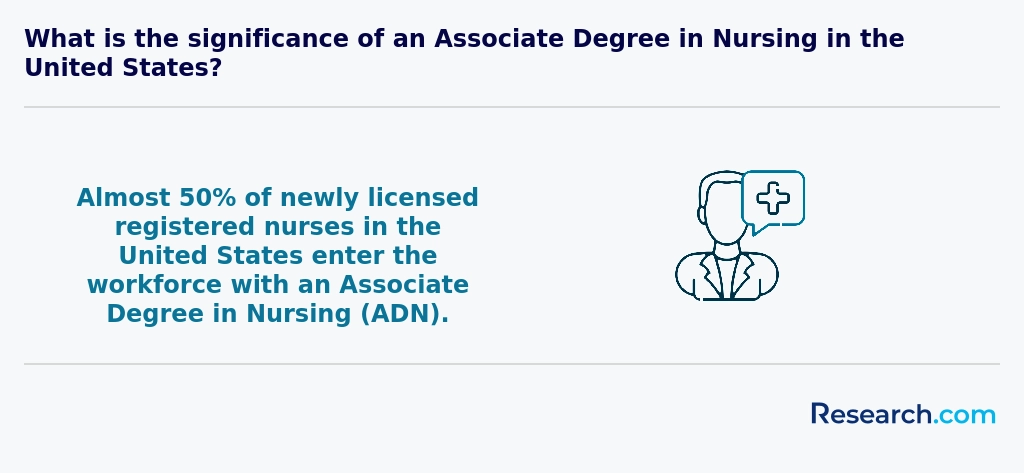
Graduates of nursing programs in Tennessee step into a world full of rewarding nursing career opportunities in Tennessee that suit a wide range of passions and skills. Whether earning an ADN from a community college or a BSN from popular institutions like the University of Tennessee or Belmont University, many find exciting roles in hospitals, outpatient clinics, and community health centers. These positions offer hands-on, impactful care, from pediatrics to geriatric nursing, creating moments that truly inspire and motivate.
Beyond clinical settings, nursing degree job prospects Tennessee expand into specialized fields such as critical care or oncology nursing, where nurses deliver expert care to patients facing serious health challenges. Graduates often share how working in ICUs or nursing homes transforms not just their careers but their sense of fulfillment.
Many also pursue leadership or education roles at major Tennessee colleges, helping new nurses train for the future. For those balancing budgets, affordable options abound; check out the Low Cost Online Nursing Degree Programs Ranking in Pennsylvania for inspiration on accessible paths that complement ambitions.
The nursing job opportunities in Tennessee are thriving, powered by a strong demand for skilled professionals in diverse healthcare settings. Graduates from respected programs at universities such as the University of Tennessee Health Science Center and Belmont University often find rewarding positions in bustling cities like Nashville or in underserved rural communities. Many of these graduates share stories of their smooth transition from campus clinicals to real-world nursing roles in hospitals, outpatient centers, and community health organizations, where their expertise is deeply valued.
For those exploring the employment outlook for nursing graduates Tennessee offers, the future looks bright with a projected growth rate faster than the national average. Graduates with Bachelor of Science in Nursing (BSN) degrees frequently access better job prospects and salaries. Additionally, specialization in pediatrics or critical care further opens doors. Many students appreciate that financial investment remains manageable compared to other states, with options to enhance education through accessible programs like the top online associate's degree in 6 months.
2027 Most Valuable Nursing Degree Programs Ranking in Tennessee
Investing in your education is a significant decision that can shape your future, and the Research.com team understands the importance of making informed choices. To assist prospective students in Tennessee, we have meticulously crafted the "2027 Most Valuable Nursing Degree Programs Ranking in Tennessee." Our commitment to quality, credibility, and accuracy is reflected in the extensive research and analysis conducted to compile this ranking.
We utilized the following reputable data sources to ensure a comprehensive evaluation of nursing programs:
By exploring this ranking, readers will gain valuable insights into the most valuable nursing degree programs in Tennessee, helping them make informed decisions about their educational paths and career prospects. For more details on our methodology, please visit our Research.com methodology page.


Frequently Asked Questions About nursing
Nursing students in Tennessee can maximize their learning by actively engaging in clinical experiences, which are critical for developing practical skills. The Tennessee Board of Nursing requires supervised clinical hours, offering valuable real-world exposure. Students should seek programs accredited by the Accreditation Commission for Education in Nursing (ACEN) or the Commission on Collegiate Nursing Education (CCNE) to ensure quality education.
Additionally, many Tennessee nursing schools integrate simulation labs that enhance critical thinking. Joining nursing organizations like the Tennessee Nurses Association can provide networking and professional development opportunities. Staying informed about state-specific healthcare needs, such as addressing rural health disparities, helps tailor learning to Tennessee's workforce demands.
The nursing field in Tennessee is expanding beyond traditional roles, creating new opportunities for specialized careers. One emerging niche is telehealth nursing, which grew due to increased demand for remote patient care during the COVID-19 pandemic. According to the Tennessee Board of Nursing, telehealth services are expected to continue growing as technology advances.
Another area gaining attention is geriatric nursing, driven by Tennessee's aging population. Nurses with expertise in elderly care are increasingly needed in long-term care facilities and community health programs.
Additionally, nurse informatics combines healthcare and information technology to improve patient outcomes and efficiency.
After completing a nursing degree in Tennessee, preparation for the job market involves several key steps to increase employability. First, graduates must pass the National Council Licensure Examination for Registered Nurses (NCLEX-RN), which is required for all registered nurses in Tennessee. According to the Tennessee Board of Nursing, the state had an 86% NCLEX pass rate in 2023.
Networking is crucial; joining local chapters of professional organizations like the Tennessee Nurses Association can provide job leads and mentorship. Additionally, gaining hands-on clinical experience through internships during your degree helps build valuable skills employers seek.
Understanding the local job market is vital-Tennessee expects a 15% increase in nurse employment by 2030, especially in rural areas.
Employers in Tennessee highly value nursing degree graduates who demonstrate strong clinical skills and critical thinking. The Tennessee Department of Health emphasizes proficiency in patient assessment and care planning as essential.
Effective communication is another key skill, since nurses must collaborate with patients, families, and healthcare teams. According to the Bureau of Labor Statistics, Tennessee's healthcare employers prioritize teamwork and adaptability in fast-paced settings.
Additionally, familiarity with electronic health records (EHR) systems is increasingly required. The Tennessee Center for Nursing reports that digital competence improves efficiency and patient safety. Time management and ethical decision-making are also commonly sought attributes by hospitals across the state.
Finding internships relevant to a nursing degree in Tennessee involves several key steps. First, students should consult their nursing program's clinical placement office, as many Tennessee nursing schools partner with local hospitals and clinics for internships. Facilities such as Vanderbilt University Medical Center and Regional One Health in Memphis often provide internship opportunities.
The Tennessee Board of Nursing requires nursing students to complete clinical hours, making internships essential. Students should also explore state healthcare job boards and local health departments for openings. Joining professional organizations like the Tennessee Nurses Association can offer networking and internship resources.
Additionally, websites like the Tennessee Higher Education Commission provide guidance on accredited nursing programs and affiliated clinical partners, which can lead to internship placements.
A nursing degree significantly enhances career mobility and advancement opportunities for healthcare professionals in Tennessee. According to the Tennessee Center for Nursing, registered nurses (RNs) with a Bachelor of Science in Nursing (BSN) or higher have better access to leadership roles, specialty certifications, and higher salaries. The Tennessee Department of Labor projects a 16% growth in nursing jobs through 2030, emphasizing the increasing demand for qualified nurses.
Advanced degrees, such as a Master of Science in Nursing (MSN), enable nurses to pursue roles in administration, nurse practitioner positions, and educator roles, widening career paths. Employers in Tennessee increasingly prefer or require BSN-prepared nurses, aligning with national trends promoted by the American Nurses Association.
The degree also supports interstate mobility through state licensure compacts, allowing Tennessee nurses to work across multiple states more easily. Overall, investment in nursing education in Tennessee is a strategic step for career advancement in a competitive healthcare environment.
Studying for a nursing degree in Tennessee equips students with essential skills for interdisciplinary roles through comprehensive curricula emphasizing teamwork and collaboration. Many programs integrate clinical experiences that involve working alongside physicians, pharmacists, social workers, and other healthcare professionals.
The Tennessee Board of Nursing supports education that fosters communication and coordination among care teams, crucial for improving patient outcomes. According to the Tennessee Center for Nursing, over 60% of hospitals in the state prioritize nurses trained in interdisciplinary settings.
Additionally, nursing students often participate in simulation labs and case studies designed to mirror real-world healthcare environments. These experiences prepare graduates to navigate complex decision-making processes within diverse teams.
Such preparation aligns with the growing demand for nurses who can contribute effectively to multi-professional care, especially in Tennessee's expanding healthcare sector.
When choosing between a thesis and a non-thesis nursing degree program in Tennessee, consider your career goals and learning preferences. Thesis programs focus on original research, which is ideal if you plan to pursue advanced academic roles or doctoral studies. Non-thesis tracks emphasize practical skills and clinical experience, preparing you directly for nursing practice or administrative roles.
In Tennessee, many nursing programs accredited by the Commission on Collegiate Nursing Education (CCNE) offer both options. The Tennessee Board of Nursing reports a growing demand for advanced practice nurses, which may favor research experience.
Cost and time commitment are also key factors: thesis programs often require more time due to research components.
Students based in Tennessee who wish to study nursing abroad have several options through exchange programs and partnerships offered by Tennessee universities. Many institutions with nursing programs, such as the University of Tennessee and Vanderbilt University, participate in study abroad initiatives allowing students to gain clinical experience internationally.
The Tennessee Board of Nursing emphasizes that any international nursing coursework must be verified and meet U.S. educational standards to ensure licensure eligibility. Students typically spend one semester abroad in countries with accredited healthcare systems.
Additionally, students may take advantage of U.S. government programs like the Gilman Scholarship, which supports study abroad for undergraduates, including nursing majors.
Exploring these opportunities can enhance cultural competence, a key skill in nursing practice recognized by the American Nurses Association.
Students pursuing nursing degrees in Tennessee can benefit from several part-time job opportunities that complement their education. Positions such as certified nursing assistants (CNAs), home health aides, or medical assistants provide valuable hands-on experience in patient care. These roles help develop clinical skills essential for nursing practice.
According to the Tennessee Board of Nursing, CNAs can work part-time in hospitals, nursing homes, or community clinics, gaining exposure to diverse patient populations. Additionally, some healthcare facilities in Tennessee offer flexible scheduling to accommodate students' class commitments.
Part-time employment in these roles can also enhance students' resumes and improve job prospects after graduation.
Nursing students in Tennessee have access to a variety of networking opportunities designed to enhance their professional growth. Many universities, such as the University of Tennessee Health Science Center and Middle Tennessee State University, offer nursing student organizations that connect pupils with peers and local healthcare professionals.
The Tennessee Nurses Association (TNA) plays a crucial role by hosting statewide events, conferences, and workshops where students can meet experienced nurses and potential employers. According to TNA, over 15,000 nurses are members across the state, creating a broad professional network.
Clinical rotations and internships at major hospitals in Tennessee also provide real-world connections that help students build mentorships and job prospects early in their careers.
Alumni networks play a crucial role in supporting nursing degree students in Tennessee. These networks connect current students with graduates, offering mentorship opportunities that help navigate clinical experiences and career choices. According to the Tennessee Board of Nursing, many alumni assist students in finding clinical placements, which are essential for practical training. Networking through alumni groups often leads to job referrals in Tennessee's expanding healthcare sector, which employed over 173,000 registered nurses as of 2023 (Bureau of Labor Statistics).
Strong alumni connections also provide access to workshops, continuing education, and state-specific licensing advice, enhancing student readiness for the NCLEX-RN exam essential for licensure.
In Tennessee, customizing your nursing degree program involves selecting from various pathways such as ADN, BSN, or MSN based on your career ambitions. Many institutions offer flexible options including online courses, part-time schedules, and accelerated tracks to accommodate working professionals. Choosing clinical placements aligned with your interest areas, like pediatrics or geriatrics, can also tailor your experience.
The Tennessee Board of Nursing reports increasing demand for advanced practice nurses, encouraging specialization through MSN or DNP degrees. Additionally, some programs provide certificates in specialties such as nurse anesthesia or informatics. Exploring these options helps create a program that aligns with evolving healthcare needs and your personal goals.
Nursing students in Tennessee often face several common challenges during their education. One major difficulty is balancing rigorous coursework with clinical hours, which are essential for hands-on experience but can strain students' time and energy. According to the Tennessee Board of Nursing, clinical placement spots are competitive, which may delay students' progress.
Additionally, financial burden is a significant concern. The average cost for in-state nursing programs ranges widely, and many students rely on loans or scholarships to manage expenses, as noted by the Tennessee Higher Education Commission. The demanding nature of nursing studies also impacts students' mental health, with stress and burnout rates higher than average.
Graduates with a nursing degree in Tennessee can pursue several professional certifications to advance their careers. The most common include the Registered Nurse (RN) license, which is mandatory for clinical practice. Beyond that, nurses often seek certifications such as Certified Nurse Specialist (CNS), Certified Nurse Midwife (CNM), or Certified Registered Nurse Anesthetist (CRNA). The Tennessee Board of Nursing oversees these certifications, ensuring standards align with the National Council of State Boards of Nursing.
Specialty certifications like Medical-Surgical Nursing (CMSRN) or Pediatric Nursing Certification (CPN) are also popular. These certifications typically require passing an exam and clinical experience. According to the Tennessee Department of Health, certified nurses in the state tend to have better job prospects and salary growth.
Applying to nursing programs in Tennessee requires careful preparation to stand out. Start by ensuring your academic records meet the program's minimum GPA, often around 3.0, reflecting strong performance in science and math courses.
Highlight any healthcare experience, such as volunteering or working as a CNA, to demonstrate your commitment and understanding of nursing duties. Many Tennessee programs value practical experience alongside academics.
Write a clear, concise personal statement explaining your motivation to pursue nursing. Emphasize qualities like empathy, communication, and resilience, which are critical for success in nursing.
Prepare for the TEAS exam, commonly required by Tennessee nursing schools. Average pass rates vary by institution but scoring above 70% can improve admission chances. Check specific program requirements on state education websites for up-to-date details.
The nursing profession is globally recognized as essential to healthcare, with career opportunities expanding across many countries. In the United States, including Tennessee, nursing degrees prepare students for a variety of roles that meet both local and international healthcare needs. According to the Tennessee Board of Nursing, the state reported over 75,000 licensed nurses as of 2023, highlighting a strong workforce supporting diverse patient populations.
Globally, nursing values emphasize cultural competence, critical thinking, and adaptability. Nurses trained in Tennessee benefit from curricula aligning with international standards, enabling potential international employment or collaboration. The growing demand for nurses worldwide underscores the global mobility of graduates holding degrees from accredited Tennessee programs.
Statistics from the U.S. Bureau of Labor Statistics project a 9% job growth for registered nurses nationally by 2031, driven by aging populations and increased access to care. This trend supports a positive outlook for nursing graduates aiming for global career options. Students seeking nursing degrees in Tennessee thus gain skills recognized both at home and abroad.
Gaining practical experience while studying for a nursing degree in Tennessee is essential for career readiness. Most nursing programs in the state integrate clinical rotations, allowing students to work in hospitals, clinics, and community health centers. These hands-on experiences help students apply classroom knowledge in real-world settings. The Tennessee Board of Nursing requires supervised clinical hours, ensuring graduates are competent in patient care.
Additionally, many institutions encourage internships and externships with healthcare providers like Vanderbilt University Medical Center or East Tennessee Children's Hospital. According to the Tennessee Higher Education Commission, about 85% of nursing students participate in clinical placements before graduation.
Choosing the right concentration within a nursing degree program in Tennessee involves understanding your career goals and the demands of the local healthcare market. Tennessee offers diverse nursing specialties like family nurse practitioner, psychiatric nursing, and pediatric nursing. According to the Tennessee Center for Nursing, areas such as gerontology and mental health nursing have growing job opportunities due to an aging population and increased focus on behavioral health.
Consider programs accredited by the Commission on Collegiate Nursing Education (CCNE) or the Accreditation Commission for Education in Nursing (ACEN), as these ensure high educational standards recognized statewide. Additionally, review the clinical rotation options schools provide, since hands-on experiences are vital for your specialization. Salary data from the U.S. Bureau of Labor Statistics shows specialized nurses in Tennessee can earn between $65,000 and $95,000 annually, depending on expertise. Aligning your interest with these factors will support informed decision-making for your nursing concentration.
- 2027 Most Valuable Online Nursing Degree Programs Ranking in Kentucky
- 2027 Most Valuable Online Nursing Degree Programs Ranking in Mississippi
- 2027 Most Valuable Online Nursing Degree Programs Ranking in Georgia
- 2027 Most Valuable Online Nursing Degree Programs Ranking in North Carolina
- 2027 Most Valuable Online Nursing Degree Programs Ranking in Missouri
- 2027 Most Valuable Online Nursing Degree Programs Ranking in Arkansas
- 2027 Most Valuable Online Nursing Degree Programs Ranking in Virginia
- 2027 Most Valuable Online Nursing Degree Programs Ranking in Indiana
- 2027 Most Valuable Online Nursing Degree Programs Ranking in South Carolina
- 2027 Most Valuable Online Nursing Degree Programs Ranking in Illinois
See What Experts Have To Say About Studying Nursing
Read our interview with Nursing experts

Lisa Grubb
Nursing Expert
Assistant Professor
Johns Hopkins School of Nursing

- How Much Can I Earn With a BSN? https://www.allnursingschools.com/bsn/salary/
- How to Choose the Right Nursing School for Your Career Goals | Archer Review https://www.archerreview.com/blog/how-to-choose-the-right-nursing-school-for-your-career-goals
- From our readers…Strengthening nursing networks https://www.myamericannurse.com/from-our-readersstrengthening-nursing-networks/
- THE FIELD OF NURSING - FIRST-DEGREE OF STUDIES https://wnoz.wum.edu.pl/pl/content/field-nursing-first-degree-studies
- Types of Nursing Careers & Specialties https://nursinglicensemap.com/nursing-specialties/
- BSN Admission Requirements https://www.uthsc.edu/nursing/bsn-admission-requirements.php
- Work experience | Royal College of Nursing https://www.rcn.org.uk/Professional-Development/work-experience
- Best Nursing Schools in Tennessee for 2025 | Incredible Health https://www.incrediblehealth.com/blog/best-nursing-schools-tennessee/
- Nursing - WSEI University https://www.wsei.pl/en/admission/bachelors-degree/nursing-bachelor-degree/
- Exploring Diverse Nursing Career Horizons - N2S Healthcare Blog https://n2shealthcare.com/blog/exploring-diverse-nursing-career-horizons-n2s-healthcare-blog