2027 Most Valuable Online Bachelor's in Nursing Degree Programs Ranking in Massachusetts

Co-Founder and Chief Data Scientist
Are you considering pursuing an online bachelor's degree in nursing in Massachusetts? This article presents the 2027 Most Valuable Online Bachelor's in Nursing Degree Programs Ranking in Massachusetts, developed by the Research.com team of data scientists.
Designed to guide you through the best options available, this ranking helps you identify nursing programs that offer the greatest value for your investment.
Whether you want to advance your career or make a difference in healthcare, earning a nursing degree opens rewarding opportunities. Read on to discover the programs worth exploring for your future success.
Key benefits of getting online nursing degree in Massachusetts
- Nursing degree graduates in Massachusetts can expect attractive salaries, with Registered Nurses earning a mean annual wage of $94,480 and Operating Room Nurses earning up to $128,490, offering financial stability and rewarding career options.
- Potential career paths for nursing graduates include roles like Clinical Nurse Educator, Public Health Nurse, and Emergency Room Nurse, all providing diverse opportunities to make a positive impact on community health.
- Online nursing degrees offer flexibility and convenience, allowing students from Massachusetts to balance studies with personal commitments while gaining the same quality education as traditional programs.
- 2027 Most Valuable Online Bachelor's in Nursing Degree Programs Ranking in Massachusetts
- What can I expect from online nursing degree in Massachusetts?
- Where can I work with online nursing degree in Massachusetts?
What can I expect from online nursing degree in Massachusetts?
The average cost of an online nursing degree in Massachusetts typically falls between $15,000 and $35,000 annually, a range that many students find surprisingly reasonable given the quality of education they receive. Graduates from institutions like Northeastern University and UMass Amherst often share how the investment felt manageable when balanced against flexible payment plans and available scholarships. For working professionals juggling day jobs and family, the option to pursue a degree without relocating provides both emotional relief and financial practicality.
Beyond tuition, students frequently emphasize the value of immersive clinical experiences arranged through partnerships with local hospitals, which are crucial in bridging theory and real-world nursing. This blend of remote coursework and hands-on practice, found at schools like Simmons University, instills confidence and a profound sense of purpose. Knowing that all these elements align with Massachusetts' rigorous licensing requirements helps students feel prepared and motivated, transforming tuition from a mere expense into a gateway for a meaningful career in healthcare.
Where can I work with online nursing degree in Massachusetts?
Graduates with an online nursing degree from institutions like Northeastern University or UMass Amherst discover Massachusetts offers a rich tapestry of employment opportunities. Imagine stepping into a bustling hospital like Massachusetts General, where you're entrusted with critical patient care responsibilities that demand both compassion and sharp clinical judgment gained through your BSN online program.
Graduates often share how the state's large elder population opens doors in long-term care facilities, turning complex care needs into meaningful connections. Working in nursing homes or assisted living centers brings daily fulfillment, as nurses become pillars of support for aging communities. It's not just hospitals and nursing homes; public health roles through the Department of Public Health challenge graduates to shift the narrative-transforming outreach, education, and preventive care into powerful tools for community wellness.
Online BSN holders also tap into specialized fields like pediatric or mental health nursing, carrying their adaptable skills into home healthcare settings. The variety can feel exhilarating-each path a chance to impact lives uniquely, reflecting Massachusetts's commitment to healthcare innovation and excellence.
Graduates of online nursing programs from renowned Massachusetts institutions often see their investment reflected in strong earnings that surpass national averages. Typical annual salaries for registered nurses hover around $94,480 according to the latest federal data, bringing financial reassurance to those entering this dynamic field. Picture a graduate from a respected Boston nursing college stepping into an operating room nurse role, where wages climb impressively to about $128,490 a year-showing just how specialization can elevate income.
Even roles like clinical nurse educators or public health nurses offer similar median wages near $94,480, illustrating that diverse career paths are lucrative. Graduates commonly share how these figures motivate them, especially when balancing studies online with work and family. The Massachusetts healthcare landscape rewards BSN-prepared nurses well, reflecting the state's high living costs and healthcare demands.
Envision pursuing your career in urban hubs like Boston or Cambridge, where salaries are often at the higher end, while still enjoying strong growth potential and community impact. This financial outlook challenges any hesitation about choosing an online nursing degree-because here, education truly pays off.
- Massachusetts offers accredited online nursing programs leading to BSN and RN-to-BSN degrees essential for licensure and career growth.
- Average tuition ranges from $13,000 to $30,000, with public universities generally charging less for in-state students than private schools.
- Registered nurses earn an average salary of about $88,000 soon after graduation, with many exceeding $100,000 after five to ten years.
- The nursing job market in Massachusetts is expected to grow nearly 12% over the next decade, outpacing the national average.
- Licensure requires passing the NCLEX-RN exam and completing clinical experience, which can often be done locally through approved program partnerships.
Completing an online nursing degree in Massachusetts often defies a one-size-fits-all timeline. For example, graduates from top programs at institutions like Northeastern University or UMass Boston share stories of finishing a traditional BSN in about four years, balancing rigorous coursework with life's demands. Yet, others at these schools embrace accelerated BSN tracks, cutting that timeframe significantly and feeling empowered by their swift progress.
RNs moving from an associate degree to a BSN find themselves navigating an 12 to 24-month journey, often juggling work and study. These students often describe a sense of accomplishment as they advance their careers while managing schedules that fit their lifestyles. Master's nursing students pursuing degrees from places such as Simmons University often recount the flexibility part-time online options provide, turning what might feel like an overwhelming commitment into a manageable and fulfilling experience.
Factors like clinical hour requirements, transfer credits, or part-time versus full-time enrollment shape these timelines uniquely. The unpredictability of in-person clinical scheduling in local Massachusetts healthcare settings adds an element of real-world challenge that graduates remember fondly-as a test of resilience and dedication rather than a barrier.
Choosing between online and on-campus nursing degrees in Massachusetts shapes not just your education but your daily life. Graduates from institutions like Northeastern University or UMass Amherst often reflect on this choice as a defining part of their journey. Online students appreciate the flexibility to juggle jobs and families, accessing lectures from home or even during breaks at a local coffee shop in Boston. This freedom, however, demands strong self-discipline to stay on track without the physical presence of mentors or peers.
Conversely, on-campus students at schools such as Boston College speak warmly about the energy of face-to-face interactions and the immediate support they received. Their time spent in on-site labs and collaborative study groups often fosters a sense of belonging that's hard to replicate virtually.
Yet, all must confront the essential reality: clinical rotations require in-person commitment at nearby hospitals, including major networks like Mass General Brigham. This common ground challenges the notion that online learning is isolated, weaving practical experience into both paths.
Cost considerations also emerge distinctly. While online programs may save on commuting and housing, technology fees can add unexpected expenses. Meanwhile, on-campus students weigh campus fees and transportation into their budgets.
The average cost of an online nursing degree in Massachusetts hovers around $10,292, a figure that may surprise many who expect higher tuition due to the state's reputation. Graduates from public universities across Massachusetts often share stories of balancing quality education with manageable expenses compared to pricier private institutions, where costs can soar to $25,000 or more. These experiences reveal that diligent research and careful choice of programs can help students avoid excessive debt while still accessing solid nursing education.
Massachusetts online nursing degree tuition and fees typically reflect the state's higher cost of living, yet the real financial considerations often lie beyond sticker price. Graduates recall budgeting not only for tuition but also for clinical placements, textbooks, and technology required for remote study. Many highlight how scholarships and financial aid-sometimes underutilized-significantly reduce their overall expenses, making nursing degrees more accessible than initially thought.
Online programs at universities such as those popular in Boston and Worcester often leverage the savings from waived campus fees and eliminated commuting costs. These benefits resonate strongly with students managing family and work commitments. Still, the investment in nursing education in Massachusetts invites reflection on long-term value versus short-term expense, a calculation made easier by understanding real-world financial stories from peers.
For those deciding whether to embark on this path, exploring short certificate programs that pay well can offer alternative routes to a rewarding healthcare career without the full financial commitment of a degree.
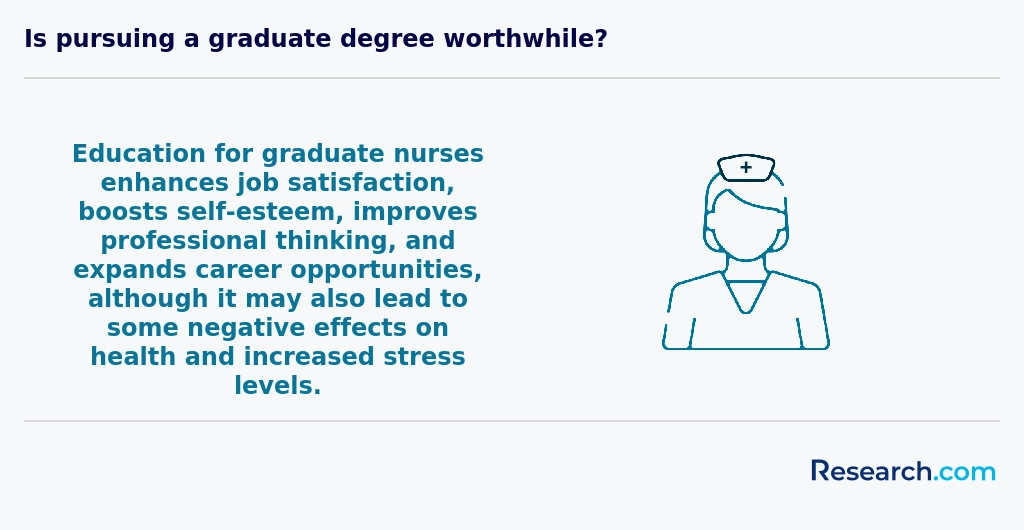
Financial aid for online nursing students in Massachusetts isn't just about federal grants like the Pell Grant, though those are a critical starting point for many. Graduates from schools such as the University of Massachusetts and Northeastern have shared how applying for the Free Application for Federal Student Aid (FAFSA) opened doors to federal loans and work-study options, easing the immediate pressure of tuition fees often soaring between $40,000 and $80,000 nationwide.
State-specific programs further distinguish the Massachusetts experience. The Massachusetts Nursing Incentive Program (NIP) uniquely supports students enrolled in approved programs, directly linking financial support to the state's workforce demands. For many, this means tangible hope that the investment in their education will align with career opportunities right here at home.
Beyond programs, there's a rich ecosystem of scholarships and employer assistance. Students tell of local healthcare employers offering tuition reimbursement and how associations like the Massachusetts State Nurses Association rewarded academic dedication with scholarships. These supports don't just relieve financial strain-they foster a sense of belonging and motivation rooted in Massachusetts' nursing community.
To enroll in an online nursing degree program in Massachusetts, you must first hold a high school diploma or GED-this baseline ensures you're ready to take on the challenges ahead. Graduates from universities like Worcester State or UMass Amherst often recall how completing prerequisite sciences such as human anatomy, chemistry, and microbiology laid a concrete foundation for their success. These courses, paired with a competitive GPA around 2.5 to 3.0, act as gatekeepers, pushing students to prove their academic dedication early on.
Picture the pressure but excitement of preparing for the TEAS exam, a crucial hurdle that evaluates your mastery in reading, math, science, and English, mirroring real-world skills nurses use every day. For those already working as Licensed Practical Nurses in Massachusetts, programs offer bridge options that honor practical experience, making the path to advancement feel both attainable and empowering.
Accreditation by bodies like ACEN or CCNE at Massachusetts institutions reassures students they're investing in quality education that truly prepares them for meaningful nursing careers.

Online nursing degrees in Massachusetts challenge the idea that theory alone shapes great nurses by blending rigorous core courses with real-world application. Graduates from popular schools like UMass Amherst and Northeastern often recall how foundational courses-Human Anatomy and Physiology, Microbiology, Pharmacology-felt like unlocking the language of the body, making clinical challenges less intimidating and more intuitive.
Specialized subjects such as Pediatric and Geriatric Nursing or Mental Health Nursing bring empathy and adaptability to life, reflecting the diverse patient needs graduates face beyond textbooks. Students remember tight schedules but thrilling moments when courses like Leadership and Healthcare Management suddenly revealed the art behind running efficient teams in hectic hospital settings.
The inclusion of ethics, legalities, and communication ensures compliance with Massachusetts' strict nursing standards and licensure requirements, which graduates described as essential safeguards that boost confidence not just in passing the NCLEX-RN but in daily practice.
Local clinical practicums arranged near institutions like Boston College turn online learners into community caregivers, proving that these programs forge not only knowledge but passion and resilience.
In Massachusetts, online nursing degree programs push students to reconsider traditional nursing roles by offering a range of specializations that align with evolving healthcare demands. Graduates from well-known institutions often highlight how the Registered Nurse to Bachelor of Science in Nursing (RN to BSN) route empowered them to step confidently into leadership and advanced clinical roles. This is not just about earning a degree; it's about expanding one's impact in ways Massachusetts hospitals increasingly expect.
Specializations such as Family Nurse Practitioner cater to the state's dedication to broadening care in underserved areas, while Psychiatric-Mental Health Nursing directly answers rising community needs that often go unnoticed. Students specializing in Gerontology find deep personal fulfillment serving the aging population, reflecting Massachusetts BSN degree focus areas and a compassionate response to demographic shifts.
Other online nursing specializations Massachusetts offers, like Pediatric Nursing and Community and Public Health Nursing, illustrate the breadth of opportunities for nurses ready to engage meaningfully with diverse populations. Many graduates say these programs taught them to see healthcare from the community's perspective, not just the hospital's.
For those weighing their options, exploring best online degree programs for seniors can shed light on flexible paths tailored to different life stages and motivations.
Choosing the best online nursing degree in Massachusetts goes beyond just scanning tuition costs or accreditation; it's about envisioning how a program fits into your life and career ambitions. Graduates from well-regarded colleges in the state often reflect on how programs with strong clinical placements at local hospitals made their learning deeply tangible-transforming theory into confidence during challenging patient care situations. Some struggled initially with rigid schedules, only to thrive after switching to programs known for curriculum flexibility that accommodated their work and family life.
Massachusetts nursing students consistently highlight the importance of evaluating NCLEX-RN pass rates-knowing the state average nears 90% offers a benchmark to measure program quality. But emotional support and instructor accessibility matter just as much, especially in online environments where isolation can hinder progress. If affordability is your priority, investigating affordable nursing degrees Massachusetts online does not mean settling for less; rather, it's a strategic step towards balancing debt with career outcomes.
For those navigating options, considering the best open admission colleges can unlock opportunities that might otherwise seem out of reach, welcoming diverse life experiences and learning styles into the nursing field.
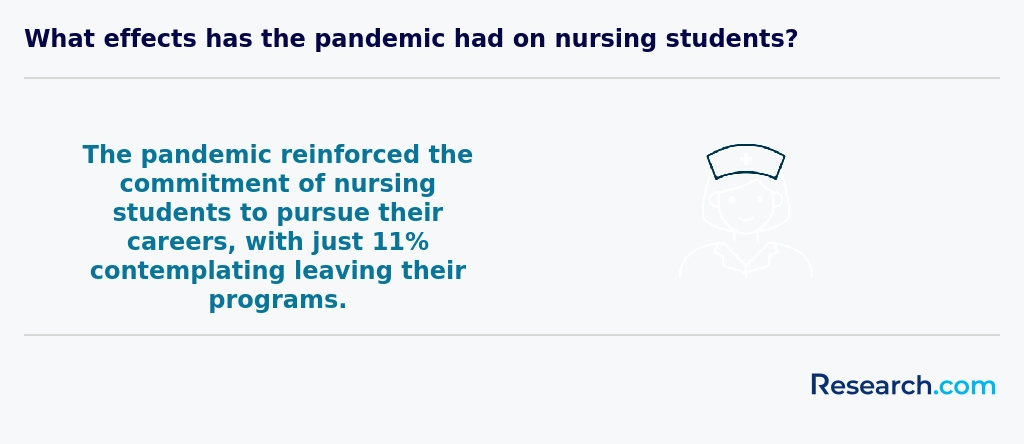
Graduates with an online nursing degree in Massachusetts discover a spectrum of career opportunities that extend well beyond traditional hospital roles. Many find themselves thriving in settings like outpatient clinics, community health centers, or long-term care facilities, places where healthcare feels personal and impactful. Alumni from well-known institutions such as the University of Massachusetts and Northeastern University often share how their education enabled them to secure positions with starting salaries notably above the national average, validating the state's 12% projected growth in nursing jobs.
For those passionate about specialization, pathways in Pediatric Nursing, Emergency Room Nursing, or Public Health Nursing open doors to deeply rewarding experiences. These career options reflect the diverse needs of Massachusetts communities and allow graduates to align their work with meaningful public health goals.
Considering the long-term journey, many online nursing careers in Massachusetts graduates utilize their BSN as a springboard toward advanced roles like Nurse Practitioner or Nurse Anesthetist, blending clinical expertise with leadership. These nurses effectively shape healthcare policy and education, echoing experiences from peers at top Massachusetts nursing programs.
Financially mindful students can explore flexible tuition rates and aid options at local schools, much like those found in popular listings of easiest associate's degree programs, easing access to this dynamic field.
The job market for graduates with an online nursing degree in Massachusetts remains remarkably robust, defying assumptions that online credentials might be less valued. Graduates from esteemed institutions like Regis College or UMass Amherst often share stories of landing positions at top hospitals, including Massachusetts General Hospital and Brigham and Women's Hospital, driven by the state's steady 9% projected growth in registered nursing employment. This steady demand underscores the strong Massachusetts nursing degree employment outlook and highlights how online nursing jobs in Massachusetts are just as competitive as traditional paths.
For many graduates balancing family or work commitments, online programs provide the flexibility needed to succeed without sacrificing opportunities. Their licensure through the NCLEX-RN, coupled with accreditation from bodies such as CCNE, puts them on equal footing with in-person graduates.
Those considering nursing degrees should also explore options like the easiest bachelor degree pathways, which reveal how accessible these rewarding careers can be. Real-world examples of graduates thriving in community health roles or VA facilities demonstrate that an online degree opens doors to meaningful and well-paid positions in Massachusetts' dynamic healthcare landscape.
2027 Most Valuable Online Bachelor's in Nursing Degree Programs Ranking in Massachusetts
Investing in your education is a significant decision that can shape your future, and the Research.com team understands the importance of making well-informed choices. To support prospective nursing students in Massachusetts, we have carefully developed the "2027 Most Valuable Online Bachelor's in Nursing Degree Programs Ranking in Massachusetts." Our dedication to quality, credibility, and accuracy is demonstrated through thorough research and rigorous analysis conducted to create this ranking.
We utilized the following reputable data sources to ensure a comprehensive evaluation of nursing programs:
By exploring this ranking, readers will gain valuable insights into the most valuable online nursing programs in Massachusetts, empowering them to make informed educational decisions. For more information on how this ranking was created, please visit our Research.com methodology page.


# 3 position
UMassOnline
Nursing, RN to BS
Frequently Asked Questions About nursing
Online nursing degree students in Massachusetts can maximize their learning experience by actively engaging with both digital coursework and local clinical opportunities. Massachusetts requires nursing programs to include hands-on clinical practice to meet Board of Registration in Nursing standards. Students should seek programs that partner with healthcare facilities across the state, such as those in Boston and Worcester, to gain practical skills.
Participating in virtual study groups and using state nursing board resources can also enhance understanding. According to the Massachusetts Nursing Workforce Survey, over 60% of registered nurses in the state continue learning through professional development, highlighting the value of ongoing education.
Strong time management and communication with faculty further support success in online nursing programs.
Emerging niches within the nursing field reflect growing healthcare demands and technological advances. In Massachusetts, areas such as geriatric nursing, psychiatric-mental health nursing, and telehealth nursing are gaining importance. The state's aging population drives a higher need for nurses specializing in elderly care, aligning with national trends reported by the U.S. Bureau of Labor Statistics.
Psychiatric-mental health nursing is expanding due to increased awareness of mental health issues. Telehealth nursing is also growing rapidly, supported by Massachusetts' strong healthcare technology sector. Nurses with skills in remote patient monitoring and virtual care platforms are in demand.
Specialty certifications in these fields can enhance job prospects for online nursing degree graduates in Massachusetts. These emerging niches offer promising career paths in a dynamic healthcare environment.
After completing an online nursing degree in Massachusetts, preparing for the job market involves several key steps. Graduates should first obtain licensure by passing the NCLEX-RN exam, mandatory for practicing as a registered nurse in Massachusetts. According to the Massachusetts Board of Registration in Nursing, timely application for licensure is crucial.
Building a professional network is equally important. Joining organizations like the Massachusetts Nurses Association can provide access to job postings and industry events. Additionally, practical experience through clinical practicums or volunteering helps strengthen resumes.
Understanding the local job market is essential; Massachusetts is projected to grow RN employment by 15% through 2028, according to the Bureau of Labor Statistics.
Employers in Massachusetts prioritize strong clinical skills when hiring nursing graduates, especially proficiency in patient care and familiarity with electronic health records (EHR). According to the Massachusetts Board of Registration in Nursing, graduates must demonstrate competence in assessment, medication administration, and infection control.
Critical thinking and communication skills are equally vital, as nurses must collaborate effectively with healthcare teams and patients. The Massachusetts Department of Labor highlights problem-solving abilities as essential for adapting to fast-paced medical environments.
Finally, cultural competence is increasingly important in Massachusetts due to its diverse population, ensuring nurses provide respectful, personalized care to all patients.
Finding internships in Massachusetts relevant to a nursing degree involves several strategic steps. Start by exploring affiliations your online nursing program may have with local hospitals and healthcare facilities, as many Massachusetts schools coordinate clinical placements for students. The Massachusetts Board of Registration in Nursing highlights nursing demand in Boston and Worcester, where many hospitals seek interns.
Additionally, visit websites of major health systems such as Massachusetts General Hospital and UMass Memorial Health to check internship openings. Professional networks like the Massachusetts League of Nursing also list opportunities. Early application is crucial since Massachusetts has a competitive nursing field, with the U.S. Bureau of Labor Statistics projecting 12% growth in nursing jobs statewide through 2030.
An online nursing degree in Massachusetts can significantly enhance career mobility and advancement opportunities. Registered nurses with a Bachelor of Science in Nursing (BSN) are in higher demand; the Massachusetts Department of Labor reports that BSN-prepared nurses earn median salaries up to 20% above those without a degree.
Online programs accredited by agencies such as the CCNE or ACEN meet state licensure requirements, allowing graduates to pursue advanced roles faster. Employers, including top hospitals in Boston and Worcester, often prefer candidates with a BSN for positions involving leadership, specialty care, or education.
Moreover, an online nursing degree enables flexible scheduling for working nurses aiming to transition into nurse management, informatics, or advanced practice roles, boosting long-term career growth.
Studying for a nursing degree in Massachusetts offers strong preparation for interdisciplinary roles within healthcare teams. Many accredited online programs incorporate coursework on collaboration with professionals such as physicians, social workers, and pharmacists. This mirrors the team-based approach seen in Massachusetts hospitals, which rank among the nation's leaders in patient-centered care.
Massachusetts nursing programs emphasize critical thinking and communication skills essential for coordinating care across disciplines. According to the Massachusetts Department of Public Health, nurses in the state increasingly participate in integrated care models, addressing complex patient needs collectively.
Online nursing degrees also often include training in health informatics and care management, bridging gaps between clinical and administrative tasks. This aligns with Massachusetts' focus on innovative healthcare delivery and interprofessional education, fostering graduates ready for diverse healthcare environments.
Choosing between a thesis and a non-thesis online nursing degree program in Massachusetts depends on your career goals and learning preferences. Thesis programs emphasize research and require writing a detailed paper, preparing students for roles in nursing research, education, or advanced clinical practice.
Non-thesis programs typically focus on coursework and practical skills, suitable for those aiming to enter leadership or clinical positions quickly. According to the Massachusetts Board of Registration in Nursing, nearly 40% of local nurses pursue advanced degrees to improve clinical competencies without engaging in research projects.
Consider your interest in research, time availability, and future plans when selecting a program.
Students based in Massachusetts seeking to study nursing abroad through online programs face limited direct options. Most U.S. nursing degrees, including those accepted in Massachusetts, require clinical hours completed in-person at approved U.S. healthcare facilities. According to the Massachusetts Board of Registration in Nursing, clinical practice must meet state standards for licensure, which can restrict fully foreign-based clinical experiences.
Some students choose hybrid programs offering online coursework combined with clinical placements in Massachusetts or neighboring states. Others consider international universities with U.S.-accredited nursing programs, but these are rare and often require travel for clinical training.
It is essential for students to verify program accreditation by bodies recognized by the Commission on Collegiate Nursing Education (CCNE) or the Accreditation Commission for Education in Nursing (ACEN) to ensure Massachusetts licensure eligibility.
Part-time job opportunities in Massachusetts that complement nursing degree education often include roles such as certified nursing assistant (CNA), medical scribe, and home health aide. These positions provide hands-on patient care experience and enhance clinical skills, which are crucial for nursing students. According to the Massachusetts Executive Office of Labor and Workforce Development, CNAs earn a median hourly wage of about $16.50, making it a practical choice for students seeking flexible work aligned with their studies. Additionally, medical scribing can improve understanding of medical terminology and documentation, essential for nursing practice.
Healthcare settings in Massachusetts, including hospitals and outpatient clinics, commonly hire part-time nursing students due to the state's high demand for healthcare workers. The Massachusetts Department of Public Health highlights that job growth in nursing-related fields is expected to rise by 15% through 2030, indicating strong opportunities for work-study balance. Engaging in these roles not only supports financial needs but also helps build a professional network valuable for future nursing careers.
Online nursing students in Massachusetts have several networking opportunities despite remote learning formats. Many accredited nursing programs include virtual clinical simulations and group projects that foster peer connections. Additionally, students can join nursing organizations such as the Massachusetts Nurses Association (MNA), which offers virtual events, webinars, and mentorship programs.
Professional conferences and workshops frequently held online allow students to engage with practicing nurses and healthcare leaders. According to the Massachusetts Department of Higher Education, approximately 40% of nurses in the state participate in continuing education and networking groups to advance their careers. These resources help online students build essential professional relationships and stay informed about local healthcare trends.
Alumni networks provide valuable support for online nursing degree students in Massachusetts by connecting them with experienced graduates working in diverse healthcare settings across the state. Through these networks, students gain access to mentorship opportunities, helping them navigate licensure processes regulated by the Massachusetts Board of Registration in Nursing. Networking also enhances job placement as Massachusetts reports a projected 7% growth in registered nursing employment through 2030, according to the U.S. Bureau of Labor Statistics.
These networks often share local job leads, continuing education resources, and industry insights specific to Massachusetts' healthcare environment. Engaging with alumni can improve students' professional development and foster a sense of belonging within the nursing community.
In Massachusetts, many online nursing degree programs offer flexibility to align studies with individual career goals. Students can often choose electives or specialty tracks such as gerontology, pediatrics, or healthcare management. This customization allows future nurses to build relevant skills for specific settings.
Additionally, partnering clinical placements provide hands-on experience tailored to students' interests. Some institutions also offer accelerated pathways or bridge programs to help working professionals advance more quickly.
According to the Massachusetts Board of Registration in Nursing, the state has a high demand for nurses with specialized skills, making customized education valuable for job prospects and licensure requirements.
Online nursing students in Massachusetts face several common challenges as they pursue their degrees. One significant issue is balancing clinical placement requirements with remote learning. Although much coursework is online, students must complete hands-on clinical hours at approved local healthcare sites, which can be difficult to schedule.
Additionally, students often struggle with time management, especially if they are working professionals or have family responsibilities. According to the Massachusetts Board of Registration in Nursing, clinical training is a bottleneck due to limited placement availability.
Another challenge is staying engaged in virtual classes, as online formats can limit direct interaction with instructors and peers. Finally, while Massachusetts has strong internet infrastructure, some students report occasional connectivity issues that hinder smooth participation in live sessions.
With an online nursing degree in Massachusetts, graduates can pursue several professional certifications to enhance their careers. Common options include becoming a Registered Nurse (RN) by passing the NCLEX-RN exam, which is required for licensure in Massachusetts. Beyond basic licensure, nurses may earn specialty certifications such as Certified Medical-Surgical Registered Nurse (CMSRN) or Certified Nurse Educator (CNE) through national bodies like the American Nurses Credentialing Center (ANCC).
Advanced certifications such as Family Nurse Practitioner (FNP) or Pediatric Nurse Practitioner (PNP) are available for those who continue their education to master's or doctoral levels. According to the Massachusetts Board of Registration in Nursing, certified nurses often enjoy better job prospects and higher salaries in the state's competitive healthcare market.
Writing a winning application for an online nursing program in Massachusetts requires clear understanding of both academic and professional expectations. Start by demonstrating your commitment to nursing through a well-crafted personal statement. Focus on your motivation, relevant experiences, and future goals.
Massachusetts values clinical experience, so highlight any healthcare-related work or volunteer activities. Many programs look for a minimum GPA around 3.0, reflecting Massachusetts' competitive standards.
Strong letters of recommendation are essential; choose referees who can attest to your nursing potential and character.
Finally, ensure all transcripts and certifications meet the school's specific requirements to avoid delays.
Nursing is recognized globally as a vital and respected profession, with increasing demand in many countries, including the United States. In Massachusetts, the nursing workforce is growing to meet healthcare needs, supported by over 70 approved nursing education programs statewide, many offering online options for flexibility (Massachusetts Board of Registration in Nursing, 2023).
Internationally, nurses often serve as essential healthcare providers, contributing to improved patient outcomes and community health. Globally, trends emphasize advanced education and specialization, which aligns with the rise of online nursing degrees in Massachusetts that provide accessible pathways to advancement.
The US healthcare system values registered nurses with bachelor's degrees, reflecting through policies encouraging BSN attainment. Massachusetts mirrors this, with many hospitals seeking BSN-prepared nurses due to evidence linking education to quality care. This global perspective underscores nursing as a career with mobility and growth potential internationally and locally.
Gaining practical experience while pursuing an online nursing degree in Massachusetts is essential for developing clinical skills. Many accredited programs partner with local hospitals, clinics, and healthcare facilities across the state to arrange clinical rotations. These hands-on experiences are supervised by licensed professionals and fulfill Massachusetts Board of Registration in Nursing requirements.
The state's high healthcare demand provides diverse opportunities, including placements in Boston's major medical centers. Students generally complete 500 to 700 clinical hours, depending on the program. Additionally, simulation labs and virtual clinical assignments complement in-person training, enhancing readiness for real-world patient care.
Resources like the Massachusetts Nurse of the Future Coalition emphasize combining theory with practice in licensing guidelines.
Choosing the right concentration within an online nursing degree program in Massachusetts begins with understanding your career goals. Massachusetts offers various nursing specializations, such as family nurse practitioner, gerontology, and psychiatric mental health.
Consider Massachusetts' workforce demands. The Massachusetts Department of Public Health highlights a growing need for nurse practitioners and specialized nurses, especially in elder care and primary care.
Research program accreditation and clinical placement opportunities. Accredited programs meeting Massachusetts Board of Registration in Nursing standards ensure licensure eligibility. Clinical experiences aligned with your chosen concentration provide practical skills.
Finally, evaluate your personal interests and strengths alongside market trends to select a concentration that balances passion and employability in Massachusetts' healthcare sector.
- 2027 Most Valuable Online Bachelor's in Nursing Degree Programs Ranking in Connecticut
- 2027 Most Valuable Online Bachelor's in Nursing Degree Programs Ranking in New York
- 2027 Most Valuable Online Bachelor's in Nursing Degree Programs Ranking in Pennsylvania
- 2027 Most Valuable Online Bachelor's in Nursing Degree Programs Ranking in Maryland
- 2027 Most Valuable Online Bachelor's in Nursing Degree Programs Ranking in Virginia
- 2027 Most Valuable Online Bachelor's in Nursing Degree Programs Ranking in Ohio
- 2027 Most Valuable Online Bachelor's in Nursing Degree Programs Ranking in West Virginia
- 2027 Most Valuable Online Bachelor's in Nursing Degree Programs Ranking in Kentucky
- 2027 Most Valuable Online Bachelor's in Nursing Degree Programs Ranking in North Carolina
- 2027 Most Valuable Online Bachelor's in Nursing Degree Programs Ranking in South Carolina
See What Experts Have To Say About Studying Nursing
Read our interview with Nursing experts


- Can I Get a Nursing Degree Online? | University of Phoenix https://www.phoenix.edu/articles/nursing/can-i-get-a-nursing-degree-online.html
- Best Massachusetts Nursing Schools and Programs | NursingEducation https://nursingeducation.org/state/massachusetts/
- Scholarships & Financial Aid https://www.aacnnursing.org/students/scholarships-financial-aid
- Your Questions About Online Nursing School, Answered https://www.allnursingschools.com/how-to-get-into-nursing-school/online-programs/
- School of Nursing at Elms College https://www.elms.edu/healthcare/
- Top Skills Employers Want in Practical Nursing Graduates https://vervecollege.edu/what-employers-look-for-in-practical-nursing-graduates/
- Mary Cafolla Wallace Nursing Scholarship Program - The Philanthropic Initiative https://tpi.org/mary-cafolla-wallace-nursing-scholarship-program-2/
- What Nursing Concentration Is Right for Me? | Maryville Nursing https://nursing.maryville.edu/blog/what-nursing-concentration-is-right-for-me
- 2025 Best Online Nursing Programs in Massachusetts https://www.onlineu.com/degrees/nursing/massachusetts
- From our readers…Strengthening nursing networks https://www.myamericannurse.com/from-our-readersstrengthening-nursing-networks/