2027 Most Affordable Nursing Degree Programs Ranking in Worcester

Co-Founder and Chief Data Scientist
Choosing the right nursing degree program in Worcester is an important step toward a rewarding career. This article introduces the 2027 Most Affordable Nursing Degree Programs Ranking in Worcester, created by the Research.com team of data scientists. It's designed to help you make an informed decision by highlighting value and affordability.
Whether you're starting your journey or advancing your skills, a nursing degree offers meaningful opportunities to grow personally and professionally. Reading this ranking will give you clear insights and confidence as you explore your options.
Key benefits of getting nursing degree in Worcester
- Graduates with a nursing degree in Worcester can earn a solid salary, with Registered Nurses earning a mean annual wage of $94,480 and Operating Room Nurses earning up to $128,490, offering financial stability and rewarding career prospects.
- Career paths are diverse, ranging from Clinical Nurse Educators to Public Health Nurses, ensuring graduates from Worcester's popular colleges can find roles that match their passion and skills.
- Online nursing degrees provide flexibility and convenience; graduates from Worcester's online programs can balance work and study while gaining the same credentials and opportunities as traditional students.
- 2027 Most Affordable Nursing Degree Programs Ranking in Worcester
- What can I expect from nursing degree in Worcester?
- Where can I work with nursing degree in Worcester?
What can I expect from nursing degree in Worcester?
The average cost of a nursing degree in Worcester varies significantly based on the institution and program level. Community colleges offering associate degrees frequently present more affordable tuition, typically ranging from $6,000 to $10,000 per academic year. Graduates from these programs often highlight manageable expenses paired with valuable clinical experiences at local hospitals, which helped them build confidence in patient care settings.
Conversely, nursing programs at Worcester State University and other private institutions generally command higher tuition, with annual costs between $12,000 and $20,000 for Bachelor of Science in Nursing (BSN) degrees. Graduates of these programs emphasize the added value of comprehensive coursework combined with clinical rotations at facilities like UMass Memorial Health Care, which enrich practical learning despite increased costs.
Many nursing students in Worcester report utilizing scholarships, financial aid, and clinical placement grants to ease tuition burdens. This financial support, alongside rigorous training, often results in a rewarding educational experience that prepares students well for licensure exams and career entry.
Where can I work with nursing degree in Worcester?
Graduates with nursing degrees in Worcester often find employment in prominent healthcare institutions like UMass Memorial Medical Center, a major employer with over 700 beds, offering diverse roles in specialties such as medical-surgical, critical care, emergency, and pediatrics. These hands-on clinical opportunities align well with the training received at local schools, supporting graduates' confidence as they transition into practice.
Beyond hospital work, many graduates pursue roles at outpatient care centers and community clinics like Comprehensive Community Health Center. These settings appeal particularly to those passionate about public health, preventive care, and patient education, reflecting a growing trend among nursing students from Worcester's universities who want to impact community wellness directly.
Nurses trained at Worcester institutions also have rewarding career paths in long-term care facilities and rehabilitation centers, addressing the needs of the aging population. Graduates often express fulfillment working in these environments, where their skills in geriatrics and rehabilitation make a tangible difference in patients' quality of life.
Additionally, some graduates leverage their Worcester-based education to enter nursing education, healthcare administration, and clinical research, particularly within UMass Medical School and local colleges, finding dynamic roles that combine clinical knowledge with leadership and innovation.
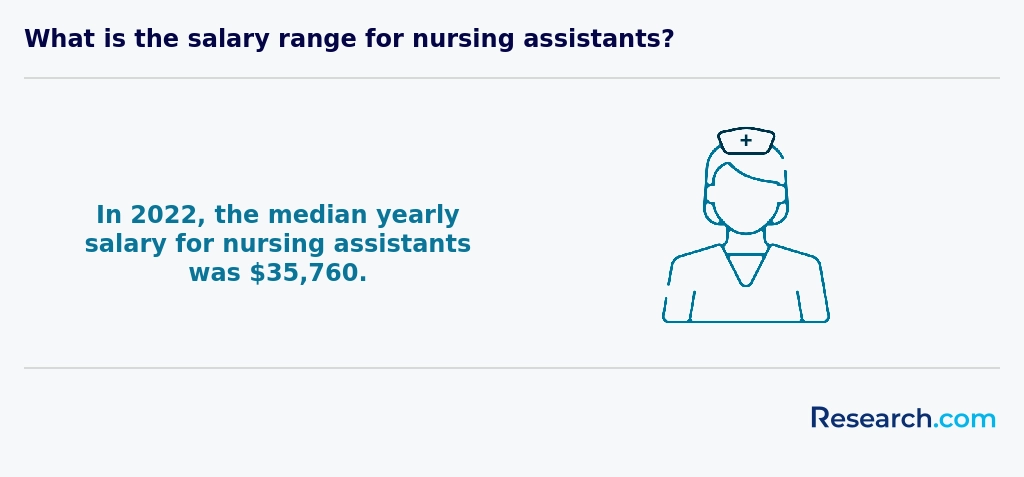
Nursing graduates in Worcester can expect competitive earnings that reflect their education and experience. Registered Nurses (RNs) in Worcester earn a median annual wage around $82,000, slightly above the national average, with an average annual wage reaching approximately $94,480 according to recent U.S. Bureau of Labor Statistics data. Graduates from local institutions, such as those attending nursing programs at colleges recognized in the area, often find entry-level roles starting between $65,000 and $70,000, providing a solid foundation for their careers.
Specialized nursing roles, such as Emergency Room Nurses, Clinical Nurse Educators, and Public Health Nurses, share similar average salaries near $94,480 annually, offering graduates a variety of viable career paths. Operating Room Nurses stand out with a higher mean wage of about $128,490 per year, representing an appealing option for those pursuing advanced clinical training in Worcester's hospitals.
Many graduates appreciate the advantage of Worcester's healthcare facilities like UMass Memorial, which offer competitive pay with benefits and opportunities for overtime, enhancing overall compensation and job satisfaction as they grow in their profession.
- Nursing programs in Worcester include BSN and ADN degrees offered by accredited public and private institutions.
- Annual tuition ranges from $8,000 to $12,000 at public colleges and $20,000 to $30,000 at private schools, excluding books and supplies.
- Entry-level registered nurses earn about $65,000 per year, with experienced nurses making up to the mid-$80,000 range.
- Worcester's nursing job market is growing at approximately 12% over the next decade, driven by local healthcare demand.
- Nursing programs often include clinical rotations in hospitals and prepare students for the NCLEX-RN licensure exam.
Completing a nursing degree in Worcester typically depends on the program chosen. For example, ADN programs at local community colleges take about two years full-time, offering a faster route into your nursing career. Graduates often share how attending these programs allowed them to quickly start working while gaining essential hands-on skills.
BSN degrees at Worcester's well-regarded institutions usually require around four years of full-time study. Students frequently describe their experience as challenging but rewarding, with the broader education in leadership and research opening more job opportunities. Accelerated BSN tracks, designed for those holding a bachelor's in another field, can be completed in 12 to 18 months, providing an intense but efficient path.
For advanced education like MSN degrees, completion time spans 1.5 to 3 years. Nurses aiming to specialize appreciate Worcester programs for blending practical clinical experience with advanced theory. Throughout Worcester, clinical placement availability and financial aid options significantly influence how swiftly students progress, making each journey unique yet promising.
For prospective nursing students in Worcester, MA, finding an affordable nursing program is crucial. With the cost of tuition rising, it's essential to consider programs that offer quality education at a lower cost. Students can explore the most affordable nursing programs in Massachusetts to find the best fit for their budget and career goals. By choosing an affordable program, students can pursue their dreams without incurring significant debt, allowing them to focus on their education and future careers in healthcare. Many institutions in Worcester, such as Worcester State University and the University of Massachusetts Medical School, offer affordable nursing programs that balance cost with quality education, making them attractive options for aspiring nurses.
On-campus nursing degrees in Worcester, such as those at Worcester State University, involve direct, face-to-face learning with professors and peers in a traditional classroom setting. Graduates often emphasize the value of immediate feedback during lab sessions and the hands-on clinical practice at local hospitals, which is crucial for developing practical skills. Tuition for these programs typically ranges between $7,000 and $15,000 annually at public institutions, reflecting access to campus resources and in-person support.
In contrast, online nursing degrees offer flexibility, ideal for Worcester residents balancing work or family commitments. Programs like those affiliated with College of the Holy Cross provide coursework remotely but still require clinical hours completed at approved healthcare facilities nearby. Graduates appreciate the self-paced structure but note the importance of disciplined time management. Online tuition varies more widely from about $10,000 to $20,000 annually, mirroring program level and institution type.
Both formats mandate clinical placements essential for licensure, with financial aid options available locally to ease costs. The decision often hinges on preferred learning style and schedule needs.
Accreditation is a critical factor when evaluating nursing programs, as it ensures that the curriculum, faculty, and clinical experiences meet rigorous industry standards. In Massachusetts, reputable nursing programs must hold both institutional accreditation from a U.S. Department of Education–recognized agency and programmatic accreditation from either the Commission on Collegiate Nursing Education (CCNE) or the Accreditation Commission for Education in Nursing (ACEN). This dual accreditation guarantees eligibility for federal financial aid, seamless credit transfer, and, most importantly, qualification to sit for the NCLEX-RN exam administered by the Massachusetts Board of Registration in Nursing. Before applying, verify a program’s status on the Council for Higher Education Accreditation (CHEA) database or the accreditor’s official website. Licensed practical nurse (LPN), associate (ADN), bachelor’s (BSN), and master’s (MSN) tracks each require board approval; graduates from unaccredited or non-approved programs may be ineligible for licensure. High NCLEX pass rates-often published on school websites-are a strong indicator of effective instruction and student support systems. Many local institutions, such as Worcester State University, tout pass rates above 90%, illustrating their commitment to licensure success. For students considering online options, exploring programs with recognized accreditation is equally important. To compare cost-effective, accredited online offerings, see our Affordable Online Nursing Degree Programs Ranking in Grand Forks, ND, which highlights distance-learning pathways that meet or exceed national accreditation benchmarks.
The average cost of a nursing degree in Worcester typically reflects the local public university tuition rates and associated expenses. For in-state students at notable institutions like Worcester State University, the median total cost sits around $11,786, which includes tuition, fees, and additional necessary expenditures such as textbooks, uniforms, and clinical supplies. Graduates often recall managing these costs alongside work or financial aid, making the investment feel more attainable and worthwhile as they advance into their nursing careers.
Out-of-state students generally face higher costs, with median total expenses approximately $30,027, reflecting higher tuition and fees common at public universities for non-residents. Private colleges in the Worcester area also align with these higher figures, contributing to the overall range of the average cost of nursing degree in Worcester. Students pursuing these options often value the smaller class sizes and specialized programs despite the steeper price, as they feel it better prepares them for clinical environments.
Those seeking affordable nursing programs Worcester tuition fees consider actively exploring scholarships, grants, and state or federal financial aid opportunities to offset costs. Many students find that combining these financial strategies with part-time work or clinical placements helps maintain a balanced budget while gaining essential hands-on experience. For those interested in detailed comparisons, information about the most affordable nursing programs in Massachusetts provides valuable guidance during decision-making.
Ensuring your nursing degree program is accredited and delivers strong NCLEX pass rates is essential for licensure and career success. In Worcester, MA, top programs hold accreditation from the Commission on Collegiate Nursing Education (CCNE) or the Accreditation Commission for Education in Nursing (ACEN), and maintain full approval by the Massachusetts Board of Registration in Nursing. Accreditation confirms that the curriculum meets rigorous standards in faculty qualifications, clinical training hours, and student outcomes. • CCNE vs. ACEN Accreditation: CCNE-accredited programs often emphasize evidence-based practice and leadership, while ACEN focuses on continuous quality improvement and competency-based outcomes. Both accreditations ensure eligibility for federal financial aid and state licensure. • Massachusetts Board Approval: State approval guarantees that graduates meet the requirements to sit for the NCLEX-RN or NCLEX-PN exam in Massachusetts and other states. Always verify board approval before applying. • NCLEX Pass Rate Benchmarks: High first-time NCLEX pass rates signal strong program quality. Worcester State University and Assumption University report first-time NCLEX-RN pass rates above 90%, exceeding both state and national averages. Prospective students should target programs with pass rates of at least 85%. For those aiming to advance into clinical leadership or primary care practice, exploring nationally recognized options like the best nurse practitioner programs can further enhance expertise and mobility across state lines. By prioritizing accredited nursing programs with proven NCLEX success, you’ll position yourself for licensure, employability, and lifelong career growth.
Nursing students in Worcester can access diverse financial aid options crucial for managing tuition costs, which range from about $15,000 annually at public institutions like Worcester State University to $35,000 at private colleges. Federal programs such as the Pell Grant offer up to $7,395 per year to eligible students without repayment obligations, providing essential support for many local nursing students.
Graduates often recall how the Federal Work-Study Program gave them practical employment while pursuing their degrees, easing financial pressures and enhancing clinical skills simultaneously. Additionally, federal and state loans through programs like the Direct Subsidized and Unsubsidized Loans are common, though borrowers remain cautious about long-term debt. The Massachusetts Office of Student Financial Assistance further supports Worcester residents with scholarships and loan programs specifically targeting nursing students.
Local scholarships, such as those from the Central Massachusetts Nursing Association, award between $1,000 and $5,000 to students committed to community healthcare. Some Worcester hospitals collaborate with nursing schools to provide tuition reimbursement, enabling students to graduate with less financial burden in exchange for post-graduation work commitments.
Institutional aid from nursing programs in Worcester also recognizes academic merit and financial need, with students encouraged to reach out directly to financial aid offices of colleges like Assumption University for tailored guidance and up-to-date offerings.
After earning your nursing degree in Worcester, you must complete the state licensure process to practice as a registered nurse. Follow these key steps:
- Graduate from a CCNE- or ACEN-accredited nursing program.
- Submit your application and fee to the Massachusetts Board of Registration in Nursing.
- Complete a criminal background check and fingerprinting.
- Register with Pearson VUE and schedule your NCLEX-RN exam.
- Pass the NCLEX-RN to receive your Massachusetts RN license.
- Renew your license every two years and meet continuing education requirements.
For additional program comparisons, explore the best nursing programs in texas.
To enroll in a nursing degree in Worcester, students must meet a set of structured prerequisites that ensure readiness for both academic and clinical demands. Most applicants come equipped with a high school diploma or equivalent, emphasizing strong performances in science courses such as biology, chemistry, and anatomy. Graduates from Worcester colleges recall that this foundational knowledge made tackling nursing courses more manageable and engaging.
Many Worcester nursing programs also require proficiency in English, demonstrated through tests like TOEFL or IELTS for non-native speakers, and sometimes scores from the SAT or ACT, which act as indicators of overall academic preparedness.
- Bachelor's program candidates often complete prerequisite college-level courses including microbiology, human physiology, and nutrition, forming a vital academic base.
- Healthcare experience through volunteering or work is favored, helping students develop confidence and practical insight before enrollment.
- The TEAS entrance exam is a common benchmark; students who score well feel more assured about their admission prospects.
- Letters of recommendation and personal statements play a crucial role, allowing applicants to convey their passion and motivation for nursing careers, as shared by numerous successful Worcester nursing graduates.

Understanding the true value of a nursing degree in Worcester, MA, requires more than comparing tuition figures-it demands a comprehensive return on investment (ROI) analysis that factors in debt load, earning potential, and time to pay off educational costs. On average, BSN graduates in Worcester incur total program costs ranging from $89,556 to $211,392 and enter the workforce with an annual salary of about $89,010. By dividing the average debt by the annual post‐graduation income differential between ADN and BSN holders (roughly $10,000–$15,000), most students recoup their educational expenses within 5–7 years. To optimize ROI, many students choose accelerated bridge options or flexible online pathways that minimize both time and tuition. For example, enrolling in an easiest and cheapest online rn to bsn program can reduce upfront costs and allow practicing RNs to earn a BSN without pausing work, further shortening the payback period. Key strategies for maximizing ROI: 1. Select programs with high NCLEX pass rates and strong clinical partnerships in Worcester’s top healthcare systems, ensuring swift job placement and competitive starting salaries. 2. Leverage state and federal aid-MASSGrant and work‐study opportunities often cover up to 70% of total tuition, effectively lowering your debt-to-income ratio. 3. Compare ADN-to-BSN bridge tracks that capitalize on existing RN licensure, cutting both credit requirements and tuition by up to 30%. 4. Factor in long‐term specialization: roles such as Nurse Practitioner or CRNA can command salaries exceeding $124,680, dramatically enhancing lifetime ROI. By modeling your educational investment against projected earnings and leveraging cost-effective pathways, you can make an informed decision that balances affordability with career growth in Worcester’s dynamic nursing market.
Nursing degree programs in Worcester commonly feature a comprehensive curriculum that integrates both theoretical and practical learning essential for modern healthcare environments. Graduates from institutions like Worcester State University report that core courses such as Anatomy and Physiology and Microbiology form the foundation of their understanding of the human body and infectious agents, which proved invaluable during clinical rotations.
Programs also emphasize Pharmacology, equipping students with knowledge about medications and their safe administration-a skill frequently highlighted as critical by recent graduates when working in hospitals like UMass Memorial Medical Center. Courses in Nursing Fundamentals and Medical-Surgical Nursing prepare students through hands-on practice, boosting confidence and competence in patient care situations.
Additionally, specialized subjects such as Maternal and Child Health Nursing, Mental Health Nursing, and Community Health Nursing reflect the diverse roles nurses encounter. Worcester nursing students describe how Nursing Research and Leadership courses helped them develop critical thinking and leadership abilities necessary for evolving healthcare settings.
Nursing degree specializations in Worcester typically cover areas that address the city's diverse healthcare needs. Programs at local colleges emphasize tracks like Registered Nurse (RN) to Bachelor of Science in Nursing (BSN), Adult-Gerontology Nursing focusing on elder care, Pediatric Nursing for child health, Mental Health Nursing reflecting rising psychiatric care demands, and Community Health Nursing, which supports preventive and public health efforts. Graduates from Worcester nursing programs often report a rewarding experience gaining hands-on skills in clinical settings such as urban hospitals and community clinics.
Worcester nursing programs with specialties often include elective courses in critical care, emergency nursing, and women's health, aligning education with real-world hospital demands. Students from these programs appreciate the practical focus, especially when managing chronic diseases or mental health cases locally. One graduate described the benefit of specializing in Adult-Gerontology Nursing, noting the direct impact on Worcester's aging population through improved patient outcomes.
Costs vary, but public BSN programs average $14,000 annually, while private institutions run about $35,000. Specialized coursework can add expenses but also enhances employability. Those interested in advancing their career may explore best nurse practitioner programs, which complement these local specializations and open further opportunities.
To choose the best nursing degree in Worcester, start by comparing accredited programs at institutions like Worcester State University and Quinsigamond Community College. Graduates often praise the strong NCLEX pass rates at these schools, which reflect effective preparation for licensure. Considering the best affordable nursing programs in Worcester will help you balance cost and quality. Community colleges offer ADN programs under $6,000 annually, an appealing option compared to private institution fees exceeding $30,000.
Flexibility is key; some programs offer evening or hybrid classes to accommodate work and family commitments, a factor many students find vital. Those seeking advancement often select a BSN for broader career opportunities. Additionally, clinical placements with local hospitals such as UMass Memorial provide valuable hands-on experience.
Understanding total costs, including materials and fees, is crucial. For registered nurses aiming to further their education, exploring the easiest and cheapest online rn to bsn program can be a strategic step. A top nursing degrees Worcester cost comparison aids in making an informed decision tailored to your situation.
Graduates with a nursing degree in Worcester benefit from diverse nursing career opportunities in Worcester, supported by a dynamic healthcare market. Many begin as registered nurses (RNs) at institutions like UMass Memorial Medical Center, gaining hands-on clinical experience with competitive entry-level salaries between $65,000 and $80,000 annually. This foundation offers a solid pathway toward specialization.
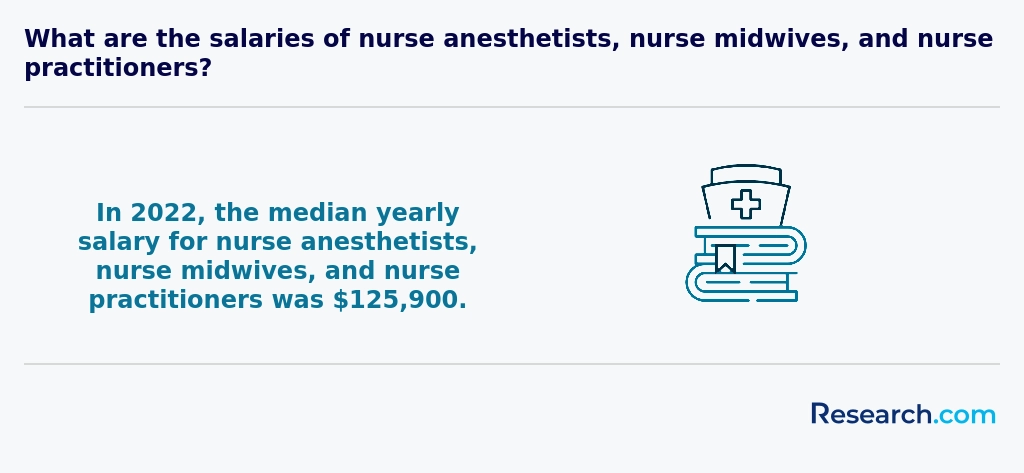
Advanced practice roles such as nurse practitioners or clinical nurse specialists represent promising next steps. These positions, often pursued through Master of Science in Nursing (MSN) programs at local colleges, offer greater responsibility and salaries averaging around $120,000 in Massachusetts. Graduates pursuing these paths report satisfaction from impacting patient outcomes more directly.
Additional options include healthcare administration, public health nursing, home healthcare, and academic research, all thriving sectors in Worcester's healthcare ecosystem. Nursing students from Worcester-based universities frequently highlight the rewarding nature of these varied roles tied closely to community health needs. For those weighing educational costs, explore the Affordable Online Nursing Degree Programs Ranking in Grand Forks, ND for strategies to finance your degree.
The nursing job market Worcester MA remains robust due to a growing healthcare sector supported by institutions like UMass Memorial Medical Center and Saint Vincent Hospital. Graduates from these local nursing programs report positive employment outcomes, benefiting from the city's strong demand for skilled nurses. The average wage for registered nurses in Massachusetts is around $98,000 annually, reflecting the region's competitive salary structure.
The Worcester nursing degree employment outlook is influenced by demographic shifts such as the aging population and advances in medical care, which elevate the need for nurses with Bachelor of Science in Nursing (BSN) degrees and higher. Many graduates find that healthcare providers in Worcester prioritize candidates with these credentials, aligning with national trends emphasizing advanced nursing education.
Prospective students should also consider the financial investment. Tuition costs at Worcester colleges tend to be more competitive compared to national averages. Some students, seeking to minimize costs while entering the field quickly, explore best 6 month certificate programs that pay well online as an alternative pathway.
2027 Most Affordable Nursing Degree Programs Ranking in Worcester
Investing in your education is a significant decision that can shape your future, and the Research.com team understands the importance of making informed choices. To assist prospective students in Worcester, we have meticulously crafted the "2027 Most Affordable Nursing Degree Programs Ranking in Worcester." Our commitment to quality, credibility, and accuracy is reflected in the extensive research and analysis conducted to compile this ranking.
We utilized the following reputable data sources to ensure a comprehensive evaluation of nursing programs:
By exploring this ranking, readers will gain valuable insights into the most affordable nursing degree programs available in Worcester, helping them make well-informed decisions about their educational paths. For more details on our methodology, please visit our Research.com methodology page.


# 4 position
University of Massachusetts Chan Medical School
Master of Science in Nursing
Frequently Asked Questions About nursing
Nursing degree students in Worcester can maximize their learning experience by actively engaging in clinical placements, which are integral to nursing education. Massachusetts requires a minimum of 500 clinical hours for registered nurse licensure, making hands-on practice in local hospitals like UMass Memorial Health essential.
Additionally, students should leverage resources offered by institutions such as Quinsigamond Community College, which provides tutoring and simulation labs that enhance practical skills. Joining student nursing associations can also foster professional growth through networking and workshops.
Staying informed about changes in healthcare regulations and evidence-based practices by accessing Massachusetts Board of Registration in Nursing updates adds value to their education.
The nursing field is evolving rapidly, with several emerging niches gaining importance. In Worcester, areas like geriatric nursing are expanding due to the city's growing elderly population, which aligns with U.S. Census data showing increased demand for specialized elder care. Another key niche is psychiatric-mental health nursing, addressing rising mental health concerns amplified by recent public health crises.
Additionally, informatics nursing is becoming essential as healthcare facilities in Worcester adopt advanced electronic health records and data management systems. Finally, community health nursing is increasingly vital, focusing on preventive care and health education tailored to Worcester's diverse urban communities, according to reports from the Massachusetts Department of Public Health.
After completing a nursing degree in Worcester, preparing for the job market involves several strategic steps. First, obtaining licensure through the National Council Licensure Examination (NCLEX-RN) is essential to legally practice as a registered nurse in Massachusetts. The Massachusetts Board of Registration in Nursing provides guidance and requirements for this process.
Networking locally plays a crucial role; Worcester has a robust healthcare sector with major employers like UMass Memorial Medical Center. Attending local job fairs and joining professional nursing organizations can increase opportunities.
Additionally, gaining relevant clinical experience during education and internships improves employability. According to the Massachusetts Executive Office of Labor and Workforce Development, nursing demand in the Worcester area is expected to grow by 15% through 2030, making early career preparation vital.
Employers in Worcester consistently seek nursing graduates with strong clinical skills combined with effective communication. According to the Massachusetts Department of Higher Education, graduates proficient in patient assessment, care planning, and medication administration are highly valued. Additionally, teamwork and critical thinking are essential, as nurses often collaborate in multidisciplinary environments.
Technical competence with electronic health records (EHR) systems is increasingly important, reflecting the digital trends in healthcare. Familiarity with Massachusetts' healthcare regulations and protocols further strengthens a candidate's profile.
Empathy and cultural sensitivity are critical skills, especially in diverse Worcester communities. Employers prioritize nurses who can provide compassionate, patient-centered care while managing complex health scenarios efficiently.
Finding nursing internships in Worcester involves several practical steps tailored to the local healthcare environment. Start by exploring clinical placement opportunities through nursing programs at institutions such as Worcester State University and Quinsigamond Community College, which often collaborate with nearby hospitals and clinics.
The U.S. Bureau of Labor Statistics reports a strong demand for nurses in Massachusetts, making Worcester an active hub for healthcare internships. Facilities like UMass Memorial Medical Center frequently offer structured internships and externships for nursing students, providing valuable hands-on experience.
Students should also consult the Massachusetts Board of Registration in Nursing for approved nursing clinical sites and validated internship programs to ensure compliance and quality training.
In Worcester, earning a nursing degree can significantly enhance career mobility and advancement opportunities. According to the Massachusetts Executive Office of Labor and Workforce Development, registered nurses with a Bachelor of Science in Nursing (BSN) typically have access to a broader range of job roles compared to those with an associate degree. Employers in major healthcare facilities like UMass Memorial Medical Center often prefer or require a BSN for leadership and specialized nursing positions.
Higher educational qualifications allow nurses to pursue advanced certifications and roles such as nurse practitioners or clinical nurse specialists. This can lead to increased earning potential; the U.S. Bureau of Labor Statistics notes that Worcester nurses with advanced degrees earn, on average, 15-20% more than those without.
Additionally, nursing degrees facilitate geographic and institutional mobility within Massachusetts' healthcare system, known for its collaborative networks. Ongoing education aligns with state initiatives promoting high-quality patient care and professional development.
Studying for a nursing degree in Worcester equips students with skills essential for interdisciplinary healthcare roles. Programs emphasize collaboration by integrating courses in communication, healthcare ethics, and patient management. Worcester's nursing schools partner with local hospitals and clinics, providing hands-on experiences alongside professionals from medicine, social work, and pharmacy. This exposure fosters teamwork and broad understanding of patient care.
The Massachusetts Department of Higher Education reports that Worcester's nursing graduates rank highly in passing the NCLEX licensing exam, reflecting robust preparation. Additionally, the city's diverse clinical settings help students adapt to varied healthcare teams, an invaluable asset in interdisciplinary environments.
When choosing between a thesis and a non-thesis nursing degree program in Worcester, consider your career goals first. A thesis option typically suits those interested in research, advanced clinical roles, or pursuing a doctorate later. It involves designing, conducting, and writing about original research, which can develop critical analytical skills.
The non-thesis path usually focuses more on practical knowledge and clinical skills, ideal for students aiming to enter or advance in nursing practice quickly. Many Worcester institutions, including Worcester State University, offer both options to accommodate diverse needs.
According to the Massachusetts Board of Registration in Nursing, Worcester's healthcare market shows steady growth, with non-thesis graduates often employed faster in local hospitals and clinics.
Students based in Worcester seeking nursing degrees abroad have several pathways to consider within the US higher education framework. While Worcester itself hosts notable nursing programs, such as those at Worcester State University, students interested in international study typically pursue exchange programs or affiliated partnerships with foreign institutions accredited in their host countries.
Many US nursing programs participate in global clinical rotations, which provide practical experience overseas without transferring the entire degree. According to the American Association of Colleges of Nursing (AACN), approximately 20% of BSN programs offer such options. For Worcester students, coordinating these opportunities requires early consultation with their academic advisors to meet licensure standards.
Another option involves enrolling in globally recognized US-accredited online nursing programs that include international practicum placements. This hybrid approach balances domestic education quality with international exposure, helping students earn valid US credentials while gaining diverse clinical experience.
Students pursuing nursing degrees in Worcester have access to a variety of part-time job opportunities that complement their education. Local hospitals such as UMass Memorial Medical Center and Saint Vincent Hospital often employ nursing assistants and patient care technicians. These roles provide hands-on experience with patient care, essential for nursing students.
Additionally, some clinics and long-term care facilities hire part-time administrative staff or medical scribes, offering insight into healthcare documentation and operations. According to the Bureau of Labor Statistics, nursing support roles in Massachusetts are projected to grow steadily through 2030, indicating ample opportunities.
Job flexibility and relevant experience can enhance both skills and resumes for future licensure and employment in nursing fields.
Nursing students in Worcester benefit from various networking opportunities that support their academic and professional growth. Local universities such as Worcester State University and Becker College often host career fairs where students meet healthcare employers seeking nursing candidates. These events enable direct connections with regional hospitals and clinics, including UMass Memorial Health Care, the largest health system in central Massachusetts.
Students can also join professional organizations like the Massachusetts Nurses Association (MNA) chapter based in Worcester. These groups provide access to workshops, mentorship programs, and conferences tailored to nursing professionals. Participation helps students stay updated on industry trends and build meaningful contacts.
Clinical placements in Worcester-area hospitals further expand networking, offering hands-on experience and professional relationships that often lead to employment after graduation.
Alumni networks offer valuable support to nursing degree students in Worcester by connecting them with experienced professionals and graduates. These connections provide mentorship opportunities, helping students navigate clinical placements and licensure preparation more effectively. According to the Massachusetts Board of Registration in Nursing, Worcester's healthcare sector has grown steadily, increasing demand for well-prepared nurses.
Strong alumni networks enhance job placement rates by sharing local employment leads in hospitals and clinics throughout Worcester. Networking events and online platforms also allow students to engage with nurses who understand the specific challenges and requirements of the region's medical facilities. This community offers insights into continuing education and career advancement pathways.
Customizing a nursing degree program in Worcester allows students to align their education with specific career goals. Many local institutions offer flexible course options, including specialties such as pediatric, geriatric, or emergency nursing. Worcester State University and Quinsigamond Community College provide elective courses that focus on areas like community health or nurse leadership.
Students can often choose between traditional, accelerated, or part-time study formats to fit personal schedules. Clinical placements in Worcester's hospitals, such as UMass Memorial Medical Center, offer hands-on experience tailored to students' interests.
Additionally, some programs support online learning components and certifications to enhance professional skills. According to the Massachusetts Board of Registration in Nursing, local programs emphasize both theory and practical application, helping graduates prepare for licensure exams and future specialties.
Nursing students in Worcester often face rigorous academic demands, including challenging coursework and clinical requirements. Balancing these responsibilities with part-time jobs or family commitments is a common difficulty.
According to the Massachusetts Board of Registration in Nursing, students frequently report stress related to passing licensure exams and mastering critical skills. Clinical placements in Worcester hospitals can be competitive due to limited slots, causing scheduling conflicts for some learners.
Financial pressures also impact many students, with tuition and living costs rising in the Worcester area. Limited access to affordable childcare and transportation adds to these challenges for non-traditional students. Support services at local colleges aim to help, but gaps remain.
With a nursing degree in Worcester, graduates can pursue several professional certifications to enhance their careers. Common options include the Certified Nurse Assistant (CNA), Registered Nurse (RN) license, and advanced certifications like Certified Nurse Practitioner (CNP) or Clinical Nurse Specialist (CNS). These credentials are awarded by national bodies such as the American Nurses Credentialing Center (ANCC).
According to the Massachusetts Board of Registration in Nursing, over 10,000 RNs are licensed in Worcester County as of 2023. Specialized certifications in areas like pediatrics, geriatrics, and critical care are also popular, helping nurses meet local healthcare needs. These certifications often require passing exams and completing continuing education to ensure updated skills.
Applying to a nursing program in Worcester requires careful preparation to stand out. First, ensure you meet all academic prerequisites, including a strong background in biology and chemistry. Worcester State University, for example, requires a minimum GPA of 3.0 for nursing applicants, reflecting the competitive nature of these programs.
Next, craft a clear and concise personal statement. Highlight your motivation for nursing, relevant experiences such as volunteering in healthcare settings, and your commitment to serving the community. According to the Massachusetts Board of Registration in Nursing, emphasizing local community involvement can strengthen your application.
Finally, secure strong letters of recommendation from educators or healthcare professionals who can attest to your skills and character. Attention to deadlines and thorough completion of all application components is crucial for success.
Nursing is recognized worldwide as a vital and respected profession. In the United States, including Worcester, nursing careers offer strong job security and competitive salaries. According to the U.S. Bureau of Labor Statistics, registered nursing jobs are projected to grow 6% from 2021 to 2031, reflecting sustained demand.
Globally, nurses often share similar roles but face different challenges depending on healthcare systems and resources. American nursing degrees, such as those offered by Worcester institutions, are valued internationally for their rigorous clinical training.
This global recognition allows graduates to pursue opportunities abroad, yet they must meet local licensing requirements. In Worcester, the emphasis on practical experience and accreditation prepares students for both national and international nursing careers.
Gaining practical experience is essential when pursuing a nursing degree in Worcester. Most accredited nursing programs in the area include clinical rotations as part of their curriculum. These rotations allow students to work directly with patients in local hospitals and healthcare facilities, such as UMass Memorial Medical Center, Worcester's largest hospital. Clinical hours typically range from 500 to 800 during the entire program, giving students hands-on exposure to various nursing specialties.
In addition, many schools encourage internships or externships, providing real-world work settings under professional supervision. Joining professional organizations like the Massachusetts Nurses Association can offer volunteer and networking opportunities to enhance practical skills while studying.
Choosing the right concentration within a nursing degree program in Worcester requires understanding local healthcare needs and personal career goals. Worcester's healthcare market is diverse, including hospitals, long-term care, and community health centers, which influence demand for specialties like geriatric nursing or acute care. According to the Massachusetts Department of Higher Education, registered nurse employment in Worcester County is projected to grow by 7% through 2030, emphasizing the value of adaptable skills.
Prospective students should evaluate programs that offer concentrations aligned with in-demand roles, such as pediatric, psychiatric, or critical care nursing. Researching clinical placement opportunities in Worcester's medical institutions can provide practical experience and improve job prospects post-graduation.
Additionally, consider if the concentration prepares you for certifications valued in Massachusetts, like the Certified Emergency Nurse (CEN) or Psychiatric-Mental Health Nursing certifications, enhancing your employability locally.
- 2027 Most Affordable Nursing Degree Programs Ranking in Boston
- 2027 Most Affordable Nursing Degree Programs Ranking in New York
- 2027 Most Affordable Nursing Degree Programs Ranking in Rochester
- 2027 Most Affordable Nursing Degree Programs Ranking in Baltimore
- 2027 Most Affordable Nursing Degree Programs Ranking in Washington
- 2027 Most Affordable Nursing Degree Programs Ranking in Virginia Beach
- 2027 Most Affordable Nursing Degree Programs Ranking in Pittsburgh
- 2027 Most Affordable Nursing Degree Programs Ranking in Harrisonburg
- 2027 Most Affordable Nursing Degree Programs Ranking in Cleveland
- 2027 Most Affordable Nursing Degree Programs Ranking in Lynchburg
See What Experts Have To Say About Studying Nursing
Read our interview with Nursing experts

Lisa Grubb
Nursing Expert
Assistant Professor
Johns Hopkins School of Nursing

- Work-life balance | Careers Crossroads | RCN Careers Resources | Royal College of Nursing https://www.rcn.org.uk/Professional-Development/Your-career/Nurse/Career-Crossroads/Career-Ideas-and-Inspiration/work-life-balance
- Your Questions About Online Nursing School, Answered https://www.allnursingschools.com/how-to-get-into-nursing-school/online-programs/
- Do I Have to Write a Thesis to Complete a Master’s Degree in Nursing? https://www.bestmasterofscienceinnursing.com/faq/write-thesis-complete-masters-degree-nursing/
- Nursing - WSEI University https://www.wsei.pl/en/admission/bachelors-degree/nursing-bachelor-degree/
- Nursing | Worcester State University Catalog https://catalog.worcester.edu/undergraduate/school-education-health-natural-sciences/nursing/
- Nursing career pathway https://www.hacw.nhs.uk/nursing-pathway/
- Nursing Internship and Externship Programs https://jobs.mayoclinic.org/nursinginternexternprograms
- Nursing Internships Abroad: An Introduction - RealStep https://www.real-step.com/en/articles/nursing-internships-abroad/
- How to Write https://esign.com/letter-of-intent/school/nursing/
- Top Tips for Student Nurses https://worcesterstudentlife.com/2022/10/20/top-tips-for-student-nurses/