2027 Most Popular Nursing Degree Programs Ranking in Tallahassee

Co-Founder and Chief Data Scientist
Choosing the right nursing degree program is an important step for students in Tallahassee who want to build a rewarding healthcare career. This article presents the 2027 Most Popular Nursing Degree Programs Ranking in Tallahassee, created by the Research.com team of data scientists.
Our ranking helps you discover nursing programs that combine quality education with strong community support. Exploring the options with clear data makes your decision easier and more confident.
Reading this guide can inspire and empower you to take the next step toward a fulfilling nursing journey.
Key benefits of getting nursing degree in Tallahassee
- Salary for nursing degree graduates: Graduates in Tallahassee can expect strong earnings, with Registered Nurses and Public Health Nurses earning a mean annual wage of $94,480, while Operating Room Nurses can earn up to $128,490, reflecting rewarding financial opportunities.
- Career paths: Nursing degree holders from local colleges can pursue diverse roles like Emergency Room Nurse, Clinical Nurse Educator, or Operating Room Nurse, offering exciting chances to specialize and grow in healthcare.
- Online degree benefits: Earning a nursing degree online in Tallahassee provides flexibility and convenience, allowing students to balance studies with life while still preparing for high-demand nursing careers.
- 2027 Most Popular Nursing Degree Programs Ranking in Tallahassee
- What can I expect from nursing degree in Tallahassee?
- Where can I work with nursing degree in Tallahassee?
What can I expect from nursing degree in Tallahassee?
The average cost of a nursing degree in Tallahassee varies depending on the institution and program length. For example, students at Florida State University pursuing a Bachelor of Science in Nursing (BSN) report tuition and fees averaging around $6,500 per year for in-state residents. Meanwhile, those attending Tallahassee State College for an Associate Degree in Nursing (ADN) can expect tuition closer to $3,000 annually, making it a more affordable entry point.
Graduates often share how budgeting carefully helped them manage expenses, especially when combining part-time work with studies. Many found that financial aid and scholarships available specifically for nursing students in Tallahassee significantly eased their financial burden.
Because clinical rotations are required, some costs might include transportation to nearby hospitals or clinics, but this hands-on experience is crucial and well worth the investment. Opting for programs with online coursework can also reduce expenses by minimizing commuting or housing costs.
Where can I work with nursing degree in Tallahassee?
Graduates with a nursing degree in Tallahassee quickly find diverse career paths thanks to the city's robust healthcare network. Many start by securing positions with hospitals like Tallahassee Memorial HealthCare or Capital Regional Medical Center, where roles range from emergency nursing to specialized care in pediatrics and surgery. These settings provide hands-on experience and mentorship, which recent graduates often describe as both challenging and deeply rewarding.
Others explore opportunities in long-term care facilities or rehabilitation centers, which are abundant throughout Tallahassee. Here, licensed practical nurses and registered nurses manage patient care in more supportive, community-focused environments, ideal for those who value building lasting patient relationships.
Community health agencies, such as the Leon County Health Department, hire nursing graduates to lead wellness programs and disease prevention initiatives, offering a fulfilling way to impact public health directly. Additionally, graduates from Florida State University often share how campus health centers and local schools hire nurses to support student well-being, blending healthcare with educational environments.
Advanced degree holders may advance into administration, research, or nursing education, leveraging Tallahassee's academic institutions to grow their careers. Overall, the city offers a rich spectrum of roles allowing nurses to thrive professionally and personally.
Graduates from nursing programs in Tallahassee, such as those at Florida State University or Tallahassee State College, can expect competitive earnings tied to their specialization and experience. Registered nurses typically earn a mean annual wage of about $94,480 locally, according to recent data, reflecting solid demand in the region.
For those aiming higher, clinical nurse educators and public health nurses share similar salary figures, also averaging $94,480 annually. This makes roles in education and community health excellent options for graduates seeking stable and rewarding careers.
Emergency room nurses in Tallahassee also earn around $94,480 per year, valuing their specialized skills in high-pressure environments. For those looking to maximize earnings, operating room nurses can reach notably higher salaries, averaging $128,490 annually, providing a lucrative path for nurses interested in surgical care.
Many graduates find that combining experience gained through clinical rotations at local hospitals with certifications helps boost their starting salary. The supportive healthcare community in Tallahassee encourages growth, allowing nursing graduates to build fulfilling careers while enjoying a comfortable lifestyle nearby.
- Nursing programs in Tallahassee are offered by institutions like Florida State University and Tallahassee State College, ranging from certificates to advanced degrees such as MSN.
- Undergraduate nursing tuition at public schools typically costs between $5,000 and $15,000 per year, with additional fees for textbooks and lab materials.
- Entry-level nursing salaries average around $55,000 annually, increasing to between $70,000 and $90,000 with experience and advanced qualifications.
- Clinical practicums are required for nursing programs and provide hands-on experience at local facilities like Tallahassee Memorial HealthCare.
- The demand for RNs and LPNs is high in Tallahassee due to an aging population and healthcare growth, and graduates qualify to take the NCLEX licensure exam.
Completing a nursing degree in Tallahassee depends on the program you choose. Graduates from Tallahassee State College often finish an Associate Degree in Nursing (ADN) in about two years, gaining quick entry into the workforce and sitting for the NCLEX-RN exam. This option appeals to those eager to start earning sooner while managing costs.
At Florida State University, typical Bachelor of Science in Nursing (BSN) students spend around four years studying full-time. Many graduates describe this path as rewarding and report feeling well-prepared for the job market, as local hospitals increasingly prefer BSN-qualified nurses for their proven impact on patient care.
For those with a previous bachelor's degree, accelerated BSN programs allow completion in 12 to 18 months. Graduates highlight the intensity but appreciate the fast-paced journey to becoming a nurse, emphasizing how it quickly accelerates their career. Keep in mind, prerequisite courses might add extra semesters, so planning ahead is essential.
NCLEX-RN performance and accreditation are two of the clearest quality checks for a nursing program. Accreditation shows that a program has been reviewed against recognized academic and professional standards. NCLEX-RN pass rates help indicate whether graduates are being prepared for licensure and entry-level nursing practice.
Prospective students should verify that each Tallahassee institution holds appropriate nursing accreditation from the Commission on Collegiate Nursing Education (CCNE) or the Accreditation Commission for Education in Nursing (ACEN). They should also review whether the program maintains NCLEX-RN pass rates above the state average of 88%.
When reviewing NCLEX data, look for first-time pass rates exceeding 90%, because that can suggest strong instruction, consistent clinical preparation, simulation practice, and exam review support. Florida State University’s BSN program has consistently achieved first-time pass rates over 92%, supported by simulation labs and dedicated NCLEX prep modules. Tallahassee State College’s ADN program, accredited by ACEN, posts pass rates near 89% through frequent practice exams and individualized tutoring.
Accreditation also affects practical outcomes beyond licensure. It can influence federal financial aid eligibility, transfer credit acceptance, graduate school admission, and employer confidence. Students moving from practical nursing or vocational pathways should apply the same scrutiny they might use when researching lvn online programs texas: confirm the accreditor, state approval, clinical requirements, and licensure alignment before enrolling.
Online nursing degrees in Tallahassee offer the flexibility many working adults or parents need, allowing students to complete coursework at their own pace. Graduates from programs like those at Tallahassee State College appreciate being able to balance work and family while still gaining access to required clinical hours at local hospitals.
In contrast, on-campus programs at institutions such as Florida State University provide a structured environment with direct interaction. Students benefit from immediate feedback during lab sessions and hands-on practice in state-of-the-art simulation facilities. Many find this face-to-face experience builds confidence and strong peer connections.
Both formats require completing the NCLEX-RN exam and meeting state licensure standards. While tuition costs vary, community colleges usually offer more affordable options for both online and on-campus paths, easing financial concerns for many students.
Choosing between formats depends on your lifestyle and learning preferences, but either path in Tallahassee leads to a well-supported, accredited nursing education readying you for success.
Accreditation is one of the most important checks before enrolling in a nursing program. It helps confirm that the curriculum, faculty qualifications, student outcomes, and clinical preparation meet recognized standards. It can also affect federal financial aid eligibility, transfer options, graduate school admission, and licensure preparation.
- Commission on Collegiate Nursing Education (CCNE): accredits BSN, MSN, and DNP programs
- Accreditation Commission for Education in Nursing (ACEN): evaluates ADN, diploma, and graduate nursing programs
Students should verify accreditation directly through the accreditor’s official website and confirm state approval with the Florida Board of Nursing before applying. Do not rely only on marketing language or general institutional accreditation; nursing program accreditation is a separate and highly relevant quality indicator.
This step is especially important if you plan to continue into advanced practice roles or compare future options such as nurse practitioner programs in florida. Proper accreditation can make the path from nursing school to licensure, employment, and graduate study much smoother.
The average cost of a nursing degree in Tallahassee varies significantly depending on residency status and the type of institution. For in-state students at public universities like Florida State University, the total cost for nursing programs is approximately $5,720. This makes pursuing a degree locally a practical and affordable option for many aspiring nurses. Graduates often share that balancing tuition with part-time jobs or scholarships helped them manage expenses without sacrificing their studies.
Out-of-state students face considerably higher costs, with total expenses reaching around $29,493. This figure reflects tuition along with additional fees and supplies over the entire program. Community colleges offering Associate Degrees in Nursing provide a more budget-friendly path, often allowing students to complete an affordable program before transferring to a four-year university. These options can ease financial pressures and help students begin their nursing careers without overwhelming debt.
When budgeting for a nursing degree, it's crucial to consider not only tuition but also extra costs such as textbooks, uniforms, licensing preparation, and clinical supplies. These may add thousands of dollars, so early financial planning is essential. Many local students find support through scholarships and state aid, which reduces the total cost. Exploring the most popular nursing programs in Tallahassee can also uncover opportunities to find affordable and high-quality education.
Understanding these factors allows prospective students to choose a path that fits their financial situation while pursuing rewarding nursing careers. With clear planning, the journey to becoming a nurse in Tallahassee can be both achievable and inspiring.
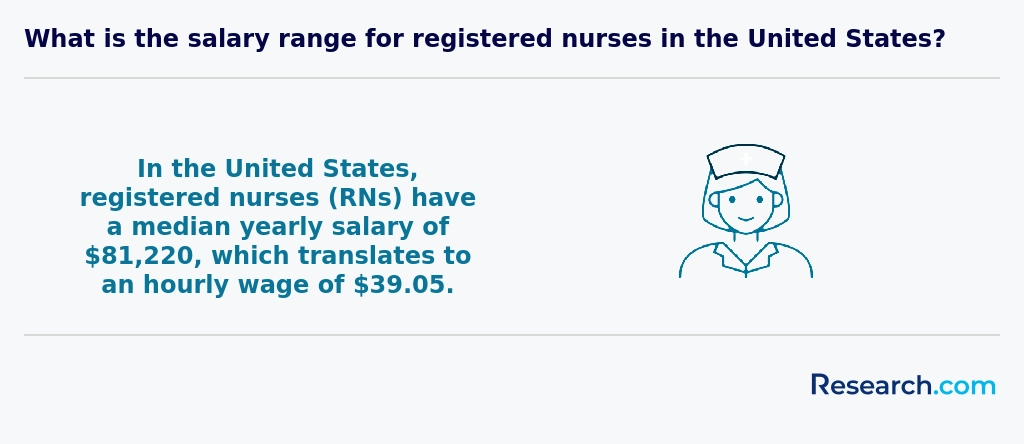
The nursing program you choose can shape your licensure readiness, clinical confidence, transfer options, financial aid eligibility, and early career opportunities. A popular program may signal strong student demand, but popularity alone should not drive your decision. The best choice is the program that fits your academic background, schedule, budget, and target nursing role.
Start by confirming whether the program is accredited, whether it prepares graduates for the NCLEX-RN, and whether its clinical placements match the kind of care environment you want to enter. Then compare tuition, admission selectivity, completion timelines, student support, and whether the school offers pathways such as ADN, BSN, RN-to-BSN, or graduate nursing options.
Students comparing Tallahassee options may also benefit from reviewing the most popular nursing programs across Florida to understand how local choices fit into the broader state market. A thoughtful comparison can help you avoid common mistakes, such as choosing the fastest program without checking accreditation or selecting the least expensive option without reviewing clinical access and NCLEX preparation.
Nursing students in Tallahassee have several financial aid resources to ease their educational expenses, which typically range from $8,000 to $15,000 per year. Many rely on federal aid through the FAFSA, unlocking Pell Grants that cover up to $7,395 annually, along with low-interest Direct Loans. Graduates from Florida State University and Tallahassee State College often mention how these grants helped them focus on studies without overwhelming debt.
State programs also provide key support. For example, the Florida Bright Futures Scholarship rewards strong academic performance by reducing tuition costs. Another significant help is the Nursing Student Loan Forgiveness Program, which motivates registered nurses to serve in underserved Tallahassee areas by forgiving part of their loan balances.
Local scholarships from nursing schools and professional groups are valuable too. Many students appreciate the scholarships published on FSU and TCC nursing program sites, which directly target nursing candidates. Work-study jobs and tuition reimbursement from nearby hospitals give students practical work experience while funding their studies.
Finally, some nursing students use school payment plans to manage tuition flexibly, reducing financial stress as they balance coursework and life. These combined aids create a hopeful pathway toward a rewarding nursing career in Tallahassee.
After reviewing the ranking, narrow your list to programs that meet three basic tests: they are properly accredited, financially realistic, and aligned with your intended nursing pathway. Then confirm details directly with each school, because admissions requirements, clinical placement rules, deadlines, and tuition policies can change.
A practical next-step checklist includes:
- Attend a campus information session or virtual open house.
- Speak with an admissions counselor about prerequisites, GPA requirements, and application deadlines.
- Verify nursing accreditation and state approval before submitting an application.
- Ask how clinical placements are assigned and which local healthcare partners participate.
- Review NCLEX-RN preparation resources and recent pass-rate data.
- Estimate total costs, including textbooks, uniforms, testing fees, transportation, and clinical supplies.
If affordability and flexible delivery are major concerns, compare Tallahassee options with broader online BSN models, including our Affordable Online Bachelor’s in Nursing Degree Programs Ranking in Kentucky, which highlights cost-focused online nursing pathways and financial aid considerations.
Before applying, confirm that you have completed required entrance exams, background checks, health screenings, and prerequisite courses. Once enrolled, use career services early, join nursing student organizations, and connect with local employers so you are not waiting until graduation to build your professional network.
To enroll in a nursing degree program in Tallahassee, you must first have a high school diploma or GED and completed coursework in biology, chemistry, and mathematics. Graduates from local programs like Florida State University often share how early focus on anatomy and physiology classes gave them confidence as they began clinical training.
A GPA of around 2.5 to 3.0 is typically required, reflecting the demanding nature of nursing studies. Many students recall that maintaining this GPA helped them stay disciplined, balancing coursework and clinical hours effectively.
Passing the TEAS exam is another key step; it tests essential skills in reading, math, science, and English. Success here can improve your application and boost your readiness, as former Tallahassee State College nursing students emphasize.
Proof of immunizations, background checks, and drug screening ensure safety in clinical environments. Many students find these requirements straightforward and a small price for pursuing their passion.
For those with some college credits, transferring courses like microbiology or chemistry can accelerate progress, making the path smoother and more rewarding.

Graduates of nursing programs in Tallahassee, FL, must pass the NCLEX-RN exam to become licensed Registered Nurses. For that reason, licensure success should be one of the first data points you review when comparing schools.
Most local institutions report first-time NCLEX-RN pass rates between 85% and 95%, surpassing the national average of 82%. Florida State University’s BSN program reports a 94% first-time pass rate, reflecting structured exam preparation, academic support, and a rigorous nursing curriculum.
Before applying, ask each program how it supports NCLEX readiness. Strong programs commonly provide:
- Dedicated NCLEX-RN review courses or embedded exam preparation
- Simulation labs that build clinical judgment before real patient care
- Faculty-led study sessions and remediation for struggling students
- Practice question banks and diagnostic assessments
- Clear progression policies tied to readiness for licensure
Even if you are comparing easy nursing schools to get into, do not treat admission access as the only advantage. A program should also publish transparent pass-rate data, offer structured test preparation, and meet Florida Board of Nursing requirements.
Licensure preparation also includes nonacademic requirements such as background checks, immunization records, and completion of approved coursework. Students can improve their odds of first-time success by forming peer study groups early, using practice exams consistently, and reserving focused NCLEX review time during the final semester.
When pursuing a nursing degree in Tallahassee, students at institutions like Florida State University and Tallahassee State College engage in a variety of essential courses that build both foundational knowledge and practical skills. Early classes focus on anatomy and physiology, microbiology, chemistry, and nutrition, which graduates often describe as eye-opening moments that clarify how the body operates, setting the stage for effective patient care.
As students progress, coursework shifts toward core nursing subjects such as Introduction to Nursing Practice, Pharmacology, and Pathophysiology. These classes equip future nurses with critical understanding about medications, disease processes, and patient health assessment. Clinical-focused courses like Medical-Surgical Nursing and Mental Health Nursing allow students to apply theory directly, often in partnerships local to Tallahassee hospitals and health centers, creating real-world experience that graduates recall as both challenging and rewarding.
Advanced courses in Community and Public Health Nursing and Leadership prepare students for broader roles in healthcare settings, ensuring they leave their program confident and ready to support diverse populations. Many graduates highlight the blend of classroom learning and hands-on clinical training as key to their success in the NCLEX-RN exam and subsequent nursing careers.
Nursing students in Tallahassee can choose from a range of nursing specializations to align their careers with local healthcare needs and personal interests. Common options include Family Nurse Practitioner (FNP), Psychiatric-Mental Health Nursing, Adult-Gerontology Nursing, Pediatric Nursing, Critical Care Nursing, and Public Health Nursing. These tracks prepare students for roles in diverse environments such as community clinics, hospitals, and public health agencies.
Graduates from Florida State University and Tallahassee State College often share how specializing in gerontology or psychiatric care helped them secure meaningful positions at Tallahassee Memorial HealthCare, where there is strong demand for these skills. The ability to tailor your nursing degree options Tallahassee with these focused areas allows for a more engaging and relevant education.
Some students also supplement their degrees with certificates or post-grad tracks to boost expertise. For those balancing studies and work, exploring lvn online programs texas can offer additional flexibility.
Choosing the best nursing degree programs Tallahassee offers starts with identifying your career goals and preferred learning style. Graduates from Florida State University often highlight the value of a Bachelor of Science in Nursing (BSN) for its strong clinical training partnered with Tallahassee Memorial HealthCare, which boosts confidence and job readiness. If affordability is a concern, practical nursing and ADN programs at local community colleges provide solid options with lower tuition rates, appealing to those balancing work and study.
Look closely at program accreditation by ACEN or CCNE, as it directly impacts licensure and employment opportunities in Tallahassee's healthcare system. Graduates frequently recommend checking NCLEX-RN pass rates to gauge program success. Many students appreciate flexible scheduling, including evening or hybrid classes, which make it easier to manage personal commitments.
For those seeking affordable nursing schools in Tallahassee, exploring scholarships and federal aid can make a big difference. Also, consider class sizes and faculty support-graduates often praise smaller classes for personalized attention. Discover more about easy nursing schools to get into by visiting easy nursing schools to get into.
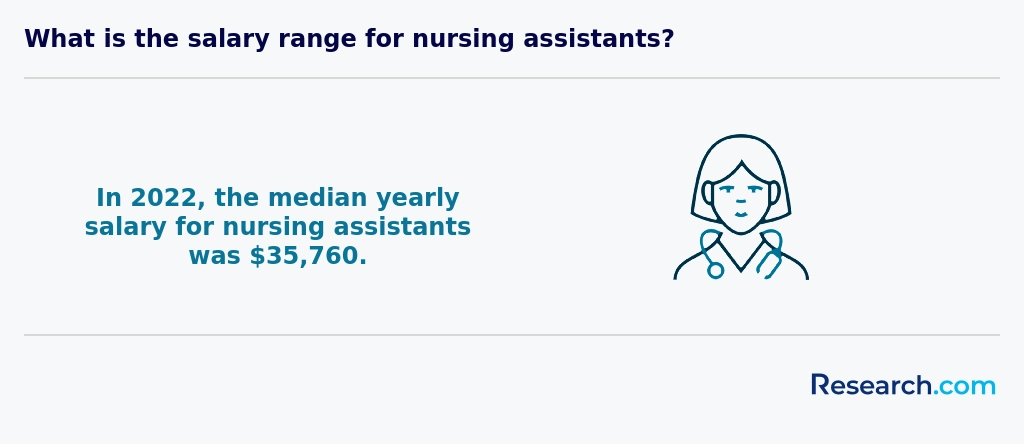
Graduates with a nursing degree in Tallahassee enjoy diverse opportunities that extend well beyond traditional hospital roles. Local healthcare jobs with nursing degree Tallahassee options include working as Registered Nurses at Tallahassee Memorial HealthCare or Capital Regional Medical Center, where graduates gain hands-on experience in various departments. Many graduates also pursue specialization in areas like pediatric nursing, geriatric care-especially relevant due to Florida's aging population-emergency, or psychiatric nursing, offering both challenge and fulfillment.
Those seeking to expand their career can move into nurse practitioner roles or administrative positions after earning advanced degrees. Graduates from Tallahassee's nursing programs often describe the rewarding mix of professional growth and community impact they experience. Practical training paired with affordable tuition encourages further education without financial strain. For example, some students follow paths highlighted in Affordable Online Bachelor's in Nursing Degree Programs Ranking in Kentucky to complement their local education.
Opportunities also exist in outpatient clinics, home health care, and public health, reflecting a broad scope of nursing career opportunities in Tallahassee that meet varied interests and skills.
The nursing job market in Tallahassee offers strong and diverse opportunities for graduates, reflecting the city's established healthcare infrastructure. Schools like Florida State University and Tallahassee State College produce nurses who find roles in hospitals, outpatient clinics, and public health agencies throughout the area. These graduates often share positive experiences about securing positions quickly due to the steady demand fueled by Tallahassee's role as Florida's capital and its surrounding rural healthcare outreach programs.
Healthcare employment outlook Tallahassee is promising, with the Florida Center for Nursing emphasizing ongoing needs for advanced practice registered nurses and specialized nursing roles. Salaries typically start near the Florida median annual wage of about $70,000 and increase with experience and certifications, motivating many to pursue further specialization.
For those exploring study options, considering affordable routes like 6 month associate programs online can provide quicker entry into the nursing workforce. Practical training tied to local healthcare providers through these programs can enhance job readiness for Tallahassee's vibrant nursing job opportunities in Tallahassee.
2027 Most Popular Nursing Degree Programs Ranking in Tallahassee
Investing in your education is a significant decision that can shape your future, and the Research.com team understands the importance of making informed choices. To support prospective students in Tallahassee, we have carefully developed the "2027 Most Popular Nursing Degree Programs Ranking in Tallahassee." Our dedication to quality, credibility, and accuracy is reflected in the thorough research and analysis behind this ranking.
We utilized the following reputable data sources to ensure a comprehensive evaluation of nursing programs:
By exploring this ranking, readers will gain valuable insights into the most popular nursing degree programs in Tallahassee, helping them make informed decisions about their educational paths. For more details on our methodology, please visit our Research.com methodology page.


Frequently Asked Questions About nursing
Nursing degree students in Tallahassee can maximize their learning by engaging actively with local clinical opportunities. Tallahassee is home to several prominent healthcare facilities, including Tallahassee Memorial HealthCare, which offers diverse clinical placements essential for hands-on experience.
Students should also take advantage of partnerships between nursing programs and local hospitals to participate in internships and residency programs. According to the Florida Center for Nursing, Tallahassee-area nursing students benefit from programs emphasizing community health, reflecting regional healthcare needs.
Additionally, joining study groups and nursing organizations like the Florida Nurses Association helps students build professional networks and stay informed about industry trends.
Regular use of simulation labs, available at institutions such as Florida State University, enhances practical skills and critical thinking, preparing students for real-world challenges in healthcare settings.
The nursing field is rapidly evolving, with several emerging niches offering new career opportunities. In Tallahassee, where healthcare demands are growing, areas like geriatric nursing and telehealth nursing are gaining prominence. The Aging and Disability Resource Center reports a steady increase in older adults requiring specialized care, making geriatrics a critical focus.
Telehealth nursing, enhanced by technology, allows nurses to provide care remotely, expanding access in rural Florida regions. Additionally, nurse informatics combines nursing skills with data management, improving patient outcomes through technology.
These niches reflect broader national trends and present promising paths for Tallahassee nursing students seeking in-demand specialties.
After completing a nursing degree in Tallahassee, graduates should focus on certification and licensure to enter the job market successfully. Passing the NCLEX-RN exam is essential to become a registered nurse in Florida. According to the Florida Board of Nursing, timely application for licensure can speed up employment opportunities.
Networking with local healthcare providers, such as Tallahassee Memorial HealthCare, enhances job prospects. Internships or clinical hours gained during the degree often serve as a valuable bridge to full-time positions.
Additionally, considering specialization areas in demand, like geriatric or pediatric nursing, can improve career options. The U.S. Bureau of Labor Statistics projects a 9% growth in nursing jobs nationwide through 2031, reflecting positive employment trends for skilled RNs.
Employers in Tallahassee highly value nursing graduates who demonstrate strong clinical skills and critical thinking. According to the Florida Center for Nursing, practical experience in patient care, along with proficiency in medical technology, ranks among the top skills sought. Communication abilities are also essential, as nurses must effectively interact with patients, families, and interdisciplinary teams.
Moreover, adaptability and problem-solving skills are crucial due to the fast-paced healthcare environment in Tallahassee. Familiarity with electronic health records (EHR) systems is important, reflecting the region's investment in healthcare technology. Finally, empathy and cultural competence improve patient outcomes and meet Florida's diverse community needs.
Finding nursing internships in Tallahassee involves utilizing local resources and understanding the region's healthcare landscape. Start by contacting nursing programs at Tallahassee State College and Florida State University, as they often have established partnerships with local hospitals for clinical placements. Internships may also be available through Tallahassee Memorial HealthCare, the city's largest hospital system, offering practical experience in varied nursing fields.
The Florida Center for Nursing reports that 60% of nursing students secure internships through school-coordinated programs, emphasizing the value of academic connections. Additionally, the Florida Board of Nursing website lists approved clinical sites, which can guide students to registered opportunities. Networking with healthcare professionals at career fairs and local nursing associations further broadens internship possibilities.
Obtaining a nursing degree in Tallahassee significantly enhances career mobility and advancement opportunities in the region. According to the U.S. Bureau of Labor Statistics, registered nurses in Florida benefit from a projected job growth of 15% through 2031, which is faster than the national average. Graduates with a Bachelor of Science in Nursing (BSN) are particularly favored in local hospitals and healthcare systems like Tallahassee Memorial HealthCare, where higher credentials often lead to leadership roles and specialized positions.
Further education can qualify nurses for advanced practice roles, such as nurse practitioners, which come with higher salaries and expanded responsibilities. Earning a nursing degree also establishes eligibility for licensure and certifications required in Florida. Overall, a nursing degree in Tallahassee is a pivotal step toward professional development and increased earning potential within the competitive healthcare market.
Studying for a nursing degree in Tallahassee equips students with skills needed for interdisciplinary healthcare roles. Programs often integrate clinical practice with courses in communication, ethics, and health policy, fostering collaboration across professions like medicine, social work, and pharmacy. According to the Florida Board of Nursing, Tallahassee-based schools emphasize teamwork through simulation labs and community health partnerships.
Many nursing programs in Tallahassee also offer opportunities for interprofessional education (IPE), which the World Health Organization highlights as essential for improving patient outcomes. This prepares graduates to contribute effectively within diverse healthcare teams in settings across Florida's capital region.
Choosing between a thesis and a non-thesis nursing degree program in Tallahassee depends on your career goals and learning preferences. Thesis programs emphasize research, requiring students to complete a substantial project, which benefits those aiming for doctoral study or research roles. Non-thesis options focus on practical skills and clinical experience, ideal for nurses targeting advanced clinical practice or administrative positions.
Local institutions like Florida State University offer both paths, with data from the National Center for Education Statistics showing that nearly 40% of nursing graduates in Florida pursue research-focused degrees. Consider the time commitment: thesis tracks often require more months of study. Understanding these differences helps tailor your education to your ambitions.
Students in Tallahassee seeking to study nursing abroad have several pathways through U.S. higher education institutions with international partnerships. Florida State University and Tallahassee State College often collaborate with universities in countries like Canada and the United Kingdom to offer exchange programs and clinical placements abroad. These options provide valuable hands-on experience in diverse healthcare settings.
Participation in study abroad nursing programs allows students to earn credits toward their degree while gaining cultural competence, an important skill in global healthcare. According to the Institute of International Education, approximately 1.6% of U.S. nursing students engage in international study, reflecting growing interest.
Furthermore, some programs emphasize global health electives geared toward Tallahassee students preparing for diverse careers. It is important to consult academic advisors early to understand credit transfer policies and licensure requirements after returning to the U.S.
Students pursuing nursing degrees in Tallahassee can benefit from part-time job opportunities that enhance their clinical skills and professional experience. Local hospitals like Tallahassee Memorial HealthCare often offer positions such as patient care technicians or nursing assistants, allowing students to gain hands-on experience in patient interaction and care under supervision. According to the Florida Department of Economic Opportunity, healthcare support roles in Tallahassee show steady growth, making these positions accessible and relevant.
Additionally, nursing students may find part-time roles in local clinics or assisted living facilities, providing exposure to diverse patient populations and care settings. Such jobs strengthen communication skills and time management, which are critical in nursing education and careers.
Nursing students in Tallahassee have access to a variety of networking opportunities. Local institutions like Florida State University and Tallahassee State College offer nursing organizations such as the Student Nurses' Association, which host events and professional development workshops. These groups connect students with healthcare professionals and alumni in the region.
Additionally, Tallahassee's numerous hospitals and clinics provide clinical placements that often lead to networking with licensed nurses and medical staff. According to the Florida Center for Nursing, the state emphasizes building professional networks to improve job prospects and skills.
Students can also attend regional healthcare conferences and seminars held in Tallahassee, which foster connections with nursing leaders across northern Florida.
Alumni networks offer valuable support for nursing degree students in Tallahassee by connecting them with experienced graduates in the healthcare field. These networks often provide mentorship opportunities, helping students navigate clinical placements and job searches. According to the Florida Center for Nursing, nearly 85% of nursing graduates in the state find employment within six months, often aided by alumni referrals.
In Tallahassee, active alumni associations at institutions like Florida State University foster professional development through workshops and networking events. Such connections enhance students' access to internships and local healthcare employers.
Moreover, alumni networks promote lifelong learning and career advancement, which are crucial in the evolving nursing profession.
Customizing a nursing degree program in Tallahassee begins with selecting the right educational institution that offers flexible course options. Many local schools provide specializations such as gerontology, pediatrics, or emergency nursing, allowing students to align their studies with specific career goals. Tallahassee State College and Florida State University both offer pathways like RN-to-BSN or accelerated BSN programs to accommodate varying experience levels.
Additionally, students can often choose elective courses or participate in clinical rotations at nearby healthcare facilities, gaining hands-on experience in specialized areas. According to the Florida Center for Nursing, tailored education enhances job readiness in the region's growing healthcare sector. Exploring certifications alongside your degree also helps focus on roles like nurse anesthesia or nurse educator.
Nursing students in Tallahassee often face significant challenges balancing academic demands with clinical practice. The rigorous coursework, which includes anatomy, pharmacology, and patient care, requires strong time management skills. According to the Florida Board of Nursing, high competition for clinical placements in nearby hospitals can limit practical experience opportunities, a critical component for licensure readiness.
Financial strain is also common, with nursing programs often involving costly tuition and fees. Many students must juggle part-time jobs alongside studies. Additionally, stress and burnout rates are notable, reflecting the pressure to maintain high performance in both classroom and clinical settings, as indicated by research from Florida State University's College of Nursing.
With a nursing degree in Tallahassee, graduates can pursue a variety of professional certifications that enhance career opportunities and expertise. Common certifications include the Certified Nurse Assistant (CNA), Licensed Practical Nurse (LPN), and Registered Nurse (RN) licenses, which serve as foundational credentials. Advanced certifications such as the Certified Nurse Practitioner (CNP) and Clinical Nurse Specialist (CNS) are also available, requiring further education and clinical experience.
Specialty certifications, recognized nationally by organizations like the American Nurses Credentialing Center (ANCC), include areas such as gerontology, pediatrics, and critical care. According to the Florida Center for Nursing, Tallahassee's healthcare employers highly value these certifications, aligning with the city's growing demand for skilled nurses in both hospital and community settings.
Applying to nursing programs in Tallahassee requires careful preparation to stand out. Start by maintaining a strong GPA, ideally above 3.0, as competitive nursing schools value academic excellence. Highlight relevant experience such as volunteering in healthcare settings or shadowing registered nurses.
Personal statements should clearly express your passion for nursing and commitment to patient care. According to the Florida Board of Nursing, clinical experience and clear career goals enhance your application's strength. Additionally, prepare for standardized tests like the TEAS, which many Tallahassee programs require. Scoring in the 70th percentile or above increases your chances.
Letters of recommendation from healthcare professionals or instructors familiar with your skills provide valuable support. Demonstrating an understanding of local healthcare challenges in Tallahassee can also be advantageous.
The nursing profession holds a vital role worldwide, with growing demand in many countries, including the United States. Globally, nurses are recognized as essential healthcare providers, and their skills are increasingly transferable across borders due to standardized education and licensing practices.
In the U.S., nursing degrees from accredited institutions, such as those in Tallahassee, prepare students to meet national licensure requirements. According to the Florida Center for Nursing, the state anticipates a 15% increase in nursing jobs by 2030, reflecting a strong career outlook.
Internationally, nurses benefit from global health initiatives and opportunities for specialization, which enhance their impact. Thus, a nursing degree earned in Tallahassee aligns well with worldwide standards, supporting mobility and diverse career paths.
Gaining practical experience while studying for a nursing degree in Tallahassee involves a combination of clinical placements, internships, and community health opportunities. Local institutions, including Florida State University and Tallahassee State College, partner with nearby hospitals and clinics to provide students with hands-on training. These clinical hours are essential for licensing and usually total between 500 and 800 hours, depending on the program.
Additionally, Tallahassee's healthcare facilities, such as Tallahassee Memorial HealthCare, offer internships where students can observe and participate in patient care under supervision. Volunteering in community health programs also enhances real-world skills and networking prospects.
Choosing the right concentration within a nursing degree program in Tallahassee involves understanding both your career goals and the local healthcare landscape. Common concentrations include family nurse practitioner, gerontology, mental health, and pediatric nursing. Tallahassee's significant elderly population, supported by data from the Florida Department of Health, suggests growing opportunities in gerontology nursing.
Additionally, consider the program's clinical partnerships in Tallahassee hospitals and community centers, as hands-on experience is crucial. Review licensure pass rates and graduate outcomes available through the Florida Board of Nursing. Align your choice with these factors to enhance employment prospects in the region's healthcare market.
- 2027 Most Popular Nursing Degree Programs Ranking in Jacksonville
- 2027 Most Popular Nursing Degree Programs Ranking in Macon
- 2027 Most Popular Nursing Degree Programs Ranking in Tampa
- 2027 Most Popular Nursing Degree Programs Ranking in Orlando
- 2027 Most Popular Nursing Degree Programs Ranking in Mobile
- 2027 Most Popular Nursing Degree Programs Ranking in Atlanta
- 2027 Most Popular Nursing Degree Programs Ranking in Birmingham
- 2027 Most Popular Nursing Degree Programs Ranking in Hattiesburg
- 2027 Most Popular Nursing Degree Programs Ranking in Columbia
- 2027 Most Popular Nursing Degree Programs Ranking in Charlotte
See What Experts Have To Say About Studying Nursing
Read our interview with Nursing experts

Lisa Grubb
Nursing Expert
Assistant Professor
Johns Hopkins School of Nursing

- How to Choose the Right Nursing School for Your Career Goals | Archer Review https://www.archerreview.com/blog/how-to-choose-the-right-nursing-school-for-your-career-goals
- Essential Tips for Nursing Students to Advance Their Careers https://almanaltraining.com/essential-tips-for-nursing-students-to-advance-their-careers/
- The Nurses' Alumni Association https://giving.mainlinehealth.org/get-involved/auxiliaries-and-womens-boards/lankenau-medical-center-womens-board/the-nurses-alumni-association
- Do I Have to Write a Thesis to Complete a Master’s Degree in Nursing? https://www.bestmasterofscienceinnursing.com/faq/write-thesis-complete-masters-degree-nursing/
- School of Nursing Alumni Resources https://nursing.utmb.edu/About/Alumni
- Nursing Internship and Externship Programs https://jobs.mayoclinic.org/nursinginternexternprograms
- What Are the Best RN Certifications for Your Career? https://credenzahealth.com/career-advice/what-are-the-best-rn-certifications-for-your-career
- Client Challenge https://www.springerpflege.de/nursing-graduates-perceived-future-career-pathway-and-career-shi/50653658
- How to Choose a Nursing Program: A Comprehensive Guide - Madonna ABSN https://absn.madonna.edu/blog/how-to-choose-a-nursing-program/
- What Are the Best Jobs to Work While in Nursing School? https://www.dewv.edu/what-are-the-best-jobs-to-work-while-in-nursing-school/