
2027 Best Nursing Degree Programs Ranking in Mississippi

Co-Founder and Chief Data Scientist
Choosing the right nursing degree program can shape your future career in healthcare. For students in Mississippi, making an informed decision is essential to ensure the best education and opportunities.
This article introduces the 2027 Best Nursing Degree Programs Ranking in Mississippi, developed by the Research.com team of data scientists. It offers a clear overview of top programs worth considering, helping you navigate your options with confidence.
Discover programs that align with your goals and take an important step toward a rewarding nursing career.
Key benefits of getting nursing degree in Mississippi
- Graduates with a nursing degree in Mississippi can expect competitive salaries, with Registered Nurses earning a mean annual wage of $94,480 and Operating Room Nurses making up to $128,490, offering strong financial stability.
- Career paths are diverse, including roles like Clinical Nurse Educator, Public Health Nurse, and Emergency Room Nurse, allowing graduates from universities such as the University of Mississippi to find fulfilling work in various healthcare settings.
- Online nursing degrees, like those offered by Mississippi University for Women, provide flexible schedules and the chance to learn from home, helping busy students balance education and life while still launching a rewarding career.
- 2027 Best Nursing Degree Programs Ranking in Mississippi
- What can I expect from nursing degree in Mississippi?
- Where can I work with nursing degree in Mississippi?
What can I expect from nursing degree in Mississippi?
The average cost of pursuing a nursing degree in Mississippi varies depending on the program and institution you choose. For example, students enrolling in Associate Degree in Nursing (ADN) programs at community colleges like Hinds or Pearl River typically pay much less than those in four-year Bachelor of Science in Nursing (BSN) programs at universities such as the University of Mississippi or Mississippi State University. ADN students often find their total tuition ranging from around $5,000 to $10,000 for the full program, which makes it an accessible and affordable path toward becoming a registered nurse.
On the other hand, graduates from BSN programs might spend between $20,000 and $40,000 over four years, depending on residency status and available financial aid. Many graduates recall the real value of their investment not just in tuition but in hands-on experiences and clinical training at local hospitals like Baptist Memorial, which prepares them confidently for licensure exams and careers.
Financial aid, scholarships, and work-study options are often available, easing the cost burden for many students eager to serve their communities through nursing.
Where can I work with nursing degree in Mississippi?
With a nursing degree from esteemed Mississippi schools like the University of Mississippi or Jackson State University, you have a wealth of career opportunities waiting for you in the state. Graduates often find rewarding roles in major hospitals across Jackson, Gulfport, and Hattiesburg, where they provide hands-on patient care, assist in complex surgeries, and specialize in areas like oncology or pediatrics. Imagine the pride of caring for patients in a busy emergency room or being part of a compassionate long-term care team supporting Mississippi's aging population.
Many graduates also pursue careers in community health clinics or public health departments, where they educate patients on wellness and preventive care-especially critical in rural areas with limited medical resources. Some even thrive in correctional facilities, delivering essential healthcare within secure environments. Others find fulfillment in the growing field of home healthcare, helping patients maintain independence in their own homes. Each path offers a chance to make a meaningful impact, shaping your career around the unique healthcare needs of Mississippi communities.
Graduates earning a nursing degree from institutions like the University of Mississippi Medical Center often find themselves stepping into roles that pay well above the state average. For instance, Registered Nurses typically earn around $94,480 annually in Mississippi, closely matching figures for specialized positions such as Clinical Nurse Educators and Public Health Nurses.
Many alumni who started with an Associate Degree or Bachelor's have shared how their careers quickly advanced to rewarding roles, like Emergency Room Nursing, where the mean salary hits about $94,480 a year. Meanwhile, those who pursued further specialization-such as in operating room nursing-can expect even higher earnings, with salaries averaging $128,490 annually.
These numbers reflect not only the value of a nursing degree but also the varied opportunities across Mississippi's healthcare settings. Whether working in bustling urban hospitals or community clinics, graduates feel confident knowing their expertise is in demand and financially recognized, offering a stable and fulfilling career path in their home state.
- Mississippi offers nursing programs such as ADN, BSN, and MSN through multiple accredited institutions approved by the state board.
- The average tuition for a BSN at a public university ranges from $10,000 to $20,000 for in-state students, with financial aid often available.
- Newly graduated nurses in Mississippi earn starting salaries between $50,000 and $55,000 annually, with experienced nurses making $70,000 or more.
- There is high demand for nurses, especially in rural areas, with job openings expected to grow steadily according to state employment projections.
- Graduates must pass the NCLEX-RN exam to become licensed and can access strong preparation support through state nursing schools.
The journey to becoming a nurse in Mississippi can vary, but most students find their path fitting nicely into clear timeframes. If you choose the Associate Degree in Nursing (ADN), such as those offered at Hinds Community College or Pearl River Community College, expect about 2 to 3 years of intense learning and hands-on clinical practice before you're ready to take the NCLEX-RN and start your nursing career.
For those aiming higher with a Bachelor of Science in Nursing (BSN), universities like the University of Southern Mississippi or the University of Mississippi Medical Center provide a comprehensive 4-year program. Graduates often recall how this time built their confidence not just in clinical skills but also in leadership and research. If you already have a bachelor's degree in another field, Mississippi's accelerated BSN programs let you complete the degree in about 12 to 18 months, combining focus and speed.
Advanced roles call for a Master of Science in Nursing (MSN), which usually adds about 2 years beyond your BSN. Many graduates praise the flexibility and richness of these programs that prepare them to lead and teach.
Programs like LPN to RN bridges let working professionals advance smoothly in 1 to 2 years, a practical route embraced by many in the state. Mississippi's commitment to clinical rotations means you'll gain real-world experience that deeply enriches your education journey.
Program accreditation by bodies such as the Commission on Collegiate Nursing Education (CCNE) and the Accreditation Commission for Education in Nursing (ACEN) is a crucial marker of academic rigor and clinical excellence. In Mississippi, leading institutions like the University of Mississippi Medical Center maintain CCNE accreditation and report first-time NCLEX-RN pass rates exceeding 95%, well above the state average of 88%. Delta State University and Jackson State University follow closely with pass rates of 92% and 90%, respectively, reflecting robust preparation for licensure exams. High NCLEX pass rates indicate that a nursing program’s curriculum, faculty expertise, and clinical partnerships effectively equip students for real-world practice. Prospective students should review each school’s annual pass-rate disclosures-available through the Mississippi Board of Nursing-and compare accreditation statuses to ensure they select programs that consistently produce competent, licensure-ready graduates. For non-nursing graduates seeking an accelerated pathway into the profession, several programs offer a direct Master of Science in Nursing that integrates foundational licensure exam preparation with advanced practice coursework. To explore options that streamline both licensure and graduate-level advancement, consider the best accelerated direct entry msn for non nurses online.
Choosing between online and on-campus nursing degrees in Mississippi comes down to your lifestyle and learning preferences. Online programs, like those offered by the University of Mississippi Medical Center, give you the freedom to study from home while balancing work or family. Many graduates appreciate this flexibility but emphasize the challenge of staying disciplined and managing time effectively.
On-campus programs provide a vibrant college experience with face-to-face classes, access to simulation labs, and immediate support from faculty. Graduates from Mississippi College often mention how this hands-on environment helped build their confidence and teamwork skills, especially during clinical rotations.
Both paths require in-person clinical hours at approved local healthcare facilities, which is essential for gaining real patient-care experience. Whether online or on-campus, students must navigate the state's clinical placement process, ensuring they meet Mississippi board standards.
Ultimately, your choice should reflect your needs: the independence of online learning or the immersive, supportive campus atmosphere. Both paths lead to success, preparing you for a fulfilling nursing career in Mississippi.
Accreditation ensures your program meets national quality standards and prepares you for licensure. All nursing programs in Mississippi must be approved by the Mississippi Board of Nursing and accredited by a recognized body:
- Commission on Collegiate Nursing Education (CCNE)
- Accreditation Commission for Education in Nursing (ACEN)
- National League for Nursing Commission for Nursing Education Accreditation (NLN CNEA)
Graduation from an accredited program is required to sit for the NCLEX-RN exam and obtain licensure in Mississippi. For advanced practice goals, explore the most affordable bsn to dnp programs online.
The average cost of obtaining a nursing degree in Mississippi is a key consideration for many aspiring nurses. For in-state students, the median total cost generally hovers around $9,772, making nursing education here more affordable than in many other states. Graduates from well-known public universities often share that this cost balance allowed them to focus more on gaining valuable clinical experience rather than worrying excessively about financial burdens.
One important note about Mississippi nursing degree tuition and fees is the difference between public and private institutions. While public colleges offer lower tuition, private universities' costs can be considerably higher. Many students pursuing a Bachelor of Science in Nursing find that despite higher upfront costs, the comprehensive resources and networking opportunities available at some private schools can enhance their career trajectory.
Real-life stories from recent graduates often highlight how strategic use of financial aid and scholarships made a significant difference. Many nursing students in Mississippi tap into federal aid programs or employer tuition reimbursement to reduce expenses. For those seeking the most affordable option, exploring the most affordable nursing programs in Mississippi can be a wise first step toward budgeting wisely.

Before you can practice as a Registered Nurse (RN) in Mississippi, you must complete a series of steps to obtain and maintain your professional license: 1. Graduate from an accredited nursing program • Ensure your ADN or BSN is CCNE- or ACEN-accredited. • Accredited programs have higher NCLEX-RN pass rates-Mississippi schools average around 88–92%. 2. Submit application to the Mississippi Board of Nursing • Create an online account at the Board’s portal. • Provide official transcripts, proof of immunizations, and a background check. 3. Register for the NCLEX-RN exam • Apply through Pearson VUE and receive your Authorization to Test (ATT) email within 2–4 weeks. • Use official NCLEX prep materials and practice tests for optimal results. 4. Pass the NCLEX-RN • Average first-time passerates for Mississippi graduates exceed the national average of 85%. • After passing, you’ll receive your RN license via mail. 5. Maintain and renew your license • Mississippi requires annual renewal by December 31; fees are $40 for RNs. • Complete 12 contact hours of continuing education each year, including two hours in pain management. 6. Consider advanced certifications • Specialty credentials (e.g., CCRN, CPN) demonstrate expertise in areas like critical care or pediatrics. For students comparing program costs and outcomes beyond Mississippi, explore the Cheapest Nursing Degree Programs Ranking in Oregon to identify affordable accredited pathways with strong licensure success.
If you're pursuing a nursing degree in Mississippi, financial aid opportunities are designed to lighten your financial load and keep your focus where it belongs-on your studies and future career. Many graduates from the University of Mississippi Medical Center and Jackson State University have found that completing the FAFSA is the first crucial step. This opens the door to Pell Grants, offering up to $7,395 annually, a welcome boost to in-state tuition costs that usually run lower here than in many states.
State-specific support from the Mississippi Institutions of Higher Learning is another powerful resource. Scholarships like the Mississippi Nurses Foundation awards and loan programs with forgiveness options help students committed to working locally, especially in underserved areas.
Many nursing grads share how work-study programs and employer tuition reimbursements, particularly in rural hospitals, have made managing expenses practical and rewarding. Remember, combining federal aid, state grants, and private scholarships creates a financial safety net that makes your nursing journey in Mississippi not just possible, but inspiring.
When considering a nursing degree in Mississippi, financial planning is crucial. Tuition costs, fees, and other expenses can vary significantly between institutions and programs. For instance, students interested in pursuing a Master's degree may want to explore the most affordable nursing programs in Mississippi to ensure they can manage their educational investments effectively. Understanding the total cost of attendance, including living expenses, equipment, and licensure fees, is essential for making informed decisions. Many nursing students in Mississippi also avail themselves of financial aid opportunities, such as scholarships, grants, and loans, to help fund their education. By carefully examining these financial considerations and planning ahead, aspiring nurses can set themselves up for success and minimize financial stress throughout their educational journey.
To enroll in a nursing degree program in Mississippi, start by securing your high school diploma or GED, as every nursing school values this fundamental step. Graduates from local community colleges and universities often reflect on how strong grades in biology, chemistry, and math gave them the confidence to thrive in nursing courses.
Many aspiring nurses at institutions like the University of Mississippi Medical Center highlight the importance of completing prerequisite classes such as anatomy, physiology, and microbiology before admission. These courses build a solid foundation that makes the challenging nursing curriculum more manageable.
Standardized exams like the TEAS test are another key part of the journey. Successful students often share how preparing for this exam sharpened their skills in reading, math, and science - essential tools for nursing school and beyond.
Don't forget about health and safety requirements: immunizations, CPR certification, and background checks are mandatory before clinical rotations begin, ensuring you're ready to care for others safely and professionally.
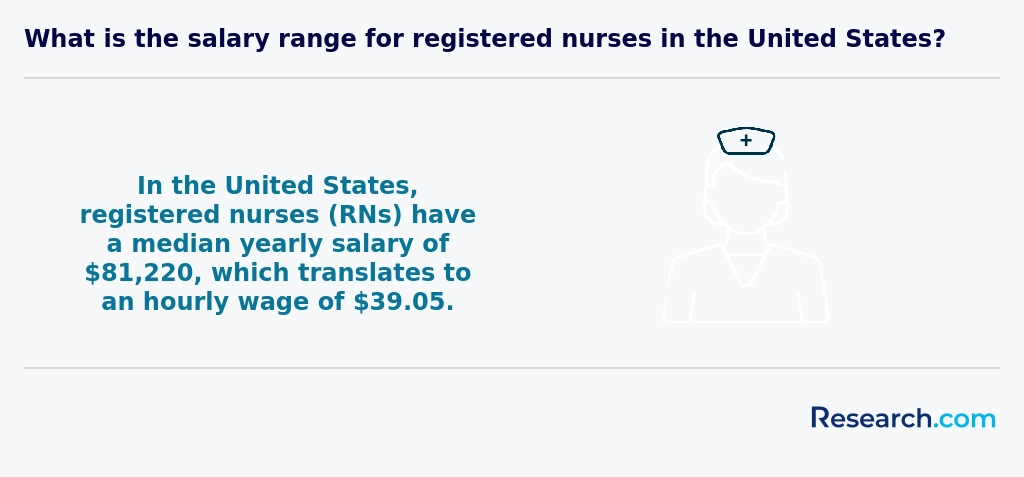
Before you can practice as a registered nurse in Mississippi, you must pass the National Council Licensure Examination for Registered Nurses (NCLEX-RN) and meet the Mississippi Board of Nursing’s licensing criteria. Candidates should apply through Nursys and submit official transcripts from an accredited nursing program. Once eligibility is confirmed, you’ll receive an Authorization to Test (ATT) and can schedule your NCLEX-RN at a Pearson VUE testing center. Mississippi’s average NCLEX-RN pass rate hovers around 85%, reflecting the quality of in-state programs, but preparation courses and practice exams are highly recommended to boost your confidence and performance. Continuing education is also a key component of maintaining licensure. After passing the NCLEX-RN, new RNs in Mississippi must renew their license every two years and complete at least 15 hours of approved continuing education. For ADN graduates who wish to further advance their qualifications, seamless bridge options are available. Programs such as the capella rn to bsn online pathway are designed to help you build on your foundational credential, improve job prospects, and meet evolving healthcare standards without interrupting your practice.
When pursuing a nursing degree in Mississippi, you'll encounter a vibrant mix of courses designed to build both your confidence and expertise. Many graduates from universities like the University of Mississippi Medical Center share how foundational classes such as Anatomy and Physiology gave them a deep understanding of the human body, which truly came alive during clinical rotations.
Courses like Microbiology and Pharmacology sharpen your ability to manage infections and medications safely-skills essential when you're caring for patients in real-world settings. Nursing Fundamentals provide the practical skills that students at institutions like Mississippi College found invaluable when starting hands-on care.
More specialized courses-Adult Health Nursing, Maternal and Child Health, and Mental Health Nursing-prepare you for diverse patient needs, reflecting Mississippi's unique healthcare environment. Community and Public Health Nursing teach you to make a difference in rural areas, echoing the missions of schools like Delta State University.
Finally, clinical practicums immerse you fully, transforming your knowledge into compassionate, confident care amid the hustle of local hospitals and clinics.
Nursing degree specialization options in Mississippi cover a broad spectrum tailored to meet the diverse needs of healthcare. Graduates from universities like the University of Mississippi Medical Center or Mississippi College often share how choosing paths such as Family Nurse Practitioner or Psychiatric-Mental Health Nursing boosted their career satisfaction and demand in local communities. These specializations empower you to serve patients of all ages, from pediatric care to adult-gerontology, reflecting the state's focus on comprehensive healthcare delivery.
Many students find themselves drawn to acute care roles like Emergency Nursing or Perioperative Nursing, preparing them for high-pressure hospital environments. Others appreciate programs with community health or leadership emphases embedded within BSN tracks, especially when combined with flexible ladder options starting from ADN. For those balancing work and study, exploring options such as the capella rn to bsn pathway offers a practical route forward.
Choosing the best nursing degree in Mississippi starts with understanding your own goals and the specific offerings at local schools. Many graduates from well-known universities in the state share how earning a BSN opened doors to leadership roles and specialized nursing positions, especially since hospitals aiming for Magnet status prefer candidates with this credential. If you're pressed for time but committed, look at programs that balance affordability with strong clinical partnerships-these hands-on experiences, often found at Mississippi's top nursing colleges, make a real difference in confidence and career readiness.
Consider program accreditation carefully; choose courses endorsed by ACEN or CCNE for recognized standards that ensure your education holds value with employers in Mississippi. Tuition varies widely, so exploring affordable nursing schools Mississippi can help you avoid financial strain. One practical tip is to review NCLEX pass rates to see which programs consistently prepare students well.
For those seeking a faster path, exploring the best accelerated direct entry msn for non nurses online may be a smart choice. This route is perfect if you're switching careers and need a streamlined option without compromising quality.
Graduates of nursing programs in Mississippi discover a range of fulfilling options, from bedside registered nurse roles in hospitals to specialized fields like pediatric or psychiatric nursing. Many who have completed their degrees at well-known institutions such as the University of Mississippi Medical Center move quickly into healthcare settings where their skills meet the growing local demand. These nursing career opportunities in Mississippi extend beyond clinical care; some graduates thrive as nurse educators or administrators, shaping the future of healthcare within their communities.
For those pursuing advanced roles, becoming nurse practitioners or nurse anesthetists offers greater autonomy and competitive salaries, reflecting real success stories from graduates of Mississippi College's nursing program. The versatility found here aligns with your ambition to impact patient lives meaningfully.
Cost concerns are common, yet practical choices exist. Students have found affordable paths by exploring different programs and using resources like the Cheapest Nursing Degree Programs Ranking in Oregon for ideas on managing expenses while pursuing their passion.
Mississippi nursing degree job prospects remain strong, fueled by the state's healthcare needs and the enthusiastic commitment of its nursing graduates.
The nursing job market in Mississippi is strong and filled with opportunities, especially for graduates from reputable programs at universities like the University of Mississippi Medical Center or Jackson State University. Many graduates share that their hands-on experiences during clinical rotations across local hospitals gave them confidence to step directly into roles as Registered Nurses. Those pursuing a nursing degree in Mississippi benefit from a supportive environment where rural areas urgently need well-trained nurses, boosting employment chances significantly within community and long-term care settings. This positive demand makes the Mississippi nursing degree employment opportunities quite promising for new nurses ready to make an impact.
Affordability is another plus; many students appreciate that tuition for nursing programs in Mississippi is accessible, often ranging between $7,000 and $15,000 annually. This cost-effectiveness, combined with the solid demand for healthcare professionals, encourages many to look into fast track programs that help them enter the workforce quickly. The statewide growth in healthcare facilities and initiatives to improve care quality ensure sustained openings, especially for those embracing advanced roles.
2027 Best Nursing Degree Programs Ranking in Mississippi
Investing in your education is a significant decision that can shape your future, and the Research.com team understands the importance of making informed choices. To assist prospective students in Mississippi, we have meticulously crafted the "2027 Best Nursing Degree Programs Ranking in Mississippi." Our commitment to quality, credibility, and accuracy is reflected in the extensive research and analysis conducted to compile this ranking.
We utilized the following reputable data sources to ensure a comprehensive evaluation of nursing programs:
By exploring this ranking, readers will gain valuable insights into the best nursing degree programs available in Mississippi, helping them make well-informed decisions about their educational paths. For more details on how we created this ranking, please visit our Research.com methodology page.


Frequently Asked Questions About nursing
Nursing degree students in Mississippi can maximize their learning experience by actively engaging in clinical placements offered through local hospitals and healthcare facilities. These hands-on opportunities, often facilitated by accredited programs, enhance practical skills essential for licensure and employment. According to the Mississippi Board of Nursing, students benefit from exposure to diverse patient populations, increasing cultural competence and adaptability.
Additionally, students should take advantage of simulation labs available at many universities. These controlled environments provide safe spaces to practice critical decision-making and technical procedures. Mississippi's nursing programs also encourage participation in study groups and nursing organizations, which foster peer support and professional networking.
Keeping updated with the evolving field of nursing through continuing education and evidence-based research further deepens understanding and prepares students for successful careers.
Emerging niches within the nursing field in Mississippi reflect broader national trends shaped by healthcare demands and technological advances. One growing area is geriatric nursing, driven by Mississippi's aging population. According to the Mississippi State Department of Health, the number of residents aged 65 and older is projected to increase significantly by 2030, highlighting the need for specialized elder care.
Another expanding field is telehealth nursing, where nurses provide remote care using digital tools. This has gained momentum, especially after the COVID-19 pandemic, increasing access in Mississippi's rural areas.
Additionally, nurse informatics integrates nursing science with information technology, optimizing patient care data, and improving health outcomes.
Preparing for the job market after earning a nursing degree in Mississippi involves several key steps. First, graduates must pass the NCLEX-RN exam to become licensed registered nurses, a mandatory requirement enforced by the Mississippi Board of Nursing. According to the National Council of State Boards of Nursing, Mississippi's NCLEX pass rate has been consistently above 85%, reflecting strong program quality.
Building clinical experience through internships or volunteer work in local healthcare facilities can improve employability. Mississippi's demand for nurses is growing, with the Bureau of Labor Statistics projecting a 10% increase in nursing jobs statewide through 2030. Networking with healthcare employers and participating in nursing associations, such as the Mississippi Nurses Association, can also provide valuable job leads and mentorship.
Continuing education and specialization certifications, like in gerontology or critical care, enhance a nurse's marketability given Mississippi's aging population and healthcare needs.
Employers in Mississippi highly value nursing graduates who demonstrate strong clinical skills and the ability to provide compassionate patient care. According to the Mississippi Board of Nursing, proficiency in practical nursing tasks and adherence to safety protocols are essential for new nurses entering the workforce.
Critical thinking and effective communication are also key skills. Nurses must collaborate efficiently with healthcare teams and clearly explain treatment plans to patients. Data from the Mississippi Department of Health shows that teamwork and interpersonal skills improve patient outcomes significantly.
Additionally, familiarity with electronic health records (EHR) systems is increasingly important, as many hospitals in Mississippi have adopted digital documentation. Organizational skills and adaptability to fast-paced work environments are also often highlighted in job postings across the state.
Finding nursing internships in Mississippi involves a mix of research, networking, and utilizing educational resources. Many nursing programs within the state require clinical hours, which are often fulfilled through internships at hospitals, clinics, or long-term care facilities. Institutions such as the University of Mississippi Medical Center and Baptist Memorial Hospital actively partner with nursing students.
Students should start by consulting their nursing school's career services or clinical coordinators who have established contacts with healthcare providers. Additionally, the Mississippi Nurses Association offers resources and listings for nursing internships.
The Mississippi State Board of Nursing reports that nursing internships help bridge theory and practice, improving licensure exam pass rates and employment prospects. To increase chances of placement, students should apply early, maintain good academic standing, and attend local healthcare career fairs.
A nursing degree significantly enhances career mobility and advancement opportunities in Mississippi. Registered nurses (RNs) with a Bachelor of Science in Nursing (BSN) report better chances for promotion and salary increases according to the Mississippi Nurses Association. The Mississippi State Board of Nursing supports advanced education, linking higher degrees to eligibility for leadership roles and specialized practice. Employers increasingly prefer candidates with at least a BSN, reflecting a national trend that affects local hiring practices.
Mississippi's Bureau of Labor Statistics shows that nurses holding higher degrees experience a lower unemployment rate and higher median wages, around $58,000 annually for BSN-prepared nurses as of 2023. Advanced degrees also offer pathways to nurse practitioner or educator roles, expanding professional options within the state's healthcare system.
Studying for a nursing degree in Mississippi equips students with skills essential for interdisciplinary collaboration in healthcare. Nursing programs often emphasize teamwork, communication, and understanding the roles of various healthcare professionals like physicians, therapists, and social workers. The Mississippi Institutions of Higher Learning highlight curricula that integrate clinical experiences within diverse healthcare settings.
According to the Mississippi Board of Nursing, students engage in simulations and clinical rotations that foster real-world problem-solving alongside other disciplines. This hands-on approach improves patient care coordination and safety. Graduates are prepared to contribute effectively to healthcare teams, addressing complex health needs in communities across the state.
When choosing between a thesis and a non-thesis nursing degree program in Mississippi, students should consider their career goals carefully. A thesis program emphasizes research skills and is ideal for those interested in academic, clinical research, or pursuing a PhD later. It involves writing a detailed research project, which can take significant time.
Non-thesis programs focus more on practical nursing skills and coursework. They suit students aiming for advanced clinical roles or leadership positions without committing to extensive research. The Mississippi Center for Nursing reports a steady demand for nurse practitioners, suggesting many students prefer non-thesis paths for quicker workforce entry.
Financial factors also matter. Thesis programs may take longer, increasing costs, while non-thesis options offer a faster route to employment. Accredited Mississippi nursing schools offer both tracks, but program availability can vary by institution and degree level.
Students based in Mississippi interested in studying nursing abroad have multiple pathways to consider. Many universities in Mississippi, including the University of Mississippi Medical Center, offer exchange programs or study abroad options in partnership with international institutions. These programs allow students to gain global clinical experience while earning credit toward their degree.
The Mississippi Board of Nursing reports strong demand for culturally competent nurses, increasing the value of international study. Programs typically last one semester and focus on comparative healthcare systems and global health challenges.
Additionally, accredited online programs with international clinical placements are growing in availability. Students should ensure that any foreign nursing studies meet Mississippi's licensing requirements.
In Mississippi, part-time job opportunities that complement nursing degree education often include roles such as certified nursing assistant (CNA), medical scribe, or home health aide. These positions provide practical experience crucial for nursing students. According to the Mississippi Board of Nursing, CNAs play a vital role in patient care, making this job a popular choice among nursing students seeking hands-on experience.
Additionally, working as a patient care technician or in outpatient clinics can enhance clinical skills. The Mississippi Department of Employment Security notes that healthcare support roles in the state are projected to grow 15% by 2028, reflecting strong demand.
These part-time jobs help build communication and clinical skills while balancing academic schedules.
Nursing students in Mississippi have access to numerous networking opportunities that help them connect with professionals and peers. Many universities partner with local healthcare facilities to offer clinical placements, where students engage with practicing nurses and clinical instructors. These experiences foster valuable mentorships and professional relationships.
Statewide organizations like the Mississippi Nurses Association (MNA) host events, conferences, and workshops specifically for nursing students. The MNA offers student memberships, providing access to networking mixers and career fairs tailored to Mississippi's healthcare environment.
Additionally, nursing programs often encourage joining national groups such as the National Student Nurses' Association, which has active chapters in Mississippi schools. Such involvement increases exposure to trends and job openings in the state.
According to the Mississippi Board of Nursing, local connections play a vital role in employment, with approximately 75% of nurses finding jobs through professional networks in the state.
Alumni networks provide valuable support to nursing degree students in Mississippi by offering mentorship and professional connections. These networks often connect current students with experienced nurses who graduated from the same programs, helping with career advice and job placements.
According to the Mississippi Nurses Association, graduates from accredited nursing programs who engage with alumni are more likely to secure employment within six months of graduation, reflecting the strength of these networks.
Additionally, alumni events and online groups allow students to build relationships with healthcare professionals across Mississippi, which is vital in a state facing nursing shortages.
Active alumni involvement often leads to internship opportunities and access to specialized continuing education resources that enhance a student's learning experience and professional growth.
In Mississippi, nursing students can customize their degree programs by selecting specialties that align with their career goals. Many accredited institutions offer options such as Family Nurse Practitioner, Psychiatric Nursing, or Nurse Anesthesia tracks. These specialties often require elective courses and clinical placements tailored to the student's interests.
Flexibility is also found in program formats. Traditional, accelerated, and online nursing degrees provide pathways that fit varied schedules and educational backgrounds. This flexibility supports working professionals seeking advanced roles in healthcare.
The Mississippi Board of Nursing provides guidance on licensure requirements and recognized certifications, helping students target programs that meet state standards. According to the Mississippi Institutions of Higher Learning, over 30% of registered nurses pursue further specialization to improve job prospects and salary potential.
Nursing students in Mississippi face several challenges that impact their education journey. One major difficulty is balancing rigorous coursework with clinical practice, which often requires long hours and strong time management skills. According to the Mississippi Nursing Board, students must complete a minimum of 750 clinical hours, which can be physically and mentally demanding.
Another challenge is the limited availability of clinical placements in hospitals and healthcare facilities, partly due to a high demand for training spots. This scarcity sometimes delays program completion or forces students to travel far from home.
Additionally, financial constraints affect many students, as the average in-state tuition for nursing programs in Mississippi can range from $6,000 to $15,000 annually, not including textbooks and supplies. Scholarship opportunities exist but are competitive.
Test anxiety is also notable, especially concerning the NCLEX-RN licensure exam, which has an average first-time pass rate of about 80% in Mississippi, slightly below the national average. This highlights the pressure to thoroughly prepare throughout the program.
With a nursing degree in Mississippi, graduates can pursue numerous professional certifications that enhance career opportunities and reflect specialized expertise. Common certifications include the Registered Nurse (RN) license, necessary for most nursing positions in the state, administered by the Mississippi Board of Nursing. Beyond the RN licensure, nurses can seek credentials such as Certified Nurse Midwife (CNM), Family Nurse Practitioner (FNP), and Registered Nurse First Assistant (RNFA).
Several certifications are nationally recognized, including those from the American Nurses Credentialing Center (ANCC), offering specialties like medical-surgical nursing and pediatric nursing. According to the Mississippi State Department of Health, demand for nurse practitioners and specialized nurses is rising, reflecting a statewide priority for advanced care.
Certification requirements typically involve completing accredited education, passing exams, and maintaining continuing education credits. Such certifications not only boost earning potential but also improve patient care quality across Mississippi healthcare settings.
To write a winning application for a nursing program in Mississippi, start by thoroughly researching the specific program requirements, as these can vary between schools. Most programs require a minimum GPA of 2.5 to 3.0 and prerequisite coursework in biology, chemistry, and anatomy. Highlight relevant experience, such as volunteer work or certifications like CNA, to demonstrate commitment to nursing.
Strong letters of recommendation from healthcare professionals or educators can significantly boost your application. Additionally, write a clear and personal statement explaining why you want to pursue nursing in Mississippi's healthcare environment.
The Mississippi Board of Nursing reports steady growth in demand for nurses, so reflecting an understanding of local healthcare challenges can strengthen your essay.
The nursing profession holds a respected place in healthcare systems worldwide, including the United States. Globally, nurses are seen as vital frontline caregivers who contribute to patient recovery and public health. In Mississippi, the demand for qualified nurses aligns with this trend, driven by an expanding aging population and increased healthcare needs.
According to the Mississippi Board of Nursing, employment for registered nurses in the state is projected to grow faster than average through 2030, reflecting a strong career outlook. This growth mirrors global tendencies where nursing shortages prompt countries to invest in education and workforce expansion.
Internationally, nursing degrees often emphasize clinical experience, cultural competence, and leadership skills, preparing nurses to work across diverse populations. For Mississippi students, obtaining a nursing degree offers a pathway to a profession valued both locally and in many healthcare settings worldwide.
Gaining practical experience while studying for a nursing degree in Mississippi is essential for building clinical skills and improving job readiness. Most accredited nursing programs in the state require students to complete clinical rotations at local hospitals, long-term care facilities, and community health centers. These hands-on experiences allow students to apply classroom knowledge in real healthcare settings under the supervision of licensed professionals.
Additionally, Mississippi nursing schools often partner with healthcare providers to offer externships and internships. According to the Mississippi Center for Nursing, participating in clinical hours is mandatory for licensure eligibility, with typical programs requiring between 500 to 1,000 clinical hours.
Students can also volunteer in health clinics or join simulation labs that replicate medical scenarios for skill development. These opportunities help prepare students for the NCLEX-RN exam and future nursing roles in the state's diverse healthcare environments.
Choosing the right concentration within a nursing degree program in Mississippi begins with understanding your career goals. The state offers diverse paths, including registered nursing (RN), nurse practitioner (NP), and specialized fields like pediatrics or gerontology. According to the Mississippi Board of Nursing, the demand for nurse practitioners is expected to grow by 26% by 2030, emphasizing the value of advanced practice specializations.
Consider factors such as clinical opportunities, faculty expertise, and program accreditation. Accredited programs ensure quality education and better licensing success. Research local healthcare needs; Mississippi faces shortages in rural areas, so focusing on family or community health nursing might offer broader employment options.
Finally, evaluate your personal interests and strengths. Shadowing professionals or seeking academic advising can clarify which concentration aligns best with your skills and lifestyle.
- 2027 Best Online Nursing Degree Programs Ranking in Louisiana
- 2027 Best Online Nursing Degree Programs Ranking in Tennessee
- 2027 Best Online Nursing Degree Programs Ranking in Florida
- 2027 Best Online Nursing Degree Programs Ranking in Missouri
- 2027 Best Online Nursing Degree Programs Ranking in Georgia
- 2027 Best Online Nursing Degree Programs Ranking in Kentucky
- 2027 Best Online Nursing Degree Programs Ranking in Texas
- 2027 Best Online Nursing Degree Programs Ranking in Indiana
- 2027 Best Online Nursing Degree Programs Ranking in Illinois
- 2027 Best Online Nursing Degree Programs Ranking in South Carolina
See What Experts Have To Say About Studying Nursing
Read our interview with Nursing experts


- B.S.N. Program https://nursing.mc.edu/degrees/bsn-program
- Online versus Face-to-Face Nursing Degrees: A Study of Recruiters’ Perceptions - OJDLA https://ojdla.com/articles/online-versus-face-to-face-nursing-degrees-a-study-of-recruiters-perceptions
- How to Choose a Nursing Program: A Comprehensive Guide - Madonna ABSN https://absn.madonna.edu/blog/how-to-choose-a-nursing-program/
- Types of Nursing Degrees-Which One Is Yours? https://www.allnursingschools.com/how-to-get-into-nursing-school/degree-options/
- Know more about thesis vs non- thesis: what is the difference? https://studyfans.com/en/blogs/816
- Scholarships - Mississippi Nurses Foundation https://msnursesfoundation.com/scholarships
- Nursing - WSEI University https://www.wsei.pl/en/admission/bachelors-degree/nursing-bachelor-degree/
- Find A Nursing Career https://www.muw.edu/nursing/career/
- The Nurses' Alumni Association https://giving.mainlinehealth.org/get-involved/auxiliaries-and-womens-boards/lankenau-medical-center-womens-board/the-nurses-alumni-association
- Sign Up for the Journal of Nursing. https://www.asrn.org/journal-advanced-practice-nursing/3399-10-business-ideas-for-nurses-in-2026.html


