
2027 Most Affordable Nursing Degree Programs Ranking in Honolulu

Co-Founder and Chief Data Scientist
Looking for an affordable nursing degree program in Honolulu? This article introduces the 2027 Most Affordable Nursing Degree Programs Ranking in Honolulu, developed by Research.com's team of data scientists. It's designed to help you make an informed choice about which programs offer great value without compromising quality.
Whether you're starting your nursing journey or advancing your education, finding the right program is key to achieving your goals. A nursing degree opens doors to a rewarding career in healthcare, offering both stability and the chance to make a real difference.
Explore this ranking to discover options that fit your budget and aspirations with confidence.
Key benefits of getting nursing degree in Honolulu
- Nursing degree graduates in Honolulu can expect competitive salaries, with Registered Nurses earning a mean annual wage of $94,480 and Operating Room Nurses earning up to $128,490, reflecting strong financial stability in the field.
- Graduates from nursing programs in Honolulu often pursue diverse career paths such as Clinical Nurse Educator, Public Health Nurse, or Emergency Room Nurse, providing many fulfilling opportunities to make a difference locally.
- Online nursing degrees offer flexibility and convenience for busy students in Honolulu, allowing them to balance studies, work, and family while still gaining quality education and entering the workforce confidently.
- 2027 Most Affordable Nursing Degree Programs Ranking in Honolulu
- What can I expect from nursing degree in Honolulu?
- Where can I work with nursing degree in Honolulu?
What can I expect from nursing degree in Honolulu?
Imagine stepping onto the lush campus of the University of Hawaii at Manoa, eager to dive into a BSN program that blends rigorous academics with hands-on clinical rotations at top local hospitals. Graduates often share how the total cost, including tuition, fees, and supplies, hovers around $12,000 to $15,000 per year for in-state students-a worthy investment given the program's prestige and the rich clinical exposure it offers.
Meanwhile, those choosing the ADN route at Honolulu Community College find a more budget-friendly path, with annual costs closer to $4,000 to $6,000. Stories from grads highlight the satisfaction of rapidly entering the nursing workforce while managing lower student debt, thanks to community college affordability and shorter program lengths.
In both settings, add living expenses shaped by island life-the vibrant local markets, ocean breezes, and occasional splurges on poke bowls-and you'll understand that the cost of a Honolulu nursing degree is not just about numbers, but a gateway to a rewarding career in paradise.
Where can I work with nursing degree in Honolulu?
Graduates from nursing programs at the University of Hawai'i at Mānoa often find themselves stepping into the vibrant hustle of Honolulu's major hospitals-The Queen's Medical Center and Kaiser Permanente Moanalua Medical Center-where lifesaving moments unfold daily. Imagine the thrill of managing emergency care or guiding a new life into the world, all while rooted in your local community.
Others channel their compassion into outpatient clinics or community health centers, engaging with patients in chronic disease management or health education programs. These settings let graduates witness the profound impact of their work firsthand, nurturing healthier futures in neighborhoods across Oahu.
Then there are those who embrace the calm dedication of long-term care facilities, supporting Honolulu's growing senior population with patience and empathy. This path offers a deeply rewarding connection, where everyday moments-helping with medications or providing comfort-become invaluable acts of service.
For many nursing graduates, careers also blossom in public health or teaching roles, training the next wave of caregivers or organizing community immunization outreach. Each role reflects Honolulu's unique healthcare tapestry, inviting new nurses to make a difference beyond traditional wards.
Picture this: fresh out of a nursing program at one of Honolulu's esteemed colleges, you step into the bustling healthcare scene, wallets a little heavier than before. Registered nurses here pull in an average of $94,480 annually, a figure that graduates often find encouraging given Honolulu's unique lifestyle and expenses. Clinical Nurse Educators and Public Health Nurses start on a very similar note, sharing that $94,480 mean wage-proof that your degree opens multiple doors.
Now, imagine a colleague who specializes as an Operating Room Nurse, slicing through the average with a hearty $128,490 yearly paycheck. That elevation comes from mastering skills that few nursing grads dare to pursue but many in Honolulu seek eagerly due to the high demand in specialized care.
Graduates from local nursing schools often share stories of overtime shifts and night duties that boost their income further, transforming a solid salary into a comfortable living. The combination of rigorous training and Honolulu's healthcare needs means your nursing degree can translate to both fulfilling work and impressive earnings.
- Nursing degrees in Honolulu are offered mostly as ADN programs at community colleges costing $6,000 to $10,000 for in-state students.
- BSN programs at public universities range from $15,000 to $30,000, excluding additional fees and supplies.
- Entry-level registered nurses in Honolulu earn around $75,000 annually, with experienced nurses making approximately $95,000 or more.
- The unemployment rate for nurses in Honolulu is below 3%, reflecting strong job demand in hospitals, clinics, and public health sectors.
- Graduates must pass the NCLEX-RN exam and maintain licensure through continuing education in accordance with Hawaii Board of Nursing rules.
Imagine starting your nursing journey at Honolulu Community College, where the ADN program wraps up in about two years. Graduates often recall the mix of excitement and challenge as they mastered foundational skills while embracing the island's laid-back vibe. It's a swift, immersive dive into nursing that fits nicely with those eager to enter the workforce quickly.
On the flip side, the University of Hawai'i at Mānoa's BSN program offers a four-year voyage, blending advanced leadership and public health courses with island life's unique rhythms. Many alumni remember balancing rigorous study with volunteering in local clinics, feeling the rewarding pulse of community impact swell with every semester.
For those who already hold an ADN or a bachelor's in another field, Honolulu's RN-to-BSN and accelerated BSN programs are like express waves-rolling in for about 1 to 2 years or 12 to 18 months. Busy nurses appreciate the flexible schedules and online options, making it work around their real-world shifts.
And for dreamers chasing advanced practice degrees, MSN programs here typically add another two years, layering expertise and aloha spirit into their care approach.
Upon earning your nursing degree, the first critical step is obtaining licensure to practice in Hawaii. Graduates must pass the NCLEX-RN exam, administered by the National Council of State Boards of Nursing (NCSBN). Here’s what to expect:
- NCLEX-RN Preparation: Many programs offer dedicated review courses, practice tests, and study groups to boost pass rates. Aim for at least 75 percent in practice exams before sitting for the official test.
- State Board Application: Submit your transcript, fingerprinting, and background check to the Hawaii Board of Nursing. Processing typically takes 4–6 weeks, so apply early.
- Initial Licensure Fees: Expect to pay application and exam fees totaling around $400. Fee waivers may be available for qualifying students.
- Advanced Practice Certifications: If you plan to advance beyond the RN role-such as becoming a Nurse Practitioner-you’ll need national certification through bodies like the American Nurses Credentialing Center (ANCC) or the American Association of Nurse Practitioners (AANP). For guidance on selecting a focus area, explore programs for the easiest np specialty.
- Continuing Education and Renewal: Hawaii RNs must complete 30 hours of continuing education (CE) every two years. Topics often include patient safety, ethics, and new clinical guidelines. Many institutions and online platforms provide CE credits at low or no cost.
- Specialty Credentialing: Additional credentials-such as CCRN for critical care or CDE for diabetes education-can enhance job prospects and salary potential. Requirements usually include a set number of practice hours and a certification exam. By understanding each step-from NCLEX-RN success strategies to ongoing CE-you’ll ensure a smooth transition from student to licensed professional, prepared to deliver high-quality care across Hawai‘i’s diverse healthcare settings.
Imagine juggling a morning surf session with lectures streamed live to your lanai-this is the rhythm of many online nursing students in Honolulu, weaving together flexibility with the discipline of remote learning. Graduates from local programs like the University of Hawai'i at Mānoa recount mastering anatomy through digital labs, yet still trekking to nearby hospitals for hands-on clinical hours, blending virtual and real-world experience seamlessly.
Contrast this with the daily buzz of on-campus life at institutions such as Chaminade University, where students thrive in buzzing simulation centers and lively study groups beneath Honolulu's sun. They mention the electric feeling of instant feedback from instructors and the camaraderie formed over shared late-night study sessions in the nursing building.
Both paths demand completing clinical hours at trusted healthcare sites scattered throughout Oahu, a rite of passage essential for licensing. Tuition paints a mixed picture-on-campus can hover above $15,000 annually, while online routes may ease expenses but add fees for tech and placement coordination. Ultimately, it's a dance of environment, schedule, and spirit uniquely tailored to each future nurse in Honolulu.
When considering a nursing degree in Honolulu, HI, choosing the right program can significantly impact your educational journey and career path. To make an informed decision, it's essential to research and compare different nursing programs, considering factors such as accreditation, degree options, licensure preparation, financial considerations, support and resources, clinical experience, reputation, and job placement rates. For those looking for affordable options, exploring the most affordable nursing programs in Hawaii can be a great starting point. By taking the time to evaluate these factors and weighing your options carefully, you can set yourself up for success and embark on a fulfilling career in nursing.
For many aspiring nurses in Honolulu, understanding the average nursing degree cost is key to navigating their educational journey with confidence. Graduates from the University of Hawaii at Manoa often reflect on tuition costs that hover around $30,874 for in-state students when factoring in total degree expenses, a figure that includes not only tuition but also books, supplies, and essential fees. This number paints a realistic financial picture beyond just enrollment, helping students feel more prepared and less anxious as they move forward.
Community college students who choose ADN programs at places like Honolulu Community College experience a more budget-friendly path. These programs typically cost less annually but still contribute to that broader affordable nursing programs total cost Honolulu students seek to make smart financial decisions without sacrificing quality education. Balancing the higher cost of living in Honolulu, many students share stories of creative budgeting-finding part-time jobs or scholarships that ease the strain and add a sense of accomplishment to their journey.
Private nursing schools introduce a wider range of expenses, pushing some total degree costs upwards. Yet, even in these cases, the investment often correlates with personalized attention and specialized clinical experiences that graduates treasure for their career launchpads. Those interested in exploring educational options might want to check out the most affordable nursing programs in Hawaii for alternatives that blend cost-efficiency with academic rigor.
One of the most critical measures of a nursing program’s quality is its NCLEX-RN pass rate and subsequent employment success. Honolulu’s accredited nursing schools consistently report strong first-time pass rates, reflecting rigorous preparation and comprehensive curricula. • University of Hawaii at Manoa: 92% first-time NCLEX-RN pass rate (2023) • Hawaii Pacific University: 89% first-time NCLEX-RN pass rate (2023) • Kapiolani Community College: 87% first-time NCLEX-RN pass rate (2023) High pass rates correlate with structured review courses, simulation labs, and targeted test-prep workshops. Graduates benefit from: • Dedicated NCLEX preparation sessions integrated into the final semester • Access to online question banks and virtual simulation platforms • Faculty-led remediation and peer study groups Graduate outcomes further demonstrate program effectiveness. Within six months of graduation: • 96% of BSN graduates secure full-time RN positions • 93% of ADN graduates transition into bedside roles or specialized clinics • Nearly 70% of employers report hiring directly from local nursing program career fairs To continue advancing your education and leverage these outcomes for leadership roles, explore options like our Most Affordable Online Master's in Nursing Degree Programs Ranking in the West, which highlights cost-effective pathways to an MSN and higher earning potential.
Imagine launching your nursing journey at a place like the University of Hawaii at Manoa, where the weight of tuition feels lighter thanks to grants that don't demand repayment, like the Pell Grant. Graduates often recall the relief of submitting their FAFSA early, unlocking pockets of federal aid that painted their educational path with hope instead of debt.
Local flavor spices up financial aid too. The Hawaii State Department of Education and UH system offer scholarships aimed at budding nurses eager to serve Hawaii's unique communities. One graduate remembers receiving a state scholarship, a lifeline sparking pride and motivation to work in rural islands where nursing shortages loom large.
Picture this: a hospital in Honolulu investing in your future via tuition reimbursement, turning study nights into stepping stones toward a career secured. Some grads feel empowered by loan forgiveness from programs like Nurse Corps, a handshake promising debt relief in exchange for critical healthcare service right here in Hawaii.
Private foundations and local nursing associations add to this mosaic, rewarding dedication with scholarships that feel like quiet victories on the road to clinical confidence.
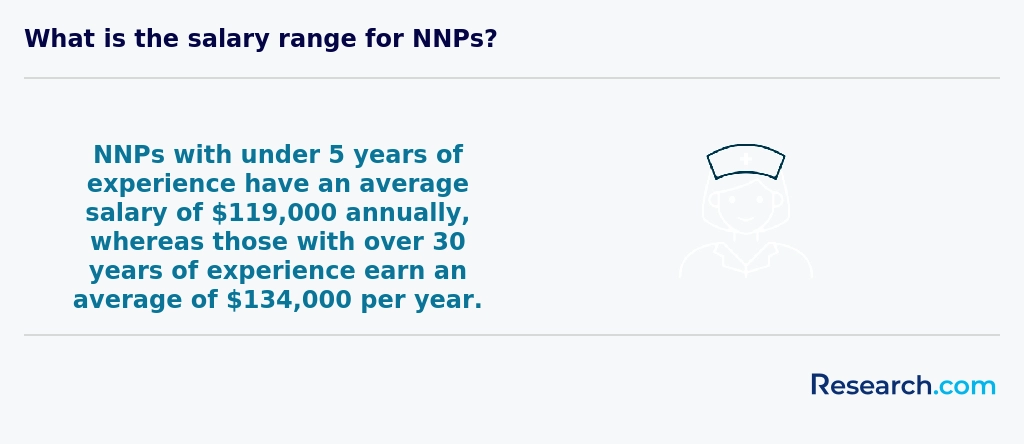
For many nursing graduates in Honolulu, the journey doesn’t end with an RN license; advancing to a Nurse Practitioner (NP) role offers greater autonomy, higher salaries, and expanded clinical responsibilities. ADN-prepared nurses looking to bypass the traditional BSN route can enroll in an RN to NP bridge program-often structured as accelerated MSN pathways-that build on hands-on experience and focus on advanced pharmacology, pathophysiology, and diagnostic reasoning. • Program Length and Format: Most RN to NP bridge tracks span 24–36 months and combine online didactic coursework with local clinical preceptorships. Hybrid and fully online options allow working nurses to balance shifts and study. • Core Curriculum: Key courses include Advanced Health Assessment, Evidence-Based Practice, Clinical Decision-Making, and Specialty Practicum in areas such as Family Practice or Adult-Gerontology. • Admission Requirements: Applicants typically need an active RN license in Hawaii, a minimum 2.5–3.0 GPA, and prerequisite coursework in statistics and research methods. Some programs also require 1–2 years of acute-care experience. • Certification and Licensure: Graduates are eligible to sit for national NP certification exams (e.g., AANP, ANCC) and then apply for APRN licensure through the Hawaii Board of Nursing. • Career Impact: Nurse Practitioners in Honolulu can command mean annual salaries exceeding $120,000, with opportunities in primary care clinics, specialty practices, and telehealth. To explore top-ranked options for transitioning from ADN to NP roles, consider an rn to np online program designed for busy professionals.
To dive into nursing studies in Honolulu, you must first wield the key of a high school diploma or GED, a badge of readiness for the challenges ahead. Graduates from the University of Hawai'i at Mānoa recall the vital role their solid grounding in biology and chemistry played-like stepping stones guiding them confidently through complex courses.
Official transcripts showing a steady GPA around 2.5 to 3.0 often tip the scales in your favor, opening doors at places like Hawaii Pacific University. Picture the hopeful buzz as applicants submit scores for the TEAS exam, a gateway assessing skills in reading, math, science, and English-like the sorting hat deciding their path toward a healthcare future.
Beyond tests, expect to navigate background checks and immunization proofs, reminders that nursing is more than books-it's a commitment to safety and care. Letters of recommendation and personal statements become your voice, sharing your passion and resilience with admissions teams eager to find the next wave of healers in Honolulu.
Understanding accreditation and licensure is crucial to ensure your nursing degree leads to a valid Hawaii RN license.
- Graduate from an accredited program (ACEN or CCNE) approved by the Hawaii Board of Nursing
- Check that the program’s NCLEX-RN pass rate meets or exceeds state benchmarks
- Apply for licensure with the Hawaii Board of Nursing, submitting official transcripts and background checks
- Schedule and pass the NCLEX-RN exam to receive your RN license in Hawaii
For budget-friendly accredited ADN pathways, explore cheapest adn online programs
Imagine stepping into a classroom at the University of Hawaii at Manoa, where nursing students dive into Anatomy and Physiology, visualizing every muscle and organ as if mapping out a living city. These foundational science courses, including Microbiology and Chemistry, form the bedrock, giving future nurses the tools to understand the body's mysteries. Students often describe the nutrition classes as eye-opening, linking local Hawaiian diets to health outcomes in ways textbooks alone can't capture.
Next comes the heart of nursing theory - Pharmacology, Pathophysiology, and Health Assessment - courses that prepare students to think like clinicians, not just scholars. Graduates recall hands-on simulations in medical-surgical nursing classes, where they practiced life-saving skills in labs mirroring Honolulu's bustling hospitals.
Mental Health, Pediatric, and Maternal-Newborn Nursing weave cultural sensitivity into care, especially important in Honolulu's multicultural setting. Many students find this deeply rewarding, sharing stories of connecting personally with Native Hawaiian and Pacific Islander patients during community health rotations. These experiences highlight the local focus that defines nursing education here.
In Honolulu, nursing degree specializations unfold like a vibrant tapestry reflecting the island's unique healthcare pulse. Graduates from popular nursing programs often share stories of diving into fields such as gerontology, where they support Hawaii's cherished aging community, or becoming Family Nurse Practitioners capable of weaving care through diverse family trees across the city and countryside.
Imagine the adrenaline-charged halls of a trauma center, where Emergency Nursing students from well-known colleges like the University of Hawaii at Mānoa train to be swift lifesavers, intertwining expertise with aloha spirit. Others gravitate towards Pediatric Nursing, nurturing keiki in pediatric wards, their work framed by the warmth of Honolulu's family networks.
Honolulu nursing programs with specializations also include Public Health Nursing, where students embrace community-wide healing, and Psychiatric Nursing, a growing field resonating with Hawaii's expanding mental health awareness. For those aiming even higher, advanced roles beckon-a graduate might explore the easiest np specialty to transition smoothly into nurse practitioner pathways, blending passion with promising careers.
Choosing your nursing degree in Honolulu feels like navigating a tropical maze where each path offers distinct rewards. Imagine stepping into a vibrant classroom at a local college, where graduates recall how an ADN program was a swift, affordable launchpad into nursing. Meanwhile, others speak warmly of four-year BSN journeys at renowned universities, praising how those experiences unlocked leadership doors and deeper clinical insights.
The heartbeat of Honolulu's nursing education beats strongest where accreditation meets opportunity. Schools with CCNE or ACEN accreditation stand out as trusted beacons, reassuring students about quality and licensure readiness. One graduate happily recalls their hands-on clinical rotations with Hawai'i Pacific Health, describing the confidence gained from real-world practice in familiar island hospitals.
For seekers of affordable nursing degree programs Honolulu holds special charm despite higher tuition prices, thanks to scholarships and financial aid that ease the journey. If you're considering advancing your career further, exploring an rn to np online program can extend your impact beyond the islands while staying rooted locally.

Graduates from nursing programs in Honolulu find themselves stepping into a mosaic of career paths as vibrant and diverse as the islands themselves. From energetic hospital floors where registered nurses from the University of Hawaii at Manoa skillfully navigate urgent care, to calm community centers where public health nurses nourish the wellness of native and rural populations, the options echo local needs and island rhythms. Some graduates embrace military nursing, connecting their skills to the strategic pulse of Honolulu's bases, while others find joy in home health nursing, delivering personalized care within the city's urban and suburban homes-turning ordinary houses into sanctuaries of healing.
Beyond clinical roles, pathways unfold in administration and education, where alumni from Hawaii Pacific University transform healthcare systems or inspire new nurses eager to serve their island neighbors. These nursing career opportunities in Honolulu are not just jobs but invitations to a fulfilling journey. Financial practicalities are eased by state scholarships and loan forgiveness programs tailored for those ready to make a difference in underserved areas. Exploring options like the Most Affordable Online Master's in Nursing Degree Programs Ranking in the West can open further doors to advanced roles and sustainable success.
Nursing graduates in Honolulu find themselves stepping into a vibrant, flourishing job market where demand meets opportunity. The nursing job outlook in Honolulu is fueled by a unique blend of an aging population and a healthcare system eager for skilled professionals. Graduates from prominent institutions, such as the University of Hawai'i at Mānoa and Chaminade University, often share stories of being quickly snapped up by major medical centers and community clinics. They describe the thrill of hands-on experience combined with financial incentives like signing bonuses and tuition reimbursement programs offered by local employers.
Career pathways in Honolulu are as diverse as the islands themselves. Whether enrolled in an Associate Degree or a Bachelor's program, students witness firsthand how their education translates into real-world impact-caring for elders in peaceful home healthcare settings or supporting bustling outpatient specialty clinics. For those searching for the fastest pathway to entering nursing, checking out the fastest online degree for working adults available locally brings added hope.
Honolulu nursing career opportunities continue expanding, with projections showing a 15% growth in RN positions through 2030. This stability, paired with competitive salaries surpassing many mainland areas, paints an encouraging picture for both new graduates and career switchers aiming to blend passion with security.
2027 Most Affordable Nursing Degree Programs Ranking in Honolulu
Investing in your education is a significant decision that can shape your future, and the Research.com team understands the importance of making informed choices. To assist prospective students in Honolulu, we have carefully developed the "2027 Most Affordable Nursing Degree Programs Ranking in Honolulu." Our dedication to quality, credibility, and accuracy is demonstrated through the thorough research and analysis underpinning this ranking.
We utilized the following reputable data sources to ensure a comprehensive evaluation of nursing programs:
By engaging with this ranking, readers will gain valuable insights into the most affordable nursing degree options available in Honolulu, empowering them to make educated decisions regarding their educational and financial futures. For more information about our ranking process, please visit our Research.com methodology page.


Frequently Asked Questions About nursing
Nursing degree students in Honolulu can maximize their learning experience by actively engaging in both classroom and clinical settings. Honolulu offers access to several accredited nursing programs, including those affiliated with the University of Hawaii, which utilize local healthcare facilities for hands-on training. According to the Hawaii State Center for Nursing, clinical practice hours are essential for developing practical skills and improving patient care competence.
Students should also take advantage of local internships and externships in Honolulu's diverse healthcare environments, such as Queen's Medical Center, to gain real-world experience. Networking with professionals through Hawaii Nurses Association events can further enhance learning and career opportunities.
Additionally, utilizing campus resources like tutoring centers and simulation labs helps reinforce knowledge. Staying informed about state-specific nursing regulations and certification requirements is crucial for success in Hawaii's healthcare system.
The nursing field in Honolulu is expanding into several specialized areas driven by local healthcare needs and national trends. One emerging niche is geriatric nursing, which focuses on caring for Hawaii's increasing elderly population-projected to grow by over 30% by 2030 according to the Hawaii State Department of Health.
Another growing specialty is psychiatric-mental health nursing, reflecting heightened awareness and demand for mental health services across the islands. Programs emphasize culturally sensitive care for diverse populations.
Additionally, community health nursing is gaining traction, addressing chronic illnesses and preventive care in Honolulu's underserved neighborhoods.
Lastly, telehealth nursing is on the rise, supporting remote patient care especially important for Hawaii's geographic challenges.
After completing a nursing degree in Honolulu, preparing for the job market involves several key steps. First, obtaining licensure through the National Council Licensure Examination for Registered Nurses (NCLEX-RN) is essential. Hawaii's demand for nurses is expected to grow by 14% through 2030, according to the U.S. Bureau of Labor Statistics, offering promising opportunities.
Building clinical experience through internships or volunteering at local hospitals, like The Queen's Medical Center, can strengthen job prospects. Networking within Hawaii's healthcare community and utilizing resources from the Hawaii State Center for Nursing also supports career entry. Finally, staying informed about continuing education and specialty certifications improves competitiveness.
Employers in Honolulu prioritize a combination of technical and interpersonal skills when hiring nursing degree graduates. Clinical competence, including strong knowledge of patient care techniques and familiarity with electronic health records, is essential. According to the Hawaii State Center for Nursing, proficiency in acute care and chronic disease management ranks highly among skills sought by local hospitals.
Equally important are communication abilities. Nurses must effectively interact with diverse patient populations and multidisciplinary teams to ensure quality care.
Critical thinking and adaptability are also key, as healthcare settings demand quick decision-making in dynamic situations. Honolulu employers often value graduates who demonstrate cultural competence due to the region's diverse communities.
Lastly, commitment to lifelong learning and certification in areas like Basic Life Support (BLS) enhance a candidate's attractiveness in Honolulu's competitive nursing job market.
Finding nursing internships in Honolulu involves exploring opportunities through local healthcare facilities and educational institutions. Honolulu hosts several hospitals like Queen's Medical Center and Straub Medical Center, which often provide clinical internship programs for nursing students. These internships are crucial for gaining hands-on experience.
Students should also contact nursing schools such as the University of Hawai'i at Mānoa, which often have partnerships with local healthcare providers to facilitate internships. Additionally, the Hawaii State Center for Nursing offers resources to help students connect with healthcare employers across the state.
Internship availability can vary, so early application and networking with faculty and local nursing organizations are important steps. According to the Hawaii State Center for Nursing, nearly 70% of nursing graduates secure internships or clinical placements within six months, reflecting strong local demand for practical training.
Obtaining a nursing degree in Honolulu significantly enhances career mobility and advancement opportunities. The city's healthcare sector, anchored by institutions like The Queen's Medical Center, often prefers candidates with formal nursing degrees for roles beyond entry-level positions.
According to the Hawaii Department of Labor, registered nurses (RNs) with a Bachelor of Science in Nursing (BSN) can expect faster promotion to supervisory or specialized clinical roles compared to those with only an associate degree. BSN holders in Honolulu typically earn salaries averaging 10-15% higher, reflecting greater responsibilities and leadership opportunities.
Additionally, Hawaii's commitment to improving healthcare outcomes has led to increased demand for advanced practice nurses and nurse educators, which requires higher nursing credentials. For those seeking to climb the professional ladder locally, investing in a nursing degree aligns with regional industry expectations and job market trends.
Studying for a nursing degree in Honolulu equips students with skills essential for interdisciplinary collaboration. Local nursing programs emphasize teamwork across healthcare fields such as medicine, social work, and public health. This approach reflects Hawaii's diverse population and complex health needs, fostering cultural competence and communication skills.
Honolulu's nursing curricula often include clinical rotations in hospitals and community centers where students engage with professionals from various disciplines. According to the Hawaii State Center for Nursing, 70% of nursing graduates report readiness to work in team-based care settings. This practical exposure prepares students to navigate real-world healthcare environments effectively.
Furthermore, institutions such as the University of Hawai'i at Mānoa integrate evidence-based training that encourages critical thinking and leadership, vital for coordinating care across specialties. Such comprehensive education supports graduates in fulfilling interdisciplinary roles throughout Hawaii's healthcare system.
Choosing between a thesis and a non-thesis nursing degree program in Honolulu depends on your career goals and academic interests. Thesis programs typically focus on research, requiring students to design, conduct, and write a study. This path suits those aiming for advanced clinical roles, teaching, or doctoral studies. Non-thesis options emphasize clinical practice and coursework, ideal for students seeking to enter or advance in nursing practice quickly.
In Honolulu, graduate nursing students often consider local workforce needs. According to the Hawaii State Center for Nursing, demand for nurse educators and nurse scientists is growing. A thesis program may provide an advantage in these areas. However, if immediate RN advancement is a priority, a non-thesis program offers faster completion.
Students based in Honolulu who wish to study nursing abroad have several pathways to consider within the U.S. higher education system. Many universities nationwide offer exchange programs or study-abroad agreements that include competitive nursing curricula. For example, some Hawaii Pacific University students can participate in such programs to gain international clinical experience.
Additionally, students may pursue online nursing degrees offered by accredited institutions across the mainland, combining distance learning with occasional travel for clinical placements. According to the Hawaii State Center for Nursing, about 15% of Honolulu-based nursing students have explored these options in recent years. Exploring affiliations with nationally accredited nursing schools abroad can broaden professional and cultural competences while maintaining U.S. licensure eligibility.
Students pursuing nursing degrees in Honolulu often seek part-time jobs that offer relevant clinical experience and flexible hours. Positions such as certified nurse assistant (CNA) or medical scribe are common choices. CNAs in Honolulu typically earn around $16-$18 per hour, allowing students to gain hands-on patient care skills while working in hospitals or long-term care facilities.
Working as a medical scribe in clinics or emergency departments helps students learn medical terminology and documentation, supporting their nursing education. According to the Hawaii Department of Labor, healthcare support roles have grown by 7% from 2020 to 2023, highlighting increasing job availability. These roles complement academic learning by providing practical exposure to healthcare environments.
Additionally, pharmacy technician positions are available and pay approximately $15 per hour. Such jobs sharpen knowledge of medications, an essential nursing component. Honolulu's healthcare sector's growth ensures diverse opportunities to balance paid work and studies effectively.
Nursing students in Honolulu have access to diverse networking opportunities that can enhance their education and career prospects. Local institutions, including the University of Hawai'i at Mānoa and Honolulu Community College, often collaborate with healthcare facilities across the city, providing students with clinical placements and professional connections.
The Hawai'i Nurses Association (HNA) is a prominent organization offering events, workshops, and conferences where students can meet practicing nurses and healthcare leaders. Participation in HNA activities can help students build valuable relationships within the state's nursing community.
Honolulu's healthcare system employs over 10,000 nurses, according to the Hawai'i State Department of Labor and Industrial Relations, which increases chances for student internships, mentorships, and job shadowing. These experiences are vital for networking and gaining practical insights into the profession.
Alumni networks play a significant role for nursing degree students in Honolulu by providing valuable professional connections. These networks often include licensed nurses and healthcare leaders working in local hospitals such as The Queen's Medical Center and Straub Medical Center. By tapping into this community, students gain mentorship opportunities offering guidance on clinical skills and career paths.
Additionally, alumni can assist with job placements in Honolulu's competitive nursing job market. The Hawaii State Center for Nursing reports a steady demand for registered nurses, making network support crucial for graduates.
Many alumni groups also organize continuing education workshops, keeping students informed about evolving healthcare practices and licensing requirements in Hawaii.
Customizing a nursing degree program in Honolulu involves selecting courses and clinical experiences aligned with your career goals. Many institutions offer options such as specialties in gerontology, pediatrics, or community health nursing. You can also focus on advancing your education through RN-to-BSN or RN-to-MSN pathways, which provide flexibility for working nurses.
Internships and practicum placements in Honolulu's diverse healthcare settings allow hands-on experience tailored to your interests. For example, the city's growing elderly population creates demand for expertise in elder care and chronic disease management, important areas to consider.
Additionally, some programs include elective courses and certification preparation to help you target specific roles like nurse educator or nurse practitioner. Checking with Hawaii's Board of Nursing and local institutions can help you identify options suited to your professional objectives.
Nursing students in Honolulu face several challenges unique to the region's educational and healthcare environment. One major issue is the high cost of living, which often strains students' budgets, as Honolulu ranks among the most expensive cities in the United States according to the Council for Community and Economic Research. This financial pressure can impact students' ability to focus fully on their studies.
Additionally, clinical placement competition is intense due to a limited number of healthcare facilities in the islands. The Hawaii State Center for Nursing reports that this scarcity sometimes delays required hands-on experience for nursing students.
Lastly, balancing demanding coursework with family and cultural responsibilities can add stress, as many students come from tight-knit communities emphasizing family support and obligations.
With a nursing degree in Honolulu, graduates can pursue various professional certifications that enhance career opportunities and specialization. Common certifications include the Registered Nurse (RN) license, which is required to practice nursing across Hawaii and the U.S. The Hawaii Board of Nursing oversees licensure, ensuring compliance with national standards.
Beyond basic licensure, nurses may seek certifications such as Certified Nurse Practitioner (CNP), Certified Nurse Midwife (CNM), or Certified Registered Nurse Anesthetist (CRNA), depending on their advanced education and interests. Specialty certifications like Medical-Surgical Nursing (CMSRN) or Pediatric Nursing (CPN) are also available.
These certifications typically require passing national exams and completing specific clinical hours. According to the Hawaii Healthcare Association, certified nurses generally earn higher salaries and hold greater responsibility in hospitals and clinics.
To write a winning application for a nursing program in Honolulu, start by thoroughly researching each program's specific requirements. Many schools, such as the University of Hawai'i at Mānoa and Hawai'i Pacific University, emphasize academic excellence in science and biology courses. Maintaining a strong GPA, typically above 3.0, is crucial.
Highlight relevant healthcare experience, including volunteer work or employment in clinical settings. Honolulu's healthcare system values practical exposure, which can set your application apart. Include a well-crafted personal statement that clearly explains your motivation and commitment to nursing.
Additionally, prepare for the TEAS (Test of Essential Academic Skills), as most nursing programs require competitive scores. According to Hawaii's Board of Nursing, passing this test enhances your chances significantly. Finally, secure strong letters of recommendation from professors or healthcare professionals who can attest to your skills and character.
The nursing profession is valued worldwide for its critical role in healthcare delivery and patient well-being. In the United States, including Honolulu, nurses are trained to meet rigorous educational and clinical standards that often align with global competencies. According to the U.S. Bureau of Labor Statistics, nursing is one of the fastest-growing professions, reflecting a global demand for skilled healthcare workers.
Nurses educated in Honolulu benefit from exposure to diverse populations and healthcare challenges, which prepares them for potential international opportunities. The World Health Organization emphasizes the importance of culturally competent nursing care, a perspective increasingly integrated into U.S. nursing curricula.
Additionally, Honolulu's nursing programs often follow guidelines by the American Association of Colleges of Nursing, ensuring graduates meet global standards. Nursing careers offer mobility, with many professionals seeking opportunities abroad, supported by internationally recognized qualifications such as the NCLEX-RN exam for registered nurses.
To gain practical experience while studying for a nursing degree in Honolulu, students typically participate in clinical rotations arranged by their nursing programs. These rotations take place in local hospitals and healthcare settings, such as The Queen's Medical Center and Straub Medical Center, allowing students to apply classroom knowledge in real patient care scenarios. Clinical hours are a mandatory component of accredited nursing programs, often totaling 500 to 1,000 hours, depending on the degree level.
Additionally, many schools encourage students to engage in internships or volunteer at community health clinics. These opportunities build hands-on skills and improve cultural competence given Honolulu's diverse population. Sources such as the Hawaii State Center for Nursing support these partnerships to enhance nursing education locally.
Choosing the right concentration within a nursing degree program in Honolulu depends on your career goals and the local healthcare landscape. Honolulu's healthcare system, led by Tripler Army Medical Center and Queen's Medical Center, offers diverse nursing opportunities, including acute care, pediatrics, and geriatrics. According to the Hawaii State Center for Nursing, specialties such as gerontology and mental health are growing due to the aging population and increased awareness of behavioral health.
Evaluate your interests and job market demand in Hawaii. For example, if you prefer working with older adults, a geriatric nursing concentration may be ideal. Additionally, consider the program's clinical placement options, as hands-on experience in Honolulu hospitals enhances employment prospects.
- 2027 Most Affordable Nursing Degree Programs Ranking in San Francisco
- 2027 Most Affordable Nursing Degree Programs Ranking in Los Angeles
- 2027 Most Affordable Nursing Degree Programs Ranking in San Diego
- 2027 Most Affordable Nursing Degree Programs Ranking in Seattle
- 2027 Most Affordable Nursing Degree Programs Ranking in Phoenix
- 2027 Most Affordable Nursing Degree Programs Ranking in Tempe
- 2027 Most Affordable Nursing Degree Programs Ranking in Salt Lake City
- 2027 Most Affordable Nursing Degree Programs Ranking in El Paso
- 2027 Most Affordable Nursing Degree Programs Ranking in Denver
- 2027 Most Affordable Nursing Degree Programs Ranking in Colorado Springs
See What Experts Have To Say About Studying Nursing
Read our interview with Nursing experts


- From our readers…Strengthening nursing networks https://www.myamericannurse.com/from-our-readersstrengthening-nursing-networks/
- How to Write https://esign.com/letter-of-intent/school/nursing/
- Nursing Internship and Externship Programs https://jobs.mayoclinic.org/nursinginternexternprograms
- How a BSN Prepares You for Graduate Nursing Degrees (MSN, DNP) https://blog.methodistcollege.edu/bsn-prepares-you-graduate-nursing-degrees
- Blended Learning in Bachelor’s Nursing Program: Exploring Student Ex | AMEP https://www.dovepress.com/blended-learning-in-bachelors-nursing-education-exploring-student-expe-peer-reviewed-fulltext-article-AMEP
- Top Skills Employers Want in Practical Nursing Graduates https://vervecollege.edu/what-employers-look-for-in-practical-nursing-graduates/
- Essential Tips for Nursing Students to Advance Their Careers https://almanaltraining.com/essential-tips-for-nursing-students-to-advance-their-careers/
- Nursing Careers as Bright as Hawaiian Sunsets https://www.nurserecruiter.com/hawaii/honolulu
- Top Nursing Skills U.S. Employers Want to See on Your Resume | O'Grady Peyton https://www.ogradypeyton.com/blog/job-seeker-resources/top-nursing-skills-u.s.-employers-want-to-see-on-your-resume
- Know more about thesis vs non- thesis: what is the difference? https://studyfans.com/en/blogs/816


