2027 Most Affordable Online Master's in Nursing Degree Programs Ranking in Georgia

Co-Founder and Chief Data Scientist
If you're a nursing student in Georgia looking to advance your career without breaking the bank, this article is made for you. It features the 2027 Most Affordable Online Master's in Nursing Degree Programs Ranking in Georgia, carefully crafted by the Research.com team of data scientists.
This ranking helps you identify quality programs that balance cost and value, making your decision easier and more confident. Earning a nursing degree can open doors to exciting opportunities and personal growth, and this guide will support your journey toward success.
Key benefits of getting online nursing degree in Georgia
- Graduates with a nursing degree in Georgia can expect competitive salaries, such as Nurse Practitioners earning about $128,490 annually and Clinical Nurse Specialists around $94,480, offering strong financial stability.
- Career paths include roles like Nurse Educator, Nurse Administrator, and Critical Care Nurse, providing diverse opportunities for growth and specialization within healthcare.
- Online nursing degrees from Georgia universities offer flexibility, allowing students to balance work and study while gaining the same valuable skills as traditional programs, making education more accessible.
- 2027 Most Affordable Online Master's in Nursing Degree Programs Ranking in Georgia
- What can I expect from online nursing degree in Georgia?
- Where can I work with online nursing degree in Georgia?
What can I expect from online nursing degree in Georgia?
The average cost of an online nursing degree in Georgia typically ranges from $15,000 to $40,000, depending on the level of study and the institution. For example, graduates from well-known programs at universities like Georgia Southern and Kennesaw State report paying around $20,000 for a bachelor's degree, while master's programs can edge closer to $35,000. These costs include tuition and fees but often exclude books and clinical placement expenses.
Many students appreciate transparent financial planning before enrolling. One practical step is to contact the financial aid office at your chosen school to explore scholarships specific to Georgia nursing students, such as grants from the state Board of Nursing or the HOPE Scholarship. Graduates frequently mention how these resources eased their burden and helped them stay motivated through challenging coursework and clinical hours.
Keep in mind, arranging local clinical placements, which are required by Georgia nursing boards, can add extra costs but are essential for hands-on experience. Overall, carefully budgeting tuition alongside these factors fosters a realistic path toward your nursing goals in Georgia's competitive healthcare landscape.
Where can I work with online nursing degree in Georgia?
Graduates from online nursing programs at schools like Georgia State University and Augusta University often find employment in several key healthcare settings across Georgia. Many start their careers as Registered Nurses in major hospital systems such as Emory Healthcare, where they gain hands-on experience in fast-paced environments like emergency rooms or intensive care units. These roles build confidence and open doors to specialties that suit individual interests.
Others prefer working in long-term care facilities or nursing homes, supporting Georgia's growing elderly population. Graduates share how rewarding it is to provide daily care and companionship, especially in smaller communities where personalized attention truly makes a difference.
Employment in home health agencies allows nurses to deliver essential care directly in patients' homes, often in rural parts of the state where medical resources are scarce. Public health clinics and community programs also hire online nursing grads, offering roles focused on education and disease prevention-making an impact on broader public wellness.
Advanced roles like Nurse Practitioners are also achievable, providing autonomy in outpatient clinics. Licensing through the Georgia Board of Nursing is a practical step all grads take to unlock these opportunities, proving that with commitment and credentialing, Georgia's healthcare landscape offers a fulfilling career path.
Graduates from online nursing programs in Georgia can expect solid earning potential that reflects their growing expertise. For example, a registered nurse who completed a Bachelor of Science in Nursing (BSN) from institutions like Georgia State University or Kennesaw State typically earns around $69,000 annually in the state. Those who advance to specialized roles, such as nurse practitioners, often see significant income increases.
According to the latest data, nurse practitioners in Georgia have a mean annual wage of approximately $128,490 with an hourly rate near $61.78. Graduates from online Master of Science in Nursing (MSN) programs at schools like Augusta University report satisfaction with salaries around this mark, which aligns well with rising healthcare demands.
Other advanced nursing roles such as clinical nurse specialists, nurse administrators, and nurse educators also earn competitive wages, averaging about $94,480 per year. These figures reflect real experiences shared by recent graduates who treasure both the financial stability and flexible career paths that online nursing degrees enable.
- Online nursing degrees in Georgia typically cost between $15,000 and $40,000 in total tuition, with public universities offering more affordable options.
- All nursing graduates in Georgia must pass the NCLEX-RN licensing exam to become registered nurses, regardless of whether their degree was earned online or in person.
- Entry-level registered nurses in Georgia earn an average salary of about $58,000 annually, with experienced nurses often making over $75,000 within five to ten years.
- Programs include associate degrees for faster workforce entry and Bachelor of Science in Nursing degrees for advanced career opportunities and graduate studies.
- Most online programs provide local clinical placements to fulfill hands-on experience requirements and align with state licensure standards.
Completing an online nursing degree in Georgia typically depends on the type of program and your personal situation. Graduates from schools like Georgia State University and Kennesaw State University often report finishing their Bachelor of Science in Nursing (BSN) in two to four years if starting fresh. Accelerated BSN options allow those with a prior bachelor's degree to finish in as little as 12 to 18 months, which many find energizing when changing careers quickly.
If you're an RN working full-time, an RN-to-BSN program usually takes about one to two years part-time, providing a manageable balance between work and study. Some graduates appreciate this flexibility, saying it allowed them to advance their education without sacrificing income.
For those pursuing a Master of Science in Nursing (MSN), expect 18 to 24 months full-time or up to three years part-time. Programs at institutions like Augusta University cater well to busy professionals, integrating clinical hours near your home so practical experience fits your schedule. This approach helps keep motivation high as you see direct career benefits emerge.
Ensuring your online Master’s in Nursing program holds proper accreditation and meets Georgia Board of Nursing requirements is critical for licensure and career mobility. In Georgia, the Commission on Collegiate Nursing Education (CCNE) and the Accreditation Commission for Education in Nursing (ACEN) are the primary accrediting bodies recognized by employers and state boards. Programs accredited by these agencies demonstrate adherence to rigorous standards in curriculum design, faculty qualifications, clinical practice oversight, and student outcomes. Before applying, verify that your chosen institution is listed on the CCNE or ACEN website and approved by the Georgia Board of Nursing. This approval ensures that upon graduation, you are eligible to sit for the National Council Licensure Examination for Registered Nurses (NCLEX-RN) or, for advanced practice graduates, the appropriate certification examination. Prospective students should also review program-specific NCLEX pass rates, often published in annual outcome reports-high pass rates correlate with robust academic support and practical training components. Licensure requirements in Georgia include:
- Completion of an approved nursing curriculum from a CCNE/ACEN-accredited institution
- Submission of official transcripts and licensure application to the Georgia Board of Nursing
- Successful background check and verification of required immunizations
- Passing the NCLEX-RN or advanced practice certification exam Beyond initial licensure, accredited programs often facilitate interstate practice through endorsement agreements, enabling graduates to pursue opportunities outside Georgia. If you plan to advance into clinical practice doctorate roles or explore specialized tracks, consider our easiest DNP programs to streamline your doctoral journey with accredited pathways. Understanding accreditation and licensing at the outset empowers you to choose a program that not only fits your budget but also secures your professional credentials.
Online nursing degrees in Georgia offer flexibility that suits working adults or parents balancing family duties. For example, graduates from institutions like Georgia State University often highlight how video lectures and virtual discussions let them study after work or during weekends. However, they must complete clinical hours in person, which means arranging placements at local hospitals or clinics-a practical but necessary step to meet licensure requirements.
On-campus programs, such as those at Augusta University, provide a more structured, face-to-face learning experience. Graduates appreciate immediate access to labs, libraries, and direct faculty support, helping them build confidence early through hands-on skills and peer interaction. This format works well for those who thrive with scheduled routines and in-person networking.
Cost-wise, online students in Georgia may save on commuting or housing, though tuition can be similar or even higher than on-campus options. Both paths require self-discipline, but online learners especially value strong time management to stay engaged without scheduled class times.
When pursuing an online nursing degree in Georgia, understanding the available financial assistance and scholarship opportunities is crucial for managing the costs associated with higher education. Students can explore various avenues, including the cheapest nursing school in georgia, to find affordable options that fit their budget. Many institutions in Georgia offer scholarships specifically designed for nursing students, such as the Katherine Pope Scholarship from the Georgia Nurses Foundation, which can significantly alleviate the financial burden of tuition. Additionally, federal financial aid through FAFSA and loan forgiveness programs offered by state health organizations provide further incentives for graduates to work in underserved areas, easing the burden of student loans. By leveraging these financial assistance and scholarship opportunities, online nursing students in Georgia can focus on their studies and career goals without excessive financial strain.
The average cost of an online nursing degree in Georgia generally hovers around $13,860, which provides a practical benchmark for budgeting your education. Graduates from well-known Georgia colleges pursuing an affordable online nursing master's programs Georgia often find this median cost manageable compared to private institution rates, which can climb much higher. For example, those attending public universities report feeling positive about balancing cost with the quality of education and support services, knowing their investment is reasonable for a respected credential.
When planning your expenses, consider that tuition usually covers most coursework, but additional fees such as technology or clinical lab charges may add to your overall costs. Graduates at state universities often mention budgeting for textbooks, licensure exam fees, and sometimes separate clinical placement costs, all of which contribute to the financial planning process. This reality makes it essential to look beyond tuition alone to avoid surprises.
If you're searching for the cheapest nursing school in Georgia, use tools like net price calculators offered by schools or talk to admissions counselors to get tailored cost estimates. Many students find that exploring financial aid options like scholarships and federal loans greatly eases their budget. For a practical step, research programs through resources like the cheapest nursing school in georgia listings, which highlight cost-effective choices without sacrificing program quality.
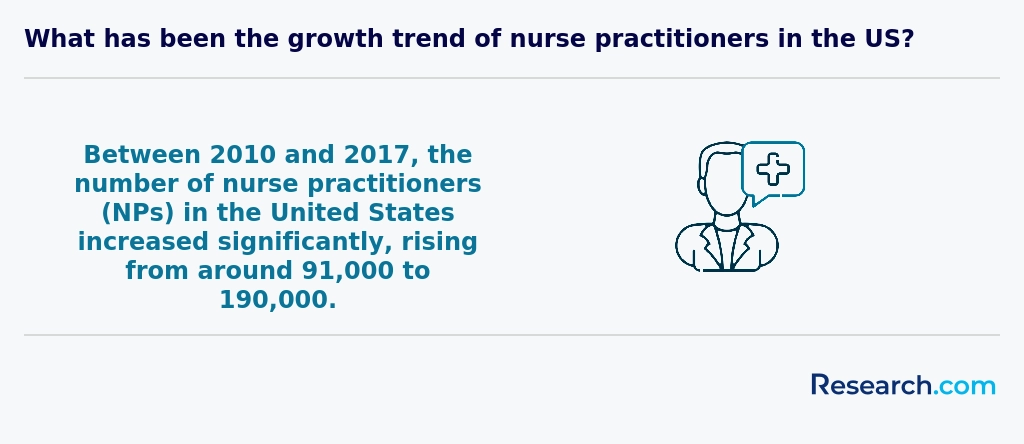
Before enrolling in an online master’s in nursing program, verify both regional and nursing‐specific accreditation to protect your investment and ensure eligibility for licensure.
- CCNE or ACEN accreditation confirms that a program meets national standards for graduate nursing education
- Approval by the Georgia Board of Nursing ensures clinical hours count toward state licensure requirements
- Accredited programs qualify for federal financial aid and prepare graduates for NCLEX and advanced practice certification
Compare accredited, budget-friendly options through our listing of cheapest adn online programs to find a quality program that supports your career goals.
To ease the financial burden of an online nursing degree in Georgia, start by completing the FAFSA to unlock federal aid options. Many students attending the University of Georgia or Georgia State University receive Federal Pell Grants, which can cover up to $7,395 annually depending on need. Graduates often praise how these grants substantially lowered their tuition debts.
Federal Direct Loans are another practical solution, offering low interest and flexible repayment suited to working nurses. Some students use Federal Work-Study funds to earn while gaining nursing-related experience, which adds value beyond the financial support.
State programs like the HOPE Scholarship and HOPE Grant, funded by the Georgia Lottery, are vital for many Georgia residents. For example, those at Georgia Southern University have benefited from HOPE covering around $4,000 yearly, significantly reducing out-of-pocket costs.
Don't overlook institutional scholarships offered directly by nursing schools, which often reward merit or financial need. Plus, if you're already employed in healthcare, check if your employer offers tuition reimbursement-many hospitals in Georgia provide this, easing stress and motivating career growth.
Finally, investigate specialized scholarships targeting underrepresented groups or commitments to underserved areas. Graduates who successfully applied to Georgia Nurses Foundation grants share how this helped launch their careers with confidence.
When evaluating the affordability of online nursing programs, it’s essential to benchmark Georgia’s tuition rates and fees against those in other regions. While Georgia’s median cost of $14,920 for an online nursing degree positions it competitively in the Southeast, prospective students should consider how this compares nationwide. Factoring in living expenses, state financial aid, and program length can reveal which states offer the best return on investment. For example, certain states with lower per-credit tuition or more generous scholarship programs may present even greater savings over the duration of a degree. Prospective nurses seeking budget-friendly options outside Georgia may explore affordability metrics in other high-quality programs. For instance, students investigating cost-effective pathways can review the Cheapest Online Nursing Degree Programs Ranking in Colorado, which highlights institutions offering some of the nation’s lowest tuition rates and robust clinical partnerships. By comparing program costs, accreditation status, and student outcomes side by side, candidates can make an informed choice that aligns with both their financial constraints and professional aspirations. Ultimately, broadening your search beyond state lines ensures you capture the full spectrum of affordable, accredited online nursing programs. Whether you remain in Georgia or consider enrolling elsewhere, thorough cost comparisons empower you to invest wisely in your nursing education and set the stage for a rewarding career.
To enroll in an online nursing degree program in Georgia, you first need a high school diploma or GED. Graduates from popular universities like Kennesaw State or Georgia State often mention how completing prerequisite courses-such as anatomy, physiology, and chemistry-laid a strong foundation before starting the nursing curriculum. These courses are essential, especially for Bachelor of Science in Nursing (BSN) candidates.
Most programs require a minimum GPA ranging from 2.5 to 3.0, ensuring you're academically prepared. Some students share that taking the TEAS test boosted their confidence and helped programs assess their readiness objectively.
For aspiring Master of Science in Nursing (MSN) students in Georgia, having an active Georgia RN license is crucial. Schools like Augusta University stress one or two years of nursing experience, which alumni say made the clinical parts more manageable and boosted their enthusiasm.
Other key prerequisites include submitting recommendation letters, thoughtful personal statements, and passing background checks. Reliable internet and tech-savviness are non-negotiable for smooth online learning.
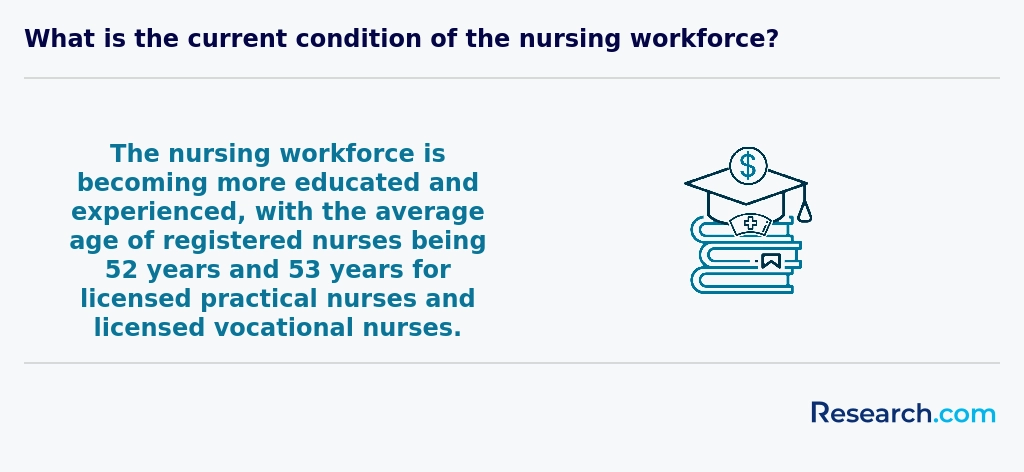
Many students enter the nursing profession through bridge programs that streamline the journey from entry-level roles to graduate degrees. For example, practical nurses can leverage dedicated lpn to rn online pathways-such as those offering accelerated curricula, clinical placement coordination, and NCLEX-RN preparation-to become Registered Nurses without relocating. Once licensed, RNs may pursue RN-to-BSN programs that build on their hands-on experience and fulfill prerequisite credits for advanced study. After completing a BSN, nurses are well-positioned for MSN-level coursework. These programs often feature specialties like Family Nurse Practitioner, Clinical Nurse Leader, and Nurse Educator, with tailored clinical residencies embedded in local health systems. Bridge tracks frequently incorporate credit waivers for prior learning, reducing time to degree and overall costs-an important consideration for budget-conscious learners. Institutions offering bridge pathways typically provide robust advising, cohort mentorship, and online simulation tools to reinforce clinical judgment. Prospective students should confirm that each program maintains CCNE or ACEN accreditation to ensure eligibility for state licensure exams and post-graduate fellowships. Evaluating program outcomes-such as NCLEX-RN pass rates and graduate employment statistics-can also guide informed decision-making. By mapping a clear sequence-from LPN to RN, RN to BSN, and BSN to MSN-aspiring nurses can minimize educational gaps, accelerate upward mobility, and ultimately maximize return on investment in their online nursing education.
Online nursing degrees in Georgia typically include courses that build strong clinical and leadership skills. Graduates from well-known institutions in the state often highlight courses like Advanced Pathophysiology, where they gained deep insights into disease mechanisms affecting patients. For example, a graduate recalls applying this knowledge directly during clinical rotations at local Atlanta healthcare facilities, strengthening their confidence in patient care.
Pharmacology for Nurses is another cornerstone course, teaching safe medication management, which many students found immediately practical when assisting pharmacists or nurses in community hospitals. Health Assessment courses refine skills to evaluate patient conditions effectively-something graduates praise as invaluable when collaborating with doctors in rural Georgia clinics.
Other necessary courses include Evidence-Based Practice, which trains students to apply the latest research in real healthcare settings, and Healthcare Policy and Ethics, grounding nurses in navigating complex legal and ethical situations they face daily. Leadership and Management coursework equips students for future supervisory roles, a key goal for those balancing study with part-time jobs.
Community and Public Health Nursing courses show students how to manage care in diverse populations, a real plus for those collaborating with public clinics around Georgia. These courses, combined with flexible clinical practicum placements near students' homes, ensure practical experience that aligns with Georgia's licensing standards.
Online nursing specializations in Georgia typically include focused tracks like Family Nurse Practitioner, Adult-Gerontology Nurse Practitioner, Psychiatric-Mental Health Nurse Practitioner, Neonatal Nurse Practitioner, and Clinical Nurse Leader. Graduates from popular schools such as Georgia State University and Augusta University often highlight how these programs provided targeted skills for real-world nursing challenges, from managing chronic adult illnesses to neonatal intensive care.
Choosing a specialization depends on your career goals; for example, FNP prepares you to offer comprehensive primary care, while PMHNP fits those drawn to behavioral health roles. Many students appreciate that Georgia's online nursing degree specialization options allow them to work while studying, balancing family or jobs comfortably.
Students at these programs report practical clinical placements throughout Georgia's healthcare facilities, helping them build confidence. For those considering further advancement, checking out the easiest DNP programs connected to these specializations can also be a smart next step to enhance expertise and job prospects.
Start by confirming that the online nursing program has accreditation from CCNE or ACEN, which ensures the degree meets Georgia's professional standards. Graduates from well-known colleges in Georgia often highlight how accredited programs helped them secure jobs and pass the NCLEX licensing exam confidently. Next, evaluate the curriculum carefully-whether you aim to advance from RN-to-BSN, earn a BSN, or pursue an MSN, your chosen program should align with your career goals, such as leadership roles or clinical specialties commonly found in Georgia hospitals.
Cost is a significant factor for many students. Public universities in Georgia typically offer more affordable online nursing degrees in Georgia, with in-state tuition between $5,000 and $12,000 annually. Several students note how public institutions let them balance budget and quality effectively. Check the flexibility of class schedules and whether the program supports online clinical hours approved within Georgia's regulatory framework. Hands-on clinical experience is crucial, and some programs provide placement assistance in local healthcare settings.
Lastly, seek schools offering strong student support, including academic advising and career services tailored for online learners. Positive stories from graduates often mention how these services eased their challenges. Don't forget to review NCLEX pass rates to gauge program success. For a practical reference on balancing affordability with quality, explore the Cheapest Online Nursing Degree Programs Ranking in Colorado to understand regional cost benchmarks and options.
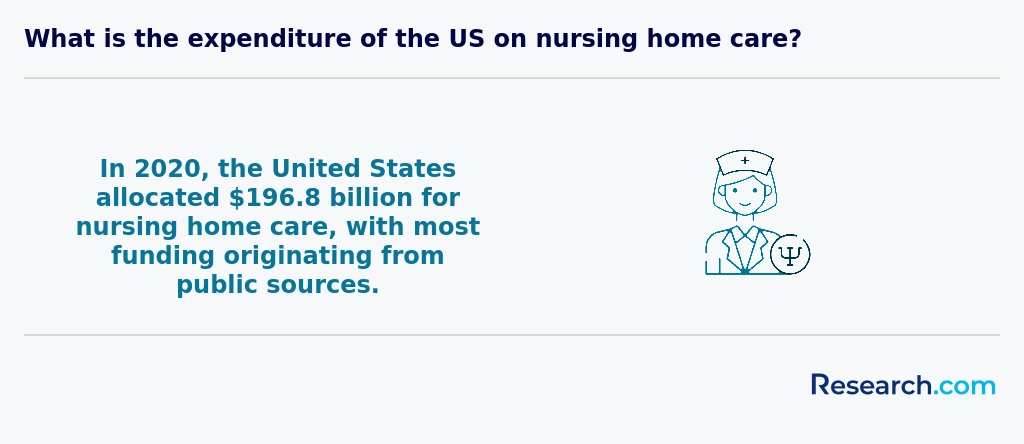
Graduates of online nursing degrees in Georgia often begin their careers as registered nurses in bustling hospitals or community health centers across the state, gaining valuable hands-on experience and steady employment in a growing market. Some find rewarding roles in outpatient clinics or long-term care facilities, where the day-to-day impact on patient care builds confidence and expertise. Many graduates from well-known institutions like Georgia State University and Augusta University note that these early roles are critical stepping stones in their career journeys, providing a solid professional foundation.
For those aiming to expand their opportunities, advanced degrees unlock specialized careers such as Nurse Practitioners or Clinical Nurse Specialists, with roles especially in demand in rural Georgia areas facing physician shortages. Many online nursing careers in Georgia also include paths like Public Health Nurse or Informatics Nurse, which allow nurses to focus on community health outreach or healthcare technology. Schools offer strong clinical placement support, helping students apply their skills in real settings.
Others explore administrative or educational roles such as Nurse Educators or Legal Nurse Consultants. Graduates often recommend exploring programs carefully to find the best fit, noting that tuition costs vary widely. For those wondering about the quickest routes, consider programs designated as the easiest degree to get to jumpstart a nursing career without sacrificing quality.
The online nursing job market Georgia graduates enter is robust, with a projected 12% growth in RN employment through 2031. Graduates from prominent institutions like Georgia State University or Kennesaw State University often find themselves quickly hired in hospitals, outpatient centers, or community health organizations. Many report that employers value the flexibility and rigor of accredited online programs, especially when paired with clinical experience gained locally.
Georgia nursing degree employment outlook improves further for those pursuing advanced degrees online. Graduates earning master's-level qualifications often secure higher-paying roles such as nurse practitioners, with median salaries around $108,000 annually. This upward mobility is common among those balancing work and study, leveraging practical experience while completing their degree. Public universities' affordability helps many manage tuition costs, making nursing education accessible without sacrificing quality.
Students frequently combine their studies with certifications or specialized training to stay competitive. For those seeking easier pathways with good returns, exploring easy master's degrees that pay well can provide additional options aligned with the healthcare field's demands.
2027 Most Affordable Online Master's in Nursing Degree Programs Ranking in Georgia
Investing in your education is a significant decision that can shape your professional future, and the Research.com team is fully aware of the importance of making well-informed choices. To support prospective nursing students in Georgia, we have carefully developed the "2027 Most Affordable Online Master's in Nursing Degree Programs Ranking in Georgia." Our dedication to quality, credibility, and accuracy is demonstrated through thorough research and detailed analysis to deliver trustworthy results.
We utilized the following reputable data sources to ensure a comprehensive and reliable evaluation of online nursing programs:
By reviewing this ranking, readers will gain valuable insights into affordable and high-quality online nursing master's programs tailored to Georgia's needs, helping them take confident steps toward advancing their careers. For further information about how this ranking was created, please visit our Research.com methodology page.
# 1 position
University of North Georgia
Master of Science with a major in Nursing - Nursing Education track


Frequently Asked Questions About nursing
Online nursing degree students in Georgia can enhance their learning by actively engaging with virtual lectures and discussion forums. Participating in group studies or online study sessions allows for sharing diverse perspectives, which enriches understanding. Utilizing resources offered by Georgia nursing schools, such as simulation labs and clinical placement support, is essential for practical skill development.
Georgia's Board of Nursing requires clinical hours for licensure; students should plan early to secure approved local healthcare facilities. According to the Georgia Board of Nursing, maintaining communication with academic advisors ensures compliance with both state and program requirements.
Time management and setting a consistent study schedule significantly improve retention and success in rigorous nursing programs.
The nursing field in Georgia is evolving with several emerging niches driven by advances in healthcare and population needs. One notable area is gerontological nursing, focusing on the growing elderly population in the state. According to the Georgia Department of Public Health, the senior population is expected to increase by over 30% by 2030, creating demand for specialized care.
Another expanding niche is telehealth nursing. The pandemic accelerated the use of remote healthcare services, and Georgia has invested in broadband expansion to support this trend.
Additionally, nurse informatics is gaining importance as healthcare systems increasingly rely on data management and technology integration to improve patient outcomes.
After completing an online nursing degree in Georgia, graduates should focus on licensure before entering the job market. Passing the NCLEX-RN exam, administered by the Georgia Board of Nursing, is required to become a registered nurse in the state. Preparation courses and practice tests are highly recommended to increase pass rates, which currently hover around 80% for first-time test takers in Georgia.
Networking is also crucial. Joining professional organizations such as the Georgia Nurses Association can provide access to job listings and local nursing events. Additionally, gaining clinical experience through internships or volunteer work strengthens resumes.
Understanding Georgia's healthcare landscape helps identify in-demand specialties. For example, rural areas show higher demand for nurses, potentially offering more job opportunities.
Employers in Georgia highly value nursing graduates who demonstrate strong clinical skills combined with effective communication. According to the Georgia Board of Nursing, proficiency in patient assessment and critical thinking ranks among the top attributes sought. Nurses must be able to perform accurate evaluations and make swift decisions in high-pressure situations.
Additionally, cultural competence and interpersonal skills are essential because Georgia's diverse population requires sensitivity to different backgrounds. Data from the Georgia Hospital Association shows that teamwork and adaptability also improve job performance, particularly in fast-paced healthcare environments.
Graduates with certified knowledge in electronic health records (EHR) systems have a competitive edge due to increasing digitalization in hospitals statewide.
Finding internships in Georgia relevant to a nursing degree involves several strategic steps. Start by consulting your online nursing program's career services, as many have partnerships with local hospitals and clinics across the state.
Georgia's healthcare sector is robust, with over 150 hospitals and numerous outpatient facilities offering internship opportunities for nursing students. The Georgia Board of Nursing provides guidelines and maintains a list of approved clinical facilities, which can be a valuable resource.
Networking through professional organizations like the Georgia Nurses Association can also help connect students with internships. Additionally, check with major healthcare employers such as Emory Healthcare and Piedmont Healthcare, which frequently offer clinical placements.
State and federal programs like the Nursing Workforce Diversity program may additionally provide internship funding or placement assistance for eligible students in Georgia.
An online nursing degree in Georgia can significantly enhance career mobility and advancement for nursing professionals. Georgia's healthcare sector is growing rapidly, with the Georgia Department of Labor projecting a 17% increase in registered nurse (RN) jobs from 2020 to 2030. This growth creates more opportunities for nurses with advanced qualifications.
Completing an online nursing program allows working nurses to gain higher credentials such as a Bachelor of Science in Nursing (BSN) or Master of Science in Nursing (MSN) without disrupting their employment. Employers in Georgia increasingly prefer or require these degrees for leadership, specialized roles, and higher pay.
For example, hospitals in metropolitan areas like Atlanta often seek nurses with advanced degrees for management or clinical specialist positions, which come with better salaries and benefits, according to the Georgia Nursing Association. Overall, an online nursing degree supports upward career movement within Georgia's evolving healthcare environment.
Studying for a nursing degree in Georgia equips students to work effectively in interdisciplinary roles by emphasizing collaboration across healthcare fields. Many Georgia programs integrate coursework in communication, leadership, and healthcare technologies, preparing nurses to coordinate with doctors, therapists, and social workers.
Georgia's Board of Nursing requires curricula that align with national standards, including competencies in teamwork and patient-centered care. Programs often include clinical simulations and practicum experiences in diverse settings like hospitals and community clinics, promoting real-world interdisciplinary engagement. According to the Georgia Nurses Association, about 70% of nursing graduates report improved skills in collaborative practice.
This focus helps graduates adapt to Georgia's growing healthcare needs, where integrated care teams improve patient outcomes and system efficiency.
When choosing between a thesis and a non-thesis nursing degree program in Georgia, consider your career goals and learning preferences. A thesis program involves conducting original research and writing a detailed paper, ideal for those aiming at leadership roles or pursuing a PhD later.
Non-thesis programs focus more on clinical practice and coursework, appealing to nurses seeking advanced skills without intense research. According to the Georgia Board of Nursing, about 60% of nurses in the state pursue practical skills for immediate career advancement.
Online programs in Georgia often offer both options, allowing flexibility. Reviewing program curriculum and faculty expertise helps ensure alignment with your professional plans.
Students in Georgia interested in studying nursing abroad through online programs have limited direct options due to the requirements of U.S. nursing licensure and accreditation. Most accredited nursing programs serving Georgia residents are U.S.-based because state boards of nursing recognize only degrees that meet specific U.S. standards. According to the Georgia Board of Nursing, foreign nursing degrees must undergo credential evaluation before licensure, which can be complex for online programs offered entirely outside the U.S.
However, some international universities partner with U.S. institutions to provide hybrid or online pathways, ensuring compliance with Georgia's Nurse Practice Act. These options are rare and usually require in-person clinical practice within the U.S. The National Council of State Boards of Nursing reports that more than 85% of RNs in Georgia hold degrees from domestic institutions, reflecting limited uptake of foreign online nursing degrees.
In Georgia, part-time job opportunities that complement nursing degree education often include roles such as certified nursing assistant (CNA), medical scribe, and home health aide. These positions provide hands-on experience in clinical settings, enhancing practical skills valuable for aspiring nurses. According to the Georgia Board of Nursing, becoming a CNA requires less training and can be a stepping stone while pursuing an online nursing degree.
Many students also find employment in outpatient clinics or rehabilitation centers, where they assist with patient care and administration. Such experience supports the theoretical knowledge gained in nursing programs.
Employment in these roles can also help students build professional networks and improve job prospects after graduation.
Online nursing students in Georgia have growing networking opportunities despite the virtual format. Many universities offering online nursing degrees connect students through virtual meetups, discussion boards, and group projects, which foster peer interaction. Statewide nursing associations, such as the Georgia Nurses Association, provide valuable platforms for students to engage with licensed professionals and attend regional events.
Hospitals and healthcare organizations in Georgia increasingly offer internship and clinical placements for online students, allowing real-world connections. According to the Georgia Board of Nursing, over 130,000 nurses are licensed in the state, creating a broad professional network.
Students can also access online conferences and webinars, enhancing industry insight and relationships.
Alumni networks provide valuable support to online nursing degree students in Georgia by connecting them with experienced professionals across the state. These networks offer mentorship opportunities that help new graduates navigate Georgia's nursing licensing requirements and job market. According to the Georgia Board of Nursing, networking can improve employment prospects in this competitive field.
Access to alumni events and online forums allows students to build relationships that can lead to job referrals and career advancement. Additionally, these connections give insight into local healthcare employers' expectations and continuing education resources available in Georgia's nursing community, enhancing overall professional growth.
Customizing an online nursing degree program in Georgia allows you to align your education with specific career goals. Many universities offer specializations such as Family Nurse Practitioner, Nurse Educator, or Nurse Leadership, which cater to various professional paths. You can also select electives that focus on specialties like pediatrics, gerontology, or mental health care. Clinical practicum placements can often be arranged locally in Georgia, ensuring hands-on experience in settings relevant to your desired field. According to Georgia Board of Nursing data, tailored programs increase job readiness, supporting growing regional healthcare needs. This flexibility helps maximize your investment in education and career growth.
Online nursing students in Georgia commonly encounter challenges balancing rigorous coursework with clinical practice requirements. Many programs mandate in-person clinical hours, which can be difficult to schedule alongside work and family commitments. According to the Georgia Board of Nursing, students must complete a minimum number of supervised clinical hours, making remote learning partially limited in flexibility.
Another challenge is access to reliable technology and high-speed internet, especially for students in rural areas where broadband connectivity remains an issue. USDA reports indicate that nearly 16% of rural Georgians lack sufficient internet access, impacting timely participation in virtual classes.
Finally, navigating licensing regulations is complex. Georgia requires all nurses to pass the NCLEX examination and meet specific educational standards, which online programs must align with to ensure graduates are eligible for state licensure.
With an online nursing degree from Georgia, graduates can pursue a variety of professional certifications to advance their careers. Common options include becoming a Certified Registered Nurse Anesthetist (CRNA), a Nurse Practitioner (NP), or a Clinical Nurse Specialist (CNS). These certifications require passing exams administered by bodies such as the American Nurses Credentialing Center (ANCC) or the American Association of Nurse Practitioners (AANP).
In Georgia, the Board of Nursing also requires specific licensure credentials corresponding to these certifications. According to the Georgia Board of Nursing, over 20,000 nurses hold advanced practice registrations, emphasizing demand for certified professionals.
Specialty certifications in areas like geriatrics, pediatrics, and oncology are also accessible. These credentials enhance job prospects and earning potential across the state's healthcare system.
Writing a winning application for an online nursing program in Georgia begins with understanding the program's specific requirements. Most accredited programs, including those recognized by the Georgia Board of Nursing, require a minimum GPA of 3.0 and a valid RN license.
Applicants should highlight relevant clinical experience and showcase commitment to nursing through a well-crafted personal statement. Emphasize adaptability to online learning and time-management skills, essential for success in remote programs.
Including letters of recommendation from nursing supervisors or professors strengthens the application. According to the Georgia Nurses Association, demonstrating knowledge of state healthcare challenges can set applicants apart.
Finally, ensure all transcripts and documents are submitted by deadlines, as Georgia schools tend to be strict on punctuality.
The nursing profession holds a respected status worldwide, with increasing demand driven by aging populations and global health challenges. In the United States, including Georgia, nursing is recognized as a stable and rewarding career. According to the Georgia Board of Nursing, the state reported over 200,000 licensed nurses in 2023, reflecting strong local workforce growth.
Globally, nursing offers mobility opportunities, allowing qualified professionals to work in diverse healthcare settings. The World Health Organization highlights a worldwide shortage of nurses, emphasizing the critical role nurses play in improving public health outcomes.
For students in Georgia pursuing nursing degrees online, this global demand translates into strong job security and numerous career pathways, both domestically and internationally. Additionally, advanced degrees often lead to leadership roles or specialized practice fields.
While pursuing an online nursing degree in Georgia, gaining practical experience is essential. Most programs require clinical hours, which students can complete at local healthcare facilities. The Georgia Board of Nursing mandates a minimum number of supervised clinical hours for licensure, typically completed through partnerships between online schools and hospitals or clinics.
Students often arrange clinical placements in settings near their homes, such as hospitals, nursing homes, or community health centers. These experiences allow students to apply theoretical knowledge in real-world environments under professional supervision.
Additionally, Georgia offers simulation labs and virtual clinical experiences that supplement hands-on practice, enhancing skills safely. According to the Georgia Nurses Association, these hybrid approaches help ensure students meet state education requirements effectively.
Choosing the right concentration within an online nursing degree program in Georgia begins with evaluating your career goals and interests. Nursing specialties such as Family Nurse Practitioner or Nurse Educator offer distinct paths, each with different job growth and salary potentials. According to the Georgia Board of Nursing, the demand for Nurse Practitioners in the state is expected to grow by over 30% through 2028, reflecting strong opportunities. Consider local healthcare needs, like elder care or rural health, which might influence your choice. Research program accreditation and faculty expertise to ensure quality education tailored to your desired concentration.
Reviewing Georgia's specific licensing requirements for your chosen concentration is also important. Many programs align with the state's Nurse Practice Act, easing the transition to professional certification. Finally, practical considerations such as available clinical placements within Georgia can shape your decision, ensuring hands-on experience in your area of interest.
- 2027 Most Affordable Online Master's in Nursing Degree Programs Ranking in South Carolina
- 2027 Most Affordable Online Master's in Nursing Degree Programs Ranking in Florida
- 2027 Most Affordable Online Master's in Nursing Degree Programs Ranking in Tennessee
- 2027 Most Affordable Online Master's in Nursing Degree Programs Ranking in North Carolina
- 2027 Most Affordable Online Master's in Nursing Degree Programs Ranking in Mississippi
- 2027 Most Affordable Online Master's in Nursing Degree Programs Ranking in Kentucky
- 2027 Most Affordable Online Master's in Nursing Degree Programs Ranking in Virginia
- 2027 Most Affordable Online Master's in Nursing Degree Programs Ranking in Arkansas
- 2027 Most Affordable Online Master's in Nursing Degree Programs Ranking in Missouri
- 2027 Most Affordable Online Master's in Nursing Degree Programs Ranking in Indiana
See What Experts Have To Say About Studying Nursing
Read our interview with Nursing experts

Lisa Grubb
Nursing Expert
Assistant Professor
Johns Hopkins School of Nursing

- Study Nursing Abroad | Boomerang International Educational Services https://boomerangedu.com/study-nursing-abroad/
- The Nurses' Alumni Association https://giving.mainlinehealth.org/get-involved/auxiliaries-and-womens-boards/lankenau-medical-center-womens-board/the-nurses-alumni-association
- Tips for Creating a Perfect Nursing School Application https://www.allnursingschools.com/articles/how-to-create-the-perfect-nursing-school-application/
- | NRR | Dove Medical Press https://www.dovepress.com/internship-challenges-encountered-by-nursing-students-a-qualitative-st-peer-reviewed-fulltext-article-NRR
- Scholarships & Financial Aid https://www.aacnnursing.org/students/scholarships-financial-aid
- How to Choose a Nursing Program: A Comprehensive Guide - Madonna ABSN https://absn.madonna.edu/blog/how-to-choose-a-nursing-program/
- Nursing Study Abroad Programs | Go Overseas https://www.gooverseas.com/study-abroad/nursing
- How to Set and Achieve Your Nursing Career Goals | HealthTrust https://engage.healthtrustjobs.com/how-to-set-achieve-nursing-career-goals
- How Do Nurses Prepare to Work in a Multidisciplinary Team? | NursingEducation https://nursingeducation.org/insights/multidisciplinary-team/
- Can I Get a Nursing Degree Online? | University of Phoenix https://www.phoenix.edu/articles/nursing/can-i-get-a-nursing-degree-online.html