2027 Best Nursing Degree Programs Ranking in Durham

Co-Founder and Chief Data Scientist
Are you considering a nursing degree in Durham and wondering which programs stand out? This article presents the 2027 Best Nursing Degree Programs Ranking in Durham, developed by the Research.com team of data scientists. Their careful analysis helps you identify top nursing programs based on reliable data, making your decision easier.
Choosing the right program can shape your future career and open doors to rewarding opportunities. Reading this guide offers valuable insights to support your journey toward a fulfilling nursing profession.
Key benefits of getting nursing degree in Durham
- Graduates with a nursing degree in Durham can expect strong earning potential, with roles like Registered Nurse, Clinical Nurse Educator, Public Health Nurse, and Emergency Room Nurse averaging an annual wage of $94,480, while Operating Room Nurses earn even more, around $128,490 per year.
- Career paths are diverse, from bedside nursing to specialized fields, as shown by Durham university graduates who find rewarding roles in hospitals, community health, and education, offering growth and job satisfaction.
- Online nursing degrees from Durham institutions offer flexibility and convenience, allowing students to balance studies with life while still accessing quality training, which helps boost confidence and career readiness.
- 2027 Best Nursing Degree Programs Ranking in Durham
- What can I expect from nursing degree in Durham?
- Where can I work with nursing degree in Durham?
What can I expect from nursing degree in Durham?
The average cost of a nursing degree in Durham varies depending on the program and institution but generally ranges from affordable community college tuition to higher university fees. For instance, pursuing an Associate Degree in Nursing (ADN) at Durham Technical Community College typically costs significantly less per semester compared to a Bachelor of Science in Nursing (BSN) at Duke University. Graduates often mention that the ADN route provides strong foundational skills with manageable expenses, making it a favored choice for those balancing budget and career goals.
BSN programs at Duke, while more expensive, offer extensive clinical experiences and advanced coursework, which many students feel justifies the investment given the higher earning potential post-graduation. Financial aid options and scholarships in Durham also ease the cost burden, helping students focus on clinical rotations at notable healthcare centers like Duke University Hospital. Many nursing students express confidence and excitement about their education despite initial worries about expenses, emphasizing the long-term career and personal rewards.
Where can I work with nursing degree in Durham?
Graduates with a nursing degree from institutions like Duke University or North Carolina Central University in Durham can step confidently into diverse healthcare roles. Many find rewarding positions at Duke University Hospital, where nursing careers span critical care, pediatrics, and oncology. One graduate shared how quickly they secured a role in surgical nursing after completing their clinical rotations there, highlighting the strength of local hospital partnerships.
Nursing professionals also thrive in outpatient clinics, rehabilitation centers, and nursing homes across Durham. Skills taught in nursing programs-like patient education and chronic disease management-are highly sought after in these settings. For instance, a recent graduate described the fulfillment of managing long-term care for elderly patients in Durham's growing eldercare facilities.
Community health jobs provide another fulfilling path. Nurses trained in these programs often work with vulnerable populations through Durham Public Health or community clinics, improving health outcomes and driving social change. Graduates with advanced degrees may pursue educator or research roles linked to Durham's universities, merging clinical skills with academics and leadership.
Graduates with a nursing degree from Durham institutions often start with salaries around $55,000 to $60,000 annually, reflecting entry-level positions in local hospitals and clinics. As they gain hands-on experience, many quickly move into roles with an average annual wage near $94,480, consistent with registered nurses, clinical nurse educators, public health nurses, and emergency room nurses in the region.
Durham-based graduates who specialize further, for example in operating room nursing, see significant salary gains, often earning about $128,490 per year. This reflects the advanced skills and responsibilities required for such positions, and graduates from well-regarded programs in Durham feel confident transitioning into these roles.
Many nursing graduates share that the strong local demand in Durham encourages employers to offer sign-on bonuses and competitive benefit packages, making the early years both financially and professionally rewarding. Studying nursing in Durham not only prepares you with practical skills but also connects you to a local healthcare network ready to support your career growth.
- Durham offers nursing degrees from institutions like Duke University and Durham Technical Community College, with options ranging from ADN to BSN and advanced degrees.
- BSN tuition at private universities such as Duke is around $55,000 to $60,000 per academic year, while community college ADN programs cost between $6,000 and $10,000 in total.
- Starting salaries for new registered nurses in Durham average between $60,000 and $65,000 annually.
- Experienced nurses, especially in specialized roles like nurse anesthetists, can earn over $90,000 per year.
- Durham's nursing job market is strong, supported by major employers like Duke University Health System and a growing demand for healthcare services.
- Licensing requires passing the NCLEX-RN exam, and many programs include clinical placements to gain practical experience in local healthcare settings.
Completing a nursing degree in Durham depends on the program you choose. Many students opt for the Associate Degree in Nursing (ADN) at Durham Technical Community College, finishing in about two years. Graduates often share how this shorter program gave them a fast track into nursing jobs, combining focused coursework with hands-on clinical experience.
If you aim for a broader nursing education, the Bachelor of Science in Nursing (BSN) usually takes around four years. Students at nearby universities like Duke or UNC Chapel Hill appreciate the in-depth training in leadership and research, preparing them for diverse nursing roles and future advancement.
For those who already hold a bachelor's degree in another field, accelerated BSN programs in Durham offer an intensive 12- to 18-month option. Graduates describe it as challenging yet rewarding, especially for those eager to join the nursing workforce quickly.
Part-time study or bridge programs can extend these timelines, but they offer flexibility for balancing work and study.
When considering a nursing degree program in Durham, NC, one crucial aspect to evaluate is the affordability of the programs. Prospective students often find themselves weighing the costs of tuition, fees, and living expenses against the potential return on investment in their future careers. To make informed decisions, it's essential to research and compare the costs of different nursing programs. For those seeking affordable options, exploring affordable nursing schools in north carolina can provide valuable insights into budget-friendly paths to a nursing degree. By understanding the financial implications of their educational choices, aspiring nurses can better plan their academic and professional journeys, ultimately leading to a rewarding and sustainable career in healthcare.
Choosing between online and on-campus nursing degrees in Durham hinges on your lifestyle and learning style. Graduates from Duke University often highlight the benefits of on-campus programs, where hands-on labs and clinical rotations at local hospitals provide immediate mentorship and networking opportunities. These in-person experiences help solidify skills through real-time feedback, creating a supportive learning atmosphere.
Conversely, graduates from Durham Technical Community College who took online paths appreciate the flexibility to balance work or family commitments. Their experience shows that while coursework is completed remotely, clinical hours still require attendance at nearby healthcare facilities, blending convenience with essential practical training.
Online students in Durham thrive when they develop strong time management, since studying is frequently asynchronous. On-campus students enjoy quick access to facilities like simulation labs and tutoring centers, boosting confidence and preparedness. Both options meet North Carolina's rigorous standards for RN licensure, but considering your daily routine and support preferences will guide you toward the best fit for your nursing career.
Understanding program outcomes is essential when choosing a nursing degree, and NCLEX-RN pass rates serve as a reliable indicator of academic quality and clinical preparedness. In Durham, leading institutions report impressive first-time NCLEX pass rates-Duke University School of Nursing boasts a 98% pass rate, while North Carolina Central University and Durham Technical Community College achieve rates above 90%. These figures reflect rigorous curricula, comprehensive simulation labs, and dedicated faculty mentorship. Graduation rates also mirror student success: Duke graduates typically complete their BSN in four years with a 92% graduation rate, and community college ADN programs average an 85% completion rate within two years. Job placement within six months of graduation exceeds 90% across Durham’s top programs, underscoring the seamless transition from classroom to clinical practice. Prospective students exploring accelerated pathways can compare these outcomes with data from our detailed online accelerated bsn guide to ensure they select a program that meets both their timeline and professional goals.
The average cost of a nursing degree in Durham varies significantly depending on residency and institution type. Data shows a median total cost of around $32,448 for many students, with in-state learners sometimes seeing costs closer to $68,758, reflecting the full pathway at public universities in the area. Graduates from Durham's nursing programs often recount balancing tuition with additional expenses like clinical uniforms and licensure exam fees, which are crucial parts of their education journey.
Many nursing students in Durham choose schools known for their strong clinical partnerships and comprehensive curricula, which, while sometimes more costly, provide invaluable hands-on experience. For example, students find that securing financial aid and scholarships plays a vital role in managing Durham nursing program tuition fees, making their goals more attainable without sacrificing quality.
When budgeting, consider that non-tuition costs-such as textbooks, supplies, and living expenses-add to the overall price but can be managed through strategic planning and support services. Prospective nursing students are encouraged to explore options at popular institutions where alumni praise flexible scheduling and accelerated options that fit diverse lifestyles.
For those aiming to find affordable choices, consulting resources on affordable nursing schools in north carolina can open pathways to quality education without overwhelming financial strain.

One of the most critical indicators of a nursing program’s quality is its NCLEX-RN pass rate and graduate career success. In Durham, NC, leading institutions consistently report first-time NCLEX pass rates above the national average of 88%. For example, Duke University’s School of Nursing achieved a 95% pass rate in 2023, while North Carolina Central University reported a strong 90% first-attempt success. These figures reflect rigorous curricula and comprehensive exam preparation strategies that you can expect from top programs. Beyond licensure, graduate outcomes further demonstrate program effectiveness. Recent cohorts from Durham Technical Community College and local BSN programs have reported job placement rates exceeding 85% within six months of graduation. Alumni surveys show that 70% of graduates secure positions in specialty units-such as critical care or pediatrics-within the first year, underscoring the versatility and market demand for Durham-trained nurses. To maximize your return on investment, consider programs that pair high NCLEX pass rates with targeted career support services, including resume workshops, interview coaching, and networking events. Prospective students also benefit from exploring affordable advanced-degree options, such as the Most Affordable Online Master's in Nursing Degree Programs Ranking in Pittsburgh, PA, which highlight cost-efficient pathways for continuing education and specialization. Overall, reviewing NCLEX outcomes and post-graduation metrics empowers you to choose a nursing program in Durham, NC, that not only prepares you for licensure but also supports a thriving, long-term career in healthcare.
Students pursuing nursing degrees in Durham often rely on a combination of federal, state, and local financial aid to manage costs effectively. Many graduates from Duke University and Durham Technical Community College share how Pell Grants, which can provide up to $7,395 without repayment, have greatly eased their tuition burden. Federal student loans, such as Direct Subsidized Loans, offer flexible repayment options that help graduates transition smoothly into their nursing careers.
State scholarships from North Carolina, like the Nursing Scholarship Program, have been a lifeline for those committed to serving underserved areas, reducing debt while making a meaningful impact. Local scholarships from healthcare providers, including the Duke University Health System, provide additional support-often coupled with loan forgiveness if students work within their networks post-graduation.
Work-study opportunities and institutional scholarships based on merit or need further lighten the financial load. Graduates emphasize starting early to explore these options, often turning financial worries into motivation for success in Durham's nursing programs.
One of the most critical indicators of nursing program quality is the NCLEX-RN pass rate, which reflects how well a curriculum prepares students for licensure. In Durham, NC, top programs demonstrate consistently high pass rates:
- Duke University School of Nursing: 98% first‐time NCLEX pass rate (2023)
- North Carolina Central University: 94% first‐time pass rate (2023)
- Durham Technical Community College: 92% first‐time pass rate (2023) These figures compare favorably to the national average of 88%, indicating that Durham graduates enter the workforce with strong clinical competence. Beyond licensure success, graduate outcomes further underscore program effectiveness:
- Employment Rate: On average, 95% of graduates secure a nursing position within six months of graduation, often receiving multiple job offers in local hospitals and clinics.
- Job Satisfaction: Alumni surveys report an 89% satisfaction rate, highlighting the value of supportive faculty, hands-on training, and mentorship programs.
- Career Advancement: Nearly 30% of alumni pursue advanced practice roles within two years, including nurse educator, nurse manager, and specialized clinical positions. For those interested in expanding their scope of practice, many graduates transition into nurse practitioner roles. If you’re considering a holistic approach to advanced nursing practice, explore guidance on what do you need to become a holistic np to plan your next steps.
To enroll in a nursing degree in Durham, start by securing a high school diploma or GED with strong grades, especially in biology, chemistry, and math. Graduates from Durham Technical Community College emphasize how this foundational knowledge made their transition into nursing courses more manageable and engaging.
Many nursing programs here require completion of prerequisite college courses like human anatomy, microbiology, general chemistry, nutrition, and psychology. These subjects prepare you for both the academic and practical aspects of nursing.
Applicants should also gain healthcare experience through volunteering or part-time work. Several Durham nursing graduates reflect that hands-on exposure boosted their confidence during interviews and personal statements, highlighting genuine passion and preparedness.
Maintaining a competitive GPA, often between 2.5 and 3.0, is essential. Durham students recall how meeting this threshold opened doors to selective programs involving interviews and personal review, making thorough preparation worthwhile.
Finally, expect background checks and immunization proof before clinical placements-these ensure safety and professionalism throughout your training in Durham's healthcare settings.
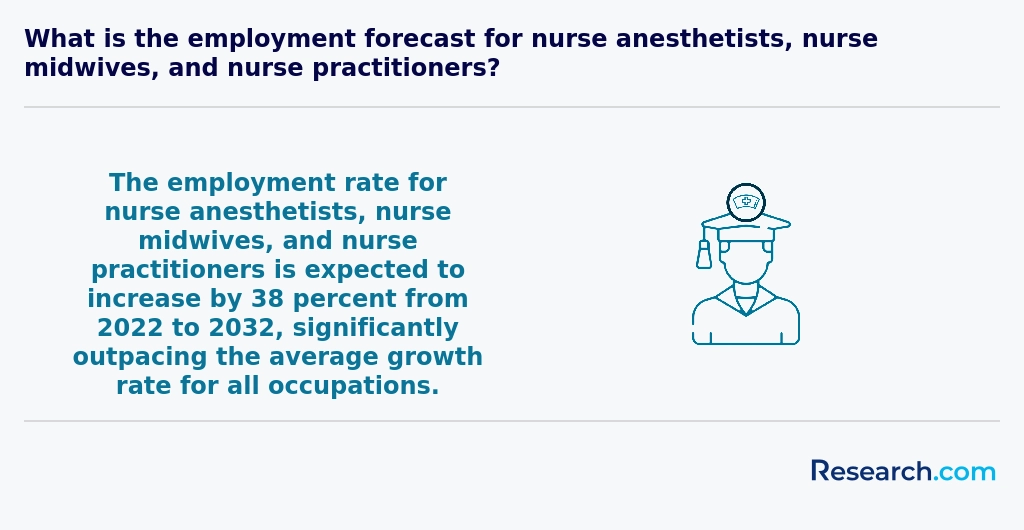
Graduating from a CCNE- or ACEN-accredited nursing program in Durham is essential for eligibility to sit for the NCLEX-RN and secure state licensure. Follow these steps to become a licensed RN in North Carolina:
- Complete an accredited ADN or BSN curriculum at a Durham institution.
- Apply to the North Carolina Board of Nursing, submitting a background check, drug screening, and immunization records.
- Register for the NCLEX-RN exam through Pearson VUE and schedule your test.
- Pass the NCLEX-RN to receive your provisional RN license, then activate it with the NCBON.
- Renew your license every two years by completing required continuing education-many RNs advance through rn to bsn online programs without clinicals to meet BSN accreditation and expand career options.
Nursing degree programs in Durham typically include courses that blend foundational sciences with essential nursing skills. Graduates from local colleges often highlight how courses like Anatomy and Physiology give them a clear understanding of the human body, which proved invaluable during clinical rotations at Durham hospitals.
Microbiology and Chemistry classes prepare students to handle infection control and medication safely, which many find reassuring when entering patient care. Nutrition courses connect classroom learning to real-world advice they gave patients recovering in community health settings around Durham.
Specialized nursing coursework covers areas like Adult Health Nursing and Maternal and Child Health, providing practical knowledge directly applicable to daily nursing tasks. Mental Health Nursing and Pharmacology classes help students confidently address diverse patient needs.
Students from universities in Durham frequently mention that clinical practicum experiences reinforce these lessons by placing them in hospital environments, enhancing their skills and boosting their confidence. This hands-on approach helps nursing students feel ready to meet licensure requirements and tackle real challenges in healthcare.
Nursing degree specializations in Durham include Adult-Gerontology Nursing, Pediatric Nursing, Psychiatric-Mental Health Nursing, and Family Nurse Practitioner tracks. Many graduates from local colleges appreciate how Adult-Gerontology programs prepare them to manage complex health issues in elderly patients, a critical skill in Durham's healthcare facilities. Similarly, those pursuing Pediatric Nursing find hands-on experience invaluable, especially through placements in Durham's children's hospitals. Psychiatric-Mental Health Nursing is gaining traction among Durham students eager to support mental health care in the community.
Durham nursing programs with specialty options also offer Neonatal, Critical Care, and Public Health Nursing, addressing needs from newborn intensive care to broader community health outreach. Students often highlight the direct impact they feel working in local hospitals and clinics while completing their studies.
For flexibility and accelerated progress, some students explore online accelerated bsn programs that complement Durham's in-person opportunities, allowing seamless integration between study and practical experience. This approach helps nurses quickly advance their careers while serving Durham's diverse patient population.
To choose the best nursing degree in Durham, start by identifying your career goals and desired nursing level, such as ADN, BSN, or MSN. Graduates from popular universities in Durham often highlight the advantage of BSN programs, especially since they provide access to clinical placements at renowned centers like Duke University Hospital, enriching real-world experience. This kind of hands-on training builds confidence and professional networks through interactions with local healthcare providers.
Cost is a major factor for many students seeking affordable nursing degrees Durham NC offers. Public universities in Durham typically have lower tuition for in-state residents, while private colleges may charge more but can offer scholarships or financial aid that ease the burden. Speaking with recent nursing graduates can give insight into managing expenses and work-study balance during the program.
Make sure the program you select is accredited by agencies such as CCNE or ACEN to secure licensure eligibility and strong career prospects. Also, look for flexible study options like part-time or hybrid courses that suit your lifestyle. For those curious about advanced practice roles, exploring what do you need to become a holistic np can guide your next steps.
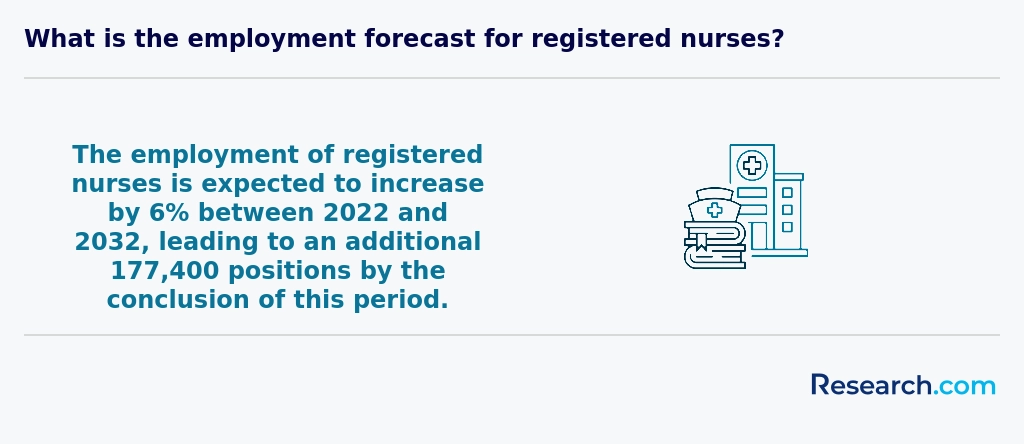
Graduates of nursing programs at Durham's well-known institutions often find diverse nursing career opportunities in Durham that match their skills and interests. Common entry-level roles include Registered Nurse (RN), Licensed Practical Nurse (LPN), and School Nurse positions within Durham County schools or local healthcare centers. Many graduates share how hands-on clinical experiences at Duke University Hospital and other facilities prepare them to confidently support patient care in busy hospital wards or community health settings.
Those seeking advanced roles, such as Nurse Practitioner or Clinical Nurse Specialist, often pursue further education, unlocking higher salaries and greater responsibility. Many Durham nursing degree job prospects benefit from the city's robust healthcare landscape, enabling smooth transitions into specialties like pediatrics, oncology, or public health nursing. Graduates appreciate the availability of continuing education options, including the Most Affordable Online Master's in Nursing Degree Programs Ranking in Pittsburgh, PA, which supports career growth while balancing work and study.
Graduates with nursing degrees in Durham enjoy a thriving job market fueled by the city's extensive healthcare network, including major centers like Duke University Hospital. Many find rewarding roles quickly, as hospitals and outpatient clinics consistently demand skilled nurses to manage high patient volumes. Those completing their nursing education at local institutions often highlight the ease of transitioning into specialties such as critical care, oncology, or community health, where employment demand remains strong.
The nursing job outlook in Durham is positive, with competitive salaries around $75,000 annually, allowing many to recover educational costs comfortably. Students report that internships and clinical rotations in Durham's top medical facilities provide essential hands-on experience, which greatly enhances employability.
For those weighing options, understanding different types of college majors and exploring nursing programs in Durham can clarify career paths aligned to evolving market needs.
Durham nursing degree employment opportunities also include research positions near university centers and roles in nurse education, offering diverse career trajectories that meet personal growth ambitions.
2027 Best Nursing Degree Programs Ranking in Durham
Investing in your education is a significant decision that can shape your future, and the Research.com team is fully aware of the importance of making well-informed choices. To support prospective students in Durham, we have carefully developed the "2027 Best Nursing Degree Programs Ranking in Durham." Our dedication to quality, credibility, and accuracy is demonstrated through rigorous research and analysis.
We utilized the following reputable data sources to ensure a comprehensive evaluation of nursing programs:
By reviewing this ranking, readers will gain valuable insights into the leading nursing degree programs available in Durham, empowering them to make confident and informed educational decisions. For more details on our methodology, please visit our Research.com methodology page.


# 5 position
Watts College of Nursing
Bachelor of Science in Nursing
Frequently Asked Questions About nursing
Students pursuing nursing degrees in Durham can enhance their learning by actively engaging in clinical rotations at local hospitals like Duke University Hospital, which offers exposure to diverse patient care scenarios. Research shows that hands-on experience significantly boosts both competence and confidence. Utilizing campus resources such as simulation labs can help students practice critical skills in a controlled environment. Joining nursing student organizations provides networking opportunities and access to workshops. Additionally, maintaining strong relationships with faculty can open doors to mentorship and research projects. According to the National Council of State Boards of Nursing, combining practical and academic learning improves licensure exam pass rates, benefiting Durham nursing students.
As healthcare evolves, several emerging niches within the nursing field are gaining attention in Durham and beyond. One key area is gerontological nursing, which focuses on caring for the rapidly growing elderly population. According to the U.S. Census Bureau, adults over 65 are expected to constitute over 20% of North Carolina's population by 2030, increasing demand for specialized care.
Another niche is informatics nursing, where professionals manage healthcare data to improve patient outcomes. Duke University Health System, based in Durham, is a leader in integrating technology with nursing practice, creating new career pathways.
Finally, psychiatric and mental health nursing sees expansion due to rising awareness of mental health issues, particularly in the wake of the COVID-19 pandemic. The North Carolina Board of Nursing reports increased enrollment in psychiatric nursing programs statewide, reflecting this growing need.
After completing a nursing degree in Durham, preparing for the job market involves several strategic steps. First, graduates should obtain their Registered Nurse (RN) license by passing the NCLEX-RN exam, a requirement for all practicing nurses in North Carolina. According to the North Carolina Board of Nursing, the state has seen a steady growth in nursing job openings, especially in hospitals and outpatient care centers around Durham.
Networking through local healthcare job fairs and professional nursing organizations, such as the North Carolina Nurses Association, can increase job prospects. Gaining experience via internships or residencies during the final year of study can also enhance employability.
Finally, staying informed about regional healthcare needs and specialties in demand-for example, geriatric or pediatric nursing-can help in targeting career opportunities effectively.
Employers in Durham seek nursing degree graduates who demonstrate strong clinical competence and effective communication skills. According to the North Carolina Board of Nursing, these abilities are critical for ensuring patient safety and quality care. Graduates must also exhibit critical thinking and problem-solving skills to adapt to complex healthcare environments.
Durham's healthcare providers highly value teamwork and cultural competence, reflecting the city's diverse patient population. Familiarity with electronic health records and technology is increasingly important, as highlighted in Duke University Health System reports.
Additionally, time management and empathy are frequently cited as essential qualities for success in nursing roles across Durham hospitals and clinics.
Finding nursing internships in Durham involves leveraging local healthcare resources and academic connections. Durham is home to major healthcare institutions like Duke University Health System, which offers numerous clinical internship opportunities for nursing students. These internships provide hands-on experience in specialties such as pediatrics, emergency care, and oncology.
To locate internships, students should contact nursing program advisors at local universities for partnership programs. Additionally, checking hospital websites and local health departments often reveals application details. Networking through nursing associations such as the North Carolina Nurses Association can also be valuable for uncovering internship openings.
The U.S. Bureau of Labor Statistics noted a 15% growth in nursing roles nationwide through 2031, highlighting strong demand and internship availability. Staying proactive and engaged with Durham's health community enhances chances for valuable internship placements.
A nursing degree in Durham significantly enhances career mobility and advancement opportunities. Graduates often find increased access to diverse healthcare settings, including major hospitals like Duke University Hospital and UNC Health facilities, both prominent employers in the area. According to the Bureau of Labor Statistics, registered nurses in the Raleigh-Durham metropolitan region enjoy a higher median wage compared to the national average, reflecting strong demand.
Moreover, obtaining a Bachelor of Science in Nursing (BSN) or higher degree is increasingly preferred by employers, facilitating promotion to specialized roles such as nurse practitioner or nurse manager. Local healthcare networks frequently offer professional development programs targeting degree holders, which advance skills and leadership abilities.
Durham's growing healthcare sector, supported by research institutions and medical hubs, creates dynamic pathways for nurses aiming to move into advanced practice, education, or administration. Strategic investments in nursing education here align with broader trends emphasizing higher credentials for career growth within the U.S. healthcare system.
Studying for a nursing degree in Durham equips students with essential skills to excel in interdisciplinary healthcare teams. Programs emphasize collaboration with professionals such as physicians, social workers, and pharmacists to enhance patient care outcomes. In Durham, nursing curricula often include courses on communication, ethics, and health informatics, fostering a well-rounded understanding of diverse roles within healthcare settings.
Many nursing schools in Durham maintain partnerships with local hospitals and clinics, providing students with clinical experiences that involve interdisciplinary teams. According to Durham County Public Health data, over 70% of nursing students engage in such collaborative environments before graduation.
This hands-on exposure helps students learn coordination and leadership functions crucial for modern nursing practice.
When choosing between a thesis and a non-thesis nursing degree program in Durham, consider your career goals and learning preferences. Thesis programs typically focus on research, preparing students for roles in academia or clinical research. These programs require completing an original research project under faculty supervision.
Non-thesis programs emphasize practical skills and clinical experience, ideal for students aiming to enter or advance in healthcare settings more quickly. They usually involve additional coursework or clinical practicum instead of research.
According to the North Carolina Board of Nursing, Durham's healthcare sector has grown by 5% in recent years, increasing demand for practice-ready nurses with hands-on experience.
Choosing a program aligned with your professional ambitions will help maximize your investment in nursing education.
Students based in Durham seeking to study nursing abroad have several options primarily through exchange programs and partnerships with international universities. Many nursing schools in the US, including those linked to Durham-area institutions, offer study abroad opportunities in countries such as the United Kingdom, Australia, and Canada. These programs allow students to gain global healthcare perspectives while completing clinical hours.
According to the American Association of Colleges of Nursing (AACN), studying nursing abroad can enhance cultural competence, a critical skill in nursing practice. Durham students may also consider enrolling in accredited online nursing programs with international clinical placements, providing flexibility without relocating. Exploring affiliated institutions is essential for credit transfer and licensure alignment.
Durham offers various part-time job opportunities that complement nursing degree education, helping students gain practical experience alongside their studies. Many nursing students find positions as certified nursing assistants (CNAs) or patient care technicians in local hospitals like Duke University Hospital, which employs thousands and provides hands-on clinical exposure.
Other opportunities include roles as medical assistants or home health aides, which allow students to develop essential patient communication and care skills. According to the North Carolina Department of Commerce, healthcare support jobs in Durham are projected to grow by over 10% through 2030, indicating increasing availability.
Additionally, volunteering or part-time work in community clinics or long-term care facilities offers valuable experience relevant to nursing programs and future licensure.
Nursing students in Durham have access to diverse networking opportunities, essential for career growth. Local universities like Duke and Durham Technical Community College offer student nursing organizations that connect peers and faculty. These groups often host guest lectures and workshops with healthcare professionals.
Durham's proximity to major hospitals, including Duke University Hospital, gives students chances for clinical rotations and mentorships, fostering professional relationships. Also, the North Carolina Nurses Association has a strong regional chapter that holds events, conferences, and seminars tailored to nursing students in the area.
According to the NC Board of Nursing, these connections can increase employment chances by 30% through referrals and professional introductions.
Alumni networks play a significant role in supporting nursing degree students in Durham by connecting them to experienced professionals already working in healthcare settings. These networks facilitate mentorship opportunities, allowing current students to gain guidance on clinical skills and career paths. According to a 2023 study by the National Council of State Boards of Nursing, mentorship is linked to higher NCLEX pass rates and better job placement.
In Durham specifically, nursing alumni from institutions like Duke University and Durham Technical Community College frequently collaborate to offer workshops and career fairs. These events enhance employment prospects, as hospitals in the Research Triangle Park area often recruit directly through alumni connections. Additionally, networking helps students stay informed about industry trends and emerging nursing specialties.
Customizing a nursing degree program in Durham involves selecting courses and clinical experiences that align with your specific career goals. Many local schools offer flexible curriculums, allowing students to focus on specialties such as pediatric nursing, gerontology, or community health. Elective courses and practicum placements provide practical exposure that supports targeted skill development.
Additionally, Durham's proximity to major healthcare systems like Duke University Health System offers valuable internship and networking opportunities. Students can often participate in research projects or clinical rotations tailored to nursing specialties. According to the North Carolina Board of Nursing, nearly 30% of nursing students in Durham counties engage in specialized clinical experiences before graduation.
Advising services at Durham institutions can further guide you to customize your degree effectively, ensuring the chosen path meets licensure requirements and employer expectations in the region.
Nursing students in Durham face several typical challenges during their studies. One major difficulty is balancing rigorous coursework with clinical hours, which often require long shifts at local hospitals. This can lead to fatigue and stress. According to the North Carolina Board of Nursing, about 35% of nursing students report high stress related to clinical placements.
Another challenge is managing financial pressure. Tuition and associated costs for nursing programs in Durham can be significant, and many students juggle part-time work alongside their studies. Limited availability of scholarships specifically for nursing students adds to this struggle.
Lastly, adapting to rapidly evolving healthcare technologies and meeting licensure exam requirements create additional academic demands. Many students seek extra tutoring or study groups to stay competitive.
With a nursing degree in Durham, graduates can pursue various professional certifications to enhance their careers. Common certifications include the Registered Nurse (RN) license, which is mandatory for practice across North Carolina.
Beyond RN licensure, nurses often obtain specialty certifications such as Certified Nurse Practitioner (CNP), Certified Clinical Nurse Specialist (CNS), or Certified Nurse Midwife (CNM). These require additional education and passing national exams through organizations like the American Nurses Credentialing Center (ANCC).
Durham-area employers value certifications in acute care, pediatrics, and gerontology, reflecting the community's healthcare needs. According to the North Carolina Board of Nursing, certified nurses tend to have better job prospects and higher salaries in the region.
Applying to a nursing program in Durham requires careful preparation and attention to detail. Start by researching programs offered by local institutions, such as Duke University and Durham Technical Community College, known for their strong nursing curricula. Make sure to meet all prerequisite courses, often including biology and anatomy, as these are essential for admission.
Highlight your experience in healthcare settings, including volunteer work or certifications like CNA. Nursing programs in Durham look for applicants with strong communication skills, empathy, and dedication. According to the North Carolina Board of Nursing, applicants with higher GPAs, particularly above 3.0, increase their chances of acceptance.
Prepare a clear, concise personal statement explaining your motivation for nursing and your commitment to serving the Durham community. Lastly, request letters of recommendation from professionals familiar with your work ethic and character to strengthen your application.
Nursing is a globally respected profession, with demand continuously rising due to aging populations and healthcare needs. In the United States, including Durham, the Bureau of Labor Statistics projects a 9% job growth for registered nurses between 2020 and 2030, reflecting national trends. Globally, nurses play a crucial role in improving public health, disaster response, and disease management.
For students in Durham pursuing nursing degrees, international perspectives highlight flexibility, as qualifications often support working abroad with additional certification. The World Health Organization emphasizes nursing as essential to achieving universal health coverage, reinforcing its global importance. Understanding these broader trends can help Durham students appreciate the wide opportunities nursing careers offer worldwide.
Students pursuing a nursing degree in Durham can gain practical experience through clinical placements, which are a required part of accredited nursing programs in the US. Many Durham nursing schools collaborate with local hospitals like Duke University Hospital and Durham VA Medical Center to provide hands-on training in real healthcare settings.
These clinical rotations allow students to apply theoretical knowledge while working under the supervision of registered nurses and medical professionals. Internships and volunteer opportunities in community health clinics are also common, offering exposure to diverse patient populations.
According to the North Carolina Board of Nursing, clinical hours typically range from 500 to 700 hours during the course of the degree, ensuring thorough practical experience before graduation.
Choosing the right concentration within a nursing degree program in Durham involves considering your career goals and local healthcare needs. Durham's healthcare sector includes major employers like Duke University Health System, offering diverse nursing roles from pediatrics to oncology. Prospective students should explore concentrations with strong clinical partnerships to gain hands-on experience.
Employment projections by the North Carolina Department of Commerce show growth in specialized nursing roles, highlighting areas such as geriatric care and nurse informatics. Accreditation status and NCLEX pass rates also matter; programs with higher success rates better prepare graduates.
Research available concentrations, talk to advisors, and align specialization with your interests and Durham's healthcare market trends.
- 2027 Best Nursing Degree Programs Ranking in Lynchburg
- 2027 Best Nursing Degree Programs Ranking in Harrisonburg
- 2027 Best Nursing Degree Programs Ranking in Virginia Beach
- 2027 Best Nursing Degree Programs Ranking in Columbia
- 2027 Best Nursing Degree Programs Ranking in Washington
- 2027 Best Nursing Degree Programs Ranking in Baltimore
- 2027 Best Nursing Degree Programs Ranking in Pittsburgh
- 2027 Best Nursing Degree Programs Ranking in Macon
- 2027 Best Nursing Degree Programs Ranking in Atlanta
- 2027 Best Nursing Degree Programs Ranking in Louisville
See What Experts Have To Say About Studying Nursing
Read our interview with Nursing experts


- Browse results https://www.idoxopen4learning.co.uk/durham/List/Default
- Exploring Diverse Nursing Career Horizons - N2S Healthcare Blog https://n2shealthcare.com/blog/exploring-diverse-nursing-career-horizons-n2s-healthcare-blog
- Do I Have to Write a Thesis to Complete a Master's Degree in ... https://www.bestmasterofscienceinnursing.com/faq/write-thesis-complete-masters-degree-nursing/
- 10 Nursing Fields That Are Growing in Demand https://promedcert.com/blog/10-nursing-fields-that-are-growing-in-demand
- | NRR | Dove Medical Press https://www.dovepress.com/internship-challenges-encountered-by-nursing-students-a-qualitative-st-peer-reviewed-fulltext-article-NRR
- How Do Nurses Navigate Career Advancement? | NursingEducation https://nursingeducation.org/insights/career-advancement/
- Work-life balance | Careers Crossroads | RCN Careers Resources | Royal College of Nursing https://www.rcn.org.uk/Professional-Development/Your-career/Nurse/Career-Crossroads/Career-Ideas-and-Inspiration/work-life-balance
- Online Nursing Education (10 Important FAQs Answered) https://www.allnursingschools.com/how-to-get-into-nursing-school/online-programs/
- FINANCIAL INFORMATION | Watts College of Nursing https://wattscollegeofnursing.edu/financial-information/
- What Nursing Concentration Is Right for Me? | Maryville Nursing https://nursing.maryville.edu/blog/what-nursing-concentration-is-right-for-me