
2027 Best Nursing Degree Programs Ranking in Columbia

Co-Founder and Chief Data Scientist
Choosing the right nursing degree program is an important step towards a rewarding healthcare career. This article introduces the 2027 Best Nursing Degree Programs Ranking in Columbia, carefully developed by the Research.com team of data scientists.
Designed to guide you through the many options, the ranking helps students identify programs that combine quality education with practical opportunities. Nursing is a growing and impactful profession, offering stability and meaningful work.
Reading this article will give you confidence in making an informed decision that fits your goals and passions.
Key benefits of getting nursing degree in Columbia
- Salary: Nursing degree graduates in Columbia can expect competitive salaries, with typical roles like Registered Nurse and Public Health Nurse earning around $94,480 annually, while Operating Room Nurses can earn up to $128,490 per year.
- Career paths: Graduates from popular universities in Columbia often pursue diverse roles such as Clinical Nurse Educator, Emergency Room Nurse, or Public Health Nurse, offering multiple rewarding and impactful career options.
- Online degree benefits: Earning a nursing degree online from a well-known Columbia university provides flexibility and the chance to balance work and study, making it easier to advance your career without disrupting your life.
- 2027 Best Nursing Degree Programs Ranking in Columbia
- What can I expect from nursing degree in Columbia?
- Where can I work with nursing degree in Columbia?
What can I expect from nursing degree in Columbia?
The average cost of pursuing a nursing degree in Columbia is often a key consideration for students planning their education. On average, annual tuition at public universities well-known for nursing, like the University of South Carolina, ranges from about $6,000 to $15,000 for in-state students. Graduates frequently share how this investment felt manageable due to financial aid options and scholarships targeted specifically for nursing students.
Hearing from alumni at institutions renowned for clinical training, you get a sense of the balance between cost and quality. Many recall that affordable tuition combined with comprehensive hands-on experiences made their education feel truly valuable. These clinical rotations in local hospitals and community health centers helped bridge classroom theory to meaningful real-world patient care.
Ultimately, the financial aspects of nursing programs in Columbia are aligned with the state's commitment to growing a skilled healthcare workforce, offering multiple pathways for students to access education without excessive burden.
Where can I work with nursing degree in Columbia?
Graduates from nursing programs at institutions like the University of South Carolina often find themselves stepping confidently into hospital roles, where they provide direct patient care and collaborate closely with medical teams. Many recall their clinical rotations there as pivotal, preparing them to manage medications and respond effectively in dynamic healthcare settings.
Others discover fulfilling paths in outpatient care centers or physician offices, environments where the pace is less intense but the impact on patient wellness is profound. Nursing graduates frequently describe the satisfaction of educating patients on disease prevention and managing chronic conditions-skills honed during their studies in Columbia's diverse clinical settings.
Long-term care facilities and skilled nursing homes are also common workplaces, especially given Columbia's growing elderly population. Graduates express a deep sense of purpose working with residents recovering from surgery or managing chronic illness, embracing these roles as opportunities to build meaningful connections over time.
Community health represents another rewarding direction. Many nurses join public health initiatives or nonprofits, drawn by the chance to promote wellness and support underserved groups in Columbia. Those who took part in community-focused internships during their nursing education often share stories of fulfillment from making real differences outside hospital walls.
Finally, some graduates choose to serve as school nurses within Columbia's school districts. They find joy in helping students stay healthy and safe, often recalling how their nursing studies equipped them to handle emergencies and coordinate care effectively in educational settings.
Graduates from nursing programs in Columbia, such as those at the University of South Carolina or Midlands Technical College, often find that their education translates into solid earning potential. Registered nurses, for example, earn a mean annual wage of around $94,480 in the area, reflecting both the value of their training and the region's healthcare demands.
Nursing graduates who specialize-like becoming an operating room nurse-can see even higher salaries, with mean annual wages reaching up to $128,490. This kind of advanced role often requires additional training but offers rewarding financial and professional growth.
Many recent nursing graduates recall feeling reassured by these numbers when starting their careers, especially knowing that diverse opportunities exist beyond direct hospital roles. For instance, pursuing positions as clinical nurse educators or public health nurses also yields a mean wage near $94,480, offering steady and fulfilling career paths.
Such promising salaries, paired with Columbia's affordable living and strong nursing networks, make pursuing a nursing degree here a wise investment with tangible, encouraging returns.
- The average annual tuition for a Bachelor of Science in Nursing (BSN) at public universities in Columbia ranges from $10,000 to $15,000 for in-state students, with higher costs at private schools.
- Entry-level nurses in Columbia start with an average salary of about $58,000 per year, while experienced registered nurses earn between $70,000 and $85,000 annually.
- The nursing workforce in Columbia is expected to grow by approximately 15% by 2030 due to an aging population and increased healthcare demand.
- Most nursing programs include clinical rotations at local hospitals and clinics, providing practical experience during the degree.
- Graduates must pass the NCLEX-RN exam to become licensed nurses in Missouri, and local programs often have pass rates that meet or exceed the national average.
Completing a nursing degree in Columbia varies mainly by the program you choose, and reflecting on experiences shared by graduates from institutions like Columbia State Community College or the University of Columbia Nursing School can help clarify what to expect. Those pursuing an Associate Degree in Nursing (ADN) often find themselves immersed in a practical, hands-on experience over 2 to 3 years. Many graduates appreciate this pathway for its balance of time-efficiency and readiness for entry-level nursing roles.
On the other hand, students at universities offering the Bachelor of Science in Nursing (BSN), such as the University of Columbia, typically spend around 4 years. Graduates frequently describe this journey as challenging but deeply rewarding, highlighting the broader clinical expertise and leadership skills gained, which open doors to advanced opportunities and positions.
For working nurses returning to school, an RN-to-BSN bridge program lasting 1 to 2 years provides flexible options. Many express gratitude for this pathway, as it allows them to build on their practical experience while advancing academically, often juggling work and study successfully.
Accredited nursing programs in Columbia must hold regional accreditation and approval from state boards to ensure graduates are eligible for licensure and recognized by employers.
- Accredited by the Commission on Collegiate Nursing Education (CCNE) or the Accreditation Commission for Education in Nursing (ACEN)
- Approved by the Missouri State Board of Nursing for NCLEX-RN eligibility
- Demonstrates transparent outcomes through NCLEX pass rates and job placement statistics
- Meets curriculum standards for clinical hours, faculty qualifications, and student support
For nurses pursuing advanced practice roles, consider exploring accelerated dnp programs to fast-track your doctoral preparation and expand career opportunities.
Choosing between an online and on-campus nursing degree in Columbia often comes down to how you envision your daily life during study. Online programs, like those offered by some top local universities, provide remarkable flexibility. Graduates often recall balancing family care or part-time jobs while accessing lectures at midnight or during lunch breaks. This asynchronous style fits well with a busy lifestyle but still requires hands-on clinical hours. Those clinical experiences, arranged locally, ensure students develop the vital practical skills needed for South Carolina's licensure.
On the other hand, graduates from Columbia's traditional campus programs frequently speak about the rich relationships formed through face-to-face classes and labs. The structured schedules and immediate access to campus resources help build confidence and create a strong support network, especially during intense clinical rotations in nearby hospitals.
Both paths demand dedication, but your choice may depend on whether you thrive with self-paced learning or prefer the camaraderie and routine of campus life.
Exploring affordable pathways to a nursing degree can save you thousands while delivering the same quality education. Online programs often offer lower tuition rates, flexible scheduling, and the ability to work part-time. For example, while local in-state programs average between $23,900 and $211,392, many accredited online colleges charge significantly less per credit hour. To compare cost-effective options in a neighboring region, see Cheapest Online Nursing Degree Programs Ranking in Illinois-several of those schools also accept residents from South Carolina and offer transfer-friendly policies. Key strategies for maximizing affordability: • In-State vs. Online Tuition: Public universities often charge in-state rates for online learners, which can be 25% cheaper than out-of-state campus tuition. • Credit Transfer and Accelerated Options: Look for programs that accept your existing general education credits or offer accelerated nursing tracks, reducing total semesters required. • Scholarship and Grant Integration: Many online schools automatically consider applicants for institutional scholarships; combine these with federal grants (FAFSA) to offset remaining costs. • Payment Plans and Employer Tuition Reimbursement: Spread tuition across multiple payments without high interest, or ask your healthcare employer about tuition assistance programs. Before enrolling, confirm program accreditation by bodies like CCNE or ACEN and verify NCLEX pass rates. Even within low-cost offerings, high-quality clinical partnerships and support services-such as virtual simulation labs and dedicated academic coaching-ensure you develop both practical skills and professional confidence. By strategically selecting an affordable online degree, you’ll graduate ready to thrive in Columbia, SC’s competitive healthcare market without shouldering unnecessary debt.
The average cost of a nursing degree in Columbia generally depends on the type of institution and program you choose. Graduates from community colleges often reflect on their experience with associate degrees where annual tuition ranges from $6,000 to $10,000. These programs offer a quicker, more affordable path and are valued for the hands-on training that prepares students effectively for nursing work. Meanwhile, those attending public universities in Columbia for a Bachelor of Science in Nursing can expect to invest between $8,000 and $15,000 per year in tuition alone. Many find the longer, more comprehensive four-year curriculum worthwhile due to the deeper clinical experiences and research opportunities.
Private colleges, with their higher tuition costs of $20,000 to $35,000 annually, attract students who appreciate smaller class sizes and specialized resources. Graduates often recall the personalized attention and networking that helped expand their professional horizons despite the added expense. When considering nursing degree tuition and fees Columbia students must also budget for extra costs like textbooks, supplies, uniforms, and licensing exam fees, typically totaling between $500 and $1,000. This additional expense, though not always immediately visible, is essential to complete the educational journey.
Many students find financial relief through scholarships aimed at those committed to working in underserved communities, a common offering at several nursing schools around Columbia. Prospective students looking for the most cost-effective options can explore the cheapest nursing schools in south carolina, which blend quality education with manageable tuition fees. Reflecting on the overall commitment, the median total cost for a nursing degree in Columbia comes to about $12,688 for in-state students, offering a balanced view for anyone planning their future in nursing.

For aspiring nurses in Columbia, SC, one of the most critical considerations is the cost of their education. With tuition fees varying significantly across different institutions, it's essential to find a program that balances affordability with quality. If you're looking for options that won't break the bank, exploring the cheapest nursing schools in south carolina can provide valuable insights. Many of these schools offer comprehensive nursing programs that are not only budget-friendly but also accredited and well-regarded in the industry. By choosing an affordable nursing school, you can pursue your dream of becoming a nurse without accumulating excessive debt, allowing you to focus on what matters most – your education and future career.
Students pursuing nursing degrees at popular institutions in Columbia often find relief through a mix of financial aid options tailored to their unique circumstances. Many graduates recall how federal student aid, especially Pell Grants, provided crucial non-repayable funding that eased their tuition burdens during challenging semesters at universities like the University of Missouri-Columbia.
Others benefited from Federal Direct Loans, which offered manageable repayment plans that allowed them to focus on clinical training without overwhelming debt anxiety. State scholarships, such as those from the Missouri Nurse Corps Scholarship Program, also played a vital role, rewarding commitments to serve in underserved areas nearby.
Institutional scholarships stand out as well; some graduates remember how merit-based awards from their nursing colleges in Columbia boosted both their confidence and ability to cover expenses. The Nurse Corps Loan Repayment Program was often a welcome support for alumni working full-time in critical shortage facilities, showing how local workforce incentives can turn dedication into financial relief.
Combining work-study jobs within healthcare settings with these aids frequently made the pursuit of a nursing degree more manageable and meaningful for many in Columbia.
After completing a nursing degree in Columbia, SC, the next critical step is obtaining licensure through the NCLEX exam and state board approval. Here’s what you need to know to transition from student to licensed professional: 1. NCLEX-RN and NCLEX-PN Requirements • Register with Pearson VUE and submit your official transcripts to the South Carolina Board of Nursing. • Schedule your NCLEX exam at a local testing center; early booking is advised due to limited slots. • Prepare using resources tailored to Columbia-area content, including practice questions on pharmacology, pediatrics, and mental health nursing. 2. Study Strategies for Success • Form or join study groups to review high-yield topics such as infection control and critical care prioritization. • Take timed practice exams to build test-taking stamina and identify knowledge gaps. • Utilize online review courses or mobile apps focused on NCLEX-style questions. 3. State Board Application and Background Checks • Complete the South Carolina licensure application, including criminal background check and fingerprinting. • Monitor application status through the board’s online portal, and respond promptly to any requests for additional documentation. 4. Alternative Pathways: LPN to RN Bridge • If you’re starting as a Licensed Practical Nurse, explore fast-track programs that allow you to sit for the NCLEX-RN sooner. • For those seeking rapid entry into practice, our ranking of fastest lpn online programs highlights accelerated routes to licensure. Successfully navigating the licensure process not only validates your expertise but also expands your career options across hospitals, clinics, and specialty practices throughout Columbia and beyond.
To enroll in a nursing degree program in Columbia, students must first secure a high school diploma or GED, establishing a solid academic foundation. Graduates from well-regarded schools such as the University of Missouri or Columbia College often recall how completing courses in biology and chemistry proved invaluable, sparking their passion and readiness for nursing studies.
Standardized tests like the SAT or ACT also play a key role, especially for those pursuing a Bachelor of Science in Nursing (BSN). Passing the Test of Essential Academic Skills (TEAS) is another critical milestone, assessing core competencies in science and math that ensure confidence in tackling rigorous coursework.
Many students share how prerequisite classes like Anatomy and Physiology or Microbiology taken before enrollment helped them feel equipped, shooting their enthusiasm as they stepped into clinical practice. Background checks, immunization records, and sometimes personal statements or interviews further confirm a candidate's commitment and readiness to care for patients with professionalism and heart.
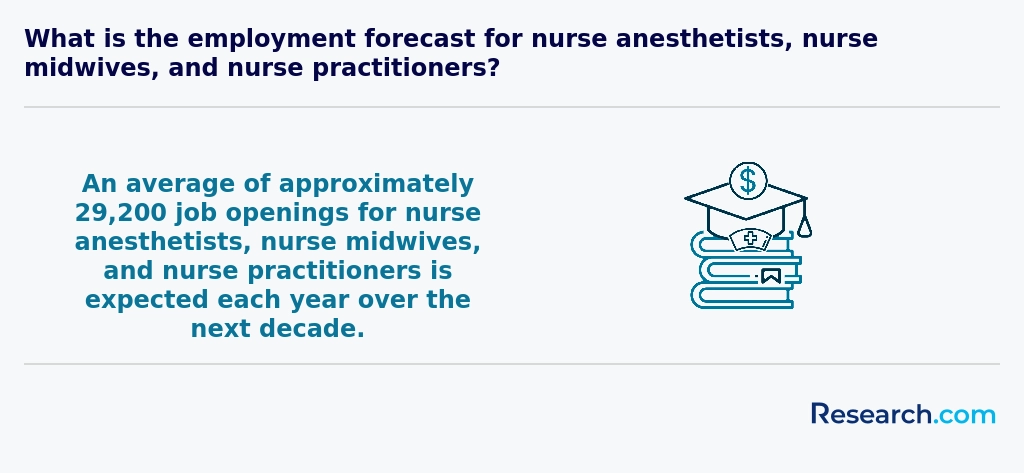
Ensuring your nursing program is accredited and delivers strong licensure exam outcomes is critical for both educational value and career readiness. In Columbia, SC, leading institutions hold accreditation from bodies such as the Commission on Collegiate Nursing Education (CCNE) and the Accreditation Commission for Education in Nursing (ACEN). Accreditation confirms that curricula meet rigorous standards in clinical practice, faculty qualifications, and student support, and it directly impacts eligibility for federal financial aid and graduate study. NCLEX-RN pass rates serve as a transparent metric of program quality. The University of South Carolina consistently reports a first-time pass rate above 92%, while Midlands Technical College averages 88–90%. Programs with pass rates above 85% typically demonstrate robust student advising, comprehensive test-prep resources, and ample clinical hours. Prospective students should review each school’s annual NCLEX data-easily found on state board websites-to compare outcomes and make informed choices. Beyond accreditation and exam performance, quality assurance includes student-faculty ratios, clinical partnerships, and ongoing program reviews. Smaller class sizes (often 8–10 students per instructor in clinical labs) foster individualized feedback and mentorship. If you’re an LPN seeking an accelerated transition to an RN, consider exploring the nationally vetted best 6-month rn completion programs for lpns, which combine accredited coursework with targeted exam preparation to maintain high NCLEX pass rates.
Nursing students at well-known universities in Columbia often describe their coursework as both challenging and deeply rewarding. Core classes like anatomy and physiology form the backbone of their training, helping them visualize the human body's intricate workings. One graduate recalled how mastering these fundamentals at a respected Columbia college gave them the confidence to succeed in clinical rotations.
Microbiology and pharmacology courses bring a practical focus, teaching students essential skills for infection control and medication safety - vital in everyday patient care. Health assessment classes stood out for many; they emphasized hands-on practice, such as learning to take vital signs and interpret patient history, making theory come alive.
Courses in nursing ethics and patient care techniques nurture a compassionate mindset, often highlighted by graduates who appreciated how these lessons prepared them to advocate for patients with professionalism and empathy. Meanwhile, electives like maternal and child health or psychiatric nursing allow students to explore their passions and tailor their education to areas where they feel driven to make an impact.
In Columbia, nursing degree specializations often reflect the evolving needs of healthcare, offering pathways that graduates from local universities find rewarding and dynamic. Many students appreciate programs that build on their prior education, such as the Registered Nurse (RN) to Bachelor of Science in Nursing (BSN) Completion, which helps expand their expertise and job opportunities. Specializations like Family Nurse Practitioner (FNP) resonate with those who enjoy holistic, patient-centered care across all ages.
Graduates from popular Columbia nursing programs often speak highly of tracks like Psychiatric-Mental Health Nursing, which meets the growing demand for mental health services, and Pediatric Nursing, designed for nurturing the well-being of children. These specializations align closely with Columbia nursing program specialization options and prepare students for diverse, meaningful roles.
Other students value disciplines like Geriatric Nursing and Critical Care, where they handle complex cases and develop critical decision-making skills. Those seeking flexible paths sometimes explore options through a ranking of fastest lpn online programs, blending convenience with progression in their careers.
Choosing the best nursing degree in Columbia starts with assessing accreditation and program quality. Graduates from Columbia University often emphasize how recognized accreditation by bodies like CCNE ensures their education met rigorous national standards. This accreditation is crucial for licensure and is a reliable sign of program credibility.
Cost plays a big role in decision-making. Many students look for affordable nursing degrees Columbia cost options before committing, balancing tuition with available financial aid. Local public schools reflect national averages, while private institutions may be pricier but sometimes offer scholarships easing the burden.
Experience from graduates at popular colleges in Columbia highlights the value of programs offering substantial clinical placements at nearby hospitals. These hands-on experiences build confidence and real-world skills, setting students apart in their careers. The choice between ADN and BSN degrees usually depends on one's career goals, with BSN holders reporting better job prospects and higher wages.
For those ready to advance quickly, exploring the best 6-month rn completion programs for lpns can be a strategic move to continue growth in this rewarding field.

Graduates of nursing programs in Columbia find a rich variety of career paths to explore, shaped by their education and aspirations. Many begin as Registered Nurses (RNs), working hands-on in hospitals or community clinics, gaining invaluable experience while supporting patients through critical moments. Some graduates from well-known institutions like the University of South Carolina describe the rewarding challenge of entering emergency or pediatric nursing, where quick decisions and empathy make a real difference every day. These roles capture the heart of nursing career opportunities in Columbia by blending technical skills with compassionate care.
Others choose to advance through master's degrees, becoming Nurse Practitioners or Clinical Nurse Specialists, roles highly valued for their expertise and leadership. Columbia's nursing graduates often share stories of combining practice with mentoring new nurses or leading innovative projects in public health settings. This dynamic work environment reflects the local demand for nursing educators and administrators, especially amidst the workforce shortages highlighted by South Carolina's health agencies.
For students curious about various program costs and options, community colleges and public universities offer diverse pathways. Those seeking affordability might explore resources like the Cheapest Online Nursing Degree Programs Ranking in Illinois to compare costs and plan their educational journey wisely.
The nursing job opportunities in Columbia are encouraging for graduates from local institutions like the University of Missouri. These graduates often share how clinical placements within renowned healthcare facilities, such as University of Missouri Health Care and Boone Hospital Center, provide invaluable hands-on experience. Such settings not only solidify their skills but frequently lead to job offers shortly after completing their studies.
Columbia nursing degree employment outlook remains positive, backed by steady growth projections near 8% through 2030. This aligns well with the city's aging population and expanding healthcare needs. Nurses report both professional fulfillment and financial stability, as median salaries remain competitive within Missouri. Many appreciate the balance of quality work-life conditions, given Columbia's relatively lower living costs compared to larger metropolitan areas.
For those considering pathways to accelerate their career, exploring accelerated bachelors degrees online presents flexible options that can complement their academic journey while responding to the region's demand for qualified nursing professionals.
2027 Best Nursing Degree Programs Ranking in Columbia
Investing in your education is a significant decision that can shape your future, and the Research.com team understands the importance of making informed choices. To assist prospective students in Columbia, we have meticulously crafted the "2027 Best Nursing Degree Programs Ranking in Columbia." Our commitment to quality, credibility, and accuracy is reflected in the extensive research and analysis conducted to compile this ranking.
We utilized the following reputable data sources to ensure a comprehensive evaluation of nursing programs:
By exploring this ranking, readers will gain valuable insights into the best nursing degree programs available in Columbia, helping them make informed decisions about their educational paths. For more details on our methodology, please visit our Research.com methodology page.

# 4 position
South University-Columbia
Bachelor of Science in Nursing


Frequently Asked Questions About nursing
Nursing degree students in Columbia can maximize their learning experience by engaging actively in both classroom instruction and clinical practice. The state has numerous accredited nursing programs that emphasize hands-on training, which is essential for skill development. According to the Columbia Board of Nursing, students must complete at least 500 clinical hours to qualify for licensure, ensuring ample real-world exposure.
Students should also utilize available resources such as simulation labs and study groups to enhance critical thinking and decision-making skills. Participating in internships or volunteering at local healthcare facilities provides valuable insights and professional networking opportunities.
Staying current with state and national nursing guidelines, including updates from the American Nurses Association, helps students align their education with industry standards. Balancing theory, practice, and continuous learning is key to succeeding in Columbia's nursing programs.
The nursing profession is rapidly evolving, with several emerging niches gaining importance. In Columbia, there is growing demand for nurses specializing in gerontology due to the aging population. According to the U.S. Bureau of Labor Statistics, registered nurse employment in geriatric care is expected to grow faster than average through 2030.
Another key area is informatics nursing, where professionals manage health data and technology in clinical settings. This niche supports improved patient outcomes and data-driven decision-making.
Additionally, nurse practitioners specializing in mental health are critical to addressing behavioral health challenges intensified by the pandemic.
These niches offer promising career paths for nursing students in Columbia.
After completing a nursing degree in Columbia, preparing for the job market involves several critical steps. First, graduates must obtain licensure by passing the NCLEX-RN exam, which is required nationwide to practice as a registered nurse.
Networking is essential in Columbia's healthcare community, as many job openings are filled through referrals. Joining professional organizations such as the American Nurses Association (ANA) can provide valuable connections and ongoing education.
Additionally, gaining hands-on experience through internships or clinical rotations during studies significantly improves employability. According to the Bureau of Labor Statistics, nursing job growth in Columbia is expected to increase by 12% through 2030, emphasizing the importance of practical skills alongside academic credentials.
Employers in Columbia highly value nursing graduates who demonstrate strong clinical skills. These include proficiency in patient assessment, medication administration, and wound care, which are essential for providing quality healthcare.
Communication is another critical skill. Nurses must clearly convey information to patients and collaborate effectively with multidisciplinary teams. According to the National Council of State Boards of Nursing, excellent communication reduces medical errors significantly.
Employers also seek graduates with critical thinking and problem-solving abilities. These skills help nurses respond promptly to emergencies and adapt to rapidly changing situations.
Additionally, cultural competence is important. Columbia's nursing workforce serves diverse populations, so understanding different backgrounds improves patient outcomes and satisfaction.
Finding nursing internships in Columbia requires a proactive approach involving both educational institutions and healthcare facilities. Most nursing programs in Columbia strongly encourage internships as part of their curriculum, offering students practical experience in hospitals, clinics, and community health centers. Students should first consult their nursing school's career services or internship coordinator for access to local partnerships.
The South Carolina Board of Nursing provides guidelines and approval for clinical placements, ensuring internships meet state educational standards. Popular internship locations include Prisma Health and Lexington Medical Center, which annually host a significant number of nursing students for hands-on training. According to the South Carolina Department of Labor, healthcare internships offer valuable networking opportunities and improve job placement rates after graduation.
Applicants are advised to prepare a professional resume and seek internships early, as positions may be limited. Additionally, some schools in Columbia facilitate virtual fairs and workshops connecting students with potential internship sites, which can be an essential resource for finding suitable placements within the state.
In Columbia, obtaining a nursing degree significantly enhances career mobility and advancement opportunities. Registered nurses (RNs) with an accredited degree are eligible for state licensure, which is essential for employment across diverse healthcare settings. According to the Bureau of Labor Statistics, nursing positions in the region have grown by approximately 15% in recent years, reflecting strong demand.
Minnesota's nursing programs often prepare graduates for specialization areas such as pediatrics, geriatrics, and critical care, increasing their chances for promotions and leadership roles. Advanced degrees like a BSN or MSN are linked to higher salaries and expanded responsibilities, including management and clinical education.
Many healthcare employers in Columbia prioritize candidates with formal nursing education due to evolving care standards and patient complexity. Continuing education and certifications further improve job prospects and support upward career trajectories in the local healthcare system.
Studying for a nursing degree in Columbia prepares students for interdisciplinary roles by emphasizing collaboration across healthcare professions. Nursing programs often include coursework in communication, healthcare policy, and ethics. These subjects equip students to work effectively with doctors, therapists, and social workers.
Many programs also incorporate clinical experiences in diverse settings, such as hospitals and community clinics, promoting teamwork with various specialists. According to the Columbia Board of Nursing, 78% of recent graduates reported feeling well-prepared for collaborative work environments. This reflects the state's commitment to producing nurses who can contribute to integrated patient care and improve health outcomes.
When choosing between a thesis and a non-thesis nursing degree program in Columbia, consider your career goals and learning preferences. Thesis programs focus on research, requiring students to develop and defend an original study. This option suits those aiming for advanced clinical roles or doctoral study. Non-thesis programs emphasize practical skills and coursework, often including clinical practice, ideal for students targeting direct patient care or leadership positions.
Statistics from the American Association of Colleges of Nursing show that over 65% of nursing graduates in the U.S. prefer non-thesis tracks for quicker workforce entry. Columbia's nursing schools typically offer both options, so review program curricula carefully to align your choice with professional aspirations.
Students in Columbia interested in studying nursing abroad have several options available within the United States. Many U.S. universities offer Bachelor of Science in Nursing (BSN) programs that welcome international students, providing pathways to licensure through the National Council Licensure Examination (NCLEX-RN). Additionally, associate degree programs and accelerated nursing courses cater to various educational backgrounds and time commitments.
Columbia's nursing workforce is projected to grow, increasing demand for qualified nurses. The U.S. Bureau of Labor Statistics estimates a 6% growth in registered nursing jobs from 2021 to 2031, emphasizing the value of obtaining a U.S.-recognized degree. Students should verify accreditation status, as this impacts eligibility for licensure and employment.
Exchange programs and study abroad opportunities also exist between Columbia and U.S. institutions, allowing students to gain clinical experience and academic credit overseas. Prospective students should explore these options early, considering visa requirements and language proficiency standards.
Students pursuing nursing degrees in Columbia can find various part-time job opportunities that enhance their education while providing practical experience. Common roles include Certified Nursing Assistant (CNA) positions, medical receptionist jobs, and home health aide roles. These jobs allow students to develop patient care skills and understand healthcare environments.
According to the U.S. Bureau of Labor Statistics, CNAs in Columbia earn a median hourly wage of around $14.50, giving students financial support alongside valuable clinical exposure. Additionally, working in pharmacies or medical offices helps reinforce administrative skills essential for nursing.
These roles often offer flexible hours, balancing study and work while building a strong foundation for eventual nursing licensure and employment.
Nursing students in Columbia have access to various networking opportunities that can enhance their education and career prospects. Many local colleges and universities host nursing clubs and student organizations that connect students with peers and faculty. These groups often organize events with healthcare professionals and alumni, facilitating mentorship and job-shadowing experiences.
Additionally, Columbia is part of professional associations such as the South Carolina Nurses Association, offering student memberships for networking at conferences and workshops. Clinical rotations in diverse healthcare settings also provide valuable contacts within the local medical community. These experiences help build relationships essential for future employment and professional growth.
Alumni networks play a crucial role in supporting nursing degree students in Columbia by offering mentorship, networking opportunities, and career guidance. Graduates who stay connected often share job leads and clinical placement openings, which can be invaluable in a competitive job market. According to the American Association of Colleges of Nursing, nursing graduates with access to strong alumni networks report higher employment rates within six months of graduation. These networks also provide professional development events and workshops that help students stay current with healthcare trends and certification requirements. For many students, alumni connections lead to collaborations and long-term professional relationships within Columbia's diverse healthcare system.
Customizing a nursing degree program in Columbia allows students to align their education with specific career goals. Many institutions offer elective courses in specialties such as pediatrics, gerontology, or administration, enabling focused skill development. Students can also choose between various degree types, including ADN, BSN, and MSN, depending on their desired career level.
Practical experience is essential, so selecting programs with strong clinical placement options in Columbia-area healthcare facilities is valuable. Additionally, some schools provide online or hybrid formats, accommodating working professionals and flexible schedules. According to the Columbia Board of Nursing, special certifications increase job prospects in high-demand nursing fields.
Nursing students in Columbia face several common challenges during their education. One major issue is balancing rigorous coursework with demanding clinical rotations, which often require long hours and high levels of concentration. According to data from the American Association of Colleges of Nursing (AACN), many students report stress related to managing time effectively between classes, study, and practice.
Another challenge is the financial burden. Tuition and associated costs for nursing programs in Columbia can be substantial, prompting students to seek scholarships or part-time work. Additionally, students may encounter difficulties accessing updated clinical placement sites due to high competition in the area.
Language barriers and limited academic support services can also impact non-native English speakers pursuing nursing in Columbia, affecting their performance and confidence in clinical settings.
Nursing graduates in Columbia can pursue various professional certifications to enhance their career prospects. The most common certification is the Registered Nurse (RN) license, which is required to practice nursing in Columbia and across the US. Beyond this, nurses may choose specialties such as Certified Nurse Practitioner (CNP) or Certified Nurse Midwife (CNM), both recognized nationally by the American Nurses Credentialing Center (ANCC).
Other popular certifications include the Certified Clinical Nurse Specialist (CNS) and certifications in areas like pediatric nursing or gerontology. According to the Columbia Board of Nursing, over 60% of nurses hold at least one specialty certification, improving job opportunities and salaries.
To write a winning application for a nursing program in Columbia, it is essential to highlight academic achievement and relevant experience. Most Columbia nursing schools require a minimum GPA of 3.0, with competitive applicants often exceeding this. Including evidence of volunteer or work experience in healthcare strengthens the application, demonstrating commitment to the field.
Personal statements should clearly explain your motivation for choosing nursing and your long-term career goals. Emphasize qualities such as empathy, communication skills, and resilience. According to the National Council of State Boards of Nursing, programs in Columbia receive thousands of applications annually, so a well-organized and sincere essay can make a difference.
Letters of recommendation from professionals familiar with your academic or clinical capabilities are highly valuable. It is also important to prepare for any required entrance exams or interviews by practicing common questions related to nursing ethics and patient care scenarios. The Columbia Board of Nursing provides resources to assist applicants in this process.
Globally, nursing is recognized as a critical profession with strong demand due to aging populations and healthcare advances. In the United States, including Columbia, the nursing workforce is expected to grow by 9% from 2020 to 2030, according to the Bureau of Labor Statistics.
Internationally, nurses play essential roles in diverse settings, from hospitals to community care. The World Health Organization highlights nursing as vital to achieving universal health coverage worldwide.
For students in Columbia, pursuing a nursing degree offers opportunities aligned with these global trends, preparing graduates for varied roles and increasing employment prospects both domestically and abroad.
Gaining practical experience is essential when studying for a nursing degree in Columbia. Most accredited nursing programs in the U.S., including those available in Columbia, integrate clinical rotations into their curriculum. These rotations allow students to work directly with patients under the supervision of licensed nurses in healthcare settings such as hospitals, clinics, and long-term care facilities.
Additionally, students can seek internships or volunteer opportunities at local health organizations. According to the National Council of State Boards of Nursing, hands-on clinical hours typically represent between 50% to 70% of nursing education, emphasizing the importance of practice. Programs are designed to meet state requirements for licensure, ensuring students gain the needed real-world skills while earning their degree.
Choosing the right concentration within a nursing degree program in Columbia depends on your career goals and personal interests. Common concentrations include adult-gerontology, pediatric, psychiatric-mental health, and family nurse practitioner tracks. Each offers different clinical experiences and licensing opportunities.
Research from the American Association of Colleges of Nursing notes that family nurse practitioner roles are among the fastest-growing specializations, reflecting demand in Columbia's healthcare market. Consider your preferred patient population and work settings, such as hospitals, schools, or community clinics.
Also, review program accreditation and how well the curriculum prepares you for certification exams linked to each concentration.
- 2027 Best Nursing Degree Programs Ranking in Macon
- 2027 Best Nursing Degree Programs Ranking in Atlanta
- 2027 Best Nursing Degree Programs Ranking in Jacksonville
- 2027 Best Nursing Degree Programs Ranking in Lynchburg
- 2027 Best Nursing Degree Programs Ranking in Harrisonburg
- 2027 Best Nursing Degree Programs Ranking in Birmingham
- 2027 Best Nursing Degree Programs Ranking in Virginia Beach
- 2027 Best Nursing Degree Programs Ranking in Orlando
- 2027 Best Nursing Degree Programs Ranking in Louisville
- 2027 Best Nursing Degree Programs Ranking in Washington
See What Experts Have To Say About Studying Nursing
Read our interview with Nursing experts

Lisa Grubb
Nursing Expert
Assistant Professor
Johns Hopkins School of Nursing

- How to Choose a Nursing Program: A Comprehensive Guide - Madonna ABSN https://absn.madonna.edu/blog/how-to-choose-a-nursing-program/
- Tuition, Fees and Related Costs https://www.columbiastate.edu/academics/health-sciences-division/nursing/tuition-fees-related-costs.html
- Getting RN Experience After Graduation | All Nursing Schools https://www.allnursingschools.com/articles/getting-rn-experience/
- Nursing Program Costs https://lowercolumbia.edu/programs/health/nursing/costs/
- Do I Have to Write a Thesis to Complete a Master’s Degree in Nursing? https://www.bestmasterofscienceinnursing.com/faq/write-thesis-complete-masters-degree-nursing/
- Exploring Diverse Nursing Career Horizons - N2S Healthcare Blog https://n2shealthcare.com/blog/exploring-diverse-nursing-career-horizons-n2s-healthcare-blog
- Nursing Tuition Grant https://studentaidbc.ca/explore/grants-scholarships/nursing-tuition-grant
- Nurse Salary https://nursinglicensemap.com/resources/nurse-salary/
- 10 Nursing Fields That Are Growing in Demand https://promedcert.com/blog/10-nursing-fields-that-are-growing-in-demand
- Nursing - SUM Admission https://admission.sum.edu.pl/nursing/


