2027 Best Nursing Degree Programs Ranking in Little Rock

Co-Founder and Chief Data Scientist
Choosing the right nursing degree program is a big step toward a rewarding career in healthcare. This article presents the 2027 Best Nursing Degree Programs Ranking in Little Rock, carefully crafted by the Research.com team of data scientists to guide you through the top options available.
By exploring this ranking, you'll gain clear insights into programs that fit your goals and lifestyle. A nursing degree opens doors to meaningful work, growth, and making a real difference in people's lives.
Take this opportunity to discover the path that's right for you.
Key benefits of getting nursing degree in Little Rock
- Nursing degree graduates in Little Rock can earn competitive salaries, with Registered Nurses and Public Health Nurses making around $94,480 annually, while Operating Room Nurses earn up to $128,490 per year.
- A nursing degree opens diverse career paths such as Clinical Nurse Educator, Emergency Room Nurse, or Public Health Nurse, providing opportunities to grow and specialize in rewarding healthcare roles.
- Obtaining a nursing degree online from local universities offers flexibility, allowing students to balance work and study while gaining valuable skills without sacrificing personal commitments.
- 2027 Best Nursing Degree Programs Ranking in Little Rock
- What can I expect from nursing degree in Little Rock?
- Where can I work with nursing degree in Little Rock?
What can I expect from nursing degree in Little Rock?
The average cost of pursuing a nursing degree in Little Rock is surprisingly manageable compared to many other regions. Graduates from well-known institutions like the University of Arkansas for Medical Sciences (UAMS) often share that tuition and fees fall comfortably within reach, especially when combined with scholarships and financial aid tailored to nursing students. Community colleges offering LPN certificates or associate degrees also provide affordable pathways, making it easier to begin your career without overwhelming debt.
Many students appreciate how public universities in Little Rock balance cost with high-quality education and hands-on clinical experience at local hospitals. One graduate recalled the relief of accessing financial aid packages that significantly lowered their out-of-pocket expenses, allowing them to focus on learning rather than financial stress. These programs typically prepare you for the NCLEX-RN exam while providing valuable clinical rotations at top healthcare facilities, making your investment feel meaningful and achievable.
Where can I work with nursing degree in Little Rock?
With a nursing degree from a respected Little Rock institution, like the University of Arkansas for Medical Sciences, you'll find a wealth of career opportunities right here at home. Graduates routinely secure positions in major hospitals such as UAMS or Baptist Health Medical Center, where they gain hands-on experience caring for diverse patient populations, from critical care units to specialized clinics.
Many alumni share how rewarding it is to work in long-term care facilities and nursing homes, especially as they support Arkansas's growing elderly community. Their roles often extend beyond routine care-offering rehabilitation and emotional support that make a real difference in patients' lives.
Others have thrived in community health centers and outpatient clinics, focusing on prevention and health education, which truly enriches neighborhoods in Little Rock. For those passionate about pediatrics, school nursing offers a chance to make daily impacts on student wellness in local schools, a path favored by some recent graduates.
Home health agencies also provide a flexible and independent career route, where nurses bring compassionate care directly to patients' homes-something graduates frequently describe as deeply fulfilling and empowering.
Graduates from nursing programs at institutions like the University of Arkansas for Medical Sciences in Little Rock find their degrees open doors to rewarding careers with competitive pay. For example, a registered nurse can expect to earn an average annual salary of around $94,480, which translates to about $45.42 an hour. This reliable income supports a comfortable lifestyle in Little Rock while offering strong opportunities for growth.
Many nurses soon explore specialized roles to increase their earnings and impact. Those working in operating rooms, for instance, can earn significantly more, with mean salaries reaching approximately $128,490 annually. Clinical nurse educators and public health nurses typically earn close to $94,480, reflecting the value of experience and advanced knowledge in their fields.
Graduates often share how starting in general nursing roles helped them build confidence and skills before moving into specialties with higher pay. Little Rock's steady demand for healthcare professionals means new nurses rarely struggle to find work, and with dedication, their earnings rise alongside their expertise.
- Tuition for nursing degrees in Little Rock ranges from $7,500 to $20,000 per year depending on public or private institutions.
- The job market for registered nurses is expected to grow by about 12% in the next decade in the Little Rock area.
- Starting salaries for new nursing graduates average between $52,000 and $58,000 annually.
- Experienced registered nurses can earn median salaries of $70,000 to $75,000 after five years.
- All nursing graduates must pass the NCLEX-RN exam to become licensed registered nurses in Arkansas.
- Many nursing programs offer flexible formats, including online and hybrid classes, to accommodate working students.
Completing a nursing degree in Little Rock varies depending on your chosen path, but the journey is rewarding and achievable. For example, graduates from Pulaski Technical College often spend about two years in their ADN programs, balancing coursework and clinical practice to prepare for the NCLEX-RN exam. This shorter route helps many jumpstart their nursing careers quickly.
Meanwhile, those attending the University of Arkansas at Little Rock or Henderson State University are typically immersed in a four-year BSN experience. Graduates describe this time as transformative, combining hands-on skills with leadership and research training that opens broader career opportunities.
If you already hold a bachelor's degree in another field, accelerated BSN programs like those at Arkansas Baptist College can compress your nursing education into just 12 to 18 months. Many career changers find this intense, focused timeline inspiring and perfectly suited to their ambition.
Keep in mind, part-time study or needing prerequisite courses can extend your timeline, but the support from local institutions and real-world clinical experiences in Little Rock energize students to keep moving forward with confidence and purpose.
Pass rates indicate how effectively programs prepare students for licensure. Compare recent outcomes from top Little Rock nursing schools:
- University of Arkansas for Medical Sciences (UAMS): 92% (2023), 89% (2022)
- Pulaski Technical College: 88% (2023), 85% (2022)
- Arkansas State University–Little Rock: 90% (2023), 87% (2022)
- Baptist Health College Little Rock: 86% (2023), 83% (2022)
Selecting a program with high NCLEX-RN pass rates can enhance your readiness and job prospects. For those aiming to advance further, check out the cheapest online rn to bsn programs.
Choosing between online and on-campus nursing degrees in Little Rock often comes down to how you want to experience your education. Graduates from the University of Arkansas for Medical Sciences frequently share how the traditional on-campus path offered them invaluable face-to-face connections with instructors and hands-on practice in state-of-the-art simulation labs. This direct engagement can boost confidence, especially for those who thrive in a structured learning environment surrounded by peers.
On the other hand, many online nursing students appreciate the flexibility to juggle work, family, and study from home while still attending local clinical placements arranged by their program. This option suits those who need to balance responsibilities without sacrificing the crucial in-person clinical experience required for licensure in Arkansas.
Both pathways demand commitment; practical clinical hours remain non-negotiable regardless of format. The key is recognizing your lifestyle and learning preferences while knowing Little Rock's programs ensure quality and rigor through accreditation and strong clinical partnerships.
Many nursing students in Little Rock accelerate their careers by enrolling in bridge programs that build on existing credentials and streamline progression. For example, licensed practical nurses (LPNs) can transition into registered nurse (RN) roles through LPN-to-RN bridge tracks offered at institutions like Pulaski Technical College and the University of Arkansas for Medical Sciences. These programs typically recognize prior coursework and clinical experience, allowing students to complete their RN coursework in as little as 12–18 months. For those beginning as medical assistants, understanding how long does it take to go from medical assistant to lpn is key to planning the pathway. Online and hybrid LPN programs in the region often require 1–2 years of study, including clinical practicums at local healthcare facilities. Upon LPN licensure, graduates can immediately enter the workforce or continue their education. Once licensed as an LPN, students can advance further by enrolling in LPN-to-ADN (Associate Degree in Nursing) or LPN-to-BSN (Bachelor of Science in Nursing) bridge programs. These tracks leverage practical training, reduce duplication of coursework, and often include accelerated clinical rotations. ADN bridge programs generally take 12–18 months, while direct-entry BSN tracks may be completed in 24–30 months, depending on part-time or full-time enrollment. Continuing education opportunities such as RN-to-BSN and RN-to-MSN (Master of Science in Nursing) programs are available online through the University of Arkansas at Little Rock and Arkansas State University. These programs emphasize leadership, evidence-based practice, and specialty training, enabling nurses to pursue advanced roles in clinical care, education, or administration. By strategically selecting bridge pathways, aspiring nurses in Little Rock can optimize time, control costs, and achieve their long-term career goals efficiently.
The average cost of a nursing degree in Little Rock can be very manageable for in-state students, with median tuition and fees around $9,748. This makes pursuing nursing at institutions like the University of Arkansas for Medical Sciences (UAMS) or the University of Arkansas at Little Rock a practical choice for local students seeking quality education without overwhelming debt. Many graduates from these programs share how this balance of affordability and academic rigor allowed them to focus on building strong clinical skills and confidence, essential for their nursing careers.
Understanding nursing degree tuition and fees Little Rock Arkansas students face is key to planning. Beyond tuition, budgeting for textbooks, uniforms, and clinical fees is important, but these schools often provide financial aid options and scholarships, creating opportunities that ease the financial burden. Graduates often recall how scholarships and grants helped transform their educational journey into an achievable goal, fueling their passion to serve local communities.
Imagine stepping into your first clinical rotation knowing your tuition was a reasonable investment; it's a relatable experience for many nursing students in Little Rock. They often reflect on how such cost considerations paired with hands-on training at respected programs made it easier to commit fully to their studies and career goals.
For anyone exploring nursing, it's also useful to look ahead at potential earnings, such as a critical care nurse salary, which can motivate your educational investment and career path.

One of the most critical indicators of a nursing program’s quality is its NCLEX-RN pass rate, which reflects how effectively graduates are prepared for licensure and clinical practice. In Little Rock, top institutions consistently report above-average pass rates: the University of Arkansas for Medical Sciences (UAMS) graduates achieve a 95% first-time pass rate, Pulaski Technical College records an 89% pass rate, and Arkansas State University–Little Rock maintains a 92% rate. These figures underscore rigorous curricula, robust review sessions, and strong faculty support. To maximize licensure success, students should:
- Enroll in comprehensive NCLEX review workshops offered by their school or local nursing associations.
- Utilize question banks and simulation labs that mimic exam conditions.
- Form study groups and attend faculty-led debriefs after practice tests. Prospective students exploring flexible study options might also consider programs such as an lpn degree online, which often include structured NCLEX preparation modules and virtual simulation tools. Moreover, leveraging academic advising, mentorship programs, and peer tutoring can further boost confidence and exam readiness. When researching programs, look for transparency in reporting pass rates over the past three years and inquire about the support services in place for at-risk students. A nursing school that prioritizes licensure success not only validates its educational quality but also ensures graduates enter the workforce with the competence and credibility that local healthcare employers demand.
When pursuing a nursing degree in Little Rock, financial aid can be the key that unlocks your dreams. Many graduates recall how filling out the FAFSA opened doors to Pell Grants, which can provide up to $7,395 annually, taking a huge weight off their shoulders. Federal Direct Loans-both subsidized and unsubsidized-also offer flexible funding options for students balancing work and study.
State programs like the Arkansas Academic Challenge Scholarship often cover a significant chunk of tuition for those attending in-state schools such as the University of Arkansas for Medical Sciences (UAMS) or Arkansas State University-Mid-South. Imagine attending your nursing classes knowing part of your tuition is already taken care of because you met GPA and ACT requirements.
Graduates frequently share how institutional scholarships-merit or need-based-have transformed their experience at Little Rock's top nursing programs. These awards often reduce stress by covering partial to full tuition, allowing you to focus on gaining clinical expertise.
Additionally, paid internships and clinical roles at local hospitals offer the dual benefit of hands-on experience and extra income, weaving financial relief into your journey.
For prospective nursing students, understanding the financial implications of pursuing a nursing degree is crucial. The cost of nursing programs can vary significantly, and students should consider not only tuition but also other expenses such as books, uniforms, and licensure fees. To make informed decisions, it's essential to explore the cheapest nursing schools in Arkansas, which can be found at cheapest nursing schools in Arkansas. By doing so, students can weigh the costs against potential salaries and career advancement opportunities, ensuring they make the most of their investment in a nursing education.
If you're aiming to enroll in a nursing degree program in Little Rock, be ready to meet a set of important prerequisites that pave the way for your success. Most programs, from the University of Arkansas for Medical Sciences to Pulaski Technical College, expect you to have a high school diploma or equivalent. This foundational step shows you're prepared to handle the academic challenge ahead.
Graduates often recall how completing courses in biology with lab work, chemistry, English, and math gave them a real advantage-not just for admission but for thriving in their studies. These classes build essential skills in understanding the human body, communication, and problem-solving, all crucial in nursing.
Achieving a GPA around 2.5 to 3.0 in these subjects is typically required, reflecting your dedication and readiness. Many students remember how passing the TEAS exam, testing reading, math, science, and English, boosted their confidence to tackle nursing coursework.
Beyond academics, preparing your immunization records and background checks is vital, as these protect both you and your future patients during clinical rotations in local hospitals.
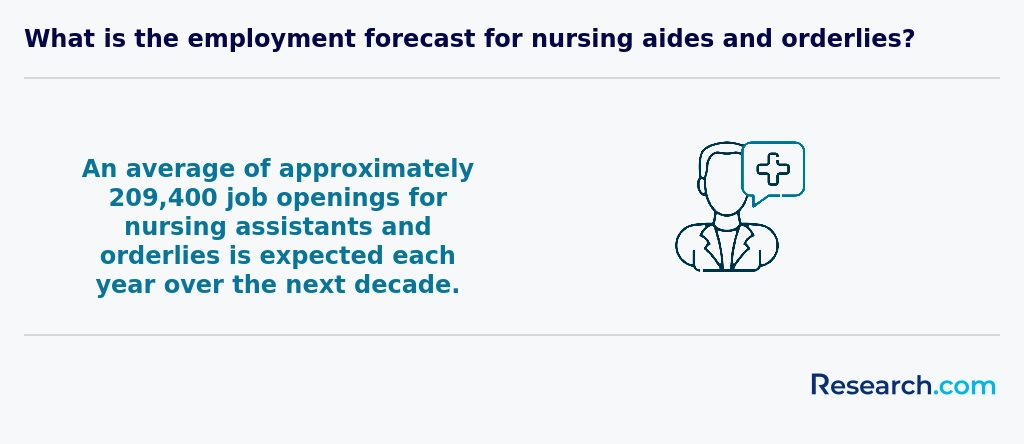
Exploring affordable online nursing degree programs can be a strategic way to balance cost, flexibility, and quality. Many students in Little Rock find that hybrid or fully online RN-to-BSN and MSN pathways reduce expenses related to commuting and campus fees while providing robust clinical support through local healthcare partnerships. When evaluating online offerings, compare per-credit tuition rates, technology fees, and the availability of virtual simulation labs to ensure a cost-effective yet comprehensive education. To benchmark affordability and program value, prospective students may also consider regional rankings such as our Low Cost Online Nursing Degree Programs Ranking in Wisconsin. Although tailored to Wisconsin, this resource illustrates how institutions manage low-tuition models without compromising accreditation standards or NCLEX-RN pass rates. Applying similar criteria-like accreditation by CCNE or ACEN, transparent fee structures, and strong student support-can help Little Rock applicants identify the most budget-friendly online pathways. Maximize savings further by seeking online-specific scholarships, employer tuition reimbursement, and federal aid opportunities. Verify that clinical practicum placements are available in central Arkansas to fulfill hands-on requirements locally. By combining a clear understanding of tuition breakdowns, financial aid options, and accreditation benchmarks, aspiring nurses can secure an online degree that aligns with both their career goals and their financial plans.
In Little Rock, nursing degree programs thoughtfully combine core science courses with hands-on nursing skills, setting you up for success in any healthcare setting. Graduates from well-known local colleges often describe how foundational classes like anatomy, physiology, and pharmacology gave them a clear understanding of the human body and the medications they'd use daily. One former student shared that mastering health assessment techniques truly boosted their confidence when first working in busy hospital wards.
Alongside these essentials, expect courses tailored to nursing care such as Fundamentals of Nursing, Mental Health Nursing, and Community Health Nursing. These courses create a bridge from theory to practice, with real-world scenarios from local clinics where students care for diverse populations-from children to elderly patients. Many who studied at popular universities in Little Rock talk about how clinical experiences under experienced mentors allowed them to embrace challenges and find fulfillment in helping others.
Electives also enrich the journey by preparing you for leadership roles or specialties like geriatrics, making your education dynamic and relevant to your passions.
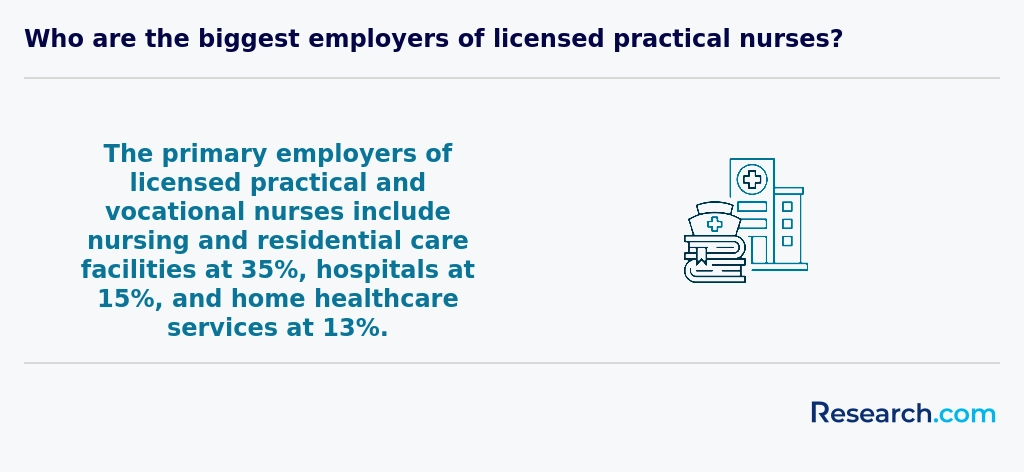
In Little Rock, nursing degree programs offer a range of specializations tailored to meet the healthcare needs of the community. Graduates often highlight how Adult-Gerontology Nursing equips them to support the aging population, managing chronic conditions with compassion and expertise. Pediatric Nursing, another popular track, prepares nurses to work closely with children and their families, making a meaningful impact during critical moments of childhood development.
Programs at institutions like the University of Arkansas for Medical Sciences allow students to dive into Psychiatric-Mental Health Nursing, a field growing in importance as mental health awareness rises. Critical Care Nursing trains students to handle life-or-death situations in ICU settings, sharpening skills under intense pressure. Meanwhile, the Family Nurse Practitioner pathway offers a rewarding advanced practice role focused on primary care, addressing Arkansas's increasing demand for accessible healthcare.
Many students find these specializations at Little Rock nursing degree programs specializations blend clinical practice with hands-on learning. For those exploring options, also consider pathways offering inexpensive public health degrees to complement clinical skills and expand career opportunities.
Choosing the best nursing degree in Little Rock means focusing on what truly matters for your future. Many successful graduates from the University of Arkansas for Medical Sciences (UAMS) emphasize the value of accredited programs, especially those recognized by the Commission on Collegiate Nursing Education or the Accreditation Commission for Education in Nursing. This ensures your education meets high standards and boosts your confidence as you prepare for real-world nursing challenges.
Affordable nursing degrees Little Rock options, like ADN programs, offer a quicker path to becoming a registered nurse, often costing less and taking about two years. If you dream bigger, a BSN opens doors to advanced roles and leadership down the line. Remember to check NCLEX-RN pass rates, a true indicator of program quality-graduates from local programs often highlight their success powered by strong clinical placements in hospitals across the city.
For deeper insights, students frequently explore related fields and performance by comparing nursing pass rates in Washington, gaining perspective on national standards and pushing themselves toward excellence.
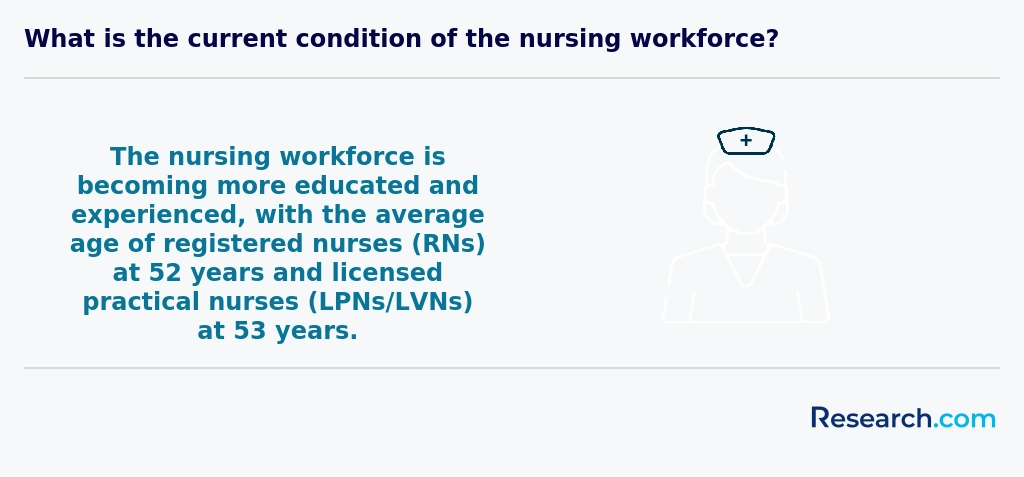
Graduates with a nursing degree in Little Rock unlock a wide range of fulfilling career paths that suit diverse interests and skills. Many start as registered nurses (RNs) at renowned institutions like the University of Arkansas for Medical Sciences or CHI St. Vincent, gaining hands-on experience in fast-paced hospital environments. Others pursue specialized roles such as Nurse Practitioners who diagnose and treat patients, or Clinical Nurse Specialists who focus on improving outcomes in areas like oncology or pediatrics. Some find deep satisfaction teaching future nurses, responding to the growing need for nurse educators in Arkansas.
For those drawn to leadership, roles like Nurse Administrator or Manager offer opportunities to shape healthcare delivery on a broader scale. Numerous graduates from local colleges describe their excitement transitioning from classroom theory to real-world impact, affirming the vibrant nursing career opportunities in Little Rock Arkansas. If you're ready to explore these paths and grow professionally, consider the guidance found in nursing career advancement.

The nursing job opportunities in Little Rock are vibrant and growing, fueled by strong healthcare infrastructure like the University of Arkansas for Medical Sciences (UAMS) and local hospitals. Graduates from nursing programs here often find themselves in high demand, with employers valuing both Bachelor of Science in Nursing (BSN) degrees and clinical experience. Many graduates share how hands-on training at UAMS opened doors to rewarding roles with competitive salaries averaging around $63,000, encouraging a positive outlook on their career paths.
Healthcare employment outlook Little Rock strongly favors those who complement their nursing degrees with certifications or specialized skills. Nurses transitioning from roles like licensed practical nurses (LPNs) or certified nursing assistants (CNAs) often appreciate the smooth advancement opportunities available. Cost-effective education makes it possible to pursue these goals locally without excessive financial stress.
For anyone considering where to start or continue their nursing education, it's helpful to compare tuition and opportunities. For example, students looking beyond Arkansas might explore options such as Minnesota nursing salary prospects alongside their educational plans.
2027 Best Nursing Degree Programs Ranking in Little Rock
Investing in your education is a significant decision that can shape your future, and the Research.com team understands the importance of making informed choices. To assist prospective students in Little Rock, we have meticulously crafted the "2027 Best Nursing Degree Programs Ranking in Little Rock." Our commitment to quality, credibility, and accuracy is reflected in the extensive research and analysis conducted to compile this ranking.
We utilized the following reputable data sources to ensure a comprehensive evaluation of nursing programs:
By exploring this ranking, readers will gain valuable insights into the best nursing degree programs available in Little Rock, helping them make well-informed decisions about their educational paths. For more details on our methodology, please visit our Research.com methodology page.


Frequently Asked Questions About nursing
Nursing degree students in Little Rock can maximize their learning by engaging actively in clinical placements, which are critical for real-world experience. Local hospitals like the University of Arkansas for Medical Sciences (UAMS) provide diverse clinical settings that enhance practical skills. Joining student nursing organizations offers networking and leadership opportunities, complementing academic knowledge. Utilizing campus resources such as simulation labs helps strengthen critical thinking and patient care techniques.
According to the Arkansas Department of Higher Education, students who combine classroom study with hands-on practice tend to graduate with stronger competencies. Additionally, seeking scholarships and financial aid can reduce stress, allowing more focus on studies.
The nursing field in Little Rock and nationwide is expanding into several emerging niches that offer specialized career opportunities. One notable area is gerontological nursing, focusing on the aging population, which is growing rapidly in Arkansas. According to the Arkansas Department of Health, the state's population aged 65 and older is expected to increase by over 20% by 2030, driving demand for nurses skilled in elder care.
Another growing niche is psychiatric-mental health nursing. The rising awareness of mental health issues, especially following the COVID-19 pandemic, has increased the need for specialists in this field. The Bureau of Labor Statistics projects a 12% growth rate for mental health nurse practitioners nationally through 2030.
Additionally, informatics nursing is gaining traction. Nurses trained in health IT systems improve patient outcomes by managing electronic health records and telehealth technologies, both increasingly used in Arkansas hospitals.
After earning a nursing degree in Little Rock, preparing for the job market involves several focused steps. First, securing licensure by passing the NCLEX-RN exam is mandatory. Arkansas requires this to practice as a registered nurse. According to the Arkansas Department of Health, timely exam preparation boosts employment chances.
Networking is also crucial. Little Rock hosts healthcare facilities like the University of Arkansas for Medical Sciences, where clinical experience and connections can lead to job opportunities. Local nursing associations offer workshops and job fairs tailored to region-specific nursing demands.
Additionally, gaining certifications in specialties such as gerontology or pediatrics enhances employability, reflecting the city's growing healthcare needs. Keeping up with continuing education ensures nurses meet evolving Arkansas state regulations and healthcare standards.
Employers in Little Rock highly value nursing graduates who demonstrate strong clinical skills combined with effective communication and critical thinking. According to the Arkansas Center for Nursing, proficiency in patient care, medication administration, and familiarity with electronic health records are essential. Additionally, teamwork and adaptability are crucial in the fast-paced healthcare environment of the city's major hospitals like the University of Arkansas for Medical Sciences.
Local healthcare employers also prioritize cultural competence given Little Rock's diverse population. Nurses who understand patient backgrounds and can provide empathetic care tend to be preferred.
Finally, leadership potential and ongoing commitment to professional development often set graduates apart in this competitive job market.
Finding nursing internships in Little Rock involves a combination of utilizing local healthcare networks and academic resources. Start by exploring partnerships between nursing programs and nearby medical centers such as the University of Arkansas for Medical Sciences (UAMS), which offers multiple clinical internship opportunities each year. According to UAMS, over 70% of their nursing students complete internships within the city, gaining hands-on experience in diverse settings.
Additionally, students should contact local hospitals, clinics, and long-term care facilities directly, including Baptist Health and CHI St. Vincent. These organizations often have established internship programs tailored for nursing students. It is essential to review application deadlines and requirements early, as competitive internships fill quickly.
Utilizing resources like the Arkansas Nursing Workforce Center can also help students locate openings and understand regional demand trends. Networking through professional nursing associations in Arkansas is another effective strategy, offering access to mentorship and job boards focused on nursing internships in Little Rock.
Obtaining a nursing degree in Little Rock significantly enhances career mobility and advancement opportunities. The local healthcare sector, including renowned institutions like the University of Arkansas for Medical Sciences, values degrees such as the BSN or MSN for higher-level clinical roles and leadership positions. According to the Arkansas Department of Workforce Services, nursing jobs in Little Rock are projected to grow by 15% between 2022 and 2032, reflecting strong demand for qualified nurses.
Higher credentials often lead to better salaries and access to specialized roles, including nurse practitioner or nurse educator positions. Employers prioritize degrees for promotions and competitive hiring, making education a key factor in career progression.
Studying for a nursing degree in Little Rock offers students extensive preparation for interdisciplinary roles within healthcare teams. Many local programs integrate coursework that emphasizes collaboration with professionals from medicine, social work, and pharmacy. This approach reflects the growing popularity of team-based care models in Arkansas hospitals such as UAMS Medical Center, where over 60% of care is delivered through coordinated teams.
Students gain practical experience through clinical rotations at diverse healthcare settings, allowing them to communicate effectively with multiple disciplines. According to the Arkansas Center for Nursing, over 70% of nursing graduates in Little Rock report confidence in working interdisciplinary settings, highlighting the region's focus on this skill.
Local curricula often include training in leadership, ethics, and health informatics, enhancing nurses' abilities to manage patient care collaboratively and use technology to support decision-making. These competencies are crucial as interdisciplinary roles grow in healthcare nationwide.
When choosing between thesis and non-thesis nursing degree programs in Little Rock, consider your career goals and interests. Thesis programs require original research and are ideal for students aiming for advanced clinical roles, teaching, or doctoral studies. Non-thesis options focus more on practical skills and clinical experience, suitable for immediate entry into nursing practice or administrative positions.
Universities like the University of Arkansas for Medical Sciences offer both formats, with thesis tracks typically lasting longer due to research commitments. According to the Arkansas Center for Nursing, the demand for nurse educators and advanced practitioners is growing, making thesis programs valuable for those targeting these roles.
Cost, time commitment, and personal learning preference should also influence your decision. Look at program details carefully to ensure alignment with your aspirations in Little Rock's healthcare market.
Students based in Little Rock who wish to study nursing abroad have several pathways to consider. Many US institutions, including those in Arkansas, offer exchange programs or partnerships with universities overseas, allowing students to gain international experience while earning credits toward their degree. Additionally, organizations like the American Association of Colleges of Nursing (AACN) provide resources to identify accredited nursing programs abroad that align with US licensure requirements.
Before choosing a program, students should verify the international nursing curriculum meets the Arkansas State Board of Nursing standards, ensuring eligibility for licensure back home. According to the Arkansas Center for Nursing, addressing licensure compatibility is crucial for a smooth transition.
Little Rock offers several part-time job opportunities that effectively complement nursing degree education. Many nursing students find employment as certified nursing assistants (CNAs) or patient care technicians in local hospitals and long-term care facilities such as the Arkansas Health Center. These positions provide essential clinical experience and practical skills relevant to their studies.
The Arkansas State Board of Nursing reported a growing demand for CNAs, making this role both accessible and beneficial for students.
Additionally, part-time roles in clinics or community health centers often allow nursing students to observe medical procedures and patient interaction, enhancing their understanding of healthcare delivery systems.
Flexible schedules at medical offices and pharmacies in Little Rock also accommodate nursing students' academic commitments, helping them balance work and study effectively.
Networking opportunities for nursing students in Little Rock are plentiful, reflecting the city's role as a regional healthcare hub. Local universities like the University of Arkansas for Medical Sciences offer events, career fairs, and student nursing associations that connect learners with professionals. Professional organizations such as the Arkansas Nurses Association provide chapters and meetings specifically for Little Rock students, facilitating mentorship and job placement. Hospitals and clinics in the area regularly host internships and clinical rotations, where students can build direct relationships with experienced nurses and healthcare leaders. According to the Arkansas Department of Health, these connections significantly enhance employment prospects after graduation.
Alumni networks play a crucial role in supporting nursing degree students in Little Rock. These networks connect current students with graduates who can provide mentorship and guidance during clinical training and job searches. According to the Arkansas Nurses Association, over 80% of nursing students find employment through alumni referrals, highlighting the importance of these connections.
In Little Rock, alumni groups often organize workshops, career fairs, and networking events. These opportunities help students build professional relationships within the city's healthcare community, which includes major employers like Arkansas Children's Hospital.
Such networks also offer access to updated industry knowledge and local job openings, giving students a competitive advantage after graduation.
Customizing a nursing degree program in Little Rock allows students to align their education with specific career goals. Many local institutions offer flexible options such as specializations in pediatrics, gerontology, or acute care. Elective courses and clinical rotations can be selected based on personal interests and desired work environments.
Additionally, some programs provide evening or weekend classes and online components, accommodating working professionals. According to the Arkansas Department of Health, demand in specialties like geriatric nursing is rising due to the aging population, making related coursework valuable. Engaging with academic advisors early helps tailor the curriculum to target roles in hospitals, community health, or administration.
Nursing students in Little Rock often face significant challenges common to the demanding nature of nursing education. One major issue is balancing rigorous coursework with clinical practice hours, which require time management skills and discipline. According to the Arkansas Center for Nursing, many students report stress related to heavy study loads and long clinical shifts. Financial strain is another concern, as tuition and fees for nursing programs can be substantial, and not all students qualify for sufficient financial aid. Additionally, Little Rock's healthcare settings may expose students to high patient volumes, increasing pressure during clinical rotations and requiring adaptability to fast-paced environments.
With a nursing degree, graduates in Little Rock can pursue a range of professional certifications to enhance their careers. Popular options include the Certified Nurse Assistant (CNA), Licensed Practical Nurse (LPN), and Registered Nurse (RN) credentials, which serve as foundational certifications recognized nationally.
For advanced practice, certifications such as Nurse Practitioner (NP), Clinical Nurse Specialist (CNS), and Certified Nurse Midwife (CNM) are available, requiring additional education and clinical hours. The American Nurses Credentialing Center (ANCC) offers specialized certifications in areas like pediatrics, oncology, and geriatrics.
These certifications improve job prospects and salary potential within Arkansas's healthcare system, which saw a 15% growth in nursing jobs from 2019 to 2029, according to the U.S. Bureau of Labor Statistics.
Applying to a nursing program in Little Rock requires careful preparation and attention to detail. Start by researching programs accredited by the Accreditation Commission for Education in Nursing (ACEN) or the Commission on Collegiate Nursing Education (CCNE), ensuring quality education recognized nationwide.
Many programs in Little Rock, such as those at UALR or Pulaski Technical College, have competitive admission rates around 40-50%. Strong academic records, especially in science and math courses, are essential. Additionally, complete prerequisite courses before applying to improve your eligibility.
Craft a clear, concise personal statement explaining your motivation for nursing, emphasizing local healthcare needs in Arkansas. Letters of recommendation from healthcare professionals or instructors can strengthen your application. Finally, submit all materials on time and consider gaining volunteer or clinical experience in local hospitals to demonstrate commitment.
The nursing profession is recognized globally as essential to healthcare systems, with strong demand in both developed and developing countries. In the United States, including Little Rock, Arkansas, nursing offers diverse career pathways supported by rigorous education standards. According to the U.S. Bureau of Labor Statistics, nursing jobs are projected to grow 9% from 2020 to 2030, reflecting ongoing healthcare needs.
Globally, the U.S. is viewed as a leader in nursing education, with its emphasis on evidence-based practice and clinical skills. Little Rock's universities align with these standards, preparing students for both local and international opportunities.
Additionally, global health organizations encourage nurses to develop cultural competence to improve patient outcomes worldwide. This perspective greatly influences nursing curricula in Arkansas, including Little Rock, where programs integrate global health topics and community care practices.
Gaining practical experience while studying for a nursing degree in Little Rock is essential for building skills and confidence. Many local programs partner with hospitals, clinics, and community health centers to offer clinical placements where students provide supervised patient care. For example, UAMS Medical Center, one of Arkansas' largest hospitals, often serves as a clinical site for nursing students.
Additionally, nursing students can participate in internships or externships, which allow hands-on experience in real healthcare settings. Volunteering at local health services can also enhance clinical skills and professional networks. According to the Arkansas Center for Nursing, clinical hours typically range from 500 to 800 during the course of a nursing program in the state.
Choosing the right concentration within a nursing degree program in Little Rock involves understanding your career goals and the healthcare needs in the region. Little Rock offers diverse nursing tracks, including family nurse practitioner, pediatric, gerontological, and psychiatric nursing. According to the Arkansas Department of Health, the state has a growing demand for gerontological and primary care nurses due to an aging population.
Consider clinical interests and local job market trends when selecting a concentration. Exploring accredited programs by the Arkansas State Board of Nursing also ensures quality education. Additionally, reviewing NCLEX pass rates and employment outcomes for specific tracks in Little Rock can guide a well-informed decision for future career success.
- 2027 Best Nursing Degree Programs Ranking in Saint Louis
- 2027 Best Nursing Degree Programs Ranking in Hattiesburg
- 2027 Best Nursing Degree Programs Ranking in Birmingham
- 2027 Best Nursing Degree Programs Ranking in Kansas City
- 2027 Best Nursing Degree Programs Ranking in Mobile
- 2027 Best Nursing Degree Programs Ranking in Louisville
- 2027 Best Nursing Degree Programs Ranking in Peoria
- 2027 Best Nursing Degree Programs Ranking in Atlanta
- 2027 Best Nursing Degree Programs Ranking in Lincoln
- 2027 Best Nursing Degree Programs Ranking in Indianapolis
See What Experts Have To Say About Studying Nursing
Read our interview with Nursing experts

Lisa Grubb
Nursing Expert
Assistant Professor
Johns Hopkins School of Nursing

- Career Advancement Pathways for Nurses : Expert RN shares 10+ Professional growth opportunities - MuminMed https://blog.muminmed.com/career-advancement-pathways-for-nurses/
- Sign Up for the Journal of Nursing. https://www.asrn.org/journal-advanced-practice-nursing/3399-10-business-ideas-for-nurses-in-2026.html
- How to Choose the Right Nursing Program for Your Career Goals - Maria College https://mariacollege.edu/blog/how-to-choose-the-right-nursing-program-for-your-career-goals
- How to Choose the Right Nursing School for Your Career Goals | Archer Review https://www.archerreview.com/blog/how-to-choose-the-right-nursing-school-for-your-career-goals
- Know more about thesis vs non- thesis: what is the difference? https://studyfans.com/en/blogs/816
- Essential Tips for Nursing Students to Advance Their Careers https://almanaltraining.com/essential-tips-for-nursing-students-to-advance-their-careers/
- Financial Aid Overview · Baptist Health College Little Rock https://www.bhclr.edu/admissions/financial-aid/financial-aid-overview/
- | NRR | Dove Medical Press https://www.dovepress.com/internship-challenges-encountered-by-nursing-students-a-qualitative-st-peer-reviewed-fulltext-article-NRR
- Guide to Making a Career Change to Nursing https://teach.com/online-ed/healthcare-degrees/online-msn-programs/career-change-to-nursing/
- Do I Have to Write a Thesis to Complete a Master’s Degree in Nursing? https://www.bestmasterofscienceinnursing.com/faq/write-thesis-complete-masters-degree-nursing/