2027 Most Valuable Nursing Degree Programs Ranking in Amherst

Co-Founder and Chief Data Scientist
Choosing the right nursing degree program in Amherst can shape your future career and personal growth. Our article introduces the 2027 Most Valuable Nursing Degree Programs Ranking in Amherst, created by the Research.com team of data scientists to guide you through the best options available.
By exploring this ranking, you'll gain valuable insights that help you make an informed decision about your education. Pursuing a nursing degree opens doors to meaningful work and rewarding opportunities. Let us help you take the next step with confidence.
Key benefits of getting nursing degree in Amherst
- Nursing degree graduates in Amherst can expect strong salaries, with roles like Registered Nurse, Clinical Nurse Educator, Public Health Nurse, and Emergency Room Nurse offering around $94,480 annually and Operating Room Nurses earning up to $128,490 per year.
- Graduates from local colleges in Amherst often find diverse career paths, from patient care to education and emergency services, giving you exciting choices to match your passion and goals.
- Online nursing degrees from Amherst-area universities provide flexibility for busy students, allowing you to balance work and study while gaining the same valuable knowledge and credentials as traditional programs.
- 2027 Most Valuable Nursing Degree Programs Ranking in Amherst
- What can I expect from nursing degree in Amherst?
- Where can I work with nursing degree in Amherst?
What can I expect from nursing degree in Amherst?
When it comes to the cost of a nursing degree in Amherst, most students find that tuition at places like UMass Amherst can be pretty reasonable compared to private schools. For in-state students, the annual tuition usually falls around $16,000 to $20,000, while out-of-state students might pay closer to $35,000 per year. Many nursing students mention that although it's an investment, the chances to access quality clinical placements and hands-on learning through partnerships with UMass Chan Medical School make it worthwhile.
Graduates often talk about how scholarships and financial aid really helped ease the burden. Plus, those clinical hours you'll need, about 500 to 700, are built into the program, so there aren't extra surprise costs there. Local students appreciate the strong support system that balances cost with excellent training, making nursing degrees in Amherst feel like a solid path toward a rewarding career without breaking the bank.
Where can I work with nursing degree in Amherst?
If you're getting your nursing degree in Amherst, you're in a great spot for landing some cool jobs right after graduation. Many grads from local schools like UMass Amherst find themselves working at places like Berkshire Medical Center in nearby Pittsfield. They often share how rewarding it feels to be part of busy hospital teams, whether in emergency rooms, surgical units, or intensive care-real hands-on experience where every day counts.
Others love the idea of working in outpatient clinics or community health spots around Amherst. Imagine helping families manage chronic illnesses or supporting kids at pediatric clinics, just like some recent grads who've seen the impact they can make outside the traditional hospital setting.
Long-term care facilities are another popular job path, where nurses provide ongoing support for elderly residents, something many appreciate for its personal touch and close bonds formed with patients. Plus, if you're into mixing things up, you might enjoy school nursing, occupational health, or even research roles supported by the local university community-all pretty awesome ways to use your degree locally!
If you're earning a nursing degree in Amherst, you're looking at some solid salary options once you graduate. Graduates from local schools often start with jobs as Registered Nurses, where the average salary is around $94,480 per year, matching what the U.S. Bureau of Labor Statistics reports for the area. Many find this to be a comforting baseline, especially since hospitals and medical centers around Amherst usually offer competitive pay and benefits.
Some grads land roles as Clinical Nurse Educators or Public Health Nurses, which share a similar salary range-also about $94,480 annually. It's reassuring for new nurses to know there's not just one path but multiple options that come with comparable pay.
Then there are those who push further, aiming for specializations like Emergency Room or Operating Room Nurse jobs. An Operating Room Nurse in Amherst could be earning up to $128,490 a year, which definitely puts a smile on the face of anyone investing time in advanced classes and clinical hours.
Many Amherst grads share how working in these roles feels rewarding not just because of the paycheck but also the hands-on experiences they had during their studies at local colleges-balancing lectures with real patient care makes the salary feel well-earned and totally worth it.
- Tuition and fees for a BSN in Amherst range from $20,000 to $40,000 for in-state students, while ADN programs cost between $10,000 and $25,000.
- Financial aid and scholarships are commonly available to qualified nursing students in Amherst.
- Employment growth for registered nurses in Amherst is projected at 9-12% over the next decade.
- Starting salaries for new RNs in Amherst typically range from $65,000 to $70,000 annually.
- Experienced nurses with advanced certifications can earn between $90,000 and $100,000 annually.
- Passing the NCLEX-RN exam is required to practice as a registered nurse in Massachusetts.
If you're thinking about how long it takes to finish a nursing degree in Amherst, it really depends on what path you pick. For example, some grads from community colleges nearby took about 2 years studying full-time to wrap up their Associate Degree in Nursing (ADN). It's a quicker route if you want to jump into nursing fast, but some say it feels like the starting line rather than the finish line when it comes to career growth.
Then there are students at places like the University of Massachusetts Amherst who chose the Bachelor of Science in Nursing (BSN) route, which usually takes around 4 years. Many of them talk about a busy but rewarding time balancing clinical work with classes. They felt the extra years opened doors to better jobs and higher pay, which made the effort totally worth it.
For those who already had a degree, the accelerated BSN programs, which you can also find locally, cut it down to about 12 to 18 months. Graduates from these programs often mention feeling intense but pumped up, since it's so focused and gets them working as nurses quickly.
Part-time or online options at Amherst-area schools can stretch these timelines but offer more flexibility for students juggling work or family. So, whether you're all-in or need a slower pace, Amherst has ways to fit your lifestyle.
One of the most critical indicators of a nursing program’s quality is its NCLEX-RN pass rate, which reflects how well a school prepares graduates for licensure. In Amherst, MA, recent data shows:
- University of Massachusetts Amherst: 94% first‐time NCLEX pass rate, with 98% job placement within six months.
- Hampshire College Nursing Program: 91% pass rate and 96% of graduates employed in their field within three months.
- Local Community College ADN: 88% pass rate, bolstered by rigorous hands‐on training and strong clinical partnerships. Beyond licensure, program outcome metrics-such as graduate satisfaction, retention rates, and employer feedback-further illustrate the value of these degrees. Many Amherst graduates report that structured capstone projects and simulation labs directly influenced their clinical readiness. Employers consistently praise alumni’s communication skills and adaptability, highlighting the direct link between program rigor and workplace performance. For RNs aiming to fast‐track into advanced practice roles, pursuing accelerated pathways can be transformative. Graduates often leverage their strong NCLEX foundation to continue into nurse practitioner roles, and some explore the best accelerated nurse practitioner online programs to achieve NP certification in as little as 18 months. By examining NCLEX outcomes alongside post‐graduation trajectories, prospective students can confidently select the nursing program in Amherst that best aligns with their career ambitions.
If you're thinking about studying nursing in Amherst, you'll notice the biggest difference between online and on-campus programs is how you experience learning. Online nursing degrees let you log in anytime, which is perfect if you're juggling work or family. Many grads from local schools like UMass Amherst say they loved the freedom to study late at night or on weekends, fitting classes around their busy lives.
On the other hand, on-campus programs, like those at Amherst College, offer that classic college vibe-being face-to-face with professors and classmates, plus easy access to campus resources. Graduates often talk about how the hands-on labs and quick feedback during in-person classes gave them extra confidence before heading into clinicals at nearby hospitals.
- Both online and on-campus students in Amherst do real clinical training locally, so you still get that essential hands-on experience no matter which path you choose.
- Tuition varies, with online options usually costing a bit less since you save on housing and commute.
- Whatever you pick, Amherst schools stick to high standards so you're well-prepared and eligible for financial aid.
Accreditation ensures that nursing programs in Amherst meet rigorous educational standards, and NCLEX pass rates reflect their effectiveness in preparing students for professional practice. All accredited programs in Amherst, MA, hold approval from the Massachusetts Board of Registration in Nursing and national recognition from agencies such as the Commission on Collegiate Nursing Education (CCNE) or the Accreditation Commission for Education in Nursing (ACEN). This dual accreditation guarantees that curricula, clinical experiences, and faculty qualifications align with industry benchmarks. Recent data shows that the University of Massachusetts Amherst’s BSN program boasts a 92% first-time NCLEX-RN pass rate, surpassing the national average of 87%. Hampshire College’s accelerated BSN pathway reports an impressive 95% pass rate, while local associate degree programs maintain rates between 88% and 90%. These outcomes indicate strong academic support and robust exam preparation resources. Key factors contributing to high pass rates include: • Structured NCLEX review workshops led by experienced faculty • Comprehensive simulation lab hours designed to mirror real-world scenarios • Peer-led study groups and tutoring sessions facilitated through campus learning centers Prospective students should inquire about each program’s annual NCLEX performance during campus visits and review accreditation renewal dates to ensure ongoing compliance. Additionally, those interested in advancing directly into graduate-level practice can explore easy graduate entry msn programs, which combine accredited BSN pathways with accelerated MSN tracks, streamlining the path from undergraduate study to advanced nursing roles.
Thinking about the average cost of nursing degree in Amherst? You'll find that it generally runs around $17,700 for in-state students, which makes pursuing a nursing degree at places like UMass Amherst pretty manageable if you live locally. Graduates often mention that while the sticker price might seem high, the investment feels worth it because of the quality education and hands-on experience they receive during clinical rotations. Plus, out-of-state students should expect the costs to be significantly higher, closer to $58,300 total across their study period.
This number includes tuition and basic fees, but keep in mind nursing programs often come with extra costs like books, lab materials, and licensing exam fees. One nursing graduate shared how budgeting for these extras helped them avoid surprises, making their school journey smoother. It's totally normal for students in Amherst to explore scholarships and financial aid options offered by local schools, or even programs connected with hospitals that provide tuition support.
When you compare Amherst's costs to national averages, the total tuition and fees for nursing programs Amherst tend to be higher than some places, but students feel they get excellent value considering the support and resources available. And if you're interested in healthcare careers beyond nursing, you might also explore options like becoming a medical administrative assistant, which some students combine alongside their nursing studies to gain broader experience.
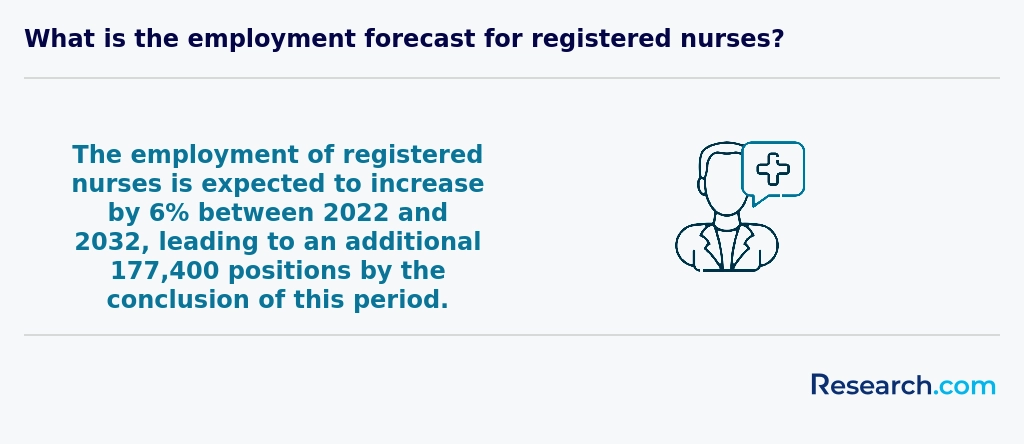
Accreditation and licensure success are critical indicators of a nursing program’s quality. In Amherst, MA, leading institutions such as the University of Massachusetts Amherst hold accreditation from the Commission on Collegiate Nursing Education (CCNE), ensuring curricula meet rigorous national standards. Prospective students should verify each program’s ACEN or CCNE status, as accredited programs are recognized by state boards of nursing and qualify graduates for licensure exams. Equally important are NCLEX-RN first-time pass rates, which reflect how well a program prepares students for entry-level practice. Recent data show that Amherst nursing programs boast NCLEX-RN pass rates between 92% and 97%, outperforming the Massachusetts state average of 89%. High pass rates demonstrate robust review courses, experienced faculty oversight, and targeted exam preparation strategies that boost graduate confidence and licensure success. When evaluating return on investment, consider both accreditation and affordability. Programs that balance low tuition with strong NCLEX outcomes deliver greater value over time. For students comparing regional options, our Most Affordable Nursing Degree Programs Ranking in the Midwest highlights nursing degrees that combine cost-effectiveness with accredited excellence, offering a model for prospective Amherst applicants seeking both quality and financial sustainability.
When you're diving into a nursing degree in Amherst, financial aid options can really take the pressure off. Many grads from schools like the University of Massachusetts Amherst share how applying for federal aid through FAFSA unlocked grants like the Pell Grant, which covers a good chunk of tuition without needing to pay it back. That felt like a huge weight lifted for them.
State aid is another lifesaver-Massachusetts offers programs like MassGrant that help with public college costs, plus the Nursing Scholarship Program if you plan to stay and work in the state's healthcare system. One graduate talked about how these grants made the difference between stressing over bills and focusing on clinicals.
Local scholarships from Amherst colleges often reward students for merit or need, sometimes funded by healthcare partnerships. And for those aiming to serve underserved areas, nursing loan forgiveness plans can turn your hard work into future savings. It's all about tapping into these opportunities early to make nursing school feel manageable and exciting rather than overwhelming.
To find the most valuable nursing schools in Massachusetts, it's essential to consider factors such as program accreditation, graduation rates, and job placement statistics. Prospective students can research and compare different nursing programs to determine which ones best align with their career goals and financial situation. For instance, students can explore the valuable nursing schools in Massachusetts to learn more about the top-ranked programs in the state. By understanding the strengths and weaknesses of each program, students can make informed decisions about their nursing education and set themselves up for success in their future careers.
If you're aiming for a nursing degree in Amherst, you'll need a few key things before you can jump in. Most programs expect you to have finished high school or have a GED. It's smart to have taken courses like biology, chemistry, and anatomy beforehand-this helps you hit the ground running, especially at places like UMass Amherst where the science gets real.
Many students share that keeping a GPA around 2.5 to 3.0 gave them a solid shot at admission. Plus, schools often want you to have done classes like microbiology and nutrition-you'll see these pop up in the prereqs at Mount Holyoke College too. Passing a test like the TEAS exam is common, which checks your reading, math, and science skills. Some graduates say prepping for it felt tough but totally worth it.
Also, getting some hands-on experience-maybe volunteering at a local clinic or hospital-really helps you stand out. It's a great way to show you're serious and get ready for those clinical rotations that everyone talks about once classes start.
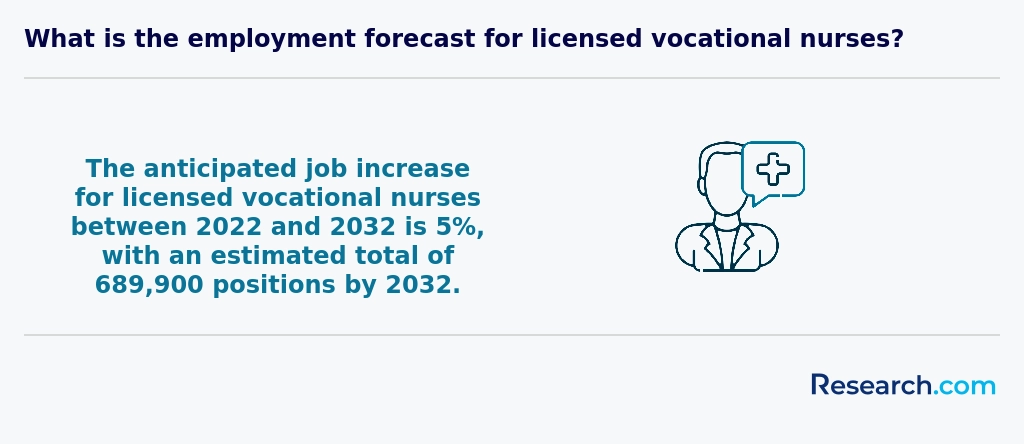
Evaluating program outcomes ensures you select a nursing degree that delivers real-world value:
- NCLEX-RN Pass Rate: Local BSN programs consistently report pass rates between 90% and 95%, exceeding the Massachusetts average of 88%.
- Job Placement: 96% of BSN graduates secure nursing roles within six months, often leveraging partnerships with regional hospitals.
- Employer Feedback: Clinics and hospitals rate Amherst-trained nurses highly for clinical competence and professional readiness.
- Certification Success: 80% of Advanced Practice Nursing graduates obtain national certification on their first attempt.
These metrics highlight program quality and graduate readiness. For those exploring additional high-quality programs, see accredited nursing schools in california.
If you're thinking about nursing in Amherst, expect to dive into courses that mix solid science with real hands-on practice. Graduates from schools like UMass Amherst often say the core classes in anatomy, physiology, and microbiology really helped them understand what's going on inside the body-super important when you're caring for patients. Alongside these, you'll explore specialized classes like Fundamentals of Nursing where you learn the basics like taking vitals or giving meds, and Pharmacology, which breaks down how drugs work and how to handle them safely.
Picture yourself in a Health Assessment class, practicing physical exams on classmates or during clinical rotations at places like Baystate Medical Center. It's where theory meets reality, and many students find this part thrilling because it's their first real feel of patient care. Other classes cover mental health, pediatrics, geriatrics, and community nursing, preparing you for all sorts of healthcare settings in Amherst and beyond. Graduates often say these courses gave them confidence and the skills to handle anything from hospital wards to local clinics.

If you're looking into nursing degree specializations in Amherst, there's a great mix to choose from that really match today's healthcare needs. Graduates from popular nursing programs here often mention how exciting it is to dive into fields like Family Nurse Practitioner (FNP), where you get to care for whole families across different ages, making a real impact especially in underserved areas. Others love the hands-on intensity of Critical Care Nursing, managing patients in ICU with advanced skills, while some find joy in Pediatric Nursing, focusing on kids and teens.
Many programs in Amherst, including those at well-known local colleges, also offer paths in Psychiatric-Mental Health Nursing and Geriatric Nursing, which prepare you for working with mental health patients or the growing elderly population. These options let students tailor their careers to what excites them most. Plus, it's common to find clinical placements in nearby hospitals, giving you that real-world experience. If you want to explore more options or compare different programs, check out the best nursing schools in miami rankings for ideas beyond Amherst.
Amherst nursing program specialization options really help students connect their passion with job-ready skills, making studies feel rewarding and relevant every day.
Picking the best nursing degree in Amherst means thinking about what fits your life and goals. Many grads from popular local colleges say that choosing programs with strong NCLEX pass rates-usually between 85% and 95% here-really gave them confidence going into their careers. Since Amherst has a mix of public and private schools, it's smart to weigh cost too; public programs often run $7,000 to $12,000 a year, which helped some students avoid huge debt while still getting quality training.
Another biggie is making sure the program is accredited by places like CCNE or ACEN. One graduate shared how their school's ties to hospitals nearby meant they scored great hands-on experience during clinicals, making classes feel more real and exciting. Plus, if you're juggling work or family, consider schools offering evening or online courses-something many Amherst nursing students found super helpful.
For those looking nationwide, checking out nursing schools in louisiana near me can offer useful perspective, but focus on what Amherst has to offer locally. There are some really affordable nursing schools Amherst 2027 hopefuls should definitely explore that balance quality with convenience and cost.

Graduates with a nursing degree in Amherst find a bunch of exciting nursing career opportunities in Amherst waiting for them. Around popular schools here, many grads land roles as registered nurses, working hands-on in hospitals or long-term care where they make a real difference daily. Others go for certifications in specialties like pediatrics or mental health nursing, which opens up even cooler paths and advancement options.
You'll also hear about Amherst grads becoming nurse practitioners, enjoying more independence while delivering care. These programs prepare you well to pass state exams and meet local healthcare needs. Plus, if you're curious about broader healthcare roles, many alumni branch out into nursing education or healthcare management, influencing how care is taught and delivered. Some even explore public health or policy, where they can shape community health strategies.
One nursing grad from a well-known Amherst college shared how their training helped them feel confident stepping right into the workforce, while another is now studying advanced practice with dreams of owning their own clinic. If you want to explore related paths, check out counseling psychology education requirements for options that often intersect with nursing careers.
Overall, the Amherst nursing degree job prospects are broad and growing, letting you create a career that fits your passion and lifestyle.
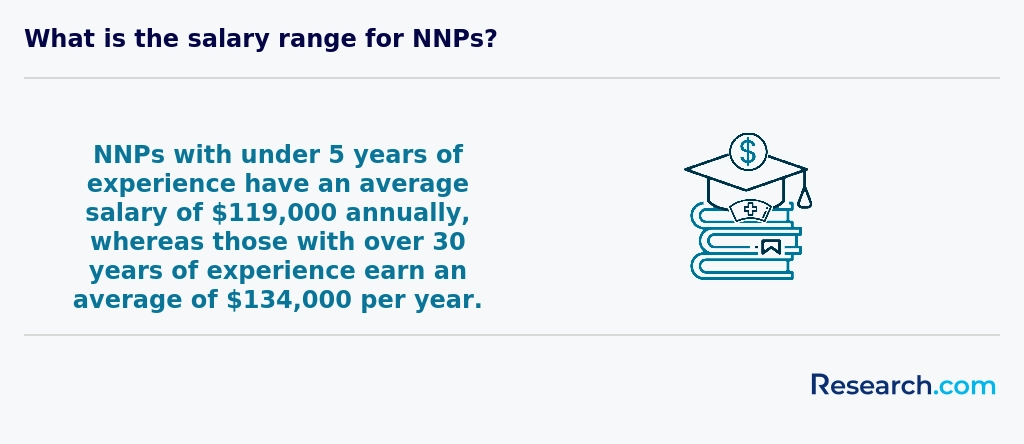
The nursing job market in Amherst is pretty solid right now. Graduates from popular schools around here often find themselves snapped up by local hospitals, elder care centers, and clinics. Many students who've completed their nursing degrees at Amherst colleges share stories about how quickly they landed a position, sometimes even before graduation. The demand is strong, thanks to the aging population and a healthcare system that's always looking for skilled hands.
If you're wondering about the kind of roles available, think of acute care hospitals, long-term care facilities, and community health organizations all actively hiring. This creates a wide range of options for newly minted nurses. Plus, the Amherst nursing degree employment outlook is positive, which means job security and growth opportunities down the road.
Many grads say understanding the nursing education requirements helped them pick the right path, setting them up for success in a market that values both passion and education.
2027 Most Valuable Nursing Degree Programs Ranking in Amherst
Investing in your education is a significant decision that can shape your future, and the Research.com team understands the importance of making informed choices. To assist prospective students in Amherst, we have carefully developed the "2027 Most Valuable Nursing Degree Programs Ranking in Amherst." Our dedication to quality, credibility, and accuracy is demonstrated through rigorous research and detailed analysis.
We utilized the following reputable data sources to ensure a comprehensive evaluation of nursing degree programs:
By exploring this ranking, readers will gain valuable insights into the most valuable nursing degree programs offered in Amherst, empowering them to make well-informed educational decisions. For more information on how the ranking was created, please visit our Research.com methodology page.

Frequently Asked Questions About nursing
Nursing degree students in Amherst can maximize their learning experience by actively engaging in clinical placements offered through local healthcare facilities. Amherst's proximity to Northampton and Springfield provides diverse opportunities for hands-on practice, which is essential for skill development. According to the Massachusetts Board of Registration in Nursing, practical experience is critical to prepare students for the National Council Licensure Examination (NCLEX-RN).
Students should also take advantage of the University of Massachusetts Amherst's simulation labs, which utilize advanced technology to replicate real-life nursing scenarios. Collaborative study groups and internships at regional hospitals further enhance clinical judgment and communication skills.
Additionally, staying updated with evolving healthcare standards and participating in nursing workshops or seminars in the Pioneer Valley area boosts both knowledge and professional networking. Combining academic theory with practical application leads to a comprehensive nursing education in Amherst.
The nursing field in Amherst is expanding into several emerging niches that reflect evolving healthcare needs. One rapidly growing area is geriatric nursing, driven by the aging population in Massachusetts. According to the Massachusetts Board of Registration in Nursing, nurses specializing in elder care have seen a 15% increase in demand over the past five years.
Another notable niche is telehealth nursing. The rise of remote care, amplified by the COVID-19 pandemic, has created new roles for nurses skilled in virtual patient monitoring and digital communication platforms. This trend is particularly relevant in Amherst's rural communities.
Additionally, nurse informatics, focusing on managing healthcare data and electronic records, is gaining prominence. The University of Massachusetts Amherst reports steady growth in nursing students pursuing informatics courses to meet local healthcare employers' needs.
After completing a nursing degree in Amherst, preparing for the job market involves several key steps. First, obtaining licensure by passing the NCLEX-RN exam is essential to practice as a registered nurse. The Massachusetts Board of Registration in Nursing offers resources to help graduates understand the licensure process.
Next, building practical experience through internships or clinical placements can enhance employability. Amherst's proximity to major medical centers like Baystate Medical Center provides valuable opportunities.
Networking through local nursing associations and attending job fairs hosted by the University of Massachusetts Amherst can improve job prospects.
Staying informed about healthcare trends and seeking certifications in specialties such as gerontology or critical care can increase competitive advantage in the local job market.
Employers in Amherst highly value nursing degree graduates who demonstrate strong clinical skills combined with effective communication. According to the Massachusetts Department of Higher Education, proficiency in patient care and critical thinking ranks among the top requirements. Additionally, familiarity with electronic health records (EHR) systems is increasingly important, reflecting the region's focus on healthcare technology.
Teamwork and adaptability are also crucial, as Amherst healthcare facilities emphasize collaborative environments. The Bureau of Labor Statistics notes that nurses with these skills tend to secure positions more quickly. Finally, cultural competence is essential in Amherst's diverse communities, ensuring nurses can provide sensitive and informed care.
Finding nursing internships in Amherst involves exploring several local resources and healthcare facilities. Students often start by contacting nursing programs at institutions like the University of Massachusetts Amherst, where academic advisors can provide guidance on approved clinical placements.
Amherst's close proximity to hospitals such as Cooley Dickinson Hospital in nearby Northampton offers valuable internship opportunities. Many local healthcare providers collaborate with nursing schools to offer clinical experience essential for licensure and practical skills.
Additionally, platforms like the Massachusetts Board of Registration in Nursing website can help identify accredited internship programs that meet state requirements.
Networking with faculty and attending local nursing career fairs can also increase chances of securing internships.
A nursing degree in Amherst significantly enhances career mobility and advancement opportunities. Graduates benefit from a strong local healthcare sector, including affiliations with the University of Massachusetts Amherst Medical School and nearby hospitals. According to the Massachusetts Department of Labor, registered nurses in Amherst enjoy a projected job growth rate of 9% through 2030, outpacing many other professions.
Nursing degrees provide essential clinical skills and licensure paths such as RN and BSN, which are critical for higher-paying roles and specialty areas like nurse practitioner or healthcare management. Employers in Amherst increasingly prefer candidates with bachelor's or advanced nursing degrees for leadership positions.
Continuing education is supported by local institutions offering accredited programs, aiding career advancement in the competitive Amherst job market.
Studying for a nursing degree in Amherst equips students with skills essential for interdisciplinary collaboration. Many local nursing programs emphasize teamwork with healthcare professionals such as physicians, social workers, and therapists. This approach reflects the growing demand in the US healthcare system for nurses who can navigate complex patient care environments.
Amherst nursing programs also integrate courses in communication, leadership, and health informatics, enabling graduates to contribute effectively in diverse clinical settings. According to the Massachusetts Department of Higher Education, over 60% of nursing graduates from the area reported working in interdisciplinary teams within their first year of employment. This foundation is critical for addressing holistic patient needs and improving outcomes.
Choosing between a thesis and a non-thesis nursing degree program in Amherst depends on your career goals and academic preferences. Thesis programs focus on research, requiring students to conduct original studies and prepare a detailed thesis. This path suits those considering a future in nursing education, research, or doctoral studies.
Non-thesis programs emphasize practical skills and clinical experience, often requiring an additional practicum or project instead of a thesis. This option appeals to nurses aiming to enhance clinical expertise and enter advanced practice roles quickly.
According to the U.S. Department of Education, Amherst nursing graduates with thesis experience often pursue academic or research careers, while non-thesis graduates tend toward clinical leadership roles.
Students based in Amherst who wish to study nursing abroad have several opportunities through U.S. university partnerships and exchange programs. For example, the University of Massachusetts Amherst offers study abroad programs in collaboration with universities in countries like Ireland and Australia, where nursing curricula align with U.S. standards.
These programs allow students to earn credits that count toward their nursing degree while gaining international clinical experience. According to the Institute of International Education, approximately 2% of all U.S. nursing students participate in study abroad options annually, which helps develop global healthcare perspectives.
Amherst students are also encouraged to explore short-term clinical placements or internships abroad, often arranged via their home institution's global health or nursing departments.
Students pursuing nursing degrees in Amherst can find valuable part-time job opportunities that complement their education. Local hospitals such as Cooley Dickinson Hospital offer positions as nursing assistants or patient care aides, which provide hands-on clinical experience. According to MassHire data, healthcare support roles in the Amherst area grew by 5% between 2020 and 2023, highlighting strong demand.
Additionally, Amherst's numerous eldercare facilities and home health services employ nursing students for part-time roles, allowing them to develop patient communication and care skills. Jobs in campus health centers also enhance knowledge of basic clinical procedures.
Engaging in these roles can improve practical skills while helping students manage academic commitments efficiently.
Nursing students in Amherst benefit from a variety of networking opportunities crucial for career growth. The University of Massachusetts Amherst offers active student nursing organizations, such as the Student Nurses Association, which hosts regular meetings and professional development events.
Local hospitals and healthcare centers frequently collaborate with nursing programs, enabling students to attend workshops and clinical internships. These settings provide practical experience and connections with practicing nurses and healthcare leaders.
Additionally, Amherst's proximity to the Pioneer Valley healthcare community allows students to participate in regional conferences and seminars. These events often feature guest speakers and panels on the latest nursing practices and healthcare innovations, fostering valuable professional contacts.
According to UMass Amherst's nursing department, over 75% of students secure clinical placements within the first year, facilitating early career networking essential for job placement post-graduation.
Alumni networks play a crucial role for nursing degree students in Amherst by offering valuable professional connections. Graduates can access local healthcare employers through these networks, which often include nurses working in nearby hospitals and clinics. Networking events and mentorship programs organized by alumni associations help current students gain insights into the nursing job market and develop essential career skills.
According to a 2023 report from the Massachusetts Board of Registration in Nursing, graduates supported by strong alumni connections have a 15% higher employment rate within six months after graduation compared to those without such ties. These networks also promote ongoing education and continuing certification opportunities.
In Amherst, nursing degree programs offer flexibility to help students tailor their education according to individual career goals. Many local institutions provide options such as elective courses, specialty tracks, and clinical placements in diverse healthcare settings.
Students can select concentrations like pediatric nursing, geriatric care, or community health, aligning with the growing demands noted by Massachusetts' Board of Registration in Nursing. Additionally, programs often allow part-time study or accelerated paths, accommodating both working professionals and recent high school graduates.
Hands-on experience through internships at Amherst-area hospitals or clinics plays a key role in specialization and practical skill development.
Nursing students in Amherst commonly face several challenges during their academic journey. One key difficulty is managing the demanding coursework alongside clinical rotations, which require extensive time and emotional commitment. According to data from the Massachusetts Department of Higher Education, nursing programs in Amherst report that students spend an average of 35-40 hours per week on studies and clinical practice.
Another challenge is the financial burden, as tuition and related costs can be high, with some programs exceeding $15,000 annually. Many students must balance part-time jobs, which adds to stress and time management issues.
Additionally, the competitive nature of clinical placements often causes anxiety, as students vie for limited spots in local hospitals and health centers.
With a nursing degree in Amherst, graduates can pursue a variety of professional certifications that enhance career opportunities and specialization. Common certifications include the Certified Nurse Assistant (CNA), Licensed Practical Nurse (LPN), and Registered Nurse (RN) credentials, which are foundational for clinical practice.
Advanced certifications such as Certified Nurse Practitioner (CNP) and Clinical Nurse Specialist (CNS) offer pathways to specialized fields like family care or pediatrics. According to the Massachusetts Board of Registration in Nursing, Amherst nursing graduates often leverage state licensure exams like the NCLEX-RN to become licensed registered nurses.
Additional specialty certifications include Critical Care Registered Nurse (CCRN) and Certified Nurse Educator (CNE), reflecting Amherst's focus on high-quality healthcare and education.
When applying to nursing programs in Amherst, it is crucial to present a clear, well-organized application that highlights your academic achievements and commitment to healthcare. Local schools, including the University of Massachusetts Amherst, commonly require a minimum GPA around 3.0 for competitive nursing admissions. Including strong letters of recommendation from healthcare professionals or instructors can significantly strengthen your profile.
Additionally, many programs value relevant experience such as volunteering or working in healthcare settings, so be sure to document any related hours and skills. Writing a concise personal statement explaining your motivation and goals in nursing will also catch the admissions committee's attention.
Meeting all application deadlines and submitting required standardized test scores, like the TEAS exam, is essential. According to the National Council of State Boards of Nursing, Amherst nursing graduates have a pass rate near 85% on the NCLEX-RN licensure exam, underscoring the importance of preparing thoroughly before applying.
The nursing profession holds significant value worldwide, shaped by diverse healthcare systems and cultural expectations. In the United States, including Amherst, nursing careers are highly respected, reflecting a strong demand for skilled professionals. According to the Bureau of Labor Statistics, registered nursing jobs are projected to grow 9% nationally from 2021 to 2031, a trend mirrored in Massachusetts.
Globally, nurses often serve as critical frontline healthcare providers, with education standards varying by country. U.S. nursing programs, such as those available near Amherst, emphasize evidence-based practice and technology integration, preparing graduates for diverse roles.
International organizations like the World Health Organization promote uniform standards, encouraging mobility and collaboration among nurses. This global alignment can enhance career opportunities for Amherst graduates seeking work abroad or within multicultural communities.
Gaining practical experience while studying for a nursing degree in Amherst is crucial for career readiness. Many local programs integrate clinical rotations within their curriculum, allowing students to work directly in healthcare settings such as hospitals, clinics, and community health centers.
Amherst is near several medical facilities, including Cooley Dickinson Hospital, which often partners with educational institutions to provide hands-on training. These placements help students develop critical skills like patient care, medical documentation, and teamwork under supervision.
Additionally, nursing students can participate in internships and volunteer opportunities offered through local health organizations. This real-world exposure complements classroom lessons and increases employability after graduation.
According to the Massachusetts Board of Registration in Nursing, more than 80% of local programs require clinical hours, emphasizing the importance of practical experience in this field.
Choosing the right concentration within a nursing degree program in Amherst requires understanding your career goals and local healthcare needs. Amherst offers various concentrations such as family nurse practitioner, psychiatric nursing, and geriatric care, reflecting the region's growing elderly population. According to the Massachusetts Department of Higher Education, concentrations in primary care are highly sought after given the area's demand for outpatient and community health services.
Evaluate programs based on clinical rotation opportunities, faculty expertise, and connections with local hospitals like Cooley-Dickinson Hospital. Consider concentrations aligned with national nursing workforce trends, such as mental health nursing, due to increasing awareness and patient demand. Research shows that focused training in these areas can improve job placement rates and earning potential after graduation. Ultimately, choose a concentration that matches both local demand and your passion.
- 2027 Most Valuable Nursing Degree Programs Ranking in Boston
- 2027 Most Valuable Nursing Degree Programs Ranking in Bronx
- 2027 Most Valuable Nursing Degree Programs Ranking in New York
- 2027 Most Valuable Nursing Degree Programs Ranking in Brooklyn
- 2027 Most Valuable Nursing Degree Programs Ranking in Rochester
- 2027 Most Valuable Nursing Degree Programs Ranking in Baltimore
- 2027 Most Valuable Nursing Degree Programs Ranking in Washington
- 2027 Most Valuable Nursing Degree Programs Ranking in Virginia Beach
- 2027 Most Valuable Nursing Degree Programs Ranking in Detroit
- 2027 Most Valuable Nursing Degree Programs Ranking in Columbus
See What Experts Have To Say About Studying Nursing
Read our interview with Nursing experts


- Nurse Salary https://nursinglicensemap.com/resources/nurse-salary/
- How to Switch to Nursing as a Second Career | All Nursing Schools https://www.allnursingschools.com/articles/second-career-nursing/
- | NRR | Dove Medical Press https://www.dovepress.com/internship-challenges-encountered-by-nursing-students-a-qualitative-st-peer-reviewed-fulltext-article-NRR
- Client Challenge https://www.springerpflege.de/nursing-graduates-perceived-future-career-pathway-and-career-shi/50653658
- Real-World Experience in Nursing Education - CNI College https://cnicollege.edu/blog/nursing/real-world-experience-nursing-education/
- What Are the Best Jobs to Work While in Nursing School? https://www.dewv.edu/what-are-the-best-jobs-to-work-while-in-nursing-school/
- Nursing School Requirements in [currentyear] - NEIT https://www.neit.edu/blog/nursing-school-requirements
- 10 Nursing Fields That Are Growing in Demand https://promedcert.com/blog/10-nursing-fields-that-are-growing-in-demand
- Career Advancement Pathways for Nurses : Expert RN shares 10+ Professional growth opportunities - MuminMed https://blog.muminmed.com/career-advancement-pathways-for-nurses/
- School of Nursing Alumni Resources https://nursing.utmb.edu/About/Alumni