
2027 Easiest Online Master's in Nursing Degree Programs Ranking in St. Louis, MO

Co-Founder and Chief Data Scientist
Choosing the right nursing degree program can feel overwhelming, especially if you're balancing work and family in St. Louis. This article offers a carefully researched 2027 Easiest Online Master's in Nursing Degree Programs Ranking in St. Louis, MO, created by the Research.com team of data scientists. It's designed to help you discover programs that fit your lifestyle and ambitions.
By exploring these rankings, you'll gain clarity on accessible, quality options to advance your career. Pursuing a nursing degree opens doors to rewarding opportunities and personal growth. Take a confident step toward your future today.
Key benefits of getting online nursing degree in St. Louis
- Nursing degree graduates in St. Louis can expect rewarding salaries, with Nurse Practitioners and Critical Care Nurses earning around $128,490 annually, while Clinical Nurse Specialists, Nurse Administrators, and Nurse Educators earn about $94,480 per year.
- Career paths for nursing graduates from local institutions, such as Saint Louis University, include roles like Nurse Practitioner, Clinical Nurse Specialist, or Nurse Educator, offering diverse opportunities to match your passion and skills.
- Obtaining a nursing degree online, for example from an accredited St. Louis university, provides flexibility to balance work and studies, making it easier to advance your career without sacrificing personal commitments.
- 2027 Easiest Online Master's in Nursing Degree Programs Ranking in St. Louis, MO
- What can I expect from online nursing degree in St. Louis?
- Where can I work with online nursing degree in St. Louis?
What can I expect from online nursing degree in St. Louis?
In St. Louis, pursuing an online nursing degree can be both accessible and affordable, with typical tuition rates ranging from about $300 to $600 per credit hour at public universities and colleges. Graduates from popular institutions often share how flexible part-time options empowered them to balance work, family, and studies without feeling overwhelmed.
Many students find motivation in knowing that these accredited programs not only deliver high-quality education but also lead to strong job prospects in the thriving St. Louis healthcare sector. For example, a graduate from a well-known St. Louis college recalled how seamless clinical placements at nearby hospitals enhanced their confidence and practical skills while managing their budget responsibly thanks to available financial aid and employer tuition reimbursement.
With a clear path to fulfilling Missouri's licensure requirements and affordable costs tailored to working adults, St. Louis nursing students can embrace their journey knowing they're investing wisely in a rewarding and impactful career.
Where can I work with online nursing degree in St. Louis?
Graduates with an online nursing degree in St. Louis find a wealth of exciting career opportunities across the city's thriving healthcare landscape. Many alumni from popular institutions such as the University of Missouri-St. Louis or Saint Louis University proudly step into roles at renowned hospitals like Barnes-Jewish or SSM Health, where they provide compassionate care as registered nurses or nurse practitioners. These positions allow them to make a direct impact on patient lives every day.
Others embrace rewarding careers in outpatient care centers and community health organizations, engaging in preventive care and health education that empower local families. Many graduates share stories of working alongside interdisciplinary teams to manage chronic illnesses, profoundly improving community wellness.
For those advancing their degrees online, the path often leads to specialized roles such as nurse anesthetists or clinical nurse specialists. Nurses in St. Louis cherish the opportunity to blend flexible learning with dynamic, well-paid careers, thriving in an environment eager to support their growth.
Long-term care and home health sectors also warmly welcome online nursing graduates, who bring dedication and heart to caring for aging populations in their own homes, fostering trusting relationships every day.
Graduates with an online nursing degree in St. Louis have a promising outlook when it comes to earnings. For example, Nurse Practitioners, a sought-after role in the region, earn a mean annual wage of about $128,490 according to the latest data. Many graduates from well-known St. Louis institutions have shared how advancing to this level through online Master of Science in Nursing programs opened doors to rewarding careers with competitive pay.
Other specialized roles such as Clinical Nurse Specialists, Nurse Administrators, and Nurse Educators also enjoy substantial salaries around $94,480 annually. These paths offer the chance to make a real difference in healthcare settings while maintaining a healthy work-life balance.
Imagine balancing studies at popular St. Louis colleges with work, then stepping confidently into a career with a salary that recognizes your expertise and commitment. Whether caring for critical patients or leading a nursing team, these earnings reflect the value employers place on online-educated professionals in this vibrant healthcare community.
- Online nursing programs in St. Louis offer flexible options with BSN and MSN degrees available through hybrid or fully online formats.
- Tuition costs range from $15,000 to $35,000 for undergraduate programs and $20,000 to $45,000 for graduate nursing degrees.
- Registered nurses in St. Louis earn an average of $68,000 annually after graduation, with experienced nurses making about $87,000 or more.
- Employment opportunities in hospitals, outpatient centers, and long-term care facilities are steadily growing, especially for advanced degree nurses.
- Proper accreditation from CCNE or ACEN is essential, and clinical practicums are completed locally to meet licensure requirements.
Completing an online nursing degree in St. Louis can be an exciting journey with flexible timelines tailored to your unique path. Many graduates from well-known schools like Saint Louis University or Webster University share how accelerated BSN programs helped them achieve their goals in just 2 to 3 years, even while balancing work and family.
For those starting a traditional online BSN, the typical completion time is around four years, offering a steady pace to master the skills needed. Others have thrived by enrolling in RN-to-BSN or RN-to-MSN bridge programs, finishing in as little as one to two years, which makes advancing their careers feel both attainable and rewarding.
Master's degree seekers at local institutions find that with dedication, their MSN can be completed in 18 to 36 months. Many celebrate the clinical opportunities nearby, which enrich learning and build confidence. In St. Louis, the supportive healthcare community creates an inspiring environment, encouraging students to succeed no matter their timeline.
Online nursing degrees in St. Louis open doors for busy adults who want to balance work, family, and study with ease. Imagine completing coursework at your own pace, from home or anywhere in the city, while still gaining valuable hands-on experience through local clinical placements at hospitals near Saint Louis University or the University of Missouri-St. Louis. Graduates often share how this flexibility empowered them to pursue their passion without sacrificing other responsibilities.
On-campus programs offer a vibrant, immersive experience with face-to-face access to instructors and peers, creating strong connections and immediate support. Many students appreciate the energy of campus life and in-person labs that make learning practical skills exciting and interactive.
Both paths lead to success, and each student's journey is unique. Whether you thrive in a flexible online format or prefer the closeness of campus life in St. Louis, accredited programs ensure you are well-prepared to launch your nursing career with confidence and enthusiasm.
The average cost of an online nursing degree in St. Louis offers an accessible path for many aspiring healthcare professionals. Graduates from popular nursing programs in the area share how investing approximately $39,040 in total tuition opens doors to meaningful and rewarding careers. Whether pursuing an associate, bachelor's, or master's degree, students find this investment well worth the lifelong satisfaction that comes from helping others. The positive experience is amplified by the supportive academic environments at well-known universities and colleges in St. Louis, which foster both personal growth and professional readiness.
Many students exploring affordable online master's in nursing programs St. Louis appreciate how financial aid options and scholarships make this journey achievable. These programs balance quality education with reasonable costs, ensuring that future nurses can focus on excelling without overwhelming financial burden. Graduates often recall feeling empowered by the convenience of online learning combined with connections to the local healthcare community.
For those weighing their choices, the average cost reflects a comprehensive education that includes not only tuition but materials and technology fees. It's helpful to explore resources like the best accredited non-profit online universities to identify institutions that align with both budgets and career goals. This approach encourages confidence and excitement about embarking on a nursing degree in St. Louis MO, turning aspirations into reality.
Students pursuing an online nursing degree in St. Louis find a welcoming network of financial aid designed to ease their journey. Many graduates from institutions like the University of Missouri-St. Louis recall how federal support through FAFSA unlocked Pell Grants and federal loans, making tuition manageable and allowing them to focus on their passion for care. These resources provide a strong foundation for those balancing work and study.
State-based aid, such as the Access Missouri Financial Assistance Program, offers vital support for Missouri residents enrolled at popular local schools, reducing financial barriers and inspiring continued progress. Numerous local scholarships, including those from the Missouri Nurses Foundation, reward dedication and academic excellence, giving hopeful nurses confidence to excel.
Healthcare employers in St. Louis often invest in their employees' growth with tuition reimbursement, especially for advancing to specialized roles. Graduates frequently share how this support boosted their careers, turning ambition into achievement while serving their communities.
With many targeted options for diverse backgrounds, aspiring nurses in St. Louis can embrace these opportunities knowing their dreams are supported every step of the way.
- Flexible, fully asynchronous coursework that fits around work and family
- No GRE requirement and a streamlined online application process
- Generous transfer credit policies-MSN candidates can transfer up to 12 credits from an RN-to-BSN program like the cheapest rn to bsn online
- Minimal campus visits or residency requirements for clinical assessments
- Accelerated tracks enabling completion in as little as 18 months
- Flat-rate tuition per semester with part-time and full-time enrollment options
- Dedicated clinical placement support through partnerships with St. Louis healthcare centers
To embark on your journey toward an online nursing degree in St. Louis, meeting key prerequisites can set you on the path to success with confidence. Graduates from well-regarded St. Louis nursing colleges often share how starting with a high school diploma or GED built a solid foundation for their advanced studies. Many found that completing essential courses like anatomy, physiology, and microbiology prepared them well for the challenging yet rewarding nursing classes ahead.
For those aiming at master's programs offered by top institutions in St. Louis, holding a Bachelor of Science in Nursing or a related degree is a common step. Licensing also plays a vital role-an active, unencumbered Registered Nurse license is often required, reflecting your real-world skills and dedication to patient care.
Some students recall how having one to two years of clinical experience made their transition smoother, allowing them to connect theoretical knowledge with hands-on practice, making every moment of their education feel purposeful and inspiring.

Follow these steps to submit a successful online nursing master’s application in St. Louis:
- Research CCNE or ACEN-accredited MSN programs, noting program length, clinical requirements, and tuition
- Confirm key deadlines (typically fall intake: August–October; spring intake: January–March)
- Request and submit official transcripts from your BSN-granting institution
- Complete required exams (for example, the TEAS or program-specific assessments)
- Craft a concise personal statement that highlights your clinical experience and career goals
- Secure two to three professional references, ideally from nursing supervisors or faculty
- Submit the online application and fee, then set calendar reminders for scholarship and FAFSA deadlines
Once admitted, prepare for orientation, clinical placement coordination, and course registration. For nurses aiming to advance beyond the master’s level, explore our dnp online programs.
Online nursing degree programs in St. Louis offer a rich blend of courses designed to build confidence and competence in aspiring nurses. Graduates from popular institutions like Saint Louis University and the University of Missouri-St. Louis often highlight how courses such as Human Anatomy and Physiology gave them a clear understanding of the body's inner workings, empowering them to make informed decisions in real clinical settings.
Other core courses like Pathophysiology and Pharmacology provide essential knowledge of diseases and medication, which students find invaluable when caring for patients at local hospitals. Nursing Research and Evidence-Based Practice inspire graduates to continually improve care quality through scientific methods.
For many students, Health Assessment and Community and Public Health Nursing translate directly into practical skills used during their supervised clinical hours throughout St. Louis-area healthcare facilities.
Those pursuing advanced degrees appreciate specialized courses in Leadership, Healthcare Policy, and Health Informatics, which prepare them to take on influential roles in the thriving St. Louis healthcare community.
Online nursing specializations in St. Louis offer exciting paths for those eager to make a meaningful impact in healthcare. Many graduates from popular colleges in the area share how choosing specializations such as Family Nurse Practitioner (FNP) or Pediatric Nurse Practitioner (PNP) allowed them to connect deeply with patients of all ages, strengthening their community ties while building rewarding careers.
Others highlight the strategic value of fields like Adult-Gerontology Acute Care Nurse Practitioner (AG-ACNP) and Psychiatric-Mental Health Nurse Practitioner (PMHNP), especially in St. Louis where the demand for acute and mental health services is rising. Nursing Education and Healthcare Administration specializations also empower students to take leadership and teaching roles, shaping future generations of nurses.
These flexible options fit well with many students' busy lives, including those balancing work and study at local institutions. Prospective nurses can even explore year long masters programs online that accommodate this dynamic lifestyle, opening doors to advanced expertise without pausing their careers.
Choosing a specialization in St. Louis means joining a vibrant network of healthcare professionals driven by passion and purpose, ready to embrace the rewarding challenges ahead.
Choosing the best online nursing degree in St. Louis means focusing on accredited programs that open doors to rewarding careers. Graduates from well-respected local institutions often share how accreditation by CCNE or ACEN gave them confidence their education met high standards and prepared them for the NCLEX-RN licensure. Many students balancing work and life praise the flexibility of asynchronous classes offered by top online master's nursing programs St. Louis, allowing them to learn at their own pace without missing out on quality instruction.
Cost is a vital consideration; thankfully, some popular colleges in St. Louis provide affordable options with tuition often under $10,000, making it easier to invest in your future. Prospective nurses can explore details including fees and textbooks through resources like how much does it cost to get associates degree. Practical experience also shines as a crucial factor, with local programs partnering with hospitals to secure clinical placements, empowering students to transform knowledge into impactful care.
By choosing a program tailored to your career goals-whether an RN-to-BSN or MSN with specialties-you align with the strong local healthcare market. Graduates consistently express pride in their advanced practice credentials, which help them thrive in St. Louis's supportive nursing community and enjoy competitive wages above the state average.
Graduates with an online nursing degree in St. Louis step into a world of inspiring career paths that directly impact their communities. Many begin as registered nurses (RNs), passionately caring for patients in prominent healthcare systems like BJC HealthCare and Mercy Hospital. These roles offer rewarding daily experiences, from comforting families to supporting critical care teams.
As they grow in confidence and skill, nurses often pursue specialized positions such as nurse practitioners, clinical nurse specialists, or nurse midwives. Local graduates from popular institutions like Saint Louis University find these advanced roles especially fulfilling, gaining autonomy to diagnose and manage illnesses while improving patient outcomes.
For those seeking leadership, nursing administration is a vibrant option where graduates shape healthcare operations and inspire teams statewide. The excitement of advancing your career in nursing locally is reflected in many stories of students balancing work and study through online programs offered by top St. Louis colleges. Exploring easiest associate's degree programs can also be a stepping stone for future growth in this dynamic field.
The scope of online nursing careers in St. Louis is vast, motivating students with the promise of meaningful work and strong job opportunities ahead.
The job market for online nursing degree holders in St. Louis is vibrant and full of opportunity. Graduates from local universities and colleges often find rewarding careers within major healthcare systems like BJC HealthCare and SSM Health. These employers value the combination of academic excellence and real-world skills that online nursing programs instill. Nurses with degrees earned online can step confidently into roles such as nurse practitioners or educators, meeting the region's growing demand for skilled professionals.
Many graduates have shared how their education at St. Louis institutions helped them balance work, family, and study, making their career advancement achievable and fulfilling. The St. Louis nursing degree employment outlook remains strong, with steady growth fueled by the area's aging population and expanding healthcare access. For those exploring pathways in nursing, tuition assistance programs through local employers further ease the journey.
The integration of telehealth and digital services creates exciting new avenues for online nursing jobs in St. Louis. Students interested in affordable pathways often explore options like cheapest rn to bsn online programs, unlocking both education and career potential in this thriving market.
2027 Easiest Online Master's in Nursing Degree Programs Ranking in St. Louis, MO
Investing in your education is a significant decision that can shape your professional future, and the Research.com team understands the importance of making informed choices. To support prospective students in St. Louis, MO, we have carefully developed the "2027 Easiest Online Master's in Nursing Degree Programs Ranking." Our dedication to quality, credibility, and accuracy is demonstrated through thorough research and rigorous analysis behind this ranking.
We utilized the following reputable data sources to ensure a comprehensive assessment of nursing programs:
By exploring this ranking, readers will access valuable insights into the most accessible and quality online nursing master's programs in St. Louis, helping them make confident and informed educational decisions. For further information on how this ranking was created, please visit our Research.com methodology page.

# 2 position
Chamberlain University - St. Louis
Master of Nursing

Frequently Asked Questions About nursing
Students pursuing online nursing degrees in St. Louis can enhance their learning by actively engaging with local healthcare facilities for clinical practice. Missouri requires clinical hours for nursing licensure, so partnering with hospitals or clinics in St. Louis is essential. According to the Missouri Board of Nursing, completing supervised hands-on training reinforces theoretical knowledge.
Additionally, leveraging resources such as virtual simulations and study groups offered by the university can improve comprehension. St. Louis students benefit from proximity to renowned medical centers like Barnes-Jewish Hospital, facilitating valuable externships and networking. Time management and regular communication with faculty can further boost success in online nursing programs.
The nursing field is evolving rapidly with several emerging niches attracting interest among professionals and students. In St. Louis, areas like geriatric nursing are expanding due to the city's growing elderly population; the U.S. Census Bureau reports a 15% increase in residents aged 65 and older between 2010 and 2020.
Other promising areas include telehealth nursing, which is gaining traction as healthcare providers adopt virtual care technologies. This niche supports remote patient monitoring and virtual consultations, essential in urban and rural Missouri.
Additionally, forensic nursing is developing as a specialized field combining healthcare and criminal justice. This niche is vital in St. Louis, where healthcare institutions collaborate with law enforcement agencies.
After completing an online nursing degree in St. Louis, preparing for the job market involves several strategic steps. First, obtaining licensure is crucial; graduates must pass the NCLEX-RN exam to become registered nurses recognized in Missouri. The Missouri State Board of Nursing provides detailed guidance on this process.
Networking is equally important. St. Louis hosts numerous healthcare facilities, including Barnes-Jewish Hospital and Mercy Hospital, which frequently hire new nurses. Joining local nursing associations such as the Missouri Nurses Association can help graduates access job postings and professional development.
Additionally, gaining clinical experience through internships or part-time work strengthens practical skills and employability. The Bureau of Labor Statistics reports that Missouri's nursing jobs are expected to grow by 8% through 2032, highlighting strong demand. Tailoring resumes to St. Louis healthcare employers and preparing for interviews ensures a competitive edge in this expanding market.
Employers in St. Louis highly value nursing graduates who demonstrate strong clinical skills combined with effective communication. According to data from the Missouri Center for Nursing, successful candidates often exhibit critical thinking and adaptability, especially given the fast-paced healthcare environment in the region.
Technical proficiency, including familiarity with electronic health record (EHR) systems, is essential. Local hospitals such as Barnes-Jewish emphasize teamwork and cultural competence due to St. Louis's diverse patient population. Additionally, emotional resilience and patient advocacy are frequently highlighted in job postings across the area.
Soft skills like leadership and problem-solving also play a key role in graduates securing competitive positions. Overall, St. Louis employers seek nurses who are both technically skilled and able to provide compassionate, patient-centered care.
Finding nursing internships in St. Louis starts with connecting to local healthcare institutions. Major hospitals such as Barnes-Jewish Hospital and St. Louis Children's Hospital offer internship programs specifically tailored for nursing students. Checking their websites or contacting their education departments can provide current openings.
Online nursing programs often partner with regional healthcare providers. Students should inquire with their program advisors about internship placements in St. Louis. Networking through professional nursing organizations like the Missouri Nurses Association can also lead to internship opportunities.
Additionally, the Missouri Department of Health and Senior Services provides resources and listings for healthcare internships. Utilizing platforms like Handshake or local university career centers can further assist in finding placements that comply with Missouri's licensure requirements.
Obtaining an online nursing degree in St. Louis significantly enhances career mobility and advancement opportunities within the local healthcare sector. According to the Missouri Economic Research and Information Center, St. Louis's healthcare industry is projected to grow by 10% through 2030, creating demand for highly qualified nurses.
Online nursing programs often emphasize advanced clinical skills and leadership training, preparing graduates for roles such as nurse practitioners, nurse managers, and clinical educators. These positions typically offer higher salaries and greater job security in this region.
Furthermore, employers in St. Louis widely recognize accredited online degrees from regionally respected institutions, providing graduates with competitive advantages during hiring and promotion processes. The flexibility of online study allows working nurses to upskill without disrupting professional commitments.
Overall, an online nursing degree supports upward mobility by equipping nurses with credentials and competencies sought after by St. Louis healthcare employers. This advantage is vital in a market characterized by steady growth, specialized roles, and an emphasis on advanced nursing practice.
Studying for a nursing degree online in St. Louis equips students with skills essential for interdisciplinary healthcare roles. Programs emphasize collaboration between nurses, physicians, social workers, and other professionals to improve patient outcomes. The curriculum integrates communication, leadership, and critical thinking tailored to team-based care settings common in St. Louis hospitals and clinics.
Local healthcare systems in St. Louis, such as BJC HealthCare, actively engage nursing students through clinical partnerships, exposing them to real-world interdisciplinary environments. According to the Missouri Center for Nursing, these experiences enhance graduates' readiness to work effectively in diverse teams.
Furthermore, online formats allow flexible learning while encouraging engagement with case studies reflecting regional healthcare challenges, strengthening problem-solving in multidisciplinary contexts.
When choosing between a thesis and a non-thesis nursing degree program in St. Louis, consider your career goals first. Thesis programs typically require original research and are ideal if you plan to pursue a PhD or a career in academia or research. Non-thesis options focus on practical skills and may involve extra coursework or a project, suiting those aiming for leadership or advanced clinical roles.
In St. Louis, institutions like Webster University and Saint Louis University offer both paths. According to the Missouri Department of Higher Education, about 40% of nursing graduate students prefer non-thesis options for faster completion and direct clinical application.
Cost and time commitment also differ: thesis programs can take longer due to research requirements. Non-thesis programs often allow completion within 1.5 to 2 years, beneficial for working professionals.
Students in St. Louis interested in studying nursing abroad through online programs have several options, though they face unique considerations. U.S.-based students must ensure foreign programs meet U.S. accreditation standards and are recognized by the Missouri Board of Nursing. Many international universities offer online nursing degrees, but credit transfer and eligibility for Missouri licensure vary widely.
Programs from Canadian or U.K. institutions are more commonly accepted due to comparable education frameworks. However, St. Louis students should verify if clinical hours completed abroad align with Missouri's strict clinical practice requirements. According to the Missouri Center for Nursing, local employers prioritize degrees accredited by agencies like CCNE or ACEN, which affects graduates from abroad.
Consulting state nursing boards and academic advisors can clarify recognition of international online nursing degrees before enrollment.
St. Louis offers several part-time job opportunities that effectively complement nursing degree education. Many students find roles as certified nursing assistants (CNAs) or medical assistants, gaining hands-on experience critical for clinical practice. According to the Missouri Economic Research and Information Center, healthcare support jobs in the area are projected to grow by 12% through 2030, indicating strong demand.
Other options include positions as phlebotomists or patient care technicians, which provide practical skills and improve patient interaction. Local hospitals and clinics often hire part-time staff, offering flexible schedules ideal for online nursing students balancing study and work.
Online nursing students in St. Louis benefit from a variety of local networking opportunities that support their career growth. Many universities offering online programs encourage participation in virtual events, seminars, and discussion boards tailored to nursing professionals. Students can also join local chapters of national organizations such as the American Nurses Association (ANA) Missouri, which hosts networking events and workshops in the St. Louis area.
Additionally, St. Louis is home to several major healthcare institutions, including BJC HealthCare, providing internship and mentorship programs that online students may access. These connections help students integrate into the local nursing community despite studying remotely.
Alumni networks play a critical role in supporting online nursing degree students in St. Louis by providing connections to experienced professionals and local healthcare employers. These networks often facilitate mentorship opportunities, which can guide students through clinical challenges and career advancement. According to the Missouri Center for Nursing, networking increases job placement rates and job satisfaction among nurses in the region.
In St. Louis, where healthcare systems are extensive and diverse, alumni connections offer access to specialized job openings not always advertised publicly. Additionally, alumni associations often organize workshops and seminars that help students stay updated with current nursing practices and certifications.
For online students who may lack in-person interaction, alumni networks serve as a vital professional community, fostering both emotional support and career growth within St. Louis's healthcare environment.
Customizing an online nursing degree program in St. Louis lets students tailor their education to match specific career goals. Many programs offer elective courses or specializations such as nurse practitioner, nurse educator, or healthcare administration. This flexibility helps students focus on the skills needed for their desired roles.
Clinical practicum placements can often be arranged locally, allowing students to gain hands-on experience in St. Louis-area healthcare facilities. This is valuable for networking and practical exposure.
Online students can also benefit from flexible scheduling, which supports working professionals balancing education with employment.
According to the Missouri Center for Nursing, areas like advanced practice nursing are growing rapidly, making targeted specializations advantageous.
Online nursing students in St. Louis often face challenges related to balancing clinical requirements with remote coursework. While theoretical classes can be completed online, nursing programs require in-person clinical hours, which may be limited or difficult to schedule locally. According to the Missouri State Board of Nursing, approved clinical sites in St. Louis can be competitive, causing delays in completing practical experience.
Technical issues are common, as some students may lack reliable high-speed internet or up-to-date computers needed for virtual simulations and video lectures. Additionally, students report feelings of isolation without the immediate support of peers and instructors, affecting motivation.
Time management is another crucial challenge, especially for working professionals juggling jobs and family commitments while advancing their education.
With an online nursing degree, especially a master's, you can pursue a variety of professional certifications to advance your career. Common certifications include the Certified Nurse Practitioner (CNP), Clinical Nurse Specialist (CNS), and Certified Nurse Educator (CNE). These credentials enhance your expertise and may increase earning potential.
In the St. Louis area, healthcare employers often look for certifications accredited by the American Nurses Credentialing Center (ANCC) or similar bodies. According to the Missouri Center for Nursing, over 65% of advanced practice nurses in the state hold one or more specialty certifications.
Certifications require passing national exams and meeting clinical experience criteria, which can be completed while enrolled in or after finishing your online program. They open doors to roles in leadership, education, and specialized clinical care.
To write a winning application for an online nursing program in St. Louis, start by clearly demonstrating your commitment to nursing. Highlight relevant clinical experience or certifications, as many programs value hands-on background alongside academic achievements. Be sure to tailor your personal statement to explain why you chose online education and how it fits your career goals.
According to the Missouri Center for Nursing, the state faces a registered nurse shortage, making clear career intent important. Include strong letters of recommendation from healthcare professionals who know your skills. Finally, ensure all transcripts and test scores meet program requirements, and proofread your application thoroughly before submission.
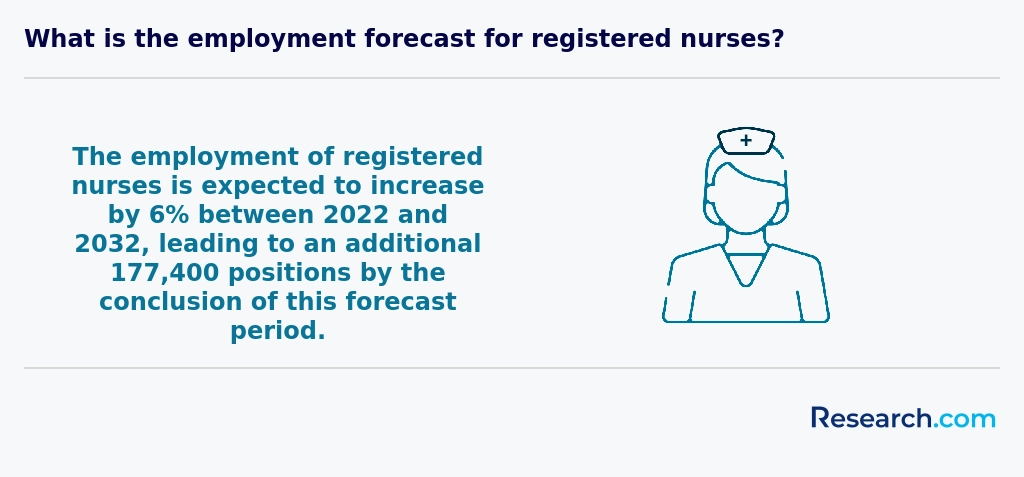
The nursing profession is recognized worldwide as essential to healthcare, with increasing demand across many countries. In the United States, including St. Louis, nursing offers strong career growth supported by robust educational programs and healthcare infrastructure. According to the U.S. Bureau of Labor Statistics, registered nursing is projected to grow 6% from 2021 to 2031, reflecting ongoing global health needs.
Globally, nurses often work in diverse settings, from hospitals to community care, demonstrating adaptability and leadership. In St. Louis, online nursing degrees allow students to join this worldwide network without relocating, benefitting from local accreditation and national nursing board standards.
Educational pathways vary internationally, but American online programs like those accessible in St. Louis are considered rigorous and well-respected. They provide graduates with credentials that facilitate employment both in the U.S. and abroad, reflecting a global appreciation for U.S. nursing education quality.
Students pursuing online nursing degrees in St. Louis can gain practical experience through clinical placements arranged by their programs at local healthcare facilities. These experiences are essential for licensure and skill development. The Missouri State Board of Nursing requires clinical hours, typically completed in hospitals, clinics, or community health centers in the St. Louis area.
Many programs partner with institutions like Barnes-Jewish Hospital, Mercy Hospital St. Louis, and SSM Health to provide hands-on training. Students can expect supervision by licensed nurses during these rotations. According to local health reports, St. Louis has a strong demand for nurses, ensuring ample clinical opportunities.
Additionally, simulation labs and virtual simulations supplement these in-person experiences, enhancing clinical reasoning and patient care skills in a controlled setting.
Choosing the right concentration in an online nursing degree program in St. Louis involves considering your career goals, interests, and the local healthcare market. Specialties such as family nurse practitioner, nurse educator, or nurse administrator align with different professional paths. For example, the St. Louis region has a growing demand for advanced practice nurses, especially in primary care settings, according to the Missouri Economic Research and Information Center.
Research each concentration's curriculum and clinical requirements to ensure they match your learning style and career needs. Also, verify the program's accreditation to maintain eligibility for licensure and certification.
Networking with local healthcare employers and reviewing job trends in St. Louis can provide insight into which concentrations offer the most opportunities. For instance, public health nursing may be more relevant as the city expands community health initiatives.
- 2027 Easiest Online Nursing Degree Programs Ranking in Lebanon, IL
- 2027 Easiest Online Bachelor's in Nursing Degree Programs Ranking in Columbia, MO
- 2027 Easiest Online Nursing Degree Programs Ranking in Peoria, IL
- 2027 Easiest Online Nursing Degree Programs Ranking in Murray, KY
- 2027 Easiest Online Nursing Degree Programs Ranking in Joliet, IL
- 2027 Easiest Online Nursing Degree Programs Ranking in Romeoville, IL
- 2027 Easiest Online Nursing Degree Programs Ranking in Hammond, IN
- 2027 Easiest Online Nursing Degree Programs Ranking in Nashville, TN
- 2027 Easiest Online Nursing Degree Programs Ranking in Pittsburg, KS
- 2027 Easiest Online Nursing Degree Programs Ranking in Chicago, IL
See What Experts Have To Say About Studying Nursing
Read our interview with Nursing experts

Lisa Grubb
Nursing Expert
Assistant Professor
Johns Hopkins School of Nursing

- The Nurses' Alumni Association https://giving.mainlinehealth.org/get-involved/auxiliaries-and-womens-boards/lankenau-medical-center-womens-board/the-nurses-alumni-association
- Online Nursing Degree Programs | University of Phoenix https://www.phoenix.edu/online-nursing-degrees.html
- 7 Things to Consider When Getting a Nursing Degree Online https://onlinedegrees.elmhurst.edu/blog/seven-things-consider-when-picking-online-nursing-program
- Nursing School https://slchc.edu/nursing/nursing-school/
- How Do Nurses Navigate Career Advancement? | NursingEducation https://nursingeducation.org/insights/career-advancement/
- Essential Tips for Nursing Students to Advance Their Careers https://almanaltraining.com/essential-tips-for-nursing-students-to-advance-their-careers/
- Tips for Creating a Perfect Nursing School Application https://www.allnursingschools.com/articles/how-to-create-the-perfect-nursing-school-application/
- 10 Nursing Fields That Are Growing in Demand https://promedcert.com/blog/10-nursing-fields-that-are-growing-in-demand
- Nursing School in St. Louis, Missouri https://www.chamberlain.edu/nursing-school/missouri/st-louis
- How to Choose a Nursing Program: A Comprehensive Guide - Madonna ABSN https://absn.madonna.edu/blog/how-to-choose-a-nursing-program/


