2027 Most Valuable Nursing Degree Programs Ranking in Spokane

Co-Founder and Chief Data Scientist
Choosing the right nursing degree program in Spokane can feel overwhelming. That's why this article presents the 2027 Most Valuable Nursing Degree Programs Ranking in Spokane, carefully developed by the Research.com team of data scientists.
It's designed to guide you toward programs that offer real value, helping you make an informed decision about your education and future career.
Whether you're starting fresh or advancing your skills, a nursing degree opens doors to rewarding opportunities and personal growth. Dive in to discover which programs stand out in 2027 and take confident steps toward your nursing journey.
Key benefits of getting nursing degree in Spokane
- The mean annual wage for Registered Nurses, Clinical Nurse Educators, Public Health Nurses, and Emergency Room Nurses in Spokane is around $94,480, offering a stable and rewarding income.
- Nursing graduates from Spokane colleges have diverse career paths, including patient care, education, and community health, allowing you to find a role that fits your passion and skills.
- Obtaining a nursing degree online from Spokane institutions offers flexible schedules and convenient learning, helping you balance studies with personal and work commitments effectively.
- 2027 Most Valuable Nursing Degree Programs Ranking in Spokane
- What can I expect from nursing degree in Spokane?
- Where can I work with nursing degree in Spokane?
What can I expect from nursing degree in Spokane?
The average cost of getting a nursing degree in Spokane really depends on where you choose to study. Community colleges, like those popular among Spokane students, usually offer associate degrees that are much easier on the wallet. Many grads share how these programs made it possible to jump into nursing careers without drowning in debt. On the other hand, universities that offer BSN programs can be pricier but open doors to more advanced roles and specialties, which many students say is totally worth it for the extra opportunities.
Financial aid and scholarships are a big help here-lots of nursing students in Spokane find good support through state initiatives aimed at making nursing education affordable. Whether you're getting hands-on at a community college or aiming for a university BSN, students often mention feeling confident because their program balances costs with real-world clinical experience, setting them up well for the NCLEX-RN and future jobs in Spokane's strong healthcare scene.
Where can I work with nursing degree in Spokane?
If you're studying nursing in Spokane, you're in luck because there are tons of places to work once you graduate. Many grads from Eastern Washington University and other local colleges land jobs at Providence Sacred Heart Medical Center. It's the biggest hospital around here, with tons of openings in emergency rooms, pediatrics, and critical care. Imagine yourself in a fast-paced hospital ward, learning and growing every day alongside experienced nurses-that's a common path.
Others find great gigs at outpatient clinics like MultiCare Deaconess, where nurses focus on helping patients manage chronic illnesses and stay healthy. Graduates often say they love the chance to build strong patient relationships in these community-focused roles.
Plus, Spokane has plenty of eldercare facilities and rehab centers. Graduates who enjoy working closely with older adults feel really rewarded in these jobs, especially since the city has a growing senior population.
You can also work in public health, joining the Spokane Regional Health District to help with vaccination drives and health education. And if you're into teaching or research, local universities offer those opportunities, too, though they usually require more schooling.
If you're finishing a nursing degree in Spokane, you can expect pretty solid pay right from the start. Graduates, especially from well-known programs at local institutions like Spokane Community College or Whitworth University, often land jobs as Registered Nurses making an average of about $94,480 a year. That's roughly $45 an hour, which feels great considering Spokane's cost of living.
Many grads share how landing roles as Clinical Nurse Educators or Public Health Nurses also tend to bring in similar salaries, around that $94K mark. If you're interested in faster-paced environments, Emergency Room Nurses pull in the same average, so those hospital shifts can pay off well.
For those aiming higher, becoming an Operating Room Nurse is a smart move - these nurses earn closer to $128,490 annually, which definitely reflects the advanced skills they use. It's a real boost if you're ready to take on that challenge.
Graduates appreciate how Spokane's healthcare scene supports steady raises and perks for night or weekend shifts, so your paycheck grows as you gain experience and certifications. Plus, many feel proud knowing their education here leads to rewarding career paths with competitive wages.
- Spokane offers nursing programs at various levels, including associate, bachelor's, and advanced degrees through accredited institutions.
- Tuition for an associate degree in nursing typically ranges from $9,000 to $12,000, while bachelor's programs cost between $25,000 and $35,000 at public universities.
- Entry-level registered nurses in Spokane earn an average salary of $65,000 to $70,000 annually, with experienced nurses making around $85,000 or more.
- The nursing job market in Spokane is projected to grow by about 12% over the next decade, driven by strong demand in hospitals and healthcare facilities.
- Spokane serves as a key hub for medical education in Eastern Washington, providing excellent clinical training opportunities that support high job placement rates for graduates.
If you're thinking about nursing degrees in Spokane, the length really depends on the path you pick. For instance, many grads from Spokane Community College finish their Associate Degree in Nursing in about two years. They often share how rewarding it feels to get that NCLEX-RN license right after and step into nursing jobs quickly.
If you're aiming for a Bachelor of Science in Nursing, expect about four years at schools like Gonzaga University or Whitworth University. Graduates from these programs often mention the blend of classroom time and hands-on clinical work makes the experience feel balanced-and it definitely helps boost job prospects later on.
For those switching careers, accelerated BSN programs in Spokane jump from zero to nurse in just 12 to 18 months, which some grads say felt intense but super exciting. Also, if you already have an ADN, Spokane's online RN-to-BSN bridge options let you finish your bachelor's in 1 to 2 years while still working.
For career changers or those holding a non-nursing bachelor’s degree, Accelerated Bachelor of Science in Nursing (ABSN) programs in Spokane offer an intensive pathway to licensure in as few as 12–18 months. These cohort-based tracks compress traditional BSN coursework-such as advanced anatomy, pathophysiology, and pharmacology-into an accelerated format, combined with immersive clinical rotations at Spokane’s leading hospitals and outpatient clinics. Admission typically requires completion of prerequisite courses (e.g., microbiology, statistics, nutrition) with a minimum GPA of 3.0, along with satisfactory TEAS scores and health clearance documentation. ABSN students benefit from dedicated academic advising, NCLEX-focused review workshops, and peer study groups, ensuring a smooth transition to professional practice. Spokane Community College and Gonzaga University have recently partnered with local healthcare systems to guarantee clinical placements, enhancing hands-on experience in high-acuity settings. For those seeking added flexibility, consider exploring online nursing accelerated programs, which blend virtual didactic sessions with local clinical skills labs-ideal for balancing work, family, and study obligations while fast-tracking your nursing career.
If you're thinking about getting your nursing degree in Spokane, one big question is whether to go online or stick with the traditional on-campus route. On-campus programs at places like Spokane Community College or Eastern Washington University give you that hands-on vibe-think real clinical rotations and labs where you practice skills right alongside your classmates and instructors. Graduates often say this face-to-face time really helped boost their confidence and made learning more interactive and fun.
On the flip side, online nursing programs let you study from anywhere, which is a lifesaver if you're juggling work or family. You still have to do your clinical hours locally, so students usually find spots at nearby healthcare sites. Some grads mention it can be tricky to coordinate, but the flexible schedule makes a huge difference when you're busy. Plus, online classes cut out the hassle of commuting and campus fees, which can add up at Spokane schools. Both options get you where you want to be, just with a different pace and style.
Accreditation by ACEN and CCNE validates program quality and licensure eligibility. Spokane’s top nursing programs consistently exceed the Washington state average first-time NCLEX-RN pass rate of 87%.
- Gonzaga University: 96% first-time NCLEX-RN pass rate; CCNE-accredited.
- Spokane Community College: 89% first-time pass rate; ACEN-accredited.
- Washington State University Spokane: 92% first-time pass rate; CCNE-accredited.
- Eastern Washington University: 90% first-time pass rate; CCNE-accredited.
Choosing an accredited program with strong pass rates boosts licensure success and employer confidence. For RNs pursuing a BSN, consider online rn to bsn programs without clinical requirements to advance credentials while maintaining flexibility.
If you're looking into the average nursing degree cost Spokane students face, you'll notice it's quite the investment. On average, getting your nursing degree here will run you about $55,480 if you're an in-state student, while those coming from out-of-state can expect to pay around $73,709. These figures cover the full cost of the degree, including tuition and necessary fees. Many Spokane students pursuing their Associate Degree in Nursing (ADN) or Bachelor of Science in Nursing (BSN) find these numbers match their experiences closely, especially those attending schools like Spokane Community College, Gonzaga University, or Eastern Washington University.
Graduates often talk about how, despite the upfront costs, the education is worth it, especially with scholarship programs and financial aid helping to lighten the financial load. Plus, nursing programs here often have partnerships offering employer tuition assistance or loan repayment plans, making the road to becoming a nurse more manageable.
Other expenses pop up too-think textbooks, uniforms, and clinical gear-which add to the total price. But many students find this journey rewarding and feel prepared for their careers, embracing the challenge with enthusiasm. Spokane's universities create a supportive environment where students can learn and grow, often sharing stories about how technology and hands-on experiences connect directly with their digital technology in healthcare skills.
So while the cost of nursing programs Spokane 2027 might look steep at first glance, a mix of financial aid, program options, and strong local industry ties keep it within reach for many hopeful nurses.
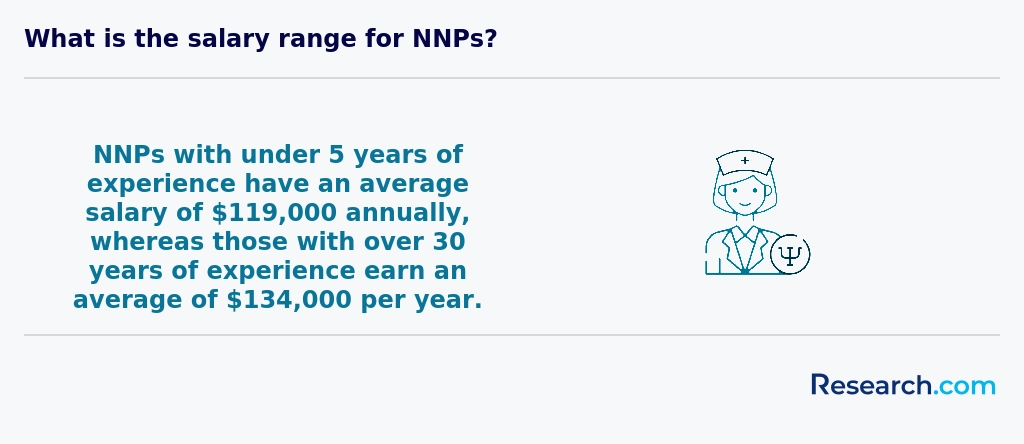
Graduates interested in specialized nursing roles can elevate their careers by pursuing Advanced Practice Registered Nurse (APRN) certifications, each with distinct education and examination requirements. To become a Family Nurse Practitioner (FNP), candidates must earn an MSN or DNP from a CCNE- or ACEN-accredited program and pass the ANCC or AANP certification exam. Adult Gerontology Nurse Practitioners (AGNPs) follow a similar path, with focused coursework in adult health and successful completion of the AANP or ANCC adult-gerontology exam. For those drawn to mental health, the Psychiatric Mental Health Nurse Practitioner (PMHNP) track requires graduate-level psychiatric training plus a national board certification. Holistic Nurse Practitioners emphasize integrative care models; graduates should review detailed hnp certification requirements to ensure they meet accrediting body standards and clinical hour benchmarks. Certified Registered Nurse Anesthetists (CRNAs) must complete a Council on Accreditation of Nurse Anesthesia Educational Programs (COA)-accredited doctorate program and pass the National Certification Examination (NCE). Nurse Educators pursue the CNE credential after a master’s degree with a teaching focus and documented teaching experience. Each certification pathway enhances scope of practice, increases autonomy, and often leads to higher salary ranges-CRNAs in Spokane report mean wages above $150,000, while NPs average $110,000–$130,000 annually. Understanding these certification steps early allows students to align their MSN or DNP electives, clinical rotations, and study plans with board requirements, ensuring a seamless transition from graduation to advanced practice.
If you're studying nursing in Spokane, there's plenty of financial help out there to make things easier. Many students at places like Gonzaga University or Spokane Community College tap into federal student aid, especially Pell Grants, which don't have to be paid back and can cover up to $7,395 a year. That's a huge relief when tuition can run from $7,000 to over $20,000 depending on the school.
Local scholarships are also a big help. The Washington State Nurses Foundation awards scholarships ranging from $1,000 to $3,000, and a lot of Spokane nursing students have found these awards super helpful to cover supplies or extra classes.
Loans like the Federal Direct Loan program are popular too, offering low interest and flexible repayment. Some grads who planned to work in underserved areas used the Nursing Education Loan Repayment Program to get part of their loans forgiven just by giving back in communities that need nurses the most.
Work-study gigs and paid internships at Spokane hospitals are another way students earn money while gaining experience. Plus, many healthcare employers in Spokane offer tuition reimbursement, which some grads say made a huge difference in managing expenses without drowning in debt.
To make the most out of your nursing education in Spokane, WA, it is crucial to understand the various nursing degree programs available and how they align with your career goals and financial situation. When exploring options, considering factors such as accreditation, program offerings, curriculum, and clinical experience is vital. For instance, if you're interested in attending a valuable nursing school in Washington, you should look into the specific programs they offer, such as ADN, BSN, MSN, and DNP, and how these programs can lead to different career paths, including roles like Registered Nurse, Nurse Practitioner, and Nurse Educator. Each of these paths requires different levels of education and training, and understanding these requirements can help you make a more informed decision about your nursing education and future career.
If you're thinking about diving into a nursing degree in Spokane, you'll need to check off a few important boxes first. Most programs, like those at Spokane Community College or Whitworth University, want to see that you've finished high school or have a GED. You'll also need to have taken some key science classes-think biology, chemistry, and math-because nursing really leans on those subjects.
Before getting accepted, many students share that they had to nail courses in human anatomy, microbiology, nutrition, and even a bit of psychology. In fact, Spokane nursing schools often expect a GPA around 2.5 to 3.0 in these prerequisite classes to boost your chances.
Some graduates mention how the TEAS test was a game-changer for the application process, so prepping for it definitely pays off. Plus, you'll need up-to-date vaccinations and a clean background check since clinical spots at local hospitals require those.
Thinking about all this might sound like a lot, but breaking it down makes it feel doable-and totally worth it when you picture yourself helping patients soon enough.
Program accreditation and strong NCLEX-RN pass rates are key indicators of a nursing program’s quality and your readiness for licensure. In Spokane, leading nursing schools hold accreditation from the Accreditation Commission for Education in Nursing (ACEN) or the Commission on Collegiate Nursing Education (CCNE), ensuring curricula meet rigorous national standards. Prospective students should confirm accreditation status on each school’s website and review recent NCLEX-RN outcomes: • Gonzaga University: ACEN-accredited, 2023 NCLEX-RN pass rate of 95% • Spokane Community College: CCNE-accredited, 2023 pass rate of 92% • Washington State University Spokane: ACEN-accredited, 2023 pass rate of 94% High pass rates reflect comprehensive preparation in clinical skills, pharmacology, and critical thinking-essential for success on the licensure exam. When evaluating nursing programs, compare these metrics alongside tuition costs and student support services to find the best fit for your goals. For insights on advanced online doctoral pathways with proven accreditation and affordability, explore the Cheapest Online Doctorate in Nursing Degree Programs Ranking in Texas.
When you dive into a nursing degree in Spokane, expect to tackle a solid mix of science and hands-on courses that really prepare you for the real world. Graduates from local universities often mention feeling confident thanks to classes like anatomy and physiology, which help you understand how the body works in amazing detail. Picture yourself in a microbiology lab, learning about germs and diseases that nurses deal with every day-it's intense but super rewarding.
Alongside the science, you'll get plenty of nursing-specific training, like medical-surgical nursing and maternal and child health. Students love the clinical hours at Spokane hospitals where you get to apply what you've learned and make a real difference. Plus, courses in nursing ethics and health policy prepare you to handle tough situations and navigate healthcare rules smoothly.
Many Spokane nursing grads say courses like communication and leadership really boost their confidence, helping them work well with patients and teams. It's a well-rounded program designed to set you up for success right here in your community.

If you're looking into a nursing degree in Spokane, you'll find a solid bunch of specialization choices that fit what's really needed around here. Graduates from popular colleges often mention how the Registered Nurse to BSN paths sharpened their leadership and community health skills, making them feel ready to step up. There's also the Family Nurse Practitioner track, which is huge right now because of the shortage of primary care providers nationwide-perfect if you want to make a real difference for families in Spokane and beyond. Some students love diving into Psychiatric-Mental Health Nursing, tackling mental health head-on as it gains attention locally and nationally.
Other hands-on grads talk about how Geriatric Nursing prepares them for the rising older population in Spokane, while Pediatric and Critical Care Nursing options give you a chance to work with kids or handle intense hospital situations. If you want to explore advanced nursing practice, Spokane nursing program specialization options have you covered with flexible formats to fit any lifestyle.
Picking the best nursing degree in Spokane mostly comes down to what fits your life and goals. Many grads from local colleges find that starting with an ADN program is a smart move-it's shorter and gets you working as an RN quickly. But if you're aiming for more opportunities and a higher salary, going for a BSN at one of Spokane's universities gives you that edge. A lot of students love how the BSN programs offer deeper clinical experience and open doors to leadership roles later on.
When choosing, don't forget to check if the program is accredited-graduates from accredited schools feel confident knowing they're fully prepared for the NCLEX-RN exam and employers respect that. Spokane's community colleges offer some great, affordable nursing degrees Spokane, which is a big plus if budget matters. Plus, many programs blend online and on-campus classes, so you can find your groove even if you're working.
If you want to explore even more options, check out online nursing programs that might fit your schedule better and still keep you on track toward nursing success.

If you're diving into nursing degrees in Spokane, you'll find plenty of career paths waiting for you once you graduate. Most grads from local colleges jump right into Registered Nurse roles, working in hospitals or clinics around town. Spokane's healthcare scene is buzzing, so nurses with an ADN or BSN degree have good chances of landing solid jobs. Many alumni from Spokane's top nursing programs share how rewarding it is to work hands-on with patients, especially at places like Providence Sacred Heart Medical Center.
For those looking to level up, advanced roles like Nurse Practitioner or Clinical Nurse Specialist are also popular. These jobs need higher degrees, like an MSN, but they come with more responsibility and better pay. Some grads even go on to become nurse anesthetists or educators, helping train the next generation of nurses. The variety really shows how diverse healthcare job paths for nursing graduates Spokane really offers.
Worried about tuition? Many students find smart ways to manage costs, including choosing affordable programs or scholarships. If you want more options to explore, check out affordable nursing degrees riverside to see what other paths might fit your plans.
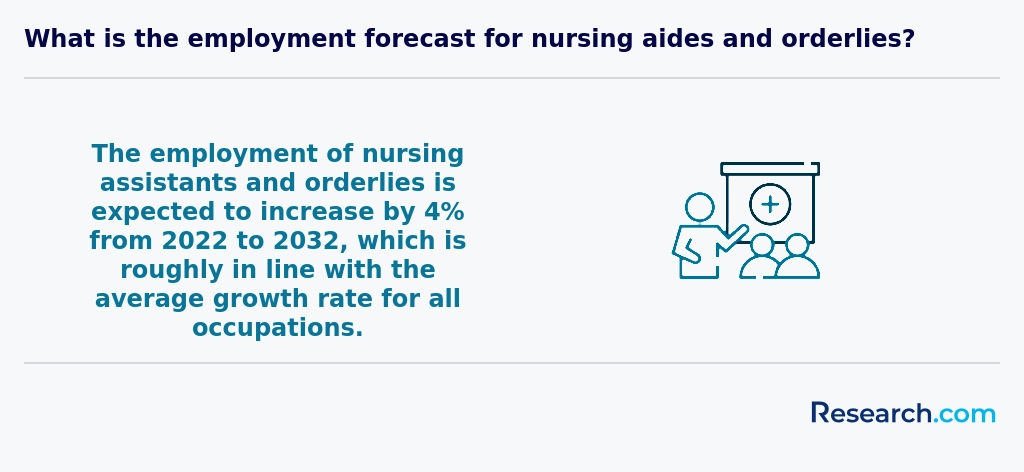
The nursing job opportunities in Spokane are looking pretty solid right now. Graduates from popular local schools often land roles quickly, thanks to the city's bustling healthcare scene with hospitals like Providence Sacred Heart Medical Center and MultiCare Deaconess Hospital hiring regularly. Many who've completed their nursing degree here share how hands-on clinical experience during their studies helped them feel ready and confident to jump into nursing roles, whether in hospitals or outpatient clinics.
The Spokane nursing degree employment outlook is bright, with a projected 15% growth in healthcare jobs over the next decade. That means more chances for new nurses to find work and even explore specialized positions, like nurse practitioners or educators, especially if they pursued a BSN or higher.
If you're worried about costs, plenty of students at Spokane's nursing programs find ways to manage through scholarships and grants. Checking out a valuable nursing school in Washington here can make the whole path feel totally doable. Plus, Spokane's lower cost of living means your nursing wage stretches further.
2027 Most Valuable Nursing Degree Programs Ranking in Spokane
Investing in your education is a significant decision that can shape your future, and the Research.com team understands the importance of making informed choices. To assist prospective nursing students in Spokane, we have meticulously crafted the "2027 Most Valuable Nursing Degree Programs Ranking in Spokane." Our commitment to quality, credibility, and accuracy is reflected in the extensive research and analysis conducted to compile this ranking.
We utilized the following reputable data sources to ensure a comprehensive evaluation of nursing programs:
By exploring this ranking, readers will gain valuable insights into the most valuable nursing degree programs available in Spokane, enabling them to make confident and informed decisions about their educational and career goals. For more details on our methodology, please visit our Research.com methodology page.

Frequently Asked Questions About nursing
Nursing degree students in Spokane can maximize their learning experience by actively engaging in clinical placements offered through local hospitals such as Providence Sacred Heart Medical Center and MultiCare Deaconess Hospital. These partnerships provide valuable hands-on training essential to developing practical skills.
Students are also encouraged to participate in study groups and nursing organizations like the Washington State Nursing Association to build professional networks and access continuing education resources.
Access to Spokane Community College and Eastern Washington University's nursing programs ensures diverse curriculum options, including simulation labs that enhance clinical decision-making.
According to the Washington center for nursing, Spokane's RN employment growth is projected at 12% through 2028, highlighting the importance of strong foundational training.
The nursing field is rapidly evolving, with emerging niches offering specialized career opportunities. In Spokane, areas such as telehealth nursing are expanding due to increased demand for remote patient care, especially following the COVID-19 pandemic. According to the Washington Center for Nursing, telehealth roles have grown by over 20% statewide since 2021. Another fast-growing niche is geriatric nursing, driven by the aging population in Spokane County, which is expected to increase by 15% by 2030. Additionally, nurse informatics combines healthcare and technology to improve patient outcomes and is increasingly sought after in local hospitals and clinics.
After completing a nursing degree in Spokane, graduates should focus on obtaining licensure by passing the NCLEX-RN exam, required to practice as a registered nurse in Washington state. The Washington State Nursing Care Quality Assurance Commission oversees licensure and renewals, ensuring adherence to professional standards.
Gaining clinical experience through internships or externships at local healthcare facilities like Providence Sacred Heart Medical Center can enhance employability. Networking with Spokane nursing associations and attending job fairs helps connect graduates with potential employers.
According to the Bureau of Labor Statistics, the Spokane metropolitan area projects a 15% growth in registered nursing jobs through 2031, indicating strong demand.
Employers in Spokane highly value nursing degree graduates who demonstrate strong clinical skills and critical thinking. According to the Washington State Department of Health, proficiency in patient assessment and care planning is essential for new nurses entering local hospitals.
In addition to technical abilities, effective communication is crucial. Nurses must clearly interact with patients, families, and healthcare teams to ensure safety and quality care, a skill underscored by Spokane's major healthcare employers like Providence and MultiCare.
Adaptability and stress management are also frequently cited. Given the fast-paced environment of Spokane's healthcare system, graduates who can maintain composure and multitask perform better on the job.
Finally, cultural competence is increasingly important, as Spokane's diverse population requires sensitivity to various backgrounds and needs.
Finding nursing internships in Spokane involves leveraging local healthcare facilities and educational institutions. Many nursing programs in Spokane, such as those at Spokane Community College or Whitworth University, assist students by providing placements in hospitals and clinics. Facilities like Providence Sacred Heart Medical Center and MultiCare Deaconess Hospital are prominent local partners offering clinical internships.
Students should contact their nursing program's clinical coordinator early to explore available options. Additionally, local job boards and the Washington State Nursing Care Quality Assurance Commission website list internship opportunities. Networking through professional organizations like the Spokane Nurses Association can further increase access to hands-on experience.
According to the Washington Center for Nursing, Spokane's healthcare sector is expanding, which increases demand for nursing interns and new graduates.
Obtaining a nursing degree in Spokane significantly enhances career mobility and advancement opportunities within the healthcare sector. According to the Washington State Employment Security Department, registered nurses (RNs) in Spokane experience steady job growth, with a projected 9% increase through 2030. A nursing degree, such as an ADN or BSN, qualifies graduates for licensure as RNs, a requirement for most clinical positions.
Higher educational credentials often lead to leadership roles, specialized nursing fields, and increased salary potential. For example, a BSN graduate can pursue management roles or advanced practice opportunities, which are in demand locally due to Spokane's expanding healthcare infrastructure. Continuing education also meets licensing renewal requirements, further supporting professional development.
Studying for a nursing degree in Spokane equips students with essential skills for interdisciplinary healthcare roles. Nursing programs in the area emphasize collaboration with diverse medical professionals, including doctors, therapists, and social workers. This approach reflects the integrated care model widely adopted in Washington State hospitals.
Local institutions, such as Eastern Washington University, incorporate interprofessional education (IPE) activities where nursing students work alongside peers from allied health fields. According to the Washington Center for Nursing, graduates with interdisciplinary experience are in high demand, improving patient outcomes.
Furthermore, Spokane's healthcare system promotes teamwork through clinical rotations in varied settings, enhancing critical communication and problem-solving skills required in team-based care.
When deciding between a thesis and a non-thesis nursing degree program in Spokane, consider your career goals and learning preferences. A thesis program typically involves conducting original research, which prepares students for roles in academia, clinical research, or advanced practice nursing. This option suits those interested in pursuing a PhD or a research-intensive career.
In contrast, non-thesis programs focus more on practical skills and clinical application, ideal for students aiming to enter or advance in professional nursing roles swiftly. Spokane institutions like Eastern Washington University highlight both paths depending on the student's future plans.
Data from the Washington Center for Nursing indicates higher employment rates for graduates with practical experience, favoring non-thesis routes in local healthcare settings.
Students in Spokane interested in studying nursing abroad often explore options through exchange programs or partnerships offered by local nursing schools. Eastern Washington University, a leading institution in Spokane, has cooperative agreements with several international universities that allow nursing students to gain clinical experience overseas.
Many programs focus on countries with robust healthcare systems to enhance clinical skills and cultural competence. For example, students may spend a semester or summer studying in countries like Canada or the United Kingdom, known for their nursing education standards.
According to the Washington Center for Nursing, about 15% of nursing students statewide participate in some form of international study or clinical practice, which helps them develop a global perspective crucial for modern healthcare.
Financial aid and scholarships specifically supporting study abroad in nursing are available but competitive, so early planning is essential. Collaborating with academic advisors in Spokane ensures the credits and clinical hours will transfer appropriately back to the U.S. degree program.
Part-time job opportunities in Spokane that complement nursing degree education often involve healthcare settings where students can apply theoretical knowledge in practical environments. Positions such as Certified Nursing Assistant (CNA), medical scribe, or patient care technician provide hands-on experience with patient care.
According to Spokane Workforce Council data from 2023, CNAs earn an average hourly wage of $15 to $18, making this a viable option for nursing students seeking relevant work. Additionally, roles in local clinics and hospitals like Providence Sacred Heart Medical Center can offer flexible schedules suited to academic commitments.
Working as a home health aide or in non-clinical roles such as medical reception can further enhance communication and organizational skills, which are critical in nursing careers. These part-time jobs help students balance study with real-world experience, improving employability after graduation.
Nursing students in Spokane benefit from multiple networking opportunities that connect them with healthcare professionals and peers. Spokane is home to several accredited nursing programs, such as those at Eastern Washington University and Gonzaga University. These institutions often host career fairs and alumni events, providing direct access to local hospitals like Sacred Heart Medical Center and Providence Holy Family Hospital.
The Spokane Nurses Association also offers meetings and workshops, fostering professional relationships and mentoring. Additionally, students can engage with the Washington State Nurses Association, which supports statewide networking and advocacy.
Clinical placements commonly occur in diverse healthcare settings, expanding students' professional contact networks before graduation.
Alumni networks provide valuable support for nursing degree students in Spokane by connecting them with experienced professionals who understand the local healthcare environment. These networks often offer mentorship opportunities, guiding students through clinical challenges and career decisions. According to Washington State Nurses Association, Spokane has a strong nursing community where alumni groups help new graduates find job placements in hospitals such as Sacred Heart and MultiCare Deaconess.
Networking events organized by alumni can lead to insights about emerging trends and continuing education options specific to Spokane's healthcare needs. Additionally, students benefit from referrals and recommendations that improve their chances of employment in this competitive field.
Customizing a nursing degree program in Spokane involves selecting specific courses, clinical experiences, and specializations that align with your career goals. Many Spokane institutions offer flexible options, including part-time schedules and online coursework, to accommodate working students. You can focus on areas like pediatrics, geriatrics, or psychiatric nursing, enhancing your expertise in a chosen field.
The local healthcare demand, as reported by the Washington Center for Nursing, emphasizes specialties such as community health and chronic care management, which can guide your elective choices. Participating in internships within Spokane's major hospitals provides practical experience tailored to your interests.
Ultimately, advising services help craft a personalized academic plan, ensuring your education matches your professional aspirations in nursing.
Nursing students in Spokane often face challenges related to rigorous academic demands and clinical requirements. Programs typically require balancing heavy coursework in subjects like anatomy, pharmacology, and patient care with hands-on clinical rotations. This workload can lead to high stress and time-management difficulties.
Financial concerns also affect many students, as tuition and living costs in Spokane can be significant. According to Spokane Community College's nursing department, many students seek scholarships or part-time work to manage expenses.
Additionally, limited clinical placement spots in local hospitals sometimes delay progress, increasing competition among students. Navigating licensure exams such as the NCLEX-RN after graduation remains a critical hurdle, requiring thorough preparation.
With a nursing degree in Spokane, graduates can pursue several professional certifications to enhance their careers. Common certifications include the Registered Nurse (RN) license, required for all practicing nurses in Washington state, verified through the Washington State Nursing Care Quality Assurance Commission. Advanced certifications like the Certified Nurse Practitioner (CNP) and Certified Clinical Nurse Specialist (CNS) allow deeper specialization in fields such as family health and acute care.
Additionally, certifications like the Certified Emergency Nurse (CEN) and Critical Care Registered Nurse (CCRN) are valuable for emergency and intensive care work. The American Nurses Credentialing Center (ANCC) provides these credentials, recognized nationwide.
According to the Bureau of Labor Statistics, Spokane's healthcare sector is growing steadily, increasing demand for certified nursing professionals. Pursuing these certifications can improve job prospects and earning potential in the local market.
Writing a winning application for a nursing program in Spokane requires careful preparation and attention to local criteria. Most nursing programs in Spokane, such as those at Spokane Community College and Eastern Washington University, emphasize strong academic records, especially in science and math courses. Maintaining a GPA of 3.0 or higher improves your chances, as competitive programs often prioritize applicants with solid scholastic achievements.
Including relevant healthcare experience, such as volunteering or working as a CNA, strengthens your application by demonstrating practical knowledge. Personalized and well-crafted personal statements are essential; clearly explain your motivation and commitment to nursing, referencing Spokane's healthcare environment where possible. Lastly, adhere strictly to application deadlines, typically ranging from January to April, to ensure full consideration by admissions committees.
The nursing profession is recognized worldwide as a vital component of healthcare systems. In the United States, including Spokane, nursing offers a stable career with a projected growth rate of 6% from 2021 to 2031, according to the U.S. Bureau of Labor Statistics. This demand is driven by an aging population and expanded healthcare access. Globally, nurses often adapt to diverse cultural and medical environments, requiring strong communication skills and flexibility. Spokane's nursing programs prepare students for these challenges by emphasizing both clinical skills and cultural competency. This global outlook enhances job mobility and opportunities for nurses trained in Spokane, promoting a versatile and resilient career path.
Gaining practical experience while studying for a nursing degree in Spokane is essential for building clinical skills and confidence. Most nursing programs in the area, such as those at Spokane Community College and Eastern Washington University, incorporate clinical rotations starting early in the curriculum. These placements occur in local hospitals, clinics, and long-term care facilities, often coordinated through partnerships with healthcare providers like Sacred Heart Medical Center and MultiCare Valley Hospital.
Additionally, students can seek paid or volunteer opportunities as nursing assistants or patient care technicians to gain hands-on experience outside the classroom. According to the Washington State Nursing Care Quality Assurance Commission, clinical hours are mandatory to qualify for the NCLEX exam, ensuring students meet state requirements.
Participation in simulation labs is another way Spokane nursing students practice skills in a controlled environment, helping bridge theory and real-world care. This combination of clinical rotations, simulation, and practical employment equips students effectively for their nursing careers.
Choosing the right concentration within a nursing degree program in Spokane depends on your career goals, interests, and the local healthcare landscape. Spokane offers concentrations such as Family Nursing, Psychiatric Nursing, and Acute Care, reflecting the needs of its diverse population.
According to the Washington Center for Nursing, demand for geriatric and mental health nurses in Spokane is growing due to the region's aging population and increased behavioral health awareness. Consider programs that offer clinical placements in local hospitals like Sacred Heart Medical Center, which can enhance job prospects.
Research program curriculum, certification options, and alignment with state licensure requirements to ensure your chosen concentration suits your long-term plans.
- 2027 Most Valuable Nursing Degree Programs Ranking in Portland
- 2027 Most Valuable Nursing Degree Programs Ranking in San Francisco
- 2027 Most Valuable Nursing Degree Programs Ranking in Las Vegas
- 2027 Most Valuable Nursing Degree Programs Ranking in Denver
- 2027 Most Valuable Nursing Degree Programs Ranking in Colorado Springs
- 2027 Most Valuable Nursing Degree Programs Ranking in Los Angeles
- 2027 Most Valuable Nursing Degree Programs Ranking in Phoenix
- 2027 Most Valuable Nursing Degree Programs Ranking in Tempe
- 2027 Most Valuable Nursing Degree Programs Ranking in San Diego
- 2027 Most Valuable Nursing Degree Programs Ranking in Sioux City
See What Experts Have To Say About Studying Nursing
Read our interview with Nursing experts

Lisa Grubb
Nursing Expert
Assistant Professor
Johns Hopkins School of Nursing

- Pros And Cons Of Online Nursing In 2025 | Davis & Elkins https://www.dewv.edu/the-pros-and-cons-of-online-nusing-in-2025-is-it-right-for-you/
- How to Choose the Right Nursing School for Your Career Goals | Archer Review https://www.archerreview.com/blog/how-to-choose-the-right-nursing-school-for-your-career-goals
- Scholarships & Financial Aid https://www.aacnnursing.org/students/scholarships-financial-aid
- From our readers…Strengthening nursing networks https://www.myamericannurse.com/from-our-readersstrengthening-nursing-networks/
- Nursing - SUM Admission https://admission.sum.edu.pl/nursing/
- How to Choose the Right Nursing Program for Your Career Goals - Maria College https://mariacollege.edu/blog/how-to-choose-the-right-nursing-program-for-your-career-goals
- Types of Nursing Degrees-Which One Is Yours? https://www.allnursingschools.com/how-to-get-into-nursing-school/degree-options/
- | NRR | Dove Medical Press https://www.dovepress.com/internship-challenges-encountered-by-nursing-students-a-qualitative-st-peer-reviewed-fulltext-article-NRR
- School of Nursing Alumni Resources https://nursing.utmb.edu/About/Alumni
- THE FIELD OF NURSING - FIRST-DEGREE OF STUDIES https://wnoz.wum.edu.pl/pl/content/field-nursing-first-degree-studies