
2027 Most Affordable Nursing Degree Programs Ranking in Villanova

Co-Founder and Chief Data Scientist
Exploring nursing degree programs in Villanova can feel overwhelming, but choosing an affordable option is key to a successful start. This article introduces the 2027 Most Affordable Nursing Degree Programs Ranking in Villanova, developed by the Research.com team of data scientists. It's designed to help you make an informed decision about which programs truly offer value and quality education.
Whether you're just beginning your journey or seeking to advance your career, earning a nursing degree opens doors to rewarding opportunities. Discovering affordable programs means less financial stress and more focus on your passion for healthcare. Let this ranking guide you towards a path worth pursuing with confidence.
Key benefits of getting nursing degree in Villanova
- Nursing degree graduates in Villanova can expect competitive salaries, such as $94,480 per year for Registered Nurses and Public Health Nurses, with Operating Room Nurses earning up to $128,490 annually.
- Career paths are diverse, ranging from clinical nursing roles to specialized educators, offering flexibility and growth opportunities, as seen in graduates from Villanova University's nursing programs.
- Online nursing degrees provide convenient scheduling and access, allowing graduates to balance work and study effectively while achieving the same respected credentials as traditional programs.
- 2027 Most Affordable Nursing Degree Programs Ranking in Villanova
- What can I expect from nursing degree in Villanova?
- Where can I work with nursing degree in Villanova?
What can I expect from nursing degree in Villanova?
The average cost of pursuing a nursing degree in Villanova varies, but students attending well-known programs like the College of Nursing at Villanova University often find it a worthwhile investment in their future. Tuition and fees for a Bachelor of Science in Nursing (BSN) typically range from $50,000 to $60,000 per year, depending on course load and residency status. Graduates frequently recall how the rigorous curriculum and hands-on clinical experiences made every dollar spent feel valuable. Many describe their clinical placements in local hospitals as transformative, where theory met real-life care and fueled their passion for nursing.
For those choosing accelerated or graduate programs, costs may differ but remain competitive given the quality and flexibility offered. Scholarships and financial aid frequently supplement expenses, helping dedicated students turn dreams into reality. This financial commitment brings the pride and motivation of joining a growing healthcare community in Villanova, where every moment invested in education leads to meaningful, life-saving work.
Where can I work with nursing degree in Villanova?
Graduates from nursing programs at Villanova University and nearby colleges step into a world filled with rewarding career opportunities. Many find themselves working in the bustling hospitals of the greater Philadelphia area, where every shift brings new challenges and the chance to make a real difference in patients' lives. Imagine starting your day in an emergency room, swiftly responding to urgent cases alongside skilled professionals, or being part of a maternity ward welcoming new life-these roles are common for Villanova-trained nurses.
Others pursue fulfilling careers in outpatient clinics or physician's offices, building meaningful relationships with patients through ongoing care. Long-term care facilities and rehabilitation centers also welcome graduates, where compassionate nursing supports elderly populations every day.
Many alumni share how in-home care positions offer a unique connection with patients, helping them recover comfortably in familiar surroundings. With such a strong healthcare network nearby, Villanova nursing students graduate knowing their skills are in high demand and their futures bright.
Graduates with nursing degrees from Villanova-area institutions often step into rewarding careers with impressive earning potential. For example, registered nurses typically earn a mean annual salary of about $94,480, reflecting both the solid training and strong healthcare demand in the Philadelphia region. Whether working in hospitals or outpatient centers, these wages offer real financial stability.
Many graduates quickly realize the value of advancing their skills. Clinical Nurse Educators and Public Health Nurses share a similar salary range, also averaging $94,480 per year, showing the diverse opportunities open to motivated Villanova nurses. Those pursuing specialized roles, such as Operating Room Nurses, can see even higher earnings, with average salaries reaching $128,490 annually, which can transform both lifestyle and career satisfaction.
Villanova nursing students often share stories of fulfilling work alongside steady income growth. Their dedication to mastering clinical skills pays off handsomely, as local employers recognize and reward the expertise nurtured by well-regarded nursing programs in the area. This encouraging picture makes nursing degrees in Villanova a powerful investment in one's future.
- Nursing tuition in Villanova ranges from $30,000 to $45,000 for a bachelor's degree, with private schools generally charging more.
- The average starting salary for registered nurses in Villanova is about $68,000 per year.
- Experienced nurses in the region typically earn between $75,000 and $90,000 annually, depending on their specialty and workplace.
- Nursing job growth in Villanova is expected to increase by 15% over the next ten years, higher than the national average.
- Nursing programs combine classroom learning with clinical practice through partnerships with local healthcare providers.
- Graduates must pass the NCLEX-RN exam and attend accredited, state-approved programs to become licensed registered nurses in Pennsylvania.
Completing a nursing degree in Villanova is an exciting journey that varies depending on your educational path and goals. At institutions like Villanova University, traditional Bachelor of Science in Nursing (BSN) programs usually take about four years of dedicated full-time study. Imagine yourself immersed in both engaging lectures and hands-on clinical experiences, growing more confident each day as you prepare to make a real difference in healthcare.
For those ready to accelerate their careers, the accelerated BSN programs offer a thrilling challenge-typically completed within 12 to 18 months. Many graduates share how this fast-paced route kept them motivated and focused, turning intense study periods into rewarding wins with each milestone. It's like sprinting toward your dream nursing career with unwavering energy.
Practicing nurses often embrace the RN to BSN programs, balancing work and study over about 1 to 2 years part-time. This flexibility lets you build new skills while continuing to care for patients, blending professional growth with personal fulfillment. Many find this balance empowering, making the path to advancement both achievable and deeply satisfying in Villanova's supportive learning community.
Before beginning clinical practice, nursing graduates in Villanova must obtain licensure through the Pennsylvania State Board of Nursing by passing the NCLEX-RN exam. The process typically involves: 1. Application and Eligibility • Submit official transcripts and a licensure application to the Pennsylvania State Board of Nursing. • Complete a criminal background check and fingerprinting as required by state regulations. 2. NCLEX-RN Examination • Register with Pearson VUE, pay the exam fee, and schedule your test. • NCLEX-RN passing rates are a strong indicator of program quality; Villanova’s top programs boast above–90% first-time pass rates. 3. License Activation and Renewal • Upon passing the NCLEX-RN, apply for active status on the Pennsylvania Nurse Registry. • Renew your license every two years, completing at least 30 contact hours of continuing education per renewal cycle. 4. Advanced Certifications and Specialties • After initial licensure, pursue certifications in areas like critical care (CCRN) or pediatrics (CPN) through organizations such as the American Nurses Credentialing Center (ANCC). • Specialty certifications often require a minimum number of clinical practice hours and passing a national exam. For those exploring entry-level licensure pathways such as Licensed Vocational Nurse (LVN) programs, understanding investment costs is crucial; you can learn more about how much does lvn program cost and choose the most budget-friendly option.
Nursing students at Villanova University share inspiring stories of how their paths differ yet both lead to success. Online programs offer incredible flexibility, allowing busy students to balance family life or work while pursuing their passion. Imagine accessing dynamic video lectures and virtual simulations from the comfort of home, then gaining hands-on experience by completing clinical hours at nearby approved healthcare sites.
On-campus programs, however, immerse students in lively classrooms and labs where direct interaction with faculty and peers sparks confidence and deepens communication skills vital for nursing careers. Students feel empowered as they practice skills side-by-side with classmates, building strong professional connections right on campus in Villanova.
Both paths emphasize accredited, high-quality education meeting Pennsylvania's standards, ensuring graduates feel prepared and proud. Whether embracing the digital world or thriving in a traditional setting, nurses from Villanova's programs triumph with knowledge, heart, and unwavering dedication to healing their communities.
Financing a nursing degree extends beyond tuition waivers. Graduates in Villanova, PA, can reduce debt through federal and state programs as well as employer-sponsored reimbursement.
- Public Service Loan Forgiveness (PSLF): Forgives remaining federal loans after 120 qualifying payments in public or nonprofit sectors.
- Nurse Corps Loan Repayment Program: Covers up to 85% of qualifying nursing education debt in exchange for service in high-need areas.
- Hospital Tuition Reimbursement: Many local health systems offer tuition reimbursement for employees who commit to work post-graduation.
For additional program recommendations, explore our guide to best nursing programs in florida.
The average cost of a nursing degree in Villanova is an important consideration for many aspiring nurses. The median total cost to complete a nursing program here typically reaches about $86,180, reflecting the high-quality education offered by prestigious institutions such as Villanova University. In-state students often experience slightly lower expenses, with a median around $67,776, making the pursuit of a nursing career both achievable and worthwhile.
Graduates from these programs often recall the rewarding journey despite the investment, emphasizing the value of the comprehensive education and clinical experiences they gained. Many students appreciate that their commitment opens doors to diverse healthcare opportunities, enabling them to make a meaningful impact. For those seeking affordable nursing programs Villanova tuition fees are balanced by available financial aid and scholarships, which can ease the financial burden identified by past students.
Beyond tuition, it's helpful to remember that nursing requires essential costs such as textbooks, uniforms, and clinical supplies, contributing to the total expense but also building practical skills for future roles. Some locally popular nursing programs complement classroom learning with experiential opportunities that inspire confidence and professionalism in graduates.
For learners exploring flexible pathways, looking into nurse practitioner programs online career services can provide alternative options that may better suit personal circumstances while still delivering quality education.

When evaluating nursing programs in Villanova, PA, it's essential to consider several factors, including cost, accreditation, and available specializations. Prospective students can research and compare different programs to find the best fit for their educational and financial goals. For instance, those interested in exploring affordable options can visit most affordable nursing schools in pennsylvania to get a comprehensive overview of affordable nursing degree programs in the area. Additionally, factors like program reputation, clinical training opportunities, and faculty qualifications should also be taken into account to ensure that the chosen program provides a well-rounded education and prepares students for successful careers in nursing.
Nursing students in Villanova have access to a variety of financial aid options that make pursuing their dreams more attainable. At Villanova University, a private institution with tuition around $58,000 annually, many graduates have found relief through federal aid by applying for FAFSA. This opens doors to Federal Pell Grants, which don't need to be paid back, as well as subsidized loans offering lower interest rates, easing financial stress while focusing on studies. Federal Work-Study programs provide meaningful campus jobs, helping students gain work experience and income simultaneously.
State support through the Pennsylvania Higher Education Assistance Agency also plays a crucial role. Many nursing students benefit from PA State Grants, which directly reduce tuition costs. Additionally, merit-based scholarships at Villanova recognize leadership and community service, rewarding students dedicated to healthcare with funds that lighten the financial load.
Local organizations, such as the National Student Nurses' Association, proudly support aspiring nurses with scholarships, while generous healthcare systems in the Philadelphia metro area often extend financial aid to those training nearby. Graduates regularly share how these combined resources have not only made nursing school possible but motivated them to succeed.
Moreover, loan forgiveness programs like Public Service Loan Forgiveness inspire many by offering debt relief after a decade of service in nonprofit healthcare, turning the journey into an empowering investment in both career and community.
Passing the NCLEX-RN is the final hurdle to becoming a licensed nurse in Pennsylvania, and understanding state requirements and program-level pass rates is critical when choosing a school in Villanova, PA. The Pennsylvania State Board of Nursing mandates that graduates hold valid RN licenses to practice, requiring successful completion of the NCLEX-RN exam within three years of graduation. Typical NCLEX-RN first-time pass rates for Villanova-area programs range from 88% to 95%, signaling strong preparation through rigorous curricula and targeted review workshops. To maximize your chances of success: • Review each school’s published NCLEX pass data-high rates often reflect dedicated faculty support and structured exam prep. • Enroll in programs offering integrated test-prep courses, simulation labs, and practice questions aligned with the National Council’s Test Plan. • Verify that your college maintains active accreditation with the Commission on Collegiate Nursing Education (CCNE) or the Accreditation Commission for Education in Nursing (ACEN), as only graduates from accredited programs are eligible for licensure. For regional benchmarks and to compare affordability alongside licensure outcomes, see the Affordable Nursing Degree Programs Ranking in Washington, which highlights NCLEX pass statistics and cost factors across state lines.
To enroll in a nursing degree program in Villanova, passionate students must meet a set of clear and attainable prerequisites that open the door to a rewarding future. Graduates from Villanova University often share how their solid foundation in high school biology, chemistry, and anatomy prepared them well to excel in nursing classes.
Strong skills in math and English are equally essential, as these empower students to communicate effectively and think critically-qualities vital in every nursing role. Many applicants thrive by maintaining a GPA around 3.0 or higher, showcasing their dedication and readiness for this challenging field.
Villanova's nursing schools frequently require standardized test scores like the SAT or ACT, helping students demonstrate their college preparedness. Some students find that completing prerequisite college courses such as human anatomy, microbiology, and psychology strengthens their confidence and knowledge before starting the program.
Hands-on healthcare experience, like volunteering or internships at local hospitals, also plays a powerful role. It not only enriches applications but instills a deep sense of purpose and connection with the nursing profession right from the start.
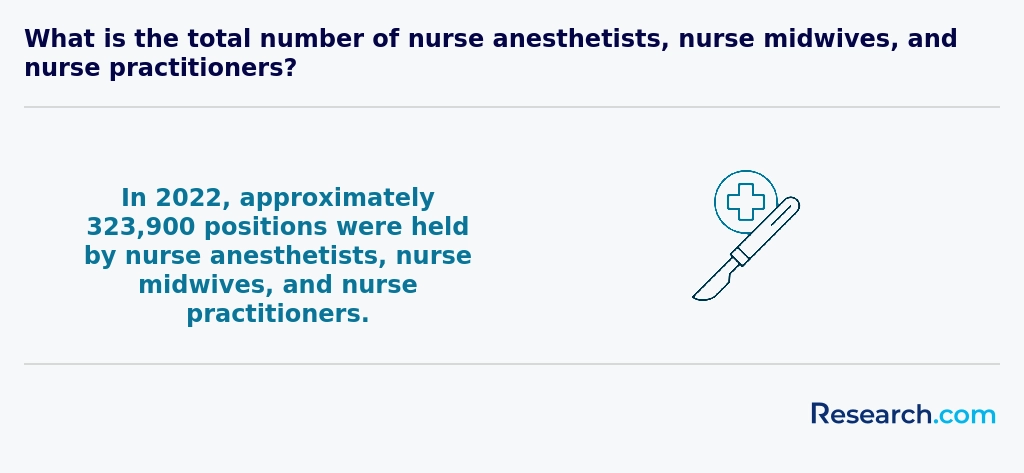
Accreditation ensures that nursing programs in Villanova, PA meet rigorous educational standards and prepare students effectively for licensure exams like the NCLEX-RN. All top‐ranked schools in our report are accredited by the Commission on Collegiate Nursing Education (CCNE) or the Accreditation Commission for Education in Nursing (ACEN), meaning graduates are eligible to sit for the NCLEX-RN and have credentials recognized nationwide. Recent data show that Villanova University’s BSN graduates achieved a 95% NCLEX pass rate in 2023, while Eastern University reported a 92% pass rate-both exceeding the national average of 88%. ACEN-accredited associate degree programs in the region report pass rates between 85% and 90%, reflecting strong curriculum alignment with test competencies. Students often ask how to improve their NCLEX outcomes. Schools with dedicated exam‐prep courses, simulation labs and faculty‐led review sessions tend to yield higher pass rates. Prospective students should verify that clinical rotation sites provide hands-on experiences in acute care, long-term care and community settings, as real-world practice underpins exam success. For those exploring alternative entry points into nursing, researching lpn online programs can offer additional insights into accreditation standards, foundational coursework and NCLEX-PN readiness. Ultimately, choosing an accredited program with transparent NCLEX metrics and robust support services is critical for launching a successful nursing career.
Nursing degrees in Villanova offer a vibrant mix of courses that inspire and equip students to excel in healthcare. Students at Villanova University and nearby colleges dive deeply into Human Anatomy and Physiology, gaining a clear understanding of how the body functions through engaging labs and interactive learning. Many graduates recall how studying Microbiology opened their eyes to the invisible world of germs that impact patient health daily.
Courses like Pharmacology and Health Assessment empower students to confidently handle medications and perform thorough patient evaluations, skills essential in bustling hospital wings or community clinics. Pathophysiology vividly connects textbook knowledge to real patient stories, helping students grasp how diseases unfold and affect lives.
Nutrition and Mental Health Nursing enrich their ability to offer holistic care, addressing not just physical but emotional wellbeing. Community Health Nursing introduces students to outreach efforts, preparing them to act as compassionate healthcare advocates in diverse neighborhoods around Villanova. These courses come alive through hands-on clinical experiences, where students witness the rewarding impact of their learning every day.

Nursing degree specializations in Villanova provide students with empowering paths to transform their passion for care into meaningful careers. Graduates from well-known institutions in Villanova often share inspiring stories of how the Adult-Gerontology Acute Care Nursing specialization prepared them to handle complex hospital cases with confidence, working in intensive care units where every moment counts. This focus on real-world skills and compassionate care fuels a deep sense of purpose.
Other Villanova nursing program focus areas include Pediatric Nursing, where students gain hands-on experience managing the unique challenges of children's health in vibrant clinical settings. Many find immense joy in helping young patients and their families through challenging times, feeling their impact firsthand.
Specializations like Psychiatric-Mental Health Nursing and Family Nurse Practitioner (FNP) track expand opportunities to serve communities in need. Villanova graduates often pursue advanced roles offering holistic, long-term support. Students can also explore enriching options in Nursing Education or Healthcare Leadership, equipping them to inspire future nurses and lead with vision.
For those curious about advanced roles, Villanova nursing degrees sometimes intersect with nurse practitioner degrees delaware curriculum, opening further doors to impactful careers.
Choosing the best nursing degree in Villanova means focusing on programs that fit your lifestyle and goals. Graduates from Villanova University and nearby colleges often highlight how selecting a nursing degree with flexible schedules and strong clinical partnerships gave them confidence and real-world skills. Whether you prefer an Associate Degree in Nursing or a Bachelor of Science in Nursing, consider how the curriculum prepares you for Pennsylvania's NCLEX-RN licensing exam and future leadership roles in healthcare.
Many students find success comparing tuition costs and financial aid, especially since private schools like Villanova University can offer scholarships that make education more affordable. Exploring rn to bsn programs accreditation helps ensure your degree is respected nationwide, opening doors for rewarding careers.
Look for programs with high NCLEX-RN pass rates and strong employment outcomes, as these indicate solid preparation and support. Finding affordable nursing degree programs in Villanova that combine quality education and real clinical experience creates a path where your passion can truly thrive.
Best nursing schools for cost in Villanova often provide personal attention and community connections that bring nursing education to life beyond the classroom.
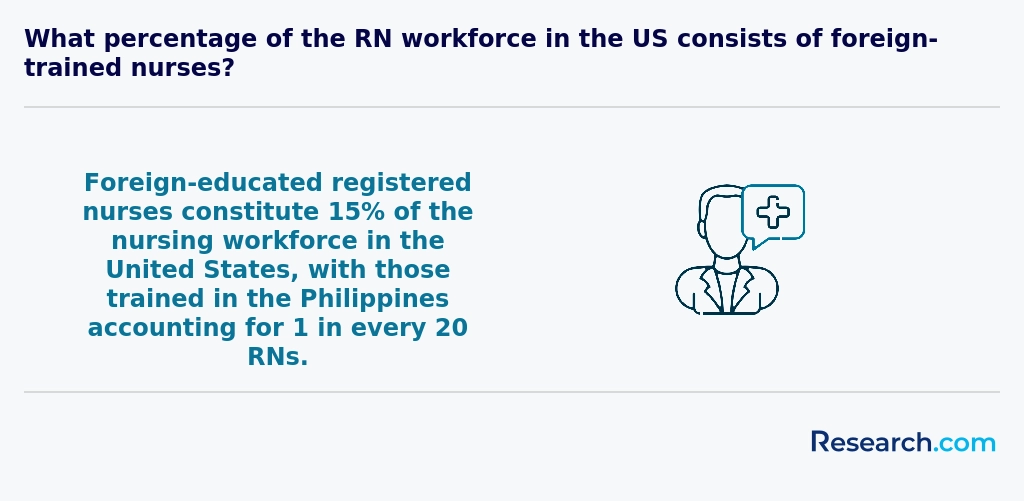
Graduates of a nursing degree in Villanova enjoy a wide range of exciting career paths that make a lasting impact on communities. Many find rewarding roles as registered nurses in renowned local hospitals and clinics, where they provide compassionate care and collaborate closely with healthcare teams. These opportunities reflect the strong nursing career opportunities in Villanova and offer both stability and growth, inspiring graduates to thrive professionally and personally.
For those seeking advanced roles, many Villanova nursing degree job prospects include becoming nurse practitioners or clinical nurse specialists, where autonomy and advanced skills unlock new levels of patient care. Others embrace nursing education, contributing to shaping future nurses at well-known universities and colleges in the area. Fellow graduates often share how teaching enables them to inspire others while staying connected to the evolving nursing field.
Specialties like pediatric nursing, geriatrics, and oncology attract students passionate about focused care. Exploring varied paths is made easier with resources such as online environmental health faculty profiles, empowering learners to find their best match and approach nursing in a way that feels truly meaningful.

The nursing job outlook in Villanova is very promising for graduates from local institutions known for their strong nursing programs. With Villanova University and nearby colleges offering hands-on clinical experiences in reputable healthcare facilities, graduates find themselves well-prepared and sought after in the competitive job market. Employment opportunities for nurses in Villanova benefit greatly from a robust healthcare sector, including the Main Line Health system and numerous specialized clinics, reflecting a growing demand for skilled nursing professionals.
Many nursing graduates describe their transition from education to employment as exciting, fueled by community support and abundant job openings in home health, outpatient services, and advanced nursing roles. The presence of legislative initiatives that enhance the role of advanced practice registered nurses adds further encouragement. If you're exploring career paths within nursing, consider options available in pediatrics; excellent pediatric nursing career advice helps guide students toward this rewarding specialty.
2027 Most Affordable Nursing Degree Programs Ranking in Villanova
Investing in your education is a significant decision that can shape your future, and the Research.com team understands the importance of making informed choices. To assist prospective students in Villanova, we have meticulously crafted the "2027 Most Affordable Nursing Degree Programs Ranking in Villanova." Our commitment to quality, credibility, and accuracy is reflected in the extensive research and analysis conducted to compile this ranking.
We utilized the following reputable data sources to ensure a comprehensive evaluation of nursing programs:
By exploring this ranking, readers will gain valuable insights into the most affordable nursing degree programs available in Villanova, empowering them to make well-informed decisions about their educational investment. For more details on our methodology, please visit our Research.com methodology page.

Frequently Asked Questions About nursing
Nursing degree students in Villanova can maximize their learning experience by actively engaging in both classroom and clinical settings. Participating in hands-on clinical practice is essential, as it allows students to apply theoretical knowledge in real healthcare environments. Villanova's proximity to numerous hospitals in the Philadelphia area offers valuable opportunities for diverse clinical rotations.
Utilizing campus resources such as tutoring centers and study groups enhances understanding of complex nursing concepts. Additionally, seeking mentorship from experienced nursing faculty supports professional growth. According to the Pennsylvania Department of Education, students who combine practical experience with academic study tend to achieve higher NCLEX pass rates and better job placement.
Networking through local nursing associations and attending seminars also expands knowledge and career prospects.
The nursing field is evolving rapidly, with several emerging niches gaining importance. In Villanova and across the U.S., specialties such as geriatric nursing are becoming essential due to the growing aging population. According to the Bureau of Labor Statistics, the need for nurses in elderly care is expected to rise by 24% through 2030.
Another significant niche is telehealth nursing, which expanded dramatically after the COVID-19 pandemic. Nurses skilled in remote patient monitoring and virtual consultations are increasingly sought in healthcare facilities around Villanova.
Additionally, informatics nursing, combining healthcare and IT, is critical as hospitals adopt electronic health records. The American Nurses Association reports strong growth in this area, offering new career opportunities for nursing graduates.
After completing a nursing degree in Villanova, preparing for the job market involves several important steps. First, obtaining licensure by passing the NCLEX-RN exam is essential to practice as a registered nurse in Pennsylvania. According to the Pennsylvania State Board of Nursing, passing rates for Villanova nursing graduates have been consistently strong, helping graduates stand out to employers.
Gaining clinical experience through internships or externships during the degree can significantly improve job prospects. Networking with local healthcare providers and attending career fairs hosted by Villanova's college can also open doors.
Finally, pursuing certifications in specialized areas like pediatric or geriatric nursing can boost employability and salary potential in the competitive Villanova healthcare market.
Employers hiring nursing degree graduates in Villanova prioritize a combination of clinical competence and soft skills. Strong communication abilities are essential, as nurses must effectively interact with patients, families, and healthcare teams. According to the Pennsylvania State Board of Nursing, critical thinking and problem-solving aptitude rank highly due to the complex environments nurses operate in.
Technical proficiency, including knowledge of electronic health records (EHR) systems, is increasingly important given the rise of digital healthcare. Additionally, cultural sensitivity is crucial because Villanova's healthcare settings serve diverse populations.
Time management and adaptability are valued to handle fast-paced, unpredictable situations, as noted by local healthcare employers.
Finding nursing internships in Villanova involves leveraging local healthcare networks and academic resources. Many nursing programs in Villanova maintain partnerships with nearby hospitals and clinics, such as Bryn Mawr Hospital and Main Line Health, known for offering clinical placements. These affiliations provide students practical experience critical for their degrees and future licensure.
Students should start by consulting their nursing school's career services, which often list available internships and facilitate applications. Additionally, the Pennsylvania Action Coalition offers guidance and networking events tailored to nursing students. According to the Pennsylvania Department of Labor, healthcare internships are among the fastest-growing opportunities in the region.
Local job boards and professional nursing associations also share internship openings, making proactive research essential.
A nursing degree significantly enhances career mobility and advancement opportunities in Villanova. According to the U.S. Bureau of Labor Statistics, registered nurses with a bachelor's degree often qualify for higher-paying positions and leadership roles. In Villanova, healthcare facilities increasingly favor nurses with a Bachelor of Science in Nursing (BSN) for specialized and managerial jobs. This trend aligns with the national recommendation by the Institute of Medicine to increase BSN-prepared nurses to 80% by 2030.
Additionally, holding a nursing degree enables easier transition into advanced practice roles, such as nurse practitioners or nurse educators, which are in demand locally. Villanova's proximity to major healthcare systems supports career growth for degreed nurses through internships and continuing education partnerships.
Studying for a nursing degree in Villanova equips students with skills essential for interdisciplinary healthcare roles. Programs emphasize collaborative learning, integrating nursing with allied health fields like social work, pharmacy, and medicine. This approach reflects current U.S. healthcare trends that favor team-based patient care.
Villanova University's M. Louise Fitzpatrick College of Nursing highlights experiential learning through clinical rotations in diverse healthcare settings, encouraging communication across disciplines. According to the National Council of State Boards of Nursing, 70% of employers seek nurses skilled in interdisciplinary teamwork.
Students develop critical thinking, cultural competence, and leadership abilities, preparing them to navigate complex care systems efficiently.
Choosing between a thesis and a non-thesis nursing degree program in Villanova depends largely on your career goals and academic interests. A thesis option typically involves conducting original research, which can be beneficial if you plan to pursue a doctoral degree or a career in nursing education or research. The University of Pennsylvania, nearby, reports that graduates with research experience often have higher chances for academic positions.
Non-thesis programs focus more on clinical practice and coursework, appealing to those seeking immediate advancement in clinical roles or leadership positions. According to the Bureau of Labor Statistics, nurse practitioners in Pennsylvania have a mean annual wage of approximately $105,000, emphasizing practical skills over research.
Consider your long-term plans and whether you prefer hands-on clinical work or scholarly research when making your decision.
Students based in Villanova have several options for studying nursing abroad, primarily through partnerships established by US universities and exchange programs. Many nursing programs encourage participation in study-abroad opportunities in countries like the United Kingdom, Australia, and Canada, where clinical experience can complement theoretical learning.
Villanova University's nursing program, for example, often connects students with global health experiences, although direct full-degree options abroad remain limited. Instead, students typically engage in short-term study or clinical placements abroad.
According to the American Association of Colleges of Nursing, approximately 30% of BSN programs in the US offer some form of international experience, benefiting Villanova students interested in global nursing perspectives.
Students pursuing nursing degrees in Villanova can benefit from various part-time job opportunities that reinforce their academic knowledge and practical skills. Common roles include working as Certified Nursing Assistants (CNAs) or patient care aides in local hospitals and clinics. These positions provide hands-on experience in patient management, which is essential for nursing education.
Additionally, Villanova's proximity to Philadelphia offers opportunities in healthcare settings like nursing homes and rehabilitation centers, where students can apply classroom learning in real-world environments. According to the Pennsylvania Department of Labor, healthcare support roles are projected to grow by 15% through 2028, indicating strong demand.
Other options include medical scribing or pharmacy technician roles, which help develop understanding of medical documentation and pharmacology-key areas in nursing practice. These jobs offer flexible hours suitable for students balancing coursework and practical experience.
Nursing students in Villanova have access to a variety of strong networking opportunities that can enhance their career prospects. Local universities often host events where students connect with healthcare professionals and alumni working in the greater Philadelphia area, a region with over 250 hospitals and healthcare facilities. According to data from the Pennsylvania State Nurses Association, participation in regional conferences and seminars is common among Villanova students. Many nursing programs collaborate with nearby hospitals for clinical placements, providing direct exposure and professional connections. Additionally, student nursing organizations offer workshops and mentorship programs to help build networks before graduation.
Alumni networks play a crucial role in supporting nursing degree students in Villanova by connecting them with experienced professionals and recent graduates. These networks offer mentorship opportunities, which can guide students through clinical placements and job searches. According to the National Student Nurses' Association, 85% of nursing graduates who engage with alumni receive career advice that improves their job prospects.
Many Villanova nursing programs leverage alumni to provide access to exclusive internships and local healthcare job openings. Networking events and online platforms foster relationships that can lead to recommendations and referrals. This community support is especially valuable in competitive healthcare markets.
Additionally, alumni can share insights into evolving nursing practices, ensuring students stay current with industry standards. Access to such resources helps build confidence and professional identity before graduation.
Customizing a nursing degree program in Villanova allows students to align their education with specific career goals. Many programs offer elective courses focusing on specialties such as pediatric, geriatric, or psychiatric nursing. This flexibility helps tailor the curriculum to match desired practice areas.
Clinical placements in local hospitals and healthcare facilities also provide practical experience aligned with student interests. Villanova's proximity to Philadelphia's extensive medical centers offers diverse internship opportunities.
Additionally, some institutions provide options to pursue certifications or advanced degrees alongside the nursing degree. For example, students can integrate courses that prepare them for nurse practitioner roles or administrative positions, expanding professional pathways.
Customizing your program by selecting relevant electives and clinical experiences ensures your nursing education supports your unique career objectives.
Nursing students in Villanova face several challenges typical of rigorous healthcare programs. Balancing clinical rotations alongside academic requirements can be demanding, especially as students must complete a minimum of 500 clinical hours to meet Pennsylvania state licensing standards. According to the Pennsylvania State Board of Nursing, this hands-on experience is essential but often stressful due to long shifts and high expectations.
Additionally, the cost of nursing education is a concern. While Villanova offers competitive tuition, students often report financial strain from textbooks, uniforms, and certification exam fees. A 2023 survey by the National Student Nurses' Association noted that 62% of Pennsylvania nursing students felt financial pressures impacted their studies.
Finally, maintaining mental health under the pressure of intense coursework and clinical demands remains a significant hurdle. Local universities have introduced support programs, but many students in Villanova still seek better resources to manage stress effectively.
With a nursing degree obtained in Villanova, graduates can pursue several professional certifications that enhance their career prospects. Common certifications include the Registered Nurse (RN) license, required for entry-level nursing practice. Beyond this, specialty certifications such as Certified Pediatric Nurse (CPN), Certified Emergency Nurse (CEN), and Certified Nurse Midwife (CNM) are available.
Villanova nurses often pursue certifications through nationally recognized bodies like the American Nurses Credentialing Center (ANCC) or the Pediatric Nursing Certification Board (PNCB). Achieving these credentials requires passing standardized exams and meeting clinical experience criteria.
Data from the Pennsylvania State Board of Nursing shows that holding certifications can increase job opportunities and salary potential by 10-20%, especially in specialized healthcare settings around Villanova and the greater Philadelphia region.
Writing a winning application for a nursing program in Villanova requires careful attention to detail and a clear demonstration of your passion for healthcare. Start by ensuring your academic records meet the program's standards; competitive applicants often have a GPA above 3.0. Highlight any relevant experience, such as volunteering or working in healthcare settings, which strengthens your case.
Craft a compelling personal statement that outlines your motivation for nursing, mentioning any specific goals or interests related to Villanova's healthcare community. Be concise and focused.
Strong letters of recommendation from instructors or healthcare professionals carry significant weight. Additionally, preparing well for any required entrance exams, such as the TEAS, can improve your chances.
According to data from the Pennsylvania Department of Education, nursing remains a high-demand field with steady job growth in the Villanova area, underscoring the importance of a well-prepared application.
Globally, nursing remains a vital and rapidly growing profession. In the United States, including Villanova, nursing careers are shaped by an increasing demand for healthcare services due to an aging population and chronic disease prevalence. According to the U.S. Bureau of Labor Statistics, employment of registered nurses is projected to grow 7% from 2021 to 2031, faster than the average for all occupations.
From a global perspective, nursing education standards are rising, with many countries emphasizing evidence-based practice and cultural competency. Villanova nursing programs align with these trends, preparing students for diverse, international healthcare environments.
Moreover, nurses increasingly participate in global health initiatives, contributing to pandemic response and health equity projects.
Gaining practical experience while studying for a nursing degree in Villanova is essential for building clinical skills. Most accredited nursing programs incorporate supervised clinical rotations in local healthcare settings. These placements allow students to work directly with patients under professional guidance.
Villanova's proximity to major hospitals and healthcare facilities in the Philadelphia metropolitan area provides valuable opportunities. According to the Pennsylvania State Board of Nursing, students typically complete over 800 clinical hours during their studies, which may include hospitals, nursing homes, and community health centers.
Students can also engage in internships, simulation labs, and volunteer programs, enhancing hands-on experience and readiness for licensure exams.
Choosing the right concentration within a nursing degree program in Villanova requires understanding your career goals and interests. Nursing offers various pathways, such as family nurse practitioner, psychiatric nursing, or pediatric care. Each specialization demands certain skills and shapes your future work environment.
It is essential to review the curriculum and clinical opportunities offered by Villanova-area schools, ensuring they align with your learning preferences and desired patient population. According to the U.S. Bureau of Labor Statistics, registered nurses in Pennsylvania have strong employment prospects, especially in specialties like geriatrics and acute care.
Consider certification requirements and available support services in Villanova colleges. Speaking with advisors and local healthcare professionals can also clarify which concentration matches current local workforce demands and salary expectations.
- 2027 Most Affordable Nursing Degree Programs Ranking in Baltimore
- 2027 Most Affordable Nursing Degree Programs Ranking in New York
- 2027 Most Affordable Nursing Degree Programs Ranking in Washington
- 2027 Most Affordable Nursing Degree Programs Ranking in Harrisonburg
- 2027 Most Affordable Nursing Degree Programs Ranking in Virginia Beach
- 2027 Most Affordable Nursing Degree Programs Ranking in Rochester
- 2027 Most Affordable Nursing Degree Programs Ranking in Pittsburgh
- 2027 Most Affordable Nursing Degree Programs Ranking in Lynchburg
- 2027 Most Affordable Nursing Degree Programs Ranking in Boston
- 2027 Most Affordable Nursing Degree Programs Ranking in Cleveland
See What Experts Have To Say About Studying Nursing
Read our interview with Nursing experts


- What Are the Best RN Certifications for Your Career? https://credenzahealth.com/career-advice/what-are-the-best-rn-certifications-for-your-career
- CURRICULUM https://www.villanova.edu/university/nursing/academic-programs/undergraduate/traditional-bsn/curriculum.html
- Villanova University Reviews https://www.onlineu.com/online-reviews/villanova-university
- Degrees and Programs https://live-villanova-catalog.cleancatalog.io/degrees-and-programs
- THE FIELD OF NURSING - FIRST-DEGREE OF STUDIES https://wnoz.wum.edu.pl/pl/content/field-nursing-first-degree-studies
- Your Questions About Online Nursing School, Answered https://www.allnursingschools.com/how-to-get-into-nursing-school/online-programs/
- Villanova University https://mynursingschools.com/schools/villanova-university
- Study Nursing Abroad | Boomerang International Educational Services https://boomerangedu.com/study-nursing-abroad/
- Client Challenge https://www.springerpflege.de/nursing-graduates-perceived-future-career-pathway-and-career-shi/50653658
- .header-inner { background: #001f5b} https://jobs.villanova.edu/postings/search


