
2027 Easiest Online Doctorate in Nursing Degree Programs Ranking in Texas

Co-Founder and Chief Data Scientist
Are you considering advancing your nursing career with a doctorate but unsure where to start? This article introduces the 2027 Easiest Online Doctorate in Nursing Degree Programs Ranking in Texas, created by the Research.com team of data scientists to help you make a confident and informed decision.
By exploring this ranking, you'll discover programs that fit your lifestyle and goals, making your educational journey smoother.
Getting a nursing doctorate can open new doors, boost your expertise, and inspire personal growth. Let this guide support you on your path.
Key benefits of getting online nursing degree in Texas
- Nursing degree graduates in Texas can expect competitive salaries, such as $128,490 annually for roles like Family Nurse Practitioner or Psychiatric Nurse Practitioner, offering financial stability and rewarding career opportunities.
- Career paths are diverse, with graduates from Texas Tech University advancing into specialties like Adult or Acute Care Nurse Practitioner, ensuring flexibility and growth in healthcare settings.
- Online nursing degrees from Texas Woman's University provide convenience and support, allowing students to balance work and study while earning respected credentials without relocating.
- 2027 Easiest Online Doctorate in Nursing Degree Programs Ranking in Texas
- What can I expect from online nursing degree in Texas?
- Where can I work with online nursing degree in Texas?
What can I expect from online nursing degree in Texas?
Expect to pay between $8,000 and $15,000 per year for online nursing degrees at popular public Texas universities, such as the University of Texas or Texas State University. Graduates often mention feeling pleasantly surprised at the affordability compared to similar programs out of state. Private colleges can charge more, sometimes reaching $25,000 annually, but many students qualify for scholarships or employer tuition assistance that significantly lowers costs.
One graduate recalls budgeting carefully around these tuition rates and finding financial aid resources that made the difference between hesitation and enrolling confidently. Another recalls how affordable tuition paired with flexible payment plans helped balance school and family obligations.
Keep in mind that costs vary by degree level-an RN-to-BSN will be cheaper than a doctoral program like a DNP. Also, factor in minor expenses such as technology requirements and exam fees, which are usually manageable.
This practical cost range allows many Texans to pursue quality nursing education without overwhelming debt, making the investment feel like a clearly reachable step toward career advancement.
Where can I work with online nursing degree in Texas?
With an online nursing degree in Texas, you can work in diverse healthcare settings aligned with the state's licensing standards. Graduates from respected programs at institutions like the University of Texas or Texas Woman's University often find jobs in hospitals, working in emergency rooms or intensive care units-where demand is highest.
Many also build rewarding careers in outpatient clinics and long-term care facilities. For example, graduates frequently help care for elderly residents in nursing homes, a sector growing fast due to Texas's aging population. This practical experience in settings near Dallas or Houston often boosts confidence and job readiness.
Those who earn advanced online degrees, such as Nurse Practitioner doctorates, typically join primary care clinics or community health centers. They appreciate the autonomy granted by Texas law, allowing expanded practice that can feel empowering in real-world patient care scenarios.
Some graduates further extend their careers into public health roles or healthcare administration, often working in rural areas or with underserved populations, fulfilling critical needs across the state while gaining valuable hands-on leadership experience.
Graduates from online nursing programs in Texas, such as those offered by the University of Texas at Arlington or Texas Tech University, can anticipate solid earnings soon after licensure. Registered nurses typically start with salaries near $70,000 annually, but with experience and certifications, these can rise significantly. For example, many graduates who advance to become nurse practitioners see a dramatic salary boost.
According to the latest figures, advanced practice roles like Family Nurse Practitioner or Psychiatric Nurse Practitioner in Texas earn a mean annual wage of about $128,490, which translates to roughly $61.78 per hour. This level of compensation reflects the increased clinical responsibilities, autonomy, and ability to prescribe medications that come with these positions.
Texas graduates often find higher pay in urban centers such as Houston or Dallas, where salaries can surpass the state average due to demand and cost-of-living adjustments. These practical outcomes make online nursing degrees a worthy investment for many aiming for rewarding healthcare careers.
- Many online nursing programs in Texas are offered by regionally accredited universities, meeting state-specific requirements including local clinical practice hours.
- Tuition costs vary by degree: ADN programs range from $6,000 to $15,000, BSN programs from $20,000 to $40,000, and MSN programs from $30,000 to $60,000.
- Texas expects a higher-than-average job growth rate for registered nurses, with new graduates earning around $65,000 annually and experienced nurses earning $80,000 to over $100,000.
- Students have access to numerous clinical placement sites such as hospitals and clinics, though securing spots can be competitive.
- Online programs in Texas prepare students for the mandatory NCLEX-RN licensing exam, often providing resources and simulated testing to improve success rates.
If you're considering an online nursing degree in Texas, expect an Associate Degree in Nursing (ADN) to take about 2 to 3 years to complete. Many graduates from community colleges in Texas appreciated how flexible the program was, allowing them to balance clinical hours at nearby hospitals with work and family commitments.
For a Bachelor of Science in Nursing (BSN), starting fresh can mean around 4 years of study at universities like the University of Texas Arlington or Texas Tech. However, if you're already an RN with an ADN, RN-to-BSN bridge programs offered by these schools often let you finish in 12 to 24 months by transferring credits and studying part-time or full-time.
Master's-level degrees like the MSN usually require 18 months to 3 years. Graduates praised how schools like Texas Woman's University accommodated their schedules with online coursework combined with local clinical experiences. Being proactive about clinical placement can save time and reduce stress.
Overall, full-time enrollment speeds up completion, but tailoring your pace to your life circumstances can make the journey more manageable and rewarding.
When pursuing an online doctorate in nursing, it’s essential to understand the distinction between the Doctor of Nursing Practice (DNP) and the Doctor of Philosophy (PhD) in Nursing. A DNP is practice-focused, emphasizing leadership, evidence-based care and clinical competencies. Typically, DNP candidates complete projects that translate research into practice, such as designing quality-improvement initiatives or implementing telehealth protocols. By contrast, a PhD in Nursing centers on generating new knowledge through original research, preparing graduates for roles in academia, policy analysis and bench-to-bedside studies. Key differences at a glance:
- Curriculum: DNP programs blend advanced clinical courses (e.g., health informatics, population health) with a practice immersion, whereas PhD tracks require rigorous research methods, statistics and dissertation defense.
- Clinical hours vs. research hours: DNP students often complete over 1,000 practice hours; PhD candidates accumulate mentorship hours in labs or research centers.
- Career outcomes: DNPs lead teams in hospitals, health systems or community settings as chief nurse executives or nurse practitioners. PhD holders typically pursue faculty positions, grant writing and leadership in research institutions. Choosing your path: 1. Identify your long-term goal-direct patient impact or scholarly inquiry. 2. Evaluate program support: faculty expertise, access to clinical or research sites, and dissertation versus final capstone requirements. 3. Consider cost and time to completion-DNPs often finish in 2–3 years; PhDs can span 4–6 years. If you’re exploring advanced nursing specialties beyond the DNP or PhD, learn what are the benefits of becoming a nutrition nurse and how it aligns with your career goals.
Online nursing degree programs in Texas, such as those offered by Texas Tech University Health Sciences Center, provide flexible schedules perfect for balancing work and family. Graduates often highlight the freedom to study lectures anytime, which helps when managing shift work or childcare. However, this requires strong self-discipline to keep up with coursework without fixed class times.
On the other hand, schools like the University of Texas at Austin offer traditional on-campus programs where students benefit from direct, face-to-face interaction with instructors and peers. This environment supports immediate feedback and hands-on practice in well-equipped labs, which many graduates say boosted their confidence before clinical placements.
Regardless of format, all Texas nursing programs must meet Texas Board of Nursing clinical requirements. Online students arrange local clinical hours, sometimes coordinating with hospitals near their home, while on-campus students typically complete placements arranged through the university. Tuition costs for both are similar, but online students save on commute and housing-a big plus for busy Texans.
The online nursing education landscape in Texas is characterized by a unique set of challenges and opportunities. One of the significant challenges faced by online nursing students in Texas is the need to balance academic rigor with clinical preparation, while also navigating the complexities of online learning. Additionally, online nursing programs in Texas must ensure that students receive adequate clinical training and hands-on experience, which can be a challenge in an online setting. Despite these challenges, online nursing education in Texas also presents numerous opportunities for students, including increased flexibility and accessibility, as well as the ability to pursue specialized courses and electives. Furthermore, online nursing programs in Texas can provide students with the skills and knowledge needed to succeed in a rapidly evolving healthcare landscape, where technology and innovation are increasingly important. Some of the key challenges and opportunities in online nursing education in Texas include:
- Ensuring adequate clinical training and hands-on experience for online nursing students
- Providing specialized courses and electives that cater to the diverse needs of students
- Balancing academic rigor with clinical preparation in an online setting
- Leveraging technology and innovation to enhance online nursing education
- Addressing the unique needs and challenges of online nursing students, such as time management and self-motivation
- Fostering a sense of community and connection among online nursing students, who may be geographically dispersed
- Ensuring that online nursing programs in Texas are accredited and meet the necessary standards of the US higher education system.
The average cost of an online nursing degree in Texas varies significantly depending on whether you attend a public or private institution and the level of the program. For example, undergraduate students pursuing a Bachelor of Science in Nursing (BSN) at public universities, such as those in the University of Texas system, often pay about $10,200 per year for in-state tuition and fees. Graduates from these programs recall feeling encouraged by the affordability, making it easier to focus on studies rather than financial stress.
Private schools often charge noticeably higher tuition-sometimes more than double the cost of public universities-with yearly tuition frequently exceeding $25,000. Students choosing private, online nursing programs in Texas might appreciate the additional resources and personalized attention, but they must plan carefully to handle these expenses.
For graduate nursing degrees, such as online Master of Science in Nursing (MSN) programs, tuition is generally charged per credit hour, typically ranging from $400 to $700 at public institutions. With programs requiring 30 to 45 credit hours, the total tuition cost may be as much as $31,500. Moreover, private programs may charge even higher rates, with some exceeding $800 per credit. Students often find it helpful to budget for fees, textbooks, and technology, since these additional expenses can add up quickly.
Many nursing students benefit from financial aid options specific to Texas, including scholarships and grants from organizations like the Texas Board of Nursing and the Texas Nurses Association. To best understand the full scope of costs and opportunities, students often explore strategies for professional development and funding resources. Being pragmatic about budgeting for these expenses helps reduce financial surprises while pursuing nursing degrees online in Texas.
Ultimately, knowing the typical price ranges for online nursing education in Texas empowers students to plan effectively and find programs that balance cost with quality education and student support.

Navigating the application process for an online doctorate in nursing in Texas requires careful planning and attention to detail. Follow these steps to maximize your chances of acceptance: 1. Research and Select Programs - Verify accreditation by the Commission on Collegiate Nursing Education (CCNE) or the Accreditation Commission for Education in Nursing (ACEN). - Compare delivery formats, clinical residency requirements, and faculty expertise. - For additional cost comparisons, explore our Cheapest Online Master’s in Nursing Degree Programs Ranking in Florida. 2. Prepare Prerequisite Documentation - Official undergraduate and graduate transcripts demonstrating a minimum 3.0 GPA (or program-specific requirement). - Current RN license in Texas (or multistate compact license). - Proof of completed practicum or clinical hours, if required. 3. Craft a Compelling Personal Statement - Highlight professional achievements, leadership roles, and research interests. - Explain how the doctorate aligns with your career goals and addresses healthcare challenges in Texas. - Use clear, concise language and incorporate nursing keywords such as “evidence-based practice,” “clinical leadership,” and “advanced patient care.” 4. Secure Strong Recommendations - Request at least two letters of recommendation from academic or clinical supervisors who can attest to your leadership potential and scholarly aptitude. - Provide recommenders with your résumé and personal statement draft at least four weeks before the deadline. 5. Complete Standardized Testing and Background Checks - Submit GRE scores if the program requires them, aiming for percentile ranks above the program average. - Undergo a criminal background check and drug screening in compliance with Texas Board of Nursing guidelines. 6. Submit Application and Fees - Compile all materials in the institution’s online portal. - Pay any non-refundable application fees by the stated deadline (often between December and February). - Confirm receipt of all documents and track your application status through the school’s admissions dashboard. By following this structured approach, you’ll present a well-organized, compelling application that meets Texas nursing schools’ rigorous standards and positions you for success in an online doctorate program.
When pursuing an online nursing degree in Texas, the first step is completing the FAFSA to unlock federal aid options. Graduates from the University of Texas at Arlington often recall how the Pell Grant-offering up to $7,395-significantly eased their financial burden. Pairing this with Federal Direct Loans, which come with manageable interest and repayment plans, makes funding your education feasible.
State programs like the Texas Educational Opportunity Grant (TEOG) also play a crucial role. Nursing students at Texas Woman's University have found TEOG especially helpful in lowering tuition costs when qualifying criteria are met. Beyond grants and loans, scholarships from organizations such as the Texas Nurses Foundation or national programs like the NHSC Scholarship provide targeted support, especially if you commit to serving underserved Texas communities.
Many online nursing students at Texas Tech University Health Sciences Center share how employer tuition reimbursement programs allowed them to study without sacrificing income. This practical aid is ideal if you're balancing work and school, making the journey less stressful and more attainable.
Choosing an accredited online doctorate in nursing program in Texas is crucial to ensure your degree is recognized by employers, qualifies you for advanced practice certifications, and meets state nursing board requirements. Most reputable programs hold accreditation from the Commission on Collegiate Nursing Education (CCNE) or the Accreditation Commission for Education in Nursing (ACEN), as well as regional approval from the Southern Association of Colleges and Schools Commission on Colleges (SACSCOC). Before you apply, verify that your prospective school appears on the CCNE or ACEN directory and is in good standing with the Texas Board of Nursing. Accreditation not only guarantees rigorous academic standards but also influences eligibility for federal financial aid, professional licensure, and seamless credit transfers. For example, CCNE-accredited Doctor of Nursing Practice (DNP) programs often integrate evidence-based practice and leadership coursework aligned with national competencies, while ACEN-accredited tracks may emphasize clinical immersion and interprofessional collaboration. In addition to institutional accreditation, examine program-specific rankings, faculty credentials, and clinical partnerships. Top Texas universities frequently partner with renowned health systems-such as Baylor Scott & White Health or Houston Methodist-to offer diverse practicum sites and cutting-edge simulation labs. These collaborations ensure that online learners gain hands-on experience comparable to on-campus cohorts. For cost-conscious learners seeking accelerated degree options without sacrificing quality, explore our guide on what are the cheapest online accelerated nursing programs with high graduation rate. Comparing accreditation status alongside program flexibility and support services will empower you to select a doctorate in nursing program that aligns with your career goals and upholds the highest standards of educational excellence.
To enroll in an online nursing degree in Texas, start by securing a high school diploma or GED, as this is the fundamental baseline. Graduates from popular Texas universities often share how completing this step early gave them confidence to tackle tougher courses.
Next, complete prerequisite classes like anatomy, physiology, chemistry, microbiology, and statistics. Universities such as the University of Texas at Austin expect these courses with at least a C grade. One graduate found that mastering these subjects eased their transition into nursing concepts and boosted their exam performances.
Many programs require TEAS scores-a standardized test that covers reading, math, science, and English. Passing helps prove readiness. For example, students at Texas Tech University credit good TEAS preparation for reducing study stress later on.
If you're advancing through RN-to-BSN tracks, prior clinical experience or LVN certification can be essential. This practical background, often emphasized at schools like Texas Woman's University, enables working nurses to balance coursework with career demands successfully.
Lastly, prepare for background checks and immunizations, as Texas clinical sites enforce strict policies. Being proactive here allowed peers from various colleges to start clinical rotations smoothly and stay focused on their studies.

When exploring online nursing doctorates in Texas, you can choose between a Doctor of Nursing Practice (DNP) or a PhD in Nursing. Understanding their differences will help you align your goals with the right program:
- Practice vs. Research: DNP programs focus on advanced clinical skills and quality improvement projects; PhD programs emphasize theoretical research and scholarly publication.
- Curriculum & Requirements: DNP candidates complete evidence-based practice capstones; PhD students design and defend original dissertations.
- Career Outcomes: DNP graduates assume leadership roles in healthcare systems and policy; PhD graduates pursue academic and research careers.
- Program Length & Flexibility: Online DNP tracks often require 1–2 years post-MSN with minimal residency; PhD tracks can span 3–5 years with occasional on-site sessions.
- Cost & Affordability: Many Texas DNP programs offer streamlined pathways and competitive tuition-explore cheapest bsn to dnp programs to find budget-friendly options.
Review these distinctions to choose the doctorate that best fits your professional vision and schedule.
In Texas online nursing programs, you can expect a carefully structured curriculum that blends theory and practical skills critical for real-world nursing. Graduates from well-known Texas colleges often reflect on courses like Anatomy and Physiology, key for understanding the human body, and Pharmacology, which trains you in medication management-essential for safe patient care.
Courses in Health Assessment and Pathophysiology prepare you to identify and understand illnesses, while Nursing Fundamentals introduce the hands-on patient care routines you will perform during clinicals, often arranged locally to comply with Texas Board of Nursing requirements.
More specialized courses like Adult and Pediatric Nursing and Mental Health Nursing help you handle diverse patient needs. Many students also praise learning about Community and Public Health Nursing for working effectively in Texas's varied populations, including underserved rural areas.
Finally, courses on Ethics and Legal Issues are vital since Texas nursing regulations demand strong professional accountability. Electives in leadership and healthcare policy prepare students for advanced roles, which graduates appreciate for career growth. This curriculum equips you to confidently step into nursing roles across Texas healthcare settings.
Online nursing specializations in Texas typically include Family Nurse Practitioner (FNP), Psychiatric-Mental Health Nurse Practitioner (PMHNP), Adult-Gerontology Acute Care Nurse Practitioner (AGACNP), Nursing Education, Healthcare Administration and Leadership, and Neonatal Nurse Practitioner (NNP). Graduates from popular Texas colleges often share how these specializations helped them focus on patient care areas matching their career goals. For example, FNP specialists appreciate the ability to serve rural communities, which are underserved and urgently need primary healthcare providers.
Choosing a specialization like PMHNP can be rewarding for those passionate about mental health, especially given Texas's expanding telehealth services, which allow students to complete clinical hours close to home. Students pursuing Nursing Education often find themselves well-prepared for leadership roles at well-known Texas universities, where hands-on experience in instructional skills is emphasized.
Many students leverage their online programs alongside local clinical practice, which enhances their confidence for the workforce. Exploring options at institutions known for online nursing degrees shows that students find meaningful career paths tailored to Texas's healthcare environment. For practical guidance on nursing career options, consider resources like nursing careerdevelopment.
Start by verifying program accreditation through bodies like CCNE or ACEN to ensure your degree is recognized and qualifies you for licensure in Texas. Graduates from well-known Texas colleges often emphasize how accreditation gave them confidence in their education's quality and their career prospects.
Flexibility is another key factor. Many students juggling work and family prefer programs offering asynchronous courses, which allow studying on their own schedule. This approach is common in online nursing degree programs Texas students choose, especially at universities that blend strong curriculum with adaptable class times.
Costs vary widely, so compare tuition alongside financial aid options. For example, attending public universities offering in-state tuition substantially lowers expenses. Graduates often recall relief from affordable tuition helping them focus more on learning than on debt.
Ensure the program provides strong support for local clinical placements, which are crucial for hands-on practice. Programs linked to major Texas health systems frequently assist in finding suitable clinical sites near your home.
Finally, check NCLEX-RN pass rates to gauge how well a program prepares students for licensure. Many who succeed praise programs whose pass rates surpass the Texas state average, reflecting thorough exam readiness.
For a practical guide on succeeding in nursing, explore pathways to advance your nursing career in Texas.
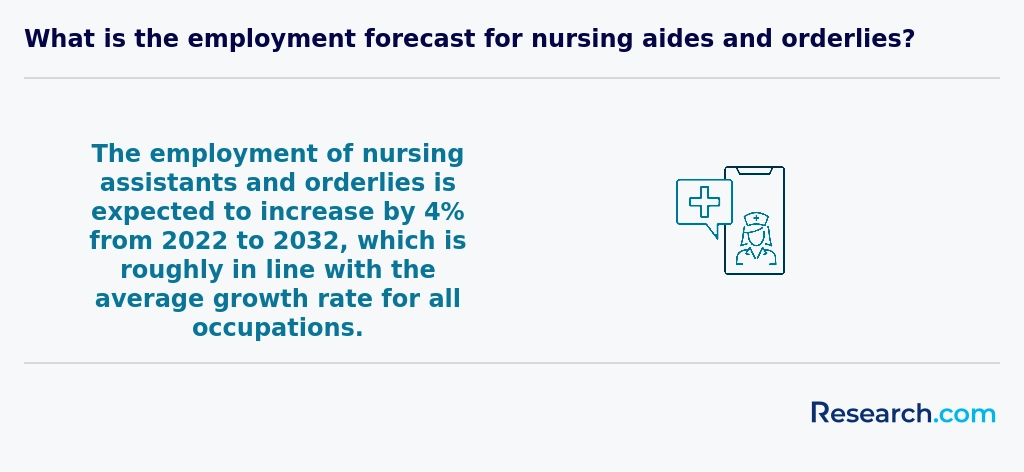
Graduates with an online nursing degree in Texas have practical pathways waiting, starting with becoming a registered nurse (RN). Many who studied at well-known institutions such as the University of Texas or Texas Woman's University find success quickly by passing the NCLEX-RN exam and securing positions in hospitals or clinics. This role offers steady salaries around $75,000 per year and hands-on patient care experience, an ideal foundation if you want to build your nursing career steadily.
For those aiming higher, many choose advanced careers like nurse practitioners or nurse anesthetists by pursuing an MSN or DNP after their initial degree. Texas's physician shortages, especially in rural communities, create strong demand for these roles. Graduates often access specialized training at Texas A&M or Baylor's online programs, which eases their path to certification.
Other options include leadership in nursing administration or education, where degrees from Texas Woman's University can open doors. Specialized fields such as oncology or pediatrics require extra certificates but reward you with meaningful work tailored to your passion. To explore cost-effective routes to advanced practice, see this list of affordable online nurse practitioner programs available in Texas.
Overall, considering online nursing career options in Texas means weighing diverse jobs from bedside care to specialized practice-all supported by robust local education and job markets.
The job market for graduates with online nursing degrees in Texas is strong and expanding, especially for those who choose well-recognized institutions like the University of Texas or Texas Tech University Health Sciences Center. These graduates often share how their flexible programs enabled them to continue working while studying, making the transition into nursing roles smoother. Texas healthcare facilities actively seek RNs and Nurse Practitioners, reflecting a robust Texas nurse practitioner employment outlook tied to population growth and healthcare demand.
Many graduates find themselves employed in diverse settings-from busy urban hospitals to rural clinics-highlighting the wide variety of online nursing jobs in Texas. Some secure travel nursing positions, enjoying both higher wages and the chance to explore new cities. Others advance into leadership roles, supported by their accredited online degrees.
Cost-conscious students often start by exploring accredited options, weighing tuition against earning potential. For those beginning their nursing journey, exploring lpn online programs Florida can provide useful comparative insights on flexible nursing education strategies.
2027 Easiest Online Doctorate in Nursing Degree Programs Ranking in Texas
Investing in your education is a significant decision that can shape your future, and the Research.com team understands the importance of making informed choices. To assist prospective students in Texas, we have meticulously crafted the "2027 Easiest Online Doctorate in Nursing Degree Programs Ranking in Texas." Our commitment to quality, credibility, and accuracy is reflected in the extensive research and analysis conducted to compile this ranking.
We utilized the following reputable data sources to ensure a comprehensive evaluation of online nursing doctorate programs:
By exploring this ranking, readers will gain valuable insights into accessible and quality nursing doctorate programs in Texas, helping them make informed decisions about their educational paths. For more details on our methodology, please visit our Research.com methodology page.


Frequently Asked Questions About nursing
Online nursing degree students in Texas can maximize their learning by actively engaging with both digital coursework and local clinical opportunities. Texas ranks among the top states for nursing employment, with over 300,000 registered nurses as reported by the Texas Board of Nursing (2023). Students should complement online theory with practical experience by seeking clinical placements in nearby healthcare facilities.
Time management is crucial: setting a consistent study schedule helps balance education with work and personal commitments. Utilizing university resources like academic advisors and virtual study groups enhances understanding and retention.
Remaining updated on Texas nursing regulations and licensing requirements is also vital for a smooth transition from student to professional practice.
The nursing field in Texas is rapidly evolving, with several emerging niches gaining prominence. One key area is gerontological nursing, driven by the state's growing elderly population, which is expected to increase by 30% by 2030 according to the Texas Department of State Health Services. This niche focuses on caring for older adults with chronic illnesses and age-related conditions.
Another fast-growing specialty is telehealth nursing. The adoption of telemedicine has surged in Texas, particularly since the COVID-19 pandemic, making remote patient monitoring and virtual care critical skills for nurses.
Additionally, nurse informatics is becoming essential as healthcare facilities invest in digital record-keeping and data analysis.
Specialties in psychiatric and mental health nursing are also expanding, responding to increasing demand for mental healthcare services in Texas.
After completing an online nursing degree in Texas, preparing for the job market involves several key steps. First, obtaining licensure through the Texas Board of Nursing is essential. Passing the NCLEX-RN exam is mandatory for registered nurses. According to the Texas Workforce Commission, nursing jobs are expected to grow by 22% through 2030, highlighting strong demand.
Networking with healthcare employers in Texas can open doors. Joining state nursing associations, like the Texas Nurses Association, helps build professional connections. Building a strong resume and practicing interview skills tailored to Texas healthcare settings is also important.
Continuing education and certifications in specialized areas can increase job prospects and salary potential within the state.
Employers in Texas highly value nursing graduates who demonstrate strong clinical skills and critical thinking. According to the Texas Board of Nursing, proficiency in patient assessment, medication administration, and infection control ranks among top requirements. Communication skills are essential, as nurses must effectively collaborate with healthcare teams and provide patient education.
Texas hospitals also emphasize adaptability, given the fast-paced and diverse medical environments. Leadership abilities and familiarity with electronic health records (EHR) systems enhance a graduate's employability. Data from the Texas Workforce Commission highlights that employers prefer candidates with hands-on experience from clinical rotations or internships in Texas healthcare settings.
Finding nursing internships in Texas begins with exploring partnerships between online nursing programs and local healthcare facilities. Many Texas nursing schools collaborate with hospitals and clinics to offer clinical placements for their students, ensuring compliance with Texas Board of Nursing requirements.
Students should also use the Texas Center for Nursing Workforce Studies, which offers data and resources on employment and training sites across the state. According to the Texas Board of Nursing, clinical internships often take place in high-demand areas such as Houston, Dallas, and San Antonio where healthcare systems are expansive.
Contacting hospital HR departments or nursing education coordinators directly can uncover additional internship opportunities. Moreover, professional organizations like the Texas Nurses Association can provide networking resources tailored to nursing students seeking practical experience.
Obtaining an online nursing degree in Texas can significantly enhance career mobility and advancement opportunities. Texas ranks among the top states with high demand for registered nurses, projecting a 15% growth from 2020 to 2030 according to the Texas Center for Nursing Workforce Studies. Online programs provide flexible access to advanced education without geographic constraints, enabling nurses to pursue higher degrees while continuing to work.
Higher qualifications, such as a Bachelor's or Doctorate obtained online, often lead to leadership roles, clinical specialization, or teaching positions. The Texas Board of Nursing supports online education for licensure eligibility, ensuring graduates meet state requirements. This accessibility broadens pathways to advanced careers in a fast-growing healthcare market.
Studying for a nursing degree in Texas offers strong preparation for interdisciplinary roles due to the state's emphasis on collaborative healthcare models. Texas nursing programs integrate courses in communication, leadership, and healthcare policy, which are essential for effective teamwork across professions. According to the Texas Center for Nursing Workforce Studies, over 70% of hospitals in Texas utilize interdisciplinary care teams, highlighting the demand for nurses skilled in collaboration.
Online nursing degrees in Texas often include virtual simulations and group projects, helping students build real-world skills for working alongside doctors, social workers, and therapists. These programs align with Texas Board of Nursing standards that encourage holistic patient care involving multiple specialists.
Through this education, nursing students gain a broad understanding of healthcare systems, improving their ability to coordinate patient care in diverse settings such as hospitals, clinics, and community health organizations.
Choosing between a thesis and a non-thesis nursing degree program in Texas depends largely on your career goals. Thesis programs typically focus on research, preparing students for academic or leadership roles that require strong analytical skills. They often involve producing a substantial research paper under faculty supervision.
Non-thesis programs usually emphasize clinical practice and advanced nursing skills. These programs may require additional coursework or a capstone project instead of a research thesis. According to the Texas Higher Education Coordinating Board, many online nursing programs offer both options to suit diverse professional needs.
Consider whether you prefer a research-oriented path or practical experience when making your decision. For professionals seeking administrative or educational roles, a thesis program may be beneficial. Those focused on clinical advancement often choose non-thesis routes. Online programs at Texas institutions adapt to these choices, providing flexibility based on individual objectives.
Students based in Texas seeking to study nursing abroad through online programs have limited direct options due to U.S. accreditation and licensing requirements. Most online nursing degrees aimed at Texas residents are offered by U.S.-based institutions accredited by bodies recognized by the Texas Board of Nursing. However, some universities abroad offer online courses, but their degrees may not easily transfer for licensure in Texas.
Texas requires nurses to pass the NCLEX-RN exam and graduate from accredited programs. According to the Texas Board of Nursing, degrees must come from recognized institutions to qualify for licensing. Students interested in international study should verify program accreditation and compatibility with Texas licensure standards.
In Texas, several part-time job opportunities can effectively complement nursing degree education. Positions such as certified nursing assistant (CNA), medical scribe, or patient care technician offer hands-on experience relevant to nursing studies. According to the Texas Workforce Commission, these roles provide practical skills and exposure to clinical settings, valuable for online nursing students balancing work and study.
Additionally, jobs in telehealth support or health education assist students in strengthening communication and patient interaction skills. With Texas employing over 345,000 registered nurses as reported by the Texas Board of Nursing in 2023, part-time roles help build a strong professional foundation and networking connections within the state's healthcare system.
Online nursing students in Texas have several networking opportunities that help build professional connections despite not attending on-campus programs. Many Texas-based nursing schools offer virtual meetups, discussion boards, and group projects, encouraging collaboration among peers. Additionally, students can join statewide nursing organizations like the Texas Nurses Association, which hosts events and webinars tailored for both online and in-person members. The Texas Board of Nursing provides resources and forums to connect students with licensed professionals. According to the Texas Workforce Commission, engaging in these networks can improve job placement chances in a state employing over 300,000 nurses.
Alumni networks are a valuable resource for online nursing degree students in Texas. They create connections with experienced graduates who understand the local healthcare environment. According to the Texas Board of Nursing, over 300,000 nurses are licensed in the state, making networking crucial for career advancement and job placement.
Through alumni groups, students can access job boards, mentorship programs, and professional development opportunities. These connections often lead to internships and employment in Texas hospitals and clinics, which is important in a competitive market.
Additionally, alumni support fosters a sense of community and sharing of best practices specific to Texas nursing regulations and standards.
Online nursing degree programs in Texas offer significant flexibility for students aiming to tailor their education to specific career goals. Many institutions provide specialty tracks such as family nurse practitioner, nurse educator, or nurse administration, allowing learners to focus on areas in high demand within Texas healthcare.
Students can often select electives or clinical placements aligned with their interests or the needs of Texas's diverse population. For example, Texas has a large rural healthcare sector, which opens unique opportunities for community health nursing.
Additionally, programs accredited by organizations like CCNE or ACEN ensure quality education recognized by Texas licensing bodies, supporting varied professional pathways. Consulting state nursing workforce reports can help students choose specializations with strong employment prospects.
Online nursing students in Texas face several common challenges. A key issue is managing clinical practice requirements, as state regulations mandate in-person clinical hours despite the online coursework. This can be difficult to arrange, especially in rural areas of Texas where healthcare facilities may be limited. Additionally, many students report balancing rigorous study schedules with work and family commitments, which impacts their progress.
Access to reliable internet and technology is another barrier, particularly in parts of Texas with limited broadband. According to the Texas Center for Nursing Workforce Studies, around 15% of nursing students encounter connectivity issues.
Finally, students sometimes find it challenging to stay engaged without face-to-face interaction, which can affect motivation and learning outcomes.
With an online nursing degree in Texas, graduates become eligible to pursue several professional certifications that enhance their career opportunities. The most common certification is the Registered Nurse (RN) license, granted by the Texas Board of Nursing after passing the NCLEX-RN exam. According to the Texas Board of Nursing, over 200,000 RNs are currently licensed in the state.
Beyond RN licensure, nurses can pursue specialty certifications from bodies such as the American Nurses Credentialing Center. Popular options include Certified Nurse Practitioner (CNP), Clinical Nurse Specialist (CNS), and Certified Nurse Midwife (CNM). These certifications often require advanced degrees and clinical experience.
Other certifications, such as the Certified Emergency Nurse (CEN) or Certified Pediatric Nurse (CPN), validate expertise in specific practice areas. Earning these credentials can lead to higher salaries and expanded job roles in Texas hospitals and healthcare facilities (Texas Workforce Commission).
Applying to an online nursing program in Texas requires careful preparation and attention to detail. Start by ensuring you meet Texas Board of Nursing eligibility rules, including holding an active RN license if applying for advanced programs. Highlight your clinical experience and academic achievements clearly, as many programs weigh these heavily.
Strong personal statements focusing on your commitment to nursing and Texas healthcare needs can differentiate your application. Include specific goals reflecting local healthcare challenges, such as addressing nursing shortages identified by the Texas Center for Nursing Workforce Studies.
Request recommendations from supervisors or instructors who can attest to your clinical skills and professionalism. Finally, submit all transcripts and required documents before deadlines to avoid disqualification.
The global perspective on a nursing career highlights its vital role in healthcare systems worldwide. Nursing is recognized as a stable and impactful profession, essential for addressing growing health challenges. In the US, including Texas, demand for nurses is rising rapidly due to an aging population and expanding healthcare needs. The Texas Workforce Commission projects a 15% growth in nursing jobs through 2030.
Internationally, nurses are respected for their clinical skills and patient advocacy. Many countries face nursing shortages, making the profession a global opportunity for those seeking mobility and career advancement. In Texas, online nursing degrees provide flexible education paths, enabling students to enter this valued global workforce efficiently.
Students pursuing an online nursing degree in Texas can gain practical experience through clinical placements, which are a required component of nursing education. Texas nursing programs coordinate with healthcare facilities, such as hospitals and clinics, to arrange supervised hands-on training. This ensures students meet the Texas Board of Nursing's clinical hour requirements for licensure.
Additionally, many programs offer partnerships with well-known healthcare providers in Texas, including major medical centers in Dallas and Houston. Students often complete their clinical hours locally, balancing online coursework with in-person practice.
According to the Texas Board of Nursing, students must complete at least 500 clinical hours prior to graduation to qualify for the NCLEX-RN licensure exam. This combination of online study and local clinical work prepares graduates effectively for Texas's healthcare workforce demands.
Choosing the right concentration within an online nursing degree program in Texas begins with understanding your career goals. Texas offers various specializations such as Family Nurse Practitioner, Nurse Educator, and Nurse Anesthesia, each addressing different healthcare needs. According to the Texas Board of Nursing, areas like gerontology and pediatric nursing show strong regional demand due to demographic trends. Consider factors like program curriculum, clinical hour requirements, and alignment with Texas licensing standards, as the Texas Board of Nursing regulates nurse practitioner scopes of practice. Reviewing labor market data from the Texas Workforce Commission can also help identify high-growth specialties.
- 2027 Easiest Online Doctorate in Nursing Degree Programs Ranking in Louisiana
- 2027 Easiest Online Doctorate in Nursing Degree Programs Ranking in New Mexico
- 2027 Easiest Online Doctorate in Nursing Degree Programs Ranking in Kansas
- 2027 Easiest Online Doctorate in Nursing Degree Programs Ranking in Missouri
- 2027 Easiest Online Doctorate in Nursing Degree Programs Ranking in Colorado
- 2027 Easiest Online Doctorate in Nursing Degree Programs Ranking in Arizona
- 2027 Easiest Online Doctorate in Nursing Degree Programs Ranking in Georgia
- 2027 Easiest Online Doctorate in Nursing Degree Programs Ranking in Florida
- 2027 Easiest Online Doctorate in Nursing Degree Programs Ranking in Kentucky
- 2027 Easiest Online Doctorate in Nursing Degree Programs Ranking in South Carolina
See What Experts Have To Say About Studying Nursing
Read our interview with Nursing experts

Lisa Grubb
Nursing Expert
Assistant Professor
Johns Hopkins School of Nursing

- Nursing Scholarships & Financial Aid Resources | AACN https://www.aacnnursing.org/students/scholarships-financial-aid
- Concordia University Texas ABSN Track Prerequisites https://absn.concordia.edu/admissions/absn-prerequisites/
- Apply to the Nurse Corps Scholarship Program https://bhw.hrsa.gov/programs/nurse-corps/scholarship/apply
- Online Nursing Programs in Texas | WCU https://westcoastuniversity.edu/online-nursing-programs-in-texas
- Nursing student engagement: Researching the journey ... https://www.oatext.com/nursing-student-engagement-researching-the-journey-and-its-potential-impact-on-transitions-to-practice.php/faqs.php
- 2026 Most Affordable Online Nursing Programs https://www.onlineu.com/most-affordable-colleges/nursing-degrees
- Online Nursing Schools in Texas: Inside Top Programs https://www.edumed.org/online-schools/nursing-rn-programs/texas/
- 7 Nursing School Tips for Studying https://www.denvercollegeofnursing.edu/blog/nursing/7-Nursing-School-Tips-for-Studying.html
- Strengthening Nursing Pathways in Texas https://www.trellisfoundation.org/streamlining-success-strengthening-nursing-pathways-in-texas/
- Online Nursing Prerequisites: Complete Guide & Cost ... https://www.straighterline.com/blog/which-online-nursing-prerequisites-should-you-take-online


