2027 Most Affordable Nursing Degree Programs Ranking in Washington

Co-Founder and Chief Data Scientist
Choosing the right nursing degree program in Washington can feel overwhelming, especially with so many options available. To help you navigate this important decision, the Research.com team of data scientists has created the 2027 Most Affordable Nursing Degree Programs Ranking in Washington. This ranking highlights programs that offer quality education without breaking the bank.
Reading this article will guide you toward affordable, trustworthy programs that fit your goals. Pursuing a nursing degree opens doors to a rewarding career, making a difference while building a stable future. Let's explore the best opportunities for you.
Key benefits of getting nursing degree in Washington
- Nursing degree graduates in Washington can earn competitive salaries, with roles like Registered Nurse, Clinical Nurse Educator, Public Health Nurse, and Emergency Room Nurse averaging $94,480 annually, while Operating Room Nurses can earn up to $128,490 per year.
- Graduates from popular Washington colleges often find diverse career opportunities in hospitals, community health, education, and emergency services, giving them a chance to make a real impact in healthcare.
- Completing a nursing degree online from a well-known Washington university offers flexibility and convenience, allowing students to balance study with work or family commitments without sacrificing quality education.
- 2027 Most Affordable Nursing Degree Programs Ranking in Washington
- What can I expect from nursing degree in Washington?
- Where can I work with nursing degree in Washington?
What can I expect from nursing degree in Washington?
The average cost of obtaining a nursing degree in Washington varies depending on the program and institution but generally ranges from $10,000 to $40,000 for an Associate Degree in Nursing (ADN) at community colleges to around $40,000 to $100,000 for a Bachelor of Science in Nursing (BSN) at universities such as the University of Washington or Seattle University. Graduates from these programs often reflect on how financial aid, scholarships, and state-specific grants significantly reduced their tuition burden, making the investment manageable.
Many students appreciate how colleges offer flexible payment plans and work closely with them to secure funding, especially through programs like the Nursing Education Loan Repayment Program, which eases costs in exchange for service in underserved areas. Practical experiences at well-regarded local hospitals complement their learning while providing opportunities for paid clinical hours, helping offset expenses.
This financial support combined with Washington's strong job prospects encourages students to pursue nursing passionately, knowing their commitment can lead to rewarding careers both personally and financially.
Where can I work with nursing degree in Washington?
Graduates of nursing programs in Washington, such as those from the University of Washington or Seattle University, find abundant employment opportunities across diverse healthcare environments. Many begin their careers in hospitals, where they apply their skills in fast-paced units like emergency rooms or intensive care, gaining valuable hands-on experience that builds confidence and professional growth.
Others choose outpatient clinics or community health centers, enjoying more personal patient interactions while managing chronic conditions or preventive care. These settings allow nurses to develop strong relationships with patients, often leading to rewarding experiences outside the hospital.
Home healthcare is a growing field for Washington nursing grads, providing a chance to deliver personalized care in patients' homes. This path is especially fulfilling for those passionate about supporting aging populations and fostering independence.
Long-term care facilities and public health agencies also offer meaningful roles, particularly appealing to nurses interested in geriatrics or community wellness programs. Such roles often inspire pride, knowing their work directly improves residents' quality of life.
Graduates of nursing programs in Washington can anticipate competitive salaries aligned with strong state healthcare demands. Registered Nurses (RNs), a common career outcome from nursing degrees at institutions like the University of Washington or Seattle University, earn a mean annual wage of approximately $94,480. This robust figure provides financial stability soon after graduation, particularly for those entering hospital roles.
Specialized clinical nurses such as Operating Room Nurses command higher earnings, with a mean annual wage around $128,490. Graduates pursuing these specialties often express satisfaction with the rewarding challenges and enhanced compensation. Clinical Nurse Educators and Public Health Nurses also earn about $94,480 annually, reflecting the versatility of nursing degree paths in Washington's diverse healthcare system.
Graduates frequently report that working in metropolitan areas like Seattle boosts earning potential and provides extensive hands-on opportunities. Overall, completing a nursing degree in Washington offers graduates a promising start, integrating practical experience with salaries that reflect their advanced skills and dedication.
- In-state tuition for a BSN degree in Washington ranges from $8,000 to $12,000 per year, while private colleges may charge over $30,000 annually.
- Community colleges offer ADN programs with tuition often below $6,000 per year.
- Starting salaries for new nursing graduates average around $70,000 per year in Washington.
- Experienced nurses can earn median salaries above $95,000 annually, especially in specialized or hospital roles.
- The nursing job market in Washington is growing at a rate about 12% higher than the national average through 2030.
- Licensure requires passing the NCLEX-RN exam, and most programs include clinical experience in local healthcare facilities.
Completing a nursing degree in Washington varies widely depending on the chosen program. At community colleges such as Highline College, students pursuing an Associate Degree in Nursing (ADN) typically finish within two to three years. Graduates often express satisfaction with how the focused curriculum prepares them efficiently for entry-level registered nurse roles, allowing them to start their careers relatively quickly.
For those aiming for a more comprehensive education, universities like the University of Washington offer Bachelor of Science in Nursing (BSN) programs that generally require four years of study. Graduates highlight the value of additional coursework in leadership and research, which broadens their career prospects and readiness for advanced roles.
Accelerated BSN programs, found at several Washington institutions, enable students with prior degrees to complete their nursing education in as little as 12 to 18 months. These intensive tracks attract professionals eager to transition swiftly into nursing, who appreciate the balance of rigor and practical training.
Bridge programs, such as RN-to-BSN options offered by colleges like Seattle University, take about one to two years part-time or full-time. Nurses pursuing these programs describe the flexibility as essential for managing work-life balance while advancing their qualifications.
Many aspiring nurses in Washington choose to begin their careers as Licensed Practical Nurses (LPNs) before advancing to registered roles. Fast-track LPN programs offer an accelerated entry point into clinical practice, combining focused coursework with hands-on training in as little as 12 months. This pathway can reduce upfront tuition costs and help you gain valuable experience sooner. Key advantages of fast-track LPN programs:
- Accelerated Timeline: Discover exactly how long it takes to become an lpn and begin earning while you learn.
- Affordable Tuition: Community colleges and vocational schools often charge between $8,000 and $15,000 for a complete LPN curriculum.
- Flexible Scheduling: Evening and weekend cohorts cater to working students or those with family commitments.
- Bridge to RN/BSN: Many schools offer LPN-to-RN bridge options, allowing you to leverage clinical hours and credits toward an Associate or Bachelor of Science in Nursing. Before enrolling, verify program accreditation through the Washington State Nursing Care Quality Assurance Commission and review NCLEX-PN pass rates. Graduates typically enter roles in long-term care, outpatient clinics, or home health settings, building essential skills in patient assessment, medication administration, and wound care. From here, you can seamlessly transition into an ADN or BSN program, accelerating your path to higher earning potential and expanded career opportunities.
On-campus nursing programs in Washington, such as those at the University of Washington or Seattle Central College, offer students direct, face-to-face interaction with instructors and peers, fostering immediate support and hands-on clinical practice. Graduates often recall the value of real-time feedback during local clinical hours, which are essential for mastering practical skills and fulfilling Washington's rigorous licensing requirements.
In contrast, online nursing degrees provide flexibility suited for students balancing work or family commitments. These programs allow coursework to be completed remotely, yet still require arranging in-person clinical placements at nearby healthcare facilities. Students appreciate this adaptability but emphasize the importance of self-discipline and careful scheduling to meet the mandated clinical hours dictated by Washington State Nursing Care Quality Assurance Commission.
Students from both formats highlight distinctive benefits: on-campus learners enjoy robust campus resources and vibrant peer networks, while online students value convenience and the ability to tailor study around life's demands, all while pursuing the same professional credentials.
To make an informed decision about your nursing education, it's essential to research and compare different programs. When selecting a nursing program in Washington, consider factors such as accreditation, curriculum, and clinical opportunities. You can explore the top nursing programs in Washington to find the one that best fits your needs and career goals. Additionally, look into the program's reputation, faculty expertise, and support services to ensure you receive a well-rounded education. By taking the time to carefully evaluate your options, you can set yourself up for success in your nursing career and make a positive impact in the lives of your patients.
The average total cost of obtaining a nursing degree in Washington is approximately $13,391 for in-state students, reflecting tuition, fees, and associated expenses over the full course of study. This figure aligns with the typical cost of nursing programs in Washington state, where ADN and BSN degrees at public institutions are generally more affordable for residents compared to out-of-state students. Many graduates from well-known public universities report managing these expenses through a combination of financial aid, scholarships, and part-time employment, which helps to ease the financial commitment without compromising their educational experience.
Out-of-state students face significantly higher costs, often exceeding $59,000 in total, making careful financial planning essential. At community colleges and universities popular for nursing in Washington, students often describe their programs as both challenging and rewarding. They emphasize how the balance of classroom learning and hands-on clinical work fosters confidence and professional growth. These experiences help students envision their future careers while navigating the financial aspects associated with nursing education.
Prospective students seeking more detailed insights into program options and tuition costs can explore the top nursing programs in Washington to find offerings that suit their budget and career goals. Understanding the average nursing degree cost in Washington is a crucial step in planning for a successful nursing career with both academic and financial clarity.
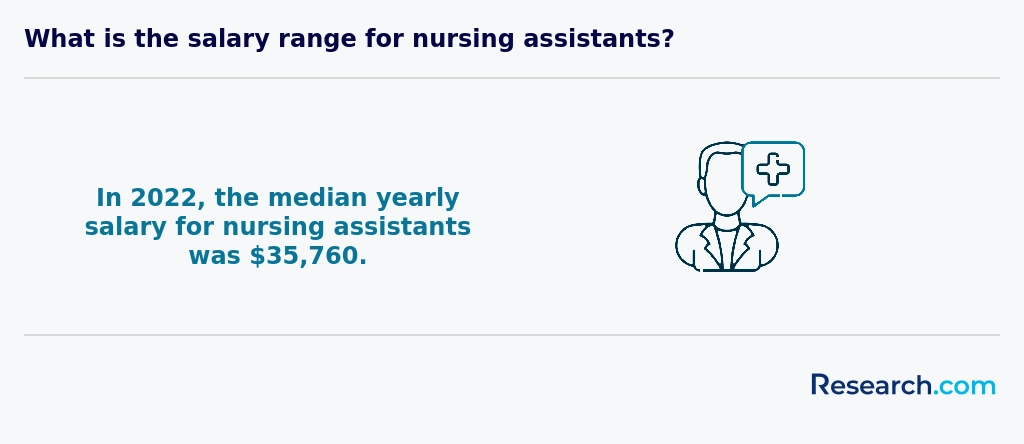
Your nursing program’s accreditation and NCLEX-RN pass rates are key quality signals. Accreditation ensures the curriculum meets national standards, while high NCLEX pass rates indicate effective exam prep and strong faculty support.
Common Accreditation Bodies
- ACEN (Accreditation Commission for Education in Nursing)
- CCNE (Commission on Collegiate Nursing Education)
Evaluating NCLEX-RN Pass Rates
- Aim for programs with first-time pass rates above 85% in Washington
- Review annual school reports or state nursing board data to confirm outcomes
For alternative paths and flexible entry options, explore nursing programs with high acceptance rates
Federal aid is the cornerstone for many nursing students in Washington, opening access to grants, loans, and work-study options through the FAFSA. Graduates from the University of Washington School of Nursing often recall how the Pell Grant, offering up to $7,395 for eligible low-income students, eased their tuition burden significantly, making their education attainable without overwhelming debt.
At the state level, programs like the Washington State Nursing Loan Repayment Program provide substantial relief by forgiving up to $10,000 annually for those working in underserved communities. This incentive resonates strongly with those who graduated from Eastern Washington University, reinforcing their commitment to serve rural areas while managing finances effectively.
Scholarships from the Washington Center for Nursing and national organizations further support students across institutions such as Seattle University. These awards, ranging from $1,000 to $5,000, are often described by recipients as "game changers" that help cover tuition and fees, fostering confidence and focus throughout their studies.
Many nursing programs in Washington also offer merit-based aid and institutional scholarships, providing additional financial support tailored to individual achievement and need, greatly appreciated by students aiming to excel without undue financial stress.
When evaluating the true cost of a nursing education, it’s useful to benchmark Washington’s tuition rates against other high-cost regions such as the San Francisco Bay Area. In Washington, an ADN program averages $12,300 per year, while BSN candidates can expect roughly $30,884 annually. In contrast, nursing students in San Francisco face higher living expenses and tuition, though some institutions still offer competitive pricing-explore our Inexpensive Nursing Degree Programs Ranking in San Francisco, CA for detailed comparisons. Key factors to consider in your cost analysis: • Tuition Variance: Public BSN tuition in Washington is around $22,389 per year, compared to San Francisco public institutions that may exceed $25,000 annually when including mandatory fees. • Living Expenses: Housing and transportation in San Francisco can add 30–40% more to your annual budget than in Seattle or Spokane. • Financial Aid Options: Washington students benefit from state grants and nursing-specific scholarships covering up to 50% of tuition, whereas California’s competitive scholarships often require higher GPA thresholds. • Out-of-State Fees: Washington’s community college ADN programs typically charge in-state rates under $13,000/year, but non-residents pay a premium. San Francisco’s community colleges may equalize fees for all California residents under the CCSS policy. By weighing these cost components and leveraging in-state tuition advantages, prospective nurses can determine whether staying in Washington or relocating to a more expensive market like San Francisco aligns with their long-term financial goals.
To enroll in nursing programs at institutions like the University of Washington or Seattle Central College, prospective students must first meet several key prerequisites. A high school diploma or GED is mandatory, along with completion of foundational courses such as biology, chemistry, and math. Many graduates recall how taking prerequisite courses in anatomy and physiology at community colleges provided them with the critical knowledge needed to excel in their nursing coursework.
The Test of Essential Academic Skills (TEAS) is frequently required to ensure applicants demonstrate proficiency in reading, math, science, and English. Passing this exam is often a source of confidence for entering students, bridging their academic preparation with the demands of nursing studies.
- High school diploma or GED
- Completion of prerequisite courses (biology, chemistry, anatomy, physiology)
- Passing the TEAS exam or equivalent standardized test
- Background check and immunization records typically required
Students from popular nursing programs also emphasize the value of personal statements and letters of recommendation in showcasing genuine passion for healthcare. Those with volunteer experience in clinics or hospitals find themselves better prepared emotionally and practically for clinical training, a crucial step in their nursing education journey in Washington.
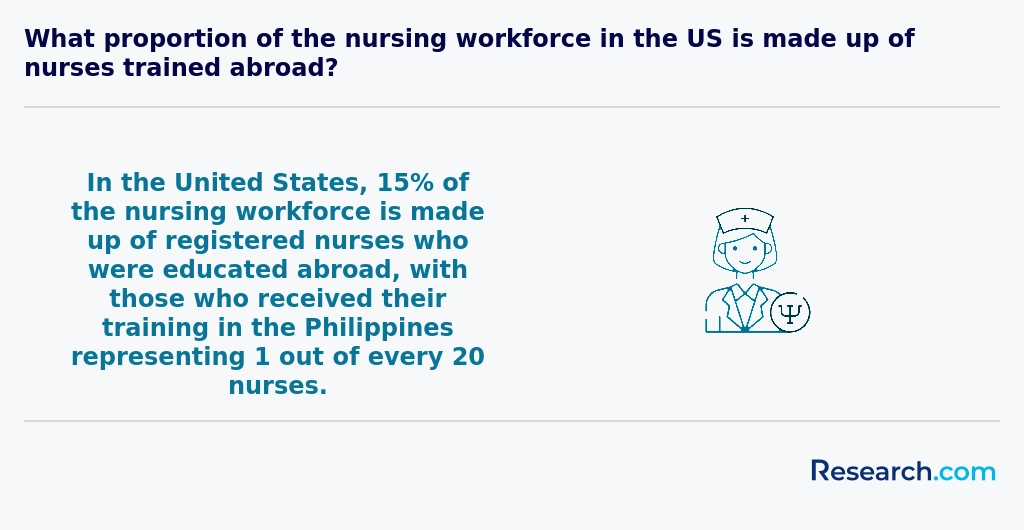
Washington’s accelerated Bachelor of Science in Nursing (ABSN) pathways allow professionals with a non-nursing bachelor’s degree to earn a BSN in as little as 12 to 18 months by building on previous academic credits and focusing intensively on nursing coursework. These cohort-based programs often combine online didactic modules with immersive clinical rotations in leading health systems across Seattle, Tacoma, and Spokane, equipping graduates with hands-on experience in acute care, community health, and specialty units. Admission criteria typically include completion of prerequisite science courses-such as anatomy, physiology, microbiology, and statistics-with a minimum GPA requirement, plus a competitive application that highlights transferable skills like critical thinking and communication. Graduates emerge ready for the NCLEX-RN exam, often benefiting from dedicated exam preparation workshops and simulation lab training designed to boost pass rates. Beyond rigorous academics, many accelerated programs offer career services, peer mentoring, and partnerships with regional hospitals to facilitate job placement. Prospective candidates seeking flexibility can compare program formats and outcomes by exploring our curated list of accelerated nursing programs for non nurses, which highlights options, timelines, and tuition to help you choose the best fit for your professional goals.
Nursing degree programs in Washington typically include a comprehensive array of courses designed to build both theoretical knowledge and practical skills crucial for effective patient care. Core subjects such as human anatomy and physiology provide graduates from institutions like the University of Washington or Seattle Central College with an essential understanding of body systems, supporting confident clinical assessments.
Courses in microbiology emphasize infection control, a vital skill often highlighted by recent graduates who recall navigating real hospital environments during their clinical practicums. Pharmacology classes ensure students are well-versed in medication administration and safety, reinforcing the hands-on training experienced at community health clinics partnered with many Washington colleges.
Nutrition, pathophysiology, and nursing fundamentals round out the curriculum, offering future nurses insights into disease mechanisms and patient care planning. Communication and psychology courses help graduates develop empathy and teamwork abilities, skills they frequently credit for their successful transitions into dynamic healthcare teams. Clinical practicums provide immersive, supervised experiences in hospitals or simulation labs, anchoring classroom knowledge in tangible caregiving scenarios familiar to any Washington nursing student.
Nursing degree specializations in Washington offer a range of focused paths designed to meet the state's diverse healthcare demands. Popular choices include the Registered Nurse (RN) to Bachelor of Science in Nursing (BSN) track, which many graduates from universities like the University of Washington pursue to enhance their clinical expertise and leadership opportunities. Other specialization options frequently selected at community colleges and public universities cover critical areas such as Family Nurse Practitioner (FNP), Acute Care Nurse Practitioner (ACNP), Pediatric Nursing, Geriatric Nursing, and Psychiatric-Mental Health Nursing. These reflect Washington's growing need for skilled professionals in both urban centers and rural communities.
Students value how Washington nursing programs with specialization options integrate extensive clinical experiences and interdisciplinary approaches. Graduates often recall hands-on rotations and collaborative projects that deepen patient care skills. For those seeking accelerated progress, programs offer flexibility, with many exploring accelerated nursing programs for non nurses to bridge diverse career goals efficiently.
Choosing the best affordable nursing degree programs Washington demands evaluating programs based on several critical factors. Graduates from popular institutions in Seattle and Spokane often highlight the importance of program accreditation by CCNE or ACEN, which ensures licensure eligibility and employer recognition within the state. Many students pursuing an ADN from community colleges appreciate the lower costs and shorter completion timelines, while those enrolled in BSN programs at universities find the broader career opportunities and leadership roles especially rewarding.
Cost remains a significant consideration; nursing students in Washington frequently compare tuition and additional expenses such as lab fees. Community colleges offer ADN programs ranging $4,000 to $6,000 annually, making them attractive for budget-conscious learners. Additionally, assessing NCLEX-RN pass rates of Washington schools-especially those consistently exceeding 85%-is vital in gauging program quality.
Flexibility matters as well. Many working students choose programs with part-time, online, or hybrid options tailored for their schedules. Practical clinical placements near major healthcare centers in the state provide robust hands-on experience that alumni describe as invaluable. To explore foundational nursing education timelines, it helps to understand how long it takes to become an lpn.
Prospective students should also research top nursing schools cost Washington state offers, looking for financial aid and scholarships dedicated to nursing. This holistic approach, combined with insights on faculty expertise and alumni success, guides students to the best fit for their ambitions and circumstances.
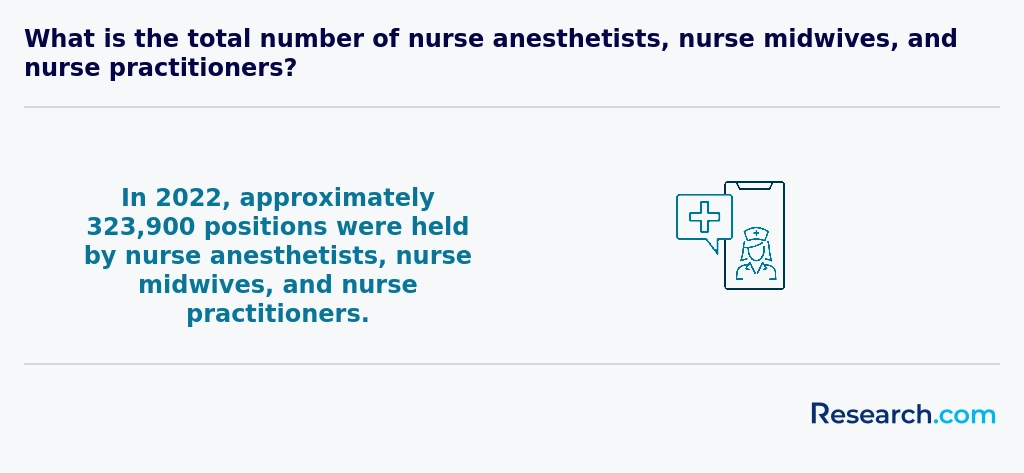
Graduates with a nursing degree in Washington have access to diverse career paths that address the state's growing healthcare needs. Registered Nurses (RNs) often find employment in hospitals, clinics, and community health centers, benefiting from competitive wages as reported by the Washington State Employment Security Department. Many graduates from institutions like the University of Washington feel confident stepping into these vital roles thanks to rigorous training and strong local demand. For those pursuing Licensed Practical Nurse (LPN) roles, opportunities exist in nursing homes and outpatient clinics, providing essential patient care.
Advanced practice positions are increasingly attainable through bachelor's or graduate programs offered by popular nursing colleges in Washington. Certified Nurse Practitioners, Clinical Nurse Specialists, Nurse Anesthetists, and Nurse Midwives contribute specialized skills across primary and acute care settings. This range of options suits graduates looking to deepen their expertise and impact.
Several students have expressed enthusiasm for community and public health nursing careers, bolstered by Washington's investment in telehealth and healthcare access expansion. Such roles connect professionals with underserved populations, emphasizing prevention and education.
For prospective students exploring affordable options, the Inexpensive Nursing Degree Programs Ranking in San Francisco, CA offers insight into cost-effective pathways to launch their nursing careers.
The nursing job outlook in Washington remains highly favorable, driven by a robust healthcare system and sustained demand for skilled professionals. Graduates from well-regarded institutions such as the University of Washington and Washington State University frequently secure positions in diverse settings, including hospitals, long-term care facilities, and community clinics. Many nursing students share positive experiences about transitioning seamlessly from education to employment due to the state's expanding healthcare infrastructure.
Employment opportunities Washington state offers encompass urban centers and underserved rural areas, where state incentives further enhance hiring prospects. The comparatively high mean annual wage of around $93,700 reflects both the cost of living and the value placed on nursing expertise. This financial outlook encourages students to pursue nursing despite tuition costs and supports long-term career stability.
Those considering advanced paths may find valuable insights into educational options by exploring which phd is easiest to get programs, helping tailor their career trajectory within healthcare leadership or research domains.
2027 Most Affordable Nursing Degree Programs Ranking in Washington
Investing in your education is a significant decision that can shape your future, and the Research.com team understands the importance of making informed choices. To support prospective students in Washington, we have carefully developed the "2027 Most Affordable Nursing Degree Programs Ranking in Washington." Our dedication to quality, credibility, and accuracy is demonstrated through thorough research and analysis conducted to compile this ranking.
We utilized the following reputable data sources to ensure a comprehensive evaluation of nursing programs:
By exploring this ranking, readers will gain valuable insights into the most affordable nursing degree options in Washington, empowering them to make well-informed decisions that align with their educational and financial goals. For more details on our methodology, please visit our Research.com methodology page.
# 1 position
Olympic College
Bachelor of Science in Nursing

# 2 position
Columbia Basin College
Bachelor of Science in Nursing


# 6 position
Wenatchee Valley College
Bachelor of Science in Nursing


# 9 position
Walla Walla University
Bachelor of Science in Nursing

# 11 position
Heritage University
Bachelor of Science in Nursing


Frequently Asked Questions About nursing
Nursing degree students in Washington can maximize their learning by engaging deeply in clinical practice. The Washington Center for Nursing highlights that hands-on experience is critical in preparing for state licensure exams and real-world nursing challenges. Students should seek programs with strong partnerships with local hospitals, as clinical rotations in diverse healthcare settings improve skills and confidence.
Additionally, Washington offers numerous continuing education workshops and simulation labs that enhance practical knowledge. Joining nursing organizations such as the Washington State Nurses Association provides networking, mentorship, and access to updated industry information. Students should also explore federal and state financial aid options to reduce educational costs, improving focus on studies.
Emerging niches within the nursing field in Washington reflect growing healthcare demands and technological advances. One notable area is geriatric nursing, driven by the state's aging population. According to the Washington State Department of Health, the 65+ age group is expected to increase by 25% by 2030, creating high demand for specialized care.
Another growing niche is informatics nursing, where nurses use technology to improve patient outcomes. This area offers promising opportunities as Washington invests in healthcare IT solutions.
Additionally, psychiatric-mental health nursing is expanding rapidly, responding to increased mental health awareness and service needs.
After completing a nursing degree in Washington, preparing for the job market involves several key steps. First, graduates must pass the National Council Licensure Examination (NCLEX-RN) to become licensed Registered Nurses, a requirement in Washington State. According to the Washington Center for Nursing, the demand for nurses is expected to grow by 15% through 2030, highlighting strong job prospects.
Networking is crucial; joining professional organizations such as the Washington State Nurses Association can provide valuable connections and job resources. Additionally, gaining clinical experience through internships or part-time roles enhances employability. Staying informed about local healthcare employers and continuing education opportunities helps graduates remain competitive in this evolving field.
Employers in Washington prioritize nursing graduates who demonstrate strong clinical skills paired with effective communication. According to the Washington State Nursing Care Quality Assurance Commission, proficiency in patient assessment and care planning is essential for safe and effective nursing practice. Graduates who can adapt quickly to technology, such as electronic health records, are also highly valued due to the state's increasing use of digital tools in healthcare.
Critical thinking and problem-solving remain top skills, enabling nurses to respond efficiently in emergency situations. Interpersonal skills are crucial, as nurses must work closely with diverse patient populations and healthcare teams. The Washington Center for Nursing reports that teamwork and cultural competency significantly improve patient outcomes in local healthcare settings.
Finding internships in Washington for nursing students involves seeking opportunities within healthcare facilities and educational partnerships. Many nursing programs in Washington have agreements with hospitals like the University of Washington Medical Center and Swedish Medical Center, which offer clinical placements. Students are advised to contact their school's nursing department early, as these relationships often facilitate internship placements.
Additionally, the Washington State Nursing Care Quality Assurance Commission provides resources that can help identify approved clinical sites. Nursing students may also explore internships through organizations such as the Washington State Hospital Association, which promotes workforce development.
According to the Bureau of Labor Statistics, Washington has a strong demand for nurses, making internships a crucial step for gaining practical experience and improving employability.
In Washington, earning a nursing degree significantly enhances career mobility and advancement opportunities. Registered nurses (RNs) with a Bachelor of Science in Nursing (BSN) are often preferred by employers, especially in hospitals striving for Magnet® recognition, which correlates with better patient outcomes.
According to the Washington Center for Nursing, RNs holding a BSN or higher can access leadership roles and specialized positions more readily than those with an associate degree. Advanced degrees, like a Master of Science in Nursing (MSN), open pathways to roles such as nurse practitioners or nurse educators.
Moreover, employers in Washington frequently offer higher salaries to nurses with advanced qualifications. For example, the Washington State Employment Security Department reports that BSN-prepared nurses earn an average of 10-15% more than their ADN counterparts, supporting greater financial and professional growth.
Studying for a nursing degree in Washington equips students with essential skills for interdisciplinary healthcare roles. Programs emphasize collaboration, communication, and patient-centered care involving diverse medical teams. Washington's nursing schools integrate courses covering public health, social work, and healthcare technology, preparing students to work alongside physicians, therapists, and social workers effectively.
Clinical rotations in varied settings like hospitals, community clinics, and long-term care facilities expose students to real-world teamwork challenges. According to the Washington Center for Nursing, 65% of nurses in the state participate in interdisciplinary teams, reflecting the job market's expectations.
These programs align with national standards from bodies like the American Association of Colleges of Nursing, ensuring graduates are ready for evolving healthcare environments.
When choosing between a thesis and a non-thesis nursing degree program in Washington, consider your career goals carefully. Thesis programs typically emphasize research skills and may benefit those aiming for advanced clinical roles or doctoral study. Non-thesis options often focus more on practical training and can be completed faster, suiting nurses seeking to advance in clinical practice or administrative roles.
According to the Washington Center for Nursing, demand for nurse educators and leaders is growing, which may make thesis programs advantageous for certain ambitions. However, many local employers value hands-on experience, highlighting the relevance of non-thesis tracks.
Evaluate program requirements, your time commitment, and how each aligns with your professional objectives.
Students based in Washington seeking to study nursing abroad have several options through exchange programs and international partnerships facilitated by local universities. For example, the University of Washington School of Nursing offers selective study abroad opportunities allowing students to gain clinical experience in countries such as Australia, the United Kingdom, and Canada.
These programs typically last from a few weeks to a semester, providing exposure to diverse healthcare systems and nursing practices. According to the Washington Center for Nursing, gaining international experience can enhance cultural competence, a valuable skill given Washington's diverse patient population.
Additionally, accredited nursing degrees earned abroad must meet U.S. licensing requirements, so students should verify program accreditation and transferability. Resources like the Commission on Graduates of Foreign Nursing Schools (CGFNS) assist in credential evaluation.
Part-time job opportunities in Washington that complement nursing degree education are readily available, allowing students to gain practical experience while studying. Common roles include nursing assistants or certified nursing assistants (CNAs), which provide direct patient care under supervision. According to the Washington State Department of Health, CNAs earn an average wage of $17-$22 per hour, making these positions valuable both educationally and financially.
Other options include working as medical scribes or patient care technicians in hospitals and clinics. These roles help students understand clinical documentation and healthcare workflows.
Pharmacies and community health centers also hire part-time employees, offering exposure to medication management and public health.
Nursing students in Washington have numerous networking opportunities through local and regional professional organizations. The Washington State Nurses Association (WSNA) hosts events, workshops, and conferences regularly, providing a platform to connect with practicing nurses and healthcare leaders. According to WSNA, their membership includes over 25,000 nursing professionals statewide, offering extensive peer support and career development resources.
Many universities in Washington also partner with hospitals and clinics, allowing students to engage in clinical internships where networking naturally occurs. Additionally, statewide nursing conferences such as the Washington Nurse Leadership Summit offer opportunities to meet experts and explore job prospects.
Alumni networks offer significant benefits to nursing degree students in Washington by connecting them with experienced professionals and recent graduates. These networks often provide mentorship opportunities that help students navigate coursework and clinical practices. According to the Washington Center for Nursing, nearly 80% of nursing students find job placements through such professional connections.
Participation in alumni events can also enhance job prospects by expanding students' professional contacts within the state's healthcare system. Nursing is a rapidly evolving field in Washington, with a projected 10% employment growth by 2030 from the Bureau of Labor Statistics, making networking critical for career advancement. Furthermore, alumni often share valuable advice on licensing and continuing education requirements specific to Washington's nursing boards.
Customizing a nursing degree program in Washington allows students to align their education with specific career goals. Many state institutions offer flexible options such as selecting a specialization in areas like pediatric, geriatric, or psychiatric nursing. Students can also choose between different degree types, including ADN, BSN, and MSN programs, each preparing graduates for varied roles within healthcare.
Additionally, Washington's nursing programs often include elective courses, clinical rotations, and internships tailored to regional healthcare needs. According to the Washington Center for Nursing, focusing on high-demand specialties can enhance job prospects in the state's competitive healthcare market. Online and hybrid course formats provide further flexibility for working professionals.
Nursing students in Washington face several challenges throughout their education. One major difficulty is balancing clinical hours with academic coursework. Washington requires substantial clinical experience, often between 500 to 700 hours depending on the program, which can be demanding alongside classes.
Another common challenge is the high cost of education. Although Washington offers affordable community college options, tuition and related expenses remain significant for many students. Financial strain can impact academic performance and increase stress.
Students also report difficulty in passing the NCLEX-RN exam on the first try. According to the Washington State Nursing Commission, the pass rate for first-time test takers in 2023 was approximately 87%, which is slightly below the national average.
Finally, the ongoing nursing shortage in Washington increases competition for clinical placements and job opportunities, adding to students' pressure during their studies.
Graduates with a nursing degree in Washington can pursue several professional certifications to advance their careers. Common certifications include the Certified Nursing Assistant (CNA), Licensed Practical Nurse (LPN), and Registered Nurse (RN) licenses, which are essentials for many nursing roles. Beyond licensure, registered nurses often obtain specialty certifications such as the Certified Nurse Educator (CNE), Oncology Certified Nurse (OCN), or Critical Care Registered Nurse (CCRN).
The Washington State Department of Health oversees nursing licensure, requiring passing national exams like the NCLEX-RN. According to the Washington Center for Nursing, over 60% of RNs seek additional certifications to improve job prospects and salary ranges. Many certifications require specific clinical hours and continuing education, demonstrating a commitment to professional growth for nurses in Washington.
To write a winning application for a nursing program in Washington, start by carefully reviewing the specific admission requirements of each school, as they may vary. Most programs require completion of prerequisite courses such as anatomy, physiology, and microbiology with competitive grades, often a minimum GPA of 3.0.
Include a strong personal statement that clearly communicates your passion for nursing and your understanding of the profession's challenges and rewards. Highlight any healthcare experience, volunteer work, or relevant certifications that demonstrate your commitment.
Washington nursing schools often require references; choose professional or academic contacts who can speak to your strengths and work ethic.
According to the Washington State Nursing Care Quality Assurance Commission, demand for nurses in the state is projected to grow by 19% through 2030, underscoring the importance of a well-prepared application.
The global perspective on nursing careers highlights growing demand and expanding opportunities, especially in regions like Washington. The United States Bureau of Labor Statistics projects a 9% growth in registered nursing jobs nationally from 2022 to 2032, with Washington state reflecting similar trends due to its aging population. Nursing is recognized worldwide as a vital profession, emphasizing patient care and public health.
Washington's nursing programs align with international standards, facilitating global mobility for graduates. According to the Washington Center for Nursing, the state offers diverse educational paths, including ADN and BSN degrees, which meet rigorous accreditation criteria. This ensures graduates are prepared for both domestic and international nursing roles.
Furthermore, the International Council of Nurses supports the standardization of nursing education and practice, enhancing opportunities for Washington-trained nurses to work abroad. The profession encourages cultural competence and continuous education, essential points that students should consider when choosing their nursing careers in Washington.
Gaining practical experience while studying for a nursing degree in Washington is essential for building clinical skills. Most accredited programs require students to complete clinical rotations in local hospitals, community clinics, or long-term care facilities. The Washington State Nursing Care Quality Assurance Commission mandates supervised hands-on training as part of licensure preparation. Additionally, some schools offer simulation labs that replicate real-world scenarios, enhancing critical thinking and decision-making. According to the Washington Center for Nursing, over 70% of nursing programs partner with healthcare providers to ensure students gain diverse clinical exposure before graduation, helping graduates enter the workforce confidently.
Choosing the right concentration within a nursing degree program in Washington depends on your career goals and interests. Nursing specialties like family practice, psychiatric nursing, or gerontology align with different patient needs. According to the Washington State Department of Health, demand is growing for nurses in primary care and mental health services due to an aging population and increased behavioral health awareness.
It's important to research programs accredited by the Commission on Collegiate Nursing Education (CCNE) or the Accreditation Commission for Education in Nursing (ACEN), as these ensure quality education and licensure eligibility. Consider clinical placement opportunities in your area of interest to gain hands-on experience.
Reflect on your strengths and preferred work settings, such as hospitals, community clinics, or long-term care facilities, which influence specialization choices. Additionally, review salary data from the Bureau of Labor Statistics showing that nurse practitioners in Washington earn a median annual wage above the national average, especially in certain specializations.
- 2027 Most Affordable Online Nursing Degree Programs Ranking in California
- 2027 Most Affordable Online Nursing Degree Programs Ranking in North Dakota
- 2027 Most Affordable Online Nursing Degree Programs Ranking in Kansas
- 2027 Most Affordable Online Nursing Degree Programs Ranking in Texas
- 2027 Most Affordable Online Nursing Degree Programs Ranking in Iowa
- 2027 Most Affordable Online Nursing Degree Programs Ranking in Missouri
- 2027 Most Affordable Online Nursing Degree Programs Ranking in Louisiana
- 2027 Most Affordable Online Nursing Degree Programs Ranking in Wisconsin
- 2027 Most Affordable Online Nursing Degree Programs Ranking in Illinois
- 2027 Most Affordable Online Nursing Degree Programs Ranking in Mississippi
See What Experts Have To Say About Studying Nursing
Read our interview with Nursing experts


- Nursing Internships Abroad: An Introduction - RealStep https://www.real-step.com/en/articles/nursing-internships-abroad/
- Client Challenge https://www.springerpflege.de/nursing-graduates-perceived-future-career-pathway-and-career-shi/50653658
- Nursing Study Abroad Programs | Go Overseas https://www.gooverseas.com/study-abroad/nursing
- Career Paths / Nursing Specialties - Washington Center for Nursing https://www.wcnursing.org/be-a-nurse/career-paths-nursing-specialties/
- Nursing Internship and Externship Programs https://jobs.mayoclinic.org/nursinginternexternprograms
- Earn While You Learn: Innovation During a Pandemic | AHA https://www.aha.org/case-studies/2022-01-18-earn-while-you-learn-innovation-during-pandemic
- Nursing - SUM Admission https://admission.sum.edu.pl/nursing/
- Working While in Nursing School: 25 Ways to Make Money as a Nursing Student https://credenzahealth.com/career-advice/working-while-in-nursing-school-25-ways-to-make-money-as-a-nursing-student
- Your Questions About Online Nursing School, Answered https://www.allnursingschools.com/how-to-get-into-nursing-school/online-programs/
- Types of Nursing Careers & Specialties https://nursinglicensemap.com/nursing-specialties/