2027 Best Nursing Degree Programs Ranking in Washington

Co-Founder and Chief Data Scientist
Choosing the right nursing degree program is a big step toward a rewarding healthcare career.
This article introduces the 2027 Best Nursing Degree Programs Ranking in Washington, created by the Research.com team of data scientists to help you make an informed decision.
By exploring this ranking, you'll discover quality programs that fit your goals and lifestyle.
Whether you're starting fresh or advancing your skills, earning a nursing degree opens doors to meaningful work and personal growth.
Let this guide support your journey toward becoming a confident, compassionate nurse.
Key benefits of getting nursing degree in Washington
- Salary benefits: Nursing degree graduates in Washington can expect rewarding salaries such as $94,480 annually for Registered Nurses and Public Health Nurses, with Operating Room Nurses earning up to $128,490 per year, reflecting strong financial stability in this field.
- Career paths: Graduates from universities like the University of Washington enjoy diverse opportunities including roles as Emergency Room Nurses or Clinical Nurse Educators, allowing them to find a fulfilling career that matches their passion and skills.
- Online degree advantages: Completing a nursing degree online from institutions like Washington State University offers flexible scheduling and the ability to balance work and study, making it easier to achieve your goals without sacrificing your current lifestyle.
- 2027 Best Nursing Degree Programs Ranking in Washington
- What can I expect from nursing degree in Washington?
- Where can I work with nursing degree in Washington?
What can I expect from nursing degree in Washington?
Expect to pay roughly $10,000 to $12,000 per year in tuition for public nursing programs like those at the University of Washington or Washington State University. ADN programs, which often take 2 to 3 years, typically cost less overall compared to the 4-year BSN programs, which can reach up to $40,000 in total tuition.
Graduates frequently recall balancing part-time work with coursework to manage expenses, finding campus resources like scholarships and financial aid crucial. Many report that investing in these programs feels worthwhile given the strong job prospects and supportive community within Washington.
Private colleges may charge higher tuition, sometimes doubling public costs, but provide flexible schedules for working students advancing from LPN to RN or completing an RN program. Hands-on clinical hours integrated with local hospitals mean students gain valuable experience, which many graduates say boosts their confidence entering the workforce.
Ultimately, budgeting for tuition plus living expenses while exploring financial aid options is key to making your nursing degree affordable and aligned with your career goals in Washington.
Where can I work with nursing degree in Washington?
Graduates with a nursing degree in Washington find themselves with many practical work options right after completing programs at well-known schools like the University of Washington or Seattle University. Most will start in hospitals where about 60% of registered nurses work, providing hands-on care in busy environments such as surgery units or emergency rooms. This setting offers a dynamic, fast-paced job where you can immediately apply your clinical skills and grow professionally.
Other graduates choose outpatient care centers or physician offices, offering a steadier pace and more patient education opportunities, which many find rewarding. You may work on managing chronic diseases or participate in community health projects that make a real difference in neighborhoods around Spokane or Tacoma.
Many nursing alumni also find fulfilling roles in long-term care facilities and home healthcare, addressing the needs of Washington's aging population. Practical experience gained during study helps you confidently support these vulnerable communities. Advancing to nurse practitioner or educator roles is common for those who further their education, which broadens career paths and increases earning potential.
Graduates with nursing degrees in Washington can expect competitive salaries, reflecting the state's strong healthcare market. Registered nurses typically earn a mean annual wage of about $94,480, according to the latest data. For example, a new RN entering the workforce after studying at popular nursing schools like the University of Washington or Seattle University reported starting salaries close to $80,000, especially if they graduated with a Bachelor of Science in Nursing (BSN).
Those who choose specialized roles see even better earnings. Operating room nurses have a mean salary of around $128,490 annually, highlighting the rewards for advancing skills. Meanwhile, clinical nurse educators, public health nurses, and emergency room nurses share a median salary near $94,480, demonstrating strong pay across different nursing fields.
Graduates appreciate that urban centers like Seattle often provide higher wages and more overtime opportunities, which helps boost income. Flexibility with shifts and working in hospitals rather than smaller clinics can also increase earnings. Real-life experiences from local graduates emphasize that continuous certification and targeting high-demand specialties lead to faster salary growth and job satisfaction.
- Nursing programs in Washington are available at community colleges, public universities, and private institutions with varying costs based on the school type and program level.
- An Associate Degree in Nursing (ADN) at a community college costs between $5,000 and $12,000, while a Bachelor of Science in Nursing (BSN) at public universities ranges from $20,000 to $40,000.
- Private universities may charge over $50,000 for a BSN degree, excluding additional expenses like books and uniforms.
- Starting salaries for newly licensed registered nurses in Washington average around $75,000 per year, increasing to about $95,000 with experience or specialization.
- Employment for registered nurses in Washington is expected to grow by 15-20% over the next decade, reflecting strong job security.
- Licensure requires completing an accredited program and passing the NCLEX-RN exam, with clinical placements included in most curricula.
In Washington, completing a nursing degree depends largely on the program you choose. For example, graduates from community colleges like Bellevue College often share how their Licensed Practical Nurse (LPN) certificate programs took about 12 to 18 months, allowing them to quickly enter the workforce and gain practical experience.
Many students aiming to become Registered Nurses (RNs) enroll in Associate Degree in Nursing (ADN) programs at schools such as Seattle Central College. These programs typically take about two years of full-time study. Graduates describe this path as intensive but rewarding, combining hands-on clinical work with essential theory. Some find accelerated options helpful, especially if they already hold a related degree or healthcare background.
For those pursuing a Bachelor of Science in Nursing (BSN), universities like the University of Washington offer traditional four-year programs. Graduates often express pride in the comprehensive training, including leadership and research skills, which unlocks broader career opportunities. Accelerated BSN tracks condense this to 12 to 18 months for students with prior degrees, though they demand focused, full-time commitment.
Part-time study can stretch completion times but provides flexibility. Clinical placements, critical for real-world learning, sometimes influence your schedule. Planning your path at a school you trust helps balance your goals with your lifestyle.
Obtaining and maintaining an active nursing license in Washington involves several key steps regulated by the Washington State Nursing Care Quality Assurance Commission (NCQAC). Prospective and current nursing students should be familiar with these requirements to ensure a smooth transition from education to practice. 1. NCLEX-RN Eligibility - Complete a state-approved ADN, BSN or MSN program. - Submit official transcripts directly to the NCQAC. - Pass a criminal background check and provide fingerprints through the Department of Licensing. 2. Exam Registration and Scheduling - Apply for the NCLEX-RN exam via Pearson VUE within six months of approval. - Pay the exam fee ($200) and schedule your test date. - Review the NCLEX Candidate Bulletin for content outline and test policies. 3. Licensure by Endorsement - Already licensed in another U.S. state? Submit verification of active licensure, fingerprint cards, and any disciplinary history. - Once approved, you may practice under Washington endorsement pending NCLEX results if your out‐of‐state pass date is within one year. 4. Renewal and Continuing Competency - Licenses expire every two years on the licensee’s birthdate. - Complete at least 45 hours of continuing education or one academic quarter/semester of nursing coursework. - Submit renewal application online and pay the biennial fee ($130). 5. Advanced Practice and Pathways - APRN candidates must hold an MSN, complete national certification, and apply for prescriptive authority if desired. - Non-nursing graduates interested in accelerated entry can explore what is a direct msn degree for a non-nursing student to learn about intensive bridge programs. By understanding these licensing steps-education verification, exam preparation, endorsement, and ongoing renewal-nursing graduates in Washington can confidently navigate the transition to professional practice.
Choosing between online and on-campus nursing degrees in Washington hinges on your lifestyle and learning preferences. Online nursing programs, popular among working adults, let you access lectures and assignments through a learning platform, perfect for balancing family or jobs. A graduate from a well-known Washington university shared how this flexibility allowed completing coursework late at night after shifts. Yet, you must still complete hands-on clinical hours at approved local healthcare sites, coordinated close to your home.
On-campus programs, like those at some Seattle institutions, provide direct engagement with instructors and peers. Graduates often recall how labs and simulation centers brought patient care techniques to life, giving immediate feedback and confidence before real-world practice. Scheduled classes create routine, which suits those who thrive on face-to-face interaction.
In both formats, accreditation by organizations like CCNE ensures quality and eligibility for Washington's nursing licensure. Comparing costs, expect in-state public tuition around $7,300 yearly, while private schools exceed $28,000. Online programs might save commuting costs but usually have similar tuition. Assessing these factors helps you pick the best path for your nursing journey.
To pursue a nursing career without accumulating significant debt, it's essential to consider the most affordable nursing programs in Washington. Prospective students can explore various options, including public universities and community colleges, which often offer lower tuition rates compared to private institutions. For those looking for the cheapest nursing programs in Washington, visiting cheapest nursing programs in Washington can provide valuable insights into affordable educational pathways. Many of these programs are accredited by recognized bodies, ensuring that the quality of education is not compromised despite the lower costs. By opting for affordable nursing programs, students can focus on their studies and clinical practice without the burden of excessive financial obligations, ultimately leading to a more manageable transition into their nursing careers.
The average nursing degree cost in Washington varies widely depending on the type of program and school. For many students enrolled in public universities, the median in-state total cost for a nursing degree is around $13,391. This makes pursuing a Bachelor of Science in Nursing (BSN) at a state school a practical goal for residents looking to balance quality and affordability. Graduates from these programs often describe feeling supported both financially and academically.
Community college ADN programs offer another accessible path, typically costing less per year than four-year institutions. Students attending these colleges frequently find that the lower tuition, usually between $5,000 and $8,000 annually, helps them manage expenses more easily. The total cost of an ADN program is generally less than $20,000, but students should budget extra for licensing exam fees and clinical supplies.
Private nursing programs in Washington tend to be more expensive, with tuition sometimes reaching $45,000 each year. Despite the higher cost, graduates from private universities often highlight the smaller class sizes and more personalized instruction they experienced. For those weighing the total cost nursing program Washington state offers, these private schools can represent a worthwhile investment if financial aid is secured.
Washington residents interested in reducing out-of-pocket expenses should explore financial aid options, including state scholarships. The Washington State Opportunity Scholarship, for example, supports nursing students pursuing eligible degrees. Practical advice from recent graduates underscores the importance of researching affordable programs; prospective students can compare options by checking out the cheapest nursing programs in Washington.
When pursuing a nursing degree in Washington, start by applying for federal aid like Pell Grants that award up to $7,395 annually without repayment. Many graduates from the University of Washington remember how this support significantly eased their tuition burden. Additionally, the Federal Supplemental Educational Opportunity Grant (FSEOG) targets students with exceptional need, providing extra funds that many students at Washington State University found invaluable.
Next, consider federal Direct Subsidized and Unsubsidized Loans, which offer low-interest options tailored for nursing students. A few graduates from Seattle Central College shared how these loans enabled them to focus on studies without financial stress.
Washington state also offers programs specifically aimed at nursing students, such as the Washington State Nursing Internship Program (WSNIP). This scholarship encourages work in underserved areas-a path many Eastern Washington University graduates took-with both financial rewards and career satisfaction.
Don't overlook institutional scholarships and employer tuition reimbursements. Many nursing schools in Washington provide merit- or need-based scholarships, so check directly with colleges like Tacoma Community College. Local healthcare employers often support employees advancing their nursing credentials, which can turn your job into a financial asset.
Planning ahead ensures you meet each program’s requirements and secure your spot in Washington’s competitive nursing programs. Most applications open 6–9 months before the start term, so begin gathering materials early.
- Research deadlines for each institution (community colleges often differ from four-year universities)
- Request official transcripts and verify prerequisite course completion well before deadlines
- Prepare for standardized tests (TEAS or HESI) and schedule them to allow for retakes if needed
- Secure letters of recommendation from healthcare or academic professionals
- Complete FAFSA or WASFA applications by October 1 for maximum financial aid consideration
- Confirm official clinical hour logs (100 hours minimum) and submit documentation per program guidelines
For those considering graduate study, explore options like the cheapest dnp programs to plan your long-term career path.
To enroll in a nursing degree in Washington, you must first have a high school diploma or GED. This is the foundation for all nursing programs in the state, including well-known institutions like the University of Washington and Seattle Central College. Graduates often remind incoming students that having this basic credential is non-negotiable.
Next, completing prerequisite courses is essential. These usually include biology with lab work, chemistry, anatomy and physiology, math (such as algebra or statistics), and English composition. One graduate from a Seattle college shared how mastering anatomy helped them confidently handle clinical labs early in their program.
Many nursing programs in Washington require passing a standardized entrance exam, often the TEAS. This test measures your skills in reading, math, science, and English, and meeting the school's score threshold can feel like a rewarding checkpoint preparing you for the study ahead.
You'll also need to provide immunization records and pass a criminal background check before clinical rotations begin, reflecting the importance of safety in healthcare environments here.
Some students gain volunteer or CNA experience before applying, which not only strengthens applications but gives a real sense of what nursing involves day-to-day in Washington's healthcare settings.
Every nursing program you consider in Washington should be accredited by a recognized body-typically the Commission on Collegiate Nursing Education (CCNE) or the Accreditation Commission for Education in Nursing (ACEN)-to ensure eligibility for the NCLEX-RN exam and meet state board standards. Accreditation not only validates program quality but also affects your ability to transfer credits, secure clinical placements, and qualify for federal financial aid. To obtain your Washington RN license, follow these key steps: 1. Verify Program Accreditation: Confirm your school appears on the CCNE or ACEN directory and that its graduates meet the Washington State Nursing Care Quality Assurance Commission (NCQAC) requirements. 2. Submit Application and Fees: Complete the NCQAC online application, pay the non-refundable fee, and agree to a criminal background check. Processing typically takes 4–6 weeks. 3. Register for NCLEX-RN: Upon application approval, register with Pearson VUE, schedule your exam, and prepare using state-specific pass-rate data to guide your study plan. 4. Receive License and Begin Practice: Once you pass the NCLEX-RN, the NCQAC issues your permanent license. Out-of-state graduates may apply for endorsement by submitting verification of licensure and education. Maintaining active status requires biennial renewal and 30 hours of continuing education or proof of practice hours. For nurses advancing into practice leadership roles, exploring dnp programs online can provide guidance on accreditation equivalencies and additional licensure pathways. By prioritizing accredited programs and understanding state licensure steps, you’ll ensure a smooth transition from student to licensed Washington RN.
Nursing degree programs in Washington, such as those at the University of Washington or Seattle Central College, typically include foundational courses like human anatomy, physiology, and microbiology. Graduates often recall these classes as the bedrock that helped them understand how the body works and the importance of controlling infections in clinical settings.
Pharmacology courses are essential-they teach students how to safely administer medications and understand their effects. Many find the nutrition classes eye-opening, as they learn to tailor care plans for diverse patient needs, an experience often described as deeply rewarding during clinical rotations.
Ethics and legal issues are woven throughout, preparing students to handle real-life challenges involving patient privacy and rights. Clinical courses stand out as highlights, offering hands-on practice in hospitals or community centers around Washington, where students gain confidence managing adult and pediatric care, mental health, and maternal health scenarios.
Complementing this, courses in healthcare technology and leadership sharpen communication and decision-making skills, which recent graduates say made teamwork in fast-paced environments much more manageable and fulfilling.
Nursing degree specializations in Washington offer clear paths for students who want to focus their careers in specific healthcare areas. At the University of Washington, for example, graduates highlight the Family Nurse Practitioner (FNP) track as a practical choice for those aiming to provide primary care across all ages, blending hands-on clinical practice with prevention strategies.
Other popular options include Psychiatric-Mental Health Nursing, which suits students passionate about mental health challenges throughout life stages, and Gerontological Nursing, ideal given Washington's large elderly population. Graduates often share how Emergency Nursing prepared them for high-pressure hospital environments like Seattle Children's Hospital, while Pediatric Nursing provides specialized skills for treating infants and adolescents.
Midwifery and Women's Health is another focus area, with students gaining experience in prenatal and postnatal care surrounded by supportive clinical settings. For those exploring advanced options, Washington nursing program specialization options often tie into graduate education, sometimes supported by accessible dnp programs online that enable flexibility.
Start by identifying your career goals and which degree aligns with them. Many graduates from popular Washington nursing schools found that pursuing a Bachelor of Science in Nursing (BSN) opened more doors, as over half of registered nurses in the state hold this degree or higher. Consider affordability too; public institutions in Washington offer some of the most affordable nursing schools in Washington, with tuition ranging from $8,000 to $12,000 annually for in-state students, which can ease financial stress during studies.
Accreditation matters-choose programs recognized by ACEN or CCNE to ensure quality education and licensure eligibility. Graduates from local universities praise the clinical rotations available through partnerships with nearby hospitals, emphasizing how hands-on experience boosts confidence and job readiness. Flexibility also plays a key role; online or hybrid formats are especially valuable for working students or those with families.
Finally, explore NCLEX-RN pass rates and job placement data to measure program effectiveness. For those considering advanced studies with a non-nursing background, check out what is a direct msn degree for a non-nursing student to chart a clear path forward in the Washington healthcare field.

Graduates holding a nursing degree in Washington have access to diverse nursing career options in Washington state well beyond the foundational registered nurse (RN) role. Many start in hospitals or clinics, gaining valuable hands-on experience. Some pursue advanced degrees like a Master of Science in Nursing to become nurse practitioners with expanded practice rights, which allows them to serve independently in both urban and rural settings. For instance, graduates of well-known programs at universities such as the University of Washington appreciate the autonomy this path provides in primary care.
Others explore specialized roles including public health nursing, case management, and health informatics. Washington's healthcare system values these skills for roles in government agencies, insurance firms, and tech-driven health projects. Many community college grads successfully transition into leadership positions like nurse manager or director, combining clinical and administrative duties. For students concerned about costs, considering options from community colleges and comparing programs using resources like the Most Affordable Nursing Degree Programs Ranking in Washington can be a smart planning step when exploring Washington nursing degree job opportunities.
The nursing job opportunities in Washington state are robust and show promising growth, especially for graduates from well-known institutions such as the University of Washington. Registered nurses are in demand, with the Washington State Employment Security Department projecting employment growth of about 14% through 2030, translating into about 9,000 new positions. Graduates frequently share how their nursing degree opened doors at major hospitals like Swedish Medical Center, where BSN-prepared nurses are preferred for advanced roles.
For students concerned about balancing cost and career prospects, public nursing programs in Washington offer average annual tuition between $8,000 and $13,000. Many graduates note that starting salaries often range from $80,000 to $100,000, depending on experience and location, which aligns well with the state's higher living costs and demand for experienced nurses.
To enhance job prospects, many students combine their degree efforts with fast college courses, accelerating entry into the workforce. The Washington nursing degree employment outlook remains attractive for those willing to invest in continuing education and adapt to the evolving healthcare landscape.
2027 Best Nursing Degree Programs Ranking in Washington
Investing in your education is a significant decision that requires careful consideration, and the Research.com team is fully aware of the responsibility this entails. To support prospective students in Washington, we have meticulously developed the "2027 Best Nursing Degree Programs Ranking in Washington." Our dedication to quality, credibility, and accuracy is demonstrated through rigorous research and detailed analysis performed to create this reliable ranking.
We utilized the following reputable data sources to ensure a comprehensive evaluation of nursing degree programs:
By consulting this ranking, readers will gain critical insights into the top nursing programs in Washington, enabling them to make informed decisions that align with their academic and career goals. For a detailed explanation of our ranking methodology, please visit our Research.com methodology page.


# 19 position
Olympic College
Bachelor of Science in Nursing

# 20 position
Walla Walla University
Bachelor of Science in Nursing

Frequently Asked Questions About nursing
Nursing degree students in Washington can maximize their learning by actively engaging in clinical experiences offered through accredited programs. Washington requires nursing programs to include extensive hands-on training in diverse healthcare settings, helping students develop real-world skills.
Another key strategy is to utilize resources provided by the Washington State Nursing Care Quality Assurance Commission, which licenses nurses and offers guidance on professional standards. Understanding state regulations early supports academic and career readiness.
Students should also consider joining local chapters of professional nursing organizations, such as the Washington State Nurses Association. These groups provide networking, mentorship, and continuing education opportunities.
Finally, taking advantage of simulation labs, increasingly common in Washington nursing schools, allows students to practice critical procedures safely. According to the Washington State Board of Nursing, over 80% of approved programs incorporate simulation to enhance learning outcomes.
The nursing field in Washington is evolving, with several emerging niches addressing modern healthcare needs. One rapidly growing area is geriatric nursing, driven by Washington's aging population, which is expected to increase by 25% by 2030 according to the Washington State Office of Financial Management.
Another expanding specialty is telehealth nursing, especially after the COVID-19 pandemic accelerated remote healthcare delivery. Nurses skilled in telehealth technology help improve access in rural and underserved communities.
Mental health nursing is also experiencing growth, reflecting heightened awareness of behavioral health challenges statewide. The Washington State Department of Health highlights a strong demand for psychiatric-mental health nurse practitioners.
Additionally, nurse informaticists who integrate nursing science with data management are becoming crucial as healthcare systems adopt electronic records widely across the state.
After completing a nursing degree in Washington, preparing for the job market involves several key steps. First, graduates must pass the NCLEX-RN exam to become licensed registered nurses in the state. The Washington State Department of Health oversees licensing, which is essential for employment.
Networking plays a crucial role. Joining professional organizations like the Washington State Nurses Association helps connect with local healthcare employers. Additionally, gaining clinical experience through internships or volunteer work improves job prospects.
The demand for nurses in Washington is high, with the Employment Security Department projecting a 15% growth through 2030, emphasizing job stability in the region. Continuous skill development, including certifications in specialties, further enhances employability.
Employers in Washington seek nursing graduates with strong clinical skills and a sound understanding of patient care protocols. According to the Washington State Department of Health, proficiency in electronic health records (EHR) systems is increasingly important due to the state's growing reliance on digital documentation.
Critical thinking and effective communication are highly valued, as nurses must collaborate with multidisciplinary teams and interact sensitively with diverse patient populations. The University of Washington highlights cultural competence and adaptability as key skills for success in the state's varied healthcare settings.
Additionally, attention to detail and the ability to manage time efficiently are essential, given the fast-paced environments in hospitals across Washington, which employ over 100,000 registered nurses as reported by the Bureau of Labor Statistics.
Finding nursing internships in Washington involves several strategic steps. First, students should check their college or university's career services, which often maintain partnerships with local hospitals and healthcare facilities. Internships are commonly available in Seattle-area hospitals, such as UW Medical Center and Swedish Medical Center, both of which frequently offer clinical training opportunities.
Additionally, the Washington State Nurses Association (WSNA) provides resources and networking events that can help locate relevant internships. Exploring state government health department programs is also valuable, as they may offer placements in public health settings. According to the Washington State Employment Security Department, healthcare occupations are projected to grow 15% from 2020 to 2030, enhancing internship availability.
Students should also consider contacting local community clinics and long-term care facilities, where hands-on experience is encouraged. Utilizing online platforms that focus on healthcare internships can further broaden search efforts.
In Washington, earning a nursing degree significantly enhances career mobility and advancement opportunities. Registered Nurses (RNs) with a bachelor's degree in nursing (BSN) are often preferred by employers, especially as the state aligns with the National Academy of Medicine's recommendation for 80% BSN-prepared nurses by 2025.
Higher education credentials can lead to specialized roles such as nurse practitioners, nurse anesthetists, or clinical nurse specialists, which require advanced degrees. According to the Washington State Department of Health, nurses with advanced practice licenses earn substantially higher wages and hold leadership positions more frequently.
Additionally, a nursing degree enables licensure portability within Washington and other states through the Nurse Licensure Compact, increasing job options regionally.
Studying for a nursing degree in Washington equips students with skills essential for interdisciplinary healthcare roles. Nursing programs emphasize collaboration among professionals such as doctors, social workers, and therapists. According to the Washington Center for Nursing, over 60% of the state's healthcare roles require teamwork across specialties.
Curricula in Washington nursing schools incorporate interdisciplinary case studies and simulations, helping students understand diverse healthcare perspectives. This approach enhances communication skills and clinical decision-making in team settings. Additionally, clinical rotations often occur in varied environments, exposing students to real-world interdisciplinary practices.
Such training reflects Washington's healthcare demands, preparing nurses to work effectively within integrated care teams and improving patient outcomes statewide.
Choosing between a thesis and a non-thesis nursing degree program in Washington depends on your career goals and learning preferences. Thesis programs typically require original research, which can be ideal if you plan to pursue a doctoral degree or a research-focused career. Non-thesis options usually emphasize practical skills and clinical experience, appealing to those aiming for direct patient care or leadership roles.
Washington state nursing schools often tailor these programs to meet licensure requirements from the Washington State Nursing Care Quality Assurance Commission. Recent data from the Washington Center for Nursing highlights a growing demand for advanced practice nurses, influencing students to select programs aligned with local healthcare needs.
Students based in Washington seeking nursing degrees abroad have a variety of options through partnerships and exchange programs. Many US institutions collaborate with foreign universities, allowing students to complete part of their studies overseas while ensuring credits transfer back. These programs provide exposure to diverse healthcare systems and clinical practices.
Washington nursing programs often support study abroad opportunities in countries such as the United Kingdom, Australia, and Canada, known for their strong nursing education. According to the Washington Center for Nursing, about 15% of students explore international study during their degree.
Students should verify the foreign program's accreditation and how it aligns with Washington's licensing requirements, managed by the Washington State Nursing Care Quality Assurance Commission. This ensures their education abroad will qualify them for state licensure and nursing practice upon return.
Washington offers several part-time job opportunities that complement nursing degree education. Many nursing students find roles as certified nursing assistants (CNAs), which provide hands-on patient care experience. According to the Washington State Department of Health, CNAs can earn hourly wages ranging from $15 to $20, helping students gain practical skills and supplement income.
Additionally, medical scribing positions in hospitals and clinics are popular. These roles enhance understanding of clinical documentation and healthcare workflows, essential for future nurses. Health coaching and patient support specialist jobs also provide valuable communication experience.
These part-time roles not only reinforce classroom learning but also improve employability in Washington's competitive nursing job market.
Nursing students in Washington have access to diverse networking opportunities essential for career growth. The state hosts active chapters of professional organizations such as the Washington State Nurses Association (WSNA), which offers events and mentorship programs connecting students with licensed nurses.
Universities often partner with local hospitals and healthcare facilities, enabling students to attend workshops and clinical networking events. According to the Washington Center for Nursing, over 85% of nursing graduates find employment through connections made during their studies.
Additionally, statewide conferences such as the WSNA Annual Convention provide valuable forums for students to engage with industry leaders and alumni.
Alumni networks provide essential support for nursing degree students in Washington by connecting them with experienced professionals in the field. These networks often facilitate mentorship opportunities, helping students gain insights into clinical practice and career development. Washington's healthcare industry is competitive, and alumni connections can assist in finding internships and job placements after graduation.
According to the Washington Center for Nursing, strong professional relationships contribute significantly to employment success for new nurses in the state. Additionally, alumni networks create forums for sharing the latest industry trends and continuing education resources, which is vital in a field that evolves rapidly. For students, such engagement can enhance both learning and professional growth.
Customizing a nursing degree program in Washington allows students to align their education with specific career objectives. Many Washington nursing schools offer flexible tracks, including options for registered nurse (RN) to bachelor of science in nursing (BSN) completion, entry-level BSN, and advanced degrees like MSN or DNP.
Students can choose clinical specializations such as pediatrics, gerontology, or psychiatric nursing based on workforce demands stated by the Washington State Department of Health. Additionally, programs often incorporate elective courses and practicum placements to build expertise in areas like community health or leadership.
The state emphasizes practical experience; clinical hours typically exceed 500, preparing students for Washington's rigorous licensure standards. Online or hybrid formats also help working professionals balance education with existing careers.
Nursing students in Washington face several challenges throughout their education. One key issue is clinical placement availability, as competition for spots in hospitals and healthcare facilities can delay hands-on training. According to the Washington Center for Nursing, this scarcity affects timely program completion for many students.
Additionally, the rigorous coursework and demanding schedules contribute to high stress and burnout rates. A 2023 survey found that nearly 60% of nursing students in Washington reported significant anxiety related to balancing studies and clinical duties.
Financial strain is another barrier, with tuition costs and limited financial aid impacting student retention. Lastly, adapting to evolving healthcare technologies requires continuous learning, which can be overwhelming for some.
With a nursing degree in Washington, graduates can pursue multiple professional certifications that enhance their career opportunities and responsibilities. Common certifications include the Certified Nursing Assistant (CNA), Licensed Practical Nurse (LPN), and Registered Nurse (RN) credentials, each requiring passing state-specific exams overseen by the Washington State Nursing Care Quality Assurance Commission.
Advanced certifications such as Certified Nurse Practitioner (CNP), Clinical Nurse Specialist (CNS), and Certified Nurse Midwife (CNM) are also accessible with further education and experience. Washington reported over 50,000 active licensed RNs in 2023, reflecting strong demand for certified professionals (WA Dept. of Health).
Specialty certifications can target areas like pediatrics, geriatrics, or critical care, issued by national bodies such as the American Nurses Credentialing Center. These validate expertise and often lead to higher pay and more leadership roles.
To write a winning application for a nursing program in Washington, start by carefully reviewing each program's admission requirements. Many nursing schools in the state, including University of Washington and Seattle University, look for strong academic records, especially in sciences like biology and chemistry. Aim for a GPA of 3.0 or higher, as competitive programs often expect this minimum.
Include a well-crafted personal statement that highlights your passion for nursing and any relevant experience. Washington's Board of Nursing emphasizes the importance of clinical readiness and dedication to patient care.
Be sure to gather solid letters of recommendation from educators or healthcare professionals who can attest to your skills and character. Some programs may require standardized test scores such as the TEAS (Test of Essential Academic Skills).
Finally, demonstrate knowledge of the local healthcare environment and commitment to serving Washington communities, which can strengthen your candidacy in this growing field with a projected 15% job growth through 2030 (U.S. Bureau of Labor Statistics).
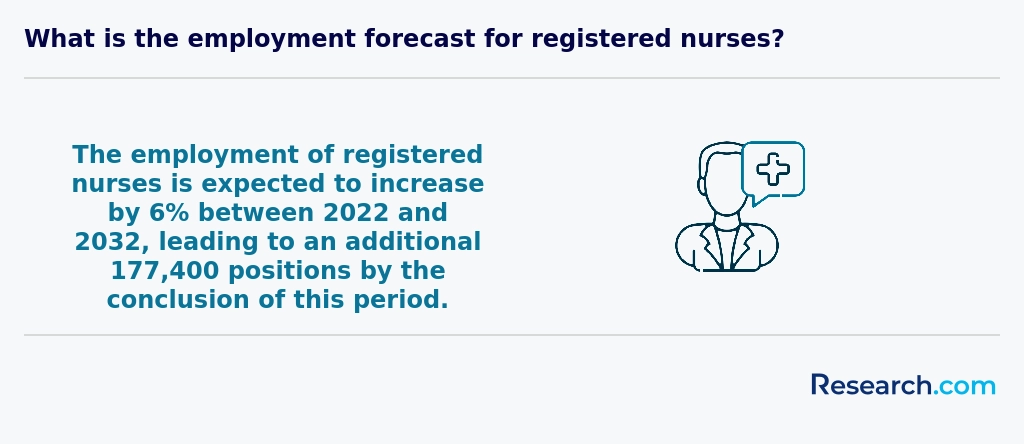
Nursing is widely recognized as a vital profession worldwide, with growing demand due to aging populations and global health challenges. In the United States, including Washington state, the Bureau of Labor Statistics projects a 9% growth in registered nurse employment from 2022 to 2032, faster than the average for all jobs. This reflects a broader global trend emphasizing the need for skilled nursing professionals.
Washington nurses often participate in exchange programs and adopt international best practices, enhancing their competitiveness in a global market. The educational standards in Washington align with global competencies, ensuring graduates can work both domestically and abroad.
Worldwide, nurses play crucial roles in public health, patient care, and policy development. Washington's nursing programs emphasize evidence-based practice, cultural competence, and leadership, preparing students to meet these global expectations.
Gaining practical experience while studying for a nursing degree in Washington is essential for building skills and enhancing employability. Most nursing programs in the state incorporate clinical rotations, where students work in hospitals, clinics, and long-term care facilities under supervision. These hands-on placements offer real-world exposure to patient care and healthcare environments.
Additionally, Washington supports nursing students through partnerships between colleges and local health systems, such as those operated by the Washington State Department of Health. Students may also seek internships or volunteer opportunities at medical centers to further develop clinical skills. According to the 2023 Washington Center for Nursing report, over 85% of nursing students complete clinical hours before graduation, improving readiness for licensure exams and employment.
Choosing the right concentration within a nursing degree program in Washington depends on your career goals and interests. Washington offers diverse nursing specialties, including Family Nurse Practitioner, Psychiatric-Mental Health, and Pediatric Nursing. According to the Washington State Department of Health, areas like geriatric care and mental health are in rising demand due to the state's aging population and increasing awareness of mental wellness.
Consider what type of patient care you find most rewarding, whether it is in hospitals, clinics, or community settings. Research program accreditation and clinical opportunities, as hands-on experience is critical for licensure and employment in Washington.
Furthermore, consult the Washington Center for Nursing for labor market data and future job outlooks. This helps align your education with local healthcare needs, improving job prospects after graduation.
- 2027 Best Online Nursing Degree Programs Ranking in California
- 2027 Best Online Nursing Degree Programs Ranking in Colorado
- 2027 Best Online Nursing Degree Programs Ranking in North Dakota
- 2027 Best Online Nursing Degree Programs Ranking in Kansas
- 2027 Best Online Nursing Degree Programs Ranking in Texas
- 2027 Best Online Nursing Degree Programs Ranking in Iowa
- 2027 Best Online Nursing Degree Programs Ranking in Missouri
- 2027 Best Online Nursing Degree Programs Ranking in Louisiana
- 2027 Best Online Nursing Degree Programs Ranking in Wisconsin
- 2027 Best Online Nursing Degree Programs Ranking in Illinois
See What Experts Have To Say About Studying Nursing
Read our interview with Nursing experts


- Work-life balance | Careers Crossroads https://www.rcn.org.uk/Professional-Development/Your-career/Nurse/Career-Crossroads/Career-Ideas-and-Inspiration/work-life-balance
- Scholarships, Loans & Grants https://www.wcnursing.org/be-a-nurse/scholarships-loans-grants/
- Essential Tips for Nursing Students to Advance Their Careers https://almanaltraining.com/essential-tips-for-nursing-students-to-advance-their-careers/
- Complete Guide to Mastering Washington Nursing ... https://www.prereqcourses.com/guide-washington-nursing-prerequisites/
- Navigating Nursing School As A Non-Traditional Student https://blog.diversitynursing.com/blog/navigating-nursing-school-as-a-non-traditional-student
- What Are the Best RN Certifications for Your Career? https://credenzahealth.com/career-advice/what-are-the-best-rn-certifications-for-your-career
- Guide to Making a Career Change to Nursing https://teach.com/online-ed/healthcare-degrees/online-msn-programs/career-change-to-nursing/
- Pros And Cons Of Online Nursing In 2025 | Davis & Elkins https://www.dewv.edu/the-pros-and-cons-of-online-nusing-in-2025-is-it-right-for-you/
- Your Questions About Online Nursing School, Answered https://www.allnursingschools.com/how-to-get-into-nursing-school/online-programs/
- Nursing Internship and Externship Programs https://jobs.mayoclinic.org/nursinginternexternprograms