
2027 Best Nursing Degree Programs Ranking in Charleston

Co-Founder and Chief Data Scientist
Choosing the right nursing degree program in Charleston can shape your future in healthcare. This article introduces the 2027 Best Nursing Degree Programs Ranking in Charleston, created by the Research.com team of data scientists. It offers clear, reliable guidance to help you find the programs that truly stand out.
Whether you're starting your nursing journey or aiming to advance your career, understanding your options is key. Reading this article will empower you to make an informed decision and take a confident step toward a rewarding profession.
Key benefits of getting nursing degree in Charleston
- Salary benefits: Graduates with a nursing degree in Charleston can expect attractive salaries, with Registered Nurses earning a mean annual wage of $94,480, while Operating Room Nurses earn significantly higher at $128,490 annually.
- Career paths: Nursing degree holders from Charleston colleges often pursue diverse roles like Clinical Nurse Educator or Public Health Nurse, enjoying rewarding work that makes a real difference in community health.
- Online degree advantages: Earning a nursing degree online in Charleston offers flexibility and convenience, allowing students to balance studies with life while gaining the same valuable credentials as traditional programs.
- 2027 Best Nursing Degree Programs Ranking in Charleston
- What can I expect from nursing degree in Charleston?
- Where can I work with nursing degree in Charleston?
What can I expect from nursing degree in Charleston?
When it comes to the average cost of a nursing degree in Charleston, students often find the expenses pretty manageable compared to other cities. For example, graduates from technical colleges in Charleston usually mention paying around $5,000 to $10,000 per year for their Associate Degree in Nursing (ADN). This feels reasonable given the quality of hands-on training they get through clinical placements in nearby hospitals and clinics.
Meanwhile, those attending universities offering a Bachelor of Science in Nursing (BSN) can expect tuition closer to $10,000 to $20,000 annually. Many students appreciate that this investment leads to strong job prospects locally and the option for accelerated programs if they've already earned a degree elsewhere.
Financial aid is a big help here-lots of nursing students tell stories about scholarships, grants, or tuition assistance from local healthcare partners that made a huge difference. So, even if sticker prices seem high at first, the actual cost often feels quite doable once you factor in all these supports.
Where can I work with nursing degree in Charleston?
If you earn a nursing degree in Charleston, you're stepping into a city packed with great job options. Graduates from schools like the Medical University of South Carolina often find themselves working at MUSC Health, where the atmosphere feels like a mix of teamwork and real impact-from helping patients bedside to advancing in specialized nursing roles.
Many grads also land jobs at well-known local hospitals such as Roper Saint Francis or Bon Secours, where the fast-paced environment keeps things exciting and full of learning opportunities.
Outside hospitals, you might find yourself caring for seniors in assisted living facilities or rehabilitation centers, especially since Charleston's aging population keeps demand high for compassionate nurses who love making a difference every day.
Some nursing grads branch out into clinics, home healthcare, or community health programs, enjoying the chance to build close connections with patients. Even military medical facilities near Joint Base Charleston open doors if you're up for a unique challenge. The city's vibrant mix means there's a spot for nearly every nursing passion.
If you're aiming for a nursing degree in Charleston, you can expect some pretty solid earnings right out of school. Graduates from popular local schools like the Medical University of South Carolina often start with salaries around $55,000 to $60,000, which matches well with entry-level nursing roles in the area. As you gain experience or specialize, things get even better.
For example, Registered Nurses-whether fresh grads or those with a bit of time under their belt-earn an average annual wage of around $94,480 here. It's the same for Clinical Nurse Educators, Public Health Nurses, and Emergency Room Nurses, who all typically pull in about this much. That steady $94k average really highlights how nursing careers in Charleston can be financially rewarding.
And if you're looking to really boost your income, operating room nurses in the region earn a standout $128,490 on average. Imagine working hands-on in surgery with those kinds of numbers-definitely a great payoff for your hard work and studies!
So, if you're studying nursing locally, know that the investment pays off with competitive salaries that reflect Charleston's healthcare needs and opportunities.
- Charleston offers various nursing programs, including associate, bachelor's, and accelerated degrees at both public and private schools.
- BSN tuition costs range from $10,000 to $30,000 per year, while ADN programs cost between $5,000 and $12,000 annually, excluding extra fees.
- New nursing graduates in Charleston typically earn starting salaries between $55,000 and $65,000 per year.
- Experienced registered nurses can earn $75,000 or more due to the high demand in the local healthcare sector.
- Nursing job prospects are strong with a lower unemployment rate than the national average and rapid growth in healthcare jobs.
- Graduates must pass the NCLEX-RN exam to practice, and many programs include local clinical experiences to prepare students.
In Charleston, finishing a nursing degree depends a lot on the path you choose, but you can definitely find a timeline that fits your life. For example, many students at local community colleges dive into an Associate Degree in Nursing (ADN), which usually wraps up in about two years. It's a great option if you want to start working as an RN without waiting too long.
On the other hand, if you're dreaming bigger, the Bachelor of Science in Nursing (BSN) at universities around Charleston takes about four years. Some grads from these programs love sharing how the full college experience, campus life, and clinicals prepared them so well.
Then there's the accelerated BSN for folks who already have a degree-Charleston schools offer options to finish in just 11 to 18 months. Graduates often describe this path as intense but super rewarding, especially since they can hit the nursing field quickly.
Plus, if you're already an RN, you can boost your education with RN-to-BSN programs that usually take 12 to 24 months, many available online. This flexibility lets working nurses study without pausing their careers.
- ADN programs: approximately 2 years
- Traditional BSN programs: approximately 4 years
- Accelerated BSN programs: 11-18 months
- RN-to-BSN completion: 12-24 months
A high NCLEX-RN pass rate is a key indicator of a nursing program’s quality and student support. In Charleston, accredited programs often report first-attempt pass rates above 85%, reflecting rigorous curriculum alignment with exam competencies. To maximize your chances of success, consider these proven strategies: 1. Understand the Test Blueprint The NCLEX-RN exam covers four major categories: Safe and Effective Care Environments, Health Promotion and Maintenance, Psychosocial Integrity, and Physiological Integrity. Break down each category into subtopics-like infection control or pharmacological therapies-and create a study plan that allocates time based on your comfort level and program pass rate data. 2. Leverage Program Resources Many local schools offer NCLEX review workshops, tutoring hours, and question banks. If you’re an LPN looking to accelerate your path, our 6-month online lpn to rn bridge program includes dedicated exam prep modules with simulated practice tests modeled on the latest NextGen NCLEX format. 3. Build Active Recall and Spaced Repetition Flashcards and mobile apps employing spaced repetition algorithms help transfer knowledge from short-term to long-term memory. Schedule daily review sessions, focusing on pharmacology calculations and nursing process questions, which are high-yield for both coursework and the NCLEX. 4. Join Study Groups and Peer Reviews Collaborative learning boosts retention and exposes you to diverse clinical scenarios. Form a study group with classmates, role-play patient assessments, and quiz each other on priority-setting questions. Discussing rationales for correct and incorrect answers sharpens critical thinking. 5. Monitor Progress with Practice Exams Take full-length, timed practice tests weekly to simulate test-day conditions. Analyze your performance reports to identify weak areas-such as fluid and electrolyte management or mental health interventions-and adjust your study plan accordingly. 6. Schedule Exam Day Logistics Early Apply for licensure through the South Carolina Board of Nursing at least 90 days before graduation. Reserve your NCLEX appointment in advance, considering preferred test centers and peak registration periods. Arriving well-prepared and stress-free can improve concentration and recall. By focusing on structured preparation, leveraging institutional support, and practicing regularly, Charleston nursing graduates can maintain competitive NCLEX-RN pass rates and transition confidently into professional practice.
If you're thinking about nursing degrees in Charleston, the main difference between online and on-campus programs comes down to how and where you learn. On-campus programs, like those at the College of Charleston, give you that classic college vibe-real classrooms, hands-on labs, and in-person chats with professors and classmates. Graduates often say how the face-to-face interactions helped them feel part of a tight-knit community and made clinical rotations at local hospitals feel more connected.
On the flip side, online programs offered by places like Charleston Southern University let you hit the books whenever and wherever it suits you. Many grads appreciate how they could juggle work, family, or other gigs while still diving deep into their studies. Of course, even online students still handle clinical hours nearby, booking time at Charleston-area clinics or hospitals, which keeps things real and practice-focused.
Most folks find on-campus schedules keep them on track, while online demands a bit more self-motivation-but both routes prepare you well for nursing in Charleston's growing healthcare scene.
Navigating the admissions pathway for nursing degree programs in Charleston, SC, requires careful planning and attention to detail. Before you submit your application, make sure you’ve met all academic prerequisites-typically a minimum high school GPA of 2.75, completion of biology, chemistry, and math courses, and a satisfactory TEAS (Test of Essential Academic Skills) score. Most schools also require proof of immunizations, CPR certification, and a clear background and drug screening report. Application materials generally include:
- Official high school or college transcripts demonstrating prerequisites
- TEAS or HESI exam results
- Two to three letters of recommendation from academic or healthcare professionals
- A concise personal statement outlining your motivation for nursing and career goals
- Documentation of volunteer or healthcare-related experience (if available) Deadlines vary by institution, with fall-semester applications often due as early as January and spring-semester deadlines around September. Be sure to check each school’s portal for exact dates and to confirm whether interviews or campus visits are part of the selection process. To strengthen your application, consider the following tips: 1. Showcase real-world experience: Even a few hours shadowing an RN or volunteering in a clinic can demonstrate commitment. 2. Highlight soft skills: Emphasize teamwork, communication, and organizational abilities in your personal statement. 3. Prepare for interviews: Review common nursing school interview questions and practice articulating clinical scenarios. If you’re aiming to accelerate your pathway into patient care, you might also explore a fast track lpn program online, which can help you complete core competencies quickly and bridge into a broader nursing curriculum. By organizing your documents well, meeting deadlines, and presenting a clear vision for your nursing career, you’ll position yourself as a strong candidate for Charleston’s competitive nursing programs.
The average nursing degree cost in Charleston varies quite a bit depending on where you choose to study and whether you're an in-state or out-of-state student. For many locals attending public universities, the median total cost lands around $22,545, which feels much more manageable. Graduates often share how this affordability made it easier for them to focus on their studies and clinical practice without stressing too much about massive student loans.
On the other hand, if you're coming from out of state or aiming for private colleges, expect that number to jump to about $56,447. That figure includes tuition, fees, and other expenses like uniforms and clinical placement costs, which are part of what students face firsthand as they move through nursing programs in Charleston. Despite the higher price tag, lots of students still find it rewarding because these programs often offer smaller class sizes and more personalized support.
For those hunting for an affordable nursing school in south carolina, community colleges in Charleston tend to offer ADN programs that are friendlier on the wallet, especially for residents. Many nursing grads recall balancing work and school, meaning the cost-effectiveness was key to getting their degree done without burning out.
Thinking about the total cost of nursing programs Charleston-wide means considering tuition plus extra fees required for clinical gear, exam prep, and textbooks, which can add up quickly. But with scholarships and federal aid widely available, numerous students successfully manage these expenses while pursuing their nursing dreams.

Choosing a nursing program with proper accreditation and state approval ensures you can sit for the NCLEX-RN and practice in South Carolina. Key criteria to verify:
- Commission on Collegiate Nursing Education (CCNE) or Accreditation Commission for Education in Nursing (ACEN) status
- South Carolina Board of Nursing program approval for clinical hours
- Recent NCLEX-RN pass rates at or above 85%
- Robust simulation labs and hospital partnerships that meet clinical hour mandates
RNs seeking a clinical-light BSN pathway can explore our rn to bsn online no clinicals ranking for flexible options.
If you're planning to study nursing in Charleston, you'll be glad to know there's quite a bit of financial aid out there to help ease the burden. Many students attending schools like Charleston Southern University or the Medical University of South Carolina find federal aid super helpful - things like Pell Grants and Direct Subsidized Loans through FAFSA can seriously cut costs. The best part? Pell Grants don't have to be paid back, which feels like a win when tuition can run between $7,000 and $15,000 a year for in-state students.
Graduates often share how the South Carolina Nursing Scholarship Program made a huge difference, especially if they promised to work in underserved areas after graduating. Plus, local scholarships from these Charleston colleges can be a total lifesaver, whether based on need or merit.
Some students also tap into support from nursing associations that offer scholarships or loan repayment help, making the whole journey much more manageable. Just remember: getting your FAFSA in early can open the door to all these options!
Charleston’s nursing programs offer more than just academic and clinical training-they provide a vibrant campus life and a supportive community that can play a pivotal role in your success. Students benefit from state-of-the-art simulation labs, engaging student organizations, and wellness programs designed to balance the rigorous coursework with personal development and stress management. Many programs also host networking events and hospital tours that help illustrate real-world applications of classroom theory, ensuring you’re well-prepared for life after graduation. Beyond academic commitments, the engaging campus culture fosters lifelong friendships and mentorship opportunities from experienced faculty members passionate about guiding future healthcare professionals. The availability of tutoring centers, career counseling, and peer support groups further enriches the student experience, ensuring that challenges are met with collective solutions and community care. If affordability is a concern, exploring options like an affordable nursing school in south carolina can help you find a program that meets your financial and academic needs without compromising on quality. This holistic approach to education not only develops skilled nurses but also shapes well-rounded individuals ready to thrive in both their professional and personal lives.
If you're aiming to start a nursing degree in Charleston, you'll want to have a solid academic base first. Most colleges here, like the Medical University of South Carolina or Charleston Southern University, expect you to have finished key courses such as Human Anatomy and Physiology, Microbiology, Chemistry, and some college-level Math, like Algebra or Statistics. Graduates often say these classes really set them up for success when the nursing program gets more intense.
On top of that, a high school diploma or GED is a must, and don't be surprised if you need to show proof of immunizations or pass a background check. Many students found that these steps, while a bit of a hassle, make sure everyone's ready and safe for clinical rotations.
Some nursing grads mention that having even a little experience volunteering or working in healthcare before starting made the whole learning experience more real and enjoyable. It's a great way to get a feel for what nursing is all about before diving in.

When evaluating nursing programs in Charleston, SC, it’s essential to consider measurable quality indicators that reflect a program’s effectiveness. Top-tier programs hold accreditation from recognized bodies such as ACEN (Accreditation Commission for Education in Nursing) or CCNE (Commission on Collegiate Nursing Education), ensuring curriculum rigor and eligibility for federal financial aid. Equally important are NCLEX-RN pass rates-programs with first-time pass rates above 90% demonstrate strong preparation for licensure. Look for published graduation and retention rates; leading institutions often report completion rates exceeding 85%, indicating robust student support and engagement. Small student-to-faculty ratios (ideally 10:1 or lower) enable personalized instruction and timely feedback, which students frequently cite as pivotal to their success during clinical rotations. For those comparing investment versus outcomes, review total program costs alongside these metrics, or explore our Cheapest Online Nursing Degree Programs to find cost-effective, high-quality options. By prioritizing accredited programs with strong NCLEX pass rates, high graduation percentages, and supportive learning environments, prospective nurses can confidently choose a program that delivers both value and excellence.
If you're thinking about studying nursing in Charleston, you'll dive right into courses that mix science with hands-on skills. Graduates from popular schools around here often talk about starting with the basics like human anatomy, physiology, and microbiology-stuff that really builds your understanding of the human body before jumping into actual nursing care.
Once you get past those essentials, you'll take specialized nursing classes such as Health Assessment and Physical Examination, Pharmacology for Nurses, and even Adult and Gerontological Nursing. It's pretty common to also explore Pediatric and Maternal Health, Mental Health Nursing, and Community Health, which helps you understand all kinds of patients and settings.
Students at Charleston's nursing programs really appreciate the mix of theory and practice-they get to test their skills during clinical rotations in local hospitals or community centers, which makes the learning feel real and exciting. Plus, courses like Nursing Ethics and Legal Issues prepare you for real-world challenges you'll face as a nurse here in South Carolina.
If you're diving into a nursing degree in Charleston, you'll find plenty of options to specialize and really focus your skills. Graduates from local schools like the Medical University of South Carolina often mention how helpful it is to pick a path that fits their passion, whether it's becoming a Family Nurse Practitioner, where you care for patients of all ages, or jumping into Emergency and Critical Care to work in fast-paced trauma centers.
Others love the idea of Clinical Nurse Specialist roles, honing in on pediatrics or mental health, while some choose Nursing Education to inspire future nurses. Public Health Nursing is also big here, especially with Charleston's community health programs. This variety makes nursing degree specializations in Charleston feel super personalized and practical.
For those wanting flexibility, programs even include Registered Nurse to BSN options that offer leadership training. If you're looking for quicker routes, check out a fast track lpn program online to get started fast.
Picking the best nursing degree in Charleston really comes down to what fits your life and goals. For instance, some grads from popular schools like MUSC rave about their BSN programs because they offer solid clinical partnerships right here in Charleston's expanding healthcare scene. This hands-on experience in real hospitals boosted their confidence and landed them great jobs fast.
Also, affordability matters-public schools here usually charge around $9,500 per year for in-state students, which is a huge plus if you're budget-conscious. Plus, with financial aid and tuition reimbursement programs tied to local healthcare employers, many students find affordable nursing degrees Charleston SC that don't break the bank.
If you're juggling work or family, look for programs with flexible schedules. Plenty of students appreciate options like part-time or evening classes. And if you want to speed things up, check out the 6-month online lpn to rn bridge program that some Charleston graduates found super convenient and effective.
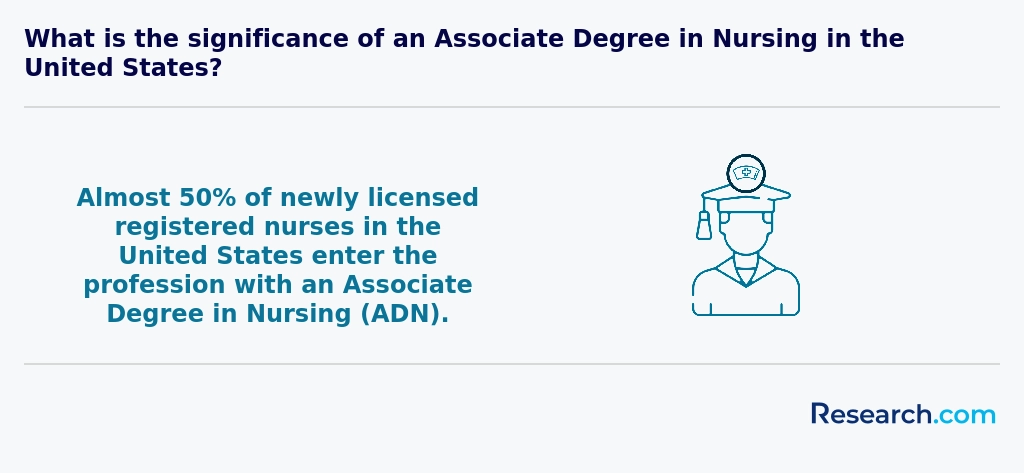
If you're diving into a nursing degree in Charleston, you've got plenty of career paths ahead of you. Many grads start as registered nurses, working hands-on in local hospitals like those connected to the Medical University of South Carolina, gaining real-world experience that feels both challenging and rewarding. Others go on to become advanced practice nurses, such as nurse practitioners or anesthetists, roles that offer more independence and often better pay. Some grads find joy in teaching as nurse educators at Charleston's nursing schools or stepping into leadership as nurse administrators. Community health nursing is also a big deal here, where nurses help educate and care for Charleston's diverse neighborhoods, making a real difference daily. For those curious about broader options, nursing degree job prospects Charleston also include paths in healthcare policy and tech. If costs worry you, check out the Cheapest Online Nursing Degree Programs to find affordable options that won't break the bank.
The nursing job opportunities in Charleston are looking really bright right now. Local hospitals like MUSC Health and Roper St. Francis are constantly hiring nursing grads to keep up with patient needs. Many recent graduates share how their degrees from places like the College of Charleston or Trident Technical College helped them land these roles quickly, thanks to strong connections with healthcare employers and affordable tuition that didn't break the bank. It's especially encouraging to know that the average nurse salary in Charleston, around $70,000, often comes with great benefits.
For those exploring what's next after graduation, the Charleston nursing degree career outlook includes a mix of options-from becoming RNs or nurse practitioners to specialties in home healthcare or pediatrics. Students I've heard from appreciate how the programs emphasize practical skills and certifications that really open doors. If you want to learn about the most useful college degrees, nursing in Charleston stands out as a smart choice.
2027 Best Nursing Degree Programs Ranking in Charleston
Investing in your education is a significant decision that can shape your future, and the Research.com team understands the importance of making informed choices. To assist prospective students in Charleston, we have meticulously crafted the "2027 Best Nursing Degree Programs Ranking in Charleston." Our commitment to quality, credibility, and accuracy is reflected in the extensive research and analysis conducted to compile this ranking.
We utilized the following reputable data sources to ensure a comprehensive evaluation of nursing programs:
By exploring this ranking, readers will gain valuable insights into the best nursing degree programs available in Charleston, helping them make informed decisions about their educational paths. For more details on our methodology, please visit our Research.com methodology page.
# 1 position
Medical University of South Carolina
Master of Science in Nursing


# 3 position
Medical University of South Carolina
Doctor of Nursing Practice

# 5 position
Medical University of South Carolina
Bachelor of Science in Nursing
Frequently Asked Questions About nursing
Nursing degree students in Charleston can maximize their learning experience by engaging in both classroom and clinical opportunities offered locally. Charleston hosts several accredited nursing programs that emphasize hands-on clinical practice in nearby hospitals such as Medical University of South Carolina (MUSC) Health. According to the South Carolina Board of Nursing, students benefit from diverse clinical rotations covering specialties like pediatrics, geriatrics, and emergency care.
Actively participating in simulation labs enhances critical thinking and decision-making skills, which are crucial for real-life nursing scenarios. Networking with local healthcare professionals and joining nursing student organizations can also improve knowledge and career prospects.
Additionally, Charleston's expanding healthcare industry provides various internships and externships, allowing students to gain practical experience while completing coursework. Staying informed about state licensing requirements and NCLEX pass rates, which currently average above 85% for Charleston-area programs, helps students focus their studies effectively.
The nursing field in Charleston is evolving, with several emerging niches gaining prominence as healthcare needs change. One notable area is gerontological nursing, driven by the region's growing elderly population. Nurses specializing in elder care focus on managing chronic conditions and improving quality of life. Another expanding niche is pediatric oncology nursing, addressing the demand for specialized care in children with cancer, supported by local institutions like MUSC Health.
Additionally, nurse informatics is becoming vital, combining healthcare and technology to improve patient data management. According to the U.S. Bureau of Labor Statistics, jobs in nursing informatics are expected to grow by 20% nationally through 2031, reflecting similar trends in Charleston.
After completing a nursing degree in Charleston, preparing for the job market involves several critical steps. First, obtaining licensure by passing the NCLEX-RN exam is mandatory to practice as a registered nurse in South Carolina. The state's Board of Nursing provides detailed requirements for this process.
Gaining clinical experience through internships or volunteering in local hospitals, such as the Medical University of South Carolina, can improve job prospects. Networking with Charleston's healthcare community and joining professional associations like the South Carolina Nurses Association offers valuable connections and resources.
According to the U.S. Bureau of Labor Statistics, nursing jobs in Charleston are projected to grow by 15% through 2030, emphasizing strong demand for qualified nurses.
Employers in Charleston seek nursing graduates with strong clinical skills combined with effective communication abilities. Proficiency in patient assessment, medication administration, and emergency care is essential. According to recent data from the South Carolina Board of Nursing, technical competence remains a primary hiring criterion.
Beyond clinical expertise, teamwork and critical thinking are highly valued. Nurses often collaborate with diverse healthcare teams to deliver quality care, making interpersonal skills crucial. The Charleston Hospital Association highlights that adaptability and cultural sensitivity improve patient outcomes in the city's multicultural population.
Finally, familiarity with electronic health records (EHR) systems is increasingly important. Nursing graduates comfortable with healthcare technology have a competitive advantage in Charleston's evolving medical landscape.
Finding internships in Charleston relevant to a nursing degree involves exploring local healthcare facilities, universities, and community organizations. Charleston is home to several hospitals, including the Medical University of South Carolina (MUSC), which offers structured internship and clinical rotation programs for nursing students. These opportunities provide hands-on experience crucial for licensure and employment.
The South Carolina Board of Nursing recommends students consult their nursing school's career services, which often partner with local clinics and hospitals to place interns. Networking through professional groups like the Charleston Nurses Association can also lead to internship openings.
According to the U.S. Bureau of Labor Statistics, Charleston's healthcare sector is growing faster than the national average, increasing demand for practical nursing experience.
Obtaining a nursing degree in Charleston significantly enhances career mobility and advancement opportunities. According to the U.S. Bureau of Labor Statistics, registered nurses in South Carolina, including Charleston, have a projected job growth rate of 12% through 2030, higher than the national average. This demand means nurses with formal degrees, such as an Associate Degree in Nursing (ADN) or Bachelor of Science in Nursing (BSN), are often preferred by employers.
Higher education levels correlate with better salaries and leadership roles. For example, nurses with a BSN are more eligible for management positions or specialized fields like critical care or pediatrics. Local hospitals and healthcare systems increasingly seek nurses with advanced training to meet state and federal care standards, boosting career advancement prospects for degree holders.
Studying for a nursing degree in Charleston equips students with essential skills for interdisciplinary healthcare roles. Many Charleston nursing programs emphasize collaboration with other health professionals, such as physicians, social workers, and pharmacists. This teamwork focus reflects the integrated nature of modern patient care.
Charleston's healthcare education benefits from partnerships with local hospitals like MUSC Health, where students gain hands-on experience in diverse clinical settings. According to the South Carolina Nurses Association, over 70% of nursing curricula in Charleston include interdisciplinary simulation labs, enhancing communication and problem-solving skills.
Students also learn about healthcare systems, ethics, and community health, which are critical for effective cooperation across disciplines. These comprehensive programs prepare graduates to contribute confidently in team-based environments prevalent in today's healthcare industry.
When choosing between a thesis and a non-thesis nursing degree program in Charleston, consider your career goals first. Thesis programs typically focus on research and are suited for students aiming for academic, research, or advanced clinical roles. Non-thesis options emphasize practical skills and clinical experience, which can be ideal for immediate nursing practice.
Charleston offers several accredited nursing programs with both options. According to the South Carolina Board of Nursing, job growth in advanced practice registered nursing is expected to rise by 15% through 2030, favoring candidates with research experience for some roles.
Financial and time commitments also differ; thesis routes often require longer study and additional costs related to research activities.
Understanding these factors helps students make informed decisions aligned with their professional plans and local workforce demands.
Students based in Charleston who wish to study nursing abroad have several pathways available through partnerships and exchange programs between Charleston institutions and foreign universities. While Charleston itself does not host many direct international nursing campuses, colleges like the Medical University of South Carolina (MUSC) often collaborate with global schools to offer semester-abroad experiences or clinical placements in countries such as the United Kingdom, Australia, and Canada.
Such programs allow students to gain exposure to diverse healthcare systems and practices while earning credits toward their degrees. According to MUSC's 2023 data, about 15% of nursing undergraduates participate in study abroad programs, which enhances cultural competence crucial for nursing careers.
Students should also explore federally recognized study abroad scholarships to manage expenses, as costs can vary significantly depending on the destination and program length.
Charleston offers several part-time job opportunities that complement nursing degree education effectively. Many students find roles as certified nursing assistants (CNAs) or patient care technicians, gaining hands-on clinical experience while continuing their studies. According to the South Carolina Department of Labor, health services jobs in Charleston are projected to grow by 15% through 2028, signaling numerous openings for aspiring nurses.
Other options include positions in medical offices or community health organizations, providing exposure to healthcare administration and patient interaction. Volunteering at local hospitals or clinics also helps build practical skills and professional networks. Such experiences not only reinforce classroom learning but improve employability after graduation.
Networking opportunities for nursing students in Charleston are abundant due to the city's strong healthcare presence and active educational community. Local hospitals, such as the Medical University of South Carolina (MUSC) Health, offer clinical internships and residency programs that connect students with experienced healthcare professionals.
Students can also join professional organizations like the South Carolina Nurses Association (SCNA) and participate in their local chapters and events. These groups provide mentorship, workshops, and conferences focused on advancing nursing careers.
Additionally, Charleston hosts regular healthcare job fairs and workshops where nursing students can meet employers and learn about career pathways. According to the Charleston Metro Chamber of Commerce, healthcare jobs in the area are expected to grow by over 15% through 2030.
Alumni networks offer significant advantages for nursing degree students in Charleston. These networks connect current students with experienced graduates who have a strong understanding of the local healthcare environment. Through mentorship opportunities, students gain guidance on clinical placements, licensing exams, and career advancement.
Charleston's healthcare sector is growing, with local hospitals valuing candidates from well-connected programs. Alumni networks often share job openings and internships unavailable through public listings, increasing employment chances.
Additionally, the South Carolina Nurses Association notes that nursing graduates involved in alumni communities report higher job satisfaction and retention in the region. This support system fosters professional growth and long-term career success.
Customizing a nursing degree program in Charleston involves selecting courses and clinical experiences that align with your specific career goals. Many local institutions offer options such as pediatric nursing, gerontology, or emergency care specialties. Students can often choose elective courses to deepen expertise in targeted areas.
Additionally, Charleston's healthcare partnerships allow hands-on clinical placements in varied settings, from hospitals to community clinics. This exposure helps tailor practical skills to desired work environments. According to the South Carolina Board of Nursing, clinical experience is crucial for licensure and job readiness.
Some programs also provide flexible scheduling and part-time options, supporting working professionals. Choosing a program accredited by the Commission on Collegiate Nursing Education ensures high educational standards, preparing students for the state's licensing exam and diverse nursing roles.
Nursing students in Charleston face several notable challenges during their education journey. A primary difficulty is balancing rigorous coursework with demanding clinical hours, which can exceed 40 hours per week in some programs. According to the South Carolina Board of Nursing, clinical placements in Charleston's busy hospitals are highly competitive, often leading to scheduling conflicts.
Additionally, the rising cost of tuition and associated expenses pose financial strain. Data from the College Board reveals that tuition at public nursing programs in South Carolina rose by approximately 4% annually over the past five years.
Finally, students report stress related to mastering complex medical terminology and hands-on skills, which are essential for patient safety and effective care delivery.
With a nursing degree in Charleston, graduates can pursue various professional certifications to enhance their career prospects. Common certifications include the Certified Nurse Assistant (CNA) and Registered Nurse (RN) licensure, which is mandatory to practice nursing in South Carolina. Advanced certifications like Certified Nurse Practitioner (CNP), Critical Care Registered Nurse (CCRN), and Certified Emergency Nurse (CEN) are also available for specialized fields.
According to the South Carolina Board of Nursing, these certifications require passing specific exams and completing continuing education.
Obtaining certification can lead to higher salaries and job opportunities in Charleston's growing healthcare sector, with hospitals like MUSC Health emphasizing certified nursing staff.
Writing a winning application for a nursing program in Charleston starts with meeting all academic requirements. Most programs require a minimum GPA of 3.0, with strong grades in biology, chemistry, and anatomy. Admission committees also value healthcare experience, so including volunteer work or certifications such as CNA is beneficial.
Applicants should prepare a clear, concise personal statement that explains their motivation for nursing and connection to Charleston's healthcare community. Highlighting knowledge of local healthcare challenges and how you plan to contribute can set you apart.
Letters of recommendation from healthcare professionals or instructors add credibility. Finally, be sure to adhere to deadlines and provide all required documentation. According to the South Carolina Board of Nursing, thorough preparation increases admission chances significantly.
Nursing is recognized worldwide as a vital profession in healthcare, with increasing demand in many countries. For students in Charleston, understanding global trends can highlight exciting career opportunities. According to the U.S. Bureau of Labor Statistics, nursing jobs are projected to grow 9% from 2022 to 2032, reflecting a strong national and global need.
Internationally, nurses often work in diverse settings, from urban hospitals to rural clinics, offering chances to specialize or engage in public health efforts. Charleston's nursing programs prepare students to meet these varied needs with accredited curricula aligned to global standards, including cultural competence and evidence-based practices.
Furthermore, many Charleston nurses participate in exchange programs or humanitarian missions, strengthening the profession's global impact. These experiences foster skills valuable both locally and abroad, emphasizing nursing as a universally respected career.
Gaining practical experience while studying for a nursing degree in Charleston is essential for developing clinical skills. Most nursing programs in South Carolina, including those in Charleston, require students to complete clinical rotations in local hospitals and healthcare facilities. These rotations offer hands-on training in real patient care settings under professional supervision.
Students often work with partners like the Medical University of South Carolina (MUSC) and Roper St. Francis Healthcare, which are key clinical sites in the region. According to the South Carolina Board of Nursing, clinical hours typically range from 400 to 700 hours depending on the program level.
Additionally, many programs encourage volunteering or internships to further build experience outside of coursework.
Choosing the right concentration within a nursing degree program in Charleston involves understanding both your personal interests and the local healthcare demand. Charleston has a growing need for specialized nurses in areas like gerontology and pediatric care, reflecting its demographic trends and prominent medical facilities such as MUSC Health. According to the South Carolina Department of Labor, registered nursing jobs are expected to increase by 15% from 2020 to 2030 in the region, emphasizing specialties in acute and long-term care.
Consider exploring concentrations that align with these trends, such as adult-gerontology or family nurse practitioner tracks. Review program curricula and clinical opportunities available locally to ensure hands-on experience in your chosen field.
- 2027 Best Nursing Degree Programs Ranking in Columbia
- 2027 Best Nursing Degree Programs Ranking in Jacksonville
- 2027 Best Nursing Degree Programs Ranking in Macon
- 2027 Best Nursing Degree Programs Ranking in Atlanta
- 2027 Best Nursing Degree Programs Ranking in Orlando
- 2027 Best Nursing Degree Programs Ranking in Lynchburg
- 2027 Best Nursing Degree Programs Ranking in Virginia Beach
- 2027 Best Nursing Degree Programs Ranking in Tampa
- 2027 Best Nursing Degree Programs Ranking in Harrisonburg
- 2027 Best Nursing Degree Programs Ranking in Birmingham
See What Experts Have To Say About Studying Nursing
Read our interview with Nursing experts

Lisa Grubb
Nursing Expert
Assistant Professor
Johns Hopkins School of Nursing

- Working While in Nursing School: 25 Ways to Make Money as a Nursing Student https://credenzahealth.com/career-advice/working-while-in-nursing-school-25-ways-to-make-money-as-a-nursing-student
- School of Nursing Alumni Resources https://nursing.utmb.edu/About/Alumni
- Nurse Salary https://nursinglicensemap.com/resources/nurse-salary/
- Nursing Loan Repayment, Scholarship, and Grant Programs https://bhw.hrsa.gov/nursing-programs
- Nursing Degree You Need to Become an RN https://www.allnursingschools.com/registered-nursing/degrees/
- How to Choose the Right Nursing School for Your Career Goals | Archer Review https://www.archerreview.com/blog/how-to-choose-the-right-nursing-school-for-your-career-goals
- THE FIELD OF NURSING - FIRST-DEGREE OF STUDIES https://wnoz.wum.edu.pl/pl/content/field-nursing-first-degree-studies
- Pros And Cons Of Online Nursing In 2025 | Davis & Elkins https://www.dewv.edu/the-pros-and-cons-of-online-nusing-in-2025-is-it-right-for-you/
- BOLD Nursing Faculty Program | South Carolina Student Loan https://www.scstudentloan.org/forgiveness-programs/bold-nursing-faculty-program
- Guide to Making a Career Change to Nursing https://teach.com/online-ed/healthcare-degrees/online-msn-programs/career-change-to-nursing/


