2027 Best Online Doctorate in Nursing Degree Programs Ranking in New Jersey

Co-Founder and Chief Data Scientist
Choosing the right nursing doctorate program can be overwhelming, especially with so many options available. This article presents the 2027 Best Online Doctorate in Nursing Degree Programs Ranking in New Jersey, developed by the Research.com team of data scientists to guide you through this important decision.
By exploring this ranking, you'll discover which programs stand out for quality and flexibility, helping you focus on degrees that truly match your goals. Earning a nursing doctorate opens doors to advanced career opportunities and personal growth, making your investment in education truly rewarding.
Key benefits of getting online nursing degree in New Jersey
- Salary for nursing degree graduates: Graduates in New Jersey pursuing roles such as Advanced Practice Registered Nurse or Family Nurse Practitioner can expect an average annual wage of about $128,490, reflecting strong earning potential.
- Career paths: A nursing graduate from Rutgers University can explore diverse opportunities, including Psychiatric Nurse Practitioner or Acute Care Nurse Practitioner, offering rewarding and stable job prospects.
- Online degree benefits: Earning a nursing degree online from institutions like Thomas Edison State University provides flexibility and convenience, allowing students to balance work and study effectively while gaining quality education.
- 2027 Best Online Doctorate in Nursing Degree Programs Ranking in New Jersey
- What can I expect from online nursing degree in New Jersey?
- Where can I work with online nursing degree in New Jersey?
What can I expect from online nursing degree in New Jersey?
The average cost of an online nursing degree in New Jersey varies depending on the institution and program level, but typical tuition ranges from $10,000 to $30,000 for undergraduate degrees such as RN-to-BSN programs. Graduate-level programs like MSN or DNP may cost between $20,000 and $50,000. Students attending well-regarded schools such as Rutgers University or Georgian Court University often report feeling the investment is worthwhile due to the quality of education and strong faculty support.
Graduates frequently share how flexible online formats allowed them to balance work and family obligations while advancing their careers. For example, many working nurses appreciated being able to complete coursework remotely through robust learning management systems and virtual simulations.
Financial aid options, including scholarships and workforce development grants specific to New Jersey, help mitigate expenses, making these programs more accessible. This support enables students to pursue their goals confidently knowing they meet the New Jersey Board of Nursing's rigorous accreditation and licensure standards without overwhelming debt.
Where can I work with online nursing degree in New Jersey?
Graduates of online nursing degree programs in New Jersey find abundant employment opportunities throughout the state's diverse healthcare landscape. Many secure positions in renowned hospitals like Hackensack Meridian Health or RWJBarnabas Health, where their accredited online degrees and NCLEX-RN licensure are fully recognized. These environments offer dynamic roles ranging from acute patient care to specialized departments, providing a rewarding and impactful career.
Others gain valuable experience working in outpatient clinics or physician offices, engaging in preventive care and patient education, which fosters strong patient relationships and career satisfaction. Graduates from respected institutions such as Rutgers University and Seton Hall University often express a sense of pride and fulfillment working in these settings.
Long-term care facilities and nursing homes also employ many online nursing graduates, addressing the needs of New Jersey's growing elderly population. Home health care agencies provide flexible roles where nurses deliver personalized care directly in patients' homes, a path many graduates find emotionally rewarding and professionally enriching.
Advanced degree holders may pursue specialty clinics, community health programs, or academic roles, reflecting the broad scope enabled by quality online nursing education in the state.
Graduates with an online nursing degree in New Jersey can expect competitive salaries that reflect both their educational attainment and the state's healthcare demands. For instance, registered nurses holding a bachelor's degree from well-known institutions like Rutgers University or Seton Hall University report starting salaries in the range of $75,000 to $89,000, aligning with the U.S. Bureau of Labor Statistics data for the region. These figures often excite recent grads during their job search in metropolitan hubs such as Newark or Jersey City, where higher wages correspond to increased living costs.
Those pursuing advanced online degrees, such as a Doctor of Nursing Practice (DNP) or Nurse Practitioner (NP) programs offered by New Jersey colleges, benefit financially by earning mean annual wages around $128,490, according to federal data. Specializations like Family Nurse Practitioner or Psychiatric Nurse Practitioner roles share this salary benchmark, providing graduates with a strong return on their investment.
Real-life graduates highlight that these salaries allow them to comfortably support families while advancing their careers in hospitals or specialized clinics, where pay often surpasses outpatient or home health facilities. The blend of experience, certification, and an online nursing degree is key to maximizing long-term earning potential in New Jersey's dynamic healthcare environment.
- Online nursing degrees in New Jersey offer flexible schedules with remote coursework and local clinical placements for real-world experience.
- Bachelor's degree programs typically cost between $40,000 and $70,000 in total tuition, with some additional fees for clinicals and textbooks.
- Nursing jobs in New Jersey are expected to grow by about 9% through 2030, indicating strong employment opportunities.
- Starting salaries for new nursing graduates average around $65,000 per year, increasing to over $85,000 after five years with experience and certifications.
- Licensure requires passing the NCLEX-RN exam and registering with the New Jersey Board of Nursing, so programs must meet state standards.
- Accreditation by bodies like the Commission on Collegiate Nursing Education is necessary for licensure and federal financial aid eligibility.
Completing an online nursing degree in New Jersey typically ranges from 1 to 5 years depending on the degree pursued and prior qualifications. For instance, graduates from programs offered by well-known institutions like Rutgers University or Stockton University often report finishing a Bachelor of Science in Nursing (BSN) between 2 and 4 years when studying online. Those advancing from an associate degree or licensed practical nurse (LPN) status find RN-to-BSN programs can be completed in as little as 1 to 2 years, a flexibility praised by many working professionals balancing family and employment.
Master's programs, such as the Master of Science in Nursing (MSN), often require 1.5 to 3 years, with many graduates noting how the flexible scheduling at New Jersey's Kean University allows them to progress at their own pace while managing clinical requirements.
Doctoral degrees like the Doctor of Nursing Practice (DNP) or PhD typically take 3 to 5 years, as experienced by online students at Rutgers who highlight the rewarding, though intensive, nature of advanced research and coursework. Clinical hours mandated by the New Jersey Board of Nursing, arranged locally, also influence the timeline but contribute to hands-on confidence and readiness.
Doctoral-level nursing education culminates in a rigorous capstone project or dissertation that demonstrates advanced clinical expertise and leadership. In New Jersey’s top online DNP programs, students work closely with faculty mentors to design, implement, and evaluate evidence-based interventions addressing real-world healthcare challenges. Key components include: 1. Project Proposal and Approval - Identify a practice-focused issue, such as reducing hospital readmissions or improving patient safety protocols. - Develop a literature review to support the intervention’s theoretical framework. - Secure approval from a faculty committee and institutional review board (IRB), ensuring ethical compliance. 2. Data Collection and Analysis - Utilize quantitative and qualitative methods to gather clinical data. - Apply statistical software and thematic analysis to measure outcomes and patient impact. - Consult with biostatisticians or research librarians for robust methodology. 3. Implementation and Evaluation - Pilot the intervention in a clinical setting, often through virtual partnerships with New Jersey healthcare facilities. - Collect pre- and post-intervention metrics to assess efficacy. - Prepare a comprehensive evaluation report, highlighting improvements in patient outcomes or workflow efficiency. 4. Dissemination and Publication - Present findings at professional conferences or webinars, showcasing leadership in advanced nursing practice. - Submit manuscripts to peer-reviewed journals, enhancing both individual credentials and program reputation. - Leverage institutional research centers and grants to support ongoing scholarship. 5. Clinical Residency and Mentorship - Complete a minimum of 500 clinical hours under DNP faculty supervision, often coordinated through local health systems. - Engage in interprofessional collaboration with physicians, pharmacists, and healthcare administrators. - Receive feedback on clinical decision-making, policy advocacy, and population health strategies. Understanding the investment involved, many students compare tuition and fees across programs. To explore cost-saving options without sacrificing quality, review our guide on online dnp program cost. By mastering these research and capstone requirements, graduates emerge as innovative leaders equipped to transform nursing practice and influence healthcare policy.
Online nursing degree programs in New Jersey offer unmatched flexibility, enabling students to balance coursework with work or family commitments. Graduates from Rutgers University's online nursing program often describe how fitting lectures and assignments around their busy schedules made completing their degrees achievable without sacrificing income or home life.
In contrast, traditional on-campus programs, such as those at Thomas Edison State University, demand regular physical presence in classrooms and labs. Many students appreciate the immediate access to faculty and hands-on practice in simulation labs, which fosters collaboration and builds confidence through in-person feedback.
Both online and on-campus students share one constant: the requirement to fulfill clinical hours in accredited local healthcare facilities, critical for licensure in New Jersey. Online programs assist by arranging nearby clinical placements, helping students gain essential real-world patient care experience despite distance learning.
The reliance on technology in online programs necessitates a dependable internet connection and digital proficiency, while on-campus attendees benefit from direct access to libraries and tutoring centers. These distinct experiences shape the learning journey but ultimately prepare students for thriving nursing careers in New Jersey's healthcare environment.
Pursuing an online doctorate in nursing in New Jersey culminates in a rigorous dissertation or capstone project that demonstrates advanced scholarship and contributes to the nursing profession. Students begin by completing foundational research courses-such as Advanced Nursing Research Methods and Quantitative Analysis-designed to equip them with the theoretical frameworks and statistical tools necessary for high-quality investigations. After successful completion of qualifying exams, candidates propose a dissertation topic that addresses a critical issue in healthcare delivery, policy, or education. Each proposal undergoes Institutional Review Board (IRB) approval to ensure ethical conduct, particularly when involving human subjects. Throughout the research phase, doctoral candidates work closely with a multidisciplinary committee of faculty mentors, leveraging institutional resources such as online library databases, grant-writing workshops, and biostatistical consulting. Regular virtual defense meetings help refine research questions, data collection methods, and analysis strategies. The capstone project typically requires the integration of evidence-based practice into clinical or administrative settings. For example, a student might design and pilot a quality-improvement intervention in a New Jersey hospital or develop a telehealth protocol for underserved communities. These projects not only satisfy academic requirements but also generate tangible improvements in patient care or organizational efficiency. Most students complete their dissertation and defense within four to six years, depending on part-time or full-time enrollment. Leveraging prior academic work can accelerate progress-students building on backgrounds from programs such as the Cheapest Online Bachelor's in Nursing Degree Programs Ranking in Florida often find their familiarity with evidence-based practice beneficial when selecting research methodologies. This structured, mentor-guided process ensures that graduates emerge as nurse scholars ready to lead research initiatives and influence healthcare outcomes.
The average cost of an online nursing degree in New Jersey typically centers around a median total of $44,818. Nursing students attending popular institutions such as Rutgers University or Seton Hall University often find tuition falling within this range when pursuing their degrees online. Graduates from these programs frequently share experiences of balancing coursework with professional responsibilities, appreciating the flexibility that online classes provide for continuing education without disrupting their careers.
For many prospective students considering New Jersey online nursing doctorate tuition and fees, it is essential to anticipate expenses beyond tuition, such as textbooks, licensing exams, and technology fees. These additional costs contribute to the overall financial commitment but are balanced by the convenience and affordability of studying remotely. Alumni from New Jersey's nursing programs often report satisfaction with the value they received, noting that the investment supported their advancement into specialized nursing roles.
Students interested in understanding the financial landscape of nursing education can explore resources for affordable nursing schools in New Jersey that align with their budget and career goals. Many nursing graduates highlight how these online programs reduce costs related to commuting and housing, making advanced nursing degrees more feasible. Engaging deeply with program advisors helps clarify potential scholarships and financial aid options that further ease the cost burden for online learners.
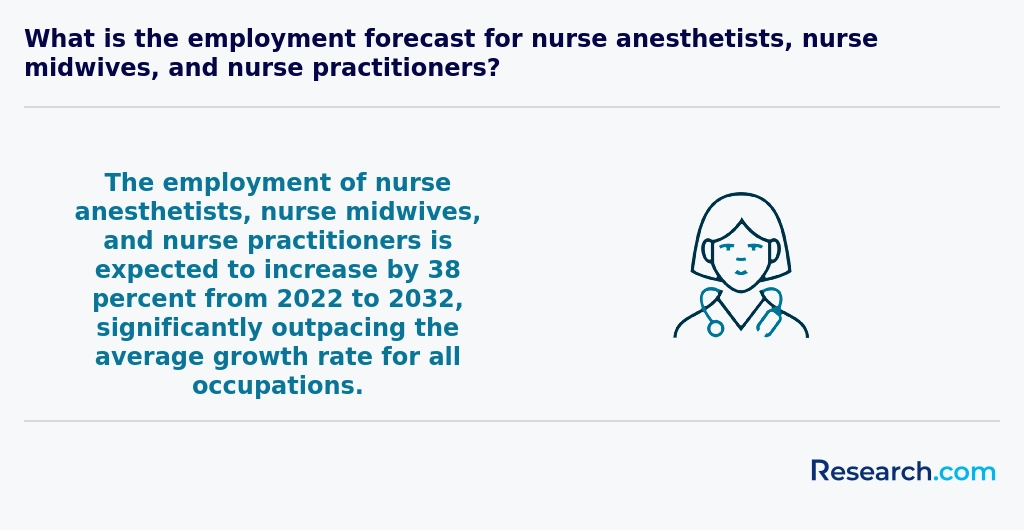
Choosing between a Doctor of Nursing Practice (DNP) and a PhD in Nursing involves weighing your career objectives and preferred focus.
- Focus: DNP emphasizes clinical practice, leadership and quality improvement; PhD centers on research, theory development and generating new evidence.
- Curriculum: DNP includes applied projects and practice residencies; PhD requires a dissertation and advanced research methods.
- Career outcomes: DNP graduates lead advanced clinical roles and policy initiatives; PhD holders pursue academic, research or consulting positions.
- Duration: DNP programs often take 3–4 years; PhD programs may extend 4–6 years.
For streamlined practice-focused options, explore the easiest dnp programs.
Students pursuing an online nursing degree in New Jersey frequently access federal aid through the FAFSA, unlocking grants like the Pell Grant and various federal loans. For instance, graduates from Rutgers University reported that securing a Pell Grant significantly eased their tuition burden, allowing them to focus more on clinical practice rather than finances.
State-specific programs such as NJ STARS offer full tuition coverage for two years at community colleges like Bergen Community College, benefiting students who maintain strong academics before transferring to a four-year institution. Additionally, the New Jersey Health Care Workforce Resiliency Program provides grants that many nursing students have found instrumental in managing living expenses while studying.
Scholarships from the New Jersey Nurses Foundation reward academic excellence and financial need, often supporting online learners at schools such as William Paterson University. Several alumni express gratitude for employer tuition reimbursement programs, which are especially common in healthcare institutions statewide, offering vital support as they advance their credentials while working.
For many prospective nursing leaders in New Jersey, beginning as a Licensed Practical Nurse (LPN) offers hands-on experience and a cost-effective entry point before committing to a full doctorate program. An LPN credential can accelerate early career growth, provide valuable clinical exposure, and streamline credit transfers into higher degrees. To find the most reputable programs that lay this foundation, consider the best lpn program in new jersey for high-quality curricula, clinical partnerships, and strong graduate outcomes. Once you’ve earned your LPN license by passing the NCLEX-PN, you can leverage these core competencies to fast-track into advanced degrees: • Enroll in an accredited RN-to-BSN bridge program, often completing in 12–18 months; • Transition seamlessly into a Master of Science in Nursing (MSN) with concentrated study in leadership, informatics, or advanced practice; • Pursue a Doctor of Nursing Practice (DNP) or PhD in Nursing, applying accumulated credits and clinical hours toward doctoral-level requirements. Advantages of this staged approach include reduced tuition costs at each step, early workforce entry for income generation, and the ability to refine your specialty focus-whether that’s family practice, psychiatric care, or healthcare administration-before doctoral coursework. Furthermore, institutions offering LPN-to-Doctorate pathways often provide dedicated academic advisors, ensuring each credential aligns with your long-term goals in healthcare leadership and research. By mapping your educational journey from LPN through doctorate, you not only optimize time and resources but also bolster your expertise with real-world nursing practice that enhances both competence and confidence at every academic tier.
To enroll in an online nursing degree program in New Jersey, students must meet specific prerequisites that ensure readiness for rigorous academic and clinical demands. For undergraduate programs such as a BSN, most applicants hold a high school diploma or GED and have completed foundational courses in biology, chemistry, and math. For instance, graduates from programs at well-known New Jersey institutions recall how mastering these subjects early boosted their confidence entering nursing-specific classes.
Applicants typically provide official transcripts and may need to submit standardized test scores like the SAT or ACT, though some schools waive this for transfer students or those with college credits. Graduate-level nursing degrees require an active, unencumbered RN license in New Jersey, alongside a bachelor's degree with a competitive GPA-often around 3.0 or higher. Many students find that preparing letters of recommendation and a purposeful personal statement helps them stand out during admission.
Reliable internet access and technical skills are vital for success, especially when engaging in virtual clinical simulations included in programs at prominent New Jersey colleges. Alumni often highlight that meeting these prerequisites creates a solid foundation for thriving in the demanding yet rewarding journey of online nursing education.
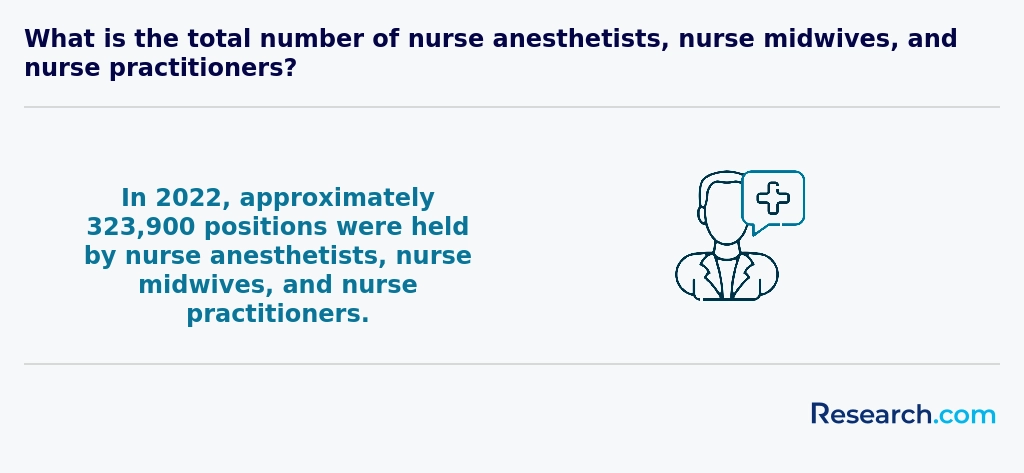
When considering an online nursing program in New Jersey, financial planning is crucial. Prospective students should research the total cost of attendance, including tuition, fees, and additional expenses such as textbooks and clinical attire. Many online nursing programs offer flexible payment plans and financial aid options, including scholarships, grants, and loans. It's essential to explore these options and create a personalized budget to ensure a smooth educational journey. For instance, students can visit affordable nursing schools in New Jersey to compare costs and find programs that fit their budget. By prioritizing financial planning and seeking out affordable options, aspiring nurses can focus on their studies and achieve their career goals without undue financial stress.
Online nursing degree programs in New Jersey typically include a comprehensive blend of foundational and specialized courses designed to equip students with essential skills and knowledge. Students at well-regarded institutions such as Rutgers University or Seton Hall University often share that courses like anatomy, physiology, microbiology, and pharmacology provide a clear understanding of the human body and medical treatments, forming a vital foundation for their nursing careers.
Core nursing classes frequently cover adult and pediatric health nursing, mental health nursing, and community and public health nursing, allowing students to approach patient care from multiple perspectives. Graduates recall how learning nursing leadership and management helped them gain confidence in clinical decision-making and handling real-world challenges.
Many students also appreciate courses in evidence-based practice and nursing research, which connect theory with practical applications. Clinical practice components are completed locally, blending classroom knowledge with hands-on experience that graduates often describe as transformational in preparing for licensure and full-time nursing roles.
Online nursing degrees in New Jersey offer a range of specializations designed to meet both student interests and regional healthcare demands. Graduates from well-known New Jersey institutions often highlight the Family Nurse Practitioner (FNP) specialization, which equips them to provide comprehensive primary care across all ages-an increasingly vital role given the state's population growth. Similarly, the Psychiatric Mental Health Nurse Practitioner (PMHNP) focus is gaining attention as mental health services expand statewide.
Other popular tracks include Adult-Gerontology Acute and Primary Care Nurse Practitioner programs, addressing the complex care needs of New Jersey's aging population. Students pursuing Healthcare Leadership and Administration or Clinical Nurse Specialist (CNS) roles often find themselves better prepared to lead within hospitals and public health agencies, thanks to targeted coursework reflecting local healthcare system complexities. Additionally, Nursing Education specializations support the growing demand for qualified educators at New Jersey colleges, ensuring a steady pipeline of future nurses. Many nursing students discover these pathways align well with their career goals, particularly when choosing among the diverse online nursing specializations New Jersey offers. For practical enrollment options, consider programs listed in the best lpn program in new jersey.
Choosing the best online nursing degree in New Jersey begins with verifying accreditation by recognized bodies such as the Commission on Collegiate Nursing Education (CCNE) or the Accreditation Commission for Education in Nursing (ACEN). Graduates from Rutgers University and other well-known New Jersey institutions often highlight how accreditation ensured their eligibility for the NCLEX-RN and competitive job placement locally. Consider programs that offer flexibility through asynchronous learning and robust support services, which many students find essential to balancing work, family, and studies.
Cost is another key factor. Many students researching affordable online nursing degrees NJ appreciate tuition transparency and the availability of financial aid. Comparing fees-including hidden costs like clinical placement or technology fees-can prevent surprises. For those pursuing advanced credentials, examining options around online dnp program cost is equally important.
Lastly, look for programs with strong NCLEX-RN pass rates and proven graduate outcomes in New Jersey's healthcare market. Specialized curricula that align with career goals, such as nurse educator or administrator tracks, enhance job readiness and satisfaction among alumni.
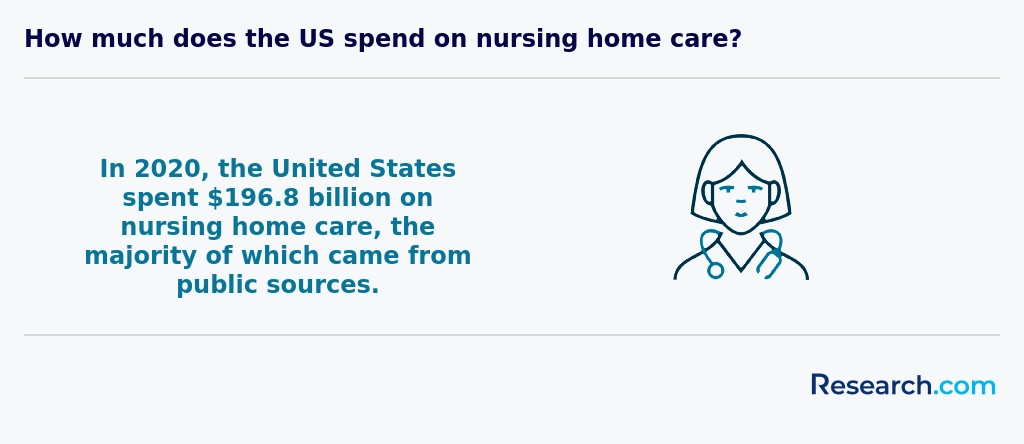
Graduates of online nursing degrees in New Jersey find a wide array of career paths accessible immediately upon completion. Many registered nurses with Bachelor of Science in Nursing (BSN) degrees secure roles in hospitals, outpatient centers, nursing homes, or community health settings throughout the state. This diversity in job opportunities allows graduates from institutions like Rutgers University and Stockton University to build rewarding careers while contributing to high-demand fields such as medical-surgical, pediatric, and emergency nursing. These real-life examples reflect the vibrant job market fueled by increasing healthcare needs in New Jersey.
For those advancing into Master of Science in Nursing (MSN) or Doctor of Nursing Practice (DNP) programs, career options broaden to specialized roles such as nurse practitioners, nurse educators, and administrators. Many graduates from established programs celebrate the career flexibility and independence granted by the New Jersey Board of Nursing, enabling nurse practitioners to thrive in both primary care and specialty services. Those pursuing psychiatric-mental health, family health, or acute care specializations report enhanced fulfillment through tailored patient care.
Nursing degree job opportunities New Jersey also include non-clinical positions in health policy, informatics, and education. Online nursing students cite satisfaction in influencing healthcare systems and leadership roles at major hospitals across New Jersey. Prospective students interested in affordable pathways may explore the Cheapest Online Bachelor's in Nursing Degree Programs Ranking in Florida as a comparative resource, while benefiting from New Jersey's competitive in-state tuition and targeted scholarships.
The job market for individuals holding an online nursing degree in New Jersey is notably strong, with steady demand driven by an aging population and healthcare facility expansions. Graduates from well-regarded institutions such as Rutgers University and Stockton University frequently report positive employment outcomes, benefitting from local healthcare systems' recognition of accredited online nursing programs. This demand translates into diverse nursing career opportunities in New Jersey, where hospitals and outpatient centers actively seek qualified nurses to fill critical roles.
Online nursing degree job outlook New Jersey reflects a growth rate slightly above national averages, supported by competitive salaries-averaging around $81,000 annually-and opportunities for advancement. Many graduates find flexible work arrangements that complement their personal commitments, making it easier to balance career and family life. Tuition savings from online study, combined with financial aid, increase accessibility and career viability.
Nurses who pursue advanced certifications or specializations see enhanced prospects. For those exploring pathways to boost income, there are excellent highest paying certificate options that complement an online nursing degree.
2027 Best Online Doctorate in Nursing Degree Programs Ranking in New Jersey
Investing in your education is a significant decision that can shape your future, and the Research.com team understands the importance of making informed choices. To assist prospective students in New Jersey, we have meticulously crafted the "2027 Best Online Doctorate in Nursing Degree Programs Ranking in New Jersey." Our commitment to quality, credibility, and accuracy is reflected in the extensive research and analysis conducted to compile this ranking.
We utilized the following reputable data sources to ensure a comprehensive evaluation of nursing programs:
By exploring this ranking, readers will gain valuable insights into the best online doctorate in nursing degree programs available in New Jersey, helping them make informed decisions about their educational paths. For more details on our methodology, please visit our Research.com methodology page.


Frequently Asked Questions About nursing
Students pursuing online nursing degrees in New Jersey can enhance their learning by actively engaging with course materials and instructors. Consistent participation in virtual discussions helps reinforce knowledge and develop critical thinking. Utilizing local healthcare facilities for clinical practice fulfills state licensing requirements while gaining hands-on experience. According to the New Jersey Board of Nursing, students must complete supervised clinical hours to qualify for licensure. Time management is crucial due to the rigorous demands of nursing programs. Joining professional organizations, such as the New Jersey State Nurses Association, offers networking and continuing education opportunities that complement online studies.
The nursing field in New Jersey is expanding into several emerging niches that reflect broader healthcare trends. One notable area is gerontological nursing, driven by the aging population; nearly 16% of New Jersey's residents are 65 or older, according to the U.S. Census Bureau. This growth increases demand for nurses specialized in elderly care.
Another niche gaining traction is informatics nursing, where professionals integrate nursing science with data management to improve patient outcomes. As hospitals in New Jersey adopt advanced electronic health records, expertise in this area becomes crucial.
Lastly, psychiatric-mental health nursing is rising in importance due to increasing awareness of mental health needs, with New Jersey reporting higher-than-average behavioral health service demand, per the New Jersey Department of Health.
After completing an online nursing degree in New Jersey, preparing for the job market involves several key steps. First, obtaining your New Jersey nursing license from the New Jersey Board of Nursing is essential to legally practice. The state had a 2023 registered nurse employment of approximately 98,000 according to the U.S. Bureau of Labor Statistics, indicating strong local demand.
Networking through professional organizations like the New Jersey State Nurses Association can offer job leads and mentorship. Additionally, gaining certifications such as BLS or specialty credentials can enhance your resume. Finally, tailoring your resume to highlight clinical experiences, even from online programs, helps employers recognize your practical skills.
Employers in New Jersey highly value clinical competence in nursing graduates. Graduates must demonstrate strong skills in patient care, medication administration, and health assessment. According to the New Jersey Board of Nursing, practical experience combined with theoretical knowledge is critical.
Communication skills are also essential. Nurses must effectively interact with patients, families, and healthcare teams, ensuring clear understanding and compassionate care.
Critical thinking and problem-solving are crucial for handling complex medical situations. The New Jersey Department of Labor highlights these skills as key to improving patient outcomes.
Additionally, adaptability and proficiency with electronic health records (EHR) systems are increasingly important.
Finding internships in New Jersey relevant to a nursing degree involves several key steps. Start by checking with your online nursing program's career services, as many schools have partnerships with local hospitals and clinics. The New Jersey Board of Nursing also provides resources and licensure requirements that can guide your clinical placement options.
Hospitals such as Hackensack Meridian Health and RWJBarnabas Health often offer internship programs specifically for nursing students. Networking through professional organizations like the New Jersey Nurses Association can help uncover additional opportunities.
The New Jersey Department of Labor reported steady growth in registered nurse positions, indicating ample internship availability in urban and suburban areas.
Online nursing degrees in New Jersey significantly enhance career mobility by offering flexible access to advanced education. Registered nurses (RNs) with online Bachelor of Science in Nursing (BSN) or Doctor of Nursing Practice (DNP) degrees benefit from increased eligibility for leadership roles and specialized nursing positions. According to the New Jersey Department of Labor, nurses holding a BSN earn approximately 15% more than those with only an associate degree, reflecting higher demand for educated professionals.
Additionally, the New Jersey Board of Nursing supports online education programs approved by accredited institutions, ensuring graduates meet licensure requirements.
Nurses with online advanced degrees can qualify for roles such as nurse practitioners or nurse educators, which offer greater career advancement and job security in the state's growing healthcare sector.
Studying for a nursing degree in New Jersey equips students with skills essential for interdisciplinary healthcare roles. New Jersey's nursing programs emphasize collaboration between nurses, physicians, social workers, and other health professionals, reflecting the state's diverse healthcare environment. According to the New Jersey Board of Nursing, curricula often integrate courses in communication, leadership, and healthcare policy, fostering teamwork abilities.
Online programs provide flexibility while maintaining rigorous standards aligned with the National Council of State Boards of Nursing guidelines. This preparation ensures that nurses can effectively participate in interdisciplinary teams, improving patient outcomes across settings like hospitals and community clinics.
When choosing between a thesis and a non-thesis online nursing degree program in New Jersey, consider your career goals and learning preferences. Thesis programs usually require original research, which suits students interested in academic or research careers. Non-thesis options focus more on practical skills and coursework, appealing to those aiming for clinical leadership or administrative roles.
Many New Jersey nursing schools design their online programs to align with state health workforce needs, including advanced practice and leadership positions. According to the New Jersey Center for Nursing, demand for nurse leaders is growing, making practical experience valuable.
Cost, time commitment, and faculty mentorship availability also influence this decision.
Students in New Jersey seeking to study nursing abroad while enrolled in online programs have several pathways available. Many U.S. institutions with online nursing degrees offer international study components or clinical placements in global settings. These options allow students to gain diverse clinical experience while meeting U.S. credentialing requirements.
New Jersey nursing programs often collaborate with international hospitals or universities, facilitating supervised practicums. However, students must ensure that abroad experiences align with the New Jersey Board of Nursing standards for licensure eligibility.
According to the New Jersey Board of Nursing, maintaining compliance with U.S. clinical hours and curriculum is critical. Those interested should consult their program advisors on global study options and licensing implications before enrolling.
Part-time job opportunities in New Jersey that complement nursing degree education include roles such as certified nursing assistant (CNA), medical scribe, and pharmacy technician. CNAs gain direct patient care experience, which enhances clinical skills necessary for nursing students. Medical scribes help document physician-patient interactions, improving familiarity with medical terminology and healthcare workflows. Pharmacy technicians assist pharmacists by preparing medications, offering insight into pharmacology relevant to nursing practice.
The New Jersey Department of Labor reports steady demand for healthcare support roles, which often offer flexible schedules adaptable to online students. Many hospitals and clinics in New Jersey actively hire part-time CNAs and technicians, providing practical exposure while studying. These positions also bolster resumes, making candidates more competitive upon graduation.
Online nursing students in New Jersey benefit from a variety of networking opportunities that help bridge the gap between virtual learning and professional connections. Many programs partner with healthcare organizations and local hospitals for clinical placements, offering valuable in-person experiences where students can meet practicing nurses and healthcare leaders.
Several professional nursing associations, such as the New Jersey State Nurses Association (NJSNA), offer membership to students, providing access to conferences, seminars, and online forums specifically tailored to New Jersey nursing professionals.
Additionally, research shows that nearly 70% of nurses in New Jersey participate in state or specialty nursing groups, which are accessible to students and can enhance career prospects through mentorship and job leads (NJSNA, 2023).
Social media and virtual meetups held by nursing schools and organizations further support networking, enabling students to connect statewide despite geographic limitations.
Alumni networks provide vital support for online nursing degree students in New Jersey. These networks connect current students with graduates who have real-world experience in the state's healthcare system. Access to mentorship helps students navigate challenging coursework and clinical requirements.
In New Jersey, where nearly 35,000 registered nurses work in hospitals and clinics (New Jersey Department of Labor, 2023), these connections can be crucial for job placement and career advancement. Alumni often share job leads, internship opportunities, and advice on navigating state licensure.
Furthermore, alumni networks foster professional development through events and workshops, helping students stay updated on nursing trends specific to New Jersey's healthcare needs.
Students pursuing an online nursing degree in New Jersey can tailor their programs by selecting specializations aligned with their career goals. Many New Jersey schools offer options such as family nurse practitioner, nurse educator, or healthcare leadership tracks. Customization often involves choosing electives, clinical practicum locations, and research projects focused on areas of interest.
New Jersey's nursing workforce is expected to grow by 7% from 2020 to 2030, emphasizing advanced practice roles. According to the New Jersey State Nursing Association, over 40% of registered nurses hold or plan to earn a graduate degree, highlighting the importance of tailored education.
Seeking programs accredited by the Commission on Collegiate Nursing Education (CCNE) ensures quality and recognition, facilitating career advancement.
Online nursing students in New Jersey often face several challenges unique to their state's education and healthcare systems. One major difficulty is securing clinical placements, as New Jersey reports a high demand for nursing sites, sometimes limiting opportunities for online learners to gain hands-on experience. According to the New Jersey Board of Nursing, clinical hours are mandatory and can be hard to schedule due to competitive local hospital partnerships.
Additionally, balancing rigorous coursework with work or family commitments is common. Many students report that time management is essential, especially when asynchronous classes still require synchronous clinical or lab components. Technical issues and limited access to reliable broadband can also hinder remote learning, particularly in rural areas.
With an online nursing degree in New Jersey, you can pursue a variety of professional certifications that enhance your career prospects. Common certifications include the Registered Nurse (RN) license, which is mandatory to practice nursing in the state and is regulated by the New Jersey Board of Nursing. Advanced certifications such as Nurse Practitioner (NP), Clinical Nurse Specialist (CNS), and Certified Nurse Midwife (CNM) are available for those with graduate-level degrees. Specialty certifications like the Certified Pediatric Nurse (CPN) or Oncology Nursing Certification (OCN) are also popular, allowing nurses to focus on specific patient care areas. These certifications help meet growing demand for skilled nurses in New Jersey healthcare settings.
To write a winning application for an online nursing program in New Jersey, start by clearly demonstrating your passion for nursing and commitment to healthcare. Highlight your academic achievements, especially in science courses, and include any relevant clinical experience.
State Board of Nursing data shows New Jersey requires proof of licensure or eligibility for licensure, so ensure your credentials are up to date and clearly documented.
Strong letters of recommendation from nursing professionals or educators can improve your chances. Many programs in New Jersey also value a well-crafted personal statement explaining your career goals and why online learning suits your needs.
Finally, address any specific program prerequisites carefully and meet all application deadlines.
Globally, nursing is recognized as a vital profession addressing complex healthcare needs. In the United States, including New Jersey, the demand for qualified nurses is growing due to an aging population and expanding healthcare services. According to the New Jersey Department of Labor, employment of registered nurses in the state is projected to grow by 8% from 2022 to 2032.
The nursing profession also offers international mobility, as many countries value U.S. nursing qualifications. Online nursing degrees from accredited New Jersey institutions align with standards set by national bodies like the American Nurses Credentialing Center, facilitating global career opportunities.
Moreover, global perspectives emphasize the importance of advanced education, such as doctorate degrees, to improve patient outcomes and leadership roles in healthcare systems.
Gaining practical experience while studying for an online nursing degree in New Jersey is essential for developing clinical skills. Most accredited programs require students to complete clinical rotations in approved healthcare settings. These placements often occur at hospitals, clinics, or long-term care facilities near the student's location. In New Jersey, institutions must comply with the New Jersey Board of Nursing regulations, ensuring students gain hands-on experience relevant to state practice standards.
Many schools assist students in securing local clinical sites, partnering with healthcare providers across the state. According to the New Jersey Center for Nursing, approximately 70% of nursing students complete their clinical hours in state facilities, helping to address local workforce needs.
Simulation labs, either in-person or virtual, supplement clinical hours by allowing students to practice patient care safely. This blend of clinical and simulated experience prepares students to meet licensure requirements and excel in professional practice.
Choosing the right concentration within an online nursing degree program in New Jersey begins with assessing your career goals. Nurse practitioners, nurse educators, and nurse administrators each require specialized skills. According to the New Jersey Board of Nursing, specialties like family nurse practitioner and psychiatric nursing are in growing demand due to state healthcare needs.
Consider the availability of clinical placements near your location. New Jersey mandates supervised clinical hours to ensure licensure eligibility, so programs with local partnerships can be beneficial.
Review state employment projections by the New Jersey Department of Labor showing a 12% growth for advanced nursing roles through 2030, especially in primary care and mental health.
Finally, verify that the concentration aligns with your interests and fits with your schedule, as many online programs offer flexible pacing to accommodate working professionals.
- 2027 Best Online Doctorate in Nursing Degree Programs Ranking in Pennsylvania
- 2027 Best Online Doctorate in Nursing Degree Programs Ranking in Connecticut
- 2027 Best Online Doctorate in Nursing Degree Programs Ranking in Virginia
- 2027 Best Online Doctorate in Nursing Degree Programs Ranking in Massachusetts
- 2027 Best Online Doctorate in Nursing Degree Programs Ranking in Ohio
- 2027 Best Online Doctorate in Nursing Degree Programs Ranking in Kentucky
- 2027 Best Online Doctorate in Nursing Degree Programs Ranking in South Carolina
- 2027 Best Online Doctorate in Nursing Degree Programs Ranking in Tennessee
- 2027 Best Online Doctorate in Nursing Degree Programs Ranking in Indiana
- 2027 Best Online Doctorate in Nursing Degree Programs Ranking in Georgia
See What Experts Have To Say About Studying Nursing
Read our interview with Nursing experts


- Best New Jersey Nursing Schools and Programs | NursingEducation https://nursingeducation.org/state/new-jersey/
- | NRR | Dove Medical Press https://www.dovepress.com/internship-challenges-encountered-by-nursing-students-a-qualitative-st-peer-reviewed-fulltext-article-NRR
- 7 Things to Consider When Getting a Nursing Degree Online https://onlinedegrees.elmhurst.edu/blog/seven-things-consider-when-picking-online-nursing-program
- Nursing Internship and Externship Programs https://jobs.mayoclinic.org/nursinginternexternprograms
- Can I Get a Nursing Degree Online? | University of Phoenix https://www.phoenix.edu/articles/nursing/can-i-get-a-nursing-degree-online.html
- Career Paths in Nursing | Blog | Raritan Valley Community College https://www.raritanval.edu/news/career-paths-in-nursing/
- Essential Tips for Nursing Students to Advance Their Careers https://almanaltraining.com/essential-tips-for-nursing-students-to-advance-their-careers/
- Top Skills Employers Want in Practical Nursing Graduates https://vervecollege.edu/what-employers-look-for-in-practical-nursing-graduates/
- Financial Aid | RWJBarnabas Health School of Nursing https://www.rwjbh.org/rwjbarnabas-health-school-of-nursing/financial-aid-scholarships-tuition/financial-aid/
- Your Path to Becoming a Nurse. https://www.allnursingschools.com/how-to-become-a-nurse/