2027 Easiest Online Nursing Degree Programs Ranking in Connecticut

Co-Founder and Chief Data Scientist
Are you considering pursuing a nursing degree but unsure which program fits your busy lifestyle? This article introduces the 2027 Easiest Online Nursing Degree Programs Ranking in Connecticut, designed by the Research.com team of data scientists to guide you toward the best options available.
By exploring this ranking, you'll find programs that balance quality education with flexibility, helping you achieve your goals without overwhelming stress. A nursing degree opens many doors in a rewarding career where you can truly make a difference in people's lives.
Key benefits of getting online nursing degree in Connecticut
- Graduates with a nursing degree in Connecticut can expect strong salaries, with roles such as Registered Nurse, Clinical Nurse Educator, and Public Health Nurse earning around $94,480 annually, while specialized positions like Operating Room Nurse can reach $128,490.
- Potential career paths include working in hospitals, community health settings, or specialty areas, similar to graduates from the University of Connecticut who find diverse, rewarding opportunities that match their passions.
- Online nursing degrees offer flexibility and convenience, allowing students from institutions like Sacred Heart University to balance work, family, and education while gaining the same respected credentials as traditional programs.
- 2027 Easiest Online Nursing Degree Programs Ranking in Connecticut
- What can I expect from online nursing degree in Connecticut?
- Where can I work with online nursing degree in Connecticut?
What can I expect from online nursing degree in Connecticut?
The average cost of an online nursing degree in Connecticut typically ranges from about $10,000 to $15,000 per year for in-state students at public universities, while private colleges tend to charge higher tuition. Many graduates recall balancing work and family commitments thanks to the flexible pricing options and payment plans these schools offer, making education feel more attainable despite financial pressures.
Students at popular institutions like the University of Connecticut or Southern Connecticut State University often share how their investment in an online nursing degree felt worthwhile, given the comprehensive curriculum and the robust support systems in place. These programs blend affordable tuition with resources such as academic advising and virtual tutoring, enabling students to stay motivated and confident throughout their studies.
Emerging trends hint at increasing financial aid opportunities and the potential rise of hybrid models that may further reduce costs by limiting on-campus requirements. Given Connecticut's strong healthcare sector, many graduates find their education pays off quickly through competitive salaries and career advancement.
Where can I work with online nursing degree in Connecticut?
Graduates holding online nursing degrees from institutions like the University of Connecticut or Quinnipiac University often find themselves energized by the wide range of employment opportunities available across the state. Many start their careers in busy hospital settings such as Yale New Haven Health, where bedside care and patient assessment help sharpen their skills in real time. Others are drawn to community clinics in Hartford or rural outreach programs, embracing roles that feel deeply impactful and personal.
Some graduates express excitement about branching into home health or hospice care, where they build meaningful connections with patients outside traditional clinical environments. The flexibility of online programs paired with Connecticut's supportive licensure policies enables these nurses to adapt quickly to emerging healthcare trends.
With growing demand, many alumni are already envisioning advanced roles as nurse practitioners or clinical nurse specialists, taking advantage of post-graduate pathways that build on their online BSN foundation. This versatility opens doors to work in public health departments, correctional facilities, or educational institutions, where their contributions resonate beyond conventional care settings.
Envisioning a nursing career in Connecticut, graduates often feel hopeful and motivated by the tangible paths ahead and the state's commitment to nurturing nursing talent in thriving, diverse healthcare landscapes.
Graduates with an online nursing degree in Connecticut often find themselves entering a rewarding job market with strong earning potential. Many recent graduates from well-known institutions such as the University of Connecticut or Sacred Heart University report starting salaries around $60,000 to $70,000, reflecting entry-level positions in hospitals or outpatient settings.
Clinical Nurse Educators, Public Health Nurses, and Emergency Room Nurses with similar degrees typically earn a mean annual salary of approximately $94,480, providing a solid foundation for financial growth early in their careers. For those pursuing specialization, Operating Room Nurses stand out with a mean salary of about $128,490, showing the premium placed on advanced skills and experience.
Graduates frequently speak of the excitement in progressing toward these higher-paying roles, motivated by their ability to improve patient care and leadership opportunities. With Connecticut's aging population and expanding telehealth options, future earnings could well exceed current figures, especially as innovative care models continue to develop statewide.
- Online nursing degrees in Connecticut include associate degrees (ADN), bachelor's degrees (BSN), and bridge programs for registered nurses (RNs) to earn a BSN.
- Tuition for online RN to BSN programs in Connecticut typically ranges from $10,000 to $25,000, excluding additional fees like books and clinical costs.
- Entry-level registered nurses in Connecticut earn an average annual salary around $68,000, with mid-career salaries rising to $85,000 or more.
- The Connecticut Department of Labor projects about 1,000 new registered nurse jobs opening each year through the mid-2020s.
- Graduates must pass the NCLEX-RN exam for licensing, and Connecticut's participation in the Nurse Licensure Compact allows practice in multiple states without additional licenses.
Completing an online nursing degree in Connecticut generally takes between one and four years, depending on the program and student circumstances. Graduates from popular schools like the University of Connecticut or Capital Community College often share how accelerated BSN tracks, especially for those with non-nursing bachelor's degrees, allowed them to graduate in as little as 12 to 18 months-balancing work, family, and study seamlessly.
For many, the traditional path, such as an ADN, usually requires about two years. A graduate from a local community college recalls the satisfaction of progressing steadily while appreciating flexible online courses paired with clinical hours scheduled intuitively to fit real life demands.
RN-to-BSN students who already have nursing licenses enjoy customized timelines, often completing programs within 12 to 24 months. This route enables a smooth transition back into education without sacrificing income or time with loved ones.
As online education evolves, more options may emerge in Connecticut, blending virtual learning with in-person experiences tailored to individual pacing and career goals.
Online nursing students in Connecticut benefit from comprehensive support services designed to enhance learning outcomes and professional readiness. Most programs provide 24/7 technical assistance for their Learning Management Systems, ensuring uninterrupted access to lectures, assignments, and virtual labs. Academic advising teams offer personalized guidance on course selection, progression planning, and licensure requirements, while dedicated tutoring centers deliver one-on-one or group sessions in subjects like pharmacology and pathophysiology. Library resources include remote access to nursing journals, e-books, and evidence-based research databases, empowering students to complete assignments and capstone projects with confidence. Career services departments host virtual workshops on resume writing, interview preparation, and job search strategies, often partnering with Connecticut healthcare employers to facilitate internship placements and post-graduation employment. Additionally, many universities maintain active alumni networks and mentorship programs that connect current students with seasoned nurses, including those who have transitioned into advanced practice or administrative roles. For graduates exploring advanced practice pathways, career counselors can recommend specialized programs outside Connecticut-for example, researching nurse practitioner programs in arizona-to broaden clinical experience and licensure portability. NCLEX-RN review courses, offered through institutional partnerships or third-party providers, further prepare students for exam success. By leveraging these integrated support services and career resources, online nursing students in Connecticut can navigate academic challenges, achieve licensure, and launch rewarding healthcare careers.
Graduates from nursing programs at popular Connecticut institutions often highlight the contrast between online and on-campus experiences. Online students appreciate the flexibility to juggle coursework alongside work or family, attending virtual lectures from home or a favorite café. Yet, they describe the occasional challenge of arranging local clinical placements, which remain essential for hands-on practice despite the remote coursework.
Conversely, on-campus learners at schools like the University of Connecticut enjoy the rhythm of scheduled classes, face-to-face mentoring, and immediate access to labs and simulation centers. This fosters a close-knit community feeling that many find motivating and grounding.
Looking ahead, students imagine hybrid models blending the convenience of online study with enriched in-person clinical sessions on campus, potentially easing costs and enhancing engagement. As tuition in Connecticut tends to be above the national average, such innovations could make nursing degrees more accessible without compromising the quality expected by state Board of Nursing standards. These evolving formats aim to balance personal circumstance with professional readiness.
A critical factor in choosing an online nursing program is its NCLEX-RN pass rate and comprehensive licensure support. Accredited by the Commission on Collegiate Nursing Education (CCNE) or the Accreditation Commission for Education in Nursing (ACEN), top Connecticut programs boast first-time NCLEX-RN pass rates exceeding 90%. For example, the University of Connecticut’s online BSN reports a 92% pass rate, while Quinnipiac University and Yale University online programs consistently achieve rates above 90%. These programs prepare students through: • Targeted NCLEX review modules integrated into the curriculum, helping students master test-taking strategies and clinical judgment scenarios. • Dedicated licensure workshops and virtual coaching sessions that review key topics like pharmacology, health assessment, and patient safety. • Access to simulated NCLEX-style exams via learning management systems, enabling students to track progress and focus on areas needing improvement. In addition to robust NCLEX preparation, many Connecticut schools maintain strong partnerships with local healthcare facilities to streamline state board approval and clinical placement processes. This ensures that graduates not only pass the licensure exam but also meet Connecticut Board of Nursing requirements for registration and licensure reciprocity. Prospective MSN students seeking affordable pathways to advanced practice will find valuable insights in our Low Cost Online Master's in Nursing Degree Programs Ranking in Missouri, which highlights cost-effective graduate nursing options and further illustrates best practices in licensure support. By prioritizing NCLEX pass rates and licensure guidance, you can be confident in selecting an online nursing program that empowers you to launch a successful nursing career in Connecticut.
The average cost of an online nursing degree in Connecticut typically centers around $36,660, reflecting a blend of tuition rates and fees students encounter. Graduates from well-known universities like the University of Connecticut have shared how managing these costs required thoughtful planning, often balancing part-time work and financial aid. The median total cost data reveals a realistic expectation for many prospective students in the state, offering a clearer financial outlook than the broader national averages. This figure helps demystify the overall investment for those pursuing their nursing degree remotely.
For students exploring Connecticut online nursing degree tuition and fees, in-state residents sometimes find more accessible pricing, though out-of-state costs tend to align closely with in-state numbers. A notable experience from graduates at private colleges highlights both the challenge and reward of investing in programs known for strong clinical partnerships and high NCLEX pass rates. These students often recall the value of scholarships and grants specific to nursing, which played a crucial role in making the degree attainable.
Looking ahead, as healthcare demands grow, institutions across Connecticut might adjust their pricing or expand financial aid to foster more accessible nursing education. Any prospective learner should also consider reviewing the affordable nursing schools in Connecticut to find programs aligning best with their budget and lifestyle.
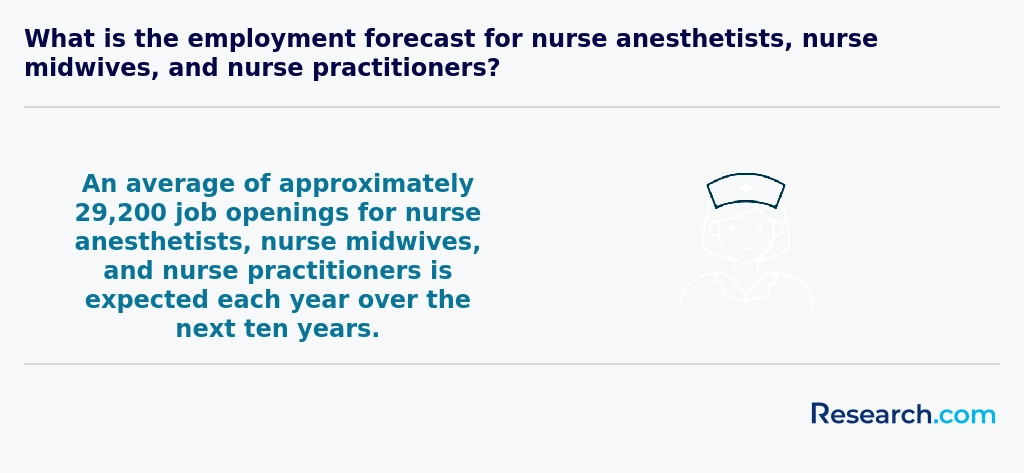
Upon completing your online nursing degree in Connecticut, you may choose to advance into an APRN role-most commonly, a Nurse Practitioner (NP). To qualify, you’ll typically need to: • Earn a Master of Science in Nursing (MSN) or Doctor of Nursing Practice (DNP) from a CCNE-accredited program. • Complete 500–1,000 supervised clinical hours in your chosen specialty (e.g., family, pediatrics, or acute care). • Pass a national certification exam administered by bodies such as the American Nurses Credentialing Center (ANCC) or the American Association of Nurse Practitioners (AANP). • Apply for state licensure through the Connecticut Department of Public Health, meeting all background check and CE requirements. Many MSN programs now offer specialized tracks, including holistic and integrative health. For nurses drawn to patient-centered, root-cause approaches, exploring the functional medicine NP requirements can clarify additional coursework, certification, and practicum hours needed to practice as a Functional Medicine Nurse Practitioner. Key considerations when selecting a graduate NP program: – Accreditation status and CEPH or CCNE recognition – Faculty expertise in your desired specialty – Clinical placement support and affiliated healthcare partnerships – NCLEX-RN and NP certification pass rates By mapping out these post-graduation steps early, you’ll streamline your transition from RN to NP and position yourself for leadership roles in primary care, specialty clinics, or integrative health practices across Connecticut.
Students pursuing online nursing degrees in Connecticut often find relief through a mix of financial aid options tailored to their needs. Graduates from popular institutions like the University of Connecticut and Central Connecticut State University frequently share how Pell Grants and state-funded Nursing Initiative Grants transformed their ability to focus on studies rather than worry about tuition. These grants, especially aimed at those planning to serve underserved communities, offer a strong incentive and financial cushion.
Many also benefit from institutional scholarships awarded for academic excellence or community involvement, which create personal connections and motivate ongoing success. Imagine balancing work, family, and school with the confidence that employer tuition assistance programs can cover a significant part of your tuition-many registered nurses in Connecticut have seized this opportunity to advance their education without overwhelming debt.
Although student loans remain a last resort for some, Connecticut nursing students are increasingly empowered by the wealth of grants and scholarships available, enabling them to pursue careers in healthcare with optimism and reduced financial stress.
When researching online nursing degree programs in Connecticut, it's essential to consider the cost of the program and the availability of financial aid. Many online nursing programs in Connecticut offer affordable tuition rates, scholarships, and grants to help fund education. For instance, some universities offer tuition waivers or scholarships to eligible students, which can help reduce the overall cost of the degree. To find the most affordable online nursing program in Connecticut, students can explore options like affordable nursing schools in Connecticut, which provide a comprehensive guide to the top affordable online nursing programs in the state. By evaluating the cost of the program, the availability of financial aid, and the quality of education, students can find an online nursing degree program in Connecticut that meets their needs and sets them up for success in their nursing career.
To enroll in an online nursing degree in Connecticut, students typically need a high school diploma or GED as a baseline. Graduates from popular programs at universities like the University of Connecticut or Central Connecticut State University often share how submitting official transcripts verifying strong performance in science courses helped validate their readiness. Many recall completing prerequisite classes in anatomy, physiology, and microbiology, which laid a solid foundation before diving into the nursing curriculum.
Standardized tests like the TEAS are increasingly common; prospective students mention that preparing for these exams boosted their confidence in key subjects such as math and English. Those already licensed as LPNs or RNs find that showing valid nursing licensure expedites their admission to bridge programs, adding a sense of achievement and motivation.
Looking ahead, as online learning evolves, students anticipate greater access to virtual simulations paired with local clinical placements at Connecticut healthcare facilities, combining flexibility with essential hands-on experience.
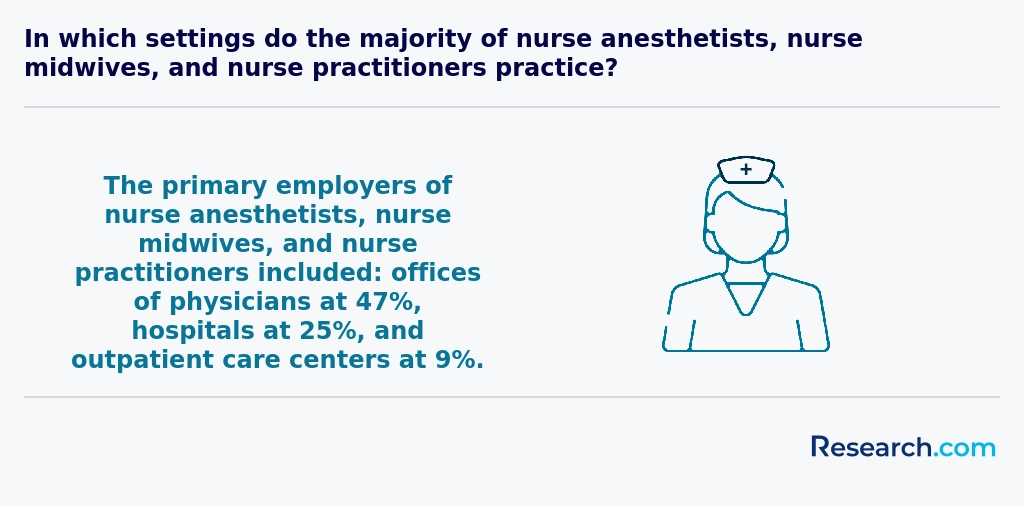
A clear application timeline helps you secure a spot in Connecticut’s easiest online nursing programs. Follow these steps:
- Identify deadlines for your target term (e.g., Fall: Aug 1; Spring: Dec 1).
- Complete prerequisites and TEAS testing 2–3 months before deadlines; submit transcripts early.
- File FAFSA with your school’s priority code by March 1 for federal aid.
- Gather and upload required documents: resume, personal statement, immunization records, background check.
- Accept your admission offer, register for classes, and finalize clinical placement paperwork.
- Explore cheapest adn online programs for budget-friendly ADN paths.
Online nursing degree programs in Connecticut typically include foundational courses such as Anatomy and Physiology, Pathophysiology, Pharmacology, and Fundamentals of Nursing, which many graduates recall as crucial for understanding patient care basics. These courses prepare students to confidently assess real-world health conditions, whether during virtual simulations or hands-on clinical rotations in local hospitals affiliated with popular universities.
Advanced topics like Adult and Pediatric Nursing, Mental Health Nursing, and Community Health reflect a forward-looking approach. Graduates often share how diving into Nursing Research and Evidence-Based Practice sparks enthusiasm for shaping future healthcare standards in Connecticut's evolving medical landscape.
Leadership and Management courses prepare students to take on supervisory roles, inspiring many to envision themselves leading teams in bustling Hartford-area clinics or statewide health initiatives.
With Connecticut's growing demand for nurses, students appreciate that these courses integrate both current clinical skills and emerging trends, seamlessly blending online learning flexibility with essential in-person practicum experiences at recognized healthcare sites.
Online nursing specializations in Connecticut typically reflect both current healthcare demands and future trends. Many graduates from popular universities in the state pursue the Registered Nurse (RN) to Bachelor of Science in Nursing (BSN) specialization, valuing the flexibility to advance their education while balancing work and life. Students often describe feeling empowered as they enhance their skills without relocating, especially with programs that blend online coursework and local clinical practicums.
The Family Nurse Practitioner (FNP) specialization is increasingly popular, addressing Connecticut's aging population with strong job growth projections. Graduates emphasize how this focus enables them to provide comprehensive primary care, a rewarding path given the state's healthcare needs. Another growing area is Psychiatric-Mental Health Nursing, with graduates expressing pride in filling crucial gaps made clear by recent public health challenges.
Exploring lesser-known options, such as Geriatric Nursing and Public Health Nursing, reveals a commitment to community-based care. Prospective students interested in advancing further may also explore nurse practitioner programs in arizona, offering insights into similar emerging trends nationwide.
Among the best nursing degree specialties Connecticut offers, these paths are frequently praised for blending rigorous training with real-world impact.
Choosing the best online nursing degree in Connecticut means prioritizing programs that blend rigorous academics with practical clinical experience close to home. Graduates from popular institutions in Connecticut often share how local clinical placements at nearby hospitals helped them feel confident and supported, reinforcing lessons learned online. This hands-on aspect is vital since nursing isn't just theory-it's about real-life patient care within the Connecticut healthcare environment.
Affordability plays a big role too. Many students look for affordable nursing degrees online Connecticut offers, balancing cost with quality education. Public colleges often provide competitive tuition rates without sacrificing essential accreditation standards, which is crucial for licensure and future employment. Flexible scheduling allows working adults and caregivers to pursue degrees without sacrificing family time.
Looking ahead, programs that incorporate emerging nursing trends, including specializations like functional medicine, could be particularly appealing. Many students explore how functional medicine NP requirements align with evolving patient care approaches, enhancing their career versatility within Connecticut's diverse healthcare system.
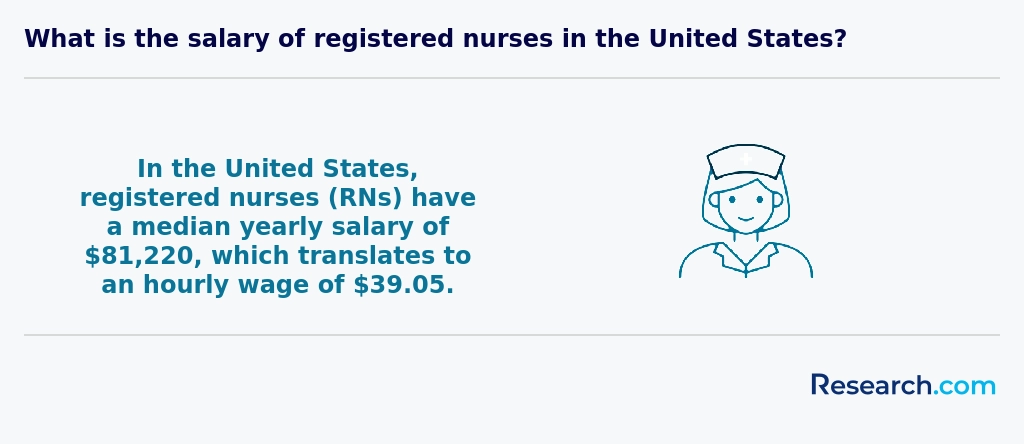
Graduates with an online nursing degree in Connecticut find themselves stepping into diverse career paths that reflect the state's evolving healthcare landscape. Many become registered nurses in Connecticut's bustling hospitals and clinics, enjoying rewarding patient interactions underpinned by competitive salaries. Others pursue advanced roles through a Bachelor of Science in Nursing, becoming nurse practitioners or educators who shape patient outcomes and community health with increasing independence and expertise.
Popular nursing programs at Connecticut colleges prepare students to navigate these opportunities confidently, often sharing stories of career growth fueled by strong local support and flexible online learning. Graduate experiences frequently highlight transitions into leadership, where a Master of Science in Nursing or a Doctor of Nursing Practice opens doors to nurse management or healthcare administration roles influencing policy and quality of care.
Emerging trends in community health and technology also excite current students and alumni. Careers in public health nursing or informatics merge traditional care with innovation, responding to Connecticut's unique needs. For those budget-conscious, exploring options like the Low Cost Online Master's in Nursing Degree Programs Ranking in Missouri offers guidance on affordable advancement. These varied paths illustrate a dynamic nursing job outlook in Connecticut that continues to inspire and empower.
The job market for online nursing degrees in Connecticut is promising and continues to grow steadily. Graduates from popular nursing colleges across the state often share stories of quickly finding roles in hospitals and community health centers eager to hire skilled professionals. Many appreciate how the state's aging population drives demand, making their education directly relevant to real-world patient care needs.
Connecticut nursing degree employment outlook is fueled by ongoing healthcare reforms and technological advances, which create fresh opportunities in specialized nursing roles and chronic disease management. As more healthcare providers focus on patient-centered care, graduates report feeling confident in their ability to impact communities positively.
Many students also find value in affordable and flexible options, exploring the most affordable online bachelors programs to balance education costs without sacrificing quality. This accessibility makes pursuing nursing degrees attainable for a broader group of aspiring nurses eager to serve Connecticut's diverse healthcare settings.
2027 Easiest Online Nursing Degree Programs Ranking in Connecticut
Investing in your education is a significant decision that can shape your future, and the Research.com team understands the importance of making informed choices. To assist prospective nursing students in Connecticut, we have meticulously crafted the "2027 Easiest Online Nursing Degree Programs Ranking in Connecticut." Our commitment to quality, credibility, and accuracy is reflected in the extensive research and analysis conducted to compile this ranking.
We utilized the following reputable data sources to ensure a comprehensive evaluation of nursing programs:
By exploring this ranking, readers will gain valuable insights to simplify their search for accessible and quality online nursing degrees in Connecticut, helping them make informed and confident decisions about their educational paths. For more details on our methodology, please visit our Research.com methodology page.


Frequently Asked Questions About nursing
Online nursing degree students in Connecticut can maximize their learning by actively engaging with both digital coursework and clinical practice opportunities. Connecticut requires nursing programs to include hands-on clinical hours to ensure practical skills development, so students should seek programs with strong local clinical partnerships. Utilizing state resources such as the Connecticut Board of Nursing can help students stay informed about licensing requirements and continuing education.
Time management is essential, as balancing coursework with clinical rotations can be demanding. Students benefit from creating a study schedule that aligns with program deadlines and clinical shifts.
Networking with peers through online forums and local nursing organizations also enhances learning and professional growth.
Emerging niches within the nursing field reflect changing healthcare needs and technological advances. In Connecticut, specialized roles such as geriatric nursing are growing rapidly due to the state's aging population. According to the Connecticut Department of Public Health, nurses with expertise in elderly care are increasingly in demand.
Another fast-growing area is informatics nursing, which combines nursing with data management and technology. This niche helps improve patient outcomes through better health information systems.
Telehealth nursing is also expanding, especially after the COVID-19 pandemic, providing remote care that benefits rural and underserved communities. These emerging roles offer promising opportunities for online nursing degree students in Connecticut.
After completing an online nursing degree in Connecticut, preparing for the job market involves several important steps. First, obtaining licensure is essential. Graduates must pass the NCLEX-RN exam, required by the Connecticut Board of Nursing, to become a registered nurse authorized to work in the state.
Networking is crucial. Joining organizations like the Connecticut Nurses Association provides access to job listings and professional development. Also, healthcare facilities in Connecticut often prefer candidates with clinical experience, so seeking internships or volunteer opportunities during studies can improve employability.
According to the U.S. Bureau of Labor Statistics, Connecticut is expected to see a 12% increase in registered nursing jobs through 2030, highlighting strong demand.
Employers in Connecticut prioritize several key skills when hiring nursing degree graduates. Clinical competence is essential, as nurses must confidently apply medical knowledge and perform patient care effectively. Communication skills rank highly, with hospitals emphasizing the ability to interact clearly with patients and healthcare teams. Critical thinking and problem-solving abilities are crucial to make quick decisions in high-pressure situations.
According to the Connecticut Department of Public Health, teamwork and adaptability are also vital due to the state's diverse healthcare settings. Cultural sensitivity is increasingly important, reflecting Connecticut's varied patient population. Mastery of electronic health records (EHR) systems is another sought-after skill, aligning with national trends in healthcare technology integration.
Finding internships in Connecticut relevant to a nursing degree involves a strategic approach centered on healthcare facilities and academic partnerships. Nursing students should begin by contacting their online program's clinical placement office, as many Connecticut institutions collaborate with local hospitals and clinics to secure internships.
The Connecticut Department of Public Health reports that major healthcare employers such as Yale New Haven Health and Hartford HealthCare offer structured internship programs. These programs give students hands-on experience under supervision, which is crucial for licensure and skill development.
Networking with local nursing associations, such as the Connecticut Nurses Association, can also provide leads on available internships. Additionally, exploring job boards like the Connecticut Hospital Association's site can help identify openings specifically designed for nursing students.
An online nursing degree in Connecticut enhances career mobility by providing flexible education options aligned with state licensing requirements. Accredited programs prepare students for the NCLEX-RN exam, essential for registered nurse licensure in Connecticut. According to the Connecticut Department of Public Health, nurses with bachelor's degrees have greater access to advanced roles, including nurse managers and clinical specialists.
Online degrees also support career advancement by allowing working nurses to earn higher credentials without leaving their jobs. The U.S. Bureau of Labor Statistics projects a 9% growth in nursing employment in Connecticut through 2031, making advanced qualifications critical for competitive job placement.
Employers in Connecticut increasingly prefer nurses with bachelor's or master's degrees for leadership and specialized positions. Therefore, an online nursing degree can significantly improve professional prospects within the state's healthcare system.
Studying for a nursing degree in Connecticut equips students for interdisciplinary roles by emphasizing teamwork, communication, and collaborative patient care. Online programs often include courses in healthcare management, psychology, and public health to broaden understanding across healthcare fields. This approach aligns with Connecticut's healthcare system, where nurses frequently work alongside physicians, social workers, and therapists to deliver comprehensive care.
Connecticut's nursing curricula reflect guidelines from the American Association of Colleges of Nursing (AACN), which advocate for interprofessional education. According to the Connecticut Department of Public Health, nearly 70% of registered nurses in the state engage in team-based healthcare settings, highlighting the importance of interdisciplinary skills.
Online programs also use virtual simulations to mimic real-life clinical environments, training students to coordinate within diverse care teams efficiently. This practical exposure supports readiness for Connecticut's multifaceted healthcare workforce demands.
When choosing between a thesis and a non-thesis nursing degree program in Connecticut, consider your career goals carefully. Thesis programs often appeal to students interested in research, advanced clinical roles, or pursuing a PhD. They require completing a significant research project, which develops critical thinking and analytical skills.
Non-thesis programs focus more on practical skills and coursework, ideal for those aiming to enter or advance in clinical practice quickly. According to the Connecticut Board of Nursing, about 30% of MSN students opt for thesis tracks, reflecting growing research interest.
Online programs in Connecticut typically offer both options, allowing flexibility depending on personal and professional priorities.
Students based in Connecticut interested in studying nursing abroad through online programs face certain limitations due to licensing requirements. To practice nursing in the U.S., graduates must pass the NCLEX-RN exam and meet Connecticut Board of Nursing standards, which means the foreign program must be accredited and recognized.
Many online nursing degrees offered abroad may not align with Connecticut's licensing criteria. However, some international universities partner with U.S. institutions to provide hybrid or dual-enrollment options, allowing students to complete clinical hours locally and coursework online.
According to the Connecticut Board of Nursing, ensuring program accreditation by bodies like CCNE or ACEN is essential before enrollment for seamless licensure and career progression.
Part-time job opportunities in Connecticut offer valuable experience for students pursuing online nursing degrees. Many choose roles such as certified nursing assistants (CNAs) or medical assistants, positions that provide hands-on patient care skills. According to the Connecticut Department of Labor, healthcare support roles are expected to grow by 12% through 2030, reflecting strong local demand.
Other options include working as phlebotomy technicians or home health aides, both commonly available and flexible for part-time hours. These jobs allow students to apply classroom knowledge in real settings while earning income. Additionally, hospital volunteer programs in Connecticut can enhance clinical understanding, often leading to paid positions.
Online nursing students in Connecticut have access to various networking opportunities that can enhance their professional development. Many universities offering online nursing degrees in Connecticut encourage involvement in virtual student organizations and professional associations such as the Connecticut Nurses Association (CNA). The CNA hosts webinars, workshops, and conferences which provide a platform for students to connect with experienced nurses and healthcare leaders across the state.
Additionally, clinical placements required by nursing programs often take place in local hospitals and healthcare facilities, allowing online students to build in-person relationships within Connecticut's healthcare community. Networking events organized through LinkedIn and local chapters of the American Nurses Association also support career growth.
Alumni networks play a significant role for online nursing degree students in Connecticut by fostering professional connections that can enhance career opportunities. These networks often provide access to job postings, internships, and mentorship from experienced nurses practicing within the state. In Connecticut, where healthcare facilities value local experience, alumni connections can be a decisive advantage.
Membership in an alumni network also supports continuing education and professional development, which are crucial due to Connecticut's evolving nursing regulations and the state's high demand for qualified nurses. According to the Connecticut Nurses Association, local networking helps graduates stay informed about changes in licensure requirements and job market trends.
Such networks create a collaborative community that aids students in navigating workplace challenges and advancing within the nursing profession.
In Connecticut, students pursuing an online nursing degree can customize their programs by selecting concentrations like geriatrics, pediatrics, or nurse leadership, depending on their career goals. Many universities offer flexible course options and clinical placements within the state, allowing hands-on experience in specialized areas. Additionally, online programs often allow part-time enrollment to accommodate working professionals.
The Connecticut Department of Public Health highlights a growing demand for advanced practice nurses, especially in primary care. Thus, choosing courses aligned with patient care or administration can enhance job prospects. Consultation with academic advisors is essential to tailor course selections effectively.
Connecticut's nursing workforce data shows increasing opportunities in community health, making elective options in public health valuable. Overall, customization ensures a degree aligns with both market needs and personal ambitions.
Online nursing students in Connecticut often face several distinctive challenges. One major issue is balancing clinical practice requirements with remote learning. Connecticut's Board of Nursing mandates specific hands-on hours, which can be difficult to coordinate alongside virtual coursework. Students must secure local healthcare facilities for practical experience, sometimes limiting their options.
Additionally, technological barriers present complications. Reliable internet access and up-to-date devices are critical, but not all students have equal resources. According to the Connecticut Department of Higher Education, around 10% of residents face digital access challenges.
Finally, students may experience limited in-person interaction, impacting networking and support opportunities essential for career development.
With an online nursing degree, graduates in Connecticut can pursue a variety of professional certifications to advance their careers. Common certifications include the Registered Nurse (RN) license, which is required to practice nursing. Additionally, many nurses choose to become Certified Nurse Practitioners (CNP) or earn specialty credentials such as Certified Nurse-Midwife (CNM) or Certified Registered Nurse Anesthetist (CRNA).
Connecticut's Department of Public Health oversees nursing licensure, ensuring that candidates meet state and national standards, including passing the NCLEX-RN exam.
Specialty certifications, such as Medical-Surgical Nursing or Pediatric Nursing, can be obtained through organizations like the American Nurses Credentialing Center (ANCC). These credentials often lead to higher salaries and enhanced job prospects locally.
Crafting a winning application for an online nursing program in Connecticut requires careful preparation and attention to detail. Begin with a clear, concise personal statement that highlights your passion for nursing and your commitment to healthcare in Connecticut. Emphasize any relevant experience, such as volunteering or working in local health facilities, as the state's Department of Public Health values community engagement.
Ensure your academic transcripts reflect strong performance in science and math courses. Many programs require at least a 3.0 GPA. Additionally, submit letters of recommendation from professionals familiar with your work ethic and skills.
Lastly, familiarize yourself with Connecticut's nursing workforce needs, as programs often prioritize applicants who demonstrate awareness of local healthcare challenges highlighted by the Connecticut Center for Nursing Workforce.
The global view of a nursing career highlights its role as a vital profession with growing demand worldwide. In the United States, including Connecticut, nursing is recognized as a stable and respected career path, supported by comprehensive education systems and licensure requirements.
According to the Connecticut Department of Public Health, the state has seen a steady increase in registered nurses, reflecting national trends of an aging population and healthcare expansion. This demand emphasizes opportunities for nurses trained online or on-campus.
Internationally, nursing carries significant responsibility in public health and patient care, with many countries looking to U.S. standards for best practices.
Students pursuing an online nursing degree in Connecticut can gain practical experience through clinical placements arranged by their institutions. These hands-on experiences usually occur in local hospitals, clinics, or community health centers approved by the Connecticut Board of Nursing. Many programs collaborate with healthcare facilities statewide, ensuring students meet state licensing requirements. According to the Connecticut Center for Nursing Workforce, clinical practice is essential for developing skills and improving job readiness. Additionally, students may have opportunities for simulation labs or virtual clinical experiences to supplement real-world training. Combining online coursework with local clinical hours helps prepare learners for Connecticut's nursing workforce demands.
Choosing the right concentration within an online nursing degree program in Connecticut depends on your career goals, interests, and the healthcare needs of the state. Popular concentrations include family nurse practitioner, psychiatric mental health nursing, and gerontology, reflecting Connecticut's aging population and rising demand for mental health services, as reported by the Connecticut Department of Public Health.
Research labor statistics to identify nursing specialties with high job growth in Connecticut. For example, the Bureau of Labor Statistics notes a steady rise in demand for advanced practice registered nurses (APRNs) in this region.
Consider your current experience and the required certifications for each concentration. Many programs prepare students for state licensure exams aligned with Connecticut's Board of Nursing standards.
Review the curriculum of each concentration carefully to ensure it aligns with your learning preferences and professional objectives.
- 2027 Easiest Online Nursing Degree Programs Ranking in New York
- 2027 Easiest Online Nursing Degree Programs Ranking in New Jersey
- 2027 Easiest Online Nursing Degree Programs Ranking in Pennsylvania
- 2027 Easiest Online Nursing Degree Programs Ranking in Virginia
- 2027 Easiest Online Nursing Degree Programs Ranking in Ohio
- 2027 Easiest Online Nursing Degree Programs Ranking in West Virginia
- 2027 Easiest Online Nursing Degree Programs Ranking in South Carolina
- 2027 Easiest Online Nursing Degree Programs Ranking in Tennessee
- 2027 Easiest Online Nursing Degree Programs Ranking in Indiana
- 2027 Easiest Online Nursing Degree Programs Ranking in Michigan
See What Experts Have To Say About Studying Nursing
Read our interview with Nursing experts


- Online Nursing Prerequisites: Complete Guide & Cost Savings | StraighterLine https://www.straighterline.com/blog/which-online-nursing-prerequisites-should-you-take-online
- Exploring Diverse Nursing Career Horizons - N2S Healthcare Blog https://n2shealthcare.com/blog/exploring-diverse-nursing-career-horizons-n2s-healthcare-blog
- How to Write https://esign.com/letter-of-intent/school/nursing/
- How a BSN Prepares You for Graduate Nursing Degrees (MSN, DNP) https://blog.methodistcollege.edu/bsn-prepares-you-graduate-nursing-degrees
- Scholarships and Award http://ctnursesfoundation.org/scholarships/
- How to Choose a Nursing Program | All Nursing Schools https://www.allnursingschools.com/how-to-get-into-nursing-school/choose-the-right-school/
- Complete Guide to Mastering Connecticut Nursing Prerequisites https://www.prereqcourses.com/guide-connecticut-nursing-prerequisites/
- How to Set and Achieve Your Nursing Career Goals | HealthTrust https://engage.healthtrustjobs.com/how-to-set-achieve-nursing-career-goals
- Client Challenge https://www.springerpflege.de/nursing-graduates-perceived-future-career-pathway-and-career-shi/50653658
- Nurse Salary https://nursinglicensemap.com/resources/nurse-salary/