
2027 Easiest Online Nursing Degree Programs Ranking in Virginia

Co-Founder and Chief Data Scientist
Are you considering a nursing degree in Virginia but unsure which program fits your lifestyle? This article introduces the 2027 Easiest Online Nursing Degree Programs Ranking in Virginia, developed by the Research.com team of data scientists. It's designed to help you make an informed choice by highlighting user-friendly programs that balance quality and flexibility.
Exploring these programs can open doors to a rewarding career in healthcare. Whether you're starting fresh or advancing your skills, finding the right nursing degree can boost your confidence and future prospects.
Reading this guide will bring clarity and encouragement as you take the next step toward your nursing goals.
Key benefits of getting online nursing degree in Virginia
- Nursing graduates in Virginia often start with roles such as Registered Nurse or Public Health Nurse, earning a mean annual wage of around $94,480, making it a financially rewarding career choice.
- Graduates can choose diverse career paths including Emergency Room Nurse or Clinical Nurse Educator, offering new challenges and growth opportunities within the healthcare field.
- Online nursing degrees provide flexible schedules and the convenience of learning at your own pace, as seen with many successful graduates from Virginia's reputable online programs.
- 2027 Easiest Online Nursing Degree Programs Ranking in Virginia
- What can I expect from online nursing degree in Virginia?
- Where can I work with online nursing degree in Virginia?
What can I expect from online nursing degree in Virginia?
The average cost of an online nursing degree in Virginia typically ranges from $10,000 to $40,000, depending on the institution and program level. Many graduates from well-known Virginia universities report that online formats significantly reduce expenses tied to commuting and housing, allowing them to balance work, family, and studies more easily. For instance, students enrolled in RN-to-BSN programs at popular colleges appreciate the affordability combined with flexible scheduling, which helps them continue working while advancing their education.
Financial aid and scholarships provided by state organizations also play a crucial role in lowering total costs. Graduates have noted receiving support through Virginia's nursing scholarships and federal grants, which ease the financial burden and build confidence in their career progression. The inclusion of online simulations and virtual labs in these programs helps supplement clinical hours at local healthcare facilities, making practical training accessible without additional travel expenses.
This cost-effective approach, alongside solid licensure preparation, creates an encouraging environment for aspiring nurses pursuing degrees from Virginia's accredited online nursing programs.
Where can I work with online nursing degree in Virginia?
Graduates with an online nursing degree from Virginia-based programs, such as those offered by the University of Virginia or Virginia Commonwealth University, often find themselves quickly employed in hospital settings. These large academic medical centers alone account for over 40,000 nursing jobs statewide, making them prominent employers valuing Bachelor of Science in Nursing (BSN) credentials earned online. Many nurses share positive experiences of seamless transitions into roles at these hospitals, appreciating the flexibility their online education afforded them.
Beyond hospitals, nursing graduates engage in outpatient care centers, physician offices, and nursing homes. Facilities catering to Virginia's aging population actively seek nurses with specialized training, such as wound care or geriatric nursing, skills nurses frequently develop through advanced online coursework. Community health organizations and the Virginia Department of Health provide further opportunities, employing nurses to deliver education and preventive care across diverse urban and rural areas.
Licensure through the NCLEX-RN and the Virginia Board of Nursing enables graduates to leverage the Nurse Licensure Compact, expanding job prospects near state borders. This flexibility combined with growing healthcare demands reflects the rewarding career paths available to nursing students in Virginia.
Graduates of online nursing programs in Virginia can expect competitive salaries that reflect the region's growing healthcare demand. Registered Nurses (RNs) typically earn around $94,480 annually, according to the latest data. This salary aligns with roles such as Clinical Nurse Educators, Public Health Nurses, and Emergency Room Nurses, all averaging the same annual wage in the state.
More specialized positions offer higher pay; for example, Operating Room Nurses command a mean annual wage of about $128,490. These figures resonate with graduates from Virginia's well-regarded universities, such as the University of Virginia or Virginia Commonwealth University, where students report feeling optimistic about securing rewarding positions soon after completing their degrees online.
Many graduates find that combining their online education with hands-on clinical experience in urban centers like Richmond or Northern Virginia enhances their job prospects and salary potential. The solid earning power, coupled with additional benefits like sign-on bonuses or overtime pay, makes pursuing an online nursing degree in Virginia a promising career investment.
- Online nursing degrees in Virginia include associate, bachelor's, and graduate-level programs, with the BSN being the most common.
- Tuition at public institutions ranges from $7,000 to $15,000 per year for in-state students, while private universities may charge over $20,000 annually.
- Clinical training must be completed locally in Virginia healthcare settings, despite coursework being online.
- Nursing jobs in Virginia are expected to grow by about 9% from 2022 to 2032.
- Early-career registered nurses earn around $65,000 to $70,000 annually, with experienced nurses making over $90,000.
- Graduates must pass the NCLEX-RN exam and complete an accredited program to obtain licensure in Virginia.
Completing an online nursing degree in Virginia varies by program type and student background. Graduates from popular institutions such as Old Dominion University and George Mason University report that earning an Associate Degree in Nursing (ADN) typically takes between 18 and 24 months when enrolled full-time. Those balancing work and studies often extend this to about 3 years part-time, demonstrating flexibility. For a Bachelor of Science in Nursing (BSN), students without prior nursing credits usually spend around 3 to 4 years online, while accelerated BSN pathways available at universities like Liberty University enable graduates to finish within 12 to 18 months.
Registered nurses advancing via an RN-to-BSN program often complete it in 12 to 24 months, reshaping their schedules to fit clinical work and coursework comfortably. Master of Science in Nursing (MSN) online degrees require roughly 2 to 3 years, depending on specialization and course load. Graduates appreciate this hybrid learning model, especially as clinical hours are completed in Virginia healthcare settings, blending flexibility with essential hands-on experience.
Online nursing education in Virginia is expanding because healthcare employers need more qualified nurses, students need flexible pathways, and schools are using technology to deliver stronger clinical preparation outside the traditional classroom. According to the Bureau of Labor Statistics, employment of registered nurses is projected to grow 6 percent from 2023 to 2033, faster than the average for all occupations. That demand is shaped by an aging population, greater emphasis on preventive care, and continued need for healthcare services in rural and underserved areas.
For Virginia students, the most important trend is the move toward hybrid nursing education: online lectures and assignments combined with required in-person clinical experiences. This model can reduce commuting and make scheduling easier, but it does not remove hands-on training. Students should expect clinical placements, skills validation, simulation activities, and faculty oversight.
Trends shaping online nursing programs
- Simulation-based learning: Programs increasingly use virtual simulation and lab-based scenarios to help students practice clinical judgment before working with patients.
- Telehealth preparation: Online coursework often introduces remote patient monitoring, virtual care communication, and digital documentation skills.
- Artificial intelligence in learning support: Some programs use adaptive quizzes, automated feedback, and analytics to identify students who need additional help.
- Specialized graduate pathways: Nurse practitioner and nurse educator programs are growing as healthcare systems need advanced clinicians, faculty, and leaders.
- Greater attention to diversity, equity, and inclusion: Virginia programs are placing more emphasis on preparing nurses to serve diverse patients and communities.
The outlook is promising, but students should evaluate each program carefully. A strong online nursing program should combine flexible delivery with clear clinical placement policies, faculty access, licensure preparation, and transparent outcomes. Technology can improve access, but accreditation, board approval, and clinical quality remain the factors that matter most.
Online nursing degrees in Virginia, such as those offered by institutions like James Madison University or Old Dominion University, provide a flexible learning environment where students access lectures and assignments remotely. Graduates often cite the convenience of studying around work and family commitments, appreciating asynchronous classes that let them set their own pace within deadlines. This flexibility contrasts with traditional on-campus programs at schools like the University of Virginia, where students attend scheduled lectures, labs, and clinical sessions in person, fostering immediate interaction with faculty and peers.
Both pathways require clinical hours completed in local healthcare settings, as Virginia mandates in-person clinical experience. Online students often find arranging these placements challenging but rewarding, as it enhances practical skills in familiar community hospitals. Cost-wise, online programs tend to align with on-campus tuition-around $10,000 to $15,000 annually for in-state students-though savings on commuting and housing are common. Graduates appreciate that both formats lead to the same Virginia Board of Nursing qualifications, emphasizing that personal discipline and learning style are key to thriving in either model.
An online nursing program is easier to complete when it reduces unnecessary barriers without lowering academic or clinical standards. The best programs make expectations clear, provide reliable support, and help students stay on track through coursework, clinical hours, and licensure preparation.
- Asynchronous lectures and recorded classes: These allow students to complete coursework around work shifts, caregiving, and other responsibilities.
- Accelerated terms or competency-based progression: Shorter terms or flexible pacing may reduce overall completion time for prepared students.
- Strong academic and clinical support: Tutoring, mentoring, advising, and career services can prevent small problems from becoming major delays.
- Transfer credit for prior education or certifications: Credit for previous nursing experience, general education, or healthcare credentials can lower the number of required courses.
- High NCLEX pass rates and licensure preparation: Strong exam preparation can reduce the risk of repeat attempts and delayed employment.
- Local or virtual clinical coordination: Programs that help arrange nearby clinical placements and flexible schedules are often easier for working students to complete.
Students should be cautious with programs that advertise convenience but provide little information about clinical placements, faculty access, or licensure outcomes. For advanced nursing students comparing efficient doctoral pathways, explore accelerated dnp programs.
The average cost of an online nursing degree in Virginia typically centers around $36,900, with in-state tuition rates averaging closer to $27,550. This median cost reflects a balance between accessibility and quality, making Virginia a competitive option for prospective nursing students. Many graduates from institutions like Old Dominion University and the University of Virginia have expressed satisfaction with their investment, highlighting the affordability and robust support services available.
Virginia online nursing degree tuition and fees vary by program level. For example, associate degree programs usually fall in the $6,000 to $15,000 range, providing an economical path for entering the nursing field quickly. Bachelor of Science in Nursing (BSN) programs tend to cost between $20,000 and $50,000, with public universities offering favorable in-state rates often below national averages. Graduate nursing degrees, such as Master of Science in Nursing (MSN), can range from $25,000 to $60,000, reflecting specialized training and advanced clinical opportunities.
Students pursuing online nursing degrees in Virginia benefit from additional financial aid options, scholarships, and flexible payment plans, helping to ease the financial burden. Many graduates mention how these supports, combined with manageable tuition, helped them confidently advance their careers. A real-life example includes several graduating cohorts from Virginia's public universities who have shared positive outcomes after completing high-quality programs.
For those exploring options outside Virginia, comparing local costs is important. Students interested in transferring or seeking alternative programs may research rn programs online california to assess different tuition structures and program features.
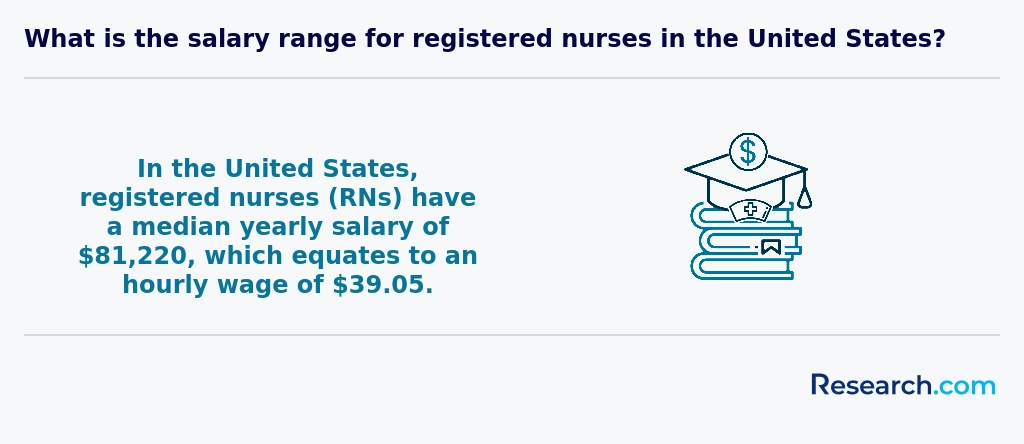
An online nursing program in Virginia should be accredited, board-approved, and transparent about clinical requirements. These factors protect your eligibility for licensure, help employers trust your preparation, and reduce the risk of completing coursework that does not lead to the credential you need.
Most reputable nursing programs hold accreditation from either the Commission on Collegiate Nursing Education (CCNE) or the Accreditation Commission for Education in Nursing (ACEN). These organizations evaluate curriculum quality, faculty credentials, clinical partnerships, assessment practices, and student outcomes. Accreditation is also often important for transferring credits, applying to graduate school, and qualifying for some employer tuition benefits.
Licensing checks before you apply
- Confirm the program’s current CCNE or ACEN accreditation status.
- Verify Virginia Board of Nursing approval and alignment with state clinical hour requirements.
- Review recent NCLEX-RN first-time pass rates and graduate satisfaction metrics.
- Ask where clinical placements occur and whether the school has partnerships with local hospitals, clinics, or simulation centers.
- Clarify whether the program supports Nurse Licensure Compact (NLC) mobility if you may work outside Virginia.
Many employers use an 85% benchmark when reviewing NCLEX outcomes, so pass-rate trends can be useful when comparing programs. Cost also matters. Students who want to compare affordability alongside accreditation may find the Inexpensive Nursing Degree Programs Ranking in the West useful as a reference point for how schools balance tuition and recognized program quality. For Virginia licensure, though, always verify Virginia-specific approval before enrolling.
Students enrolled in online nursing programs at popular Virginia institutions like Virginia Commonwealth University and Old Dominion University often rely on a combination of financial aid sources to manage tuition costs, which typically range from $10,000 to $15,000 annually for in-state residents. Federal aid remains the cornerstone, with many graduates emphasizing the importance of completing the FAFSA to access Pell Grants, which provide up to $7,395 per year, and Federal Direct Loans that offer competitive interest rates.
State-specific programs such as the Virginia State Nursing Scholarship Program are frequently highlighted by graduates who benefited from committing to work in underserved Virginia areas after completing their degrees. This scholarship not only alleviates financial strain but also aligns with career goals in high-demand sectors.
Employer-based scholarships and tuition reimbursements from Virginia hospitals, especially those serving rural communities or specializing in critical care, represent another vital aid stream. Graduates often express a strong sense of support and motivation from these partnerships, which reduce debt in exchange for service commitments.
Private scholarships from organizations like the Virginia Nurses Foundation also contribute, though competition remains intense. Many graduates underscore the advantage of applying early to combine federal, state, and private aid, resulting in a more affordable path to earning an online nursing degree in Virginia.
Accreditation and NCLEX outcomes should be among the first items you review when comparing online nursing programs in Virginia. Regional institutional accreditation, such as SACSCOC, shows that the college or university meets broad academic and administrative standards. Nursing-specific accreditation from CCNE or ACEN evaluates the nursing curriculum, faculty qualifications, student outcomes, and clinical preparation.
Virginia Board of Nursing approval is equally important. A program can be online and still prepare students for licensure, but it must satisfy state education and clinical requirements. Before enrolling, verify the program’s approval status directly with the board or the school’s nursing department.
What NCLEX pass rates can tell you
Published NCLEX pass rates help indicate how well a program prepares students for licensure. High pass rates-ideally above 85%-may suggest strong academic support, effective clinical instruction, and consistent exam preparation. However, pass rates should not be the only deciding factor. A small cohort, selective admissions, or limited reporting can affect the number.
| Factor to check | Why it matters |
| CCNE or ACEN accreditation | Shows the nursing program meets recognized professional standards. |
| Virginia Board of Nursing approval | Supports eligibility for NCLEX-RN and state licensure. |
| NCLEX pass rates over the past three years | Helps you judge consistency rather than one-year performance. |
| Clinical placement process | Determines how easily you can complete required in-person training. |
| NCLEX preparation resources | Shows whether the school actively supports exam readiness. |
Some nursing graduates also move into broader healthcare roles, including aging services, long-term care, policy work, or wellness program management. If that direction interests you, review our guide to jobs for gerontology degree to understand related career options. For licensure-focused nursing roles, however, accreditation, board approval, and NCLEX performance should remain your core screening criteria.
Enrolling in an online nursing degree program in Virginia requires meeting specific academic and professional prerequisites designed to ensure student success. Most programs demand a high school diploma or GED with a minimum GPA typically between 2.5 and 3.0. For example, graduates from established institutions like Old Dominion University often recall that meeting this GPA requirement was a practical first step that set a confident tone for their studies.
Applicants must complete foundational science courses such as biology with lab, chemistry, anatomy, physiology, microbiology, and mathematics or statistics. Many students who attended George Mason University found that excelling in these prerequisites, with a grade of "C" or better, boosted their readiness and morale throughout their nursing journey.
Additionally, licensed RNs aiming for BSN pathways must hold an active Virginia RN license. Clinical experience, such as working as a CNA, is highly valued; several graduates from Virginia Commonwealth University emphasized how hands-on healthcare roles strengthened their applications and built early professional confidence.
Standardized exams like the TEAS are prevalent and often required to assess readiness in core academic areas. These benchmarks collectively create a rigorous but achievable foundation for success in Virginia's nursing programs.

Graduates of online nursing programs in Virginia must meet Virginia Board of Nursing requirements before they can practice as registered nurses. That typically means completing an approved nursing curriculum, submitting the required application materials, passing background checks, and passing the NCLEX-RN exam. Accreditation and state approval matter because they affect whether your education qualifies you for licensure.
Programs accredited by the Accreditation Commission for Education in Nursing (ACEN) or the Commission on Collegiate Nursing Education (CCNE) are designed to meet recognized nursing education standards. Students should also confirm that the program is approved by the Virginia Board of Nursing, especially if the coursework is online or the school is located outside Virginia.
Key steps to Virginia RN licensure
- Complete an ACEN- or CCNE-accredited nursing curriculum with the minimum GPA required by your institution.
- Submit an application and official transcripts to the Virginia Board of Nursing.
- Complete a criminal background check and fingerprinting as part of the state eligibility review.
- Register for and pass the NCLEX-RN. Virginia’s most recent pass rate for first-time test takers is 88%, which can help students assess overall readiness and program support.
How to evaluate NCLEX support
- Ask whether NCLEX review is built into required courses or offered only as an optional resource.
- Look for online question banks, practice exams, and performance tracking that mirror the NCLEX format.
- Confirm whether the program offers virtual study groups, simulation labs, remediation plans, and faculty coaching.
- Review first-time pass rates over multiple years instead of relying on a single reporting period.
Virginia’s licensure process has state-specific requirements, but students often compare NCLEX preparation resources across regions. For a broader view of preparation strategies used elsewhere, see top rn programs online california, which may help you identify questions to ask Virginia schools about exam readiness.
Online nursing degree programs in Virginia typically include a comprehensive set of courses such as Anatomy and Physiology, Microbiology, Pharmacology, and Pathophysiology. These foundational classes prepare students for real-world clinical practice by providing essential medical knowledge. For example, graduates from popular institutions like Virginia Commonwealth University describe how the Health Assessment and Medical-Surgical Nursing courses helped them confidently evaluate and treat diverse patient populations.
In addition to core sciences, students study specialized topics like Maternal and Child Nursing and Mental Health Nursing, reflecting the varied demands they'll face in healthcare settings. Leadership and Management courses also prepare students for future supervisory roles, which many graduates found crucial when advancing their careers.
Clinical skills are emphasized through both theoretical online coursework and partnerships with local healthcare facilities for supervised hours, a requirement enforced by Virginia's Board of Nursing. These rigorous programs ensure students can successfully pass the NCLEX-RN exam and enter the workforce ready to make a meaningful impact.
Online nursing degree specializations Virginia programs frequently include Registered Nurse (RN) to Bachelor of Science in Nursing (BSN) pathways, which facilitate career advancement for working nurses. Graduates from popular institutions like the University of Virginia and Virginia Commonwealth University often report increased confidence and improved job opportunities after completing their BSN online. With roughly 65% of Virginia's registered nurses holding a BSN or higher, this specialization addresses the demand for higher qualifications in the workforce.
Advanced practice registered nurse (APRN) roles are also prominent, offering specializations such as Family Nurse Practitioner, Psychiatric-Mental Health Nurse Practitioner, and Clinical Nurse Specialist. Students highlight how these programs, available at well-known colleges in Virginia, prepare them for autonomous clinical roles that address critical health needs in the state.
Other key focus areas in the best nursing specialties Virginia online programs include Nursing Education, Nursing Administration, and Public Health Nursing. These tracks equip students with leadership and community health skills, often praised by graduates who pursued jobs for gerontology degree and related fields.
To choose the best online nursing degree in Virginia, prioritize programs accredited by the Commission on Collegiate Nursing Education (CCNE) or the Accreditation Commission for Education in Nursing (ACEN), as Virginia's Board of Nursing mandates this for NCLEX-RN exam eligibility. Graduates from popular Virginia colleges often highlight how accreditation ensured their credentials were recognized by employers.
Cost is a critical factor; many online programs in Virginia offer in-state tuition discounts ranging from $6,000 to $15,000 annually. Comparing these rates alongside financial aid and scholarships can greatly impact affordability. Some students report that attending programs with clinical placements inside Virginia helped them save on travel and lodging expenses. For those seeking affordable nursing degrees Virginia online, the Inexpensive Nursing Degree Programs Ranking in the West offers valuable insights.
The curriculum's balance of theory and hands-on clinical experience influences success. Nursing graduates from well-known Virginia universities appreciate flexible offerings such as part-time study, which allows them to maintain employment. Connections to Virginia healthcare facilities often ease clinical hour requirements, providing relevant local experience and fostering confidence in real-world nursing environments.
Support services tailored for online learners-including advising, career counseling, and technical help-are essential. Students frequently mention how such services reduced stress and enhanced their academic journey, making demanding nursing coursework more manageable. These factors ensure a strong foundation for those aiming to enter a fast-growing nursing workforce in Virginia.
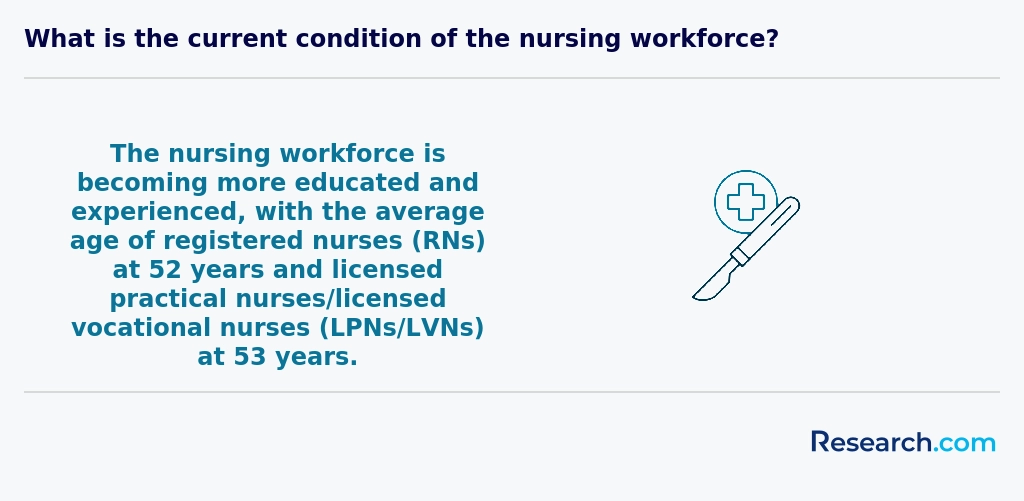
Graduates with an online nursing degree in Virginia find multiple career paths aligned with the state's healthcare demands. Many step into registered nurse roles, working in hospitals or outpatient centers, where they deliver patient care and coordinate treatments. This pathway reflects Virginia nursing degree job opportunities, especially in regions served by well-known institutions such as Old Dominion University and Virginia Commonwealth University.
Some graduates pursue specialization, becoming nurse practitioners or clinical nurse specialists, roles that command median wages near $115,000 annually. These positions appeal to students seeking advanced responsibilities and benefit from program offerings at colleges like George Mason University, where hands-on experiences build confidence and competence. Online nursing careers in Virginia also include nursing administration and health informatics, where professionals improve healthcare delivery systems and analyze patient data.
Graduates who enjoy teaching often advance to nurse educator roles at training hospitals or community colleges, inspiring the next generation. Those interested in shorter certification options may explore what certificate programs make the most money to complement their degrees and accelerate entry into practical nursing fields like LPN or LVN.
The online nursing job market Virginia offers is robust, with registered nurses seeing a projected employment growth of 12% from 2021 to 2031, outpacing many other fields. Graduates from online nursing programs in Virginia, especially those from well-regarded institutions like Virginia Commonwealth University or Old Dominion University, share positive experiences due to the flexibility of their studies combined with strong clinical training options.
Many employers in Virginia value degrees accredited by recognized bodies such as the Commission on Collegiate Nursing Education (CCNE), ensuring graduates meet licensure requirements and can sit for the NCLEX-RN exam. This alignment boosts confidence among students entering Virginia's healthcare industry, which spans hospitals, outpatient centers, and home healthcare. The nursing degree employment opportunities Virginia presents include diverse roles such as occupational health and nursing education, making the career path versatile.
Salary averages near $75,000 per year reflect regional variations, with metropolitan areas like Richmond offering higher wages. Additionally, Virginia's competitive tuition rates and accessible online education options, as seen in popular programs, make pursuing nursing attainable. For those seeking accelerated paths, exploring shortest masters programs can further enhance career prospects.
2027 Easiest Online Nursing Degree Programs Ranking in Virginia
Investing in your education is a significant decision that can shape your future, and the Research.com team understands the importance of making informed choices. To assist prospective students, we have meticulously crafted the "2027 Easiest Online Nursing Degree Programs Ranking in Virginia." Our commitment to quality, credibility, and accuracy is reflected in the extensive research and analysis conducted to compile this ranking.
We utilized the following reputable data sources to ensure a comprehensive evaluation of nursing degree programs:
By exploring this ranking, readers will gain valuable insights into the most accessible online nursing degree programs in Virginia, empowering them to make well-informed decisions about their educational paths. For more details on our methodology, please visit our Research.com methodology page.




# 9 position
Mary Baldwin University
RN to BSN

Frequently Asked Questions About nursing
Virginia offers a growing number of accredited online nursing degree programs designed to meet the needs of busy students. To maximize learning, students should actively engage with course materials and participate in discussion boards, which enhance critical thinking and clinical reasoning skills. Consistent communication with instructors is crucial, especially since nursing concepts can be complex.
Additionally, Virginia students benefit from utilizing local clinical placements, which allow hands-on experience required for licensure. According to the Virginia Nurses Association, clinical hours are critical to bridge theory and practice effectively. Time management and setting a dedicated study schedule also improve retention and reduce stress during the demanding coursework.
Finally, leveraging state resources like the Virginia Board of Nursing can help students stay updated on licensure requirements and continuing education opportunities.
The nursing field in Virginia is evolving rapidly, driven by advances in technology and changing healthcare needs. Emerging niches include telehealth nursing, which has grown due to increased demand for remote patient care, especially following the COVID-19 pandemic. The Virginia Department of Health reports telehealth consultations rising by over 60% since 2020.
Another growing area is gerontological nursing, as Virginia's aging population expands. Nurses specializing in elder care are needed to manage chronic conditions and improve quality of life for seniors. Additionally, informatics nursing is gaining traction, blending clinical knowledge with data analysis to optimize healthcare systems.
These specializations offer promising career paths for online nursing students in Virginia.
After completing an online nursing degree in Virginia, preparing for the job market involves several key steps. First, graduates must pass the NCLEX-RN exam to become licensed registered nurses in Virginia, as required by the Virginia Board of Nursing. According to the Virginia Employment Commission, the demand for registered nurses is expected to grow 14% through 2030, indicating strong job prospects.
Networking is essential; joining professional organizations like the Virginia Nurses Association can provide career resources and connections. Additionally, tailoring resumes and practicing interview skills aligned with Virginia healthcare employers enhance job readiness. Gaining clinical experience through internships or volunteer work may also improve employability in competitive settings.
Employers in Virginia highly value nursing graduates who demonstrate strong clinical skills and effective communication. According to the Virginia Nurses Association, critical thinking and the ability to make sound decisions under pressure are essential in the fast-paced healthcare environment. Proficiency in patient care technology and electronic health records is increasingly demanded, reflecting the state's push towards digital healthcare.
Interpersonal skills are also crucial, enabling nurses to collaborate effectively with diverse medical teams and provide compassionate care to patients. Adaptability and lifelong learning are emphasized, given the evolving nature of medical protocols and treatments in Virginia hospitals.
Finding nursing internships in Virginia involves connecting with healthcare facilities that offer clinical placements for students. Many online nursing programs in Virginia collaborate with local hospitals, clinics, and public health organizations to arrange internships. The Virginia Nurses Association and the Virginia Board of Nursing provide resources and listings for approved clinical sites that comply with state regulations.
Students can also explore opportunities through the Virginia Hospital & Healthcare Association, which represents over 90 hospitals statewide. Internships allow hands-on experience essential for licensure and employment.
Early outreach to academic advisors is crucial since clinical hours vary by program. Utilizing these networks increases chances of securing valuable internships.
Obtaining an online nursing degree in Virginia can significantly enhance career mobility and advancement opportunities. The Virginia Board of Nursing recognizes accredited online nursing programs, making graduates eligible for licensure and employment statewide.
Registered nurses (RNs) in Virginia see a steady job growth rate of 15% projected over the next decade, according to the U.S. Bureau of Labor Statistics. Higher education credentials like a Bachelor of Science in Nursing (BSN) or Master of Science in Nursing (MSN) obtained online often qualify nurses for leadership roles and specialized fields.
Online degrees also allow working nurses to advance without relocating, supporting career growth within Virginia's diverse healthcare settings.
Studying for a nursing degree online in Virginia offers focused preparation for interdisciplinary roles in healthcare. Virginia's nursing programs emphasize collaboration skills, which are essential for working with doctors, pharmacists, social workers, and other health professionals.
Many accredited online nursing degrees in the state incorporate courses on healthcare communication, ethics, and team-based patient care. According to the Virginia Board of Nursing, these programs align with national standards promoting teamwork in clinical settings.
Additionally, Virginia's Health Workforce Development Authority highlights the growing need for nurses trained in diverse healthcare environments, encouraging programs to include practical experiences involving multiple care disciplines. This approach builds students' ability to contribute effectively in team-centered care models prevalent in Virginia hospitals and clinics.
Choosing between a thesis and a non-thesis nursing degree program in Virginia depends largely on your career goals and learning preferences. A thesis program emphasizes research and academic writing, ideal if you plan to pursue a doctorate or a career in nursing education or policy. Non-thesis programs focus on practical skills and clinical experience, often preferred by those aiming for advanced clinical roles or managerial positions.
Online programs in Virginia typically offer flexible options for both paths. According to the Virginia Nurses Association, 65% of advanced practice nurses favor non-thesis routes for faster entry into the workforce. Consider your timeline, interest in research, and professional objectives when deciding.
Students based in Virginia interested in studying nursing abroad face limited options due to accreditation and licensure requirements tied to the U.S. healthcare system. Most online nursing programs serving Virginia residents focus on accredited U.S. institutions to ensure eligibility for the NCLEX-RN exam and Virginia Board of Nursing licensure. While some may consider international universities, these programs often lack recognition by Virginia's regulatory bodies, complicating licensure.
Virginia nursing students seeking global experience typically pursue study abroad or clinical placements through U.S. universities rather than fully foreign degrees. According to the Virginia Board of Nursing, maintaining proper accreditation is essential for online nursing degrees to guarantee professional validity within the state.
Virginia offers several part-time job opportunities that complement nursing degree education, providing practical experience alongside studies. Many students work as certified nursing assistants (CNAs) or patient care technicians, gaining hands-on skills directly related to patient care. According to the Virginia Board of Nursing, these roles provide valuable clinical exposure essential for nursing students.
Additionally, positions in medical offices or outpatient clinics, such as administrative assistants or medical receptionists, help students understand healthcare operations. The Virginia Employment Commission reports healthcare support jobs are growing faster than average, making part-time healthcare roles accessible and beneficial.
Some students also pursue tutoring or peer mentoring roles within nursing programs, enhancing their knowledge while earning income. These part-time roles support both academic success and future career readiness in Virginia's robust healthcare market.
Online nursing students in Virginia have various networking opportunities to connect with peers, faculty, and professionals. Many Virginia universities offering online nursing degrees provide virtual study groups, discussion forums, and live webinars. These platforms encourage collaboration and peer support throughout the program.
The Virginia Nurses Association (VNA) is a prominent organization offering online students access to statewide events and professional networking. Through membership, students can attend conferences, workshops, and local meetups, which help build valuable connections in the healthcare field.
Additionally, clinical placements often connect students with local healthcare providers, enhancing networking through hands-on experience.
Alumni networks play a crucial role for online nursing degree students in Virginia by providing valuable professional connections. Graduates can access mentoring opportunities, job leads, and advice from experienced nurses within these networks. According to the Virginia Nurses Association, over 90% of nursing job openings are filled through networking.
These connections help students navigate the competitive healthcare job market in Virginia, where demand for registered nurses is expected to grow by 14% through 2030 (U.S. Bureau of Labor Statistics). Additionally, alumni events and online platforms keep students engaged with current industry trends and continuing education resources.
Such networks offer emotional support and career guidance, fostering a sense of community even for online learners dispersed across the state.
Customizing an online nursing degree in Virginia allows students to align their education with specific career goals. Many Virginia universities offer various specializations such as family nursing, gerontology, or psychiatric nursing. Electives and clinical practicum placements can often be selected to focus on desired patient populations or healthcare settings.
Students can also choose between degree levels, including RN-to-BSN or MSN programs, each catering to different career paths. According to the Virginia Board of Nursing, tailoring your education can improve job prospects in high-demand areas like primary care and nursing education.
Researching program flexibility and available support services helps ensure a degree meets both professional and personal needs.
Online nursing students in Virginia often encounter several challenges during their studies. One major difficulty is balancing clinical practice requirements with online coursework. Virginia mandates hands-on clinical hours for nursing licensure, which can be hard to schedule alongside virtual classes. According to the Virginia Board of Nursing, students typically complete 500 to 700 clinical hours, often requiring travel to approved healthcare facilities.
Another challenge is limited face-to-face interaction with instructors and peers. This can affect students' ability to receive immediate feedback and engage in collaborative learning, which are crucial in nursing education. Technical issues such as unreliable internet access also hinder some students, especially those in rural areas.
Finally, nursing programs in Virginia have rigorous academic standards, and maintaining high grades in science and health courses online can be demanding, requiring strong time-management skills and self-discipline.
With an online nursing degree from Virginia, you can pursue several professional certifications that enhance your career prospects. Common certifications include the Registered Nurse (RN) license required by the Virginia Board of Nursing. Many nurses also seek specialty certifications such as Certified Nurse Midwife (CNM), Certified Nurse Practitioner (CNP), or Certified Clinical Nurse Specialist (CNS).
The American Nurses Credentialing Center (ANCC) offers various nationally recognized certifications relevant to Virginia nurses. These qualifications can increase job opportunities and salaries.
According to the Virginia Nurses Association, over 60% of Virginia RNs hold specialty certifications, reflecting strong regional demand for advanced credentials.
Writing a winning application for an online nursing program in Virginia requires clear focus and careful preparation. Start by ensuring you meet Virginia's educational requirements, such as holding a valid CNA certification or an associate degree in nursing if applying for a RN-to-BSN program. Highlight your clinical experience, as programs often prefer applicants with hands-on healthcare backgrounds.
Strong letters of recommendation from healthcare professionals can boost your application. Tailor your personal statement to reflect your commitment to nursing and how an online degree fits your career goals. According to the Virginia Board of Nursing, emphasizing your understanding of state-specific healthcare challenges strengthens your case.
Lastly, maintain a competitive GPA; many programs look for at least a 3.0. Follow guidelines precisely and submit all documents on time to avoid disqualification.
The global perspective on a nursing career highlights its vital role in healthcare systems worldwide. Nursing is recognized as a stable and growing profession, with the World Health Organization forecasting a global shortage of nearly 10 million nurses by 2030. In the U.S., particularly in Virginia, the demand is reflected in a 16% projected job growth for registered nurses through 2031, according to the Bureau of Labor Statistics.
Virginia supports many pathways for nurses, including online degree programs, enabling flexible education aligned with global professional standards. Nurses trained in the U.S. often have opportunities to work internationally due to the high standards of American nursing education and licensing.
Globally, nursing is valued for its focus on patient advocacy, community health, and advanced clinical skills. This international respect translates into strong career mobility for U.S.-educated nurses.
Gaining practical experience is essential when pursuing an online nursing degree in Virginia. Most accredited programs require clinical placements, which students complete in healthcare facilities near their homes. This hands-on training allows students to apply theoretical knowledge in real-world settings.
Virginia has over 200 hospitals and numerous clinics offering clinical practice opportunities. The Virginia Board of Nursing requires a minimum number of clinical hours for licensure, typically around 500-700 hours depending on the program level. Students must coordinate with their school's clinical placement office to find approved sites.
Additionally, partnerships between nursing programs and local healthcare providers help students secure internships, externships, or part-time work. According to the Virginia Nurses Association, these experiences improve employment prospects and skill development once graduated.
Choosing the right concentration within an online nursing degree program in Virginia requires considering your career goals and the local healthcare market. Virginia currently faces a strong demand for registered nurses, especially in geriatrics and outpatient care, according to the Virginia Department of Health. Identifying concentrations aligned with such high-demand areas can improve job prospects after graduation.
Additionally, evaluate program accreditation and whether the curriculum supports your licensing goals. Specialized tracks like Nurse Practitioner or Nurse Educator require specific clinical hours and certifications recognized by Virginia's Board of Nursing. Finally, consider how the concentration fits your interests and lifestyle, especially since many online programs offer flexible pacing for working professionals.
- 2027 Easiest Online Nursing Degree Programs Ranking in West Virginia
- 2027 Easiest Online Nursing Degree Programs Ranking in Tennessee
- 2027 Easiest Online Nursing Degree Programs Ranking in Pennsylvania
- 2027 Easiest Online Nursing Degree Programs Ranking in South Carolina
- 2027 Easiest Online Nursing Degree Programs Ranking in Ohio
- 2027 Easiest Online Nursing Degree Programs Ranking in New Jersey
- 2027 Easiest Online Nursing Degree Programs Ranking in Georgia
- 2027 Easiest Online Nursing Degree Programs Ranking in Indiana
- 2027 Easiest Online Nursing Degree Programs Ranking in New York
- 2027 Easiest Online Nursing Degree Programs Ranking in Alabama
See What Experts Have To Say About Studying Nursing
Read our interview with Nursing experts

Lisa Grubb
Nursing Expert
Assistant Professor
Johns Hopkins School of Nursing

- 10 Nursing Fields That Are Growing in Demand https://promedcert.com/blog/10-nursing-fields-that-are-growing-in-demand
- What Are the Best Jobs to Work While in Nursing School? https://www.dewv.edu/what-are-the-best-jobs-to-work-while-in-nursing-school/
- Scholarships https://www.bsmcon.edu/scholarships
- Study Nursing Abroad | Boomerang International Educational Services https://boomerangedu.com/study-nursing-abroad/
- Nursing School in Tysons Corner, Virginia https://www.chamberlain.edu/nursing-school/virginia/tysons-corner
- Interdisciplinary Education and Practice https://www.aacnnursing.org/news-data/position-statements-white-papers/interdisciplinary-education-and-practice
- Nursing Study Abroad Programs | Go Overseas https://www.gooverseas.com/study-abroad/nursing
- Client Challenge https://www.springerpflege.de/nursing-graduates-perceived-future-career-pathway-and-career-shi/50653658
- Working While in Nursing School: 25 Ways to Make Money as a Nursing Student https://credenzahealth.com/career-advice/working-while-in-nursing-school-25-ways-to-make-money-as-a-nursing-student
- Your Questions About Online Nursing School, Answered https://www.allnursingschools.com/how-to-get-into-nursing-school/online-programs/


