
2027 Easiest Online Nursing Degree Programs Ranking in Alabama

Co-Founder and Chief Data Scientist
Choosing the right nursing degree program can feel overwhelming, especially when balancing work and personal life. That's why the 2027 Easiest Online Nursing Degree Programs Ranking in Alabama is here to help.
This ranking, developed by the Research.com team of data scientists, guides you toward programs that are both accessible and credible. It empowers you to make an informed decision about your education path.
Reading this article will highlight opportunities to advance your nursing career with flexibility and confidence, opening doors to rewarding futures in healthcare.
Key benefits of getting online nursing degree in Alabama
- Nursing degree graduates in Alabama can expect competitive salaries, such as $94,480 annually for Registered Nurses and Public Health Nurses, while Operating Room Nurses earn around $128,490, offering strong financial rewards.
- Career paths are diverse, with opportunities ranging from clinical nurse educator to emergency room nurse, as seen in nursing grads from the University of Alabama, allowing for fulfilling work in various healthcare settings.
- Online nursing degrees provide flexibility and convenience, enabling students from the University of Alabama at Birmingham to balance work and study, making education more accessible and less stressful than traditional programs.
- 2027 Easiest Online Nursing Degree Programs Ranking in Alabama
- What can I expect from online nursing degree in Alabama?
- Where can I work with online nursing degree in Alabama?
What can I expect from online nursing degree in Alabama?
The average cost of an online nursing degree in Alabama generally depends on the institution and the level of degree pursued, but many graduates find the investment to be surprisingly manageable. For example, students attending well-regarded schools such as the University of Alabama or Auburn University often report tuition rates that are significantly lower than their on-campus counterparts, especially when benefiting from in-state tuition. This affordability allows many to balance work and study without excessive financial strain.
Graduates frequently share how Alabama-specific scholarships and grants helped ease their tuition burden, making the pursuit of an ADN or BSN online feel achievable and rewarding. The financial relief they experienced encouraged them to focus fully on their studies and clinical placements, which are completed locally to gain hands-on experience.
Ultimately, the cost of these programs is not just about money spent but also about investing in a flexible, practical path that leads directly to licensure and fulfilling nursing careers right here in Alabama.
Where can I work with online nursing degree in Alabama?
Graduates with an online nursing degree in Alabama find rewarding opportunities in many healthcare settings, reflecting the state's diverse needs. After finishing an accredited program at schools like the University of Alabama or Auburn University, many new nurses share the joy of entering hospital environments where tens of thousands of nurses provide critical care daily. This hands-on setting allows them to build confidence while making a tangible impact on patients' lives.
Others pursue roles in outpatient clinics or long-term care facilities, especially in rural areas where nursing shortages create urgent opportunities. These settings often bring a deep sense of fulfillment as nurses become vital community members, improving health outcomes where they are needed most. Graduates often describe feeling proud to serve underserved populations through these roles.
Some alumni take advantage of Alabama's expanding recognition of advanced nursing roles by furthering their education to become nurse practitioners or educators, blending clinical care with teaching, which many find incredibly meaningful. Working in public health departments also offers the chance to influence community wellness on a broader scale, a path especially rewarding in today's healthcare landscape.
Graduates of online nursing degree programs in Alabama often find rewarding career opportunities with salaries reflecting the state's healthcare environment. For example, many who complete their studies at popular institutions like the University of Alabama at Birmingham or Auburn University appreciate entering roles such as registered nurses or clinical nurse educators, where the mean annual wage stands near $94,480 according to recent data.
Some graduates share how transitioning into emergency room nursing or public health nursing in cities like Birmingham or Huntsville brings similar financial stability, with mean wages also around $94,480 annually. These positions not only offer competitive pay but provide a dynamic work environment that many find fulfilling and motivating.
For those aiming higher, becoming an operating room nurse can significantly boost earnings, with mean salaries reaching approximately $128,490. Nurses who pursued this path often highlight how advanced skills cultivated during their online MSN programs open doors to these specialized, well-compensated careers.
This salary landscape, tied closely to Alabama's healthcare demands, encourages many graduates to envision a future where their dedication and education translate into both professional satisfaction and strong financial rewards.
- Demand for registered nurses in Alabama is expected to grow by about 15% through 2030, which is above the national average.
- Online BSN programs in Alabama typically cost between $15,000 and $40,000, while associate degree programs range from $8,000 to $20,000.
- Starting salaries for newly licensed nurses average around $52,000 per year; experienced nurses earn about $65,000 annually on median.
- Specialized nursing roles such as nurse practitioners may earn salaries exceeding $90,000 per year in Alabama.
- Most online nursing programs require in-person clinical practice near the student's home and must be accredited by CCNE or ACEN for licensure eligibility.
Completing an online nursing degree in Alabama often depends on your program choice and how much time you can dedicate. Graduates from institutions such as the University of Alabama at Birmingham and Auburn University share that an Associate Degree in Nursing (ADN) typically takes between 18 and 24 months. This shorter duration is a huge relief for those balancing work and family, offering a swift path to start their nursing careers.
For those pursuing a Bachelor of Science in Nursing (BSN), the journey usually spans about 4 years if starting from scratch. However, many professionals with a prior bachelor's degree find accelerated BSN programs, offered by schools like Troy University, allow completion in as little as 12 to 18 months, making career transitions feel achievable and motivating.
Master's level online programs, such as MSN degrees, generally require 2 to 3 years, with flexibility in clinical hours. Alumni often appreciate how local clinical placements connect theory with real-life practice, enriching their learning while keeping schedules manageable.
Ensuring your online nursing program holds proper accreditation and aligns with Alabama’s licensure standards is critical for a seamless transition to practice. In Alabama, the two main accrediting bodies recognized by the Board of Nursing are the Commission on Collegiate Nursing Education (CCNE) and the Accreditation Commission for Education in Nursing (ACEN). Graduating from a CCNE- or ACEN-accredited program not only satisfies educational quality benchmarks but also qualifies you to sit for the National Council Licensure Examination for Registered Nurses (NCLEX-RN). Alabama Board of Nursing requirements:
- Degree from a CCNE- or ACEN-accredited institution.
- Completion of all state-mandated prerequisite courses, including anatomy, physiology, microbiology, and health assessment.
- Submission of official transcripts and proof of clinical hours.
- Criminal background check and drug screening.
- Passing the NCLEX-RN exam within two attempts, ideally within 60 days of graduation. Preparing for licensure: 1. Register with Pearson VUE for the NCLEX-RN and schedule your exam as soon as you receive your Authorization to Test (ATT). 2. Utilize state board study guides and practice tests to target Alabama-specific content areas, such as rural health delivery and regional public health issues. 3. Track continuing education units (CEUs) post-licensure; Alabama requires 24 contact hours every two years for RN renewal. For students exploring affordability in other regions, our Cheapest Online Nursing Degree Programs Ranking in Virginia offers insight into accredited, budget-friendly alternatives beyond Alabama. By confirming accreditation and understanding state licensure steps upfront, you can avoid costly delays and embark on your nursing career with confidence.
Choosing between online and on-campus nursing degrees in Alabama boils down to balancing flexibility with direct engagement. Graduates from institutions like the University of Alabama at Birmingham often reflect warmly on the hands-on training they received through in-person labs and clinical rotations, emphasizing how face-to-face interactions deepened their confidence and clinical skills.
Conversely, those who pursued online programs appreciate the freedom to study around their work or family schedules, accessing lectures and assignments anytime. One online nursing graduate recounted managing coursework while caring for young children, expressing gratitude for the program's adaptability without sacrificing the required clinical hours mandated by the Alabama Board of Nursing.
Both paths demand commitment to supervised clinical practice, but online students typically coordinate these experiences locally, allowing them to stay connected to their communities. Tuition costs remain similar, though online learners might save on commuting and housing, making education more affordable in real terms.
Ultimately, success depends on personal learning preferences and life circumstances, but both formats in Alabama reliably prepare students for rewarding nursing careers.
Choosing an accredited online nursing program in Alabama is essential to ensure your education meets industry standards and qualifies you for licensure. Accreditation by recognized bodies such as the Accreditation Commission for Education in Nursing (ACEN) or the Commission on Collegiate Nursing Education (CCNE) confirms that a program’s curriculum, faculty, and clinical experiences adhere to rigorous quality benchmarks. Without proper accreditation, graduates may be ineligible to sit for the NCLEX-RN exam, face restrictions on state licensure, or be unable to transfer credits to other institutions. Key accreditation considerations:
- Verify institutional accreditation through the Southern Association of Colleges and Schools Commission on Colleges (SACSCOC) and programmatic accreditation via ACEN or CCNE.
- Ensure the program is approved by the Alabama Board of Nursing, which validates that your online coursework and clinical hours meet state requirements.
- Confirm eligibility for federal financial aid and military benefits, as accreditation is a prerequisite for most scholarship and loan programs. Licensure requirements in Alabama:
- Completion of an accredited RN or BSN program with a minimum number of supervised clinical hours.
- Submission of official transcripts and proof of programmatic accreditation to the Alabama Board of Nursing.
- Passing the NCLEX-RN exam and fulfilling any state-mandated background checks, fingerprinting, and immunization documentation. After earning an accredited degree, many nurses explore advanced pathways. For those interested in progressing to graduate-level roles, consider researching affordable master’s pathways-such as [affordable master’s in nursing education programs online](https://research.com/degrees/most-affordable-online-nursing-education-msn-programs)-to elevate your expertise and expand career opportunities.
The average cost of an online nursing degree in Alabama reflects the balance between affordability and quality education. Many graduates from popular institutions such as the University of Alabama at Birmingham or Auburn University share that pursuing a nursing degree online typically costs around $24,000 in total. This mid-range expense offers a practical route for in-state students aiming to gain a Bachelor of Science in Nursing without sacrificing the rigor of traditional programs. Understanding the average cost of online nursing degrees in Alabama helps students prepare financially and emotionally for this rewarding journey.
Alabama's nursing programs often price tuition on factors like program type and school status, with public institutions generally providing more budget-friendly options. Several graduates from community colleges note that their Associate Degree in Nursing, often ranging between $4,000 and $8,000, enabled them to launch their nursing careers sooner while managing expenses wisely. These affordable programs also allow students to fulfill clinical requirements locally, adding convenience and reducing extra costs.
When searching for options, it's helpful to explore scholarships, financial aid, and tuition reimbursement offered by employers. Looking into detailed tuition data can be eye-opening; for instance, private online nursing programs in Alabama may run as high as $40,000, but many find the investment worthwhile for the flexibility and advanced training. Prospective students should also consult resources like the cheapest nursing school in alabama to identify programs that combine quality with affordability in their online pursuits.
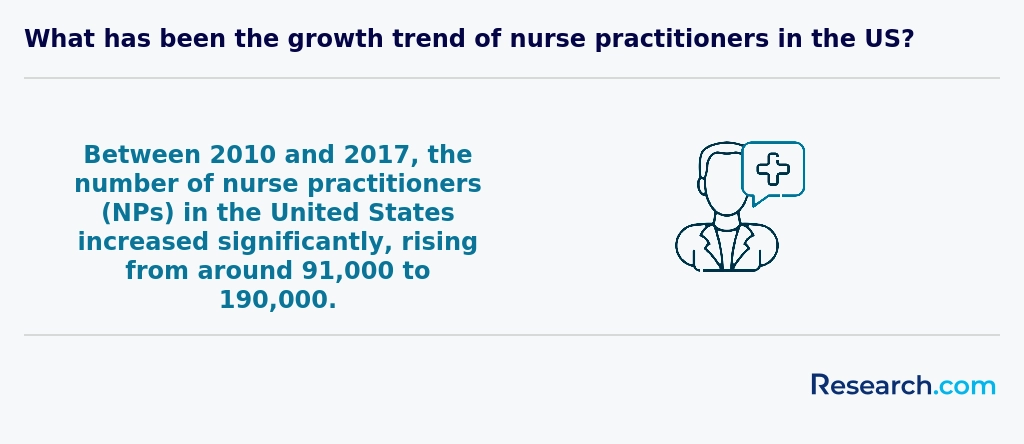
Earning an online nursing degree in Alabama is only the first step toward a rewarding career; securing licensure and certification through the Alabama Board of Nursing is equally critical. To sit for the NCLEX-RN exam, graduates must first submit an application to the Board, which includes official transcripts, a completed criminal background check, and fingerprinting, all of which ensure compliance with state regulations. Once approved, candidates register for the NCLEX through Pearson VUE, pay the exam fee, and schedule their test date. Passing the NCLEX-RN grants full licensure to practice as a Registered Nurse in Alabama, allowing you to work in hospitals, clinics, and community health settings across the state. In addition to initial licensure, Alabama requires RNs to renew their licenses biennially, completing 24 contact hours of continuing education during each cycle. Many online programs integrate NCLEX preparation courses, simulation labs, and exam-style question banks to boost your confidence and pass rates. You can also leverage student support services-such as academic advisors and online tutoring-to ensure you meet all application deadlines and documentation requirements on time. For those exploring alternative pathways into nursing, certificate-to-degree bridge programs can be invaluable. For example, pursuing a medical assistant to lpn online track provides foundational clinical skills and a shorter pathway to LPN licensure, after which you can seamlessly transition into an RN program. By understanding these licensure and certification steps up front, you’ll be better equipped to navigate Alabama’s regulatory landscape and launch a successful nursing career.
Many students pursuing online nursing degrees in Alabama find financial aid essential to managing costs. Graduates from the University of Alabama and Auburn University often share how federal aid, especially the Pell Grant, provided critical support, offering up to $7,395 annually for eligible students. This aid helped them cover a significant portion of their tuition, easing the stress of balancing work and study.
State-specific grants like the Alabama Student Grant program offer valuable assistance to in-state learners, reinforcing the importance of residency in qualifying for these funds. Scholarships that require service commitments within Alabama's healthcare system also encourage graduates to give back, turning financial support into a rewarding career path.
Institutional scholarships available at various Alabama colleges often reflect personal dedication and academic merit, making these awards feel like recognition of hard work. Additionally, flexible Federal Direct Loans and employer tuition reimbursement programs provide practical solutions for working adults advancing their nursing careers.
- Accelerated tracks enable degree completion in as little as 12 to 18 months for eligible students.
- In-state tuition frequently remains under $10,000 per year, combining affordability with accredited education.
- Top programs often achieve first-time NCLEX-RN pass rates above the state average, reflecting robust curriculum quality.
- Asynchronous coursework paired with local clinical partnerships supports busy schedules and hands-on learning.
- For advanced clinical roles beyond a BSN, explore dnp programs.
Enrolling in an online nursing degree program in Alabama typically begins with meeting clear academic prerequisites, a reality well understood by graduates from institutions like the University of Alabama at Birmingham or Auburn University. Many recall the initial steps requiring a high school diploma or equivalent, accompanied by foundational coursework in biology, chemistry, psychology, and microbiology. These courses set the stage for the rigorous, science-driven curriculum that follows.
Beyond academics, a solid GPA-often around 2.5 to 3.0-serves as a key indicator of readiness, motivating students to maintain consistency during their early studies. Graduates often reflect on how preparing for the TEAS exam, a common admission requirement testing essential skills, boosted both their confidence and academic discipline.
For those advancing into RN-to-BSN or graduate programs, holding an active Alabama RN license proves vital, reinforcing the real-world experience needed for success. Many students also navigate additional steps like background checks and immunizations, which, while challenging, ultimately build trust in their readiness for clinical work.
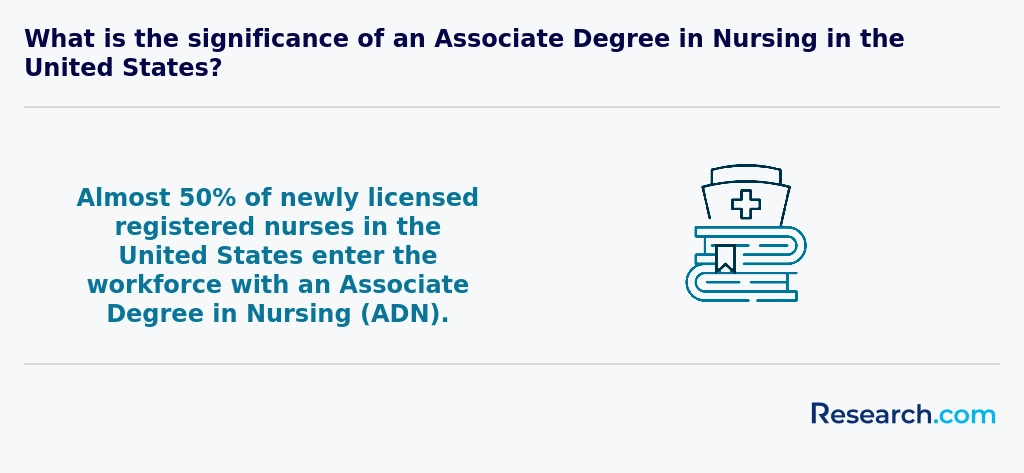
When considering an online nursing program in Alabama, it's essential to factor in the costs associated with pursuing a degree. While online programs can offer flexibility and convenience, they can also come with unique expenses, such as technology fees and equipment costs. To make an informed decision, prospective students should research the total cost of attendance, including tuition, fees, and living expenses. For those looking for affordable options, exploring the cheapest nursing school in alabama can be a great starting point. By understanding the costs and exploring financial aid options, students can make a more informed decision about which online nursing program is right for them.
In Alabama's online nursing degree programs, students consistently find a well-rounded curriculum that combines foundational science with essential nursing skills. Graduates from institutions like the University of Alabama at Birmingham often reflect on how courses like Anatomy and Physiology and Microbiology helped them grasp the complexities of the human body and the invisible threats posed by microorganisms. This solid grounding felt empowering as they transitioned to more clinical subjects.
Courses in Pharmacology and Nursing Fundamentals are praised for their practical approach, enabling learners to confidently understand medication effects and basic patient care. Many recall the challenge, yet satisfaction, of mastering Pathophysiology, which bridges theory and real patient conditions.
Students at popular Alabama colleges appreciate how Health Assessment, Maternal and Child Health Nursing, and Community Health Nursing extend learning into diverse healthcare settings, even virtually. Importantly, hands-on clinical practicums at local facilities allow for real-world application, which past students describe as both nerve-wracking and profoundly rewarding, thus preparing them well for the NCLEX-RN licensure exam.
Online nursing degree specializations in Alabama reflect the diverse needs of the healthcare landscape, offering pathways that graduates from universities like the University of Alabama and Auburn University find both challenging and deeply rewarding. Many who pursue the Family Nurse Practitioner (FNP) track share stories of feeling empowered to provide comprehensive care to families, transforming primary care in both rural and urban communities. Others gravitate toward the Clinical Nurse Specialist (CNS) specialization, where they refine skills in focused patient populations such as pediatrics or mental health, gaining confidence in delivering expert care.
Those who choose the Adult-Gerontology Nurse Practitioner (AGNP) specialization are motivated by Alabama's aging population, embracing roles that support elderly patients with chronic conditions. Graduates often mention how programs in nursing education inspire them to become mentors-addressing the critical shortage of nursing instructors within the state. Healthcare Leadership and Administration draws nurses seeking to influence policy and manage complex organizations, fueling aspirations nurtured at prominent colleges. For students balancing different priorities, connections to programs like the medical assistant to lpn online route provide valuable flexibility while advancing their career goals.
Choosing the best online nursing degree in Alabama means focusing first on accreditation and approval by the Alabama Board of Nursing. Graduates from well-known schools in Birmingham or Huntsville often reflect on how crucial this was for securing local clinical placements, a requirement that cannot be overlooked. Their hands-on experience in nearby hospitals allowed them to confidently pass the NCLEX-RN licensure exam, making the clinical component more than just a checkbox-it became a defining moment in their education.
Affordability plays a large role as well. Many students appreciate that while tuition varies, budgeting beyond just fees and textbooks is essential. Those who considered affordable nursing degrees Alabama online found that comparing public and private options helped them manage costs without sacrificing quality. The balance between program flexibility and duration also stood out to working nurses upgrading their skills through accelerated RN-to-BSN paths, which align well with busy lives.
Support services and faculty expertise also shape the student experience. Graduates often mention how personalized advising and career counseling made online learning at familiar Alabama institutions feel connected and motivating. For those still exploring options, resources like the Cheapest Online Nursing Degree Programs Ranking in Virginia provide additional perspectives on affordability and quality.
Graduates with an online nursing degree in Alabama find themselves stepping into diverse career paths that meet the state's rising healthcare demands. Many begin as registered nurses in hospitals or clinics across Alabama, where they provide essential care that deeply impacts their communities. Some graduates from popular colleges share how their online Bachelor of Science in Nursing (BSN) helped them specialize in pediatric or geriatric nursing, addressing critical needs from children's health to elderly care with confidence and compassion. Exploring nursing job outlook Alabama 2027, the steady growth in healthcare roles assures students they are investing in a career with meaningful progression. Others have found joy in roles like public health nursing, which involves educating entire neighborhoods or working in community outreach to improve statewide health outcomes.
Those pursuing advanced qualifications through an online Master of Science in Nursing often become nurse practitioners or clinical specialists, gaining autonomy and higher responsibility. Additionally, graduates appreciate that Alabama's nursing programs, including those recognized among the list of best universities online, prepare them for non-clinical careers in administration, education, or case management, each offering distinct fulfillment and steady demand. These career options provide flexibility and hope for many who choose the online route, proving that an online nursing degree career options Alabama truly open doors to rewarding, impactful professions.
The online nursing degree job market Alabama graduates enter is notably robust, supported by the state's growing healthcare demands. Graduates from reputable institutions like the University of Alabama at Birmingham or Auburn University often share how their flexible online programs allowed them to balance work and study while preparing for roles in acute care hospitals or community health centers. The Alabama Board of Nursing's high standards mean employers trust online credentials just as much as traditional degrees, offering graduates confidence in their new careers.
Many nursing students appreciate that the demand extends beyond urban settings; opportunities exist in rural clinics and school nursing services, reflecting the diverse healthcare needs across Alabama. Salaries typically range from $55,000 to $70,000 annually, a rewarding prospect given the reasonable cost of earning an online BSN. For those exploring further, programs with RN-to-BSN tracks enhance job security, fitting well in hospitals recognized by Magnet programs.
Prospective students curious about the best pathways for mature learners may find guidance in options like best college courses for seniors online, which opens doors to nursing careers later in life and complements Alabama's welcoming job market for online nursing degree graduates.
2027 Easiest Online Nursing Degree Programs Ranking in Alabama
Investing in your education is a significant decision that can impact your career and personal growth, and the Research.com team recognizes the importance of making well-informed choices. To guide prospective students in Alabama, we have carefully developed the "2027 Easiest Online Nursing Degree Programs Ranking." Our dedication to quality, credibility, and accuracy is demonstrated through rigorous research and thoughtful analysis.
We utilized the following reputable data sources to ensure a comprehensive evaluation of nursing programs:
By reviewing this ranking, readers will gain valuable insights into the most accessible online nursing programs in Alabama, empowering them to select the best fit for their educational and professional goals. For more information on how this ranking was created, please visit our Research.com methodology page.

# 2 position
Columbia Southern University
Master of Nursing Education

# 3 position
Columbia Southern University
RN to BSN


Frequently Asked Questions About nursing
Online nursing degree students in Alabama can maximize their learning by actively engaging with their coursework and clinical requirements. Since Alabama has over 120,000 registered nurses as of 2023, leveraging local healthcare networks for clinical placements provides valuable practical experience. Students should take advantage of Alabama Board of Nursing resources to understand state-specific regulations and licensure paths. Time management and consistent study habits are critical, especially because most programs follow a semester system similar to in-person schools. Participating in virtual study groups and seeking mentorship from faculty or practicing nurses also enhances comprehension and professional growth. Utilizing Alabama's nursing workforce data can help align learning with local healthcare demands.
Emerging niches within the nursing field in Alabama reflect broader national trends driven by population changes and healthcare needs. One significant area is geriatric nursing, as Alabama's population aged 65 and older is projected to increase by over 50% by 2030 according to the Alabama Department of Public Health. Nurses specializing in elder care are vital for managing chronic diseases and promoting quality of life.
Another growing niche is telehealth nursing, which became prominent during the COVID-19 pandemic. Alabama hospitals and rural clinics increasingly use telehealth to expand access to care in underserved areas. Additionally, nurse informaticists who integrate technology in patient care are in higher demand within healthcare systems statewide.
Lastly, psychiatric and mental health nursing remains critical due to rising mental health awareness. Alabama reports shortages of mental health professionals, creating opportunities for specialized nurses in this field.
After completing an online nursing degree in Alabama, preparing for the job market involves several key steps. First, ensure you obtain licensure by passing the NCLEX-RN exam, a requirement for registered nurses in the state. According to the Alabama Board of Nursing, passing rates are crucial for employer confidence. Next, gain relevant clinical experience through internships or volunteering, as Alabama hospitals often seek candidates with hands-on skills. Networking with local healthcare facilities, professional nursing associations, and attending job fairs can increase employment opportunities. Additionally, updating your resume and practicing interview skills tailored to Alabama's healthcare needs will help position you competitively in the nursing job market.
Employers in Alabama highly value nursing graduates who demonstrate strong clinical skills and critical thinking. According to the Alabama Board of Nursing, proficiency in patient assessment and care planning is essential for entry-level nurses. Communication abilities are also crucial, as nurses must effectively interact with patients and healthcare teams.
The Alabama Department of Labor reports that critical thinking and adaptability are skills that improve job performance, especially in fast-paced hospital settings. Familiarity with electronic health records (EHR) is increasingly demanded to ensure accurate documentation.
Additionally, empathy and cultural competence rank as important qualities given Alabama's diverse population. These skills together enhance a nurse's ability to deliver high-quality care and improve patient outcomes.
Finding internships in Alabama related to a nursing degree involves several key steps. First, students should connect with their online program's career services, as many nursing schools have partnerships with local hospitals and clinics. According to the Alabama Board of Nursing, clinical experience is essential for licensure, so securing internships early is crucial.
Applicants may also explore opportunities with major healthcare providers in Alabama, such as UAB Medicine and Huntsville Hospital, which offer clinical placements. Visiting the Alabama Department of Public Health website can provide updated listings of approved clinical sites. Networking through professional nursing organizations like the Alabama Nurses Association further helps in finding internships tailored to nursing students.
Online nursing degrees in Alabama have become a valuable tool for nurses seeking career mobility and advancement. These programs, accredited by bodies such as the Alabama Board of Nursing, offer flexibility while maintaining rigorous standards aligned with on-campus options.
Graduates with online Bachelor of Science in Nursing (BSN) or Master of Science in Nursing (MSN) degrees often qualify for leadership roles, higher salaries, and specialized positions. According to the Alabama Department of Labor, registered nurses with BSN degrees earn approximately 15% more than those with only an associate degree.
Furthermore, the growing healthcare sector in Alabama drives demand for nurses in roles including nurse practitioners and clinical managers. Online degrees facilitate quicker entry into such roles by providing updated clinical knowledge and leadership skills, which are critical for advancement.
Studying for a nursing degree in Alabama equips students with skills essential for interdisciplinary healthcare roles. Alabama nursing programs emphasize teamwork, communication, and collaborative care, preparing nurses to work alongside physicians, therapists, and social workers. According to the Alabama Board of Nursing, curricula integrate courses on healthcare systems and patient-centered approaches that foster understanding across specialties.
Online nursing degrees in Alabama often include case studies and simulations reflecting real-world interdisciplinary settings. This approach develops critical thinking and adaptability, crucial for modern healthcare environments. Additionally, the growing demand for healthcare coordination in Alabama's hospitals and community clinics encourages programs to highlight interprofessional education.
Overall, Alabama's nursing education aligns with national standards promoting collaboration, ensuring graduates enter the workforce ready to contribute effectively in diverse care teams.
When choosing between a thesis and a non-thesis online nursing degree program in Alabama, consider your career goals first. A thesis program focuses on research, requiring students to conduct original studies and write a detailed paper. This path suits those aiming for advanced clinical roles, teaching, or doctoral study. In contrast, a non-thesis option emphasizes practical skills through coursework and a comprehensive exam, ideal for nurses seeking leadership or specialized clinical positions without research demands.
According to the Alabama Board of Nursing, demand for nurse educators is growing, making thesis programs valuable for academic careers. However, non-thesis programs often offer faster completion, which suits working professionals balancing family and job responsibilities.
Students based in Alabama interested in studying nursing abroad have limited direct options through online nursing degrees. Most U.S. nursing programs, including those in Alabama, focus on domestic accreditation and clinical experiences within the United States to meet licensure requirements. According to the Alabama Board of Nursing, clinical hours must generally be completed domestically to qualify for licensure.
However, some Alabama students explore international study through exchange programs or partnerships between their home institutions and foreign universities. These opportunities often require physical presence overseas, which may not suit purely online degree seekers.
For fully online nursing degrees, Alabama students typically enroll in programs accredited by the Commission on Collegiate Nursing Education (CCNE) or the Accreditation Commission for Education in Nursing (ACEN), both U.S.-based bodies. These programs prioritize regional and national standards to ensure licensure eligibility within Alabama and other states.
Therefore, while options for studying nursing abroad exist, they rarely align with fully online pathways needed by many Alabama learners focused on flexibility and domestic licensure.
Students pursuing online nursing degrees in Alabama can gain valuable experience through part-time jobs that complement their education. Common roles include certified nursing assistant (CNA), medical assistant, or patient care technician. These positions offer hands-on patient interaction, which is essential for nursing skills development.
According to the Alabama Department of Labor, demand for CNAs is projected to grow by 18% through 2030, making it a stable option for students seeking flexible hours alongside their studies. Working in outpatient clinics or long-term care facilities also allows students to observe clinical practices relevant to their coursework.
In addition, some hospitals in Alabama offer part-time internship-like opportunities tailored to nursing students, providing both educational and financial benefits.
Online nursing students in Alabama have several valuable networking opportunities despite not attending on-campus classes. Many universities offering online nursing degrees include virtual events, discussion boards, and group projects to foster connections among peers and faculty.
Additionally, the Alabama Nurses Association (ANA) provides a platform for all nursing students, including those studying online, to join professional groups, attend conferences, and participate in workshops. The ANA also offers local chapter meetings that encourage networking within the state's nursing community.
Clinical placements in Alabama healthcare facilities further enhance networking by connecting students with experienced nurses and potential employers. Building relationships through these practical experiences is crucial for career growth in Alabama's nursing field, which is projected to increase by 15% through 2030, according to the U.S. Bureau of Labor Statistics.
Alumni networks offer significant benefits for students pursuing online nursing degrees in Alabama. These networks connect current students with graduates who have firsthand experience navigating the state's healthcare job market. According to the Alabama Board of Nursing, more than 75% of nursing jobs in Alabama are filled through referrals or personal connections.
Through alumni associations, students gain access to mentorship opportunities, professional advice, and job leads tailored to Alabama's healthcare settings. Many alumni also share insights about licensure requirements and continuing education specific to the state. Additionally, these networks often organize local events and webinars that enhance students' professional development beyond the virtual classroom.
Customizing an online nursing degree program in Alabama allows students to align their education with specific career goals. Many Alabama universities offer specializations such as family nurse practitioner, psychiatric nurse, or nurse educator within their online programs. Students can select electives that complement these focuses, tailoring their curriculum accordingly.
Clinical placement options in Alabama also vary, enabling learners to gain hands-on experience in settings that match their interests, such as hospitals, community clinics, or long-term care facilities. According to the Alabama Board of Nursing, more than 70% of programs support clinical flexibility to accommodate working nurses.
Additionally, some programs provide part-time schedules or accelerated formats, assisting students in balancing education with employment. This flexibility helps customize the learning experience while meeting licensure requirements specific to Alabama.
Online nursing students in Alabama face several typical challenges during their studies. One major hurdle is balancing clinical practice requirements with online coursework. Alabama nursing programs mandate in-person clinical hours, which can be difficult to arrange for students living far from campus or healthcare facilities. According to the Alabama Board of Nursing, these clinical experiences are essential for licensure but often require significant travel and scheduling coordination.
Another challenge is maintaining consistent internet access and technology skills, especially in rural areas where broadband connectivity may be limited. This can hinder smooth participation in virtual classes and exams.
Finally, many students find it hard to build professional networks and receive direct faculty support because of limited face-to-face interaction.
With an online nursing degree in Alabama, graduates can pursue various professional certifications to advance their careers. Common certifications include the Registered Nurse (RN) license, which is required to practice nursing in Alabama and is overseen by the Alabama Board of Nursing.
Beyond licensure, nurses can seek specialty certifications such as the Certified Nurse Practitioner (CNP) or the Certified Clinical Nurse Specialist (CNS). These certifications often require additional graduate education and passing national tests by organizations like the American Nurses Credentialing Center (ANCC).
In Alabama, certifications in areas like gerontology, pediatrics, and emergency nursing are in demand due to the state's aging population and healthcare needs, according to the Alabama Board of Nursing annual report 2023.
Professional certifications can increase job opportunities and higher salaries, helping nurses stand out in a competitive healthcare market.
When applying to an online nursing program in Alabama, start by carefully reviewing the admission requirements of each school. Many programs require a minimum GPA of 2.75 to 3.0, as well as prerequisites such as biology and chemistry courses.
Strong letters of recommendation from healthcare professionals or educators can noticeably improve your application. Be sure to highlight any healthcare experience, as Alabama values practical exposure to nursing environments.
Write a clear and focused personal statement that explains why you want to pursue nursing online and how you plan to balance study with other responsibilities. Mentioning your commitment to serving Alabama's healthcare needs can be beneficial.
Finally, check if your chosen program requires standardized tests or interviews and prepare accordingly. The Alabama Board of Nursing also provides guidance on licensure requirements, which can help tailor your application effectively.
The nursing profession holds significant global importance, reflecting a strong demand for qualified nurses worldwide. In the United States, and specifically in Alabama, nursing is a stable and growing career path. According to the Alabama Board of Nursing, the state expects a 15% increase in registered nurse employment by 2028, demonstrating expanding opportunities.
Internationally, nurses are valued not only for patient care but also for their critical role in public health. The World Health Organization emphasizes nursing as essential to achieving better health outcomes globally.
For students pursuing online nursing degrees in Alabama, this global demand underscores the versatility and mobility of nursing credentials, which are often recognized beyond state and national borders.
Gaining practical experience is essential when pursuing an online nursing degree in Alabama. Most accredited programs require clinical hours to ensure students develop hands-on skills. Students typically arrange clinical placements at local hospitals, clinics, or long-term care facilities in Alabama.
Alabama has healthcare partnerships to help students meet clinical requirements. For example, the Alabama Board of Nursing and state universities support placements that comply with state regulations. In 2023, Alabama reported over 115,000 registered nurses working statewide, reflecting strong clinical opportunities.
Additionally, some programs offer simulation labs or virtual clinical experiences to supplement real-world training. Students should contact their school's clinical coordinator early to secure placements that align with their schedules and career goals.
Choosing the right concentration within an online nursing degree in Alabama involves understanding your career goals and local healthcare needs. Alabama's demand for registered nurses is expected to grow by 15% through 2030, according to the Alabama Department of Labor. Popular concentrations include family nurse practitioner, psychiatric nursing, and geriatric care.
Review accredited programs offered by Alabama institutions through the CCNE or ACEN to ensure quality education. Consider the clinical requirements and partnership hospitals accessible for practicum placements within Alabama.
Research salary ranges and job openings specific to your preferred concentration via the Alabama Board of Nursing and the Bureau of Labor Statistics.
- 2027 Easiest Online Nursing Degree Programs Ranking in Mississippi
- 2027 Easiest Online Nursing Degree Programs Ranking in Tennessee
- 2027 Easiest Online Nursing Degree Programs Ranking in Georgia
- 2027 Easiest Online Nursing Degree Programs Ranking in Louisiana
- 2027 Easiest Online Nursing Degree Programs Ranking in South Carolina
- 2027 Easiest Online Nursing Degree Programs Ranking in Missouri
- 2027 Easiest Online Nursing Degree Programs Ranking in Indiana
- 2027 Easiest Online Nursing Degree Programs Ranking in Illinois
- 2027 Easiest Online Nursing Degree Programs Ranking in Texas
- 2027 Easiest Online Nursing Degree Programs Ranking in Virginia
See What Experts Have To Say About Studying Nursing
Read our interview with Nursing experts


- 50 Scholarships for Nursing Students in 2026 https://credenzahealth.com/career-advice/50-nursing-scholarships-you-dont-want-to-miss
- Study Nursing Abroad | Boomerang International Educational Services https://boomerangedu.com/study-nursing-abroad/
- Essential Tips for Nursing Students to Advance Their Careers https://almanaltraining.com/essential-tips-for-nursing-students-to-advance-their-careers/
- Nursing Internship and Externship Programs https://jobs.mayoclinic.org/nursinginternexternprograms
- Nursing Study Abroad Programs | Go Overseas https://www.gooverseas.com/study-abroad/nursing
- Guide to Making a Career Change to Nursing https://teach.com/online-ed/healthcare-degrees/online-msn-programs/career-change-to-nursing/
- Online Nursing Prerequisites | Sophia Nursing Pathway https://www.sophia.org/online-courses/course-pathways/nursing-pathway/
- Tips for Creating a Perfect Nursing School Application https://www.allnursingschools.com/articles/how-to-create-the-perfect-nursing-school-application/
- How Do Nurses Prepare to Work in a Multidisciplinary Team? | NursingEducation https://nursingeducation.org/insights/multidisciplinary-team/
- Career Advancement Pathways for Nurses : Expert RN shares 10+ Professional growth opportunities - MuminMed https://blog.muminmed.com/career-advancement-pathways-for-nurses/


