2027 Most Affordable Nursing Degree Programs Ranking in Ontario

Co-Founder and Chief Data Scientist
Are you exploring affordable nursing degree options in Ontario? This article introduces the 2027 Most Affordable Nursing Degree Programs Ranking in Ontario, crafted by the Research.com team of data scientists. It is designed to guide you through your choices with clear, reliable insights.
Pursuing a nursing degree opens doors to meaningful, stable careers where you can make a real difference. By reviewing this ranking, you'll discover programs that align with your budget and goals, helping you invest wisely in your future.
Start your journey to a rewarding nursing career with confidence and clarity.
Key benefits of getting nursing degree in Ontario
- Graduates with a nursing degree in Ontario can expect competitive salaries, such as $94,480 annually for roles like Registered Nurse or Public Health Nurse, and up to $128,490 for specialized positions like Operating Room Nurse.
- Career options are diverse, including clinical nursing, public health, emergency care, and education, giving graduates flexibility to pursue a path that fits their passion and lifestyle.
- Completing a nursing degree online offers convenience and flexibility, allowing students to balance work and study effectively while gaining accredited qualifications recognized by employers across Ontario.
- 2027 Most Affordable Nursing Degree Programs Ranking in Ontario
- What can I expect from nursing degree in Ontario?
- Where can I work with nursing degree in Ontario?
What can I expect from nursing degree in Ontario?
The average cost of a nursing degree in Ontario typically ranges between CAD 7,000 and CAD 13,000 per year for domestic students enrolled in renowned programs at universities like the University of Toronto or Ryerson University. Graduates often recall balancing tuition with living expenses while appreciating the value of thorough clinical placements, which provide hands-on experience in hospitals and community health centers across Ontario.
International students face higher fees, sometimes exceeding CAD 30,000 annually, reflecting the premium on high-quality nursing education combined with extensive practicum hours. Many students mention feeling motivated by this investment, knowing it leads to eligibility for the NCLEX-RN and a career in a province that employs 40% of Canada's nursing workforce.
Advanced study options, such as master's and doctoral programs at institutions like McMaster University, also come with increased costs but are seen as worthwhile by graduates pursuing leadership roles and specialization. Financial aid and scholarships at Ontario colleges help alleviate some financial pressure, enabling students to focus on comprehensive training and real-world readiness.
Where can I work with nursing degree in Ontario?
Graduates holding nursing degrees from top Ontario institutions like the University of Toronto or George Brown College commonly find diverse employment opportunities. Over 65% of nurses find positions in hospitals, delivering acute care, managing treatments, and collaborating with healthcare teams. For many graduates, this setting provides hands-on experience and a fast-paced work environment that builds confidence and clinical skills.
Long-term care homes are increasingly popular workplaces, especially as Ontario's aging population grows. Nurses in these settings provide essential ongoing care for elderly and chronically ill patients, offering rewarding experiences through meaningful patient relationships.
Community health agencies and public health units also employ nursing graduates to focus on prevention, health promotion, and home care-roles that appeal to those interested in holistic healthcare and vulnerable populations.
Primary care practices, including Family Health Teams, offer collaborative environments where nurses assist physicians and nurse practitioners with patient assessments and chronic disease management. Graduates report feeling valued in improving patient outcomes.
Specialized clinics and educational roles further expand career options, reflecting the versatility of an Ontario nursing degree. Registration with the College of Nurses of Ontario ensures graduates meet regulatory standards to practice confidently across these varied settings.
Graduates with a nursing degree from well-known Ontario institutions, such as the University of Toronto or Ryerson University, can anticipate starting salaries typically between CAD 60,000 and CAD 70,000 annually. These figures align closely with the Ontario Nurses' Association data and reflect entry-level registered nurse wages.
For students aiming to advance, mid-career nurses in Ontario can earn between CAD 75,000 and CAD 90,000 per year. Specialized roles, like clinical nurse educators or public health nurses, often see salaries around the US average of USD 94,480 annually-roughly aligned with Ontario market expectations when converted and adjusted.
Emergency room nurses share similar earning potential, offering engaging, fast-paced work environments as reported by graduates from colleges such as Humber College. More experienced professionals in operating rooms can expect substantially higher wages, with US data indicating mean annual salaries around USD 128,490, suggesting lucrative prospects for Ontario nurses advancing their skills.
Many graduating nurses remind future students that the blend of financial security and meaningful work creates strong motivation, reinforcing the value of Ontario's nursing education system for those committed to rewarding healthcare careers.
- The Bachelor of Science in Nursing (BScN) in Ontario usually takes four years of full-time study at accredited universities.
- Annual tuition for domestic students ranges from CAD 7,000 to CAD 11,000, totaling about CAD 28,000 to CAD 44,000 for the full degree.
- International students pay roughly three times the domestic tuition fees, plus additional costs for textbooks, supplies, and clinical placements.
- Starting salaries for new nurses average between CAD 55,000 and CAD 65,000 per year, increasing to CAD 75,000-90,000 after five years of experience.
- Nursing graduates must pass the CRNE or NCLEX-RN exam and register with the College of Nurses of Ontario (CNO) to practice legally.
- Ontario faces ongoing nursing shortages, offering strong job prospects in hospitals, community health, and long-term care facilities.
Completing a nursing degree in Ontario typically takes about four years for a traditional Bachelor of Science in Nursing (BScN). This duration is common at well-known institutions like the University of Toronto and Ryerson University, where graduates often describe balancing rigorous coursework with rewarding clinical placements. These hands-on experiences prepare students effectively for real-world healthcare settings, making the time investment feel meaningful and motivating.
For those with a prior degree, accelerated BScN programs offered at schools such as McMaster University condense the same core content into 2 to 3 years. Graduates frequently share how these intensive schedules challenge but energize them, blending theoretical learning with practical hours more tightly.
Ontario also provides Practical Nursing Diplomas taking around 2 years, popular at colleges like George Brown. Many students appreciate this path for its relatively quick entry into nursing roles while still gaining valuable clinical training.
Part-time or online options can extend completion time up to 5 years, accommodating personal circumstances without sacrificing educational quality.
Upon graduating from an accredited nursing program in Ontario, CA, the next critical step is obtaining your Registered Nurse (RN) licensure by passing the NCLEX-RN exam. Here’s what you need to know: 1. Eligibility and Application • Verify program accreditation: Ensure your school is recognized by the California Board of Registered Nursing (BRN). • Submit application: Complete the BRN licensure application online, including required transcripts, fingerprinting, and background check. • Pay fees: The application fee is approximately $200, plus a separate $200 registration fee for the NCLEX-RN. 2. NCLEX-RN Exam Overview • Content: The NCLEX-RN assesses clinical judgment across four client needs categories-Safe and Effective Care, Health Promotion, Psychosocial Integrity, and Physiological Integrity. • Format: Computerized adaptive testing (CAT) with 75–265 questions; time limit of six hours. • Passing standard: Demonstrated competency is set by the National Council of State Boards of Nursing (NCSBN). 3. Preparation Tips • Study plan: Create a structured schedule covering key topics and question practice. • Review resources: Use reputable review books, online question banks, and local study groups. • Simulations: Practice CAT-style exams under timed conditions to build confidence. 4. After the Exam • Receive results: California BRN typically issues pass/fail notices within two weeks. • License issuance: On passing, you’ll receive your official RN license and can begin working in any California healthcare facility. • Advanced pathways: With RN licensure, nurses can pursue specialty certifications or advanced degrees-many even consider becoming a midwife to expand their scope of practice and impact in maternal care. By understanding each step-application, exam content, preparation strategies, and post-exam licensing-you’ll navigate the RN licensure process smoothly and launch your nursing career in Ontario, CA.
Online nursing degrees in Ontario offer flexibility that appeals to students managing work or family commitments, especially those living outside major cities like Toronto or Ottawa. For instance, graduates from the University of Toronto who pursued online studies appreciated the ability to learn asynchronously while fulfilling personal responsibilities. However, these programs still require in-person clinical placements, which are scheduled locally to ensure hands-on skill development in real healthcare settings.
In contrast, traditional on-campus programs, such as those at Ryerson University, provide immediate access to faculty and campus facilities, including labs and simulation centers. Graduates reflect positively on the face-to-face interactions and collaborative learning opportunities, which helped build confidence and clinical competence. Although on-campus tuition can be higher due to additional fees, students often value the networking and resource access it enables.
Both formats maintain regulated tuition-around CAD 7,500 annually for domestic students-and require budgeting for essential materials. The choice hinges on balancing flexible study schedules with the immersive, hands-on experiences that on-campus environments offer.
When researching nursing programs, it's essential to consider not only the programs available in Ontario, CA, but also to compare them with other affordable options in the region. For instance, prospective students may find it helpful to look into programs in nearby states or explore online nursing degree options. One valuable resource for this comparison is the ranking of affordable nursing school in California, which can provide insights into the cost-effectiveness and quality of nursing education across different institutions. By conducting a thorough comparison, students can make informed decisions about which nursing program best fits their academic, professional, and financial goals.
The average cost of obtaining a nursing degree in Ontario is approximately CA$51,523 USD for the entire program, according to median total cost data. This figure aligns with what many graduates from well-known nursing institutions across the province report: a financial investment that is substantial but manageable with proper planning. Many students pursuing their Bachelor of Science in Nursing (BScN) at universities or colleges in Ontario find that while tuition fees are a key expense, the overall cost is balanced by the quality of education and numerous support services available to them. Those who select affordable nursing programs Ontario 2027 often appreciate the personalized clinical experiences and networking opportunities, which make the tuition worth it.
Domestic students, in particular, benefit from lower tuition fees compared to international peers, making Ontario a competitive choice for nursing education, especially when compared to similar programs in the United States. Students graduating from these institutions often recall how the cost difference impacted their decision to study locally. These programs typically include not only tuition but also added expenses such as textbooks, uniforms, clinical supplies, and lab fees, which collectively create a realistic budget to plan for.
Prospective students should also consider ancillary expenses, including health insurance and licensing exam fees, which further contribute to the total cost. For those evaluating multiple options, checking nursing school reviews Las Vegas can provide useful comparative insights that highlight affordability and program quality abroad.

All nursing programs featured in our 2024 ranking are fully accredited by the Commission on Collegiate Nursing Education (CCNE) or the Accreditation Commission for Education in Nursing (ACEN), and approved by the California Board of Registered Nursing (BRN). This ensures that coursework, clinical training, and faculty qualifications meet rigorous state and national standards. Prospective students in Ontario, CA can trust that an accredited program not only delivers quality education but also fulfills eligibility requirements for the NCLEX-RN licensing exam. Graduates from these accredited programs consistently achieve NCLEX-RN first-time pass rates above 90%, surpassing the state average of 85%. High licensure success rates reflect strong alignment between curriculum objectives and exam competencies in areas such as pharmacology, pathophysiology, and patient care. Employers in hospitals, surgical centers, and public health agencies rely on these metrics when evaluating new nurses, making accreditation and pass rates critical factors in program selection. For those considering the Licensed Practical Nurse pathway, it’s important to choose a program with BRN approval and solid clinical partnerships. Many local colleges now offer flexible options, and prospective students can explore accredited, high-quality alternatives like an lpn degree online for accelerated entry into the workforce. By prioritizing accredited programs with proven licensure outcomes, students in Ontario, CA can confidently pursue a nursing career that meets both regulatory standards and employer expectations.
Students pursuing nursing degrees in Ontario commonly rely on financial aid from government programs like the Ontario Student Assistance Program (OSAP), which provides both loans and grants tailored to cover tuition and living expenses. For example, graduates from the University of Toronto's nursing program often mention how OSAP significantly eased their financial burden, given that annual tuition averages between CAD 7,000 and CAD 9,000 for domestic students.
Beyond OSAP, many students benefit from scholarships awarded by entities such as the Canadian Nurses Foundation or the Registered Nurses' Association of Ontario. These scholarships typically range from CAD 1,000 to CAD 5,000 annually, helping students at institutions like Ryerson University manage costs while maintaining academic excellence.
Additionally, bursaries and emergency funds are accessible at colleges such as George Brown College, offering crucial assistance for unexpected expenses. Some nursing students working part-time in healthcare report positive experiences with employer tuition reimbursement, enabling them to balance work and study effectively.
For US students, understanding the exchange rate advantage, alongside diligent budgeting for living costs, enhances the overall affordability of nursing education in Ontario's renowned programs.
To practice as a nurse in Ontario, CA, you must complete these licensing and certification steps:
- Graduate from an accredited nursing program: ensure completion of an ACEN- or CCNE-approved ADN or BSN; see our list of accredited nursing schools in florida.
- Register with the California Board of Registered Nursing (BRN) and apply for the NCLEX-RN or NCLEX-PN exam.
- Submit fingerprints and pass a criminal background check through the DOJ and FBI.
- Obtain American Heart Association CPR/BLS certification; acquire ACLS or PALS credentials if your specialty requires them.
- Renew your license every two years by completing at least 30 continuing education units (CEUs) as mandated by the BRN.
To enroll in a nursing degree program in Ontario, applicants must meet specific academic prerequisites. These typically include completion of Grade 12 courses such as English (ENG4U), Biology (SBI4U), and often Chemistry (SCH4U) or Physics (SPH4U). For instance, nursing students aiming to join the University of Toronto's program report that these courses form the foundation that helped them excel in higher-level nursing concepts.
Minimum Grade Point Averages (GPAs) range from 75% to 85%, with top programs like the University of Toronto demanding averages near 85%. Graduates from popular colleges in Ontario emphasize that maintaining strong grades reassured admissions committees of their academic readiness, especially given the competitive nature of these programs.
Beyond academics, applicants must provide personal statements, reference letters, and often participate in interviews or situational judgement tests. These elements help assess communication and empathy-qualities essential in clinical settings. Students share that preparing these components showcased their passion and commitment, positively impacting their acceptance chances.
Finally, Ontario's nursing programs require clinical placements, coordinated with local hospitals. Many students reflect on how these hands-on experiences deepened their confidence and practical skills, critical to thriving in nursing careers both within Canada and for US students seeking international exposure.

After completing a nursing degree program, graduates must obtain licensure through the California Board of Registered Nursing (BRN) and pass the NCLEX-RN exam to practice legally in Ontario, CA. First, applicants should submit an official transcript and completed application to the BRN, including fingerprinting and background checks. Once the BRN approves your eligibility, you’ll receive an Authorization to Test (ATT) for the NCLEX-RN. Scheduling and preparing for the NCLEX-RN is critical; many candidates enroll in review courses or form study groups to strengthen areas like pharmacology, medical-surgical nursing, and pediatrics. Upon passing the NCLEX-RN, you’ll receive your California Registered Nurse license, valid for two years. During this time, nurses must complete 30 hours of continuing education (CE) to renew their license, with mandatory topics including pain management, patient abuse recognition, and disaster preparedness. Additionally, specialty certifications-such as Critical Care Registered Nurse (CCRN) or Certified Pediatric Nurse (CPN)-can enhance career prospects and may require targeted CE credits and clinical hours. For nurses seeking flexible pathways to expand their credentials, online bridge programs offer accelerated BSN options and certification prep. Explore our Low Cost Online Bachelor’s in Nursing Degree Programs Ranking in the Northeast to discover affordable, accredited online programs that align with California licensure standards. Incorporating structured study plans and leveraging these programs can streamline both degree completion and certification readiness.
Nursing degree programs in Ontario, typically offered over four years at institutions like the University of Toronto or Nipissing University, include a robust set of core courses designed to balance theory and practical skills. Graduates often describe learning subjects such as human anatomy and physiology, which give them a deep understanding of the body's complex systems-essential when entering clinical environments. Pathophysiology and pharmacology courses prepare students to recognize disease impacts and manage medication safely, critical for confident patient care.
Students highlight health assessment and nursing theory classes as particularly valuable, equipping them to conduct detailed physical and psychological evaluations. Community and mental health nursing coursework provides insights into population-level strategies and psychiatric care, often shared as eye-opening experiences by recent graduates.
Research methods and leadership courses further prepare Ontario nursing students for evidence-based practice and team management roles in hospitals or clinics, frequently noted by students at Ryerson University as empowering. The extensive clinical placements embedded in these programs allow hands-on learning, reinforcing confidence and real-world readiness among future nurses.
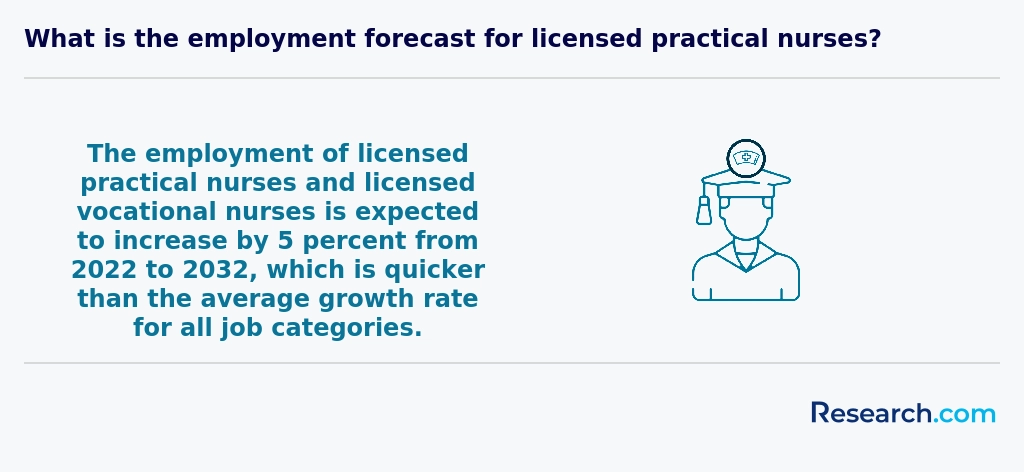
Nursing degree specializations Ontario programs commonly include Pediatric Nursing, Geriatric Nursing, Mental Health Nursing, Community Health Nursing, and Critical Care Nursing. For example, graduates from popular colleges in Ontario often share how Pediatric Nursing training equipped them to confidently manage childhood illnesses in hospital pediatric wards. Others specializing in Geriatric Nursing express satisfaction in learning advanced chronic illness management tailored to older adults, directly addressing community health challenges. Such hands-on experiences highlight how types of nursing programs in Ontario are designed for real-world demands.
Advanced standing or graduate-level options, such as nurse practitioner roles in family health or acute care, offer further specialization, allowing registered nurses to advance their careers. A graduate from a well-known Ontario university reported that this advanced focus provided both intellectual fulfillment and expanded clinical responsibilities, boosting confidence in patient care.
U.S. students interested in gaining these qualifications should explore institution-specific offerings, and many find value in comparing costs and curricula with U.S. programs. Consider visiting resources like top nursing schools dallas for comparative insights.
Choosing the best nursing degree in Ontario involves evaluating several critical factors. Accreditation by the Canadian Association of Schools of Nursing (CASN) ensures the program meets provincial licensing requirements set by the College of Nurses of Ontario (CNO), a top priority for graduates aiming to practice professionally. Students from schools like the University of Toronto and McMaster University often report satisfaction with the research-intensive environment and extensive clinical placements that prepare them well for real-world nursing challenges.
Cost is another significant consideration. While Ontario offers some of the most affordable nursing schools in Ontario, international students typically pay higher tuition, averaging CAD 33,000 per year. Balancing tuition with living expenses and exchange rates is essential to budget realistically. Clinical opportunities, often tied to partnerships with major health centers, provide hands-on experience valued by recent graduates who feel confident entering the workforce.
Program length and flexibility also influence choice; most Bachelor of Science in Nursing (BScN) programs take four years, with accelerated paths for prior degree holders. Online or part-time options are limited, so planning is crucial. For those comparing different healthcare careers, understanding the duration to become a CMA can offer useful perspective on training timelines.
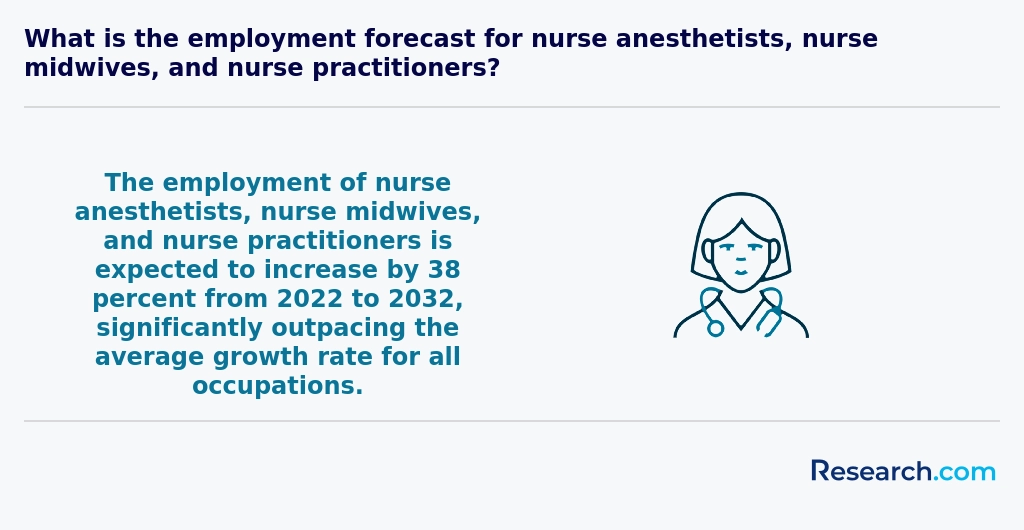
Graduates with a nursing degree in Ontario find diverse nursing career opportunities in Ontario's healthcare system. Many work as Registered Nurses in acute care at hospitals, providing critical patient support and gaining valuable hands-on experience. For example, students from popular schools like the University of Toronto and Ryerson University report rewarding challenges in managing patient recovery and assisting in surgeries. Salaries for these roles typically range between CAD 65,000 and CAD 90,000 annually, reflecting experience and location.
Specializing in fields such as pediatric nursing, gerontology, or mental health is another viable path. Graduates often pursue additional certifications to boost expertise and earnings, with mental health nursing gaining prominence due to increasing healthcare focus. Alternatively, Nurse Practitioners offer advanced clinical care, including diagnosing and prescribing, and earn more than CAD 100,000 yearly. Community health nursing is also expanding, emphasizing prevention and education outside hospitals, a field well-suited for Ontario's aging population.
Beyond clinical work, nursing degrees support roles in research, administration, and education. Graduates from Ontario's institutions may also explore leadership positions in healthcare, combining their clinical skills with policy and administration for broader impact. Compared to US tuition fees ranging from $7,000 to $35,000, Ontario's public nursing programs are competitively priced between CAD 6,000 and CAD 11,000 annually, making it appealing for US students eyeing Ontario nursing degree job prospects.

The nursing job opportunities in Ontario remain strong due to the province's aging population and healthcare system growth. Graduates from well-known nursing programs at universities like the University of Toronto and Ryerson University report positive employment experiences, finding roles quickly in hospitals, community care, and long-term care facilities. The increasing demand is supported by government efforts to attract more skilled nurses, including international graduates, which improves overall workforce diversity.
Financially, starting salaries for registered nurses typically range from CAD 30 to 38 per hour, translating to an annual income of approximately CAD 60,000 to 75,000. This stability makes pursuing an Ontario nursing degree appealing, especially considering tuition costs for international students usually fall between CAD 25,000 and 35,000 per year. Many graduates mention feeling optimistic about their career prospects while appreciating the competitive cost of nursing education compared to US options like an affordable nursing school in California.
The Ontario nursing degree employment outlook continues to be encouraging, driven by expanding healthcare infrastructure and diversified job settings. Graduates describe their transition from study to employment as smooth, buoyed by clinical placements and licensure support offered by their colleges and universities.
2027 Most Affordable Nursing Degree Programs Ranking in Ontario
Investing in your education is a significant decision that can shape your future, and the Research.com team understands the importance of making informed choices. To assist prospective students in Ontario, we have meticulously crafted the "2027 Most Affordable Nursing Degree Programs Ranking in Ontario." Our commitment to quality, credibility, and accuracy is reflected in the extensive research and analysis conducted to compile this ranking.
We utilized the following reputable data sources to ensure a comprehensive evaluation of nursing degree programs:
By exploring this ranking, readers will gain valuable insights into the most affordable nursing degree options in Ontario, empowering them to make well-informed decisions about their educational investment. For more details on our methodology, please visit our Research.com methodology page.
# 1 position
West Coast University-Ontario
Bachelor of Science in Nursing

# 2 position
University of Phoenix-California
Master of Science in Nursing

# 3 position
Arizona College of Nursing-Ontario
Bachelor of Science in Nursing

Frequently Asked Questions About nursing
Students pursuing nursing degrees in Ontario can maximize their learning experience by engaging in diverse clinical placements. Ontario offers over 5,000 clinical practicum hours across various healthcare settings, which enhances hands-on skills. Actively participating in these placements helps students apply theoretical knowledge to real-world scenarios.
Another key strategy is leveraging available academic support services. Many Ontario nursing programs provide resources such as tutoring, workshops, and simulation labs to strengthen clinical and critical thinking skills. According to the Canadian Association of Schools of Nursing, students who utilize simulation training tend to perform better in clinical evaluations.
Joining student nursing associations also fosters professional development through networking and mentorship opportunities. Lastly, time management and self-directed study are essential, given the demanding curriculum and requirements for registration with the College of Nurses of Ontario.
Emerging niches in nursing reflect shifts in healthcare demands and technology. In Ontario, specialized roles like gerontological nursing are growing due to an aging population; by 2041, nearly 30% of Canadians will be over 65, increasing care needs (Statistics Canada, 2021). Mental health nursing is another expanding area, as awareness and integration of mental health services increase across the province.
Additionally, informatics nursing combines healthcare with digital technology, improving patient data management. This niche is vital as Ontario advances electronic health records statewide. Lastly, community health nursing is gaining attention, focusing on preventive care and chronic disease management outside hospitals.
After completing a nursing degree in Ontario, job market preparation begins with obtaining registration from the College of Nurses of Ontario (CNO). This licensure process includes passing the NCLEX-RN exam, which is mandatory to practice as a registered nurse in the province. According to the Canadian Institute for Health Information, Ontario employs nearly 55,000 registered nurses, indicating a competitive but growing job market.
Networking through internships and clinical placements during your studies can significantly improve job prospects. Additionally, enhancing skills like communication and digital literacy is vital, as healthcare settings increasingly use electronic health records.
Joining professional associations such as the Registered Nurses' Association of Ontario also provides access to job boards and continuing education opportunities. Staying informed on local healthcare needs and tailoring applications to specialized roles can further increase employability in Ontario's diverse nursing sector.
Nursing employers in Ontario prioritize graduates who demonstrate strong clinical skills and critical thinking abilities. According to the College of Nurses of Ontario, proficiency in patient assessment and medication administration is essential for safe and effective care.
Communication skills are also highly valued, as nurses must collaborate with interdisciplinary teams and engage empathetically with patients and families. The 2023 Canadian Nurses Association survey highlights that 85% of employers seek graduates who can navigate diverse healthcare settings with cultural sensitivity.
Additionally, adaptability and technological literacy are increasingly important due to advancements in healthcare technology. Employers expect new nurses to be competent in electronic health records and digital monitoring tools to enhance patient outcomes.
Finding internships in Ontario relevant to a nursing degree involves several key steps. Start by exploring placement opportunities offered through accredited nursing programs. Most Canadian nursing schools, including those in Ontario, have formal partnerships with local hospitals and healthcare facilities, where students complete Clinical Education or Practicum components required by the College of Nurses of Ontario (CNO).
Additionally, using platforms like HospitalJobs.ca and visiting provincial health network websites can help locate openings. In 2023, Ontario reported over 50,000 registered nurses, emphasizing strong industry growth and internship availability (Canadian Institute for Health Information).
Networking with faculty and healthcare professionals during your studies often leads to valuable internship opportunities.
In Ontario, earning a nursing degree significantly enhances career mobility and advancement opportunities. According to the College of Nurses of Ontario, registered nurses (RNs) with a Bachelor of Science in Nursing (BScN) are in higher demand, as many healthcare employers prefer or require this credential. This degree opens doors to diverse settings, including hospitals, community health, and specialized care.
Additionally, a nursing degree supports eligibility for advanced roles like nurse practitioner or clinical nurse specialist, which offer higher salaries and leadership opportunities. The Registered Nurses' Association of Ontario highlights that over 60% of nurses in advanced positions hold a BScN or higher.
Further education also facilitates easier interprovincial licensing and access to national certifications, expanding job prospects within Canada.
Studying for a nursing degree in Ontario equips students to work effectively in interdisciplinary healthcare teams. Ontario's nursing programs emphasize collaboration with professionals from medicine, social work, pharmacy, and other allied health fields. This approach reflects the province's evolving healthcare model, which prioritizes integrated care delivery to improve patient outcomes.
Curricula typically include courses on communication, teamwork, and ethics, fostering skills essential for working in diverse teams. Clinical placements provide hands-on experience in various settings, allowing students to interact with different healthcare specialists.
According to the College of Nurses of Ontario, over 60% of nursing roles now involve coordinating care across multiple disciplines, highlighting the importance of such training.
When choosing between a thesis and a non-thesis nursing degree program in Ontario, consider your career goals and learning preferences. Thesis programs focus on research, requiring students to complete an original project, which can prepare you for advanced roles or doctoral studies. Non-thesis programs emphasize practical skills and coursework, ideal for those seeking clinical positions or immediate entry into nursing practice.
In Ontario, about 30% of nursing master's students opt for thesis tracks, reflecting interest in research careers, according to the Canadian Association of Schools of Nursing. Tuition and program length may also differ, with thesis options sometimes extending study duration due to research requirements.
Assess your interest in conducting research and long-term career plans when making your choice.
Students based in Ontario who want to study nursing abroad often consider programs in the United States. The U.S. offers a variety of nursing degree options, including Bachelor of Science in Nursing (BSN) programs and accelerated nursing degrees for those with previous university experience. Many U.S. universities have established pathways and transfer agreements for Canadian students, making the transition smoother.
Studying nursing in the U.S. can provide exposure to diverse clinical practicum settings and advanced healthcare technologies. Tuition and living costs vary greatly depending on the state and institution, with some programs offering more affordable options. For up-to-date nursing statistics and program information, students can consult sources like the American Association of Colleges of Nursing (AACN) and Ontario's College of Nurses.
For students pursuing nursing degrees in Ontario, several part-time job opportunities complement their education while enhancing practical skills. Positions such as patient care assistant, personal support worker, and nursing assistant provide hands-on experience within healthcare settings.
Employment in long-term care facilities and hospitals is common, where students gain exposure to patient interactions and clinical procedures. According to the Ontario Nurses' Association, these roles often offer flexible hours suited for those balancing studies.
Additionally, roles in community health centers or as pharmacy technicians can broaden understanding of healthcare systems. These jobs improve communication, time management, and clinical knowledge, essential for nursing professionals.
Overall, part-time jobs aligned with nursing studies benefit both skill development and future employability in Ontario's healthcare sector.
Nursing students in Ontario benefit from numerous networking opportunities that help build professional connections early in their careers. Many universities and colleges host nursing student associations, which organize events, workshops, and conferences to foster peer interaction and mentorship.
Clinical placements and internships across Ontario's healthcare system provide practical experience and direct engagement with practicing nurses and healthcare professionals.
The Ontario Nurses' Association and the Registered Nurses' Association of Ontario offer student memberships, giving access to networking events, seminars, and resources relevant to nursing careers.
Additionally, virtual forums and local chapters of national organizations create platforms for students to exchange knowledge and expand their professional circles.
Alumni networks play a vital role for nursing degree students in Ontario by providing strong professional connections. These networks link students with graduates who have firsthand experience in the Ontario healthcare system, which supports career growth and mentorship opportunities. According to the Canadian Nurses Association, over 57,000 regulated nurses practice across Ontario, creating a vast pool for networking and job placement.
Through alumni events and online platforms, students can access job leads and clinical placements not publicly advertised. Engagement with alumni helps students build confidence and practical skills through real-world advice. Research also shows that nursing graduates with active alumni support often secure employment faster after graduation.
Customizing a nursing degree program in Ontario to align with your career goals often involves selecting specialized courses or concentrations within the nursing curriculum. Many Ontario universities offer options such as gerontology, mental health, or community nursing to help you focus on specific populations or settings. Clinical placements are another flexible component, allowing students to gain practical experience in healthcare environments that best match their interests.
Additionally, pursuing continuing education or certifications alongside your degree can enhance your expertise in areas like pediatric nursing or critical care. According to the Ontario Nurses' Association, tailoring your education helps meet the province's diverse healthcare needs and improves job prospects.
Nursing students in Ontario face several common challenges throughout their education. One significant hurdle is the high academic workload, with many programs requiring rigorous study alongside clinical practice. According to the Canadian Nurses Association, balancing theory with hands-on patient care can be demanding, especially for students new to healthcare environments.
Financial stress is another major obstacle. Tuition fees and living expenses in Ontario can be steep, often causing students to work part-time jobs, which impacts study time. The Ontario Student Assistance Program provides some relief, but gaps remain.
Finally, competition for clinical placements is intense due to limited availability, affecting the practical experience students need to graduate and become licensed professionals.
With a nursing degree from Ontario, graduates can pursue several professional certifications that enhance their qualifications and career opportunities. The most common certification is the Registered Nurse (RN) license granted by the College of Nurses of Ontario (CNO), essential for practicing nursing within the province.
Beyond the RN license, nurses may seek specialized certifications in areas such as critical care, pediatrics, or gerontology. These certifications are often offered through national bodies like the Canadian Nurses Association (CNA) and require additional training and examinations.
Statistics from the CNO show that specialized certifications can improve job prospects and salary potential. Pursuing advanced credentials also benefits nurses interested in leadership or education roles within healthcare.
Writing a winning application for a nursing program in Ontario requires clear demonstration of academic readiness and passion for nursing. Competitive programs often expect a minimum average of 75-80% in prerequisite courses such as biology, chemistry, and English, according to the Ontario Universities' Application Centre (OUAC).
Highlighting relevant volunteer experience in healthcare settings is crucial, as it shows commitment and understanding of nursing responsibilities. Reflective personal statements that connect your background with nursing values can strengthen your application.
Some schools require the Canadian Nurse Aptitude Test (CNAP), so preparing thoroughly for this exam improves your chances. Remember, meeting deadlines and submitting complete documents is essential to avoid disqualification.
The nursing profession holds a significant and growing role worldwide, with strong demand seen in countries like the United States and Canada. In Ontario, nurses play a vital part in healthcare, representing one of the largest professional groups in the province. According to the Canadian Institute for Health Information, Ontario employs over 200,000 registered nurses, highlighting the sector's critical importance.
Globally, nursing careers offer opportunities for diverse roles, from clinical practice to research and policy development. The US Bureau of Labor Statistics projects a 9% growth in nursing jobs in the US through 2032, reflecting increasing healthcare needs.
International perspectives emphasize the need for culturally competent nursing care, positioning Ontario's diverse population as an excellent training ground.
Gaining practical experience is essential when studying for a nursing degree in Ontario. Most accredited nursing programs require students to complete clinical placements in healthcare settings such as hospitals, long-term care facilities, and community health centers. These placements are arranged through partnerships between colleges or universities and healthcare providers, offering hands-on experience under professional supervision.
The College of Nurses of Ontario (CNO) mandates that students complete a certain number of clinical hours to qualify for registration. On average, students complete between 800 and 1,200 hours of practical training during their programs, ensuring they develop real-world skills.
Additionally, Ontario nursing students may also enhance their experience through volunteer opportunities and simulation labs provided by their institutions, both important components of modern nursing education.
Choosing the right concentration within a nursing degree program in Ontario involves understanding your career goals and the local healthcare demands. Ontario offers various specializations such as pediatric nursing, gerontological nursing, and psychiatric nursing. According to the College of Nurses of Ontario, certain areas like gerontological care are growing due to an aging population. Evaluating job market trends in Ontario helps identify concentrations with strong employment opportunities. Prospective students should also consider the curriculum focus and available clinical placements for each concentration, ensuring alignment with their interests and skills. Researching program outcomes, like licensure exam pass rates, is equally important.
- 2027 Most Affordable Nursing Degree Programs Ranking in Saint Paul
- 2027 Most Affordable Nursing Degree Programs Ranking in Minneapolis
- 2027 Most Affordable Nursing Degree Programs Ranking in Milwaukee
- 2027 Most Affordable Nursing Degree Programs Ranking in Madison
- 2027 Most Affordable Nursing Degree Programs Ranking in Detroit
- 2027 Most Affordable Nursing Degree Programs Ranking in Chicago
- 2027 Most Affordable Nursing Degree Programs Ranking in Rochester
- 2027 Most Affordable Nursing Degree Programs Ranking in Cleveland
- 2027 Most Affordable Nursing Degree Programs Ranking in Peoria
- 2027 Most Affordable Nursing Degree Programs Ranking in Indianapolis
See What Experts Have To Say About Studying Nursing
Read our interview with Nursing experts

Lisa Grubb
Nursing Expert
Assistant Professor
Johns Hopkins School of Nursing

- Exploring Diverse Nursing Career Horizons - N2S Healthcare Blog https://n2shealthcare.com/blog/exploring-diverse-nursing-career-horizons-n2s-healthcare-blog
- Nursing Study Abroad Programs | Go Overseas https://www.gooverseas.com/study-abroad/nursing
- Career Advancement Pathways for Nurses : Expert RN shares 10+ Professional growth opportunities - MuminMed https://blog.muminmed.com/career-advancement-pathways-for-nurses/
- How to Switch to Nursing as a Second Career | All Nursing Schools https://www.allnursingschools.com/articles/second-career-nursing/
- School of Nursing Alumni Resources https://nursing.utmb.edu/About/Alumni
- Careers in health care http://www.ontario.ca/page/careers-health-care
- Bachelor of Nursing Science | School of Nursing https://nursing.queensu.ca/undergraduate/bachelor-nursing-science-bnsc
- How to Write https://esign.com/letter-of-intent/school/nursing/
- Nursing - WSEI University https://www.wsei.pl/en/admission/bachelors-degree/nursing-bachelor-degree/
- Nursing schools in Canada: The best, cheapest, hardest and easiest https://studyinternational.com/news/best-nursing-schools-in-canada/